
From Ocean Wonders to Tank Stars: A Guide to Thriving Butterflyfish

Welcome to Aquarium Mastery!
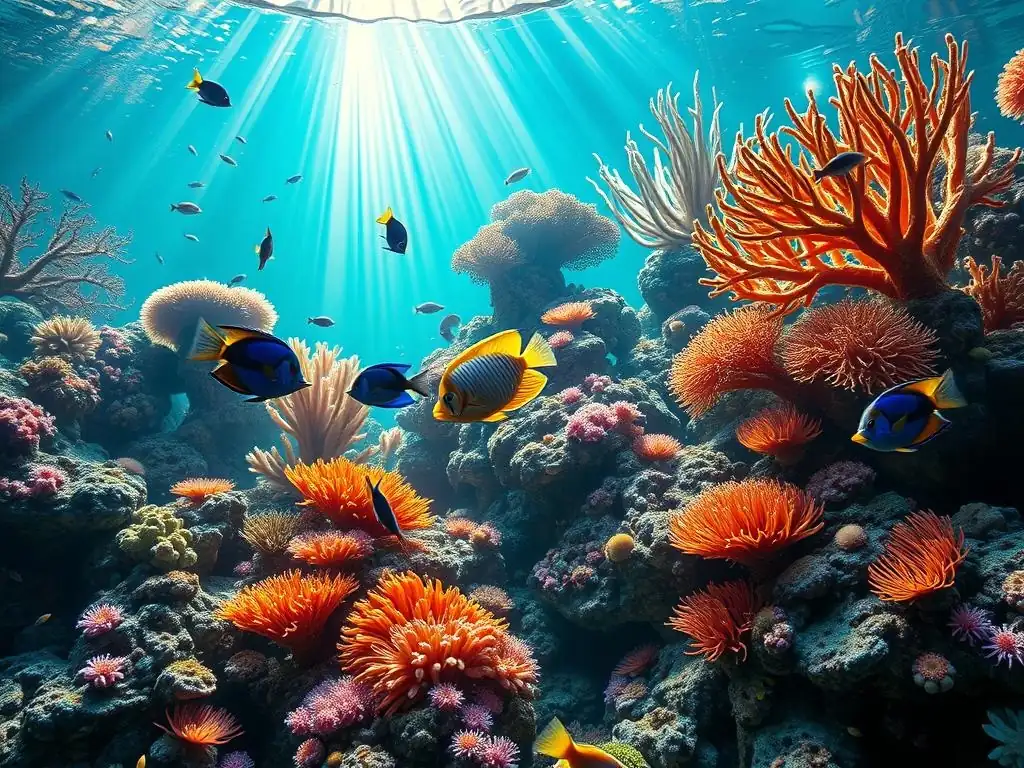
Ever been mesmerized by the vibrant colors and graceful movements of Butterflyfish? Dive in and uncover the secrets to successfully caring for these stunning additions to your saltwater aquarium. Our guide, "From Ocean Wonders to Tank Stars: A Guide to Thriving Butterflyfish," provides essential Butterflyfish care tips aquarium, transforming your tank into a haven where these delicate beauties flourish. Intrigued? Let's explore the fascinating world of Butterflyfish together!
- A Guide to Thriving Butterflyfish in Reef Aquariums
- Introduction to Butterflyfish in Home Aquariums
- Choosing the Right Butterflyfish for Your Aquarium
- Essential Butterflyfish Care Tips
- Maintaining Butterflyfish Health: Recognizing and Treating Common Issues
- Advanced Butterflyfish Care Techniques
- Conclusion: Mastering Butterflyfish Care for a Stunning Aquarium Display
-
Frequently Asked Questions
- How challenging is it to care for Butterflyfish in a home aquarium?
- What are the key considerations when selecting a Butterflyfish for a reef tank?
- What are the essential water parameters for maintaining healthy Butterflyfish?
- What type of diet do Butterflyfish require to stay healthy and vibrant?
- What are some common health problems that affect Butterflyfish, and how can they be prevented?
- Final Reflection: Embracing the Delicate Dance of Butterflyfish Care
- Dive Deeper: Transform Your Tank into a Butterflyfish Paradise!
A Guide to Thriving Butterflyfish in Reef Aquariums
Introduction to Butterflyfish in Home Aquariums
The Allure of Butterflyfish: Reef Elegance in Your Living Room
Butterflyfish, with their striking patterns, vibrant colors, and graceful movements, are among the most captivating inhabitants of a marine aquarium. Their distinctive compressed bodies, often adorned with eye-spots, intricate banding, and elongated snouts, evoke the pristine beauty of coral reefs. Observing these "ocean wonders" as they delicately navigate a home setup brings a slice of the natural reef's elegance directly into your living space, making them a coveted centerpiece for many saltwater aquarists.
The sheer diversity within the Butterflyfish family (Chaetodontidae) offers a wide array of choices, from the iconic Copperband Butterflyfish with its long, pointed snout to the brilliant yellow of the Longnose Butterflyfish. Successfully maintaining these delicate beauties is a testament to an aquarist's dedication and skill, providing immense satisfaction as they thrive and display their natural behaviors. These fish truly transform an aquarium into a dynamic, living art piece, showcasing the pinnacle of marine Butterflyfish care tips aquarium.
Understanding the Challenges of Butterflyfish Care in Captivity
While undeniably beautiful, butterflyfish present significant challenges to even experienced aquarists, making them unsuitable for novice enthusiasts. A primary hurdle is their specialized diet; many species are obligate corallivores in the wild, meaning they primarily feed on coral polyps. Replicating this specific nutritional intake in a captive environment is notoriously difficult, leading to many specimens refusing prepared foods and slowly wasting away.
Furthermore, butterflyfish are highly sensitive to water quality fluctuations and stress, making them susceptible to common marine diseases like marine Ich and Velvet. Their delicate nature requires an established, stable aquarium with pristine water parameters, robust filtration, and careful consideration of tank mates to prevent aggression or competition. Mastering Butterflyfish care tips aquarium involves overcoming these dietary and environmental sensitivities to ensure their long-term survival and well-being.
Choosing the Right Butterflyfish for Your Aquarium
Assessing Your Aquarium's Suitability for Butterflyfish
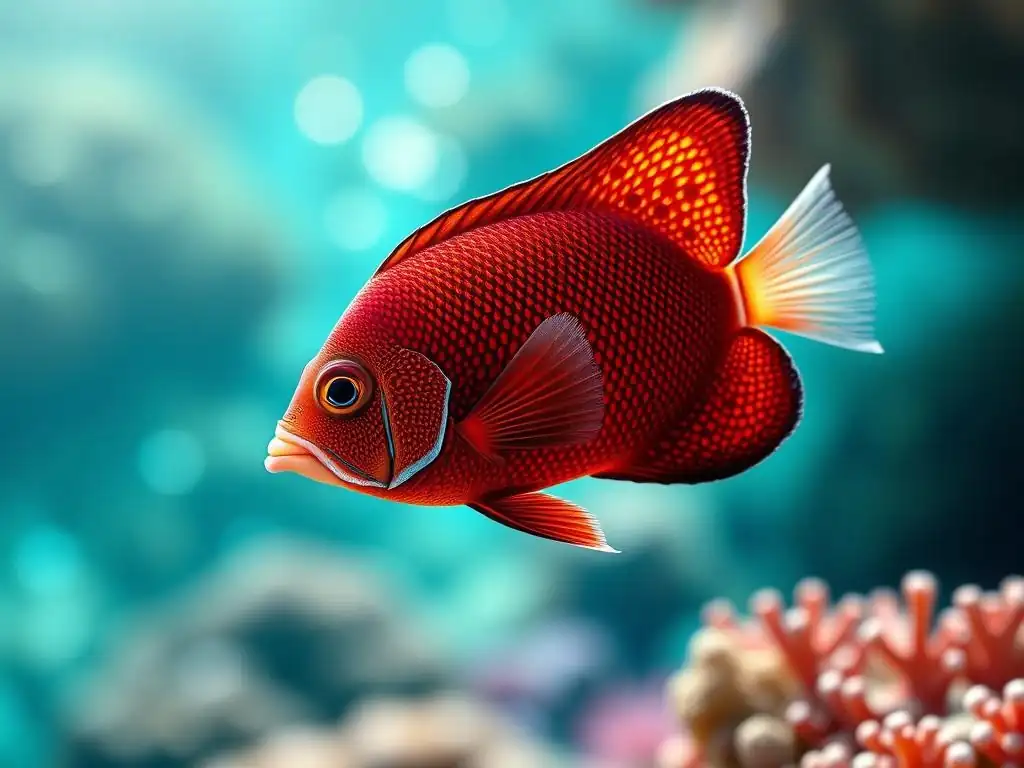
Before introducing a butterflyfish, a thorough assessment of your existing aquarium is paramount. The tank should be well-established, ideally running for at least six to twelve months, to ensure a mature biological filter and stable water parameters. A mature system provides the consistent water quality and microfauna necessary for these sensitive fish to thrive, reducing the stress associated with new environments. Adequate live rock is also crucial, offering essential hiding spots and potential foraging opportunities.
Moreover, consider the tank's volume and dimensions. Butterflyfish are active swimmers and require ample space to roam, with minimum tank sizes generally starting from 70-75 gallons for smaller species and exceeding 100 gallons for larger or more active types. A robust filtration system, including a high-quality protein skimmer, is indispensable for maintaining the pristine water conditions that are a cornerstone of successful Butterflyfish care tips aquarium.
Popular Butterflyfish Species for Beginners: A Comparative Overview
Copperband Butterflyfish (Chelmon rostratus): Care Considerations
The Copperband Butterflyfish, easily recognized by its distinctive vertical orange-copper bands and elongated snout, is a popular choice, often sought after for its reputation as an Aiptasia anemone predator. While its pest-control abilities are a significant draw, this species is notoriously finicky and challenging to feed in captivity. Many specimens refuse prepared foods, making it a high-risk acquisition for even intermediate aquarists.
Successful Butterflyfish care tips aquarium for a Copperband often involves offering a diverse diet of live foods initially, such as blackworms or live brine shrimp, to entice feeding, gradually transitioning to frozen Mysis shrimp, finely chopped clam, or other meaty foods. They require a minimum tank size of 75 gallons with plenty of live rock for foraging and grazing. Their peaceful nature makes them good tank mates for non-aggressive species, but their feeding habits demand persistent effort and patience.
Yellow Longnose Butterflyfish (Forcipiger flavissimus): A Hardy Choice?
The Yellow Longnose Butterflyfish stands out with its striking bright yellow body and exceptionally long, pointed snout. Among the butterflyfish family, this species is often considered one of the hardier and more adaptable choices for the home aquarium, making it a relatively better option for those venturing into Butterflyfish care tips aquarium. They are generally more inclined to accept prepared foods compared to some of their more specialized relatives.
These fish thrive in tanks of at least 70 gallons, equipped with ample live rock for exploration and grazing. Their diet should consist of small, meaty frozen foods such as Mysis shrimp, brine shrimp, and finely chopped seafood, supplemented with high-quality marine pellets or flakes. While generally peaceful, they can be territorial with similar-looking species or other butterflyfish, so careful tank mate selection is important.
Klein's Butterflyfish (Chaetodon kleinii): A Peaceful Option
Klein's Butterflyfish, characterized by its yellowish-brown body, a prominent dark vertical band through the eye, and a lighter posterior, is another species sometimes recommended for aquarists looking for a more peaceful and adaptable butterflyfish. While it shares the general elegance of its relatives, the Klein's Butterflyfish tends to be less demanding in terms of diet and overall care, making it a more forgiving introduction to Butterflyfish care tips aquarium.
This species generally adapts well to captive diets, readily accepting a variety of frozen foods like Mysis shrimp, brine shrimp, and even high-quality marine flakes and pellets. A tank size of 55-70 gallons is typically sufficient, provided there are adequate hiding places and open swimming areas. While considered relatively reef-safe with caution, there is always a slight risk they may nip at soft corals or zoanthids, so observation is key in a mixed reef environment.
Butterflyfish to Avoid for Novice Aquarists: Difficult Species
Pyramid Butterflyfish (Hemitaurichthys polylepis): Schooling and Feeding Challenges
The Pyramid Butterflyfish, with its distinctive yellow "pyramid" shape on a dark body, is visually stunning but poses significant challenges that make it unsuitable for novice aquarists. In the wild, these fish typically form large schools, often numbering in the hundreds, and thrive on a diet of zooplankton in strong currents. Replicating these specific social and feeding conditions in a home aquarium is exceedingly difficult, if not impossible, for most hobbyists.
Attempting to keep a single Pyramid Butterflyfish often results in a stressed, withdrawn, and non-feeding specimen. To provide adequate space and comfort for even a small group, an aquarium exceeding 180-200 gallons is typically required. Furthermore, their specialized zooplankton diet makes them notoriously difficult to wean onto prepared foods, often leading to slow starvation. These factors make them one of the more challenging Butterflyfish care tips aquarium subjects, best left to expert public aquariums or highly advanced private setups.
Essential Butterflyfish Care Tips
Setting Up the Ideal Butterflyfish Aquarium Environment
Tank Size and Dimensions: Giving Butterflyfish Room to Roam
Butterflyfish are active swimmers that require ample space to thrive in a captive environment. Unlike some sedentary fish, they constantly patrol their territory, search for food, and dart through rockwork. Therefore, a minimum tank size of 70-75 gallons is recommended for smaller, more docile species like the Klein's or Yellow Longnose Butterflyfish. Larger species or those kept in pairs will require tanks of 100 gallons or more, with horizontal swimming room being more beneficial than vertical height.
Providing sufficient volume not only allows for adequate swimming space but also contributes significantly to water volume stability, which is crucial for delicate marine species. Larger tanks are inherently more stable regarding temperature, pH, and salinity fluctuations, which are critical Butterflyfish care tips aquarium parameters. This stability reduces stress on the fish, making them less susceptible to disease and promoting healthier, more natural behavior.
Water Parameters: Maintaining a Stable and Healthy Environment
Maintaining precise and stable water parameters is non-negotiable for the long-term health of butterflyfish. Ideal parameters include a specific gravity (salinity) of 1.023-1.025, a temperature range of 75-82°F (24-28°C), and a pH level between 8.1 and 8.4. Additionally, alkalinity should be maintained between 8-12 dKH, calcium at 400-450 ppm, and magnesium at 1250-1350 ppm. Consistent monitoring with reliable test kits is essential, as even minor fluctuations can induce stress.
Stability is more critical than hitting exact numbers; sudden shifts in any parameter can be detrimental. Regular partial water changes, typically 10-15% bi-weekly, using high-quality RO/DI (Reverse Osmosis/Deionized) water and a reputable marine salt mix, are vital for replenishing trace elements and diluting nitrates and other pollutants. This meticulous attention to water quality is a foundational aspect of successful Butterflyfish care tips aquarium.
Filtration and Water Flow: Ensuring Optimal Water Quality
Robust and efficient filtration is paramount for butterflyfish, which are sensitive to organic pollutants. A high-quality protein skimmer, ideally rated for 2-3 times the actual tank volume, is indispensable for removing dissolved organic waste before it breaks down into harmful nitrates. Supplemental filtration, such as a sump with filter socks, activated carbon, and granular ferric oxide (GFO), further enhances water clarity and removes impurities.
Moderate water flow is also important, simulating the natural currents of their reef habitats. This helps oxygenate the water, prevents detritus from settling in dead spots, and keeps food particles suspended for filter feeders. Powerheads or wavemakers should be positioned to create gentle, varied flow patterns without causing excessive turbulence that could stress the fish. Proper filtration and flow contribute significantly to the pristine conditions required for optimal Butterflyfish care tips aquarium.
Lighting Requirements: Simulating Natural Reef Conditions
Butterflyfish do not have specific high-intensity lighting requirements like many corals. Moderate lighting is generally sufficient for their well-being, mimicking the ambient light levels found in the shallow to mid-depths of natural reef environments. While intensely bright lights are not necessary for their physiological needs, appropriate lighting does play a role in their overall environment.
A consistent day/night cycle, facilitated by timers, is beneficial as it helps reduce stress and promotes natural behavioral patterns. If the aquarium contains live rock or a sand bed, moderate lighting can also support the growth of beneficial microalgae and diatoms, which some butterflyfish may graze on. The key is to provide stable, natural lighting that complements the overall aesthetic without causing undue stress or promoting nuisance algae.
Butterflyfish Diet and Feeding Habits in the Aquarium
Understanding Butterflyfish Natural Diet: What They Eat in the Wild
The feeding habits of butterflyfish in their natural reef habitats are incredibly diverse and often highly specialized, which directly translates into the challenges of captive care. Many Chaetodon species are obligate corallivores, meaning their primary diet consists of coral polyps, particularly those of stony corals (SPS and LPS). Other species are omnivores, grazing on algae, detritus, and picking at small invertebrates like worms, crustaceans, and sponges. Some are even specialized feeders on specific pests, such as Aiptasia anemones.
This natural dietary complexity highlights why successful Butterflyfish care tips aquarium hinges on understanding their wild eating patterns. Replicating this diversity and providing appropriate food sources is critical for preventing nutritional deficiencies and promoting long-term health, as a lack of specific nutrients can lead to weakened immune systems and faded coloration.
Providing a Varied and Nutritious Diet in Captivity
Given their often specialized natural diets, providing a varied and nutritious diet is paramount for butterflyfish in captivity. A high-quality, diverse feeding regimen should include a mix of frozen foods such as Mysis shrimp, brine shrimp (preferably enriched with spirulina or other nutrients), finely chopped seafood like clam, squid, or krill, and high-quality marine pellets and flakes. It is crucial to offer a rotation of these foods to ensure a broad spectrum of nutrients.
For species that are notoriously picky, such as the Copperband Butterflyfish, offering live foods like blackworms or enriched live brine shrimp can often entice initial feeding responses. Once they start eating, gradually introduce frozen options. Soaking frozen foods in vitamin supplements like Selcon or Vita-Chem prior to feeding further enhances their nutritional value, directly supporting the immune system and overall vitality, a key Butterflyfish care tips aquarium strategy.
Feeding Frequency and Techniques: Avoiding Overfeeding
Butterflyfish, particularly those that are natural grazers, benefit from frequent, small feedings throughout the day rather than one large meal. Aim to feed 2-3 times a day, offering only what the fish can consume within a few minutes. This mimics their natural foraging behavior and helps maintain consistent nutrient intake without overwhelming the aquarium's filtration system.
Overfeeding is a common mistake that can quickly degrade water quality, leading to elevated nitrates, phosphates, and potentially harmful algae blooms. Uneaten food decays, polluting the water and stressing the fish, making them more susceptible to disease. Always observe your butterflyfish during feeding to ensure they are actively eating and remove any uneaten food promptly using a small net or siphon. This diligence is crucial for maintaining optimal Butterflyfish care tips aquarium conditions.
Supplementing Their Diet: Vitamins and Minerals for Health
Even with a varied diet of high-quality prepared foods, it can be challenging to meet all the micronutritional requirements of butterflyfish, especially those transitioning from a highly diverse natural diet. Many prepared foods may lack the full spectrum of vitamins, amino acids, and trace minerals found in their wild prey.
To compensate for potential deficiencies and bolster their immune system, it is highly recommended to supplement their diet. Liquid vitamin supplements, such as Selcon, Vita-Chem, or similar products, can be used to soak frozen or dry foods for 10-15 minutes before feeding. This enriches the food, providing essential nutrients that support vibrant coloration, robust health, and disease resistance, making it an advanced but crucial Butterflyfish care tips aquarium practice.
Managing Aggression and Compatibility: Butterflyfish Tank Mates
Understanding Butterflyfish Temperament: Solitary or Social?
The temperament of butterflyfish varies significantly between species and can even differ among individuals within the same species. While some butterflyfish are observed solitary in the wild, many species, particularly those from the genus Chaetodon, are found in pairs or small aggregations. In the confines of a home aquarium, however, housing multiple butterflyfish, especially those of similar size or appearance, can lead to territorial aggression unless the tank is exceptionally large (several hundred gallons).
It is crucial for aquarists to research the specific temperament of their chosen butterflyfish species. For example, the Copperband Butterflyfish is generally peaceful and rarely aggressive towards other fish, whereas some Chaetodon species can be quite assertive, especially towards conspecifics or species that resemble them. Understanding these nuances is vital for successful Butterflyfish care tips aquarium and preventing undue stress.
Choosing Compatible Tank Mates: Avoiding Competition and Bullying
Selecting appropriate tank mates is critical for the well-being of butterflyfish. They are generally peaceful to semi-aggressive fish and can be easily stressed by overly aggressive or boisterous species. Good tank mate choices include other peaceful community fish such as certain tangs (e.g., Yellow Tang, Kole Tang), clownfish, gobies, blennies, and some less aggressive wrasses. These species typically occupy different ecological niches and are less likely to compete for food or territory.
Conversely, avoid highly aggressive fish like large triggerfish, puffers, or certain large angelfish that may bully, nip at, or injure the more delicate butterflyfish. Also, be mindful of fast-eating tank mates that might outcompete the often slower-feeding butterflyfish for food, leading to malnutrition. Careful planning of the entire fish community is a fundamental Butterflyfish care tips aquarium consideration.
Quarantine and Acclimation: Introducing New Butterflyfish Safely
The successful introduction of new butterflyfish into an established aquarium hinges critically on proper quarantine and acclimation. A dedicated quarantine tank (QT) of at least 20-30 gallons is an absolute necessity for all new marine fish, especially delicate species like butterflyfish. New arrivals should spend a minimum of 4-6 weeks in the QT, allowing for observation of disease symptoms, prophylactic treatment if necessary, and ensuring the fish is eating well and robust before transfer.
When moving the fish from the QT to the main display tank, a slow drip acclimation process is highly recommended. This method gradually adjusts the fish to the main tank's specific water parameters (salinity, pH, temperature), minimizing the shock and stress that can trigger illness. This diligent approach to quarantine and acclimation significantly improves the chances of long-term Butterflyfish care tips aquarium success and protects your existing aquarium inhabitants from potential pathogens.
Maintaining Butterflyfish Health: Recognizing and Treating Common Issues
Common Butterflyfish Diseases and Ailments
Identifying Early Signs of Illness in Butterflyfish
Early detection is paramount in treating diseases in butterflyfish, as their delicate nature means illnesses can progress rapidly. Aquarists should meticulously observe their butterflyfish daily for any subtle changes in behavior or appearance. Key indicators of potential illness include clamped fins, rapid or labored breathing (gilling), fading or dull coloration, white spots resembling salt grains (Ich), a dusty or velvet-like coating (Marine Velvet), cloudy eyes, lesions, open sores, or ragged fins.
Other behavioral signs such as refusing food, excessive hiding, scratching against rocks (flashing), or erratic swimming patterns also warrant immediate investigation. Prompt identification of these early symptoms allows for timely intervention, significantly increasing the chances of successful treatment and preventing the spread of disease to other inhabitants. Vigilant observation is the first and most crucial step in effective Butterflyfish care tips aquarium.
Treating Parasitic Infections: Ich and Velvet
Parasitic infections like Marine Ich (Cryptocaryon irritans) and Marine Velvet (Amyloodinium ocellatum) are unfortunately common in marine aquariums and can be lethal to butterflyfish if left untreated. Both manifest as small spots or a fine dust on the fish's body and fins, accompanied by rapid breathing and flashing. Treatment typically requires transferring the infected fish to a dedicated hospital tank (HT) for medication, as many treatments are harmful to corals and invertebrates in the main display.
Common treatments include copper-based medications (e.g., Cupramine, Copper Power), which must be dosed precisely and monitored with a copper test kit, or hyposalinity (gradually reducing salinity to 1.009-1.010 for several weeks). Concurrently, the main display tank should be left fallow (fish-free) for at least 6-8 weeks to break the parasite's life cycle. This comprehensive approach is vital for eradicating these stubborn parasites and ensuring long-term Butterflyfish care tips aquarium health.
Addressing Bacterial Infections: Fin Rot and Ulcers
Bacterial infections, such as fin rot and ulcers, often appear as secondary infections when a butterflyfish's immune system is compromised by stress, poor water quality, or physical injury. Fin rot manifests as frayed or disintegrating fins, sometimes with reddened edges. Ulcers are open sores or lesions on the body, which can become severe if not treated promptly. These conditions indicate an underlying issue with the fish's environment or overall health.
Treatment typically involves isolating the affected fish in a hospital tank and administering broad-spectrum antibiotics, either through medicated foods or directly into the water (e.g., Furan-2, Maracyn), strictly following dosage instructions. Simultaneously, it is critical to address the root cause by improving water quality, reducing stress factors, and ensuring a nutritious diet. Addressing these issues swiftly is integral to comprehensive Butterflyfish care tips aquarium.
Preventing Disease Through Proper Quarantine and Care
The most effective strategy for maintaining butterflyfish health is rigorous disease prevention, rather than relying solely on treatment. A strict quarantine protocol for all new fish, invertebrates, and even corals (if applicable) is the cornerstone of a healthy aquarium. New butterflyfish should spend at least 4-6 weeks in a dedicated quarantine tank, allowing time to observe for symptoms, treat any latent diseases, and ensure they are eating well before introduction to the main display.
Beyond quarantine, maintaining pristine water quality through regular water changes, robust filtration, and a high-quality protein skimmer is paramount. Providing a varied and nutritious diet, minimizing stress factors (e.g., aggressive tank mates, inadequate hiding spots), and ensuring stable water parameters all contribute to a strong immune system, making butterflyfish less susceptible to pathogens. Proactive care is the best Butterflyfish care tips aquarium defense.
Troubleshooting Common Butterflyfish Care Problems
Butterflyfish Not Eating: Identifying the Cause and Solutions
A butterflyfish refusing to eat is a common and concerning issue, often signaling stress, illness, or simply a finicky nature. Possible causes include recent introduction to a new tank, aggressive tank mates, poor water quality, internal parasites, or being a naturally specialized feeder that hasn't adapted to prepared foods. It's crucial to identify the root cause quickly, as prolonged starvation can be fatal.
Solutions involve first checking all water parameters for stability and optimal levels. If stress from tank mates is suspected, consider moving the butterflyfish to a quiet hospital tank. Offer a variety of highly palatable foods, starting with live options like blackworms or enriched brine shrimp, then slowly introducing frozen foods like Mysis shrimp or finely chopped clam. Soaking food in vitamin supplements can also entice feeding. If internal parasites are suspected, medicated foods designed for such issues may be necessary. Patience and persistence are key Butterflyfish care tips aquarium attributes here.
Butterflyfish Hiding: Understanding Stress and Providing Security
Excessive hiding is a strong indicator of stress in butterflyfish. This behavior can stem from various factors, including being new to the aquarium, feeling threatened by aggressive tank mates, inadequate hiding spots, or experiencing poor water quality. A stressed butterflyfish is more prone to illness and may refuse to eat, leading to a decline in health.
To address this, first ensure your aquarium provides ample hiding places in the form of live rock caves, overhangs, and crevices. These secure retreats allow the fish to feel safe and reduce anxiety. Verify that all tank mates are compatible and not bullying the butterflyfish. Regularly test water parameters to rule out environmental issues. A secure and stable environment is fundamental for encouraging natural behavior and overall well-being, a critical aspect of Butterflyfish care tips aquarium.
Butterflyfish Color Loss: Nutritional Deficiencies and Environmental Factors
Fading or dull coloration in butterflyfish is a clear sign that something is amiss with their health or environment. This often points to nutritional deficiencies, chronic stress, or prolonged exposure to suboptimal water conditions. A vibrant, rich color indicates a healthy, thriving specimen, whereas a washed-out appearance suggests underlying problems.
To restore vibrant coloration, first reassess the fish's diet. Ensure it is varied, nutritious, and includes high-quality frozen foods and vitamin supplements. Chronic stress, caused by aggressive tank mates, inadequate hiding spots, or unstable water parameters, can also lead to color loss. Address these environmental factors promptly. Regular water changes and consistent monitoring of water quality are essential. A healthy, stress-free environment, combined with a balanced diet, will typically lead to the return of brilliant colors, showcasing effective Butterflyfish care tips aquarium.
Advanced Butterflyfish Care Techniques
Reef-Safe Butterflyfish: Choosing Species That Won't Harm Corals
The term "reef-safe" when applied to butterflyfish is often used with considerable caution, as many species, particularly those from the genus Chaetodon, are natural corallivores and will nip at or consume coral polyps (including SPS, LPS, and soft corals). For aquarists with mixed reef tanks, introducing a butterflyfish presents a calculated risk. While no butterflyfish is 100% guaranteed reef-safe, some species are generally considered "more reef-safe with caution" than others.
Species often cited as having a lower propensity to harm corals include the Copperband Butterflyfish (primarily known for eating Aiptasia, not corals), the Yellow Longnose Butterflyfish, and sometimes the Pyramid Butterflyfish (though it has other significant care challenges). However, individual fish behavior can vary, and even these species might occasionally nip at corals, especially if underfed or if the corals are particularly enticing. Close observation is always necessary in a reef environment, making this a nuanced aspect of Butterflyfish care tips aquarium.
Breeding Butterflyfish in Captivity: A Challenging Endeavor
Breeding butterflyfish in home aquariums is an extremely rare and largely undocumented achievement for most species. Unlike many other aquarium fish that are egg-layers or livebearers, butterflyfish are pelagic spawners. This means they release their eggs and sperm into the open water column, where fertilization occurs, and the tiny eggs drift with currents before hatching into microscopic larvae.
The challenges associated with breeding them are immense. These include the difficulty in conditioning adult fish to spawn consistently in captivity, the need for very large breeding tanks to accommodate their spawning rituals, and perhaps most significantly, the immense difficulty in raising the incredibly small, specialized-feeding larvae. These larvae require specific, often live, microscopic foods that are nearly impossible to culture in sufficient quantities for survival, making captive breeding a feat primarily achieved by very few public aquariums or highly specialized research facilities.
Target Feeding Techniques for Picky Eaters
Many butterflyfish species, especially those newly introduced or those with very specialized natural diets, can be notoriously difficult to get to eat prepared foods. When a butterflyfish is refusing to eat, a technique called target feeding can be incredibly effective. This method involves directly delivering food to the fish, minimizing competition from other tank mates and allowing the aquarist to observe if the fish is actually consuming the food.
To target feed, use a long pipette, turkey baster, or specialized feeding stick. Load the device with small, enticing food items such as live blackworms, enriched frozen Mysis shrimp, or finely chopped clam. Slowly approach the butterflyfish and gently release the food directly in front of its mouth. This direct delivery often encourages the fish to take the food, and with patience and persistence, it can help transition picky eaters onto a more sustainable captive diet. This is a crucial advanced Butterflyfish care tips aquarium strategy.
Conclusion: Mastering Butterflyfish Care for a Stunning Aquarium Display
The Rewards of Successfully Keeping Butterflyfish
Successfully keeping butterflyfish in a home aquarium is a truly rewarding endeavor that goes beyond simply maintaining life. It signifies an aquarist's mastery of complex marine husbandry, transforming a challenging undertaking into a vibrant, dynamic display of oceanic elegance. Witnessing these "ocean wonders" thrive, exhibit their natural behaviors, and display their stunning coloration is a source of immense satisfaction and pride.
The unique grace and beauty that butterflyfish bring to a marine setup make them unparalleled centerpieces, captivating all who observe them. Their survival and flourishing in a captive environment underscore the dedication to providing pristine water quality, a tailored diet, and a stress-free habitat. The visual impact of a healthy, active butterflyfish, swimming gracefully amidst live rock, makes all the effort of advanced Butterflyfish care tips aquarium profoundly worthwhile.
Resources for Further Learning About Butterflyfish Care
The journey of mastering butterflyfish care is continuous, requiring ongoing learning and adaptation. To deepen your knowledge and refine your Butterflyfish care tips aquarium practices, numerous valuable resources are available. Reputable online forums and communities dedicated to marine aquariums offer a wealth of shared experiences and advice from fellow hobbyists. Websites like Aquarium Mastery provide detailed species profiles, troubleshooting guides, and articles on water chemistry and maintenance.
Furthermore, investing in specialized marine aquarium books written by experienced authors can provide comprehensive insights into butterflyfish biology, specific dietary needs, and advanced care techniques. Joining local aquarium clubs or marine societies can also be incredibly beneficial, offering opportunities to connect with experienced aquarists, attend educational presentations, and gain practical advice tailored to your specific region and resources. Continuous education is key to long-term success.
Frequently Asked Questions
How challenging is it to care for Butterflyfish in a home aquarium?
Butterflyfish care can be moderately challenging. They require specific water parameters and are often sensitive to changes in their environment. Research is crucial!
What are the key considerations when selecting a Butterflyfish for a reef tank?
Not all Butterflyfish are reef-safe. Some species are known to nip at corals. Choose species carefully and ensure they are compatible with your existing reef inhabitants.
What are the essential water parameters for maintaining healthy Butterflyfish?
Maintaining stable water parameters is vital. Consistent temperature, pH, and salinity are crucial. Regular water testing and prompt adjustments are necessary for their well-being.
What type of diet do Butterflyfish require to stay healthy and vibrant?
Butterflyfish have diverse dietary needs. Offer a varied diet of meaty foods, including frozen and live options. Supplement with vitamin-enriched foods to ensure optimal health and coloration.
What are some common health problems that affect Butterflyfish, and how can they be prevented?
Butterflyfish are susceptible to diseases like ich and marine velvet. Quarantine new arrivals and maintain excellent water quality to prevent outbreaks. Early detection is key for successful treatment.
Final Reflection: Embracing the Delicate Dance of Butterflyfish Care
The journey from the ocean's vibrant reefs to the controlled environment of an aquarium highlights a crucial point: responsible stewardship is paramount when bringing a piece of the wild into our homes. Understanding the specific needs of butterflyfish, as we've explored in this guide, isn't just about keeping them alive; it's about ensuring they thrive and continue to captivate us with their beauty.
This delicate balance between admiration and responsibility profoundly impacts how we interact with the natural world. The commitment to providing optimal butterflyfish care reflects a broader commitment to conservation and ethical aquarium keeping. It's a reminder that even seemingly small actions, like choosing the right tank mates or providing a varied diet, contribute to the overall well-being of these magnificent creatures. In the end, we will conserve only what we love; we will love only what we understand; and we will understand only what we are taught.
- Baba Dioum. This quote encapsulates the essence of responsible aquarium keeping: education leading to understanding, love, and ultimately, conservation.
Now, as you embark on, or continue, your journey with butterflyfish, I encourage you to reflect on the knowledge you've gained. Consider how you can further refine your approach to create an environment that not only sustains life but also allows these "tank stars" to truly flourish. Let the lessons learned here inspire you to become a champion of responsible aquarium keeping, ensuring that future generations can also marvel at the beauty and wonder of butterflyfish.
Dive Deeper: Transform Your Tank into a Butterflyfish Paradise!
Thank you for exploring the captivating world of Butterflyfish with us! We hope you’ve gained valuable insights into creating a thriving habitat for these aquatic gems. Now, it's time to turn knowledge into action and elevate your aquarium experience.
Here are a few ways to continue your journey:
- Begin with one: Research and carefully select a hardy and reef-safe Butterflyfish species as your first tank inhabitant. Remember acclimation is key!
- Unveil the Secrets of Substrate: Experiment with different substrate combinations to mimic the natural reef where Butterflyfish thrive, potentially boosting the biodiversity of your aquarium.
- Share the Splendor: Post a photo of your aquarium's progress on social media, tagging #AquariumMastery and invite fellow enthusiasts to share their butterflyfish journeys too.
What surprising element are you most excited to introduce to your tank to truly mimic a natural butterflyfish habitat?