
Is the Lemonpeel Angelfish Right for Your Reef? Profile, Care & Compatibility

Welcome to Aquarium Mastery, where your underwater dreams come to life!
Ever been captivated by the vibrant hues of a reef aquarium, imagining the perfect splash of yellow swimming gracefully among the corals? Our latest article dives deep into the captivating world of the Lemonpeel Angelfish, exploring its unique needs and reef compatibility. But is this stunning fish truly the right fit for your reef tank? Discover everything you need to know to make an informed decision and ensure a thriving, harmonious ecosystem. Keep reading to unlock the secrets to successful Lemonpeel angelfish reef care!
- Lemonpeel Angelfish: A Reef Keeper's Guide
- Lemonpeel Angelfish Profile: Size, Appearance, and Lifespan
- Lemonpeel Angelfish Care: Essential Requirements for a Healthy Life
- Lemonpeel Angelfish Reef Compatibility: Are They Reef Safe?
- Maintaining a Healthy Lemonpeel Angelfish: Common Diseases and Prevention
- Pros and Cons of Keeping a Lemonpeel Angelfish in a Reef Aquarium
- Lemonpeel Angelfish: Expert Tips for Successful Reef Keeping
- Is the Lemonpeel Angelfish the Right Choice for Your Reef? Final Thoughts
-
Frequently Asked Questions
- What are the main considerations when deciding if a Lemonpeel Angelfish is suitable for a reef aquarium?
- What type of aquarium setup is recommended for keeping a Lemonpeel Angelfish?
- What are the dietary needs of a Lemonpeel Angelfish, and how can they be met in a reef environment?
- Are Lemonpeel Angelfish compatible with all types of corals?
- What are some common health issues to watch out for with Lemonpeel Angelfish, and how can they be prevented?
- Final Reflection: The Delicate Dance of Reef Harmony
- Unleash the Reef's Radiance: Your Next Step Awaits!
Lemonpeel Angelfish: A Reef Keeper's Guide
Understanding the Allure of the Lemonpeel Angelfish (Centropyge flavissima)
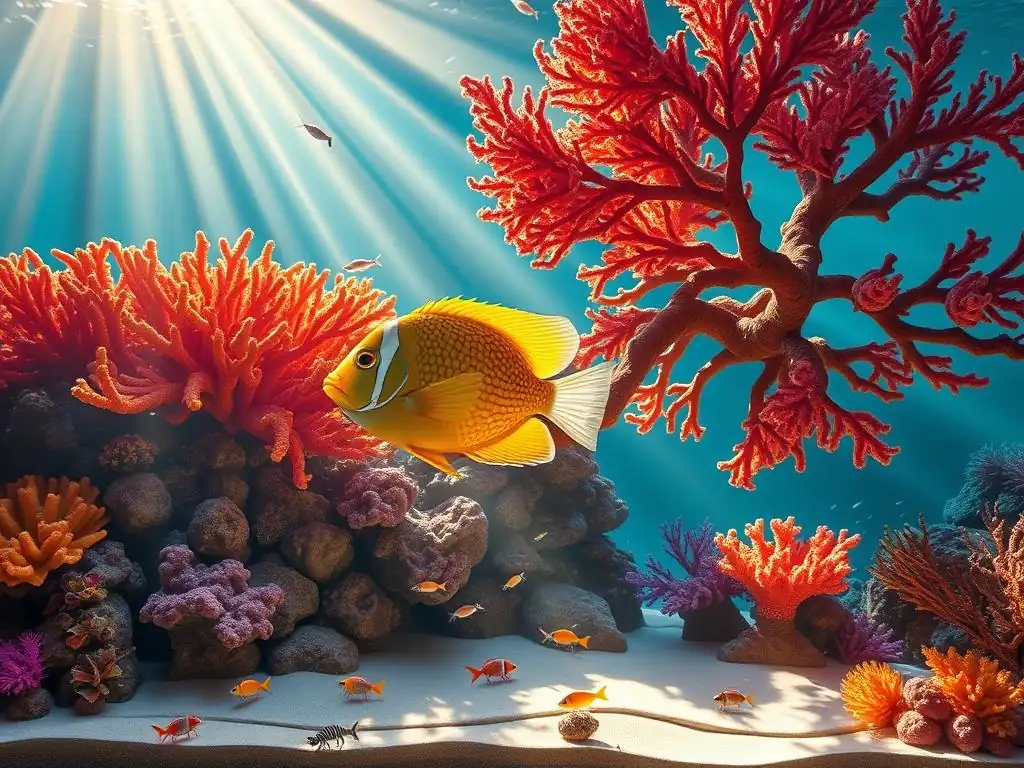
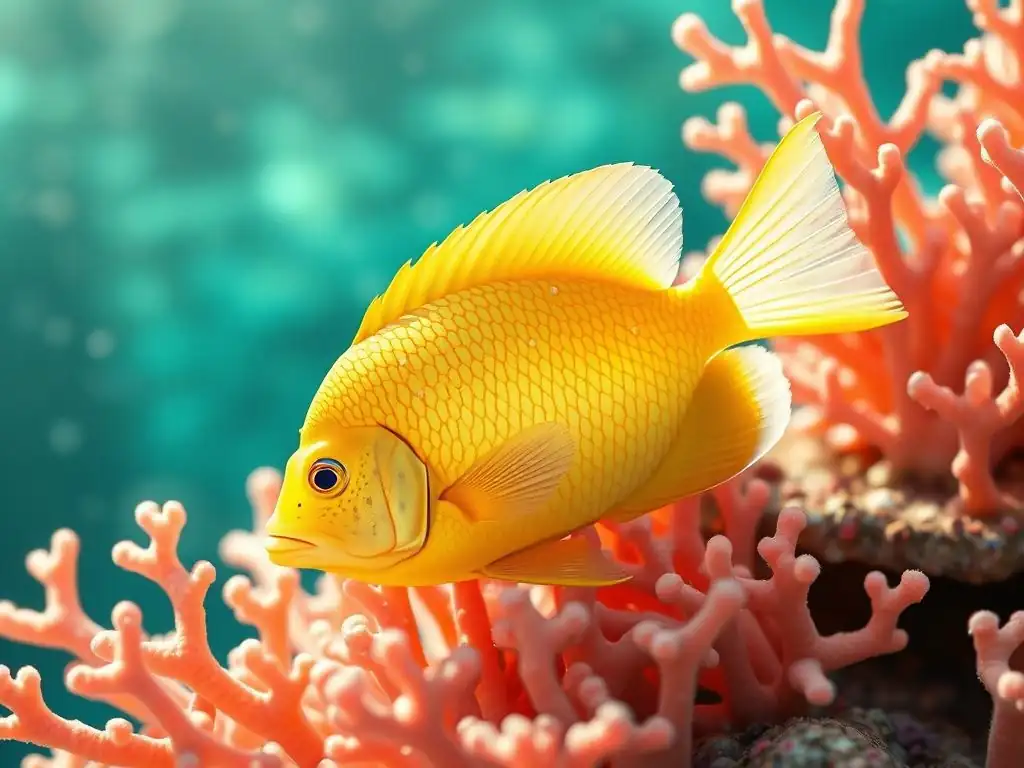
The Lemonpeel Angelfish (Centropyge flavissima) is a highly sought-after dwarf angelfish, renowned for its striking visual appeal in the marine aquarium. Its body is adorned with an intensely vibrant lemon-yellow hue, complemented by a distinctive iridescent blue or purple ring encircling its eye. This captivating coloration extends to the fin tips, often displaying subtle blue edging on the dorsal, anal, and caudal fins, making it a living jewel that instantly captures attention and adds dynamic color to any reef tank setup.
Beyond its stunning appearance, the Lemonpeel Angelfish exhibits an active and curious personality that further enhances its allure for reef keepers. It is a constant swimmer, gracefully navigating through rockwork and open water, providing continuous visual interest. Its intelligent behavior and inquisitive nature, often seen as it explores crevices or grazes on live rock, contribute to its popularity, making it a desirable addition for those seeking an engaging and beautiful specimen for their Lemonpeel angelfish reef care journey.
Key Considerations Before Adding a Lemonpeel Angelfish to Your Reef Tank
Before introducing a Lemonpeel Angelfish to a reef environment, several critical factors must be thoroughly considered, primarily its potential for coral nipping. While often labeled "reef-safe with caution," individual temperaments vary significantly. Some specimens may coexist peacefully with corals, while others might develop an unfortunate habit of nipping at the fleshy polyps of Large Polyp Stony (LPS) corals, soft corals, or the mantles of clams, potentially causing irreversible damage to valuable invertebrates.
Another crucial consideration for successful Lemonpeel angelfish reef care is providing an adequately sized and well-established tank. A mature system, typically aged six months or more, with stable water parameters and abundant live rock, is essential. The live rock serves not only as a source of natural grazing material but also provides crucial hiding spots and territories, which help reduce stress and potential aggression in this active, yet sometimes territorial, dwarf angelfish.
Lemonpeel Angelfish Profile: Size, Appearance, and Lifespan
Identifying Characteristics of the Lemonpeel Angelfish
The most defining characteristic of the Lemonpeel Angelfish is its brilliant, uniform lemon-yellow body, which provides a striking contrast against other reef inhabitants. A prominent, vibrant blue or sometimes violet ring encircles the eye, varying in intensity and completeness among individuals. This ocular ring is a key distinguishing feature, helping differentiate it from similar yellow dwarf angelfish species.
Further identifying marks include the distinct blue or deep purple edging present on the dorsal, anal, and caudal fins, which can shimmer under aquarium lighting. Some specimens may also exhibit a small, subtle blue spot on the operculum (gill cover). These combined features – the all-yellow body, the blue eye ring, and the blue fin margins – reliably identify the Lemonpeel Angelfish (Centropyge flavissima), making it a visually distinct choice for advanced Lemonpeel angelfish reef care.
Lemonpeel Angelfish Size and Growth Rate in Captivity
In a typical home aquarium setting, the Lemonpeel Angelfish usually attains an adult size of approximately 4 to 5 inches (about 10 to 12.5 cm) in total length. Their growth rate is considered moderate; a juvenile specimen may take 1 to 2 years to reach near-adult proportions, depending significantly on the quality of its diet and the stability of its environment. Consistent nutrition and optimal water conditions are key determinants of healthy growth.
Factors such as a varied and high-quality diet, coupled with pristine and stable water parameters, directly contribute to the optimal growth of a Lemonpeel Angelfish. Conversely, poor water quality, inadequate nutrition, or persistent stress can stunt their development. While they remain relatively small, providing ample swimming space and sufficient live rock for natural grazing is crucial for their physical development and overall well-being in Lemonpeel angelfish reef care.
Expected Lifespan of a Lemonpeel Angelfish in a Home Aquarium
With proper Lemonpeel angelfish reef care, a Lemonpeel Angelfish can enjoy a remarkably long lifespan in a home aquarium. On average, a well-maintained specimen can live for 5 to 7 years. There are documented cases of these angelfish surviving for even longer, occasionally reaching up to 10 years or more under exceptional and consistently ideal conditions. This longevity underscores the importance of diligent and consistent husbandry practices.
Achieving a long lifespan for your Lemonpeel Angelfish hinges on several critical factors: maintaining stable and pristine water parameters, providing a diverse and nutritious diet, ensuring a stress-free environment with appropriate tank mates, and offering ample hiding spaces. Any significant deviation from these ideal conditions, such as fluctuating water quality or persistent aggression from other fish, can significantly reduce their expected lifespan.
Lemonpeel Angelfish Care: Essential Requirements for a Healthy Life
Ideal Water Parameters for Lemonpeel Angelfish
Maintaining Optimal Temperature, Salinity, and pH
For a healthy and thriving Lemonpeel Angelfish, maintaining stable and specific water parameters is paramount. The ideal temperature range for Centropyge flavissima is between 72-78°F (22-26°C), with many aquarists aiming for a consistent 75°F (24°C). Salinity should be kept within a specific gravity range of 1.023 to 1.026, with an optimal target of 1.025. The pH level is also crucial and should consistently be maintained between 8.1 and 8.4 to prevent undue stress.
Consistency in these parameters is far more critical than hitting exact numbers; rapid fluctuations can be highly detrimental. Regular monitoring using reliable test kits is essential to ensure stability. Furthermore, in a reef environment, maintaining stable alkalinity (8-12 dKH) and calcium (400-450 ppm) levels is also important, as these contribute to the overall health of the ecosystem and, by extension, the well-being of the Lemonpeel angelfish.
The Importance of Water Changes and Filtration for Lemonpeel Angelfish
Regular water changes are a cornerstone of effective Lemonpeel angelfish reef care, serving multiple vital functions. They help to dilute accumulated nitrates and other metabolic waste products, replenish essential trace elements consumed by corals and inhabitants, and generally maintain superior water quality. A common recommendation for a well-stocked reef tank housing a Lemonpeel Angelfish is a weekly or bi-weekly water change of 10-20% of the total tank volume.
A robust and efficient filtration system is equally crucial. This typically includes mechanical filtration to remove particulate matter, biological filtration (often provided by live rock) to convert ammonia and nitrite, and chemical filtration (such as activated carbon or GFO) to remove dissolved organic compounds and phosphates. The use of a high-quality protein skimmer is highly recommended, as it efficiently removes organic waste before it breaks down, significantly contributing to the overall cleanliness and stability of the water column for the Lemonpeel angelfish.
Lemonpeel Angelfish Diet: Feeding Habits and Nutritional Needs
What to Feed Your Lemonpeel Angelfish: A Varied Diet
In their natural habitat, Lemonpeel Angelfish are omnivores, primarily grazing on various types of algae, detritus, and occasionally small benthic invertebrates. To replicate this diverse diet in a home aquarium, it is essential to offer a wide range of high-quality foods. This should include spirulina-based flakes or pellets as a staple, supplemented with frozen foods like mysis shrimp, brine shrimp (preferably enriched), and finely chopped marine-based preparations.
For optimal Lemonpeel angelfish reef care, feed small portions 2-3 times per day to ensure consistent nutrient intake without overfeeding. Examples of suitable commercial foods include Ocean Nutrition Formula One Flakes, Hikari Marine S pellets, and various frozen "reef blends" that contain a mix of ingredients. Additionally, providing ample live rock allows the angelfish to graze naturally on microalgae and detritus throughout the day, which is beneficial for their digestive health and overall vitality.
Avoiding Nutritional Deficiencies in Lemonpeel Angelfish
A diet lacking essential nutrients can severely impact the health and vibrancy of a Lemonpeel Angelfish, leading to various deficiencies. Common signs of poor nutrition include faded coloration, stunted growth, a weakened immune system making them more susceptible to disease, and in severe cases, conditions like Head and Lateral Line Erosion (HLLE). This is particularly prevalent if their diet lacks sufficient plant matter or critical vitamins like Vitamin C.
To prevent these deficiencies, consistently offer a varied diet as described above. Supplementing their meals with vitamin-enriched foods or using liquid vitamin supplements added to their frozen foods can significantly bolster their nutritional intake. Clipping sheets of dried marine algae (nori) to the tank glass provides an excellent continuous grazing opportunity, mimicking their natural feeding behavior and ensuring they receive adequate plant matter, which is vital for maintaining the long-term health and brilliant yellow color of your Lemonpeel angelfish.
Setting Up the Perfect Tank for a Lemonpeel Angelfish
Minimum Tank Size Requirements for Lemonpeel Angelfish
Despite being classified as a dwarf angelfish, the Lemonpeel Angelfish is an active swimmer and can exhibit territorial behavior, necessitating adequate space for its well-being. For a single Lemonpeel Angelfish, a minimum tank size of 70 gallons (approximately 265 liters) is strongly recommended. This volume provides sufficient swimming room and helps maintain stable water parameters, which are crucial for this species.
For aquarists planning to house a Lemonpeel Angelfish in a community tank with other active fish, or if considering the possibility of housing them with other dwarf angelfish (though generally not recommended), a larger tank of 90 gallons (around 340 liters) or more is preferable. More space reduces potential stress and aggression, allows for more intricate aquascaping, and contributes to overall success in Lemonpeel angelfish reef care.
Essential Aquascaping for Lemonpeel Angelfish: Providing Shelter and Grazing Areas
The aquascaping of a Lemonpeel Angelfish's tank is critical for its health and comfort. It requires a well-established live rock structure that offers numerous caves, crevices, and overhangs. These formations serve as essential hiding spots, providing the fish with a sense of security and a place to retreat when feeling stressed or resting, mimicking their natural reef environment.
Beyond shelter, the live rock also acts as a continuous source of natural grazing material, allowing the omnivorous Lemonpeel Angelfish to pick at microalgae and detritus throughout the day, which supplements their prepared diet. Arrange the rockwork to create both complex, hidden areas and open swimming spaces at the front and mid-levels of the tank. This thoughtful setup is vital for promoting natural behaviors and ensuring optimal Lemonpeel angelfish reef care.
Lemonpeel Angelfish Reef Compatibility: Are They Reef Safe?
Understanding the Reef-Safe Debate with Lemonpeel Angelfish
The question of whether a Lemonpeel Angelfish is "reef-safe" is a frequently debated topic among marine aquarists, and the consensus is often "reef-safe with caution." While many individuals of Centropyge flavissima coexist peacefully within a reef aquarium, there is an inherent, unpredictable risk that some may develop a habit of nipping at certain corals or the mantles of clams. This behavior is highly individualistic and cannot be guaranteed one way or another.
Factors influencing this behavior can include the angelfish's personality, its diet, and the specific types of corals present in the tank. A well-fed Lemonpeel angelfish that has ample live rock to graze upon is generally less likely to bother corals out of hunger or boredom. However, even with optimal Lemonpeel angelfish reef care, some specimens may simply have a predisposition to nip. Therefore, aquarists must be prepared for this possibility when adding one to a mixed reef.
Potential Risks to Corals and Invertebrates
Which Corals are Most at Risk from Lemonpeel Angelfish?
When considering Lemonpeel angelfish reef care, it's important to understand which corals are most vulnerable to their nipping behavior. Large Polyp Stony (LPS) corals are particularly susceptible due to their fleshy polyps, which can be tempting targets. Species such as Favia, Blastomussa, Scolymia, and especially soft, fleshy LPS like Cynarina and Acans, are frequently reported as being nipped. Clams, especially their delicate mantles, are also a common target for curious or hungry Lemonpeel angelfish.
While less common, some soft corals, including certain types of zoanthids, palythoa, and disc anemones (Ricordea), may also occasionally be bothered. Small Polyp Stony (SPS) corals, with their smaller polyps and harder skeletons, are generally considered safer from the typical nipping of a Lemonpeel Angelfish, though no coral is entirely immune to an overly persistent or hungry specimen. Vigilant observation is always recommended.
Minimizing the Risk of Coral Nipping
To minimize the risk of a Lemonpeel Angelfish nipping at corals, several proactive strategies can be employed. The most crucial is ensuring the angelfish is consistently well-fed with a varied and nutritious diet, including plenty of spirulina-based foods and marine algae. Offering small amounts of food 2-3 times a day helps keep their stomachs full and reduces the incentive to graze on corals out of hunger or boredom.
Additionally, providing a mature tank with abundant live rock offers natural grazing opportunities and enrichment, diverting their attention from corals. Introduce the angelfish to a well-established reef rather than a newly set up one. Closely observe the fish's behavior, especially during the first few weeks. If nipping begins, increasing feeding frequency or adding more grazing material (like nori clipped to the glass) might help. However, if persistent, removal of the angelfish may be the only way to protect valuable corals, highlighting the inherent challenge in Lemonpeel angelfish reef care for mixed reefs.
Choosing Compatible Tank Mates for Lemonpeel Angelfish
Ideal Fish Tank Mates for Lemonpeel Angelfish
When selecting tank mates for a Lemonpeel Angelfish, prioritize peaceful and similarly sized species that will not compete excessively for food or space. Good companions include various species of tangs (e.g., Yellow Tang, Kole Tang), clownfish, gobies (e.g., Watchman Goby, Diamond Watchman Goby), blennies (e.g., Lawnmower Blenny, Starry Blenny), and certain less aggressive damselfish like the Azure Damselfish. These species generally coexist well and add to the vibrancy of the reef.
It is important to consider the Lemonpeel Angelfish's potential for territoriality, especially towards other dwarf angelfish or fish with similar body shapes. Ensuring tank mates are not overly boisterous or aggressive is key to preventing stress and promoting a harmonious environment. Providing ample hiding spots and sufficient swimming room within the tank helps mitigate potential territorial disputes, contributing to successful Lemonpeel angelfish reef care in a community setting.
Fish to Avoid Housing with Lemonpeel Angelfish
Certain fish species are generally incompatible with the Lemonpeel Angelfish and should be avoided in the same aquarium. Housing multiple dwarf angelfish, especially those of the same genus (Centropyge) or similar coloration, is highly discouraged unless the tank is exceptionally large (150+ gallons) and they are introduced simultaneously as juveniles. This often leads to severe aggression and stress.
Furthermore, larger, more aggressive angelfish species (e.g., larger Genicanthus or Pomacanthus species), triggers, and puffers should be avoided as they will likely harass, outcompete, or even injure the relatively smaller Lemonpeel Angelfish. Very small or timid fish might also be outcompeted for food or stressed by the active nature of the Lemonpeel. Ensuring appropriate tank mates is paramount for the long-term health and well-being of your Lemonpeel angelfish.
Maintaining a Healthy Lemonpeel Angelfish: Common Diseases and Prevention
Recognizing Signs of Illness in Lemonpeel Angelfish
A healthy Lemonpeel Angelfish typically exhibits vibrant coloration, active swimming, and an alert demeanor. Recognizing early signs of illness is crucial for prompt intervention and successful Lemonpeel angelfish reef care. Key indicators of distress or disease include faded or dull coloration, clamped fins held close to the body, rapid or labored breathing, and visible spots or lesions on the body.
Behavioral changes are also significant red flags. Watch for excessive hiding, rubbing or "flashing" against rocks or substrate, erratic swimming patterns, or a noticeable decrease in appetite. A healthy Lemonpeel Angelfish will eagerly accept food. Any sustained lethargy, loss of interest in its surroundings, or refusal to eat should prompt immediate investigation of water parameters and a thorough visual inspection of the fish.
Common Diseases Affecting Lemonpeel Angelfish and Their Treatment
Marine Ich (White Spot Disease) in Lemonpeel Angelfish
Marine Ich, caused by the parasitic protozoan Cryptocaryon irritans, is one of the most common and feared diseases in marine aquariums. In Lemonpeel Angelfish, it manifests as small, scattered white spots resembling grains of salt on the fish's body, fins, and sometimes gills. Affected fish may exhibit rapid respiration, increased scratching against tank decor (flashing), and general lethargy. Stress, often from poor water quality, temperature fluctuations, or new tank introductions, can trigger outbreaks.
Treating Ich in a reef tank is challenging because many effective medications are toxic to corals and invertebrates. Common reef-safe approaches include maintaining pristine water quality, using a UV sterilizer, or implementing a period of hyposalinity (gradually reducing salinity to 1.009-1.010 for 2-4 weeks) if the reef inhabitants can tolerate it. For severe cases or to ensure complete eradication, the affected Lemonpeel Angelfish should be moved to a separate quarantine tank for copper-based treatments or Chloroquine Phosphate, emphasizing the complexity of Lemonpeel angelfish reef care when disease strikes.
Preventing and Treating Fin Rot in Lemonpeel Angelfish
Fin rot is typically a bacterial infection that can affect Lemonpeel Angelfish, often occurring as a secondary infection due to stress, poor water quality, or physical injury. Symptoms include the erosion or fraying of fins, which may appear ragged, torn, or develop white or reddish inflamed edges. In advanced stages, the fins can disintegrate, and cotton-like growths may be visible.
Prevention is primarily achieved through maintaining excellent water quality via regular water changes and efficient filtration, along with providing a stress-free environment. Mild cases of fin rot may resolve simply by improving water conditions. For more severe or persistent infections, the Lemonpeel Angelfish should be moved to a quarantine tank for treatment with broad-spectrum antibacterial medications such as Furan-2 or Maracyn. Preventing aggression from tank mates and ensuring ample hiding spots also helps prevent fin injuries, which are common precursors to fin rot, making it a vital aspect of comprehensive Lemonpeel angelfish reef care.
Quarantine Procedures for New Lemonpeel Angelfish
Implementing a strict quarantine procedure for any new Lemonpeel Angelfish is an absolutely critical step in preventing the introduction of diseases, parasites, and unwanted pests into your established reef display tank. A dedicated quarantine tank (QT) of at least 20 gallons, equipped with basic filtration, a heater, and a few PVC pipes for hiding, is highly recommended for this purpose.
The new angelfish should ideally spend a minimum of 4-6 weeks in the QT. During this period, diligently observe for any signs of illness, such as Ich, velvet, or bacterial infections. Proactive treatments, such as freshwater dips for external parasites or administering medications like Prazipro for flukes, can be performed in the QT without risking your main display tank's inhabitants. Ensure the fish is eating well and appears healthy before transitioning it to the main reef, making this a non-negotiable component of responsible Lemonpeel angelfish reef care.
Pros and Cons of Keeping a Lemonpeel Angelfish in a Reef Aquarium
Advantages of Owning a Lemonpeel Angelfish
The Lemonpeel Angelfish offers several compelling advantages for the reef aquarist. Foremost is its stunning, vibrant lemon-yellow coloration, which provides an unparalleled splash of brightness and visual appeal, instantly elevating the aesthetics of any reef tank. Their active swimming patterns and inquisitive nature add dynamic movement and interest to the aquarium, providing continuous entertainment for observers. Furthermore, once acclimated, they are generally hardy and resilient, making them a relatively robust dwarf angelfish option.
Another practical benefit is their omnivorous diet. While requiring prepared foods, Lemonpeel Angelfish also actively graze on microalgae and detritus found on live rock. This natural grazing behavior can contribute to controlling nuisance algae, subtly assisting in the cleanliness and overall balance of the reef ecosystem, which is a beneficial, albeit often overlooked, aspect of Lemonpeel angelfish reef care.
Potential Drawbacks of Lemonpeel Angelfish for Reef Aquariums
Despite their allure, there are several potential drawbacks to keeping a Lemonpeel Angelfish in a reef aquarium that aquarists must consider. The most significant and unpredictable risk is their propensity for coral nipping. While many are "reef safe with caution," some individuals will develop a taste for the fleshy polyps of LPS corals, soft corals, or the mantles of clams, potentially causing significant and costly damage to a prized coral collection. This individual variability makes them a gamble for dedicated coral enthusiasts.
Other considerations include their potential territoriality. Lemonpeel Angelfish can be aggressive towards other dwarf angelfish, especially those of similar size or coloration, requiring careful tank mate selection. Introducing them to an established reef can sometimes lead to aggression towards existing, less assertive inhabitants if sufficient space and hiding spots are not available. Their initial shyness upon introduction can also be a challenge, requiring patience and careful acclimation for successful Lemonpeel angelfish reef care.
Lemonpeel Angelfish: Expert Tips for Successful Reef Keeping
Acclimation Strategies for Lemonpeel Angelfish
Proper acclimation is a critical step for the successful introduction of any new fish, especially a Lemonpeel Angelfish, into a reef tank. The drip acclimation method is highly recommended, as it slowly and gradually equalizes the temperature, pH, and salinity between the transport water and the aquarium water. This slow process, typically spanning 1 to 2 hours, minimizes the shock to the fish's system, significantly reducing stress and the likelihood of disease.
After the drip acclimation process is complete, gently net the angelfish and release it into the main display tank. It is advisable to turn off the tank lights for the first few hours or even the rest of the day. This provides the new Lemonpeel Angelfish with a calmer environment to explore its new surroundings and find suitable hiding spots without immediate stress from bright illumination or the inquisitive attention of existing tank mates. Avoid feeding for the first 12-24 hours to allow it to settle in, which is a cornerstone of effective Lemonpeel angelfish reef care.
Long-Term Care Tips for a Thriving Lemonpeel Angelfish
Long-term success with a Lemonpeel Angelfish in a reef aquarium hinges on consistent and diligent husbandry. Paramount is the regular monitoring and maintenance of stable water parameters, including temperature (72-78°F), salinity (1.023-1.026 SG), and pH (8.1-8.4). Regular weekly or bi-weekly water changes of 10-20% are essential for nutrient export and replenishment of trace elements, ensuring a pristine aquatic environment. Ensure your protein skimmer is properly sized and operating efficiently, and clean or replace filter media as needed.
Beyond water quality, continue to provide a diverse and high-quality diet, feeding small amounts multiple times a day to prevent hunger-induced nipping. Regularly observe your Lemonpeel Angelfish for any changes in behavior, appetite, or physical appearance, as early detection of issues is key to successful treatment. Providing a mature tank with ample live rock for grazing and hiding, along with carefully chosen, compatible tank mates, significantly contributes to the long-term health, vibrancy, and overall thriving of your Lemonpeel angelfish, embodying comprehensive Lemonpeel angelfish reef care.
Is the Lemonpeel Angelfish the Right Choice for Your Reef? Final Thoughts
Assessing Your Reef's Suitability for a Lemonpeel Angelfish
Before making the decision to add a Lemonpeel Angelfish to your reef, a thorough assessment of your existing aquarium setup is crucial. Objectively evaluate if your tank meets the recommended minimum size of 70 gallons and if it is a well-established system, ideally at least six months old, with consistently stable water parameters. Consider the amount and arrangement of live rock, ensuring there are ample hiding spots and grazing surfaces available for the angelfish.
Furthermore, carefully review your current coral collection. If your reef is heavily stocked with expensive, delicate, or fleshy Large Polyp Stony (LPS) corals or valuable clams, the inherent risk of nipping from a Lemonpeel Angelfish might be too high. Also, assess your existing fish population for potential aggression or competition. If you are unwilling to accept any degree of coral damage, despite the beauty and appeal of the Lemonpeel angelfish, it might not be the most suitable choice for your specific reef environment.
Alternative Reef-Safe Angelfish Options
For aquarists who prioritize absolute reef safety and wish to avoid any risk of coral nipping, but still desire the charm of a dwarf angelfish, several alternative species are generally considered more "reef-safe" than the Lemonpeel Angelfish. The Coral Beauty Angelfish ( Centropyge bispinosa) and the Flame Angelfish ( Centropyge loriculus) are popular choices, often exhibiting less propensity for nipping, though individual variations in temperament can still occur.
If complete reef safety is the paramount concern and no risk of coral damage is acceptable, exploring other categories of vibrantly colored and active fish might be a better option. Species such as the Royal Gramma ( Gramma loreto), various blennies (e.g., Bicolor Blenny, Starry Blenny), or certain goby species (e.g., Watchman Gobies, Court Jester Gobies) offer engaging personalities and stunning colors without the inherent risks associated with Lemonpeel angelfish reef care in a coral-dominated system.
Frequently Asked Questions
What are the main considerations when deciding if a Lemonpeel Angelfish is suitable for a reef aquarium?
The primary considerations are the Lemonpeel Angelfish's potential for nipping at corals and its specific water quality requirements. Successful reef keeping involves mitigating these risks.
What type of aquarium setup is recommended for keeping a Lemonpeel Angelfish?
A well-established aquarium with plenty of live rock for grazing is ideal. This provides both food and hiding places to help the angelfish feel secure and reduce stress.
What are the dietary needs of a Lemonpeel Angelfish, and how can they be met in a reef environment?
Lemonpeel Angelfish require a varied diet including algae, meaty foods, and specialized angelfish preparations. Supplementing with high-quality prepared foods is crucial in a reef tank.
Are Lemonpeel Angelfish compatible with all types of corals?
No, Lemonpeel Angelfish are not compatible with all coral types. They are notorious for nipping at LPS corals and soft corals, so careful consideration is needed.
What are some common health issues to watch out for with Lemonpeel Angelfish, and how can they be prevented?
Common issues include ich and other parasites, often introduced through new additions. Maintaining excellent water quality and using a quarantine tank are vital preventative measures.
Final Reflection: The Delicate Dance of Reef Harmony
The journey of understanding the Lemonpeel Angelfish, as we've explored, is more than just mastering its care requirements; it's about appreciating the fragile balance of a reef ecosystem. The decision to introduce this vibrant creature into a reef tank is a significant one, demanding careful consideration of its needs and potential impact on the existing inhabitants. The stakes are high, and responsible reef keeping demands more than just a passing interest.
The Lemonpeel Angelfish, with its captivating beauty, serves as a potent reminder of the interconnectedness of life within a reef environment. Its presence, or absence, can ripple through the entire system. In nature, nothing exists alone.
This quote from Rachel Carson perfectly encapsulates the essence of reef keeping; every action, every addition, has consequences that extend far beyond the individual organism.
Now, as you consider the information presented, I encourage you to reflect on your own role in preserving these delicate ecosystems. Are you prepared to commit to the specific needs of a Lemonpeel Angelfish, ensuring its well-being and the harmony of your reef? The choice is yours, but remember that responsible reef keeping is not just a hobby; it's a commitment to the health and future of our oceans.
Unleash the Reef's Radiance: Your Next Step Awaits!
Thank you for diving deep into the world of the Lemonpeel Angelfish! We hope you've gained valuable insights into whether this vibrant beauty is the right addition to your reef aquarium. Now, let’s turn that knowledge into action and create an even more thriving underwater world.
Here’s how to continue your journey:
- Prioritize Compatibility: Carefully research the specific needs and temperament of any current inhabitants before introducing a Lemonpeel Angelfish. This ensures a peaceful and balanced ecosystem.
- Explore Further: Delve into the husbandry requirements of other dwarf angelfish species to broaden your understanding of reef-safe options. Compare their care levels, temperaments, and dietary needs.
- Share Your Wisdom: Contribute to the Aquarium Mastery community! Post your experiences with angelfish, ask questions, and assist fellow reef keepers in our forum.
What fascinating reef creature are you planning to research next to further elevate your aquarium's biodiversity?