
Aquarium Mastery: Designing & Building HighSuccess Larval Rearing Tanks

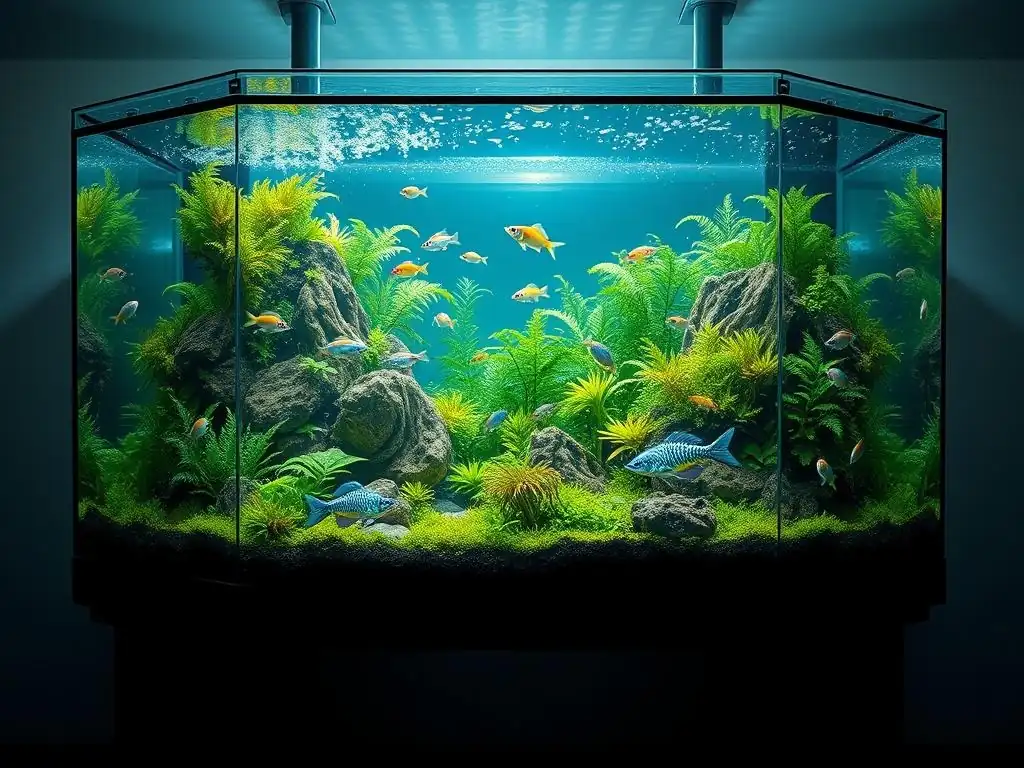
Welcome to Aquarium Mastery, where the mysteries of the underwater world unfold!
Ever wondered about the secret to achieving high success larval rearing? The journey from tiny fry to thriving adult fish can be challenging, but incredibly rewarding. Dive into this comprehensive guide to designing and building larval rearing tanks, and unlock the secrets to nurturing the next generation of aquatic life. Get ready to transform your aquarium dreams into a vibrant reality!
- Introduction to High-Success Larval Rearing for Saltwater Fish
- Understanding Larval Needs for Optimal Growth
- Designing the Ideal Larval Rearing Tank
- Building Your High-Success Larval Rearing Tank: A Step-by-Step Guide
- Optimizing Feeding Strategies for High Larval Survival
- Maintaining Water Quality in the Larval Rearing Tank
- Troubleshooting Common Issues in Larval Rearing
- Advanced Techniques for High-Success Larval Rearing
- Case Studies: Successful Larval Rearing Setups
- Conclusion: Mastering Larval Rearing for Saltwater Fish Breeding
-
Frequently Asked Questions
- How does Aquarium Mastery define high success larval rearing in the context of aquarium setups?
- What are the key elements discussed on Aquarium Mastery for designing a larval rearing tank to achieve high success?
- What kind of information does Aquarium Mastery offer about feeding regimes for larvae to ensure high success?
- Does Aquarium Mastery provide information on troubleshooting common issues encountered during larval rearing, which impact achieving high success?
- What are some specific aquarium types that Aquarium Mastery recommends for attempting high success larval rearing?
- Final Reflection: Nurturing the Future of Aquatic Life
- Transform Your Larval Rearing Success Today!
Introduction to High-Success Larval Rearing for Saltwater Fish
The Importance of Larval Rearing in Saltwater Fish Breeding
Larval rearing is arguably the most critical and challenging phase in the captive breeding of saltwater fish. While adult fish may readily spawn in a home aquarium, the subsequent survival of their microscopic offspring, known as larvae, presents a significant hurdle. In natural environments, marine fish often produce millions of eggs, with only a tiny fraction surviving to adulthood due to predation, ocean currents, and food scarcity.
In a controlled aquarium setting, the goal of high success larval rearing is to dramatically increase these survival rates, transforming a natural lottery into a predictable outcome. This mastery is vital for reducing reliance on wild-caught specimens, supporting conservation efforts for threatened species, and expanding the diversity of commercially available captive-bred marine fish for hobbyists.
The ability to successfully rear larvae allows aquarists to propagate species that were once considered impossible to breed in captivity, such as many angelfish, tangs, and some wrasses. For instance, the successful captive breeding of species like the Yellow Tang (Zebrasoma flavescens) and various species of Damselfish (Pomacentridae) has been a monumental achievement, significantly easing collection pressures on wild populations. Without robust larval rearing techniques, the potential for sustainable aquaculture and responsible hobbyist practices would be severely limited, hindering the growth and ethical considerations within the marine aquarium industry.
Achieving High Survival Rates in Larval Rearing: An Overview
Achieving high survival rates in larval rearing hinges on a meticulous understanding and control of several interconnected environmental and biological factors. Unlike adult fish, marine fish larvae are incredibly fragile, often lacking fully developed organ systems, relying on specific water parameters, and requiring microscopic live foods for their initial growth. Even slight deviations in temperature, salinity, or the presence of trace amounts of ammonia can be catastrophic, leading to mass mortalities within hours.
The foundation of high success larval rearing involves providing an environment that mimics the ideal conditions found in their natural habitats, but with the added benefit of controlled food availability and pathogen management. This encompasses precise water quality management, the provision of appropriately sized and nutritious live feeds, optimal tank design for gentle water flow, and vigilant observation to detect and address issues promptly.
For example, some professional aquaculture facilities can achieve 60-80% survival rates for relatively robust species like clownfish (Amphiprioninae) from hatch to juvenile, a stark contrast to the less than 0.1% survival often seen in the wild.
Understanding Larval Needs for Optimal Growth
Critical Factors for Saltwater Fish Larval Development
Saltwater fish larvae are extremely sensitive to their environment, making the control of critical factors paramount for high success larval rearing. Temperature, for instance, directly influences metabolic rate and development speed. For many commonly bred marine species like clownfish, a stable temperature range of 78-82°F (25.5-27.8°C) is often recommended. Deviations outside this range can lead to slowed development, increased susceptibility to disease, or even mortality. Salinity is another vital parameter, typically maintained at 30-35 parts per thousand (ppt) for most marine species. Fluctuations can stress larvae, impairing their osmoregulation and overall health.
Beyond temperature and salinity, pH levels and dissolved oxygen are equally crucial. A stable pH between 8.0 and 8.4 is generally ideal, as significant shifts can be detrimental to delicate larval tissues. Dissolved oxygen levels should be maintained near saturation, ideally above 6-7 mg/L, to support their high metabolic demands. Larvae have very limited respiratory capacity, making oxygen availability a non-negotiable factor. For species with pelagic larval stages, the ambient light cycle and intensity also play a role in feeding behavior and development, necessitating careful consideration in tank design to prevent stress and promote natural feeding responses.
Essential Nutrients and Feeding Strategies for Larval Rearing
The nutritional requirements of saltwater fish larvae are highly specific and evolve rapidly as they grow, making precise feeding strategies indispensable for high success larval rearing. Most marine fish larvae are altricial, meaning they hatch in an underdeveloped state with limited yolk reserves, requiring an immediate and continuous supply of live food.
The initial diet for many species consists of rotifers (Brachionus plicatilis), typically ranging from 50 to 200 micrometers in size, which are rich in protein but often deficient in essential fatty acids like DHA and EPA. To overcome this, rotifers must be "enriched" with specialized nutritional supplements for 12-24 hours before feeding to the larvae, boosting their omega-3 fatty acid content.
As larvae grow, their mouth gape increases, necessitating a transition to larger prey items. Copepods, with their diverse sizes (from 50 to over 1000 micrometers) and superior nutritional profile, are increasingly recognized as a vital component for high success larval rearing, especially for more challenging species. Later larval stages and early juveniles typically transition to Artemia nauplii (brine shrimp), which are around 400-500 micrometers.
These too often require enrichment to provide a complete nutritional profile. A common feeding strategy involves continuous, low-density feeding throughout the day to ensure food is always available, as larvae have high metabolic rates and limited energy reserves. This constant availability, often achieved with drip feeders, minimizes periods of starvation and significantly contributes to higher survival rates.
Maintaining Water Quality for Healthy Larval Growth: Key Parameters
Maintaining pristine water quality is perhaps the most challenging and critical aspect of high success larval rearing, given the larvae's extreme sensitivity to metabolic wastes. Ammonia (NH3/NH4+), nitrite (NO2-), and nitrate (NO3-) are the primary nitrogenous waste products, and even minute concentrations can be lethal to larvae. Ammonia, being highly toxic, should ideally be undetectable (0 ppm) in a larval rearing tank.
Nitrite is also very harmful and should similarly be at 0 ppm. While nitrate is less toxic to adult fish, levels should be kept as low as possible for larvae, ideally below 5 ppm, to minimize stress and potential long-term developmental issues.
The delicate balance required means that traditional biological filtration, which relies on a robust bacterial colony, can be problematic in initial larval stages due to the low bioload and the potential for bacterial blooms. Instead, frequent, small water changes are the primary method for managing water quality in high success larval rearing setups.
Daily water changes, ranging from 10% to 50% of the tank volume, are common practice, using pre-mixed, aged, and temperature-matched saltwater. Additionally, meticulous tank hygiene, including siphoning uneaten food and detritus from the bottom, is essential to prevent the accumulation of organic matter that would otherwise break down into harmful compounds.
Designing the Ideal Larval Rearing Tank
Choosing the Right Tank Size and Shape for Larval Rearing
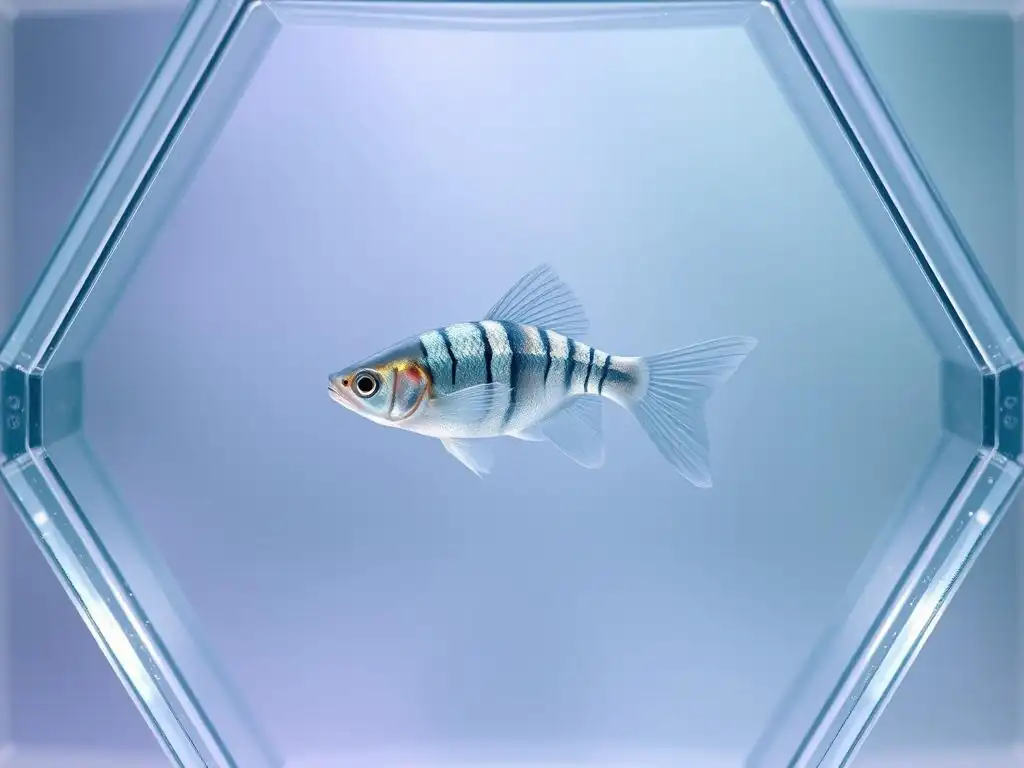
The choice of tank size and shape is a foundational decision for high success larval rearing, directly impacting water flow, larval distribution, and ease of maintenance. For hobbyists, smaller volumes often prove more manageable for initial attempts, with tanks ranging from 5 to 20 gallons (approximately 19 to 76 liters) being common for species like clownfish. These smaller volumes allow for easier control of water parameters and live food density.
Larger commercial operations might use tanks of 100 gallons (378 liters) or more, but the principles remain the same. The shape is equally critical; round or pseudo-kreisel tanks are often preferred over rectangular ones due to their ability to create gentle, circular water flow patterns.
Pseudo-kreisel tanks, characterized by their rounded corners and often central drain, minimize dead spots where larvae or food can accumulate and perish. This design encourages a uniform distribution of larvae and their food throughout the water column, preventing starvation or impingement against flat surfaces.
For example, a 10-gallon modified brute trash can or a purpose-built acrylic cylinder can serve as an excellent pseudo-kreisel larval rearing vessel. While a standard rectangular aquarium can be used, achieving optimal flow often requires specific modifications, such as strategically placed air stones or small, diffused powerheads, to prevent larvae from settling at the bottom or getting trapped in corners.
Flow Dynamics and Water Circulation in Larval Rearing Tanks
Precise control over flow dynamics and water circulation is paramount for high success larval rearing, as inadequate or excessive flow can lead to significant larval mortality. Marine fish larvae are typically weak swimmers and can be easily injured or killed by strong currents.
The ideal flow is gentle and laminar, ensuring that larvae remain suspended in the water column and are exposed to their food, without being pushed against tank walls or trapped in eddies. This is often achieved through the use of air stones connected to an air pump, strategically placed to create a gentle upwelling or circular current.
For instance, in a pseudo-kreisel tank, a single air stone placed near the bottom center can create a gentle, rotational flow that keeps larvae suspended. In rectangular tanks, multiple small air stones or a diffused airline along one side can generate a sheet of bubbles that promotes circulation. The goal is to prevent larvae from settling on the bottom, where they are more susceptible to bacterial infections and starvation, and to ensure that live food is evenly distributed.
Over-aeration, however, must be avoided as it can cause gas bubble disease or physically damage delicate larvae. Monitoring larval behavior is key; they should appear to drift gently, not struggle against currents.
Optimizing Lighting Conditions for Larval Development
Optimizing lighting conditions is a crucial, yet often overlooked, aspect of high success larval rearing, influencing larval development, feeding behavior, and overall health. For many marine species, light plays a significant role in triggering their feeding response; larvae often feed visually, needing adequate illumination to locate their microscopic prey.
A photoperiod of 16-18 hours of light followed by 6-8 hours of darkness is commonly recommended to simulate natural day cycles and promote consistent feeding. The intensity of the light should be moderate, typically ranging from 500 to 2,000 lux, avoiding harsh direct light that can stress larvae or promote undesirable algae growth.
The spectrum of light can also be important, with full-spectrum white light generally preferred. Some breeders utilize a "blackout" period during the first few days post-hatch for certain species, where the tank is kept completely dark. This technique is thought to reduce stress and conserve energy in the most fragile early stages. However, once feeding commences, consistent, appropriate lighting is essential. For example, in clownfish larval rearing, a dim, diffused light source above the tank, often a single LED or fluorescent bulb, is sufficient to encourage feeding without causing undue stress, contributing significantly to high success larval rearing outcomes.
Building Your High-Success Larval Rearing Tank: A Step-by-Step Guide
Selecting Materials for Constructing a Larval Rearing Tank
When building a high success larval rearing tank, the selection of materials is paramount to ensure the health and safety of the delicate larvae. All materials that come into contact with the water must be inert and non-toxic, preventing the leaching of harmful chemicals. Common choices include acrylic, glass, and food-grade plastics like polypropylene (PP) or polyethylene (PE).
Acrylic is often favored for custom builds due to its ease of fabrication, light weight, and excellent optical clarity, allowing for precise observation of larvae. For example, a 10-gallon cylindrical acrylic tank can be easily modified with a central standpipe for drainage and an external air manifold for gentle circulation.
Glass tanks are also viable, particularly for smaller volumes, but are less forgiving for drilling or custom modifications. PVC (polyvinyl chloride) piping and fittings are excellent for plumbing, as long as they are "NSF-certified" or "food-grade" to ensure no contaminants are released.
Avoid materials like copper, brass, or certain types of rubber or silicone that can leach heavy metals or other toxins into the water, even in trace amounts. The internal surfaces should be smooth and easy to clean, minimizing areas where detritus can accumulate or bacteria can thrive, which is crucial for maintaining the sterile environment necessary for high success larval rearing.
Assembling the Tank: DIY vs. Pre-Fabricated Options
When embarking on high success larval rearing, aquarists face a choice between assembling a DIY tank or purchasing pre-fabricated options. DIY construction offers significant flexibility and cost savings, allowing for customization to specific species needs or space constraints. For instance, a common DIY approach involves modifying a food-grade plastic container, such as a 10-gallon Brute trash can, by drilling a central drain and installing a fine mesh screen to prevent larval escape.
This method allows for precise control over the pseudo-kreisel flow design, which is highly beneficial for delicate larvae. However, DIY requires a certain level of technical skill, access to tools, and a thorough understanding of non-toxic materials.
Pre-fabricated larval rearing tanks, often made from acrylic by specialized manufacturers, offer convenience and a proven design. These tanks typically come with integrated features like rounded corners, central drains, and overflow baffles designed for optimal larval culture, simplifying the setup process for high success larval rearing. While more expensive, they eliminate the guesswork and potential for errors associated with DIY builds. For example, commercially available "larval kreisel" systems are specifically engineered to provide the gentle, consistent flow required. The choice ultimately depends on the individual's budget, technical aptitude, and desire for customization.
Incorporating Filtration Systems for Larval Rearing
Incorporating effective, yet gentle, filtration is a cornerstone of high success larval rearing, balancing the need for water purity with the fragility of the larvae. Traditional aggressive filtration methods, like large sumps with protein skimmers, are often too powerful for early larval stages and can injure or trap them. Instead, a multi-faceted approach focusing on minimal disturbance and maximum cleanliness is employed.
Mechanical Filtration for Removing Particulate Matter
Mechanical filtration in high success larval rearing focuses on the gentle removal of uneaten food and detritus without harming the larvae. Sponge filters are widely used due to their simplicity, low cost, and gentle flow. An air-driven sponge filter placed in a corner can provide both mechanical filtration and a source of gentle aeration.
The sponge material traps particulate matter, which can then be rinsed regularly to prevent the build-up of organic waste. For instance, a medium-pore sponge filter (around 30-40 PPI, pores per inch) provides sufficient surface area for mechanical filtration while allowing adequate water flow. This method minimizes the risk of larval impingement, a common issue with more aggressive mechanical filters.
Another effective mechanical filtration method, particularly in pseudo-kreisel designs, involves using a fine mesh screen (e.g., 50-100 micron mesh) over the drain to prevent larval escape while allowing water to pass through for external filtration. This ensures that only clean water is returned to the tank, and any particulate matter is filtered out before it can decompose. Regular manual siphoning of the tank bottom, often 1-2 times daily, is also an indispensable mechanical method, directly removing settled waste and preventing ammonia spikes, which is critical for high success larval rearing.
Biological Filtration for Maintaining Water Quality
Biological filtration in high success larval rearing tanks presents a unique challenge due to the low initial bioload and the larvae's extreme sensitivity to ammonia and nitrite. In the earliest larval stages, robust biological filters are often avoided or used very sparingly, as the primary method of waste removal is frequent water changes. However, as larvae grow and their bioload increases, or in larger systems, a gentle form of biological filtration becomes beneficial. Air-driven sponge filters, in addition to mechanical filtration, also provide a surface area for beneficial bacteria to colonize, offering a modest level of biological filtration.
For more advanced high success larval rearing setups, a small, mature biological filter, perhaps a pre-seeded sponge filter from a healthy adult tank, can be slowly introduced once larvae are past their most delicate stage (e.g., after 7-10 days for clownfish). Some systems might incorporate a small amount of live rock in a separate sump or a dedicated bio-reactor with bio-balls or marine pure media, but great care must be taken to ensure the flow is not too strong and that no harmful organisms hitchhike into the larval tank.
The focus remains on maintaining undetectable ammonia and nitrite, with biological filtration acting as a supplementary layer of protection rather than the sole solution.
Chemical Filtration for Controlling Ammonia and Nitrites
Chemical filtration plays a supportive role in high success larval rearing, primarily as an emergency measure or for specific issues, rather than a continuous primary solution. Activated carbon can be used to remove dissolved organic compounds and yellowing agents, improving water clarity and reducing the overall organic load.
However, it should be used cautiously in larval tanks, often placed in a small media bag in a very gentle flow area or external filter, and replaced frequently to prevent saturation and leaching. Zeolite, an ammonia-absorbing media, can be used in crisis situations to rapidly reduce ammonia spikes, but its use should be temporary as it can deplete essential trace elements and affect water chemistry if left in for too long.
It's important to note that relying heavily on chemical filtration for controlling ammonia and nitrites indicates a fundamental issue with water change frequency or overall system design. The preferred method for high success larval rearing is proactive prevention through diligent water changes and meticulous tank hygiene. Chemical filtration should be seen as a tool for fine-tuning water quality or addressing unforeseen issues, rather than a substitute for proper husbandry.
Integrating Heating and Cooling Systems for Temperature Control
Precise temperature control is non-negotiable for high success larval rearing, as even minor fluctuations can stress larvae and impair development. The ideal temperature range varies by species but is typically between 78-82°F (25.5-27.8°C) for many common marine fish like clownfish. To maintain this stability, a reliable heating system is essential. Submersible aquarium heaters, appropriately sized for the tank volume (e.g., a 50-watt heater for a 10-gallon tank), are commonly used. These should ideally be connected to an external temperature controller, which offers greater accuracy (often within ±0.5°F or 0.2°C) and provides a safety cut-off in case of heater malfunction.
In environments where ambient temperatures can rise significantly, a cooling system may also be necessary to prevent overheating. Small aquarium chillers or even simple clip-on fans directed at the water surface can help dissipate heat through evaporation. For example, if room temperature regularly exceeds 80°F, a small chiller might be indispensable to keep the larval tank within the optimal 78-80°F range. Consistent temperature ensures optimal metabolic rates, efficient food digestion, and robust immune function, all contributing to high success larval rearing.
Setting Up a Water Circulation System for Optimal Larval Distribution
Setting up an effective yet gentle water circulation system is fundamental to high success larval rearing, ensuring larvae are suspended and food is evenly distributed without causing stress or injury. The objective is to create a laminar, slow flow that prevents larvae from settling on the bottom or getting trapped in corners, which can lead to starvation or bacterial infections. Air stones are the most common and safest method for generating this gentle circulation. In a pseudo-kreisel tank, a single air stone placed centrally at the bottom can create a subtle rotational flow that keeps larvae in suspension.
For rectangular tanks, a diffused air curtain along one side or multiple small air stones can create a gentle current that sweeps through the tank. The air flow should be adjusted to the minimum necessary to keep larvae from settling; they should appear to drift effortlessly rather than struggle against a current. Avoid strong powerheads or filters with direct, powerful outflows, as these can easily damage fragile larvae. The aim is a subtle, consistent movement that ensures every larva has access to food, which is a critical factor in achieving high success larval rearing outcomes.
Optimizing Feeding Strategies for High Larval Survival
Live Food Cultures for Larval Rearing: Rotifers, Copepods, and Artemia
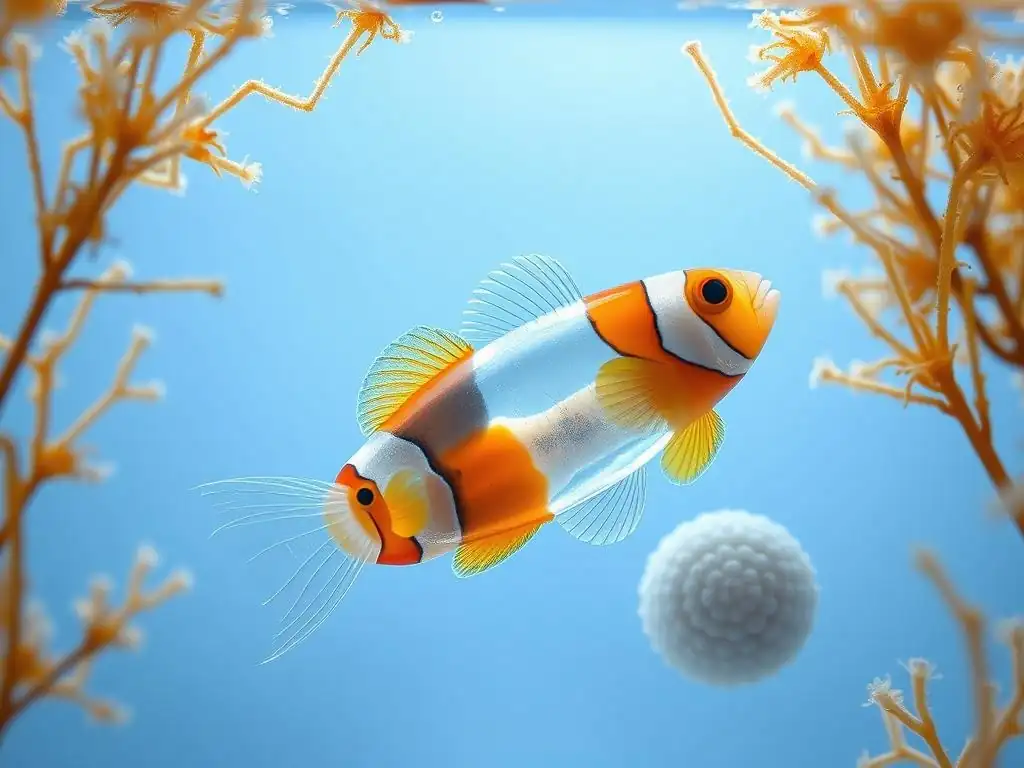
Optimizing feeding strategies is paramount for high success larval rearing, as marine fish larvae have precise and evolving dietary needs. The cornerstone of early larval diets consists of live food cultures, primarily rotifers, copepods, and Artemia. Rotifers (Brachionus plicatilis), measuring 50-200 microns, are typically the first food source for many species due to their small size and slow swimming speed, making them easy for newly hatched larvae to capture. For example, clownfish larvae will exclusively feed on rotifers for their first 7-10 days post-hatch.
As larvae grow, their mouth gape increases, necessitating a transition to larger prey. Copepods, which vary widely in size (from 50 microns to over 1000 microns depending on species like Tisbe, Tigriopus, or Parvocalanus), offer a superior nutritional profile and more natural swimming motion, making them ideal for more challenging species or as a bridge between rotifers and Artemia.
Finally, Artemia nauplii (brine shrimp), typically 400-500 microns, become a staple food for later larval stages and early juveniles. The successful culturing and maintenance of these live food organisms in sufficient quantities is a daily commitment essential for high success larval rearing.
Culturing and Enriching Live Food for Enhanced Nutritional Value
Culturing and enriching live food are critical steps for ensuring high success larval rearing, as the nutritional content of cultured rotifers and Artemia can be insufficient on their own. Rotifers, while appropriately sized, are often low in essential highly unsaturated fatty acids (HUFA), particularly DHA (docosahexaenoic acid) and EPA (eicosapentaenoic acid), which are vital for larval development, nervous system function, and stress resistance.
To address this, rotifers are "enriched" for 12-24 hours prior to feeding using specialized commercial enrichment products, which are typically emulsions or concentrated algae rich in these essential fatty acids. This process significantly boosts their nutritional profile, making them a complete food source for the delicate larvae.
Similarly, newly hatched Artemia nauplii, while larger, also lack a complete HUFA profile. They too must be enriched, a process often called "gut-loading," before being fed to larvae. This involves allowing the Artemia to feed on an enrichment product for several hours.
For example, a common enrichment protocol for rotifers involves culturing them in green water (algae-rich water) and then transferring them to a separate container for 12 hours with a DHA-rich enrichment formula at a density of 100-200 rotifers per milliliter. This meticulous attention to the nutritional quality of live foods directly translates to higher larval survival rates, faster growth, and more robust juveniles in high success larval rearing.
Implementing a Feeding Schedule for Different Larval Stages
Implementing a precise feeding schedule tailored to the different larval stages is fundamental to high success larval rearing, as larvae have high metabolic rates and limited energy reserves, requiring a constant supply of food. Newly hatched larvae, often with minimal yolk sacs, require immediate and continuous access to appropriately sized live food. For species like clownfish, rotifers should be introduced within hours of hatching and maintained at a density of 5-10 rotifers per milliliter in the rearing tank. This density ensures that larvae encounter food frequently without overfeeding and fouling the water.
As larvae grow, typically after 7-10 days for clownfish, their mouth gape increases, and they can transition to larger prey. The feeding schedule then shifts to a mix of rotifers and newly hatched, enriched Artemia nauplii, with Artemia gradually becoming the sole live food source. Feeding should be frequent, often every few hours or even continuously via drip feeders, especially during the light cycle.
For example, automated dosing pumps can deliver small, regular doses of live food throughout the day. This consistent availability prevents starvation, promotes rapid growth, and significantly improves survival rates, which are key indicators of high success larval rearing.
Alternative Feeding Options: Artificial Diets and Powdered Foods
While live foods are indispensable for the initial stages of high success larval rearing, alternative feeding options like artificial diets and powdered foods become increasingly relevant as larvae develop. These dry diets offer convenience and can supplement or gradually replace live foods, particularly as larvae transition into juvenile stages. Finely powdered larval diets, often less than 50 microns, are formulated with high protein content (e.g., 50-60%) and balanced essential fatty acids, vitamins, and minerals. They can be introduced as early as 7-10 days post-hatch, alongside live foods, to acclimate larvae to non-living diets.
For example, a common strategy is to offer a mix of enriched Artemia and a high-quality powdered diet several times a day. As larvae grow and their digestive systems mature, the proportion of artificial diet can be gradually increased. Some species, like certain gobies or blennies, may even accept powdered diets earlier.
The use of these alternative feeds helps reduce the labor-intensive requirements of live food culture and provides a consistent nutritional source, contributing to the long-term sustainability and scalability of high success larval rearing operations. However, care must be taken to avoid overfeeding, as uneaten dry food can rapidly degrade water quality.
Maintaining Water Quality in the Larval Rearing Tank
Regular Water Changes and Monitoring Parameters
Regular water changes are the single most critical practice for maintaining optimal water quality in high success larval rearing tanks. Due to the larvae's extreme sensitivity and the rapid accumulation of waste from high feeding rates, daily water changes are often necessary. The volume can range from 10% to 50% of the tank volume, depending on the larval density, feeding intensity, and the species' sensitivity.
For instance, in a 10-gallon larval tank with 100 clownfish larvae, a 25-30% daily water change is a common starting point. The new water must be pre-mixed, aged, and precisely matched in temperature, salinity, and pH to minimize stress on the delicate larvae.
Alongside water changes, diligent monitoring of key water parameters is non-negotiable for high success larval rearing. Daily tests for ammonia, nitrite, pH, and temperature are essential, and salinity should be checked regularly. Ammonia and nitrite should always be at 0 ppm. Any detectable levels indicate a serious problem requiring immediate intervention, such as a larger water change or reduced feeding. pH should remain stable within the 8.0-8.4 range. Consistent monitoring allows for proactive adjustments, preventing water quality crashes that can lead to mass larval mortality.
Controlling Ammonia, Nitrite, and Nitrate Levels
Controlling ammonia, nitrite, and nitrate levels to near-zero is fundamental to high success larval rearing, as these nitrogenous compounds are highly toxic to delicate larvae. Ammonia (NH3/NH4+) is the most immediately dangerous, often lethal even at concentrations as low as 0.1 ppm. Nitrite (NO2-) is also highly toxic, typically at levels above 0.25 ppm. Nitrate (NO3-) is less acutely toxic but can still cause chronic stress and inhibit growth if levels exceed 5-10 ppm for larvae. The primary strategy for managing these compounds is aggressive dilution through frequent water changes, as described previously.
Beyond water changes, meticulous tank hygiene plays a crucial role. Uneaten food and larval waste rapidly decompose into ammonia, so daily siphoning of the tank bottom to remove detritus is a vital practice. Overfeeding must be avoided.
In some high success larval rearing setups, particularly as larvae grow and bioload increases, a very gentle form of biological filtration (e.g., a seasoned sponge filter or a small amount of bio-media in a separate, low-flow chamber) can help process ammonia and nitrite. However, the system must be designed to prevent larval impingement or exposure to strong currents from these filters. Probiotics are also increasingly used to help maintain a healthy microbial balance and reduce pathogenic bacteria, indirectly aiding in waste management.
Preventing and Treating Common Larval Diseases
Preventing and treating common larval diseases is a significant challenge in high success larval rearing, as larvae are highly susceptible to pathogens due to their underdeveloped immune systems and the high-density environment. Strict biosecurity and hygiene protocols are the first line of defense. This includes using only sterile or properly quarantined live food cultures, thoroughly cleaning and sterilizing all equipment between batches, and maintaining impeccable water quality. Common culprits include bacterial infections (e.g., Vibrio species), which can cause rapid mass mortality, often manifested by lethargy, clamped fins, or opaque bodies.
Parasitic infestations, such as ciliates (e.g., Brooklynella, Uronema), can also devastate a larval batch. Early detection is key; daily observation of larval behavior and appearance, possibly with a magnifying glass, is essential. If disease is suspected, a small water change, reduction in feeding, and in some cases, a very dilute bath treatment with a broad-spectrum antibiotic (with caution, as some can harm larvae) or an anti-parasitic medication might be considered. However, the best approach for high success larval rearing is prevention through excellent husbandry, as treating sick larvae is often difficult and carries high risks.
Implementing a Quarantine Protocol for New Larvae
While the term "new larvae" typically refers to newly hatched individuals from an existing broodstock, implementing a robust quarantine protocol is essential when introducing any new biological elements into a high success larval rearing system, such as new live food cultures or if acquiring larvae from an external source. This protocol is designed to prevent the introduction of pathogens that could devastate an entire batch of delicate larvae. For live food cultures like rotifers or Artemia, it's crucial to ensure their source is clean or to implement disinfection methods.
For example, rotifers can be "rinsed" through fine mesh sieves with sterile saltwater to remove bacteria-laden culture water before being added to larval tanks. If acquiring larvae from another breeder, isolating a small sample batch in a separate, dedicated quarantine tank for observation before introducing them to the main rearing system can prevent widespread disease. All equipment used for quarantine should be strictly separated and sterilized to avoid cross-contamination. This proactive approach to biosecurity significantly reduces the risk of disease outbreaks, which are often catastrophic in high success larval rearing environments.
Troubleshooting Common Issues in Larval Rearing
Addressing Larval Mortality and Stunted Growth
Larval mortality and stunted growth are common and disheartening issues in high success larval rearing, often indicating underlying problems with environmental conditions or nutrition. High mortality, especially sudden mass die-offs, typically points to acute water quality issues (e.g., ammonia or nitrite spikes, sudden temperature swings, or pH crashes) or a rapidly spreading bacterial infection. The first step in troubleshooting is to immediately test all critical water parameters (ammonia, nitrite, pH, temperature, salinity). If parameters are off, perform a significant water change (e.g., 50%) with properly conditioned water.
Stunted growth, where larvae develop slowly and remain smaller than expected for their age, usually indicates chronic stress, inadequate nutrition, or sub-optimal water quality that isn't immediately lethal but inhibits development. This could be due to insufficient live food density, poor nutritional enrichment of live foods, or consistently low dissolved oxygen levels.
For instance, if clownfish larvae at 7 days post-hatch are still struggling to consume Artemia, it might suggest they were underfed or received poorly enriched rotifers in their early stages. Addressing stunted growth requires a thorough review of feeding protocols, enrichment methods, and regular water parameter consistency to ensure high success larval rearing.
Identifying and Preventing Infections in Larval Tanks
Identifying and preventing infections is paramount for high success larval rearing, as larval immune systems are underdeveloped, making them highly vulnerable. Common signs of infection include lethargy, abnormal swimming (e.g., erratic movements, spiraling), clamped fins, opaque or milky bodies, white spots, or visible lesions. Bacterial infections, often caused by Vibrio species, are particularly notorious for causing rapid mass mortalities. If a bacterial infection is suspected, symptoms can appear and spread throughout a batch within hours.
Prevention is far more effective than treatment. Strict hygiene is the most crucial preventive measure: sterilizing all equipment, using only clean, disinfected live food cultures, and meticulous daily siphoning of detritus. Maintaining pristine water quality (0 ppm ammonia/nitrite, stable pH and temperature) also significantly reduces stress and boosts larval resilience.
If an infection is identified, a partial water change (e.g., 25-50%) and a temporary reduction in feeding can help. For severe outbreaks, cautious use of broad-spectrum antibiotics (e.g., nitrofurazone or furan-2) may be considered, but these can also harm beneficial bacteria and require precise dosing. Implementing a probiotic regimen can also help prevent pathogenic bacterial overgrowth, supporting high success larval rearing.
Dealing with Algae Blooms and Water Quality Problems
Algae blooms and other water quality problems are common hurdles in high success larval rearing that can severely impact larval health and survival. Green water, caused by phytoplankton blooms, can be beneficial in early larval stages for some species, providing an initial food source and stabilizing water quality. However, excessive green water can obscure larvae, making observation difficult, and crashing blooms can rapidly deplete oxygen and release toxins.
Nuisance algae, such as diatoms or dinoflagellates, often indicate an imbalance in nutrients (e.g., high nitrates or phosphates) or excessive light. These can foul the tank, compete for nutrients, and potentially irritate larvae.
Dealing with these issues requires a multi-pronged approach. For excessive green water or nuisance algae, reducing light intensity or photoperiod can help. Increasing the frequency or volume of water changes is crucial to dilute nutrients fueling the blooms.
For example, if nitrates consistently rise above 5 ppm, a daily 20-30% water change might need to be increased to 40-50%. In some cases, a temporary blackout for 24-48 hours can help control severe algae blooms, but this requires careful monitoring of larval health and dissolved oxygen. Ensuring proper mechanical filtration (e.g., regular sponge filter cleaning, siphoning) also removes particulate matter that contributes to nutrient buildup, essential for maintaining the clean environment needed for high success larval rearing.
Advanced Techniques for High-Success Larval Rearing
Utilizing Probiotics to Enhance Larval Health
Utilizing probiotics is an advanced technique increasingly adopted in high success larval rearing to enhance larval health and improve survival rates. Probiotics are beneficial microorganisms (e.g., certain strains of Bacillus bacteria) that, when administered, can colonize the larval gut and the rearing water, outcompeting harmful pathogenic bacteria. This creates a healthier microbial environment both internally and externally, strengthening the larvae's natural defenses and improving their digestive efficiency. For instance, studies have shown that probiotic supplementation can significantly reduce the incidence of bacterial diseases like vibriosis in larval fish, a common cause of mass mortality.
Probiotics can be introduced in several ways: by adding them directly to the larval rearing water, by incorporating them into live food cultures (e.g., enriching rotifers with probiotic strains), or by including them in powdered larval diets. The presence of beneficial bacteria in the water column helps to break down organic waste more efficiently, contributing to better water quality and reducing the reliance on chemical filtration.
For example, a common practice involves dosing the larval tank with a specific commercial probiotic blend at a concentration of 1-10 million CFU/ml (Colony Forming Units per milliliter) daily. This proactive approach supports gut health, improves nutrient absorption, and boosts disease resistance, leading to significantly higher survival rates in high success larval rearing.
Implementing Ozone or UV Sterilization for Water Quality Control
Implementing ozone or UV sterilization is an advanced water quality control technique that can significantly contribute to high success larval rearing by reducing pathogenic load and improving water clarity. UV (Ultraviolet) sterilizers work by passing water through a chamber where it is exposed to UV-C light, which destroys the DNA of bacteria, viruses, algae, and protozoa, rendering them harmless.
For a larval rearing system, a small, appropriately sized UV sterilizer (e.g., 8-15 watts for a 10-20 gallon system) can be plumbed into a gentle external filter loop, ensuring that the water flowing through it doesn't impinge on the larvae. This helps to maintain a low bacterial count in the water column, reducing the risk of opportunistic infections.
Ozone (O3) is an even more powerful oxidizer that can break down organic pollutants and kill pathogens. It is typically generated by an ozone generator and injected into a protein skimmer or a reaction chamber, then neutralized with activated carbon before the water returns to the larval tank.
While highly effective, ozone use requires extreme caution due to its toxicity and the need for precise dosing and monitoring (e.g., with an ORP controller). Both UV and ozone can reduce the need for certain chemical treatments and contribute to a cleaner, more stable environment, providing an edge in achieving high success larval rearing by minimizing disease pressure.
The Use of Green Water Culture in Larval Rearing
The use of green water culture is a time-tested and effective advanced technique in high success larval rearing, particularly for species with very small mouths or those that are difficult to initiate feeding. "Green water" refers to water that contains a high density of live phytoplankton (microalgae), typically Nannochloropsis or Chlorella species. These microscopic algae serve multiple purposes: they provide a direct food source for the larvae, especially in their earliest stages, and for the rotifers or copepods that the larvae consume. For example, early stage larval tangs and angelfish may graze directly on the phytoplankton.
Beyond direct nutrition, green water also acts as a natural water quality stabilizer. The phytoplankton consume ammonia and other nitrogenous wastes, helping to maintain pristine water conditions. They also provide a "visual cue" that encourages feeding behavior, making the microscopic rotifers and copepods more visible to the larvae.
Furthermore, the presence of phytoplankton can provide some shade, reducing light stress, and potentially introduce beneficial bacteria. Maintaining a stable green water culture requires consistent light and nutrient additions. While it adds a layer of complexity, many experienced breeders attest that green water significantly improves initial feeding success and overall survival rates in high success larval rearing for many delicate marine species.
Case Studies: Successful Larval Rearing Setups
Case Study 1: Rearing Clownfish (Amphiprioninae)
Clownfish (Amphiprioninae) are perhaps the most commonly bred marine fish in captivity, serving as a benchmark for high success larval rearing. A typical successful setup for clownfish involves a 10-20 gallon (38-76 liter) rectangular or pseudo-kreisel tank, often painted black on the outside or covered to create a "blackout" effect. This dark background helps larvae visually locate their prey. Water temperature is consistently maintained at 78-80°F (25.5-26.7°C), with salinity at 33-35 ppt. Ammonia and nitrite are kept at 0 ppm through daily 25-50% water changes using aged, temperature-matched saltwater.
Feeding begins within hours of hatching. For the first 7-10 days, larvae are fed enriched Brachionus plicatilis rotifers, maintained at a density of 5-10 rotifers/ml. These are often drip-fed continuously throughout the 16-hour light cycle.
After 7-10 days, a transition begins, introducing enriched Artemia nauplii (brine shrimp) alongside the rotifers. By day 12-15, the larvae are typically weaned entirely onto Artemia, and by day 20-25, they begin accepting finely crushed dry pellet or flake food. With meticulous care, experienced breeders consistently achieve high success larval rearing rates of 50-80% from hatch to juvenile for species like Ocellaris Clownfish ( Amphiprion ocellaris), a testament to the effectiveness of controlled environments and precise feeding.
Case Study 2: Achieving High Survival Rates with the Black Box Method
The "Black Box Method" is an innovative, simplified approach to high success larval rearing that has gained popularity among hobbyists for its ability to achieve surprisingly high survival rates for certain species, particularly clownfish. This method utilizes a very small, dark container, often a 2-5 gallon (7.5-19 liter) food-grade black bucket or container. The dark interior is believed to reduce stress on the larvae and make it easier for them to perceive their food against the dark background. Flow is minimal, often provided by a single, very gentle air stone, or sometimes even just surface agitation.
The core principle of the Black Box Method for high success larval rearing lies in its simplicity and high initial food density. Larvae are typically stocked at a high density (e.g., 5-10 larvae per liter). Feeding involves a high concentration of enriched rotifers (e.g., 10-20 rotifers/ml) for the first 5-7 days, with little to no water changes initially, relying on the live food and potentially symbiotic bacteria to process waste.
After the initial period, small water changes begin, and the larvae are gradually transitioned to Artemia. While not suitable for all species, the Black Box Method has demonstrated survival rates upwards of 70-90% for clownfish in their initial larval stages due to reduced stress, consistent food availability, and a stable, contained environment.
Conclusion: Mastering Larval Rearing for Saltwater Fish Breeding
Key Takeaways for Designing and Building High-Success Larval Rearing Tanks
Mastering high success larval rearing is a complex yet immensely rewarding endeavor, pivotal for sustainable saltwater fish breeding. The key takeaways for designing and building effective larval rearing tanks revolve around creating a highly controlled, stable, and pristine environment. Foremost is the selection of inert, non-toxic materials and a tank shape, such as a pseudo-kreisel, that promotes gentle, even water circulation without impingement points. Precise temperature control, typically within 78-82°F, maintained by reliable heating and potentially cooling systems linked to external controllers, is non-negotiable for optimal larval development.
Equally critical is the implementation of a rigorous water quality management regimen, primarily through frequent, small water changes (daily 25-50%) to maintain undetectable levels of ammonia and nitrite. This is complemented by meticulous tank hygiene, including daily siphoning of detritus, and the strategic, gentle use of mechanical and biological filtration.
Finally, the success hinges on an optimized feeding strategy, beginning with appropriately sized and highly nutritious live foods like enriched rotifers and copepods, transitioned gradually to enriched Artemia and eventually high-quality artificial diets. Adhering to these principles forms the bedrock for achieving high success larval rearing and contributing to the future of marine aquaculture.
The Future of Larval Rearing in the Aquarium Hobby
The future of high success larval rearing in the aquarium hobby is bright, driven by ongoing research, technological advancements, and a growing community of dedicated aquarists. As techniques become more refined and accessible, species once thought impossible to breed in captivity are now regularly propagated. This includes progress with challenging groups like certain angelfish, tangs, and some wrasses, with new breakthroughs being announced periodically by public aquariums and private breeders alike. For instance, recent successes with species like the Yellow Tang ( Zebrasoma flavescens) represent monumental leaps, moving these iconic fish from wild-caught reliance to captive-bred sustainability.
Accessibility to information, specialized equipment, and live food cultures is also improving, making high success larval rearing less daunting for the average hobbyist. Advances in artificial larval diets, probiotic applications, and simplified system designs (like the Black Box Method) are democratizing complex breeding techniques.
This trajectory points towards a future where a wider array of marine fish species will be consistently available as captive-bred specimens, reducing pressure on wild populations, promoting conservation, and enriching the hobby with robust, disease-resistant fish adapted to aquarium life. The continued pursuit of high success larval rearing is not just about breeding fish; it's about fostering a more ethical, sustainable, and knowledgeable marine aquarium community.
Frequently Asked Questions
How does Aquarium Mastery define high success larval rearing in the context of aquarium setups?
High success larval rearing, as defined by Aquarium Mastery, refers to achieving a significantly higher survival rate of fish larvae compared to standard aquarium breeding practices. It focuses on creating a controlled environment that optimizes larval development and survival.
What are the key elements discussed on Aquarium Mastery for designing a larval rearing tank to achieve high success?
Aquarium Mastery emphasizes the importance of water quality management, providing appropriate food sources, and maintaining a stable and controlled environment (temperature, salinity, and lighting) for larval rearing.
What kind of information does Aquarium Mastery offer about feeding regimes for larvae to ensure high success?
The site details various feeding schedules and food types suitable for different species. It covers topics like live food cultures (rotifers, copepods) and their nutritional enrichment, along with guidance on appropriate feeding frequencies and densities.
Does Aquarium Mastery provide information on troubleshooting common issues encountered during larval rearing, which impact achieving high success?
Yes, Aquarium Mastery includes troubleshooting guides addressing common problems like disease outbreaks, water quality fluctuations, and feeding difficulties that can hinder larval development and survival rates.
What are some specific aquarium types that Aquarium Mastery recommends for attempting high success larval rearing?
While the site doesn't recommend specific aquarium types, it emphasizes principles applicable to various setups. It focuses on customizable tanks designed for optimal water flow, easy cleaning, and effective separation of larvae from adult fish or predators.
Final Reflection: Nurturing the Future of Aquatic Life
The journey from egg to thriving juvenile in aquaculture is fraught with challenges, but as we've explored, high success larval rearing is not merely a dream, but an achievable reality through meticulous design and informed construction. The principles outlined in this article, from water quality management to optimized feeding strategies, are more crucial than ever as we face increasing pressures on wild fish populations and a growing demand for sustainable aquaculture practices.
This pursuit of excellence in larval rearing transcends simple tank construction; it's about fostering life and contributing to a more responsible relationship with our oceans. The dedication and innovation required to master this art form are a testament to our commitment to preserving biodiversity and ensuring food security for future generations. The sea, once it casts its spell, holds one in its net of wonder forever.
- Jacques Cousteau. This quote perfectly encapsulates the profound connection we have with the aquatic world and the responsibility we bear to protect it.
Now, consider the implications of what you've learned. How can you apply these principles, whether in a professional setting or even in a home aquarium, to create environments that nurture life and promote sustainable practices? Let the knowledge gained here inspire you to become a steward of the aquatic realm, contributing to a future where thriving ecosystems and responsible aquaculture coexist harmoniously.
Transform Your Larval Rearing Success Today!
Thank you for diving into the world of larval rearing tanks! We hope you've gained valuable insights to elevate your aquarium endeavors. Now, let's put that knowledge into action.
Here are some immediate steps you can take:
- Design and blueprint your ideal larval rearing tank. Consider the specific needs of the species you're working with and the space available.
- Share your design ideas with fellow aquarists in online forums to gather feedback and refine your approach.
- Research unconventional materials or construction methods to potentially enhance the efficiency of your larval rearing system.
What innovative features will you incorporate into your larval rearing tank design to give your larvae the best start possible?