
The Role of Live Rock & Sand in Sustaining Dragonet Copepod Populations

Welcome to Aquarium Mastery!
Ever wondered how to create a thriving ecosystem that supports even the most delicate creatures in your saltwater aquarium? Get ready to dive deep! We're exploring the fascinating world of live rock and sand and their crucial role in sustaining vibrant dragonet copepod populations. Discover the secrets to a balanced reef environment and unlock the potential for a truly flourishing aquarium. Intrigued? Let's uncover the connection...
- The Role of Live Rock & Sand in Sustaining Mandarin Dragonet Copepod Populations
- Understanding the Symbiotic Relationship: Mandarin Dragonets, Copepods, and Live Rock
- The Importance of Established Live Rock and Sand Beds for Mandarin Dragonets
- Selecting the Right Live Rock and Sand for Copepod Cultivation
- Maintaining a Healthy Live Rock and Sand Environment for Mandarin Dragonets
- Troubleshooting Common Problems: Mandarin Dragonet Copepod Populations
- Optimizing Your Reef Tank for Mandarin Dragonet Copepod Success
-
Frequently Asked Questions
- What is the primary function of live rock and live sand in a dragonet aquarium?
- Why are copepods so important for dragonets?
- How does live rock contribute to a thriving copepod population?
- What role does live sand play in supporting copepods and therefore, dragonets?
- How can I ensure my dragonet aquarium has a sufficient copepod population besides using live rock sand?
- Final Reflection: The Living Foundation of a Thriving Ecosystem
- Ignite Your Reef: Cultivate a Thriving Copepod Ecosystem!
The Role of Live Rock & Sand in Sustaining Mandarin Dragonet Copepod Populations
Understanding the Symbiotic Relationship: Mandarin Dragonets, Copepods, and Live Rock
The Mandarin Dragonet's Dietary Dependence on Copepods
Mandarin Dragonets (Synchiropus splendidus), often admired for their striking coloration and graceful movements, are unique among reef inhabitants due to their highly specialized diet. Unlike many fish that readily accept prepared foods, Mandarin Dragonets are obligate micropredators, meaning they rely almost exclusively on a constant supply of small, live invertebrates, primarily copepods. Their slow metabolism and method of feeding – meticulously picking individual prey items from surfaces – necessitate a continuous, abundant source of these tiny crustaceans. A healthy adult Mandarin can consume hundreds, possibly even thousands, of copepods daily to maintain its energy levels and vibrant health.
Without a robust and self-sustaining population of copepods, Mandarin Dragonets face a high risk of starvation. Their digestive systems are not adapted to process flakes or pellets, and even if they attempt to consume them, they rarely derive sufficient nutrition. This strict dietary requirement is why many Mandarins introduced into immature or unsuitable aquarium environments quickly waste away, often within weeks or months. Ensuring a consistent, natural food supply is paramount for the long-term survival and well-being of these captivating fish.
Live Rock and Sand: A Natural Copepod Habitat
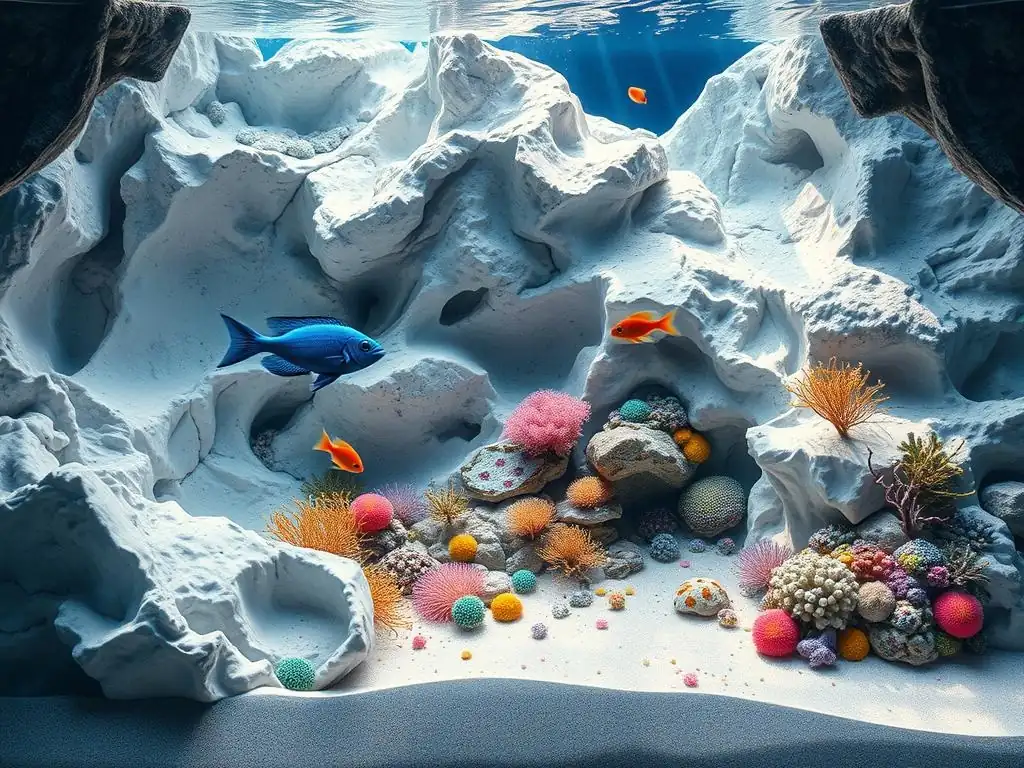
Live rock and a mature sand bed are not merely decorative elements in a reef aquarium; they are the cornerstone of a thriving microfauna ecosystem, serving as the primary habitat for the copepods that live rock sand dragonet copepods depend on. Live rock, typically composed of ancient coral skeletons, is incredibly porous, offering a vast surface area for beneficial bacteria, microalgae, and detritus to accumulate. This intricate network of crevices, pores, and tunnels provides both shelter from predation and stable micro-environments where copepods can graze, hide, and reproduce away from strong currents.
Similarly, the sand bed plays a critical role, especially for benthic (bottom-dwelling) copepod species. A well-established sand bed, particularly one composed of aragonite, provides a stable substrate for these copepods to burrow into, feed on detritus, and lay their eggs. The interstitial spaces between sand grains offer protection and a consistent food source derived from the breakdown of organic matter. Together, live rock and sand create a complex, three-dimensional matrix essential for cultivating the diverse and abundant copepod populations that Mandarins require.
How Live Rock and Sand Promote Copepod Reproduction
The unique structure of live rock directly facilitates copepod reproduction by offering ideal conditions for their life cycle. The myriad of protected spaces within the rock's porous structure reduces direct water flow, allowing delicate copepod eggs and newly hatched nauplii to settle and develop without being swept away. Furthermore, the biofilms, diatoms, and detritus that accumulate on and within the live rock serve as a continuous food source for both adult copepods and their developing larvae, fueling their growth and reproductive cycles.
A mature sand bed significantly amplifies the reproductive capacity of copepods. Many copepod species are benthic, meaning they live within the substrate. In a deep sand bed (typically 2-4 inches), the stable temperature, consistent nutrient availability, and protection from predators create an optimal breeding ground.
Copepods lay their eggs directly among the sand grains, where they are shielded. This undisturbed environment allows for a high rate of successful reproduction, enabling the population to rebound even under constant grazing pressure from a Mandarin Dragonet. A healthy, well-established 50-gallon reef tank with ample live rock and a deep sand bed can potentially produce thousands of copepods daily, though this can vary widely based on tank maturity and species present.
The Importance of Established Live Rock and Sand Beds for Mandarin Dragonets
The Nitrogen Cycle and Beneficial Bacteria in Live Rock
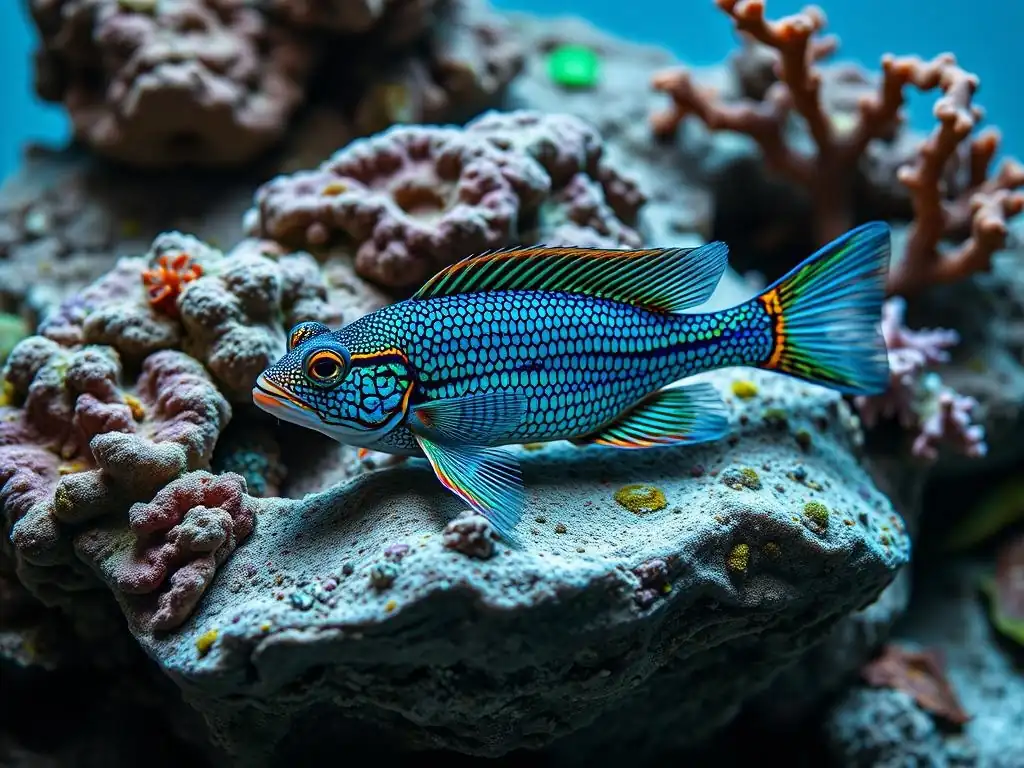
Beyond providing physical habitat, live rock is fundamental to the biological filtration of a marine aquarium, primarily by hosting the beneficial bacteria crucial for the nitrogen cycle. Nitrifying bacteria, such as Nitrosomonas and Nitrobacter, colonize the vast surface area of live rock, converting toxic ammonia (from fish waste and decaying matter) into less toxic nitrite, and then into relatively harmless nitrate. This process is vital for maintaining pristine water quality, characterized by ammonia and nitrite levels at 0 ppm, and nitrates typically below 20 ppm.
The health and proliferation of live rock sand dragonet copepods are intrinsically linked to stable and clean water parameters. Copepods, like all aquatic organisms, are sensitive to poor water quality. Elevated levels of ammonia or nitrite can quickly decimate their populations, leading to a critical food shortage for Mandarin Dragonets. Therefore, the robust biological filtration provided by an adequate amount of mature live rock (generally 1-1.5 pounds per gallon of tank volume) indirectly but critically supports the entire copepod ecosystem, ensuring a healthy environment for both the copepods and their primary predator.
Mature Sand Beds: A Refuge for Copepod Colonies
A mature sand bed, often aged six months to over a year, evolves into a complex micro-ecosystem that serves as an invaluable refuge for copepod colonies. Within the deeper layers of the sand, copepods can escape the constant grazing pressure from Mandarin Dragonets and other microfauna predators that are active in the open water column or on the rock surfaces. This allows a portion of the copepod population to reproduce and grow undisturbed, ensuring a continuous supply of individuals that can periodically emerge into the main display tank.
Furthermore, these established sand beds are teeming with a diverse array of detritivores and microorganisms. Copepods contribute to the overall health of the sand bed by consuming detritus and decaying organic matter, preventing the buildup of harmful anaerobic pockets. This symbiotic relationship, where the sand bed provides shelter and food for copepods while copepods help maintain the sand bed's cleanliness, is a dynamic interaction that underpins a robust live rock sand dragonet copepods population, making the system more resilient and self-sustaining.
Establishing a Thriving Microfauna Ecosystem in Your Reef Tank
Successfully keeping a Mandarin Dragonet hinges on the establishment of a thriving microfauna ecosystem, which requires patience and foresight. The tank should be fully cycled and mature for at least 3-6 months, and ideally even longer, before introducing a Mandarin. During this period, the live rock and sand bed should be allowed to fully colonize with beneficial bacteria and a diverse range of micro-invertebrates. Initiating the process by adding commercial copepod starter cultures can significantly accelerate the development of a robust population.
A truly thriving microfauna ecosystem extends beyond just copepods, encompassing amphipods, rotifers, and various other tiny invertebrates. This biodiversity creates a more resilient and stable food web within the aquarium, offering a varied diet for the Mandarin Dragonet and making the entire system less susceptible to crashes. The presence of varied microfauna also contributes to the natural nutrient cycling and overall health of the reef tank, underscoring the importance of a well-established live rock and sand environment.
Selecting the Right Live Rock and Sand for Copepod Cultivation
Porosity and Surface Area: Key Factors in Live Rock Selection
When selecting live rock for a Mandarin Dragonet tank, porosity and surface area are paramount considerations for copepod cultivation. Highly porous live rock, such as Fiji, Pukani, or sometimes aquacultured varieties, offers significantly more internal and external surface area compared to dense, less porous rock.
This increased surface area translates directly into more habitat for beneficial bacteria and, critically, more hiding spots and grazing surfaces for live rock sand dragonet copepods. A good rule of thumb is to aim for 1 to 1.5 pounds of highly porous live rock per gallon of tank water to maximize biological filtration and copepod habitat.
The shape and arrangement of the live rock also play a crucial role. Irregularly shaped pieces, stacked to create numerous caves, overhangs, and swim-throughs, enhance the complexity of the aquatic environment. These varied structures create zones of different flow rates, providing diverse micro-habitats where copepods can thrive. Some areas will have lower flow, allowing detritus and microalgae to settle as food, while others will offer pathways for copepods to disperse throughout the tank, ensuring a continuous supply for the Mandarin.
Aragonite Substrate: Providing Ideal Copepod Breeding Grounds
For the sand bed, aragonite substrate is overwhelmingly preferred for its numerous benefits, particularly in supporting copepod breeding grounds. Unlike silica-based sands, aragonite is composed of calcium carbonate, which actively contributes to the buffering capacity of the aquarium water. This helps maintain stable pH (typically 8.1-8.4) and alkalinity (8-12 dKH), crucial parameters for overall reef health and indirectly beneficial for the development and shell formation of copepods.
The grain size of the aragonite sand is also important. A mix of fine (0.5-1.5 mm) and medium (2-3 mm) grain sizes can create a more diverse interstitial environment, accommodating various copepod species and their life stages. For optimal copepod cultivation, a deep sand bed (DSB) of at least 3-4 inches is highly recommended. These deeper beds provide more stable conditions, greater protection from predation, and a larger volume for detritus accumulation, fostering a more robust and self-sustaining population of benthic live rock sand dragonet copepods.
Avoiding Aiptasia and Other Pests on Live Rock
While live rock is indispensable, it can also be a vector for unwanted pests that can negatively impact the copepod population or overall tank health. Aiptasia anemones, flatworms, and mantis shrimp are common hitchhikers that can outcompete copepods for resources or directly prey upon them. Aiptasia, in particular, can rapidly reproduce and sting other inhabitants, while certain flatworms can consume copepod eggs and larvae. Mantis shrimp, though fascinating, are voracious predators that will decimate any microfauna.
To mitigate these risks, it is highly advisable to inspect all new live rock thoroughly before introduction. Curing new live rock in a separate container for several weeks allows any unwanted organisms to emerge and be removed. Brief freshwater dips (e.g., 30-60 seconds) can help dislodge some pests, though this method should be used cautiously. For Aiptasia, direct application of a kalkwasser paste or commercial Aiptasia-killing product can be effective. Prevention is always better than cure, as removing established pests can be challenging and disruptive to the delicate balance of the live rock sand dragonet copepods ecosystem.
Maintaining a Healthy Live Rock and Sand Environment for Mandarin Dragonets
Water Parameters: Crucial for Copepod and Dragonet Health
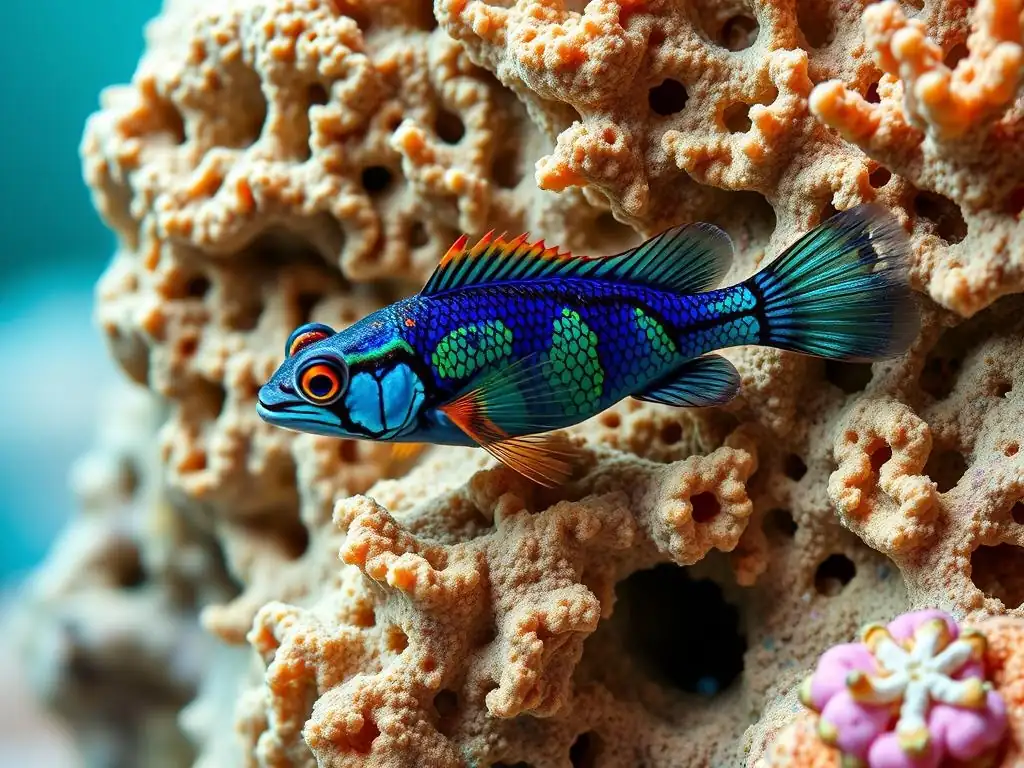
Maintaining stable and optimal water parameters is not only crucial for the Mandarin Dragonet itself but equally so for the health and reproductive success of its copepod food source. Key parameters include a stable salinity of 1.023-1.026 specific gravity (SG), a temperature range of 75-80°F (24-27°C), a pH between 8.1-8.4, alkalinity of 8-12 dKH, calcium levels of 400-450 ppm, and magnesium at 1250-1350 ppm. Fluctuations outside these ranges, particularly in salinity or temperature, can stress copepods, inhibit their reproduction, and even lead to population crashes.
Regular monitoring and consistency are more important than hitting exact numbers. Performing routine water changes (e.g., 10-20% monthly) helps replenish essential trace elements that copepods and other microfauna utilize, while simultaneously removing accumulated nitrates and other undesirable compounds. This consistent maintenance ensures a pristine environment that supports the continuous proliferation of live rock sand dragonet copepods, providing a stable food supply for the Mandarin.
Nutrient Control: Preventing Algae Blooms and Copepod Depletion
While copepods do graze on microalgae and detritus, excessive nutrient levels can lead to problematic macroalgae blooms that directly threaten the copepod population and the overall health of the live rock and sand environment. High phosphates (above 0.03 ppm) and nitrates (above 10 ppm) fuel the growth of nuisance algae, which can smother the intricate surfaces of live rock and accumulate in the sand bed, reducing available grazing areas and habitat for copepods. This competition for space and resources can significantly deplete the very food source the Mandarin relies on.
Effective nutrient control strategies are therefore essential. This includes avoiding overfeeding, which introduces excess organic waste. Utilizing a high-quality protein skimmer is vital for removing dissolved organic compounds before they break down into nitrates and phosphates. Furthermore, incorporating a refugium (discussed later) with macroalgae like Chaetomorpha can export nutrients. Chemical filtration media such as granular ferric oxide (GFO) for phosphates or activated carbon for dissolved organics can also be employed to maintain low nutrient levels, preserving the ideal conditions for live rock sand dragonet copepods to thrive.
Supplementing Copepod Populations: Culturing Copepods for Mandarin Dragonets
Even in well-established and optimally maintained reef tanks, a single Mandarin Dragonet, especially in tanks under 75 gallons, can eventually deplete the naturally occurring copepod population faster than it can reproduce. This is particularly true if the tank is not mature enough or lacks sufficient live rock and sand volume. Therefore, supplementing the tank's copepod population through external culturing is often a necessary and highly effective strategy for long-term Mandarin success.
External copepod culturing involves setting up a dedicated container, typically a small bucket or aquarium, to breed copepods. These cultures are usually fed with phytoplankton, which provides the necessary nutrients for copepod growth and reproduction. Regular additions of these cultured copepods (e.g., weekly or bi-weekly) directly into the main display tank can significantly boost the available food supply for the Mandarin. This proactive approach ensures that the live rock sand dragonet copepods cycle remains robust, preventing starvation and allowing the Mandarin to flourish.
Troubleshooting Common Problems: Mandarin Dragonet Copepod Populations
Identifying and Addressing Copepod Crashes
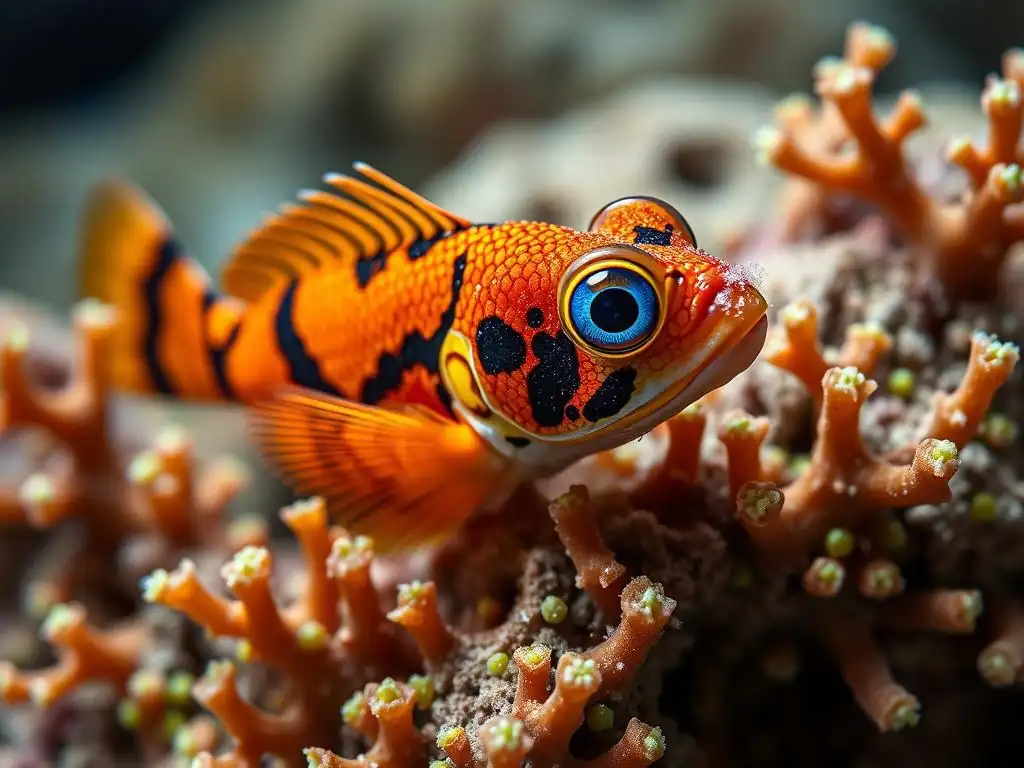
A copepod crash in a Mandarin Dragonet tank is a serious issue that, if not addressed promptly, can lead to the starvation of the fish. Symptoms of a crash include a Mandarin appearing visibly thin or emaciated, constantly searching for food on the glass and rockwork, and a noticeable absence of visible copepods, particularly at night or early morning. Common causes include sudden changes in water parameters, the introduction of new predators, insufficient initial copepod population, or prolonged overgrazing by the Mandarin itself.
Addressing a copepod crash requires immediate action. First, rigorously test all water parameters to identify any deviations that may have caused the decline. If parameters are stable, introduce multiple large bottles of commercial copepod cultures (e.g., 2-3 bottles of 16oz each for a 50-gallon tank) directly into the display tank and, if available, into a refugium.
Temporarily, if the Mandarin can be coaxed to accept alternative foods (a rare feat), offering enriched brine shrimp or mysis shrimp can provide short-term sustenance. Long-term, increasing live rock volume, deepening the sand bed, or adding a refugium should be considered to create a more resilient live rock sand dragonet copepods ecosystem.
Preventing Overgrazing: Managing Mandarin Dragonet Feeding Habits
Mandarin Dragonets are continuous, slow grazers, constantly picking at surfaces for their microscopic prey. In a tank that is too small, or one that lacks sufficient live rock and sand volume, a single Mandarin can quickly decimate the copepod population faster than it can reproduce, leading to overgrazing. This is a common pitfall for new aquarists attempting to keep these specialized fish.
Preventing overgrazing requires careful planning. The tank should be adequately sized, with a minimum of 30 gallons for a single Mandarin, though 50 gallons or more with a dedicated refugium is highly recommended.
The Mandarin should ideally be one of the last fish introduced to a mature system, allowing the copepod population ample time to establish. Providing generous amounts of highly porous live rock (at least 1 pound per gallon) and a deep sand bed (3-4 inches) maximizes the available habitat and breeding grounds for live rock sand dragonet copepods, making it more challenging for the Mandarin to completely deplete the population.
Dealing with Competition: Wrasses and Other Microfauna Predators
While Mandarin Dragonets are unique in their absolute reliance on copepods, they are not the only fish in a reef tank that will consume these valuable microfauna. Certain wrasses (e.g., Six-Line Wrasse, Possum Wrasse, Leopard Wrasse), some gobies (e.g., Diamond Watchman Goby), and even some cleaner shrimp can also actively hunt and consume copepods and amphipods. If the tank is already struggling to maintain a sufficient copepod population for a Mandarin, introducing these competitors can quickly exacerbate the problem, leading to a food shortage.
Careful tank mate selection is crucial to ensure the long-term success of keeping a Mandarin. Avoid adding multiple copepod predators to the same tank, especially if the tank is on the smaller side or if the copepod population is not exceptionally robust. If competition is suspected, observe the feeding behaviors of all inhabitants. In some cases, it may be necessary to remove a competing fish or significantly increase the frequency and volume of copepod supplementation to ensure the Mandarin receives adequate nutrition. A healthy live rock sand dragonet copepods population thrives best with minimal competition.
Optimizing Your Reef Tank for Mandarin Dragonet Copepod Success
Creating Copepod Refugiums: Dedicated Breeding Areas
A refugium is arguably one of the most effective tools for optimizing a reef tank for Mandarin Dragonet copepod success. It is a separate, sump-connected compartment designed to cultivate microfauna and macroalgae in an environment free from predation. This dedicated space provides an undisturbed breeding ground where copepods can reproduce rapidly without being grazed upon by the Mandarin or other tank inhabitants. As copepod populations swell within the refugium, they are continuously flushed into the main display tank, providing a steady and renewable food source.
A typical refugium setup includes live rock rubble, a deep sand bed, and macroalgae, most commonly Chaetomorpha. The macroalgae consume nitrates and phosphates, contributing to water quality, while the live rock and sand provide ample surface area and hiding spots for copepods. Refugiums usually range in size from 10-20% of the main tank's volume, though larger is always better. The strategic placement of a light over the refugium (on an opposite light cycle to the display) can further enhance macroalgae and copepod growth, ensuring a continuous supply of live rock sand dragonet copepods for the Mandarin.
Introducing Beneficial Bacteria: Enhancing the Biological Filter
While live rock naturally colonizes with beneficial bacteria, the deliberate introduction of commercial bacterial additives can further enhance the biological filter and contribute to a healthier ecosystem for copepods. These products contain diverse strains of nitrifying and denitrifying bacteria, as well as heterotrophic bacteria that consume organic waste. A robust bacterial population ensures efficient nutrient cycling, which in turn maintains pristine water quality – a prerequisite for thriving copepod colonies.
Regular dosing (e.g., weekly or bi-weekly) of high-quality bacterial supplements, particularly during the initial tank cycling phase or after any major tank disturbance (like a large water change or medication), can significantly boost the microbial diversity. These bacteria break down detritus and provide a food source for detritivorous copepods and other microfauna. By strengthening the foundational biological processes within the live rock and sand bed, these bacterial additions indirectly support a more prolific and resilient live rock sand dragonet copepods population, making the system more self-sufficient.
The Long-Term Benefits of a Healthy Copepod Population for Mandarin Dragonets [and the Reef Ecosystem]
The primary and most significant long-term benefit of cultivating a healthy copepod population is the sustained health and vitality of Mandarin Dragonets. When their specific dietary needs are consistently met, Mandarins not only survive but thrive, displaying their full, vibrant coloration and active behaviors. This robust food source allows them to reach their full potential, often living for 5+ years in optimal aquarium conditions, far surpassing the typical lifespan in underfed environments.
Beyond the Mandarin, a thriving copepod population confers substantial benefits to the entire reef ecosystem. Copepods are integral to the nutrient cycle, consuming detritus and microalgae, thereby acting as a natural cleanup crew that helps keep the tank clean and balanced. They also provide a natural food source for other desirable micro-predators, contributing to the overall biodiversity and stability of the reef tank. This robust live rock sand dragonet copepods system is a cornerstone of a healthy, balanced, and aesthetically pleasing marine aquarium, reflecting a truly successful aquarist's dedication.
Frequently Asked Questions
What is the primary function of live rock and live sand in a dragonet aquarium?
Live rock and sand provide the biological filtration and natural habitat necessary for a healthy dragonet tank. They also foster the copepod population, which is a crucial food source.
Why are copepods so important for dragonets?
Many dragonet species are obligate copepod eaters. Without a stable copepod population, they often starve in captivity. Copepods are their primary food source.
How does live rock contribute to a thriving copepod population?
Live rock offers a complex structure with many nooks and crannies. This provides shelter and breeding grounds for copepods, protecting them from predation and allowing their population to thrive.
What role does live sand play in supporting copepods and therefore, dragonets?
Live sand acts as a substrate filter and a habitat for infauna, including various species of copepods. It provides food and shelter, contributing to a healthy and diverse ecosystem.
How can I ensure my dragonet aquarium has a sufficient copepod population besides using live rock sand?
You can supplement the copepod population by regularly adding copepod cultures. Also, avoid overstocking the aquarium and minimize the use of medications that can harm copepods.
Okay, here's a final reflection designed to close your article "The Role of Live Rock & Sand in Sustaining Dragonet Copepod Populations," optimized for the keyword "Live rock sand dragonet copepods" and following the structure you provided:
Final Reflection: The Living Foundation of a Thriving Ecosystem
The intricate dance between live rock, sand, and copepods is far more than just a scientific curiosity; it's a microcosm of the delicate balance that sustains entire marine ecosystems. Understanding the critical role these elements play in the survival of dragonets, as we've explored, underscores the importance of responsible reef-keeping practices and a deeper appreciation for the interconnectedness of life within our aquariums and beyond.
The influence of live rock and sand on copepod populations, and subsequently on the health of dragonets, extends beyond the confines of our tanks. It serves as a powerful reminder that even seemingly small components can have a profound impact on the overall health and resilience of an ecosystem. In nature, there is no such thing as a single cause and effect. Each impact has an infinite number of ripples.
- Tom Stoppard. This quote perfectly encapsulates the complex relationships at play within the live rock, sand, and copepod food web, highlighting the far-reaching consequences of our actions.
As aquarists and stewards of these miniature ecosystems, we have a responsibility to cultivate environments that foster biodiversity and sustainability. Consider how you can further optimize your own aquariums to support thriving copepod populations and, in turn, contribute to the well-being of your dragonets. Let us all strive to create not just visually stunning displays, but also vibrant, self-sustaining havens for these fascinating creatures, ensuring their continued survival and enjoyment for generations to come.
Ignite Your Reef: Cultivate a Thriving Copepod Ecosystem!
Thank you for diving into the world of live rock and copepods! You've now unlocked the secrets to creating a Dragonet-friendly reef. It's time to put that knowledge into action and watch your aquarium flourish.
Here's how you can take the next steps:
- Immediately assess your current live rock and sand. Is it adequately seeded? If not, consider adding a mature, copepod-rich culture. This will turbocharge your Dragonet's food supply.
- Explore unconventional seeding methods: Introduce a small refugium to your system or use dedicated copepod breeding boxes to boost production.
- Share this article with fellow reef enthusiasts and spark a conversation about sustainable copepod populations in aquariums!
Ready to transform your reef into a copepod paradise and keep your Dragonet thriving? Share your seeding strategies below!