
Nano Reef Aquascaping: Creating Functional Beauty for Gobies, Blennies & Dragonets

Welcome to Aquarium Mastery!
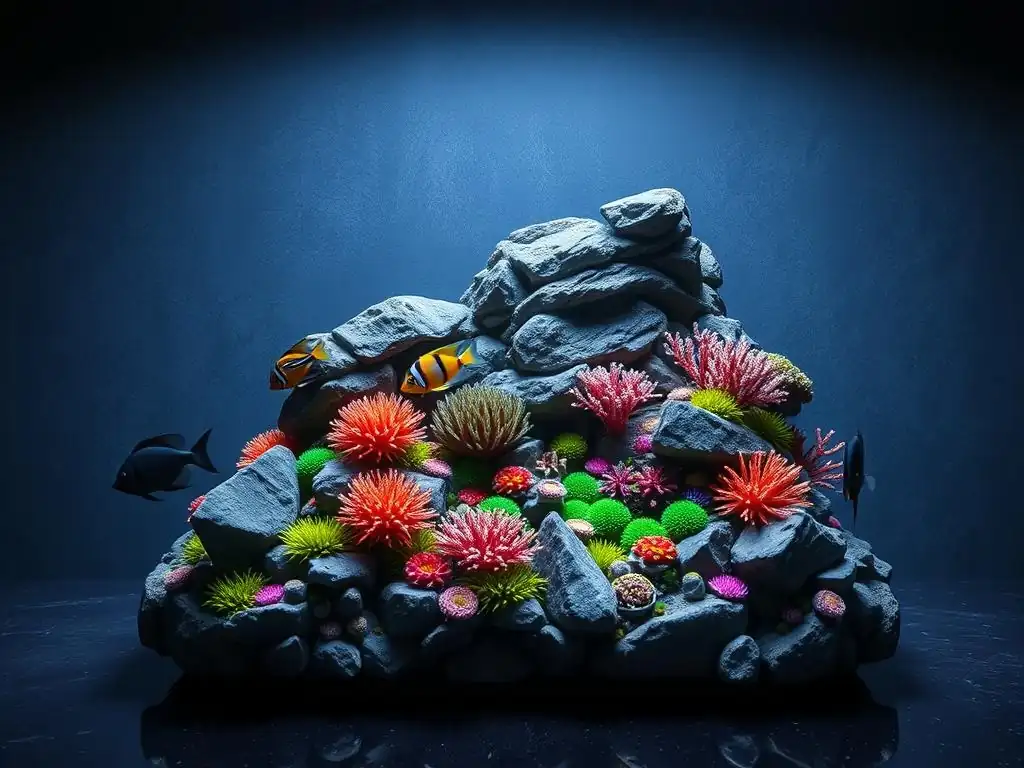
Ever dreamed of a vibrant, miniature underwater world teeming with life? Discover the secrets to stunning nano reef aquascaping and transform your small tank into a captivating ecosystem for gobies, blennies, and dragonets. Ready to unlock the art of functional beauty in your nano reef? Dive in and explore our expert tips to create the perfect habitat for your saltwater friends!
- Nano Reef Aquascaping: Functional Beauty for Small Fish
- Introduction to Nano Reef Aquascaping
- Planning Your Nano Reef Aquascape
- Nano Reef Aquascaping Tips
- Selecting the Right Substrate
- Essential Aquascaping Tools and Materials
- Aquascaping Techniques for Specific Fish
- Maintaining Your Nano Reef Aquascape
- Popular Nano Reef Fish and Aquascaping Preferences
- Advanced Nano Reef Aquascaping Concepts
- Conclusion: The Art and Science of Nano Reef Aquascaping
-
Frequently Asked Questions
- What is nano reef aquascaping and why is it important?
- What are some key considerations when choosing rocks for a nano reef aquascape?
- How can I create a functional aquascape that benefits my fish?
- What are some techniques for achieving good water flow within my nano reef aquascape?
- How do I maintain my nano reef aquascape to keep it healthy and aesthetically pleasing?
- Final Reflection: Sculpting Miniature Ecosystems
- Design Your Dream Reef: Let's Get Started!
Nano Reef Aquascaping: Functional Beauty for Small Fish
Introduction to Nano Reef Aquascaping
Unique Needs of Gobies, Blennies, and Dragonets
Gobies, blennies, and dragonets are highly sought-after inhabitants for nano reef tanks due to their vibrant colors, captivating personalities, and relatively small adult sizes, typically ranging from 1.5 to 4 inches. However, their unique behavioral patterns demand a specialized approach to aquascaping. For instance, many gobies are burrowers, requiring a stable substrate and secure structures to create their homes. Blennies are often perching grazers, needing ample rock surfaces with microalgae, while dragonets, particularly the popular Mandarin Dragonet, are micro-predators that depend on a thriving population of copepods and amphipods found within the rockwork.
Traditional aquascaping, focused purely on aesthetics, often overlooks these critical needs. Without appropriate hiding spots, secure territories, or foraging grounds, these fish can experience chronic stress, leading to weakened immune systems and a reduced lifespan. Functional nano reef aquascaping tips prioritize the well-being of these specific species, ensuring their environment supports their natural behaviors and dietary requirements within the confines of a smaller aquarium, typically under 30 gallons.
Aquascaping for a Healthy Nano Reef Ecosystem
Beyond providing homes for specific fish, effective nano reef aquascaping is fundamental to the overall health and stability of the entire ecosystem. The rock structure, whether live or dry, provides vast surface area for beneficial nitrifying and denitrifying bacteria, which are crucial for processing waste products like ammonia and nitrite. For example, a single cubic foot of porous live rock can offer up to 20,000 square feet of internal surface area for bacterial colonization. This biological filtration is the backbone of a healthy reef tank, especially in a nano system where water volume is limited.
Moreover, a well-designed aquascape promotes optimal water flow throughout the tank, preventing "dead spots" where detritus can accumulate. Such accumulation leads to increased nutrient levels (nitrates and phosphates), fueling nuisance algae growth and potentially harming sensitive corals and fish. A thoughtfully arranged aquascape also creates diverse microhabitats, fostering a robust population of copepods and amphipods – essential food sources for dragonets and other small invertebrates. Implementing these functional nano reef aquascaping tips ensures not just beauty, but a thriving, self-sustaining miniature reef environment.
Planning Your Nano Reef Aquascape
Choosing Rock: Live vs. Dry Rock
The choice between live rock and dry rock is a foundational decision in nano reef aquascaping, each presenting distinct advantages. Live rock, typically harvested from the ocean, comes pre-seeded with beneficial bacteria, microfauna, and often desirable macroalgae, accelerating the tank's cycling process. A general guideline suggests using 1 to 1.5 pounds of live rock per gallon for initial biological filtration, meaning a 20-gallon nano tank might use 20-30 pounds. However, live rock can be more expensive and may introduce unwanted hitchhikers like aiptasia or mantis shrimp.
Dry rock, conversely, is typically calcium carbonate rock that has been dried and cleaned, making it free of pests and significantly more affordable. It requires a longer curing process, often 4 to 8 weeks, to become biologically active and leach out any phosphates, but it offers complete control over the initial tank inhabitants.
Many aquarists opt for a hybrid approach: using dry rock for the bulk of the structure to save costs and avoid pests, then adding a small amount of high-quality, cured live rock to "seed" the dry rock with beneficial bacteria and desirable microfauna. This combination allows for creative freedom while still benefiting from established biology, a prime example of smart nano reef aquascaping tips.
Aquascaping Styles: Island, Peninsula, Open
Selecting an aquascaping style is crucial for both aesthetics and functionality in a nano reef. The "Island" style features a central rock structure, creating a focal point and allowing 360-degree viewing. This style is excellent for smaller nano tanks (e.g., 10-gallon cubicle tanks) as it maximizes open swimming space around the rock while still providing ample surface area for corals and perching fish like gobies. Its simplicity also makes it easier to maintain water flow.
The "Peninsula" style involves a rock structure extending from one side of the tank, creating depth and a sense of movement. This can be particularly effective in longer nano tanks (e.g., 20-gallon long tanks), offering multiple perspectives and allowing for different flow patterns around the structure.
The "Open" style, characterized by minimalist rockwork and significant negative space, emphasizes the water column and is ideal for fish that prefer open swimming areas. Regardless of the chosen style, effective nano reef aquascaping tips dictate that the layout must also incorporate the specific needs of the intended inhabitants, such as hiding spots for blennies or burrowing access for gobies.
Assessing Flow Requirements
Proper water flow is paramount in a nano reef, impacting everything from nutrient export to gas exchange and the health of corals and fish. Insufficient flow leads to detritus accumulation, localized nutrient spikes, and poor oxygenation, while excessive or turbulent flow can stress inhabitants. A general guideline for reef tanks is to aim for a total flow rate of 10-20 times the tank's volume per hour.
For a 20-gallon nano tank, this translates to a need for 200-400 gallons per hour (GPH) of circulation. This flow is typically provided by a combination of the return pump from the sump (if applicable) and dedicated powerheads.
The aquascape's design significantly influences how water moves through the tank. Tall, dense rock structures can create "dead spots" behind them where water movement is minimal, leading to detritus traps. Conversely, structures with arches, caves, and multiple levels allow water to circulate freely, distributing nutrients to corals and sweeping away waste.
When planning your nano reef aquascape, consider the placement of powerheads and design the rockwork to complement and optimize flow patterns. Observing the movement of small particles or even a tiny amount of food can help identify areas of poor circulation, allowing for adjustments to powerhead placement or rock orientation – a vital component of effective nano reef aquascaping tips.
Nano Reef Aquascaping Tips
Building Stable Structures
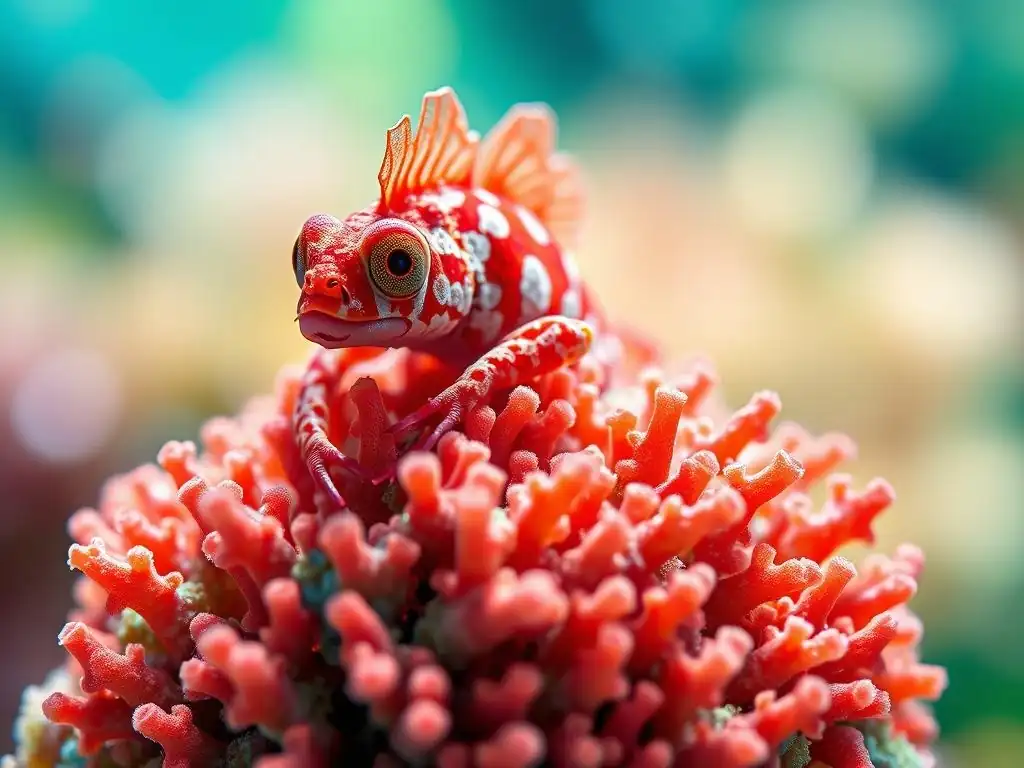
Stability is paramount when constructing your nano reef aquascape, particularly given the confined space and the potential for delicate inhabitants. A collapsing rock structure can not only damage corals and other invertebrates but also injure or even kill fish, and in extreme cases, crack the aquarium glass. To ensure maximum stability, always place the base rocks directly on the bottom glass of the tank before adding any sand. This prevents the rockwork from shifting or settling over time, especially if burrowing fish like gobies are present.
For securing individual rocks, especially when stacking multiple pieces, reef-safe adhesives are indispensable. Cyanoacrylate super glue gel is excellent for bonding smaller pieces or fragging corals onto the rockwork, typically curing within minutes. For larger, structural bonds, two-part epoxy putty is more effective, forming a strong, permanent connection, though it may take 24 hours to fully cure. When applying these nano reef aquascaping tips, ensure the contact points between rocks are clean and dry for optimal adhesion. Creating a wide, stable base and minimizing the number of precarious overhangs will significantly enhance the safety and longevity of your aquascape.
Creating Caves and Crevices
Caves and crevices are not merely aesthetic features; they are vital functional elements in a nano reef aquascape, particularly for shy or territorial fish like gobies, blennies, and some dragonets. These dark, enclosed spaces provide essential hiding spots, reducing stress for the inhabitants when they feel threatened or need to rest. For instance, many blennies will claim a specific small hole as their territory, darting in and out throughout the day. Gobies, especially pistol shrimp symbionts, rely on secure burrows, often created around stable rock structures.
To effectively incorporate caves and crevices, utilize rocks with natural holes or create them by carefully stacking and securing pieces to form small tunnels and overhangs. Ensure that these openings are appropriately sized for your target fish – for small gobies, openings of 0.5 to 1.5 inches are generally suitable. It's beneficial to create multiple entry and exit points for these hideaways, allowing fish to escape if a perceived threat blocks one opening. These functional nano reef aquascaping tips ensure your fish feel secure and exhibit more natural behaviors, contributing to a thriving ecosystem.
Utilizing Vertical Space
In the limited footprint of a nano reef aquarium, effectively utilizing vertical space is a key strategy for maximizing both aesthetic appeal and functional capacity. Building upward with your rockwork creates more surface area for coral placement, allowing you to house a greater variety of corals without overcrowding the tank's base. This verticality also provides different "levels" within the aquascape, catering to the diverse preferences of various fish species. Some gobies prefer perching on higher points, while others, like diamond gobies, spend most of their time on the sand bed.
Beyond coral and fish habitats, vertical structures can also play a crucial role in water flow dynamics. By creating varied heights and strategic gaps, you can guide water currents throughout the tank, minimizing dead spots and ensuring even distribution of nutrients. However, when applying these nano reef aquascaping tips, avoid building too close to the water surface, as this can impede maintenance access, block light penetration for lower corals, and limit surface gas exchange. A well-designed vertical aquascape adds visual depth and complexity, transforming a small tank into a multifaceted underwater landscape.
Selecting the Right Substrate
Sand Bed Depth: Aesthetics and Biological Filtration
The depth of your sand bed in a nano reef aquarium significantly impacts both its aesthetic appeal and its biological function. A shallow sand bed, typically 0.5 to 1 inch deep, is often preferred in nano systems due to its ease of maintenance. It minimizes the risk of accumulating excessive detritus and reduces the potential for developing anaerobic zones, which can produce harmful hydrogen sulfide gas. While a shallow bed offers some surface area for beneficial bacteria, its primary role is aesthetic and to provide a suitable substrate for sand-dwelling invertebrates and certain fish.
Conversely, a deep sand bed (DSB), generally 4 inches or more, is designed to facilitate denitrification, the process by which nitrates are converted into harmless nitrogen gas by anaerobic bacteria. While effective for nitrate reduction, DSBs require careful management to prevent the buildup of trapped organic matter, which can lead to nutrient leaching and potential system crashes if disturbed.
For most nano reef aquarists, especially those new to the hobby, a shallow sand bed offers a safer and more manageable option, providing sufficient substrate for burrowing gobies and maintaining cleaner water parameters. These nano reef aquascaping tips weigh practicality against advanced filtration.
Substrate Types: Aragonite
When selecting substrate for a nano reef, aragonite sand is the overwhelming choice due to its reef-safe properties and beneficial chemical composition. Aragonite is a form of calcium carbonate, which naturally helps to buffer the aquarium's pH and alkalinity, essential for the growth of corals and other calcifying organisms. Maintaining a stable pH, typically between 8.0 and 8.4, is critical for reef health, and aragonite contributes to this stability.
Aragonite sand is available in various grain sizes, from sugar-fine (0.1-0.5 mm) to coarse (2-5 mm). Sugar-fine sand is ideal for burrowing gobies, such as the Diamond Watchman Goby, which sifts through the substrate for food and creates intricate burrows. However, it can be easily blown around by strong water flow. Coarser sand is less prone to shifting but may not be as suitable for delicate burrowers. When applying these nano reef aquascaping tips, consider your specific fish species and the strength of your tank's water flow to select the most appropriate grain size, balancing functionality with aesthetic preference.
Detritus Accumulation
Detritus, composed of uneaten food, fish waste, and decaying organic matter, is a constant challenge in any aquarium, and its accumulation in the sand bed can quickly lead to nutrient issues in a nano reef. When detritus breaks down, it releases nitrates and phosphates, which fuel nuisance algae outbreaks and can negatively impact coral health. Over time, significant detritus buildup can also create anaerobic zones, leading to the production of toxic hydrogen sulfide gas, particularly in deeper, undisturbed sand beds.
To mitigate detritus accumulation, several nano reef aquascaping tips and maintenance practices are crucial. Design your aquascape with ample water flow to prevent dead spots where detritus can settle. Elevated rock structures allow water to circulate underneath, keeping the sand bed cleaner. Regularly vacuuming the top layer of the sand bed during water changes is highly effective. Additionally, incorporating a cleanup crew of sand-sifting invertebrates, such as Nassarius snails or certain gobies like the Diamond Watchman Goby, can help keep the sand bed agitated and free of trapped detritus, contributing to a healthier, cleaner nano reef environment.
Essential Aquascaping Tools and Materials
Reef-Safe Adhesives
Reef-safe adhesives are indispensable for creating stable and secure rock structures in your nano reef aquascape. The two primary types are cyanoacrylate super glue gel and two-part epoxy putty. Super glue gel is excellent for bonding smaller, lighter pieces of rock, securing frag plugs, or attaching small corals. It sets quickly, often within seconds to minutes, making it ideal for quick, precise bonds. It's crucial to use the gel consistency, as liquid super glue can be too thin and difficult to control underwater.
For larger, more structural bonds, especially when stacking heavy rocks or creating complex overhangs, two-part epoxy putty is the preferred choice. It typically comes in a stick form that you knead together to activate. While it takes longer to cure (often 24 hours to fully harden), it provides a much stronger, more permanent bond. When using either adhesive, ensure the rock surfaces are clean and, for best results, as dry as possible. These nano reef aquascaping tips on proper adhesion are critical for ensuring the longevity and safety of your aquascape.
Rock Placement Tools
Precision is key in nano reef aquascaping, where every inch counts. Specialized rock placement tools can make the process significantly easier and less disruptive to your tank. Long-handled aquascaping tongs or tweezers, typically ranging from 12 to 20 inches in length, allow you to manipulate and position rocks, corals, and even small fragments without submerging your hands. This minimizes the introduction of oils or contaminants from your skin into the delicate aquarium environment and reduces stress for the tank's inhabitants during adjustments.
These tools are particularly useful in tight spaces or when trying to place a piece of rock in a precarious position. Some tools also come with rubber tips to prevent scratching the tank glass or damaging delicate corals. While not strictly mandatory, having the right rock placement tools can transform the aquascaping experience from a frustrating endeavor to a precise and enjoyable one. Investing in a good set is a valuable addition to your arsenal of nano reef aquascaping tips.
Measuring and Planning
Thorough planning before you even touch a rock is one of the most effective nano reef aquascaping tips. Due to the limited volume of nano tanks, every piece of rockwork needs to serve a purpose and fit perfectly within the design. Start by measuring the internal dimensions of your aquarium. Then, sketch out your desired aquascape on paper or use a dry-erase board. Consider the specific needs of your chosen fish – do they need burrows, perching spots, or open swimming areas?
A highly recommended practice is to "dry fit" your rockwork outside the tank. Arrange your chosen rocks on a surface that mimics your tank's footprint, such as a large piece of cardboard or even directly on the floor. This allows you to experiment with different configurations, assess stability, and visualize the final look without the pressure of working in a watery environment. You can use measuring tape to ensure adequate space for equipment, maintenance access, and future coral growth. This meticulous planning phase saves time, reduces frustration, and ensures your final aquascape is both aesthetically pleasing and functionally optimized.
Aquascaping Techniques for Specific Fish
Aquascaping for Gobies: Burrowing Opportunities
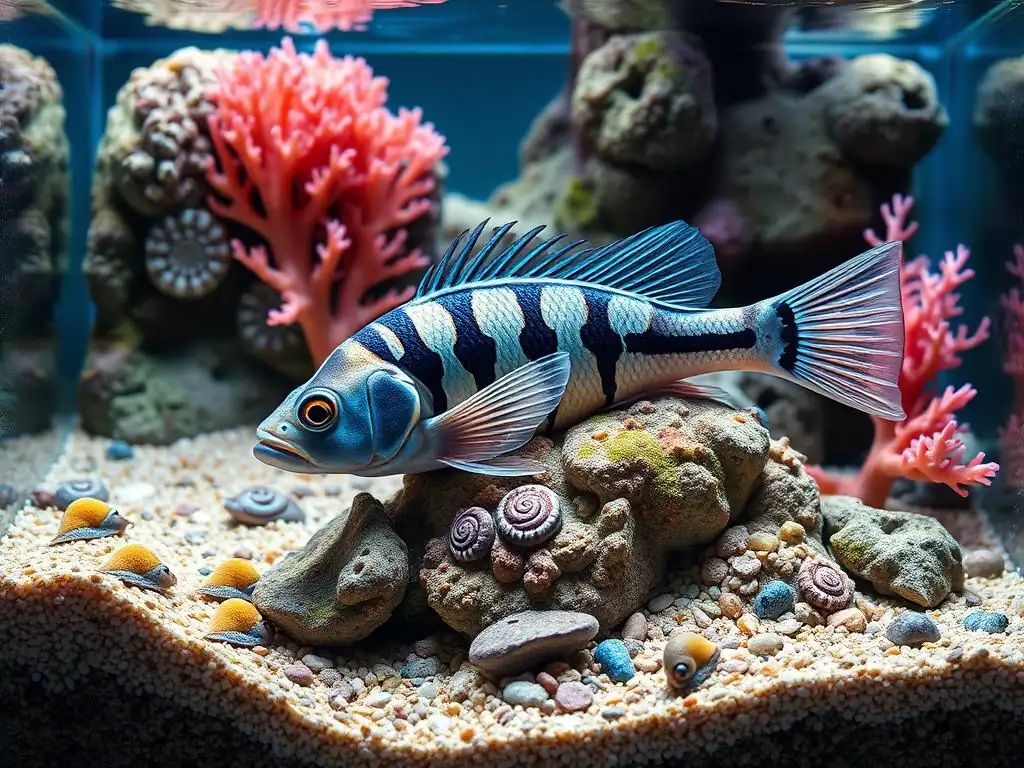
Many popular gobies, such as the Watchman Goby (Cryptocentrus cinctus) or Diamond Watchman Goby (Valenciennea puellaris), are renowned for their burrowing behavior. They create intricate tunnel systems in the sand bed, often in symbiosis with pistol shrimp, which they use for shelter and hunting. To support these species, your nano reef aquascape must provide ample and secure burrowing opportunities. A sand bed depth of at least 2-3 inches of fine aragonite sand is crucial, allowing them to dig effectively.
The most critical nano reef aquascaping tip for burrowing gobies is to ensure the rockwork is stable and cannot collapse. Place the foundational rocks directly on the bottom glass of the aquarium before adding any sand. This creates a solid, unmovable base that the gobies can safely burrow under without the risk of dislodging the rockwork. You can then pile sand around these stable structures, creating natural anchor points for their tunnels. Providing multiple potential burrowing sites will also allow them to choose their preferred location and reduce stress.
Aquascaping for Blennies: Grazing Surfaces and Hiding Spots
Blennies, such as the Tailspot Blenny (Salarias fasciatus) or Starry Blenny (Salarias ramosus), are primarily herbivorous grazers that spend their days picking at algae and biofilm on rock surfaces. They are also known for their curious personalities and their habit of perching on rocks or ducking into small crevices when startled or resting. Therefore, your nano reef aquascape should prioritize providing abundant grazing surfaces and numerous secure hiding spots.
Design your rockwork with plenty of flat and vertical surfaces that receive moderate light, encouraging the growth of beneficial microalgae for them to graze upon. Create a variety of small holes, nooks, and crannies within the rock structure – these "bolt-holes" provide essential security for blennies, allowing them to quickly retreat if they feel threatened. Ensure these openings are appropriately sized for your blenny, typically 0.5 to 1 inch in diameter. These specific nano reef aquascaping tips cater directly to the blennies' natural behaviors, promoting their health and well-being.
Aquascaping for Dragonets: Pod Population
Mandarin Dragonets (Synchiropus splendidus) and Spotted Dragonets (Synchiropus picturatus) are among the most beautiful and sought-after nano reef inhabitants, but they are also notoriously challenging to keep due to their highly specialized diet. They are obligate micro-predators, feeding almost exclusively on live copepods and amphipods that proliferate within a mature reef system. Therefore, the aquascape for a dragonet must be designed to maximize the production and sustainment of these crucial microfauna.
The most vital nano reef aquascaping tip for dragonets is to incorporate a substantial amount of porous live rock with intricate structures. This provides countless small refuges and breeding grounds for copepods and amphipods to thrive and reproduce, shielded from predation by other tank inhabitants. Create a complex network of caves, crevices, and rubble zones within the aquascape.
Consider adding a small, dedicated refugium within the display or as a separate sump compartment, as this can significantly boost pod populations. Without a robust and continuously replenishing supply of live pods, dragonets will slowly starve, making a pod-friendly aquascape an absolute necessity for their long-term survival.
Maintaining Your Nano Reef Aquascape
Controlling Algae Growth
Controlling nuisance algae growth on your nano reef aquascape is an ongoing task critical for both aesthetics and tank health. Excessive algae can smother corals, block light, and indicate underlying nutrient imbalances. The most effective nano reef aquascaping tips for algae control involve addressing the root causes: excess nutrients (nitrates and phosphates) and excessive light. Maintain low nutrient levels through regular water changes (e.g., 10-20% weekly), proper feeding habits (don't overfeed), and effective filtration (protein skimmer, filter socks, GFO).
Lighting duration should be appropriate, typically 8-10 hours per day, and light intensity should match the needs of your corals without promoting excessive algae. Introducing a diverse cleanup crew, including various snails (e.g., Turbo, Trochus, Nassarius) and hermit crabs, can help manage algae on rock surfaces. For stubborn patches, manual removal with a soft brush or algae scraper during maintenance sessions is often necessary. Consistent attention to these practices will keep your aquascape clean and vibrant.
Ensuring Proper Water Flow
Maintaining proper water flow throughout your nano reef aquascape is crucial for preventing detritus accumulation and ensuring all areas of the tank receive adequate circulation. Over time, new coral growth can obstruct existing flow patterns, or detritus might begin to settle in previously well-circulated areas. Regularly observe your tank to identify any "dead spots" where water movement is minimal. You can often spot these areas by observing where detritus settles or where algae seems to proliferate more rapidly.
To address these issues, periodically adjust the position or direction of your powerheads. You might need to add a small, additional circulation pump to target a specific area if your existing flow is insufficient. Ensure that water flows through and around your rockwork, not just over it. Good flow helps deliver nutrients to corals, removes waste, and prevents the buildup of harmful compounds. This continuous assessment and adjustment of water flow are vital nano reef aquascaping tips for a healthy and thriving nano reef.
Addressing Aquascaping Issues
Even with careful planning, aquascaping issues can arise over time, requiring prompt attention to prevent larger problems. Common issues include unstable rocks that shift, creating potential hazards; detritus traps forming in crevices; or areas of poor water flow leading to localized algae blooms. Identifying these problems early is key. For instance, if a rock appears to be leaning or if you notice a significant amount of detritus consistently settling in one spot, it's time to act.
For unstable rocks, carefully re-secure them using reef-safe epoxy or super glue gel. If a detritus trap forms, consider if you can gently adjust a powerhead to increase flow to that area, or manually remove the trapped detritus during water changes. Sometimes, a minor adjustment to a rock's position might be necessary, though this should be done with extreme caution to avoid disturbing the entire tank. Proactive attention to these small problems, guided by these practical nano reef aquascaping tips, prevents them from escalating into major challenges that could jeopardize your entire reef system.
Popular Nano Reef Fish and Aquascaping Preferences
Clown Gobies: Aquascaping for Perching
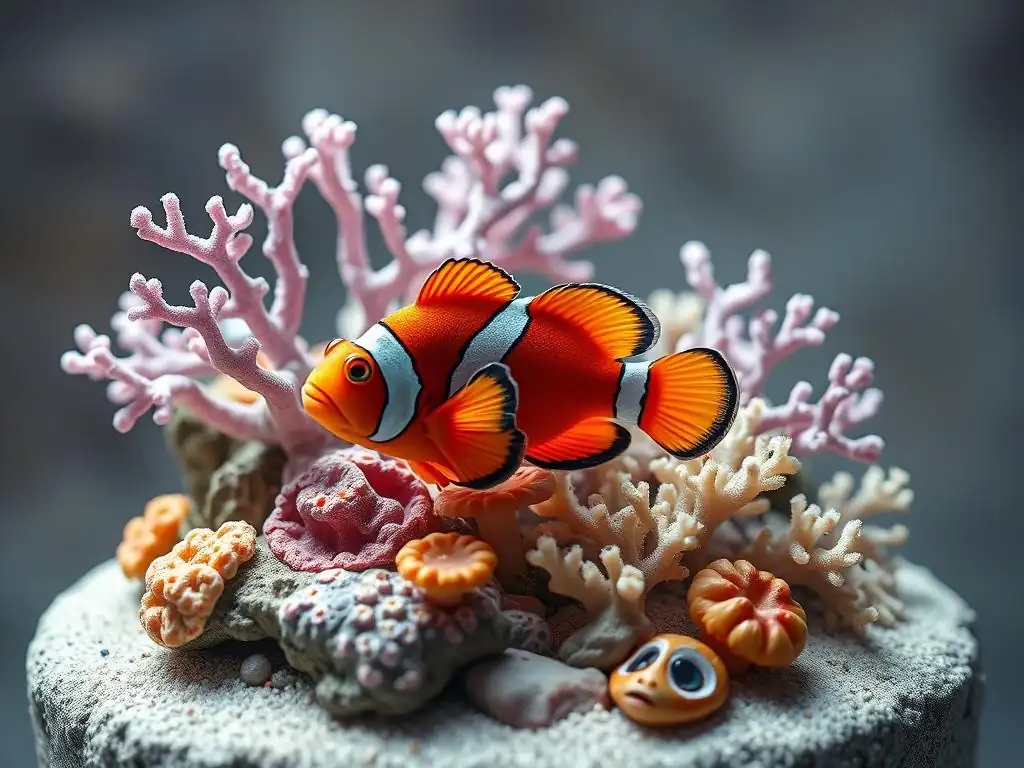
Clown Gobies (Gobiodon spp. ), such as the Green Clown Goby, are tiny, charismatic fish typically reaching only 1.5 to 2 inches in length. They are known for their habit of perching openly on branches of SPS corals or on elevated points of rockwork, where they survey their surroundings. They are not burrowers and require minimal swimming space, making them ideal for even the smallest nano reefs (e.g., 5-10 gallons).
When aquascaping for Clown Gobies, focus on creating stable, elevated platforms and intricate branched structures within your rockwork. Using branching dry rock or incorporating a few pieces of established SPS coral (even if dead, as long as it's clean and stable) can provide perfect perching spots. Ensure these perches are secure and offer good visibility for the goby, as they enjoy being out in the open. These specific nano reef aquascaping tips cater directly to their unique perching behavior, enhancing their well-being and visibility in the tank.
Tailspot Blennies: Creating Algae-Rich Areas
The Tailspot Blenny (Salarias fasciatus) is a highly popular nano reef fish, reaching about 2.5 inches, known for its active grazing on microalgae and biofilm. These blennies spend their day meticulously picking at surfaces, making their diet reliant on the availability of these food sources within the tank. They also require numerous small hiding spots where they can retreat when startled.
To aquascape for Tailspot Blennies, prioritize creating ample rock surface area, including both flat and vertical faces, that receive moderate light to encourage the growth of beneficial algae. Avoid overly smooth or sterile rockwork. Design the aquascape with numerous small, secure bolt-holes and crevices, typically 0.5 to 1 inch in diameter, that the blenny can quickly dart into. These nano reef aquascaping tips ensure a continuous food supply and provide the essential security these engaging grazers need to thrive.
Mandarin Dragonets: Pod-Friendly Aquascaping
Mandarin Dragonets (Synchiropus splendidus), typically 2-3 inches, are among the most beautiful but also most challenging fish for a nano reef due to their extremely specialized diet of live copepods and amphipods. Their survival hinges on the presence of a robust, continuously regenerating population of these micro-crustaceans. Without sufficient pods, Mandarins will slowly starve, even if they appear to be picking at the rocks.
The aquascape for a Mandarin Dragonet must be designed primarily as a "pod factory." This means incorporating a substantial amount of highly porous live rock with an intricate structure of caves, crevices, and overhangs. These features provide abundant surface area and sheltered micro-habitats where copepods and amphipods can live, reproduce, and evade predation.
Consider adding a small rubble zone at the base of your rockwork or even integrating a small, dedicated refugium within the display or sump. These specific nano reef aquascaping tips are not just for aesthetics; they are absolutely critical for the long-term health and survival of Mandarin Dragonets.
Advanced Nano Reef Aquascaping Concepts
Incorporating Coral Placement
For a truly integrated nano reef aquascape, coral placement must be considered from the initial design phase, not as an afterthought. Different corals have distinct requirements for light, flow, and space. SPS (Small Polyp Stony) corals, like Acropora, demand high light and strong, turbulent flow. LPS (Large Polyp Stony) corals, such as Favias or Brain Corals, generally prefer moderate light and flow. Soft corals are often more tolerant but can release toxins.
When applying these advanced nano reef aquascaping tips, plan for future coral growth. Leave adequate space between coral colonies to prevent chemical warfare or shading as they mature. For example, a fast-growing SPS coral might require a 4-6 inch radius of clear space around it. Position corals that prefer high light closer to the surface and those that prefer lower light in shaded areas or lower down. The rock structure should provide varied levels and ledges to accommodate these diverse needs, ensuring each coral thrives without negatively impacting its neighbors.
Visually Appealing and Functional Reef
The pinnacle of nano reef aquascaping is achieving a harmonious balance between visual appeal and functional integrity. An aesthetically pleasing aquascape often incorporates principles of design, such as the Golden Ratio, rule of thirds, or creating negative space to draw the eye. However, true mastery lies in ensuring that every design choice also serves a biological or ecological purpose for the tank's inhabitants. For instance, a beautifully arranged archway of rock is not just visually striking; it also provides a crucial swim-through for fish and enhances water circulation.
To create a visually appealing yet functional reef, vary the sizes and shapes of your rocks to add depth and dimension. Create visual pathways that guide the viewer's eye through the aquascape, while simultaneously ensuring these pathways facilitate optimal water flow and provide diverse microhabitats. The goal is to build a living sculpture where every element contributes to the health and happiness of your fish and corals. This holistic approach is the essence of effective nano reef aquascaping tips, transforming your tank into a thriving, miniature underwater world.
Troubleshooting Aquascaping Problems
Even with the best planning, aquascaping problems can emerge in a mature nano reef, requiring proactive troubleshooting. Common issues include insufficient water flow in certain areas, leading to detritus accumulation and nuisance algae; unstable rock structures that shift over time; or areas that are difficult to clean or access for maintenance. Identifying these problems early is crucial. For example, if you notice localized patches of cyano bacteria or excessive detritus in one corner, it often indicates poor flow.
Solutions typically involve careful adjustments. For flow issues, repositioning powerheads, adding a small, targeted circulation pump, or even slightly rearranging a few rocks can significantly improve circulation. If rocks become unstable, carefully re-secure them using reef-safe epoxy or super glue, ensuring the tank's inhabitants are not unduly stressed. For hard-to-reach areas, consider using specialized long-handled tools for cleaning. Regular observation and a willingness to make small, iterative adjustments are key nano reef aquascaping tips for maintaining a healthy and beautiful aquascape over the long term.
Conclusion: The Art and Science of Nano Reef Aquascaping
Frequently Asked Questions
What is nano reef aquascaping and why is it important?
Nano reef aquascaping involves designing the rock layout and decor in a small reef aquarium. It's important because it provides shelter for fish like gobies, blennies, and dragonets, and impacts water flow and overall tank health.
What are some key considerations when choosing rocks for a nano reef aquascape?
Consider using aquarium-safe live rock that is appropriately sized for your tank. Ensure the rock is stable and doesn't contain harmful hitchhikers. It should also be porous to facilitate biological filtration.
How can I create a functional aquascape that benefits my fish?
Build caves, overhangs, and crevices to offer safe havens for your fish and simulate their natural environment. Leave open areas for swimming and feeding. Consider the specific needs of gobies, blennies, and dragonets when designing the layout.
What are some techniques for achieving good water flow within my nano reef aquascape?
Avoid creating dead spots by arranging rocks to promote circulation. Consider using a powerhead or wavemaker to enhance water movement. Proper water flow is crucial for gas exchange and nutrient distribution.
How do I maintain my nano reef aquascape to keep it healthy and aesthetically pleasing?
Regularly inspect the aquascape for algae growth and detritus accumulation. Gently brush or siphon away debris as needed. Avoid disturbing the biological filtration established within the rock structure during cleaning.
Final Reflection: Sculpting Miniature Ecosystems
The journey of crafting a nano reef aquascape, as we've explored, is more than just arranging rocks and coral; it's about creating a thriving, miniature ecosystem within the confines of a small tank. This pursuit of functional beauty resonates deeply today, as more and more hobbyists seek to connect with nature in sustainable and space-conscious ways, bringing the vibrant energy of the ocean into their homes.
This art form has profoundly impacted the reefkeeping community, pushing the boundaries of what's possible in a limited space. The dedication and ingenuity displayed in nano reef aquascaping are a testament to our enduring fascination with the underwater world and our desire to recreate its magic. In every walk with nature, one receives far more than he seeks.
- John Muir. This quote perfectly encapsulates the rewarding experience of building and maintaining a nano reef, a constant source of learning and wonder.
Now, consider the lessons learned here – the importance of planning, the delicate balance of ecosystems, and the joy of witnessing life flourish. How can you apply these principles of thoughtful design and mindful stewardship to other areas of your life? Embrace the challenge of creating beauty and functionality in every space you inhabit, nurturing growth and harmony wherever you go. Let the spirit of nano reef aquascaping inspire you to cultivate your own miniature worlds, both within and beyond the glass.
Design Your Dream Reef: Let's Get Started!
Thanks for diving deep into the art of nano reef aquascaping! We hope you found inspiration and practical tips to create a stunning and functional habitat for your gobies, blennies, and dragonets. Now, let’s bring those ideas to life.
Ready to take the plunge? Here's how:
- First, meticulously sketch out your aquascape design. Consider flow, hiding places, and the specific needs of your fish. Don't be afraid to experiment with different rock arrangements!
- Delve deeper! Explore unconventional materials like ceramic media or branching structures to add unique dimensions and create microhabitats within your reef.
- Share your progress! Post photos of your aquascaping journey on social media using #AquariumMastery – let's inspire others with the beauty of nano reefs!
What innovative aquascaping technique are you most excited to try in your nano reef?