
Harlequin Shrimp: The Specialized Starfish Hunter – Pros & Cons

Welcome to Aquarium Mastery!
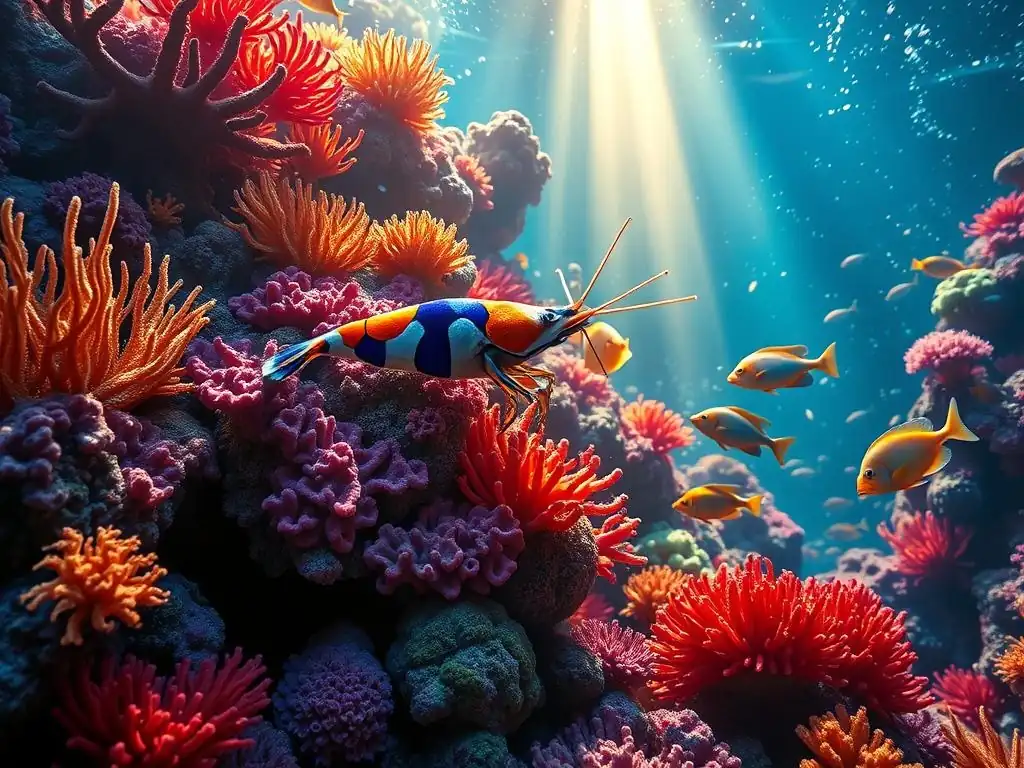
Intrigued by the fascinating world of specialized predators? Dive into our Harlequin Shrimp Care Guide and uncover the secrets to successfully keeping these stunning, starfish-eating invertebrates. But before you bring one home, are you truly prepared for their unique dietary needs and potential challenges? Explore the pros and cons, and discover if these captivating creatures are the right fit for your aquarium!
- Introduction to Harlequin Shrimp for Saltwater Aquariums
- Harlequin Shrimp Care Guide: Essential Information
- The Pros of Keeping Harlequin Shrimp in Your Saltwater Tank
- The Cons of Keeping Harlequin Shrimp
- Choosing Healthy Harlequin Shrimp: What to Look For
- Harlequin Shrimp Compatibility: Tank Mates to Avoid and Embrace
- Breeding Harlequin Shrimp: A Challenging Endeavor
- Alternatives to Harlequin Shrimp for Starfish Control
- Conclusion: Is a Harlequin Shrimp Right for Your Aquarium?
-
Frequently Asked Questions
- What are the primary dietary needs of Harlequin Shrimp?
- What are the ideal water parameters for a Harlequin Shrimp aquarium?
- Are Harlequin Shrimp reef-safe, and can they be kept with other invertebrates?
- What are some of the biggest challenges in Harlequin Shrimp care?
- What size aquarium is recommended for keeping Harlequin Shrimp?
- Final Reflection: The Delicate Dance of Specialization
- Unleash Your Inner Reef Keeper!
Introduction to Harlequin Shrimp for Saltwater Aquariums
What are Harlequin Shrimp and Why Keep Them?
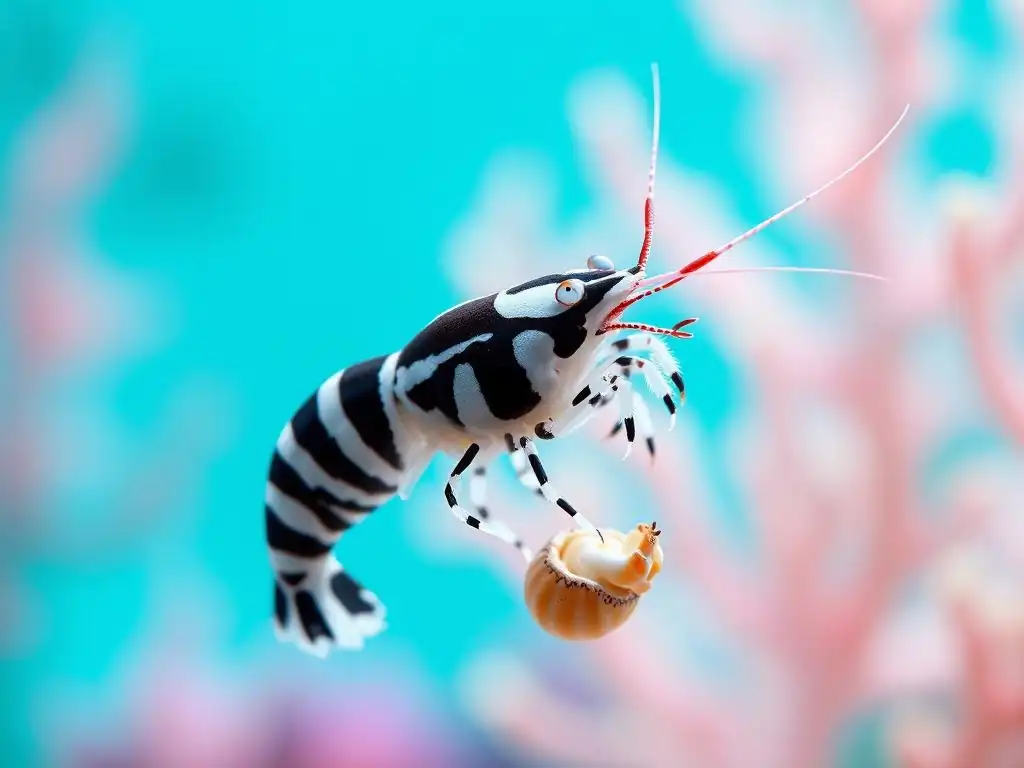
The Harlequin Shrimp ( Hymenocera picta), a captivating saltwater invertebrate, is renowned for its striking appearance and highly specialized diet. These small crustaceans typically grow to an adult size of about 2 inches (5 cm) and are easily identified by their vibrant white or cream bodies adorned with large, symmetrical red, orange, or purple spots. Their flattened, paddle-like claws, often mistaken for large eyes, add to their distinctive allure, making them a unique addition to any marine aquarium.
The primary motivation for keeping Harlequin Shrimp stems from their unique feeding habit: they are obligate predators of echinoderms, specifically starfish. Many reef aquarists face challenges with the rapid proliferation of nuisance Asterina starfish, which can quickly overrun a tank, consuming beneficial coralline algae and, in some cases, even preying on valuable coral polyps. The Harlequin Shrimp offers an exceptionally effective, natural, and chemical-free solution to this common problem, making them a sought-after biological control agent.
Harlequin Shrimp: A Unique Addition to Your Saltwater Clean-Up Crew
Traditional saltwater clean-up crews typically consist of snails, hermit crabs, and various shrimp species that consume detritus, algae, and uneaten food, thus contributing to overall tank hygiene. However, the Harlequin Shrimp operates in a league of its own, offering a highly specialized service that sets it apart from these general scavengers. They do not graze on algae or consume leftover food; their role is precisely targeted.
The Harlequin Shrimp's contribution to a clean-up crew is unique because it acts as a dedicated biological pest control agent rather than a general cleaner. They actively hunt and consume starfish, often flipping them onto their backs and methodically consuming their soft tissues, typically starting with the tube feet. This focused predatory behavior makes them an invaluable asset for aquarists struggling with starfish infestations, providing a level of targeted control that no other member of a standard clean-up crew can offer.
Harlequin Shrimp Care Guide: Essential Information
Understanding Harlequin Shrimp Diet and Feeding Habits
Harlequin Shrimp are obligate starfish eaters, a critical aspect of their care that cannot be overstated. They will not accept conventional aquarium foods such as flake food, pellets, nor even most frozen meaty foods like mysis shrimp or brine shrimp. Their diet consists almost exclusively of live starfish, with common target species including nuisance Asterina starfish, small chocolate chip starfish ( Protoreaster nodosus), or even small brittle stars. A consistent and reliable supply of live starfish is paramount for their survival and long-term health.
Their feeding method is fascinating and efficient. Upon locating a starfish, the Harlequin Shrimp will typically flip it onto its back using its specialized claws. It then begins to consume the soft tissues from the underside of the starfish, often starting with the delicate tube feet. A single Harlequin Shrimp can consume an average-sized Asterina starfish in one to two days, while a larger chocolate chip starfish might sustain a single shrimp for three to five days, or a pair for two to three days.
Maintaining Optimal Water Parameters for Harlequin Shrimp
Like most saltwater invertebrates, Harlequin Shrimp require stable and pristine water quality to thrive. Specific water parameters are crucial for their well-being: salinity should be maintained between 1.023 and 1.026 specific gravity (or 32-35 ppt), and the temperature should remain consistently between 72-78°F (22-26°C). The pH level should ideally range from 8.1 to 8.4. Emphasizing stability is key, as sudden fluctuations in any of these parameters can induce significant stress and potentially be fatal.
Beyond the core parameters, the absence of toxic compounds is vital. Ammonia and nitrite levels must be undetectable (0 ppm), and nitrates should ideally be kept below 10-20 ppm. To maintain these low nutrient levels and replenish essential trace elements vital for molting, such as calcium and iodine, regular partial water changes are indispensable. A routine of 10-20% water changes weekly or bi-weekly is generally recommended to ensure the pristine conditions these sensitive invertebrates demand.
Tank Size and Setup Requirements for Harlequin Shrimp
Due to their relatively small size and low bioload, a single Harlequin Shrimp can be comfortably housed in a nano aquarium, with a minimum tank size of 10 to 20 gallons (38-76 liters). For a pair, a slightly larger tank, such as 20 to 30 gallons (76-114 liters), is more appropriate. It's important to note that the practical limit on tank size for Harlequin Shrimp is often determined less by their physical dimensions and more by the aquarist's ability to maintain stable water parameters and, most critically, to sustain a regular supply of their specialized starfish diet.
The tank setup should provide ample live rock with numerous crevices, caves, and hiding spots. Harlequin Shrimp are somewhat reclusive, especially after molting, and appreciate secure retreats where they can feel safe. A sand or crushed coral substrate is suitable, and moderate water flow is generally preferred, mimicking their natural reef environment. While they are not typically prone to jumping, a secure lid is always advisable to prevent any accidental escapes.
The Pros of Keeping Harlequin Shrimp in Your Saltwater Tank
Natural Starfish Control: Preventing Asterina Starfish Overpopulation
Harlequin Shrimp are exceptionally effective at controlling Asterina starfish populations, which can rapidly become a nuisance in reef aquariums. These small starfish are notorious for their prolific breeding, often consuming beneficial coralline algae and, in some cases, even preying on desirable corals like zoanthids or SPS corals. A single Harlequin Shrimp can significantly reduce a moderate Asterina infestation in a 50-gallon tank within a few weeks. For instance, in a tank teeming with hundreds of Asterina starfish, a pair of Harlequin Shrimp can visibly reduce the population by an impressive 80-90% within a single month.
Their presence offers a targeted, biological solution to starfish problems, completely eliminating the need for chemical treatments that could potentially harm other delicate invertebrates or beneficial bacteria within the reef ecosystem. This natural approach ensures ecological balance and provides a sustainable method for long-term pest management. For reef keepers who prioritize a healthy, thriving ecosystem, the Harlequin Shrimp stands out as an unparalleled choice for specific pest control.
Aesthetic Appeal: The Beauty of Harlequin Shrimp
Beyond their utility as pest control, Harlequin Shrimp are undeniably one of the most aesthetically striking invertebrates available to marine aquarists. Their vibrant coloration, typically a pristine white or cream base adorned with bold, symmetrical red, orange, or purple spots, creates a captivating contrast that draws the eye. Their unique body shape, featuring flattened, paddle-like claws and delicate antennae, further enhances their exotic and visually appealing presence in any saltwater display.
Observing the behaviors of a Harlequin Shrimp adds another layer of fascination to their aesthetic appeal. Their slow, deliberate movements as they meticulously hunt and consume a starfish are a truly engaging spectacle. If kept as a pair, they often exhibit cooperative feeding behaviors, which are both interesting and educational to witness. These unique traits make them not just a functional addition but also a dynamic and beautiful focal point within the aquarium.
Peaceful Invertebrates: Compatibility with Certain Shrimp-Safe Fish and Invertebrates
Harlequin Shrimp are remarkably peaceful invertebrates, posing no threat to corals, other invertebrates (with the obvious exception of starfish), or most fish. They are not known to nip at fins, harass tank mates, or cause any general disruption within a well-balanced reef system. This non-aggressive nature makes them an ideal choice for established reef tanks where the primary concern is managing nuisance starfish populations without introducing new conflicts.
Their compatibility extends to a wide range of reef-safe fish species, including various gobies, blennies, cardinalfish, and peaceful damselfish. They also coexist harmoniously with most other clean-up crew members, such as snails, hermit crabs (provided the crabs are not overly large or aggressive enough to harass them), and other non-starfish-eating shrimp species like cleaner shrimp or peppermint shrimp. This selective compatibility ensures they can be integrated into diverse community tanks without issue.
The Cons of Keeping Harlequin Shrimp
Specialized Diet: The Challenge of Feeding Harlequin Shrimp
The single most significant challenge in Harlequin Shrimp care is their highly specialized and demanding diet. As obligate starfish eaters, they will literally starve if not provided with a continuous supply of live starfish. This means aquarists cannot simply rely on conventional aquarium foods. Sourcing their food often involves obtaining Asterina starfish from other aquarists, or more commonly, purchasing "feeder" starfish such as chocolate chip starfish, which can be both expensive and logistically challenging to acquire consistently.
Quantifying this challenge, a single Harlequin Shrimp can consume a small chocolate chip starfish (approximately 2-3 inches in diameter) within 3 to 5 days. For a pair of Harlequin Shrimp, this consumption rate doubles, necessitating 2 to 3 such starfish per week, or a constant, abundant supply of Asterina starfish. For long-term ownership, maintaining a separate, dedicated "starfish farm" tank might even become necessary, adding a significant layer of cost, space, and effort to their husbandry.
Starfish Dependence: Ensuring a Sustainable Food Source
The Harlequin Shrimp's absolute dependence on starfish raises significant ethical and practical implications for long-term ownership. Once Asterina starfish populations are depleted in the main display tank, the aquarist must actively source new food. This often involves purchasing starfish from local fish stores (LFS), which may be wild-caught and potentially unsustainable, or establishing a dedicated breeding setup for starfish to ensure a continuous supply.
This dependence translates into a considerable long-term commitment. Harlequin Shrimp can live for 2 to 3 years in captivity with proper care. This means the aquarist must be prepared for a multi-year dedication to providing their specific food source. The financial cost of consistently purchasing feeder starfish can easily accumulate to several hundred dollars annually, positioning them as one of the most expensive invertebrates to feed consistently over their lifespan.
Sensitivity to Water Quality: Demands on Aquarist Skill
While generally hardy once properly acclimated, Harlequin Shrimp are highly sensitive to sudden fluctuations in water parameters, particularly salinity, pH, and temperature. They are also exceptionally intolerant of ammonia, nitrites, and even elevated nitrate levels. Even minor spikes in these toxic compounds can cause severe stress, leading to molting issues, susceptibility to disease, and ultimately, premature death.
Due to their inherent sensitivity, Harlequin Shrimp are generally not recommended for beginner aquarists. They thrive best in mature, stable reef systems where water parameters are meticulously monitored and maintained through rigorous testing and consistent husbandry practices. This high demand for pristine and stable water quality necessitates a certain level of experience and dedication from the aquarist, making them a choice for more advanced hobbyists.
Potential for Starfish Depletion: Ethical Considerations
While highly effective for controlling Asterina starfish, a Harlequin Shrimp can quickly deplete all starfish in a tank, including beneficial microfauna or even desirable decorative starfish if not carefully managed. Once their primary food source is exhausted, these specialized predators will face starvation. This situation presents a significant ethical dilemma for the aquarist, forcing the difficult decision of continuously sourcing more starfish or rehoming the shrimp.
Responsible ownership of Harlequin Shrimp mandates a thorough understanding of this long-term responsibility. Aquarists must be fully prepared to provide for their unique dietary needs throughout their entire lifespan. Releasing them into the wild is neither ethical nor practical, and finding a new home that can reliably sustain their specialized diet can be challenging. This ethical consideration is a crucial aspect of Harlequin Shrimp ownership, highlighting the commitment required beyond initial acquisition.
Choosing Healthy Harlequin Shrimp: What to Look For
Identifying Signs of a Healthy Specimen
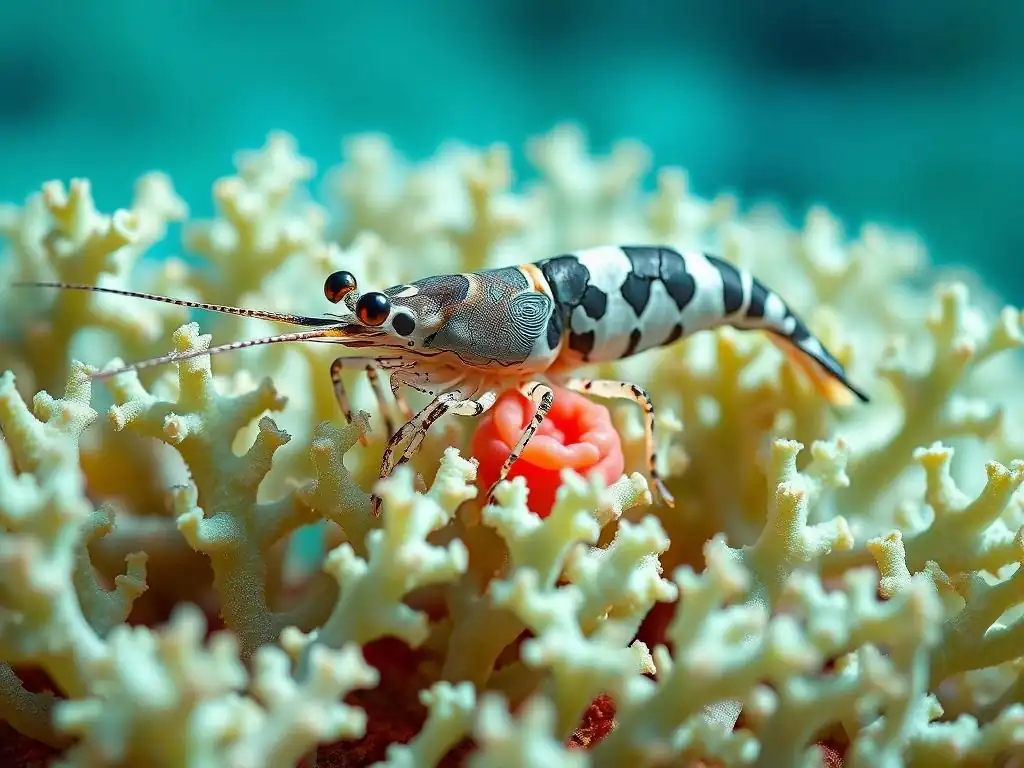
When selecting a Harlequin Shrimp, careful observation for signs of health is paramount. A healthy specimen should exhibit vibrant and distinct coloration, with no dullness or fading of its characteristic spots. All appendages, including antennae, legs, and their distinctive paddle-like claws, should be fully intact and symmetrical. Avoid any shrimp with cloudy eyes, missing limbs, or those that appear lethargic or unresponsive. Their body should appear full and robust, not shrunken or emaciated, which indicates they have been recently fed and are in good condition.
Observe the shrimp's behavior in the dealer's tank. A healthy Harlequin Shrimp should be alert and responsive to its surroundings, perhaps retreating slowly when approached but not appearing completely unresponsive or hiding excessively. Look for any visible signs of disease, such as white spots (indicative of marine ich), fungal growths, or unusual blotches on their exoskeleton. A well-acclimated specimen will often show signs of curiosity or active foraging behavior, even in a temporary holding tank.
Quarantine Procedures for New Harlequin Shrimp
Implementing a quarantine period for all new Harlequin Shrimp, like any new marine inhabitant, is a critical step for preventing the introduction of diseases or parasites into your main display tank. A separate quarantine tank, ideally 10-20 gallons, should be set up to mimic the main tank's stable water parameters. This isolation period, typically lasting at least 2-4 weeks, allows for close observation of the shrimp's health and behavior without risking the established ecosystem. The quarantine tank should be simple, with PVC pipes or small pieces of live rock offering secure hiding spots.
During quarantine, meticulously monitor water parameters and perform small, frequent water changes to maintain pristine conditions. This crucial period also serves as an excellent opportunity to ensure the new shrimp is actively eating its specialized starfish diet before it is introduced to the potentially more competitive environment of the main system. It is generally advisable to avoid using medications unless absolutely necessary, as invertebrates are highly sensitive to many common fish treatments, and their use could cause more harm than good.
Harlequin Shrimp Compatibility: Tank Mates to Avoid and Embrace
Ideal Tank Mates for Harlequin Shrimp
Harlequin Shrimp thrive in a peaceful aquarium environment, making the selection of appropriate tank mates essential for their well-being. Ideal companions are typically small, non-aggressive fish that will not compete for hiding spots or pose any predatory threat. Excellent choices include various species of gobies (such as Yellow Watchman Goby or Diamond Watchman Goby), blennies (like the Lawnmower Blenny or Starry Blenny), and peaceful cardinalfish. These fish are generally docile and will not harass the shrimp.
They also coexist harmoniously with most other reef-safe invertebrates, provided those invertebrates are not starfish. This includes various species of snails, small hermit crabs (ensure they are not large enough to potentially harass the shrimp), and other peaceful shrimp species like cleaner shrimp ( Lysmata amboinensis) or peppermint shrimp ( Lysmata wurdemanni). The key is to select tank mates that share similar water parameter requirements and will allow the Harlequin Shrimp to go about its specialized foraging activities without stress or competition.
Incompatible Species: Protecting Your Harlequin Shrimp
To ensure the safety and longevity of your Harlequin Shrimp, it is crucial to avoid any large, aggressive, or predatory fish that might view the shrimp as a potential food source. This category includes many species of wrasses (e.g., Six-Line Wrasse, Coris Wrasse), triggerfish, puffers, lionfish, and larger, more predatory angelfish. Even some larger or more boisterous damselfish species can be problematic, as they may harass or nip at the shrimp, causing undue stress.
While generally safe with other invertebrates, certain species are definite no-gos. Large, aggressive crabs, such as certain types of Sally Lightfoot crabs or large Emerald Crabs, can easily harm or even consume a Harlequin Shrimp, especially during its vulnerable molting phase. Mantis shrimp, regardless of size, are highly predatory and will undoubtedly prey on a Harlequin Shrimp. Any invertebrate known to prey on crustaceans should be strictly avoided to protect your valuable Harlequin Shrimp.
Breeding Harlequin Shrimp: A Challenging Endeavor
Understanding Harlequin Shrimp Reproduction
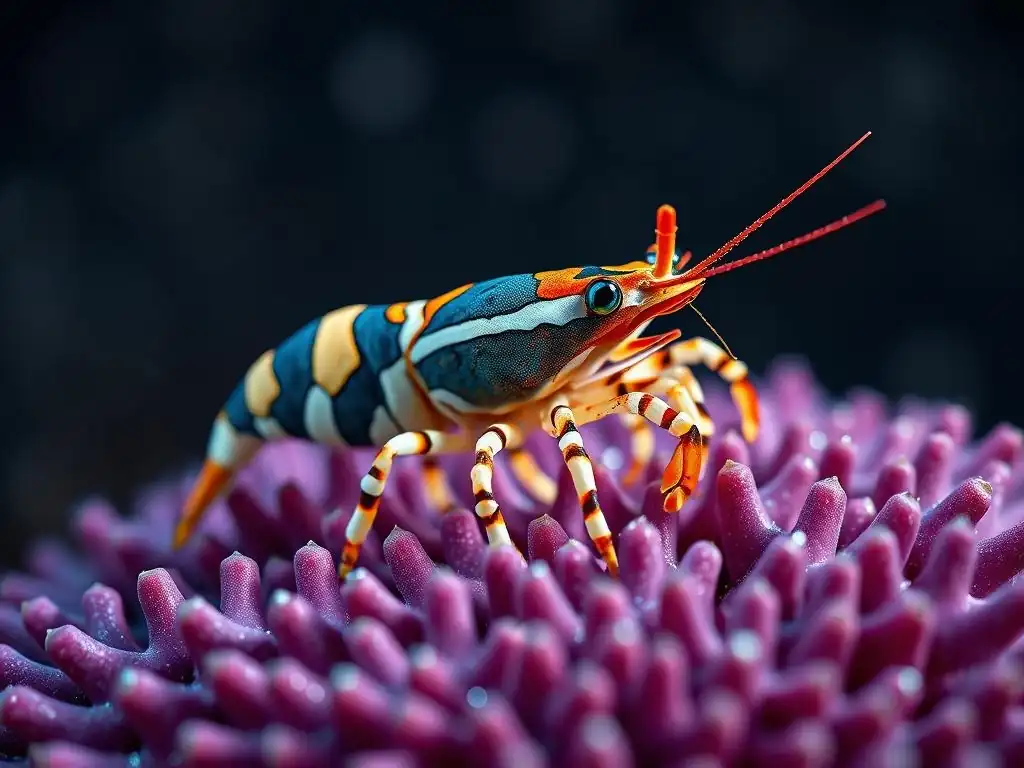
Harlequin Shrimp can and do reproduce in captivity, provided optimal conditions and an abundant food supply are maintained. They exhibit sexual dimorphism, with females typically growing larger and more robust than males. Females carry their eggs, often appearing as a cluster (known as being "berried"), under their tails until they hatch. Once hatched, the eggs release free-swimming larval stages, known as zoea.
The zoea larval stage presents the most significant challenge in successfully breeding Harlequin Shrimp. These larvae are planktonic, incredibly tiny, and possess highly specific feeding requirements. They demand live, microscopic food sources such as rotifers, phytoplankton, and newly hatched brine shrimp nauplii, which must be provided in precise quantities. Furthermore, they require pristine water quality with extremely gentle flow to prevent them from being swept away or damaged. Consequently, survival rates for Harlequin Shrimp zoea in home aquariums are exceptionally low, making successful breeding and rearing a rare achievement, even for highly advanced aquarists.
Creating a Suitable Breeding Environment
For any chance of successful breeding and larval rearing, a dedicated breeding tank, separate from the main display, is typically required. This isolation protects the delicate larvae from predation and allows for precise control over their environment. The breeding tank should maintain stable water parameters mirroring those of the adult tank, but filtration must be minimal and designed to prevent the tiny larvae from being inadvertently sucked into the system. A well-fed, healthy pair of Harlequin Shrimp in a peaceful, undisturbed environment is essential for encouraging consistent breeding behavior.
The primary hurdle in larval care is providing an appropriate and continuous food supply for the zoea. Due to their minute size, they require food particles within a very specific size range. Maintaining a constant culture of various live foods, such as different stages of rotifers or phytoplankton, is crucial. This, coupled with the rigorous demands of managing water quality in a larval rearing tank, necessitates significant dedication, specialized equipment, and a deep understanding of aquaculture techniques, making it a pursuit for only the most committed hobbyists.
Alternatives to Harlequin Shrimp for Starfish Control
Other Natural Predators of Starfish
While the Harlequin Shrimp stands out as the most specialized and effective natural predator of nuisance starfish in a reef aquarium, other marine organisms can also prey on starfish to some extent, though often with less efficiency or broader dietary preferences. Certain species of nudibranchs, particularly some Dorid nudibranchs, are known to consume starfish, but these are often even more specialized feeders than Harlequin Shrimp, are difficult to source, and challenging to keep alive long-term due to their specific dietary needs.
Additionally, some triggerfish or puffers will readily consume starfish, but these fish are typically not reef-safe and will often prey on other desirable invertebrates or even fish.
These alternatives often come with significant drawbacks that limit their practicality in a typical reef tank. Nudibranchs are often short-lived and may only target specific types of starfish, making them unsuitable for general Asterina control. Predatory fish, while effective at starfish removal, are usually too aggressive, grow too large, or will consume other valuable inhabitants of a reef system, rendering them incompatible with the peaceful environment required for most corals and invertebrates. Therefore, for targeted Asterina control in a reef-safe manner, the Harlequin Shrimp remains the unparalleled choice.
Manual Removal Methods for Starfish
For minor Asterina starfish infestations or as a supplementary method to biological control, manual removal is a viable and often preferred approach. This method involves physically picking the starfish off the aquarium glass, live rock, or substrate using tweezers, tongs, or a siphon during routine tank maintenance or observation. It is a labor-intensive but direct method that ensures immediate removal of visible starfish without introducing any new animals or chemicals into the system.
Manual removal is highly effective for small populations or as a diligent ongoing effort to keep numbers down. However, Asterina starfish are notoriously adept at hiding within rockwork and can reproduce rapidly, often by fission (splitting themselves), making complete eradication via manual means challenging in a heavily infested tank. They can quickly re-establish their numbers if even a few individuals are missed during removal, highlighting why a Harlequin Shrimp often provides a more sustainable and less labor-intensive long-term solution for persistent or widespread infestations.
Conclusion: Is a Harlequin Shrimp Right for Your Aquarium?
Weighing the Pros and Cons of Harlequin Shrimp Ownership
Harlequin Shrimp offer an incredibly effective, natural, and aesthetically pleasing solution for managing nuisance Asterina starfish populations in a saltwater aquarium. They are peaceful, fascinating to observe with their unique appearance and feeding behaviors, and provide a level of targeted biological control that is unmatched by other clean-up crew members. Their ability to clear a tank of problematic starfish without chemicals is a significant benefit for reef keepers.
However, the decision to acquire a Harlequin Shrimp comes with substantial challenges, primarily centered around their highly specialized diet of live starfish. Aquarists must be prepared for the ongoing financial cost and logistical effort of consistently sourcing their food, which can be considerable over their 2-3 year lifespan. Furthermore, their sensitivity to water quality demands a certain level of aquarist skill and dedication to maintaining pristine and stable tank conditions.
Responsible Harlequin Shrimp Keeping: A Commitment to Starfish Welfare
Responsible Harlequin Shrimp keeping extends beyond simply purchasing the animal; it signifies a profound commitment to understanding and meeting their unique dietary needs for their entire lifespan. It is crucial to recognize that they are not a temporary solution to a starfish problem but a long-term responsibility to provide a consistent food source, even if it entails establishing and maintaining a separate "starfish farm" to ensure their welfare.
Before adding a Harlequin Shrimp to your aquarium, it is imperative to thoroughly research and plan precisely how you will reliably meet their dietary requirements over the years. Only experienced aquarists who maintain stable, mature reef systems and have a dependable, ethical source of live starfish should consider welcoming these specialized and beautiful invertebrates into their marine ecosystem. A true Harlequin shrimp care guide emphasizes this long-term commitment and the ethical considerations inherent in their unique husbandry.
Frequently Asked Questions
What are the primary dietary needs of Harlequin Shrimp?
Harlequin Shrimp are highly specialized feeders. They exclusively eat starfish, making their diet a major consideration for successful keeping. They require a constant supply of starfish, which can be challenging.
What are the ideal water parameters for a Harlequin Shrimp aquarium?
Maintaining stable water parameters is crucial. Harlequin Shrimp thrive in water with a specific gravity of 1.023-1.025, a pH of 8.1-8.4, and a temperature of 72-78°F. Regular water changes are essential.
Are Harlequin Shrimp reef-safe, and can they be kept with other invertebrates?
Harlequin Shrimp are generally considered reef-safe as they don't bother corals. However, because of their starfish-eating habits, they are not safe to keep with desirable starfish species.
What are some of the biggest challenges in Harlequin Shrimp care?
The biggest challenge is undoubtedly their specialized diet. Sourcing a consistent supply of starfish, especially Asterias starfish, can be difficult and expensive.
What size aquarium is recommended for keeping Harlequin Shrimp?
A tank of at least 10 gallons is generally recommended for a pair of Harlequin Shrimp. This provides adequate space and helps maintain stable water parameters, especially with the introduction of starfish.
Final Reflection: The Delicate Dance of Specialization
The intricate world of the Harlequin Shrimp, as we've explored, highlights the fascinating, yet precarious, nature of specialized ecosystems and the responsibility we bear in maintaining their delicate balance. Understanding the pros and cons of keeping these creatures, as detailed in this care guide, is not merely about aquarium management; it's about acknowledging the broader implications of our choices on the natural world.
The allure of the Harlequin Shrimp, with its captivating beauty and unique hunting behavior, is undeniable. However, the ethical considerations surrounding its care, particularly the reliance on starfish as a food source, demand our constant attention and reflection. In the end, we will conserve only what we love; we will love only what we understand; and we will understand only what we are taught.
- Baba Dioum. This quote reminds us that informed understanding is the cornerstone of responsible stewardship. The future of these specialized creatures, and indeed many others, hinges on our commitment to ethical sourcing, sustainable practices, and a deeper appreciation for the interconnectedness of life.
Now, consider the knowledge you've gained. How can you apply this understanding of the Harlequin Shrimp's specialized needs to other areas of your life? Perhaps it's in supporting sustainable fishing practices, advocating for responsible pet ownership, or simply fostering a greater appreciation for the biodiversity around you. Let this care guide be more than just instructions; let it be a catalyst for mindful action, ensuring that the delicate dance of specialization continues to grace our planet for generations to come.
Unleash Your Inner Reef Keeper!
Thank you for diving into the fascinating world of Harlequin Shrimp! We hope you’ve enjoyed uncovering the intricacies of these specialized starfish hunters and learned how to assess if they are right for your reef tank. Now, let's translate that knowledge into action.
Here's how you can continue your journey:
- Decide if you're ready to commit: Carefully evaluate your ability to provide a consistent supply of starfish before considering adding a Harlequin Shrimp to your reef tank. This is the most important consideration.
- Explore sustainable starfish alternatives: Research ethically sourced starfish options or consider other, less demanding, reef inhabitants.
- Share your thoughts and experiences: Join the Aquarium Mastery community forum and discuss the pros and cons of keeping Harlequin Shrimp with fellow enthusiasts.
What fascinating reef creature will you explore next in your journey to aquarium mastery?