
Halloween Hermit Crab (Ciliopagurus strigatus): A Spooky Sensation for Your Tank

Welcome to Aquarium Mastery!
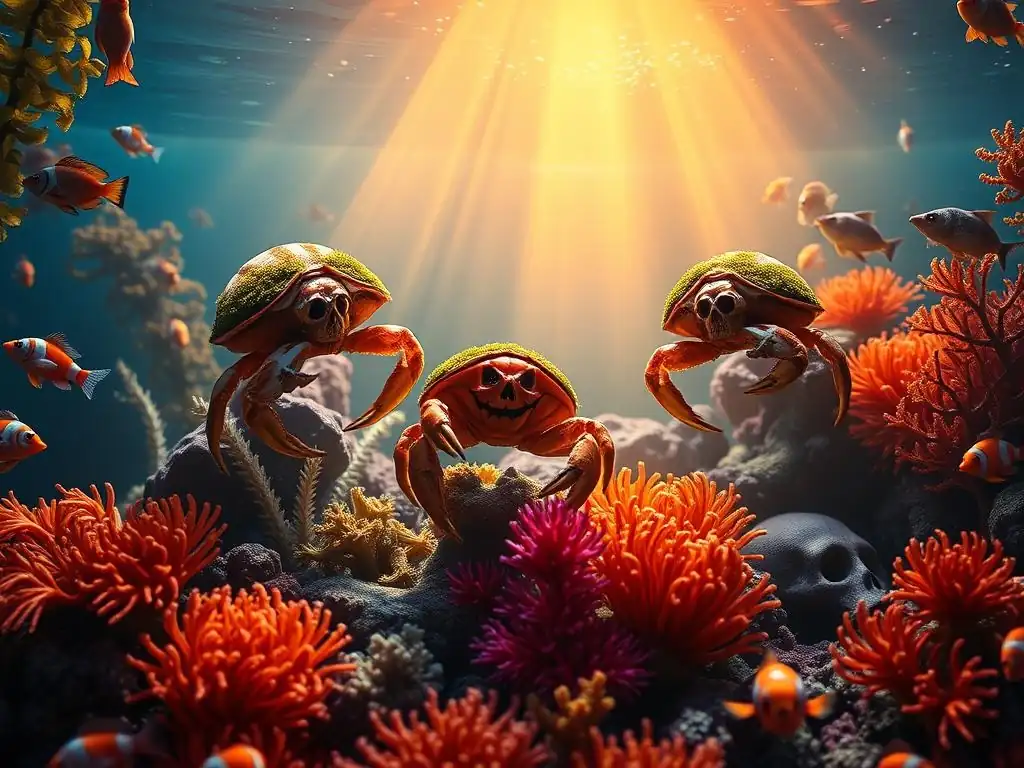
Ever wondered if there's a touch of the eerie you could add to your aquarium? Dive into the captivating world of the Halloween Hermit Crab! These strikingly striped scavengers aren't just visually stunning; they're fascinating additions to both freshwater and saltwater tanks. Curious about their unique needs and how to provide the perfect habitat? Let's unravel the secrets of Ciliopagurus strigatus and discover why they're a spooky sensation you won't want to miss!
- Halloween Hermit Crab (Ciliopagurus strigatus): A Striking Reef Tank Inhabitant
- Introduction to the Halloween Hermit Crab: A Colorful and Beneficial Algae Eater
- Halloween Hermit Crab Care: Key Considerations for Success
- Tank Mate Compatibility: Choosing Suitable Companions
- Recognizing and Addressing Common Issues
- Breeding Considerations: Unlikelihood in Home Aquariums
- Selecting Healthy Halloween Hermit Crabs
- Conclusion: Enjoying the Benefits of Halloween Hermit Crabs
- Frequently Asked Questions
- Final Reflection: Embracing the Extraordinary in the Everyday
- Unleash the Mystery: Bring Home Your Halloween Hermit Crab!
Halloween Hermit Crab (Ciliopagurus strigatus): A Striking Reef Tank Inhabitant
Introduction to the Halloween Hermit Crab: A Colorful and Beneficial Algae Eater
Distinctive Appearance and Scavenging Behavior
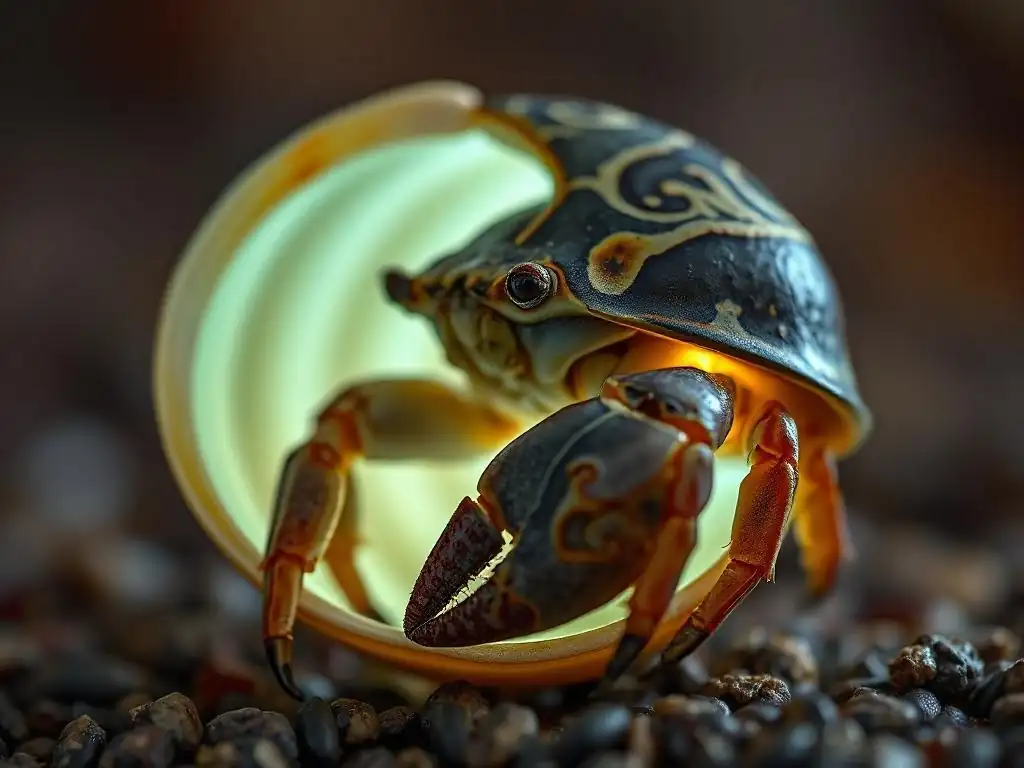
The Halloween Hermit Crab, scientifically known as Ciliopagurus strigatus, is celebrated for its truly distinctive and vibrant appearance. Adorned with striking bands of bright orange and deep black, reminiscent of the Halloween holiday, this small crustacean adds an immediate splash of color to any marine aquarium. Typically reaching an adult size of 1 to 2 inches (2.5 to 5 cm), they are a captivating sight as they meticulously explore their surroundings.
Beyond their aesthetic appeal, Halloween hermit crabs are highly effective scavengers. They are constantly in motion, sifting through sand beds, grazing on live rock, and exploring every nook and cranny of the tank. Their diligent foraging behavior targets various forms of detritus, uneaten food particles, and a wide array of nuisance algae, making them invaluable members of a reef aquarium's clean-up crew.
Benefits of Adding Halloween Hermit Crabs to a Reef Aquarium
Incorporating Halloween hermit crabs into a reef aquarium offers significant ecological advantages, primarily through their role as efficient detritivores and herbivores. By consuming decaying organic matter and actively grazing on algae, they contribute directly to maintaining superior water quality. This proactive consumption helps to prevent the buildup of nitrates and phosphates, common culprits behind unwanted algae blooms, thus reducing the need for frequent manual cleaning and chemical interventions.
Furthermore, their active and engaging presence adds dynamic movement and visual interest to the aquatic environment. Unlike some more reclusive invertebrates, Halloween hermit crabs are often seen out and about, showcasing their vivid coloration. They are generally considered hardy creatures, making them a suitable and rewarding choice for aquarists ranging from beginners to seasoned enthusiasts looking to enhance their Halloween hermit crab care routine and overall tank health.
Halloween Hermit Crab Care: Key Considerations for Success
Creating an Appropriate Habitat
Minimum Tank Size for Halloween Hermit Crabs
When considering Halloween hermit crab care, providing an adequately sized habitat is crucial for their well-being and long-term health. While a single Halloween hermit crab can potentially be housed in a well-maintained 10-gallon (approximately 38 liters) nano reef tank, this size is generally considered the absolute minimum. Such a setup requires diligent attention to water parameters and ample hiding spots.
For optimal Halloween hermit crab care, especially when housing multiple individuals or integrating them into a community reef, a tank of 20 gallons (76 liters) or larger is highly recommended. A larger volume of water offers greater stability in water parameters, provides more extensive foraging grounds, and reduces potential competition for resources, leading to a less stressful environment for the crabs.
Suitable Substrate and Rockwork for Hiding and Foraging
The substrate in a Halloween hermit crab's habitat should ideally consist of a sand bed, with a depth of at least 2 to 3 inches (5 to 7.5 cm). This depth allows them to engage in their natural burrowing and sifting behaviors, which are essential for their well-being and contribute to substrate aeration. Live rock is equally important, providing abundant surface area for natural algae growth, which serves as a primary food source, and offering numerous crevices and caves.
These rock formations are vital for security, providing critical hiding spots where the crabs can retreat when feeling threatened or, more importantly, during their vulnerable molting process. A diverse arrangement of rockwork enhances the aesthetic appeal of the tank and replicates their natural environment, encouraging their innate exploratory behaviors and ensuring they have safe havens.
Maintaining Stable Water Parameters
Maintaining stable and appropriate water parameters is paramount for successful Halloween hermit crab care. Ideal conditions include a specific gravity (salinity) between 1.023 and 1.025, a consistent temperature range of 72-78°F (22-26°C), and a pH level of 8.1-8.4. Additionally, alkalinity should be maintained between 8-12 dKH, calcium at 400-450 ppm, and magnesium at 1200-1350 ppm, all of which are essential for healthy shell growth and molting.
Sudden or significant fluctuations in these parameters can cause severe stress, leading to illness or even death. Regular water changes, typically 10-20% bi-weekly or monthly depending on the tank's bioload, are critical for replenishing essential elements and preventing the buildup of harmful nitrates and phosphates. Consistent monitoring with reliable test kits is an indispensable part of ensuring optimal conditions for these sensitive invertebrates.
Nutritional Needs: Ensuring a Balanced Diet
Natural Diet: Algae and Detritus Consumption
Halloween hermit crabs are opportunistic feeders, with their primary natural diet consisting of various types of nuisance algae and detritus found within the aquarium. They diligently graze on diatoms, cyanobacteria, and some forms of green hair algae, effectively keeping these common tank pests under control. Their constant sifting and scavenging also lead to the consumption of decaying organic matter and uneaten food particles that settle on the substrate and rockwork.
In a well-established and mature reef aquarium with a healthy amount of live rock and a moderate bioload, the natural availability of these food sources often provides sufficient nutrition for Halloween hermit crabs. Their continuous foraging activity not only meets their dietary needs but also plays a vital role in maintaining the overall cleanliness and ecological balance of the tank, making them a cornerstone of effective Halloween hermit crab care.
Supplementing with Prepared Foods
While their natural diet of algae and detritus is substantial, supplementary feeding may be necessary, especially in very clean tanks or those with a high density of clean-up crew members. To ensure a balanced diet, offer small amounts of high-quality marine flakes, pellets, or even dried seaweed (nori) specifically formulated for marine invertebrates. This can be done a few times a week, ensuring not to overfeed, which could lead to water quality issues.
Providing a varied diet ensures that Halloween hermit crabs receive all the necessary vitamins and minerals for robust health and successful molting. Foods rich in calcium are particularly beneficial, as calcium is a crucial component for the development and hardening of their new exoskeleton after molting. This thoughtful supplementation is a key aspect of comprehensive Halloween hermit crab care.
Avoiding Copper-Based Medications
A critical aspect of Halloween hermit crab care, and indeed for all invertebrates, is the absolute avoidance of copper-based medications. Copper, even in trace amounts, is highly toxic and lethal to hermit crabs and other invertebrates. These medications are commonly used to treat parasitic infections in fish, such as Ich (white spot disease), but their use in a tank containing invertebrates will result in their demise.
If a fish in an invertebrate-populated tank requires copper treatment, it is imperative to remove all invertebrates to a separate, copper-free quarantine or hospital tank before administering the medication. Alternatively, new fish can be quarantined and treated in a separate system before being introduced to the main display tank. This proactive measure is non-negotiable for the safety and longevity of your Halloween hermit crabs.
Acclimation: Gradual Introduction to the Aquarium
The process of acclimation is vital for the successful introduction of Halloween hermit crabs into a new aquarium. These invertebrates are highly sensitive to sudden changes in water parameters, particularly salinity and temperature. Rapid shifts can cause severe osmotic shock, leading to stress, illness, or even death. Therefore, a slow and gradual acclimation method is paramount.
The drip acclimation method is highly recommended, allowing the crab to slowly adjust to the new water chemistry over at least 30 to 60 minutes. This involves slowly dripping water from the display tank into the container holding the crab, gradually equalizing the parameters. Once the water in the container matches the tank's parameters, gently net the crab into the aquarium, discarding the transport water, to ensure a smooth transition and minimize stress.
The Molting Process: Providing a Safe Environment
Halloween hermit crabs, like all crustaceans, grow by molting, which involves shedding their rigid exoskeleton. During this process, they are extremely vulnerable, as their new exoskeleton is soft and takes time to harden. A molting crab will typically seek a secluded and secure location within the tank, often burrowing into the sand or hiding within rockwork, and may appear sluggish or even "dead" for a period.
It is crucial not to remove the shed exoskeleton from the tank. The crab will often consume parts of it, as it contains valuable calcium and other minerals essential for the hardening of its new shell. Furthermore, ensuring a plentiful supply of appropriately sized empty shells (at least 2-3 shells per crab) of various shapes and opening sizes is a critical aspect of Halloween hermit crab care, allowing them to upgrade their homes as they grow and avoid shell competition.
Tank Mate Compatibility: Choosing Suitable Companions
Ideal Tank Mates: Peaceful Fish and Invertebrates
When selecting tank mates for Halloween hermit crabs, prioritizing peaceful and non-aggressive species is essential for a harmonious reef environment. Ideal fish companions include small, docile species such as various gobies (e.g., clown gobies, watchman gobies), small blennies (e.g., tailspot blenny), clownfish, and most small wrasses (e.g., six-line wrasse). These fish typically occupy different ecological niches and are unlikely to bother the crabs.
Other invertebrate members of the clean-up crew, such as various types of snails (e.g., turbo snails, Nassarius snails, trochus snails) and most ornamental shrimp (e.g., peppermint shrimp, cleaner shrimp), generally coexist well with Halloween hermit crabs. These combinations create a balanced and active ecosystem where all inhabitants can thrive, contributing to effective Halloween hermit crab care.
Potential Conflicts: Avoiding Aggressive Species
To prevent stress and potential harm to your Halloween hermit crabs, it is crucial to avoid housing them with aggressive or predatory fish species. Large, boisterous, or carnivorous fish such as triggerfish, puffers, large wrasses, and certain angelfish may view hermit crabs as a food source or harass them, especially during their vulnerable molting period. Even some larger, more territorial damselfish can occasionally pose a threat.
Care should also be taken when introducing other types of crustaceans. While generally peaceful, larger or more aggressive crab species (e.g., some emerald crabs if not adequately fed, or predatory crabs) can pose a risk, particularly if shell competition becomes intense or if the Halloween hermit crab is molting. Careful research into the temperament and dietary needs of all potential tank mates is a key part of responsible Halloween hermit crab care.
Housing Multiple Hermit Crabs: Providing Adequate Shells
Halloween hermit crabs are generally considered peaceful towards their own kind, making it possible to house multiple individuals in a sufficiently sized aquarium. However, the most common source of conflict among them is competition for shells. As they grow, they require larger shells, and if suitable options are not readily available, they may attempt to forcefully evict other crabs from their current homes.
To mitigate shell competition and ensure peace within the group, it is imperative to provide a generous surplus of empty shells. Aim for at least 2-3 empty shells per crab, offering a variety of sizes and opening shapes to cater to individual preferences and growth stages. This proactive measure significantly reduces stress and aggression, allowing multiple Halloween hermit crabs to coexist harmoniously, a critical element of their care.
Recognizing and Addressing Common Issues
Indicators of a Healthy Hermit Crab
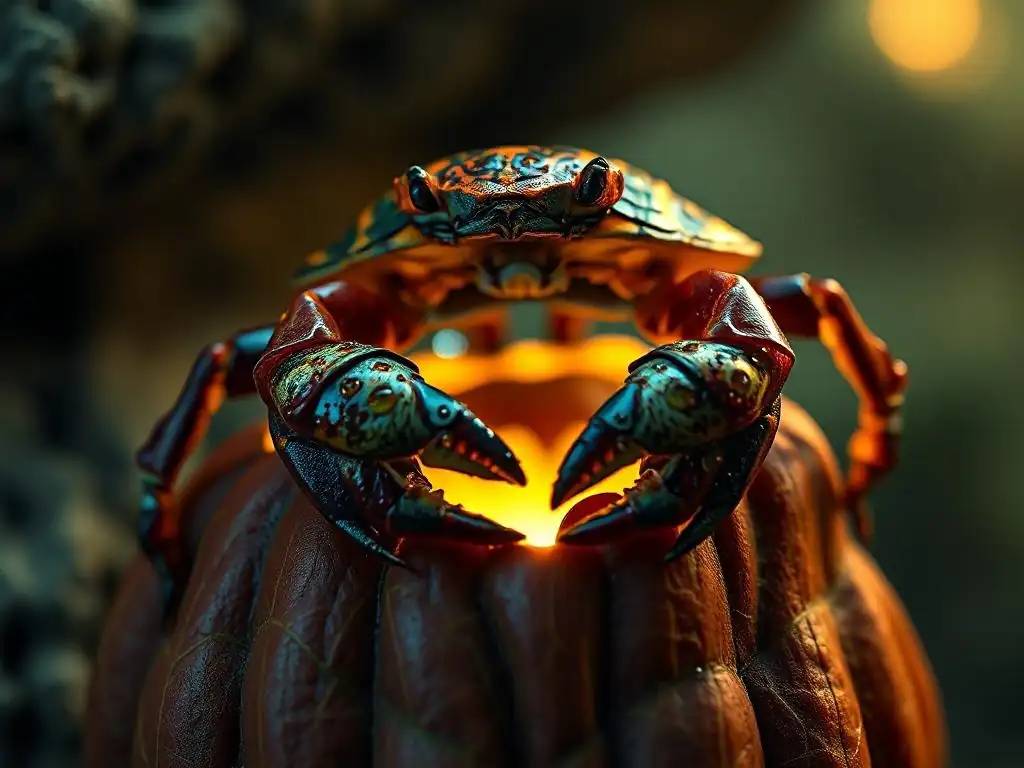
Observing the behavior and physical condition of your Halloween hermit crab is key to assessing its health. A healthy crab will exhibit active behavior, constantly moving around the tank, foraging for food, and exploring its environment. Its vibrant orange and black coloration should be distinct and bright, and its legs and antennae should appear intact and undamaged.
A strong indicator of health is also its responsiveness; a healthy crab will quickly retract fully into its shell when gently disturbed or approached. Furthermore, regular molting is a positive sign of growth and overall well-being, confirming that the crab is thriving in its environment and that your Halloween hermit crab care practices are effective.
Potential Problems: Shell Competition and Injury
Despite their generally hardy nature, Halloween hermit crabs can face common issues in a home aquarium. Shell competition is perhaps the most prevalent problem, occurring when there are insufficient suitable empty shells available. This can lead to aggressive encounters, with crabs attempting to forcibly take shells from others, potentially resulting in injury or even death if a crab is left without a protective home.
Injuries can also arise from encounters with aggressive tank mates, or occasionally from getting trapped or damaged by aquarium equipment. Signs of trouble include a crab that is lethargic, appears to have damaged limbs, or is found outside its shell for an extended period without a new one in sight. Prompt identification of these issues is crucial for intervention.
Prevention and Treatment: Maintaining Optimal Conditions
The most effective approach to addressing common issues in Halloween hermit crab care is through prevention. Ensuring a consistent supply of appropriately sized empty shells is paramount to prevent shell competition. Maintaining stable, pristine water parameters minimizes stress and supports overall health, making crabs more resilient to potential problems. Carefully selecting peaceful tank mates also reduces the risk of aggression and injury.
If a crab is found injured or without a shell, isolating it in a small, bare tank with several suitable empty shells can aid in recovery. This allows it to recuperate without competition or harassment. In all cases, impeccable water quality is essential for the healing process. Regular observation of your crabs allows for early detection of any issues, enabling swift intervention.
Breeding Considerations: Unlikelihood in Home Aquariums
Challenges of Captive Breeding
Breeding Halloween hermit crabs in a typical home aquarium setting is exceedingly challenging and has not been reliably achieved by hobbyists. The primary reason for this difficulty lies in their complex life cycle, which includes a prolonged and delicate planktonic larval stage known as zoea. During this stage, the larvae are microscopic and require very specific environmental conditions, including a precise diet of microscopic organisms and highly stable water parameters that are extremely difficult to replicate and maintain in a closed system.
Furthermore, the transition through multiple larval stages, followed by metamorphosis into a megalopa stage before settling as a juvenile crab, demands highly specialized rearing techniques and equipment typically found only in dedicated research facilities. Consequently, virtually all Halloween hermit crabs available in the aquarium trade are wild-caught, due to the impracticality of their captive propagation.
Selecting Healthy Halloween Hermit Crabs
Finding Reputable Suppliers
When adding Halloween hermit crabs to your aquarium, the first step in ensuring their long-term health is sourcing them from reputable suppliers. Seek out local fish stores or online vendors that specialize in marine invertebrates and have a strong reputation for animal welfare. Inquire about their sourcing practices, whether the crabs undergo any quarantine procedures upon arrival, and how long they have been in the supplier's care.
A good supplier will prioritize the health of their livestock, provide accurate information about the animals' origins, and be knowledgeable about their specific care requirements. Purchasing from such sources significantly increases the likelihood of acquiring healthy, robust specimens that will thrive in your tank, laying a solid foundation for effective Halloween hermit crab care.
Evaluating Health and Activity Before Purchase
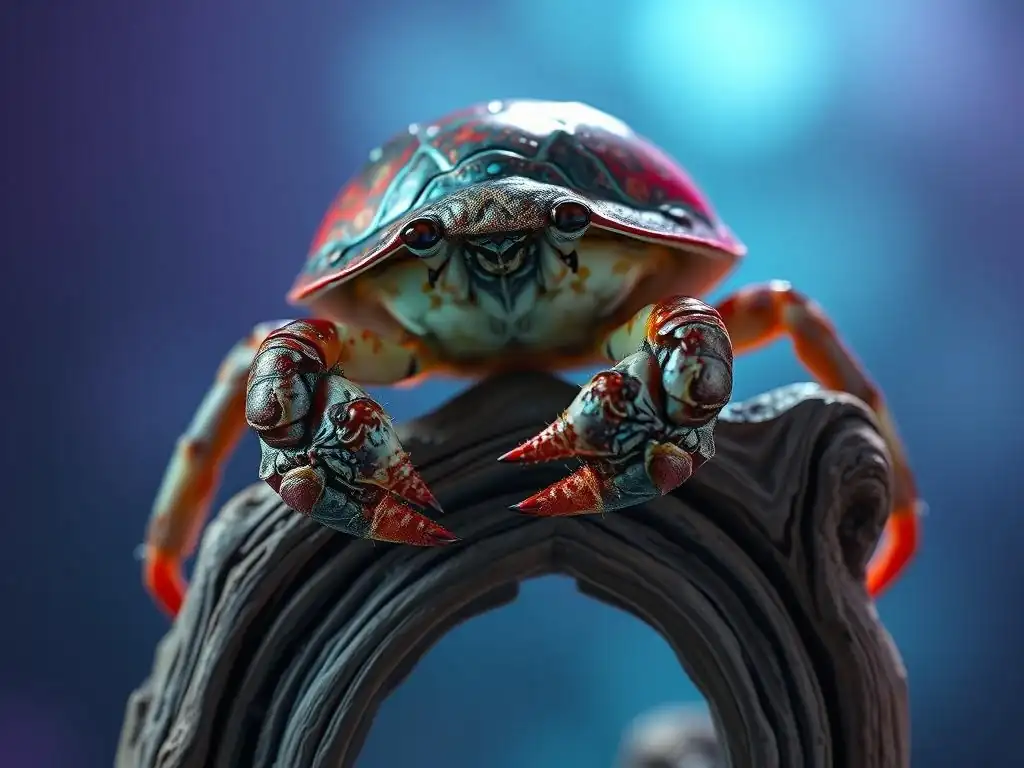
Before making a purchase, take the time to carefully observe the Halloween hermit crab. A healthy individual should be active and constantly exploring its surroundings, demonstrating responsiveness to stimuli. Look for crabs with intact legs and antennae, as missing or damaged appendages can indicate stress or past injury. The crab's vibrant orange and black coloration should be distinct and not faded.
Crucially, ensure the crab is securely housed within a shell that appears to fit it well. When gently disturbed, a healthy hermit crab will quickly and fully retract into its shell. Avoid purchasing crabs that appear lethargic, are out of their shell for extended periods (unless actively molting), or show any signs of injury or disease. These indicators often point to poor health or significant stress, which can lead to complications even with diligent Halloween hermit crab care.
Conclusion: Enjoying the Benefits of Halloween Hermit Crabs
The Rewards of Reef Clean-Up Crew Members
Halloween hermit crabs are much more than just visually captivating inhabitants for a reef aquarium; they are diligent and highly beneficial members of the clean-up crew. Their striking orange and black coloration adds an immediate aesthetic appeal, bringing a vibrant splash of color and engaging activity to the tank. More importantly, their relentless scavenging habits contribute significantly to the overall health and cleanliness of the marine environment.
By constantly foraging for detritus, consuming uneaten food particles, and diligently grazing on various forms of nuisance algae, they play a crucial role in nutrient cycling and waste management. Their continuous efforts help to maintain stable water parameters, reduce the burden on filtration systems, and prevent unsightly algae outbreaks, ultimately fostering a cleaner, healthier, and more stable reef ecosystem.
Additional Resources for Information and Support
For aquarists seeking to deepen their knowledge and enhance their Halloween hermit crab care practices, AquariumMastery.com offers a wealth of detailed guidance. We encourage you to explore our extensive library of articles covering various aspects of reef tank maintenance, water chemistry, and comprehensive profiles of other invertebrates and fish species. Our content is designed to provide practical, accurate information to support your aquatic journey.
Additionally, engaging with the wider aquarist community can provide invaluable support and shared experiences. Consider joining online forums dedicated to marine aquariums or participating in local aquarium clubs. These platforms offer opportunities to ask questions, learn from experienced hobbyists, and stay updated on best practices, further enriching your understanding and enjoyment of the fascinating world of reef keeping.
Frequently Asked Questions
What makes Halloween Hermit Crabs a good addition to an aquarium?
Halloween Hermit Crabs ( Ciliopagurus strigatus) are popular due to their vibrant colors and relatively peaceful nature, making them a visually appealing and beneficial addition to a saltwater aquarium clean-up crew. They help control algae and detritus.
What are the essential water parameters for Halloween Hermit Crab survival?
Maintaining stable water parameters is crucial. This includes a specific gravity of 1.023-1.025, a pH of 8.1-8.4, and a temperature of 72-78°F. Regular water changes are also necessary.
What do Halloween Hermit Crabs eat in an aquarium setting?
They are primarily detritivores and scavengers, consuming algae, leftover food, and detritus. Supplement their diet with small pieces of meaty foods or algae wafers to ensure they receive sufficient nutrition.
Are Halloween Hermit Crabs reef safe?
While generally considered reef safe, Halloween Hermit Crabs can occasionally bother corals if other food sources are scarce. Provide ample food and hiding places to minimize this risk. They might also knock over loosely secured corals.
What size tank is recommended for Halloween Hermit Crabs?
A minimum of 10 gallons per crab is recommended to provide adequate space for foraging and molting. Larger tanks are always preferable to ensure stable water parameters and minimize aggression.
Final Reflection: Embracing the Extraordinary in the Everyday
The captivating allure of the Halloween Hermit Crab, as we've explored, extends far beyond its striking appearance; it speaks to a deeper appreciation for the unique beauty and delicate balance within our own miniature ecosystems. Understanding its specific needs isn't just about successful pet ownership; it's about fostering a responsible connection with the natural world, even in the confines of our homes.
This tiny creature, with its vibrant stripes and quirky habits, serves as a constant reminder of the intricate web of life that exists beyond our immediate perception. It encourages us to look closer, to learn more, and to cultivate a sense of wonder for the often-overlooked wonders of the ocean. In the end, we will conserve only what we love; we will love only what we understand; and we will understand only what we are taught.
- Baba Dioum's words resonate deeply, urging us to embrace education as the cornerstone of conservation.
So, as you consider welcoming a Halloween Hermit Crab into your life, remember that you're not just acquiring a pet; you're becoming a steward of a small piece of the ocean. Let the vibrant stripes of this fascinating creature inspire you to reflect on your own role in preserving the planet's biodiversity and to cultivate a deeper understanding and appreciation for the extraordinary life that surrounds us, both seen and unseen.
Unleash the Mystery: Bring Home Your Halloween Hermit Crab!
Thank you for diving into the fascinating world of the Halloween Hermit Crab! We hope you've gained valuable insights into these captivating creatures and their unique needs. Now, it's time to take your newfound knowledge and turn it into action.
Here are a few ways to continue your journey:
- Embrace the Spooky: Consider responsibly adding a Halloween Hermit Crab to your established saltwater aquarium, ensuring you can provide the proper environment and care.
- Dive Deeper: Research compatible tank mates and explore advanced care techniques to guarantee a thriving habitat for your new crustacean companion.
- Share the Secret: Spread the word by sharing this article with fellow aquarium enthusiasts and spark conversations about responsible pet ownership.
What unique shell do you think would perfectly showcase the Halloween Hermit Crab's personality in your aquarium?