
Understanding Dwarf Cichlid Body Language: What Are They Telling You?

Welcome to Aquarium Mastery!
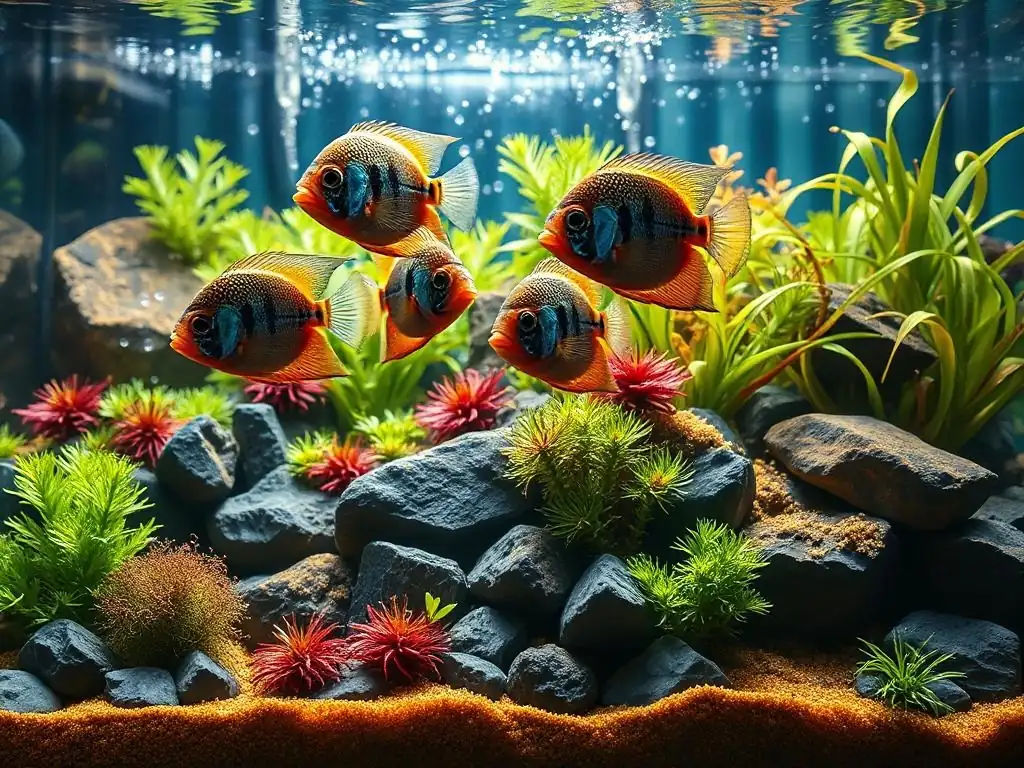
Ever wondered what secrets your Dwarf Cichlids are trying to tell you? Their vibrant colours and fascinating behaviours hint at a complex language beneath the surface. Dive in and unlock the mysteries of Dwarf Cichlid body language – you might be surprised at what you discover! Prepare to understand their subtle cues, decode their interactions, and build a deeper connection with these captivating freshwater fish. Let's get started!
- Decoding Dwarf Cichlid Behavior: An Introduction to Fish Communication
- Key Postures and Behaviors in Dwarf Cichlids: A Visual Guide
- Specific Dwarf Cichlid Species and Their Unique Communication Styles
- Interpreting Dwarf Cichlid Body Language in Different Contexts
- Factors Influencing Dwarf Cichlid Behavior and Body Language
- Improving Your Observation Skills: Tips for Better Understanding
- Common Misinterpretations of Dwarf Cichlid Behavior: Avoiding Mistakes
- Creating a Thriving Environment for Dwarf Cichlids: Promoting Positive Behavior
- Conclusion: Mastering the Art of Understanding Dwarf Cichlid Communication.
-
Frequently Asked Questions
- ### What are some common behaviors I should look for to understand my dwarf cichlids?
- ### How can I tell if my dwarf cichlid is displaying aggressive behavior?
- ### What does it mean if my dwarf cichlid's colors become more vibrant?
- ### Is there a difference in body language between male and female dwarf cichlids?
- ### What do I do if I notice my dwarf cichlid is displaying unusual or concerning behaviors?
- Final Reflection: Decoding the Silent Language of the Aquarium
- Decode Your Cichlids: Unlock the Secrets of Their Behavior!
Decoding Dwarf Cichlid Behavior: An Introduction to Fish Communication
Why Understanding Dwarf Cichlid Body Language Matters for Aquarium Keepers
Understanding dwarf cichlid body language is paramount for any aquarist aiming to provide optimal care for these captivating fish. Their subtle, yet distinct, behaviors offer a direct window into their health, mood, and social dynamics within the aquarium. By accurately interpreting these signals, keepers can proactively address potential issues such as stress, illness, or aggression before they escalate, ensuring the well-being and longevity of their aquatic companions. Neglecting these cues can lead to prolonged stress, disease outbreaks, or even fatalities in a closed environment.
Moreover, comprehending dwarf cichlid body language allows for a more harmonious and successful aquarium setup. It enables aquarists to identify compatible tank mates, manage territorial disputes effectively, and even encourage breeding behaviors. For instance, a pair of Ram cichlids displaying specific courtship rituals might indicate readiness to spawn, prompting the keeper to provide ideal conditions. This insight transforms aquarium keeping from a passive activity into an interactive experience, fostering a deeper connection with the fish.
The Importance of Observation: Key to Unlocking Cichlid Signals
Consistent and patient observation is the cornerstone of mastering dwarf cichlid body language. These fish communicate through a complex array of postures, fin movements, and color changes, many of which are incredibly subtle. Daily, dedicated viewing sessions, ideally for 10-15 minutes at a time, allow aquarists to establish a baseline for their fish's normal behavior. This baseline is crucial for recognizing deviations that might signal an underlying problem.
Without regular observation, critical indicators of stress or illness, such as slight fin clamping or a minor dulling of colors, could be easily missed until the condition becomes severe. For example, an Apistogramma species that typically explores its territory might suddenly hide for extended periods, a clear shift in dwarf cichlid behavior that warrants investigation. By diligently watching and learning their individual personalities and collective dynamics, keepers can become adept at deciphering the silent language of their dwarf cichlids.
Key Postures and Behaviors in Dwarf Cichlids: A Visual Guide
Flaring Gills: Aggression and Dominance Displays in Dwarf Cichlids
Flaring gills is one of the most overt forms of dwarf cichlid body language, primarily signaling aggression, territorial defense, or a display of dominance. When a dwarf cichlid flares its gills, it rapidly extends the opercula (gill covers) outwards, often simultaneously spreading its fins to appear larger and more imposing. This behavior is typically directed at rivals, particularly during territorial disputes over prime hiding spots or spawning sites, or when establishing a pecking order within a group.
This display is a clear warning sign, often preceding physical confrontation if the perceived threat does not retreat. For instance, two male Kribensis cichlids might engage in intense gill flaring contests along a tank divider, a clear indication of their territorial boundaries. While occasional flaring is normal in a healthy cichlid environment, persistent or aggressive gill flaring can indicate overcrowding, insufficient hiding places, or incompatible tank mates, suggesting a need for intervention to prevent stress or injury.
Color Changes: Understanding Mood and Health in Dwarf Cichlids
Darkening or Fading Colors: Stress, Illness, and Water Quality Issues
Significant changes in a dwarf cichlid's coloration are powerful indicators of its internal state, with darkening or fading colors often signaling stress, illness, or poor water quality. When a dwarf cichlid becomes stressed, it may darken its overall coloration, sometimes intensifying specific stripes or blotches, as a form of camouflage or to signal distress. Conversely, severely stressed or ill fish might exhibit faded, dull colors, appearing washed out compared to their vibrant healthy counterparts. For example, an Apistogramma cacatuoides suffering from poor water parameters might lose its characteristic orange and red hues, appearing pale and lethargic.
Fading colors, especially when accompanied by other symptoms like clamped fins or labored breathing, are a strong alarm bell for underlying health issues or critical water quality problems. A sudden drop in pH or a spike in ammonia can quickly lead to a dwarf cichlid displaying faded colors, indicating acute stress. Monitoring these subtle shifts in dwarf cichlid body language is crucial for early detection and intervention, potentially preventing a minor issue from escalating into a serious health crisis for the fish.
Intensified Colors: Breeding Readiness and Territory Defense
In contrast to fading, intensified and vibrant coloration in dwarf cichlids is generally a positive sign, indicating breeding readiness, robust health, or successful territory defense. During courtship, male dwarf cichlids, such as the German Blue Ram, will display their most brilliant blues, reds, and yellows to attract a mate, showcasing their genetic fitness. Females, particularly species like the Kribensis, will develop a deep, rich red or purple belly when gravid and ready to spawn, a clear signal of their reproductive state.
Beyond breeding, intensified colors can also signify a dwarf cichlid's confidence and dominance within its territory. A male Apistogramma borellii that has successfully established a prime cave will exhibit vivid blues and yellows, asserting his presence to rivals. This confident display of color is a key aspect of healthy dwarf cichlid body language, reflecting optimal environmental conditions and a secure social hierarchy within the aquarium.
Quivering or shaking is a fascinating and common aspect of dwarf cichlid body language, primarily observed during courtship rituals and social interactions. This behavior involves the fish rapidly vibrating its body from side to side, often while positioned near a potential mate or a spawning site. For instance, a male Ram cichlid will typically quiver intensely in front of a female, attempting to entice her towards a chosen spawning surface, such as a flat rock or a piece of driftwood.
This subtle yet distinct movement serves as a non-aggressive signal of intent, communicating readiness to bond or spawn. It can also be seen as a way to reinforce pair bonds once established, with both male and female fish occasionally quivering together. Understanding this form of dwarf cichlid body language is essential for aquarists hoping to breed these species, as it indicates that a pair is forming or that spawning is imminent, allowing for timely adjustments to tank conditions to maximize breeding success.
Submissive Postures: Avoiding Conflict in the Aquarium
Head Down Posture: Indicating Submission
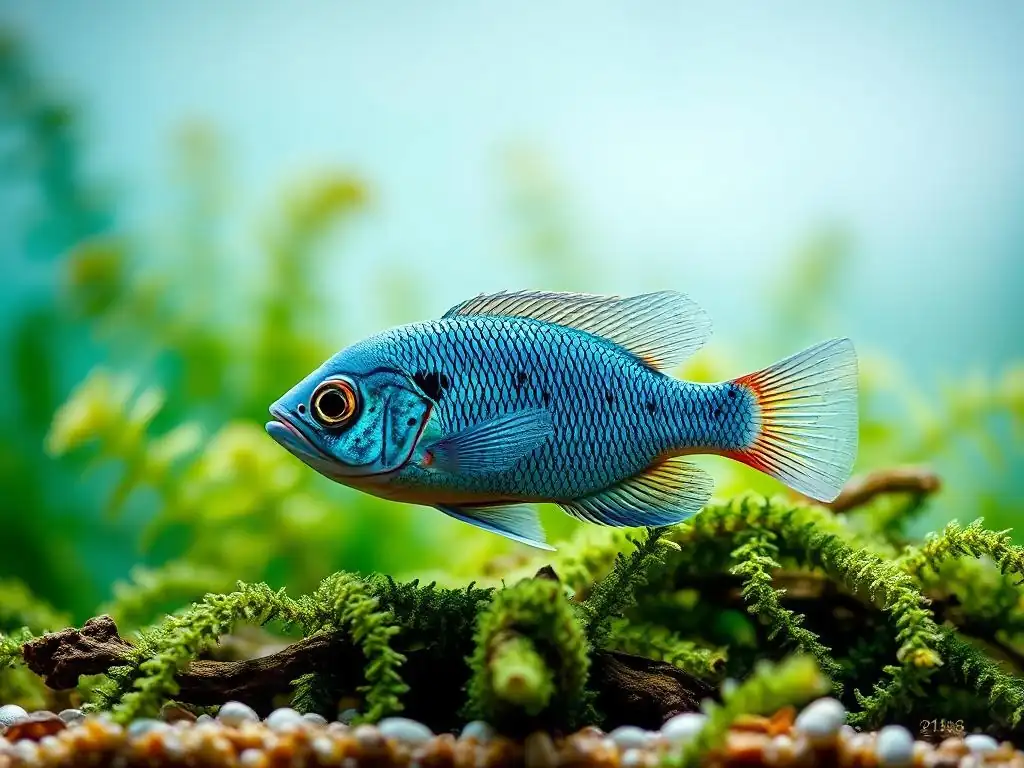
The "head down" posture is a clear indicator of submission in dwarf cichlids, employed to de-escalate potential conflicts and avoid aggression from dominant tank mates. In this posture, the fish angles its body downwards, pointing its nose towards the substrate, often while slightly clamping its fins or reducing its overall coloration. This makes the fish appear smaller and less threatening, signaling to a more dominant individual that it poses no challenge.
This submissive dwarf cichlid body language is crucial for maintaining peace in a multi-cichlid or community tank, especially when territories overlap or resources are limited. For example, a juvenile Apistogramma might adopt a head-down posture when approached by a larger, more established male, effectively diffusing a potentially aggressive encounter. Recognizing this posture allows aquarists to gauge the social dynamics of their tank and identify if a fish is being consistently bullied.
Avoiding Eye Contact: Sign of Deference
Similar to the head-down posture, avoiding direct eye contact is another subtle yet significant form of submissive dwarf cichlid body language. When a subordinate fish encounters a dominant one, it may turn its body slightly away, presenting its side or even its tail, rather than facing the dominant fish head-on. This action minimizes perceived confrontation and signals deference, reducing the likelihood of an aggressive response.
This behavior is particularly noticeable in species with complex social hierarchies, such as many Apistogramma or Kribensis varieties. By averting its gaze, the subordinate dwarf cichlid communicates its non-threatening intent, allowing it to coexist with more aggressive individuals. Observing this behavior frequently in one particular fish can indicate that it is under chronic stress from a dominant tank mate, signaling a potential need for intervention or tank adjustments.
Fin Positioning: Expressing Emotion and Intent
Erect Fins: Alertness and Assertiveness
The positioning of a dwarf cichlid's fins offers critical insights into its current state, with erect or fully spread fins typically signaling alertness, assertiveness, or confidence. When a dwarf cichlid is exploring its environment, defending its territory, or displaying to a potential mate or rival, its dorsal, caudal (tail), and anal fins will often be fully extended and rigid. This makes the fish appear larger and more formidable, conveying strength and readiness.
For example, a male Ram cichlid patrolling its territory might keep its dorsal fin fully erect, signaling its presence and ownership. Similarly, during courtship, both male and female dwarf cichlids will often display fully spread fins as part of their elaborate dance. This confident dwarf cichlid body language indicates a healthy, secure fish that is comfortable in its surroundings and ready to interact or defend its space.
Clamped Fins: Stress, Fear, or Illness
In stark contrast to erect fins, clamped fins are a universal and unmistakable sign of distress in dwarf cichlids, indicating stress, fear, or underlying illness. When a fish clamps its fins, it holds them tightly against its body, making them appear folded or tucked away. The dorsal fin might be flattened, the caudal fin pinched, and the pectoral fins held close to the sides, resulting in a contracted, unnatural appearance.
This behavior is often accompanied by other signs such as faded coloration, lethargy, or hiding. A dwarf cichlid with clamped fins is usually experiencing discomfort, whether from poor water quality (e.g., elevated ammonia levels), an internal parasite, or constant bullying from tank mates. Recognizing clamped fins as a serious component of dwarf cichlid body language is paramount, as it demands immediate investigation and correction of environmental factors or treatment for potential disease.
Specific Dwarf Cichlid Species and Their Unique Communication Styles
Apistogramma Body Language: Nuances in Communication
Apistogramma species, known for their vibrant colors and intricate social structures, exhibit nuanced forms of dwarf cichlid body language that require keen observation. Their communication often involves subtle shifts in fin posture, particularly the dorsal and caudal fins, which can be fanned out to display dominance or folded to show submission. Male Apistogramma will often display their elongated dorsal fin rays and vibrant caudal fin patterns to attract females or intimidate rival males, a key aspect of their courtship and territorial displays.
Furthermore, Apistogramma communicate through specific color patterns that can change rapidly based on mood, health, and social interactions. For instance, many Apistogramma species display a lateral stripe that intensifies or fades depending on stress levels or territorial disputes. Some, like Apistogramma cacatuoides, will show distinct "checkered" patterns on their bodies when feeling threatened or during aggressive encounters, providing a clear visual cue of their emotional state.
Ram Cichlid (Mikrogeophagus ramirezi) Body Language: Reading Subtle Cues
Ram cichlids, including the popular German Blue and Electric Blue varieties, communicate through a combination of vibrant color displays and subtle movements, making their dwarf cichlid body language particularly expressive. Healthy, happy Rams will exhibit brilliant blues, reds, and yellows, often with a prominent black spot on their flanks that darkens or brightens with their mood. A dulling of these colors is an immediate sign of stress or illness, while intensified hues often indicate breeding readiness or territorial confidence.
Beyond color, Ram cichlids engage in a distinctive "shimmying" or quivering dance during courtship, where a prospective male vibrates his body rapidly while circling the female. They also use slight head nods and fin flicks to communicate intent, especially when establishing or reinforcing a pair bond. Observing these gentle yet deliberate cues is vital for aquarists, as it helps in understanding their social interactions and ensuring their delicate balance within the aquarium environment.
Kribensis (Pelvicachromis pulcher) Body Language: Parental Care Signals
Kribensis cichlids are renowned for their strong parental instincts, and their dwarf cichlid body language is particularly rich in signals related to breeding and fry care. A female Kribensis will develop a strikingly vivid, deep red or purple belly when she is gravid and ready to spawn, a clear visual cue to the male and the aquarist. Once eggs are laid and fry hatch, both parents exhibit highly protective behaviors, often flaring their gills and charging at any perceived threat to their brood.
The parents also communicate with their fry through specific movements. The female, in particular, will often perform a "leading" motion, gently nudging or swimming in a way that guides the fry to food sources or safer areas. This involves subtle body wiggles and fin movements. Understanding these distinct parental signals is crucial for observers, as it not only highlights the fascinating social structure of Kribensis but also helps in ensuring the safety and successful raising of their offspring.
Interpreting Dwarf Cichlid Body Language in Different Contexts
Body Language During Feeding Time: Competition and Hierarchy
During feeding time, dwarf cichlid body language often reflects the inherent competition and established hierarchy within the tank. Fish will typically become highly active, darting towards the surface or substrate where food is introduced. Dominant individuals may exhibit more assertive behaviors, such as pushing smaller fish aside or flaring their gills briefly to claim prime feeding spots. For instance, a larger male Apistogramma might quickly consume food, while smaller individuals wait cautiously, indicating their lower status.
Subordinate dwarf cichlids, conversely, might display more timid behaviors, waiting for the dominant fish to finish or snatching food quickly before retreating to cover. Occasional minor skirmishes, such as brief chases or nips, can occur as fish compete for resources. Observing these interactions during feeding provides valuable insight into the social pecking order and helps ensure that all fish, especially the more timid ones, are receiving adequate nutrition.
Body Language During Breeding: Courtship, Spawning, and Parental Care
The breeding cycle of dwarf cichlids involves a fascinating progression of body language, starting with elaborate courtship rituals. During courtship, a male and female will display intensified colors, engage in quivering or "shimmying" dances, and actively clean a chosen spawning site (e.g., a flat rock or a cave wall). For example, a pair of Ram cichlids might be observed meticulously cleaning a surface for several hours, signaling imminent spawning.
Once spawning occurs, the dwarf cichlids' body language shifts dramatically to highly protective parental care. Both parents will vigorously defend their eggs and later their fry, often adopting an aggressive posture with flared gills and erect fins towards any perceived threat. They will also fan the eggs to ensure oxygenation and later guide their free-swimming fry, demonstrating distinct movements to lead them to food or safety. This complex behavioral repertoire is a highlight of dwarf cichlid keeping.
Body Language in Community Tanks: Interactions with Tank Mates
Recognizing Bullying and Aggression Towards Other Fish
In community tank settings, interpreting dwarf cichlid body language is crucial for identifying bullying and aggression towards other fish. While dwarf cichlids are generally considered peaceful for cichlids, dominant individuals can sometimes display territorial aggression, especially during breeding or if the tank is overcrowded. Signs of bullying include persistent chasing, nipping at fins, or repeated gill flaring directed at specific tank mates, whether other dwarf cichlids or different species.
A common scenario might involve a male Kribensis constantly patrolling a specific area, preventing smaller tetras or even a submissive female Kribensis from entering. The bullied fish will often exhibit signs of chronic stress, such as clamped fins, faded colors, hiding constantly, or even refusing to eat. Recognizing these aggressive patterns in dwarf cichlid behavior is vital for maintaining a peaceful environment and preventing stress-related illnesses in the targeted fish.
Identifying Potential Compatibility Issues
Beyond overt aggression, dwarf cichlid body language can also signal potential compatibility issues through more subtle cues. If one or more fish consistently exhibit signs of stress, such as chronic hiding, reluctance to feed openly, or constantly clamped fins, despite good water quality, it often points to an underlying compatibility problem with tank mates. This could be due to an overly dominant dwarf cichlid or other fish species that are too boisterous or intimidating.
For example, if a shy Apistogramma species is paired with overly active fish like certain types of barbs, the Apistogramma might always appear withdrawn and dull in color. Even if no direct aggression is observed, the constant presence of incompatible tank mates can lead to chronic stress, impacting the dwarf cichlid's health and natural behavior. Observing these patterns in dwarf cichlid body language helps aquarists make informed decisions about tank mate selection to ensure a harmonious community.
Factors Influencing Dwarf Cichlid Behavior and Body Language
Water Parameters and Their Impact on Cichlid Behavior
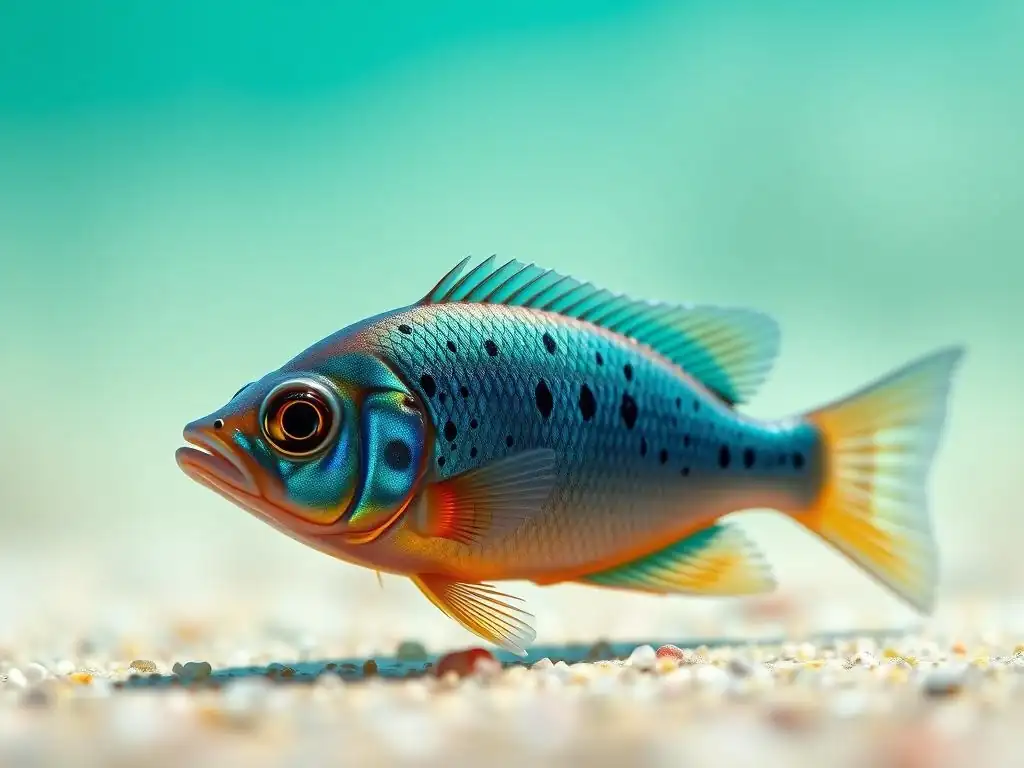
Water parameters are arguably the single most influential factor affecting dwarf cichlid behavior and body language. Optimal water quality, including stable temperature, appropriate pH, and negligible levels of ammonia, nitrite, and nitrate, directly correlates with healthy, vibrant fish. Deviations from these ideal conditions, even slight ones, can induce significant stress, leading to immediate changes in a dwarf cichlid's demeanor. For instance, a sudden spike in nitrates can cause fish to become lethargic, exhibit clamped fins, and display faded coloration within hours.
Conversely, pristine and stable water conditions promote natural dwarf cichlid body language: active swimming, bright colors, confident territorial displays, and successful breeding behaviors. Fish in ideal water will readily engage in courtship, defend their territories with appropriate displays, and show robust appetites. Regular water testing and consistent maintenance are therefore not just about survival, but about enabling dwarf cichlids to express their full behavioral repertoire and thrive.
Tank Size and Decoration: Providing a Sense of Security
The physical environment, specifically tank size and decoration, profoundly impacts dwarf cichlid body language by providing a crucial sense of security and defining territories. Dwarf cichlids, being territorial by nature, require adequate space to establish their own domains and sufficient hiding places to retreat when stressed or seeking refuge. A tank that is too small or lacks proper decor can lead to heightened aggression, as fish are constantly in close proximity without adequate visual barriers or escape routes.
Appropriate decoration, such as caves, driftwood, and dense planting, allows dwarf cichlids to establish clear territories, reducing stress and conflict. For example, a tank with multiple small caves can accommodate several Apistogramma pairs without excessive aggression. When dwarf cichlids feel secure in their environment, they are more likely to display their natural, vibrant colors and engage in normal social and breeding behaviors, rather than exhibiting constant stress signals like hiding or clamped fins.
Tank Mates: How Other Fish Influence Cichlid Communication
The selection of tank mates significantly influences dwarf cichlid body language and overall well-being. Incompatible tank mates, such as overly aggressive or boisterous species, can cause chronic stress, leading to withdrawn behavior, faded colors, and constant hiding in dwarf cichlids. For example, pairing delicate Ram cichlids with fin-nipping barbs can result in the Rams constantly displaying clamped fins and stress stripes, indicating their discomfort.
Conversely, carefully chosen, peaceful tank mates can actually enhance dwarf cichlid behavior. Small, schooling dither fish like Rasboras or peaceful Tetras can help shy dwarf cichlids feel more secure and encourage them to spend more time in the open, displaying their natural colors and movements. The presence of appropriate tank mates can lead to more confident and expressive dwarf cichlid body language, contributing to a thriving and balanced aquarium ecosystem.
Improving Your Observation Skills: Tips for Better Understanding
Spend Time Observing Your Dwarf Cichlids Regularly
To truly master dwarf cichlid body language, the most fundamental tip is to dedicate regular, consistent time to observing your fish. This means more than just a quick glance during feeding. Set aside 10-15 minutes each day, perhaps in the morning or evening, to simply sit and watch their interactions, movements, and coloration. This routine practice allows you to become intimately familiar with each fish's normal behavior, making it easier to spot subtle deviations.
Regular observation helps build a baseline for what is "normal" for your specific dwarf cichlid species and individual fish. For instance, you'll learn if a particular male Apistogramma habitually patrols a certain area, or if your Ram cichlids typically rest in a specific spot. Any departure from these established patterns, such as unusual hiding, erratic swimming, or changes in color, will immediately stand out as a potential signal in their dwarf cichlid body language, prompting closer investigation.
Document Your Observations: Keeping a Log of Behaviors
Keeping a detailed log of your dwarf cichlid observations can significantly enhance your understanding of their body language and overall health. A simple notebook or digital document can be used to record daily or weekly notes on specific behaviors, color changes, interactions between fish, and even water parameters. For example, you might note: "Male Kribensis flaring at female near cave, female's belly intensifying red (Day 1 of courtship)."
This documentation helps identify patterns, correlate behaviors with specific events (e.g., after a water change, adding new fish), and track the progression of any unusual symptoms. A log can be invaluable for pinpointing the exact onset of an illness or for understanding the nuances of a breeding cycle. By systematically recording dwarf cichlid body language, you create a valuable reference tool that aids in proactive care and problem-solving.
Research Specific Species: Learning Their Unique Traits
While general principles of dwarf cichlid body language apply across the board, each species possesses unique traits and communication nuances. To truly become an expert, it is essential to research the specific species you keep, such as Mikrogeophagus ramirezi, Pelvicachromis pulcher, or various Apistogramma types. Learning about their natural habitats, social structures, preferred water parameters, and known breeding behaviors provides invaluable context for interpreting their actions.
For example, knowing that female Kribensis develop a deep red belly when gravid is a specific trait that helps identify breeding readiness. Similarly, understanding the territorial nature of male Apistogramma helps differentiate normal boundary disputes from aggressive bullying. Consulting reliable resources like AquariumMastery.com for detailed species profiles will deepen your understanding of their unique dwarf cichlid body language, allowing for more accurate interpretation and tailored care.
Common Misinterpretations of Dwarf Cichlid Behavior: Avoiding Mistakes
Mistaking Normal Behavior for Illness
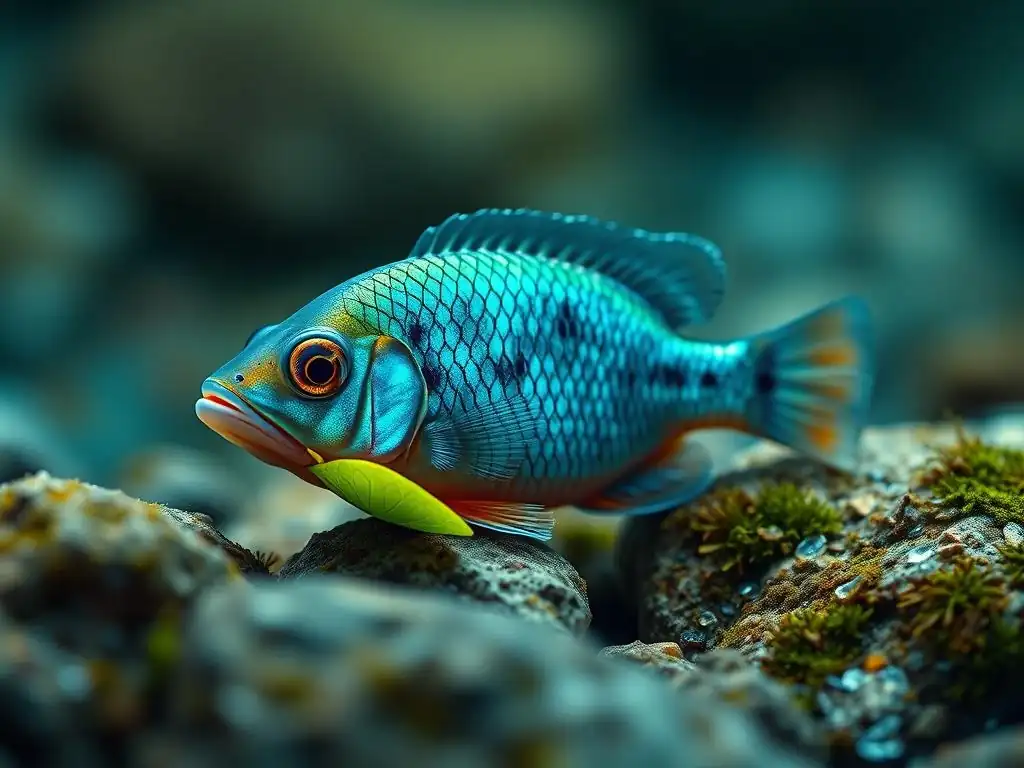
A common pitfall for inexperienced aquarists is mistaking normal dwarf cichlid behavior for signs of illness, leading to unnecessary stress or intervention. For instance, a male dwarf cichlid briefly flaring its gills at a female during courtship or a minor chase between two males establishing dominance might appear aggressive or stressful. However, these are often natural parts of their social dynamics within a well-established territory.
Similarly, a dwarf cichlid might temporarily darken its color when startled by a sudden movement outside the tank or during routine maintenance, which is a normal stress response rather than a sign of chronic illness. Understanding the context of dwarf cichlid body language is key. A brief, isolated incident is often less concerning than persistent symptoms. Overreacting to every minor behavioral shift can be detrimental, causing more stress to the fish than the original behavior itself.
Ignoring Subtle Signs of Stress
Conversely, a more dangerous mistake is ignoring subtle signs of stress in dwarf cichlids, which can escalate into serious health problems if left unaddressed. These subtle cues in dwarf cichlid body language might include slightly clamped fins that are not fully tucked, a very slight dulling of colors that is barely perceptible, or a fish spending a little more time hiding than usual. These are not as obvious as severe illness symptoms but are critical early warnings.
For example, a Ram cichlid that consistently appears less vibrant than its tank mates, even if still eating, might be experiencing chronic low-level stress from water parameters that are slightly off or from a subtly dominant tank mate. Overlooking these nuanced aspects of dwarf cichlid body language can lead to a weakened immune system, making the fish susceptible to disease. Regular, attentive observation is crucial to catch these quiet signals before they develop into overt health crises.
Creating a Thriving Environment for Dwarf Cichlids: Promoting Positive Behavior
Providing Adequate Hiding Places and Territories
Creating a thriving environment for dwarf cichlids fundamentally relies on providing adequate hiding places and clearly defined territories, which directly promotes positive behavior. Dwarf cichlids are naturally territorial and require their own space to feel secure and reduce stress. A lack of sufficient retreats can lead to constant conflict, as fish are forced into close proximity without escape, resulting in increased aggression and stress-induced dwarf cichlid body language like clamped fins or faded colors.
Incorporating a variety of decor such as ceramic caves, driftwood, rock formations, and dense live plants (e.g., Java Fern, Anubias, Cryptocorynes) allows each fish to establish its own "home base" and provides visual barriers. For instance, a 20-gallon long tank with three or four distinct caves can comfortably house a pair of Apistogramma and minimize inter-species aggression. This strategic aquascaping encourages natural behaviors like exploration, courtship, and parental care, as fish feel secure enough to display their full behavioral repertoire.
Maintaining Optimal Water Quality for Cichlid Health
Maintaining optimal water quality is non-negotiable for promoting positive dwarf cichlid behavior and ensuring their long-term health. These fish are particularly sensitive to fluctuations in water parameters and the presence of pollutants. Consistent water testing for ammonia, nitrite, nitrate, pH, and hardness, coupled with regular partial water changes (e.g., 20-30% weekly), is essential to keep the environment pristine and stable.
Poor water quality directly manifests as negative dwarf cichlid body language: clamped fins, labored breathing, faded colors, lethargy, and a general lack of vibrancy. Conversely, a stable, clean aquatic environment allows dwarf cichlids to exhibit their most brilliant coloration, active swimming, and confident social interactions. Optimal water conditions reduce stress, bolster their immune systems, and encourage natural behaviors like foraging and breeding, making them a joy to observe.
Selecting Compatible Tank Mates for a Peaceful Aquarium
Selecting compatible tank mates is a critical factor in fostering a peaceful aquarium and encouraging positive dwarf cichlid body language. Introducing overly aggressive, very large, or extremely active fish can cause chronic stress to dwarf cichlids, leading to withdrawn behaviors, constant hiding, and a dulling of their natural colors. For instance, pairing a shy Apistogramma with boisterous Danios might prevent the Apisto from ever feeling secure enough to display its vibrant patterns.
Ideal tank mates are generally peaceful, similarly sized, and occupy different areas of the water column to minimize direct competition for space. Good choices often include small schooling fish like Neon Tetras, Cardinal Tetras, or various Rasbora species, as well as peaceful bottom dwellers like Corydoras catfish. When surrounded by compatible companions, dwarf cichlids are more likely to exhibit confident swimming, natural social interactions, and their full range of expressive body language, thriving in a harmonious community setting.
Conclusion: Mastering the Art of Understanding Dwarf Cichlid Communication.
Frequently Asked Questions
### What are some common behaviors I should look for to understand my dwarf cichlids?
You should pay attention to behaviors like fin displays, color changes, and body posture. These can indicate aggression, courtship, or illness.
### How can I tell if my dwarf cichlid is displaying aggressive behavior?
Signs of aggression include chasing, nipping, and flaring fins. It's crucial to observe these behaviors to prevent bullying in the tank.
### What does it mean if my dwarf cichlid's colors become more vibrant?
Enhanced coloration often signals breeding readiness or a display of dominance. It can also indicate that your fish is in a healthy and stress-free environment.
### Is there a difference in body language between male and female dwarf cichlids?
Yes, males typically exhibit more pronounced displays of dominance and courtship, while females may display more submissive behaviors or indicate readiness to spawn.
### What do I do if I notice my dwarf cichlid is displaying unusual or concerning behaviors?
Isolate the affected fish and check your water parameters immediately. Unusual behavior can indicate illness, poor water quality, or other stressors requiring prompt attention.
Final Reflection: Decoding the Silent Language of the Aquarium
The insights we've explored into dwarf cichlid body language aren't just academic observations; they're a key to unlocking a deeper, more harmonious relationship with these fascinating creatures. Understanding their subtle cues, from the flaring of fins to the intricate dances of courtship, allows us to create environments where they can truly thrive, minimizing stress and maximizing their well-being in our aquariums. This understanding is more crucial now than ever, as the popularity of these fish continues to grow, and with it, the responsibility to provide them with the best possible care.
The ability to interpret these silent signals has profoundly influenced, and continues to shape, the way we approach fishkeeping. It's a reminder that even the smallest creatures possess a complex inner world, deserving of our respect and attention. The greatness of a nation and its moral progress can be judged by the way its animals are treated.
- Mahatma Gandhi. This quote, though often applied to larger animals, resonates deeply here, urging us to extend our empathy and understanding to the miniature ecosystems we create within our homes.
Now, consider the power you hold to become a more attuned observer. Take the knowledge you've gained from this exploration of dwarf cichlid body language and apply it to your own aquarium. Observe, learn, and adapt. By becoming fluent in their silent language, you can transform your aquarium from a mere display into a thriving community, fostering the health, happiness, and natural behaviors of these remarkable fish. Let your understanding be a testament to your dedication and a beacon for responsible fishkeeping practices.
Decode Your Cichlids: Unlock the Secrets of Their Behavior!
Thanks for diving deep into the world of dwarf cichlid communication! We hope you’ve gained a new appreciation for their subtle yet fascinating behaviors. Now it's time to put that knowledge into action and connect with your aquatic friends on a deeper level.
- Start observing: Spend at least 15 minutes each day just watching your cichlids. Note any changes in their behavior, interactions, and displays. This is your primary action!
- Share your insights! Did you observe a unique behavior in your cichlids? Let's talk about it in the comments.
- Document your findings: Start an aquarium journal to keep track of your observations. Recording even small details can help you notice patterns and changes over time.
What’s the most surprising thing you’ve learned about your cichlids' body language, and how will it change how you care for them?