
Is Your Tang a Picky Eater? Tips for Enticing Finicky Surgeonfish Feeders


Welcome to Aquarium Mastery!
Ever feel like your surgeonfish is turning its nose up at everything you offer? You're not alone! Getting these beautiful but sometimes finicky creatures to eat can be a real challenge. Dig into our article below for essential finicky surgeonfish feeding tips and unlock the secrets to a thriving, well-fed tang. Ready to transform your finicky fish into a happy, healthy eater? Let's dive in!
- Understanding Picky Eating in Surgeonfish: Why Are Tangs Finicky?
- Finicky Surgeonfish Feeding Tips: A Comprehensive Guide
- Overcoming Specific Feeding Challenges with Tangs
- When to Seek Professional Help for Finicky Feeding
- Preventing Finicky Eating in the First Place: Proactive Measures
-
Frequently Asked Questions
- How do I know if my surgeonfish is a finicky eater?
- What are some common reasons why surgeonfish become finicky feeders?
- What types of food are generally most appealing to surgeonfish?
- How often should I feed my finicky surgeonfish to encourage eating?
- What can I do to make food more enticing for my surgeonfish?
- Final Reflection: Navigating the Picky Palates of the Reef
- Nurture Your Tang's Appetite!
Understanding Picky Eating in Surgeonfish: Why Are Tangs Finicky?
Natural Feeding Behaviors of Surgeonfish in the Wild
Surgeonfish, commonly known as tangs, are predominantly herbivorous grazers in their natural coral reef habitats. They spend a significant portion of their day, often upwards of 70%, continuously grazing on various forms of marine algae, including filamentous algae, turf algae, and certain macroalgae. This constant foraging is vital not only for their nutrition but also plays a critical ecological role in preventing algal overgrowth on coral reefs, thus maintaining the health and biodiversity of these delicate ecosystems.
Their digestive systems are specifically adapted for this high-fiber diet, requiring a steady intake of plant matter to function optimally. In the wild, a tang's diet is incredibly diverse, consisting of many different species of algae, each offering a unique nutritional profile. This natural inclination towards continuous, varied grazing is a fundamental aspect of their biology that must be considered when addressing finicky surgeonfish feeding tips in captivity.
Common Reasons for Finicky Eating in Captive Tangs
Stress and Acclimation in New Tanks
When a tang is introduced to a new aquarium environment, it undergoes a significant period of stress and acclimation. The process of capture, transport, and introduction to an unfamiliar tank with new water parameters, lighting, and tank mates can be overwhelming. This stress often leads to a suppressed appetite, as the fish's physiological resources are redirected towards coping with the new environment rather than digestion.
During the initial days to weeks, a newly introduced tang may refuse food entirely or show very little interest in it. Elevated cortisol levels, a stress hormone, can directly inhibit feeding responses. It is crucial to provide a calm, stable environment during this critical acclimation phase to encourage the tang to settle in and begin feeding confidently.
Poor Water Quality and Its Impact on Appetite
Suboptimal water quality is a leading cause of stress and illness in marine fish, directly impacting their appetite. Elevated levels of ammonia, nitrite, or nitrate, along with unstable pH or salinity, can quickly lead to lethargy, compromised immune function, and a complete loss of appetite in tangs. These fish are particularly sensitive to their environment, and even slight deviations from ideal parameters can trigger a feeding strike.
For instance, ammonia and nitrite should always be at 0 parts per million (ppm), and nitrates ideally kept below 20 ppm for most tang species. When these parameters are out of balance, the fish’s body expends energy combating the toxins, leaving little for digestion or foraging. Maintaining pristine and stable water conditions is paramount among effective finicky surgeonfish feeding tips.
Competition with Other Tank Mates
Tangs can be shy eaters, especially when faced with aggressive or fast-feeding tank mates. In a community aquarium, dominant fish may intimidate a tang, preventing it from accessing food, particularly if the food is presented in a way that encourages a feeding frenzy. Even if the tang is not directly bullied, the constant stress of competition can suppress its natural feeding instincts.
Signs of competition might include the tang hiding during feeding times, appearing emaciated despite food being available, or showing reluctance to approach food when other fish are present. This issue is particularly prevalent in smaller tanks where space is limited, intensifying territorial disputes and feeding hierarchies. Addressing tank mate compatibility is a key aspect of successful finicky surgeonfish feeding tips.
Finicky Surgeonfish Feeding Tips: A Comprehensive Guide
1. Offer a Variety of Foods to Tempt Finicky Tangs
Exploring Different Types of Algae and Seaweed
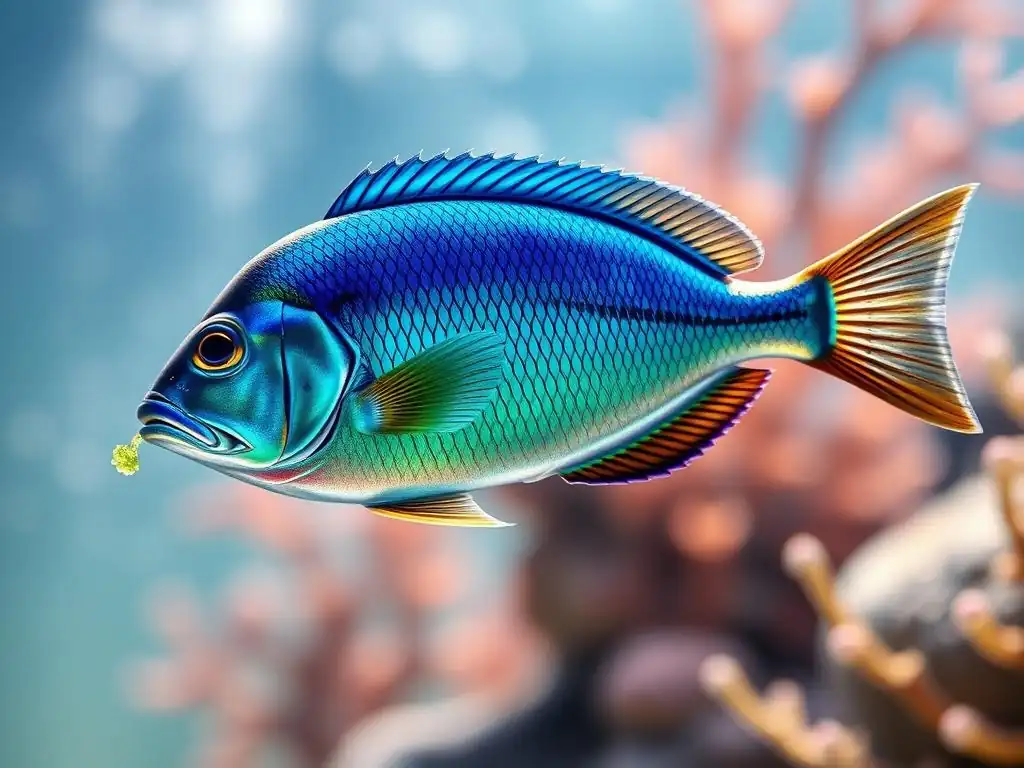
A cornerstone of finicky surgeonfish feeding tips is providing a diverse array of plant-based foods, mirroring their natural diet. Offering various types of dried seaweed, such as Nori (available in green, red, and brown varieties), spirulina flakes, and specialized marine algae pellets, can significantly entice a reluctant tang. Each type of seaweed offers a unique blend of essential vitamins, minerals, and trace elements crucial for their health and vibrant coloration.
For example, red and brown seaweeds often contain different carotenoids and antioxidants compared to green Nori, providing a broader spectrum of nutrients. Rotating these options daily or every other day can prevent boredom and ensure a balanced diet, stimulating the tang's appetite by offering new flavors and textures. This approach is fundamental to long-term success with finicky surgeonfish feeding tips.
Introducing Frozen Foods: Mysis Shrimp, Brine Shrimp, and More
While tangs are primarily herbivorous, supplementing their diet with high-quality frozen foods can act as an excellent appetite stimulant and provide essential proteins and fats. Mysis shrimp, enriched brine shrimp, and finely chopped clam or other marine seafood can be offered sparingly, perhaps two to three times a week. These foods are often highly palatable and can encourage a finicky tang to start eating, even if it initially refuses plant-based options.
It is crucial to thaw frozen foods thoroughly before feeding to prevent digestive issues and to rinse them to remove excess phosphates. Enriching these foods with spirulina powder or liquid vitamin supplements before feeding can further boost their nutritional value and make them even more attractive to a reluctant eater, proving effective among finicky surgeonfish feeding tips.
The Importance of High-Quality Flake and Pellet Food
High-quality marine flake and pellet foods formulated specifically for herbivorous or omnivorous marine fish should form a part of a balanced diet, even for finicky tangs. Look for foods that list spirulina, kelp, or other marine algae as primary ingredients, along with marine proteins and essential vitamins like Vitamin C, which supports immune function. While some tangs might initially ignore these, persistence and proper presentation can help.
These prepared foods offer a convenient way to deliver a consistent nutritional profile. Gradually introducing them by mixing small amounts with more preferred foods, or offering them at specific feeding times, can help acclimate a finicky tang. A well-rounded diet that includes these staples, alongside fresh and frozen options, is key to long-term health and appetite.
2. Mimic Natural Grazing Habits to Encourage Feeding
Provide Constant Access to Algae Sheets
One of the most effective finicky surgeonfish feeding tips is to mimic their natural, continuous grazing behavior. Instead of offering food only a few times a day, provide constant access to dried seaweed sheets. This allows the tang to graze throughout the day as it would on a reef, reducing stress and promoting a more natural feeding rhythm.
Attach a sheet of Nori to a feeding clip and leave it in the tank for several hours, or even a full day, replacing it as needed. This ensures that the tang always has a food source available, preventing long periods of fasting that can lead to a loss of appetite. This steady availability is particularly beneficial for newly introduced or stressed finicky tangs.
Using a Feeding Clip for Easy Access
A dedicated feeding clip is an indispensable tool for offering seaweed sheets. These clips typically attach to the aquarium glass with a suction cup, holding the Nori securely in place. This prevents the seaweed from floating away and getting trapped in filtration, making it easily accessible for the tang to graze on.
Position the feeding clip in an area of moderate flow where the tang feels secure and can easily access the food without competition from faster-moving tank mates. Experiment with different locations to find where your finicky tang feels most comfortable feeding. Some aquarists even use multiple clips to offer variety or accommodate multiple tangs.
Growing Algae in a Refugium for Continuous Supply
For the dedicated aquarist, establishing a refugium connected to the main display tank can provide a continuous, natural source of live algae. Macroalgae like Chaetomorpha (Chaeto) or Ulva (sea lettuce) can be grown in the refugium, and small portions can be periodically harvested and offered to the tangs. This provides the freshest, most natural food source possible.
A refugium also contributes to nutrient export, improving overall water quality, which indirectly benefits the tang's appetite. While setting up a refugium requires an initial investment, the benefits of a constant supply of highly nutritious, live algae can be invaluable for maintaining the health and appetite of finicky surgeonfish.
3. Enhance Food Presentation and Palatability
Soaking Food in Garlic Supplement for Enhanced Attraction
Garlic is widely recognized in the aquarium hobby as an appetite stimulant and palatability enhancer for finicky fish. Soaking dried or frozen foods in a garlic-based supplement designed for aquarium use, or even a small amount of freshly crushed garlic juice (used very sparingly), can significantly increase a tang's interest in food. The strong aroma of garlic seems to entice even the most reluctant eaters.
Many commercial products are available that combine garlic extract with essential vitamins, offering a dual benefit. When using garlic, ensure it's specifically formulated for marine aquariums to avoid introducing unwanted compounds. A brief soak of 5-10 minutes is usually sufficient to impart the attractive scent and flavor.
Adding Vitamin Supplements to Boost Nutritional Value
Finicky tangs often miss out on essential nutrients, making them susceptible to deficiency diseases. Adding liquid vitamin supplements specifically formulated for marine fish to their food can boost its nutritional value and make it more appealing. Vitamins such as Vitamin C (for immune health), Vitamin A (for vision and skin), and various B vitamins (for metabolism) are crucial.
These supplements can be used to soak frozen foods, pellets, or even Nori before feeding. This not only ensures the tang receives a comprehensive nutritional profile but also may enhance the food's flavor, making it more attractive. Always follow the manufacturer's instructions for dosage.
Mixing Foods to Create Appealing Combinations
Creating varied food combinations can be an effective strategy for finicky surgeonfish feeding tips. By mixing highly palatable foods with less preferred ones, you can encourage a tang to consume a broader diet. For example, finely chopping Nori and mixing it with thawed mysis shrimp, or soaking pellets in a garlic and vitamin solution before offering, can make the entire meal more enticing.
Experiment with different textures and flavors. A mix of crunchy pellets, soft seaweed, and meaty frozen foods can stimulate a tang's senses and encourage it to try new things. This approach leverages the tang's preferences while subtly introducing necessary variety.
4. Optimize the Tank Environment to Reduce Stress
Maintaining Pristine Water Quality: Regular Water Changes and Filtration
As previously noted, excellent water quality is non-negotiable for the health and appetite of tangs. Regular water changes, typically 20-30% bi-weekly or 10-15% weekly, are essential for diluting nitrates and replenishing trace elements. A robust filtration system, including a high-quality protein skimmer, ample live rock, and potentially a refugium, is critical for removing organic waste and maintaining stable parameters.
Consistent monitoring of water parameters—ammonia, nitrite, nitrate, pH, salinity, and temperature—is vital. Any fluctuation can stress a tang, leading to a loss of appetite. A healthy, stable environment is the foundation upon which all other finicky surgeonfish feeding tips rely.
Providing Adequate Swimming Space and Hiding Places
Tangs are active swimmers and require ample space to thrive. A minimum tank size of 75 gallons is often recommended for smaller species like Yellow Tangs, while larger species such as the Naso Tang or Sohal Tang require 180 gallons or more. Overcrowding can lead to stress, aggression, and inhibited feeding.
Equally important are plenty of hiding places and rockwork structures. These provide security and allow the tang to retreat when feeling stressed or threatened. A secure tang is a confident tang, and a confident tang is far more likely to eat readily. Strategic aquascaping that creates clear swimming lanes while also offering safe havens is crucial.
Minimizing Aggression from Tank Mates: Consider Re-homing or Tank Dividers
If tank mate aggression is identified as a reason for finicky eating, immediate action is necessary. Observing interactions during feeding times can help pinpoint the aggressor. Sometimes, simply rearranging the rockwork can disrupt territories and reduce aggression. Introducing new fish last, or adding them simultaneously, can also help distribute aggression.
In severe cases, where a tang is consistently bullied and refusing to eat, considering re-homing the aggressive fish or using a temporary tank divider during feeding times might be necessary. A stress-free environment is paramount for encouraging a finicky tang to feed.
5. Observe Feeding Behavior and Adjust Accordingly
Monitoring Food Intake and Adjusting Portions
Diligent observation of your tang's feeding behavior is a critical step in implementing finicky surgeonfish feeding tips. Watch closely during feeding times to ensure your tang is actually consuming the food, not just picking at it or being outcompeted. Note how much it eats and if there's any uneaten food left behind.
Adjust food portions based on consumption. Overfeeding can lead to poor water quality, while underfeeding can cause malnutrition. Aim to feed small amounts frequently throughout the day, allowing the tang to graze naturally, and remove any uneaten food after 10-15 minutes to prevent water quality degradation.
Identifying Preferred Foods and Focusing on Those
While variety is important, initially, focus on the foods your finicky tang readily accepts. If it eagerly consumes Nori but ignores pellets, start by offering Nori consistently. Once it's eating reliably, you can gradually introduce new foods by mixing them with the preferred ones or offering them at different times.
This strategy builds confidence and ensures the tang is receiving some nutrition. Once a baseline of consistent feeding is established, you can slowly expand its diet, making the transition to a more varied diet smoother and less stressful for the fish.
Documenting Feeding Habits to Track Progress
Keeping a logbook of your tang's feeding habits can be incredibly beneficial. Record the date, the types and amounts of food offered, how much was eaten, and any notable behaviors or changes in appetite. This systematic approach allows you to identify patterns, track the effectiveness of different finicky surgeonfish feeding tips, and quickly notice any decline in appetite.
For example, you might observe that your tang eats more readily in the morning or prefers a specific type of Nori over another. This documentation provides valuable data for making informed adjustments to your feeding regimen and overall care strategy, leading to more successful outcomes for finicky tangs.
Overcoming Specific Feeding Challenges with Tangs
Dealing with Tangs That Refuse Pellets
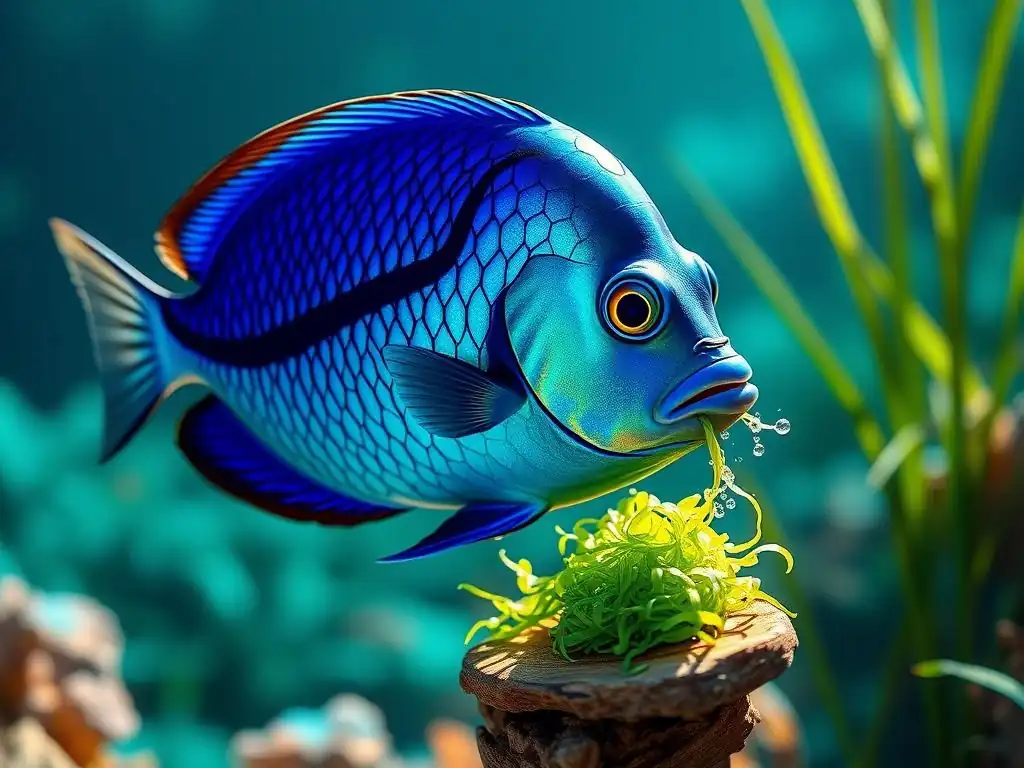
Many tangs, especially wild-caught specimens, may initially refuse dry pellet foods, preferring their natural grazing diet. To encourage pellet acceptance, start by soaking the pellets in a highly attractive liquid, such as a garlic supplement or liquid vitamin solution. You can also try crushing the pellets and mixing them with a favorite frozen food or finely chopped Nori.
Offer pellets as the first food of the day when the tang is hungriest, or try different brands and sizes to find one that appeals. Some tangs may never fully accept pellets, and that is acceptable as long as they are consistently consuming a variety of other nutritious foods like Nori, spirulina flakes, and occasional frozen offerings. The goal is consistent nutrition, not necessarily pellet consumption.
Addressing Algae-Averse Surgeonfish
While rare, some tangs may show reluctance towards consuming algae, which is highly unusual given their natural diet. This can sometimes be a sign of an underlying health issue, such as internal parasites or a bacterial infection affecting their digestive system. If a tang consistently refuses all forms of seaweed, despite attempts to enhance its palatability, consider a veterinary consultation.
In the meantime, try blending dried Nori into a paste with some frozen food or liquid spirulina supplements to make it more appealing. Offer different types of fresh macroalgae, like Chaetomorpha or Gracilaria, if available, as the live texture might be more enticing. Ensure their water quality is impeccable, as poor conditions can suppress even a tang's natural instinct to graze.
Strategies for Getting New Tangs to Eat
Getting a newly introduced tang to eat is often the first and most critical hurdle. The primary strategy is to minimize stress. Keep the aquarium lights dim for the first 24-48 hours, and ensure there are plenty of hiding spots. Avoid introducing aggressive tank mates initially, or separate them if necessary.
Offer small amounts of highly palatable and easily digestible foods frequently throughout the day. Nori attached to a clip is often the best first offering, as it allows the tang to graze at its own pace. Frozen mysis shrimp or spirulina-enriched brine shrimp are also good choices. Patience is key; it may take several days, or even a week, for a new tang to feel secure enough to begin feeding consistently.
When to Seek Professional Help for Finicky Feeding
Recognizing Signs of Malnutrition in Surgeonfish
If, despite implementing various finicky surgeonfish feeding tips, your tang continues to refuse food or exhibits signs of decline, it's crucial to recognize the signs of malnutrition. These include a sunken belly (wasting), faded or dull coloration, lethargy, clamped fins, labored breathing, and increased susceptibility to common marine diseases like marine Ich (Cryptocaryon irritans) or lateral line erosion (HLLE).
A tang that is not eating adequately will show a gradual but noticeable loss of muscle mass, particularly around the dorsal area and behind the head. If these symptoms persist for more than a few days, it indicates a serious problem that goes beyond simple finicky eating and requires immediate attention to prevent irreversible damage to the fish's health.
Consulting with a Veterinarian or Experienced Aquarist
When your efforts to encourage feeding are unsuccessful, or if your tang displays clear signs of illness or severe weight loss, it's time to consult a qualified aquatic veterinarian or a highly experienced marine aquarist. These professionals can help diagnose underlying health issues, such as internal parasites, bacterial infections, or systemic diseases that might be inhibiting the tang's appetite.
A vet might recommend a fecal examination for parasites, or suggest specific medications or treatment protocols. An experienced aquarist might offer insights based on their extensive practical knowledge, identifying subtle environmental factors or behavioral cues you might have overlooked. Seeking expert advice is a responsible step for severe or persistent feeding issues.
The Role of Probiotics in Improving Digestion and Appetite
In some cases, a finicky appetite might be linked to poor gut health or inefficient digestion. Probiotic supplements, available in liquid form or incorporated into certain fish foods, can play a beneficial role by introducing beneficial bacteria to the tang's digestive tract. These bacteria can improve nutrient absorption, strengthen the immune system, and indirectly stimulate appetite.
Probiotics can be particularly useful for tangs that have been stressed, treated with antibiotics, or are simply struggling to digest their food effectively. They can be added to the water or used to soak foods. While not a cure-all, supporting a healthy gut flora is a valuable component of a holistic approach to finicky surgeonfish feeding tips.
Preventing Finicky Eating in the First Place: Proactive Measures
Proper Acclimation Procedures for New Tangs
Preventing finicky eating begins even before a tang enters your display tank. Proper acclimation is crucial to minimize initial stress, which is a major cause of appetite loss. A slow drip acclimation method over an hour or more, matching salinity and temperature gradually, is highly recommended. Some aquarists even advocate for "dark acclimation," where the lights are kept off for several hours after introduction to allow the tang to explore its new surroundings without added visual stress.
Introducing new tangs to a tank with established hiding spots and without overly aggressive tank mates can significantly reduce their initial stress levels. A calm, gradual introduction helps the tang settle in quickly, reducing the likelihood of a prolonged feeding strike and setting a positive precedent for its feeding habits.
Maintaining a Balanced and Nutritious Diet from the Start
To prevent a tang from becoming a finicky eater, establish a varied and nutritious diet from the very beginning. Do not rely on a single food source. Introduce a mix of high-quality dried seaweed (Nori), spirulina flakes, and a good marine pellet or flake food from day one. Offer these foods frequently throughout the day to mimic their natural grazing behavior.
Regularly rotate the types of seaweed and occasionally supplement with frozen foods like mysis shrimp. By exposing your tang to a wide range of flavors and textures early on, you encourage it to be a more adventurous and less finicky eater in the long run. This proactive approach is the most effective of all finicky surgeonfish feeding tips.
Regular Monitoring of Water Parameters and Tank Conditions
Consistent vigilance over water parameters and overall tank conditions is fundamental to preventing finicky eating. Regularly test your water for ammonia, nitrite, nitrate, pH, and salinity, ensuring they remain within optimal ranges for marine fish (e.g., ammonia and nitrite at 0 ppm, nitrates below 20 ppm, salinity 1.023-1.026, pH 8.1-8.4). Maintain a stable temperature, typically between 76-82°F (24-28°C).
Proactive maintenance, including consistent water changes, proper protein skimming, and adequate flow, prevents the subtle stressors that can lead to a loss of appetite. A healthy, stable environment fosters a healthy, hungry fish, significantly reducing the chances of your tang becoming a finicky eater.
Frequently Asked Questions
How do I know if my surgeonfish is a finicky eater?
Look for signs like refusal to eat, spitting food out, or only nibbling at certain offerings. If your tang appears uninterested in most food types, it's likely a picky eater.
What are some common reasons why surgeonfish become finicky feeders?
Stress from a new environment, poor water quality, or competition with other fish can all contribute. Sometimes, it's simply a matter of taste preference.
What types of food are generally most appealing to surgeonfish?
Most surgeonfish enjoy a diet rich in algae and seaweed. Try offering nori sheets, spirulina flakes, and even fresh vegetables like zucchini or spinach.
How often should I feed my finicky surgeonfish to encourage eating?
Offer small portions multiple times a day rather than one large feeding. This can make the food more appealing and prevent it from sitting uneaten for too long.
What can I do to make food more enticing for my surgeonfish?
Try soaking food in garlic extract to stimulate their appetite. Also, consider using a feeding clip to keep seaweed in place and easily accessible.
The challenges highlighted throughout this article, centered around finicky surgeonfish feeding tips, are not merely academic exercises for aquarists. They reflect a deeper understanding of the delicate balance within our captive reef ecosystems and the responsibility we bear in ensuring the well-being of these vibrant creatures. The success of our aquariums, and indeed the future of reef keeping, hinges on our ability to adapt and innovate in the face of these feeding challenges.
This journey into the dietary preferences of surgeonfish has underscored the importance of observation, patience, and a willingness to experiment. My own experience with a particularly stubborn Yellow Tang taught me that understanding their natural grazing behaviors is paramount. The best way to observe a fish is to become the water.
This quote, though perhaps a bit whimsical, perfectly encapsulates the need for empathy and immersion in understanding the needs of these fascinating animals. The lessons learned here extend beyond the aquarium glass, reminding us of the interconnectedness of all living things and the value of personalized care.
Now, armed with these finicky surgeonfish feeding tips, I urge you to reflect on your own practices. Are you truly catering to the individual needs of your fish? Are you willing to adapt your approach based on their unique preferences? Embrace the challenge, experiment with new foods and feeding techniques, and share your successes and failures with the community. Together, we can ensure that these magnificent surgeonfish thrive in our care, enriching our lives and reminding us of the beauty and fragility of the natural world.
Nurture Your Tang's Appetite!
Thank you for diving into the world of surgeonfish feeding! We hope you've gained valuable insights into understanding and addressing picky eating habits. Now, let's put that knowledge into action and bring out the best in your finicky friend.
Here are a few ways to further nourish your Tang's health and happiness:
- Master the Macroalgae: Take the plunge and cultivate your own refugium! Growing fresh, organic macroalgae like Ulva or Gracilaria offers a natural and enticing food source that picky Tangs often can't resist.
- Diversify the diet: Experiment with unexpected food options! Puree various greens such as spinach, nori, broccoli, and zucchini to create a nutritious "green smoothie" and present it on a feeding clip.
- Join the community: Share pictures and videos of your Tang's food preferences! Post on social media.
What new flavor adventure will you introduce to your Tang this week?