
The Complete Guide to Centropyge Angelfish: Dwarf Wonders Explored

Welcome to Aquarium Mastery!
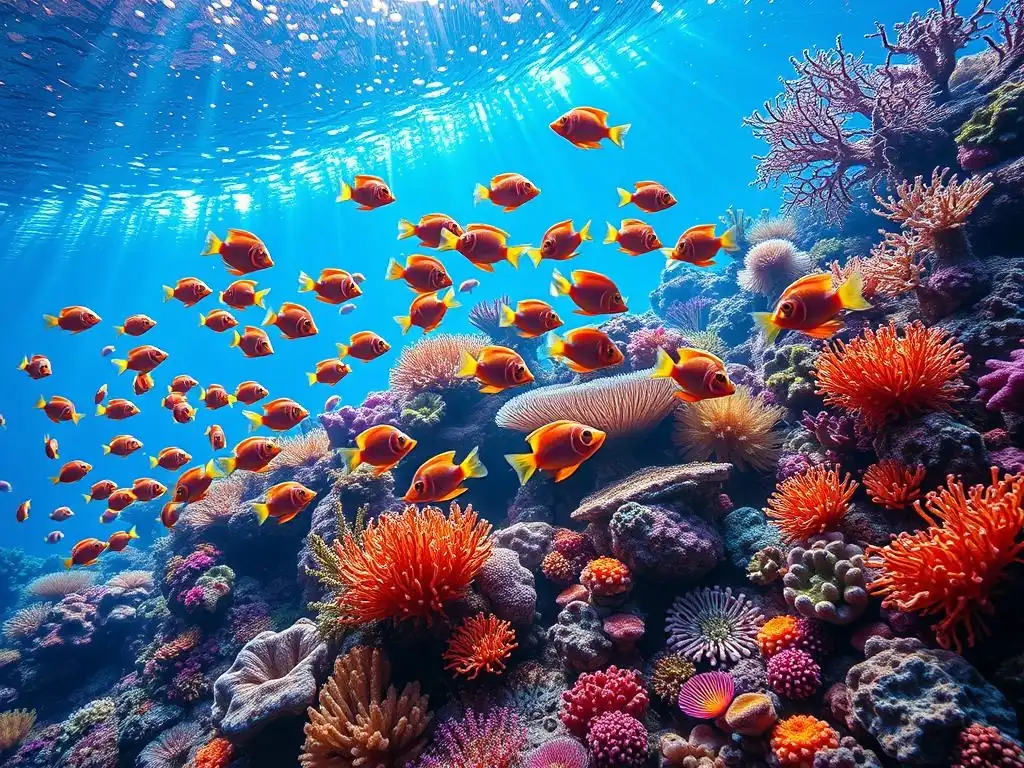
Dive into the vibrant world of saltwater aquariums and discover the secrets to successfully keeping these miniature reef ecosystems thriving. Ever wondered how to unlock the beauty and charm of Centropyge angelfish? This Centropyge angelfish care guide is your starting point. Prepare to explore everything you need to know about these dwarf wonders, from their unique needs to creating the perfect environment for them to flourish. Ready to become a Centropyge expert? Let's begin!
- Introduction to Centropyge Angelfish: A Saltwater Aquarium Gem
- Selecting the Right Centropyge Angelfish Species for Your Aquarium
- Centropyge Angelfish Care: Creating the Ideal Aquarium Environment
- Reef Compatibility: Can Centropyge Angelfish Live in Reef Tanks?
- Centropyge Angelfish Tank Mates: Choosing Compatible Companions
- Common Health Issues and Diseases in Centropyge Angelfish
- Breeding Centropyge Angelfish: Challenges and Possibilities
- Troubleshooting Common Centropyge Angelfish Problems
- Advanced Centropyge Angelfish Care Tips
- Conclusion: Mastering Centropyge Angelfish Care for a Thriving Aquarium
-
Frequently Asked Questions
- What are Centropyge angelfish and why are they popular in aquariums?
- What size aquarium is typically recommended for keeping Centropyge angelfish?
- What are some key considerations for water chemistry when keeping Centropyge angelfish?
- What types of food do Centropyge angelfish typically eat, and how often should they be fed?
- What are some common health issues that Centropyge angelfish are susceptible to, and how can they be prevented?
- Final Reflection: Appreciating the Miniature Majesty
- Dive Deeper into the Dwarf Angel World!
Introduction to Centropyge Angelfish: A Saltwater Aquarium Gem
What are Centropyge Angelfish? Exploring the Dwarf Angelfish Genus
Centropyge angelfish, commonly known as dwarf angelfish, represent a diverse and captivating genus within the larger Angelfish family (Pomacanthidae). Unlike their larger counterparts, which can grow to over a foot in length, Centropyge species typically remain compact, reaching an average adult size of 3 to 6 inches, making them suitable for a wider range of home aquariums. Their small stature, combined with vibrant coloration and active personalities, has made them a popular choice among marine aquarists.
These fascinating fish are native to the vast Indo-Pacific region, inhabiting coral reefs and rocky outcrops at various depths, from shallow lagoons to deeper reef slopes. In their natural environment, they are often found navigating intricate coral formations, constantly grazing on a diet primarily consisting of algae, detritus, and small invertebrates. Their adaptability and beauty make them a highly sought-after addition, and understanding specific Centropyge angelfish care is essential for their long-term success.
Why Choose a Centropyge Angelfish for Your Marine Aquarium?
Choosing a Centropyge angelfish offers numerous advantages for both novice and experienced marine aquarists. Their relatively small size means that many species can be comfortably housed in tanks as modest as 30-50 gallons, a stark contrast to the 100+ gallon requirements of larger angelfish species. This accessibility allows more enthusiasts to enjoy the beauty and character of an angelfish in a space-efficient manner.
Beyond their practical size, Centropyge angelfish are renowned for their striking colors and patterns, ranging from the fiery reds of the Flame Angelfish to the deep blues and oranges of the Coral Beauty. They add dynamic movement and a splash of visual appeal to any marine setup, often becoming the focal point of the aquarium. Furthermore, many Centropyge species are known for being hardier and more adaptable to captive conditions than some of the more delicate marine fish, making a comprehensive Centropyge angelfish care guide particularly valuable for ensuring their well-being.
Selecting the Right Centropyge Angelfish Species for Your Aquarium
Popular Centropyge Angelfish Species Profiles
The Flame Angelfish (Centropyge loriculus): A Fiery Beauty
The Flame Angelfish is arguably the most iconic and sought-after Centropyge species, celebrated for its brilliant, intense red-orange body adorned with several vertical black stripes and iridescent blue tips on its dorsal and anal fins. Originating from the waters around Hawaii, Christmas Island, and the Marquesas, this species typically grows to about 4 inches in length, making it a perfect centerpiece for tanks 30 gallons and larger. Its striking coloration provides an unparalleled visual impact.
While generally peaceful, the Flame Angelfish can exhibit territorial behavior towards other dwarf angelfish or similarly shaped fish, especially in smaller aquariums. When it comes to reef compatibility, it is considered "reef-safe with caution," as individual specimens may occasionally nip at soft corals, LPS corals, or clam mantles, particularly if not adequately fed. Providing ample rockwork with hiding spaces and a varied, algae-rich diet can help mitigate this behavior, making it a key consideration in any Centropyge angelfish care guide.
The Coral Beauty Angelfish (Centropyge bispinosa): A Reef Tank Staple
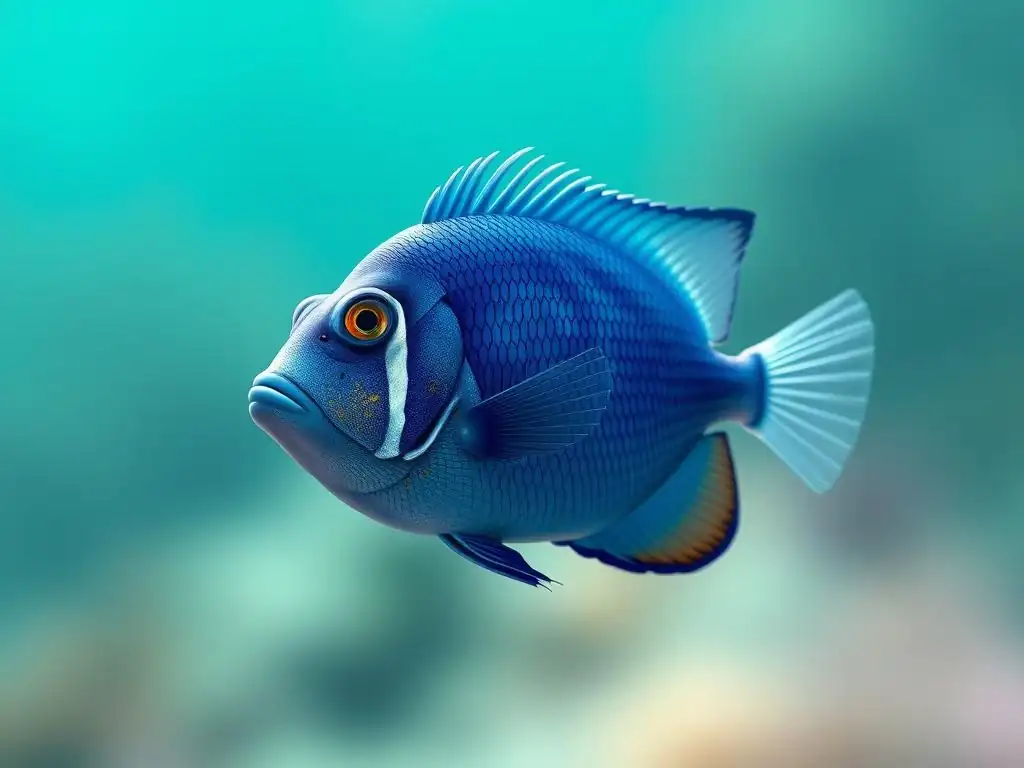
The Coral Beauty Angelfish is a remarkably hardy and popular choice, distinguished by its deep sapphire blue body that transitions into a vibrant orange or reddish-purple midsection, often with vertical stripes or blotches. Found throughout the Indo-Pacific, this species is known for its resilience and adaptability, growing to a maximum size of around 4 inches. Its robust nature makes it an excellent option for aquarists seeking a durable and visually appealing dwarf angelfish.
Among the Centropyge genus, the Coral Beauty is one of the most reliable choices for a mixed reef aquarium, exhibiting a lower propensity for nipping at corals compared to many of its relatives. It is generally peaceful towards most tank mates, though like other dwarf angels, it can be territorial with conspecifics or similar-looking fish in smaller enclosures. Its consistent coloration and relatively calm demeanor make it a staple in many marine setups, highlighting its importance in a comprehensive Centropyge angelfish care guide.
The Pygmy Angelfish (Centropyge argi): A Nano Tank Favorite
The Pygmy Angelfish, also known as the Cherub Angelfish, stands out as one of the smallest and most charming members of the Centropyge genus, typically reaching only 3 inches in length. Its body is a striking combination of bright yellow-orange, transitioning to a deep blue on its fins, with a distinctive dark spot near its gill cover. Hailing from the Caribbean, this diminutive species is highly sought after for nano and smaller reef tanks due to its minimal space requirements.
Its small size contributes to its generally peaceful nature, making it an excellent candidate for community tanks where aggression might be a concern with larger dwarf angels. The Pygmy Angelfish is considered one of the safest Centropyge species for reef tanks, as its diet primarily consists of algae and detritus, with very little interest in corals or invertebrates. Its suitability for smaller systems and its gentle disposition make it a favored choice among aquarists who prioritize a comprehensive Centropyge angelfish care guide for compact setups.
The Lemonpeel Angelfish (Centropyge flavissima): Vibrant Yellow Delight
The Lemonpeel Angelfish is instantly recognizable for its strikingly bright, uniform yellow body, often accented by a brilliant blue ring around its eye and blue margins on its dorsal, anal, and caudal fins. This species, originating from the Pacific Ocean, is one of the larger Centropyge species, capable of reaching up to 5 inches in length. Its vivid coloration makes it an undeniable focal point in any marine aquarium.
While stunning, the Lemonpeel Angelfish can be more assertive and territorial than other dwarf angelfish, particularly towards conspecifics or fish with similar body shapes and colors. Its reef compatibility is also more questionable; it is known to be more prone to nipping at fleshy LPS corals, zoanthids, and clam mantles compared to species like the Coral Beauty. Therefore, careful consideration of tank size and tank mates, along with a robust Centropyge angelfish care guide, is crucial for its successful integration into a reef environment.
Size Considerations: Matching Centropyge Angelfish to Tank Size
When selecting a Centropyge angelfish, matching the species' adult size to your aquarium's volume is paramount for its long-term health and well-being. While dwarf angelfish are smaller than their large angelfish cousins, they still require adequate swimming space and territory to thrive. For instance, the smallest species like the Pygmy Angelfish can be housed in tanks as small as 20-30 gallons, but most Centropyge, such as the Flame or Coral Beauty, will require a minimum of 30-50 gallons for a single specimen to allow for proper swimming and to mitigate territorial aggression.
For larger species like the Lemonpeel Angelfish, or if you plan to keep multiple dwarf angelfish (which is generally not recommended unless the tank is exceptionally large, e.g., 100+ gallons), a tank of 50 gallons or more is advisable. Providing a larger tank not only offers more swimming room but also helps to dilute waste products, leading to more stable water parameters. A spacious environment reduces stress, promotes natural behaviors, and significantly contributes to the overall success of your Centropyge angelfish care guide.
Centropyge Angelfish Care: Creating the Ideal Aquarium Environment
Tank Setup for Centropyge Angelfish: Replicating Their Natural Habitat
Optimal Tank Size and Dimensions
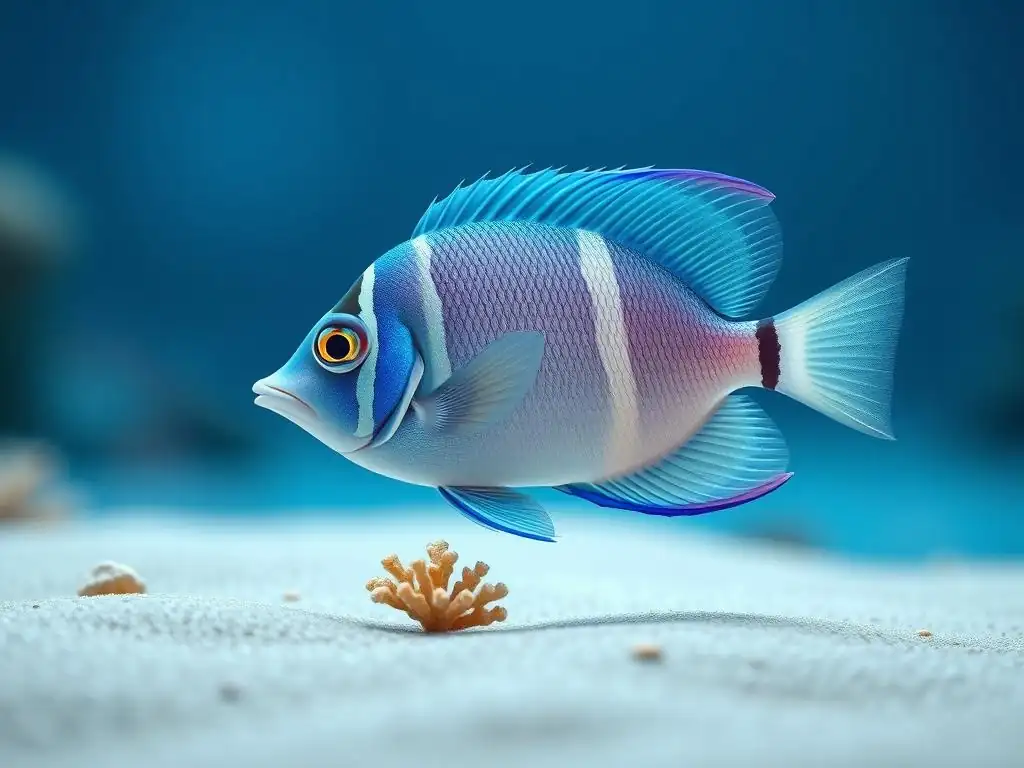
Establishing the correct tank size and dimensions is a foundational step in providing optimal Centropyge angelfish care. While some of the smaller species, such as the Pygmy Angelfish, can thrive in a 20-gallon long aquarium, most Centropyge species, including the popular Flame and Coral Beauty angelfish, require a minimum of 30 to 50 gallons.
For larger species like the Lemonpeel Angelfish, or if you intend to house them with other active fish, a 75-gallon tank or larger is highly recommended. The "long" or "breeder" style tanks are often preferred over tall, narrow tanks, as they provide more horizontal swimming space, which is crucial for these active fish.
The dimensions of the tank play a significant role in providing adequate territory and reducing stress. A broader footprint allows for more intricate rockwork, creating distinct zones and hiding places that mimic their natural reef habitat. This horizontal space is vital for their active grazing and darting movements. Ensuring the tank is appropriately sized for the species you choose is a core component of any effective Centropyge angelfish care guide, as it directly impacts their physical health and behavioral well-being.
Essential Rockwork and Hiding Places
Live rock is an indispensable element in any Centropyge angelfish setup, serving multiple critical functions. Beyond its aesthetic appeal, live rock provides extensive surface area for beneficial nitrifying bacteria, contributing significantly to biological filtration and maintaining stable water parameters. It also serves as a natural grazing surface, allowing Centropyge angelfish to constantly pick at microalgae and detritus, mimicking their wild feeding habits. A general guideline is to include 1 to 1.5 pounds of live rock per gallon of tank volume to create a robust biological filter and ample structure.
The aquascaping of the rockwork should prioritize the creation of numerous caves, crevices, and overhangs. These hidden retreats are crucial for Centropyge angelfish, as they provide security, reduce stress, and offer a sense of territory. These fish are known to dart into tight spaces when feeling threatened or for resting during the night. Incorporating various types of rock, such as Pukani or Tonga branch rock, can help create a complex and visually appealing structure that meets their behavioral needs, making proper rockwork a cornerstone of Centropyge angelfish care.
Substrate Recommendations for a Healthy Environment
For a Centropyge angelfish aquarium, the choice of substrate is important for both aesthetic and functional reasons. A fine aragonite sand bed, typically 1 to 2 inches deep, is generally recommended. Aragonite sand provides a natural look that replicates their native sandy reef environments and also contributes to the buffering capacity of the water, helping to maintain stable pH levels within the ideal range of 8.1 to 8.4. This type of substrate provides a suitable surface for beneficial bacteria to colonize, further aiding in the nitrogen cycle.
While a deep sand bed (over 4 inches) can be used for denitrification, it requires careful management to prevent the buildup of anaerobic pockets. For most Centropyge angelfish care guides, a shallow sand bed is perfectly adequate and easier to maintain, preventing the accumulation of detritus. Alternatively, some aquarists opt for a bare-bottom tank, which offers maximum ease of cleaning and nutrient export, though it lacks the natural aesthetic and some of the biological benefits of a sand bed. Ultimately, the substrate choice should align with the overall tank design and maintenance philosophy.
Water Parameters: Maintaining Pristine Conditions for Dwarf Angelfish
Temperature, Salinity, and pH Levels
Maintaining stable and appropriate water parameters is paramount for the health and longevity of Centropyge angelfish. The ideal temperature range for these tropical marine fish is between 72-78°F (22-25.5°C), with minimal fluctuations. Salinity should be kept within a specific gravity range of 1.023-1.026, or approximately 32-35 parts per thousand (ppt). A stable pH level between 8.1 and 8.4 is also crucial, as significant swings can cause severe stress and compromise their immune systems.
Consistent monitoring of these parameters using reliable equipment, such as a high-quality heater, a precise thermometer, and a refractometer for salinity, is non-negotiable. Sudden changes in any of these parameters can lead to osmotic shock, respiratory distress, and increased susceptibility to diseases. Therefore, a diligent approach to maintaining these stable conditions forms a core tenet of effective Centropyge angelfish care.
Importance of Regular Water Changes
Regular water changes are one of the most effective and fundamental aspects of maintaining pristine water quality for Centropyge angelfish. Performing weekly or bi-weekly water changes of 10-20% of the tank volume helps to remove accumulated nitrates, phosphates, and other dissolved organic compounds that filtration alone cannot fully eliminate. These regular removals prevent the buildup of toxins that can stress fish and lead to various health issues.
Beyond toxin removal, water changes also replenish essential trace elements and minerals that are naturally depleted over time, supporting the overall health and vibrant coloration of your dwarf angelfish. Always use high-quality reverse osmosis/deionized (RO/DI) water mixed with a reputable marine salt mix to ensure consistency and purity. The consistent practice of water changes is a critical, yet often underestimated, component of a successful Centropyge angelfish care guide.
Monitoring and Adjusting Water Chemistry
Beyond temperature, salinity, and pH, other key water chemistry parameters must be regularly monitored for optimal Centropyge angelfish care. Ammonia and nitrite levels should always be undetectable (0 ppm), as even small amounts are highly toxic. Nitrates should be kept below 20 ppm, ideally much lower in a reef environment (under 5 ppm). Additionally, for reef tanks housing corals, it's essential to monitor alkalinity (8-12 dKH), calcium (400-450 ppm), and magnesium (1250-1350 ppm) to ensure a stable environment for calcifying organisms.
Should parameters drift, various strategies can be employed for adjustment. Elevated nitrates can be managed through increased water changes, improved filtration, or the addition of a refugium. Alkalinity, calcium, and magnesium levels can be maintained through regular dosing of balanced supplements. Consistent testing with reliable test kits (liquid reagents are generally more accurate than test strips) and proactive adjustments are vital for preventing stress and disease, making this continuous monitoring a critical part of any comprehensive Centropyge angelfish care guide.
Diet and Feeding: Ensuring Proper Nutrition for Centropyge Angelfish
What Do Centropyge Angelfish Eat in the Wild?
In their natural coral reef habitats, Centropyge angelfish are primarily omnivores, displaying a constant grazing behavior throughout the day. Their diet largely consists of various types of microalgae, detritus (decaying organic matter), and small benthic invertebrates found on live rock and coral surfaces. They use their small, brush-like teeth to nip and scrape these food sources from the substrate and rockwork. This continuous foraging behavior is crucial for their nutritional intake and is a key aspect to replicate in captivity.
Understanding their wild diet is fundamental to providing appropriate nutrition in a home aquarium. While they are adaptable, a diet that mimics their natural intake of plant matter and small protein sources is essential for their long-term health, vibrant coloration, and strong immune system. This natural grazing habit also explains their potential to nip at certain corals in a reef tank, as some corals may resemble their natural food sources.
Recommended Foods for Captive Centropyge Angelfish
To ensure proper nutrition for captive Centropyge angelfish, a varied and high-quality diet is absolutely essential. Their daily intake should include a significant portion of vegetable matter. High-quality marine flakes and pellets, especially those enriched with Spirulina or other algae, should form a staple of their diet. Supplement this with frozen foods such as mysis shrimp, brine shrimp (enriched with vitamins), finely chopped krill, and specialized angelfish formulas.
Crucially, marine algae sheets (Nori) should be offered daily or every other day, secured with a veggie clip, allowing them to graze naturally throughout the day. This not only provides essential roughage and nutrients but also replicates their natural foraging behavior. Occasionally, live foods like copepods can be offered as a treat or to entice finicky eaters. A diverse diet is a cornerstone of any effective Centropyge angelfish care guide, promoting overall vitality and disease resistance.
Feeding Schedule and Techniques
Establishing a consistent feeding schedule and employing proper techniques are vital for the health of Centropyge angelfish and the cleanliness of the aquarium. It is best to feed them small amounts two to three times a day rather than one large meal. This approach aligns with their natural continuous grazing behavior and helps prevent overfeeding, which can lead to rapid nutrient buildup and poor water quality in the tank. Only offer an amount of food that your fish can consume within 2-3 minutes to minimize waste.
When offering algae sheets, use a magnetic or suction-cup veggie clip and place it in an area where the angelfish can easily access it without being bullied by more aggressive tank mates. Observe your fish during feeding to ensure that all individuals are getting enough food, especially if they are housed with more boisterous species. A well-managed feeding regimen is a critical component of a successful Centropyge angelfish care guide, contributing significantly to their long-term health and the stability of your marine environment.
Reef Compatibility: Can Centropyge Angelfish Live in Reef Tanks?
Reef-Safe Centropyge Species: Choosing the Right Angelfish for Your Reef
The question of Centropyge angelfish reef compatibility is a common and critical one for aquarists aiming to keep corals and invertebrates. While no angelfish can be guaranteed 100% "reef-safe," some Centropyge species are significantly less likely to nip at corals than others. Species generally considered the safest bets include the Coral Beauty Angelfish (Centropyge bispinosa), the Pygmy Angelfish (Centropyge argi), and Fisher's Angelfish (Centropyge fisheri). These species tend to have a diet that leans more heavily towards algae and detritus, and their smaller mouthparts make them less capable of causing significant damage to most corals.
Even with these "safer" species, individual temperament can vary, and what works for one aquarist might not work for another. Success often depends on providing ample natural grazing opportunities, such as plenty of live rock with microalgae, and maintaining a consistent feeding schedule with a varied diet. By carefully selecting species known for their lower propensity to nip, and adhering to best practices, reef keepers can significantly increase their chances of successful integration, a key point in any Centropyge angelfish care guide for reef systems.
Potential Risks: Coral Nipping and Invertebrate Predation
Despite their relatively small size, Centropyge angelfish do carry a potential risk of nipping at corals and other invertebrates in a reef tank. This behavior is usually not predatory in the sense of consuming the entire organism, but rather a form of "grazing" where they pick at the coral polyps, fleshy parts, or clam mantles. Fleshy LPS corals such as Blastomussa, Acanthastrea, and Trachyphyllia, as well as soft corals like Zoanthids and Palythoa, are often the primary targets due to their texture and perceived palatability. Clam mantles, particularly those of Tridacna clams, are also frequently nipped.
The reasons for this behavior can vary: sometimes it's due to insufficient food in the tank, boredom, or simply an individual fish's preference that mimics their natural grazing on algae or detritus attached to sessile invertebrates in the wild. It's important to remember that even a "reef-safe" species can become a "nipper" without warning, and conversely, a species known for nipping might leave corals untouched. This unpredictable nature necessitates careful observation and contingency planning in any comprehensive Centropyge angelfish care guide for reef aquariums.
Strategies for Minimizing Reef Damage
To minimize the risk of Centropyge angelfish damaging corals in a reef tank, several proactive strategies can be employed. Firstly, ensure your angelfish are consistently well-fed with a varied diet rich in vegetable matter, including daily offerings of marine algae sheets (Nori) on a clip. A hungry angelfish is more likely to seek out alternative food sources, including your corals. Providing ample live rock with natural algal growth also encourages their natural grazing habits on non-coral surfaces.
Secondly, introduce the Centropyge angelfish to a mature reef tank that has been established for several months, allowing corals to settle and become robust. Introduce the angelfish last among your fish inhabitants to reduce territorial stress. If a fish begins to nip, consider increasing feeding frequency or offering new types of food. For persistent nipping, the only guaranteed solution may be to remove the angelfish from the reef tank and house it in a fish-only with live rock (FOWLR) system. These strategies are crucial components of a successful Centropyge angelfish care guide for reef environments.
Centropyge Angelfish Tank Mates: Choosing Compatible Companions
Ideal Tank Mates for Centropyge Angelfish
Choosing compatible tank mates is crucial for maintaining a peaceful and thriving environment for your Centropyge angelfish. Ideal companions are generally peaceful to semi-aggressive fish that will not outcompete the angelfish for food or territory. Excellent choices include various species of clownfish (e.g., Ocellaris and Percula clownfish), smaller gobies (such as Watchman Gobies, Yellow Watchman Gobies, and Diamond Watchman Gobies), and blennies (like the Lawnmower Blenny or Two-Spot Blenny).
Other suitable options include Royal Grammas, Firefish, and certain less aggressive damselfish species like Chromis. These fish typically occupy different niches within the aquarium, reducing direct competition and aggression. Ensuring that tank mates are roughly the same size or smaller than the angelfish can also prevent bullying. A well-thought-out selection of tank mates is a vital part of any comprehensive Centropyge angelfish care guide, promoting harmony and reducing stress for all inhabitants.
Fish to Avoid: Aggressive or Incompatible Species
When selecting tank mates for Centropyge angelfish, it's equally important to identify and avoid species that are either too aggressive, too large, or directly incompatible. Large, predatory fish such as Lionfish, Triggerfish, or large Groupers should be avoided, as they will view dwarf angelfish as potential prey. Highly boisterous or overly aggressive species, even if not predatory, can stress Centropyge angelfish by constantly chasing them or outcompeting them for food. Examples include certain larger tangs in smaller tanks or highly aggressive damselfish.
Furthermore, it is generally ill-advised to house multiple Centropyge angelfish together in tanks smaller than 100 gallons due to their territorial nature, especially if they are of similar size or species. Introducing two Centropyge angelfish of different species in a very large tank might work, but it requires careful observation and planning. Similarly, avoid introducing fish that closely resemble your Centropyge angelfish in shape or color, as this can trigger territorial disputes. Careful tank mate selection is a critical aspect of a successful Centropyge angelfish care guide.
Maintaining Harmony in the Aquarium
Maintaining harmony in an aquarium housing Centropyge angelfish requires proactive planning and continuous observation. When introducing new fish, it's best to do so slowly and one at a time, allowing existing inhabitants to acclimate to the new presence. Providing ample hiding spots and visual breaks within the rockwork is crucial, as this allows weaker or stressed fish to retreat and establish their own territories, reducing direct confrontations.
If aggression does occur, consider rearranging the rockwork. This can disrupt established territories and create new ones, often alleviating tension. Ensure all fish are adequately fed, as hunger can exacerbate aggressive behaviors. Be prepared to intervene if aggression becomes severe; this might involve temporarily isolating the aggressor or, in extreme cases, rehoming one of the fish. A proactive approach to tank harmony is a hallmark of an advanced Centropyge angelfish care guide, ensuring a thriving and peaceful community.
Common Health Issues and Diseases in Centropyge Angelfish
Identifying Signs of Illness
Early detection of illness is paramount for successful Centropyge angelfish care and treatment. Aquarists should regularly observe their fish for any changes in behavior or physical appearance. Signs of illness can include lethargy, spending unusual amounts of time hiding, rapid or labored breathing (gilling), clamped fins (fins held close to the body), or rubbing/flashing against rocks or substrate. A sudden loss of appetite or refusal to eat is also a strong indicator of distress or disease.
Physical signs of illness might manifest as white spots (like salt grains), a dusty or velvety coating on the skin, frayed or disintegrating fins, cloudy eyes, bloating, or discolored patches on the body. Any deviation from normal swimming patterns, such as darting erratically or struggling to maintain buoyancy, warrants immediate attention. Prompt identification of these symptoms is the first critical step in addressing health issues and ensuring effective Centropyge angelfish care.
Common Diseases Affecting Dwarf Angelfish
Marine Ich (White Spot Disease)
Marine Ich, caused by the parasite Cryptocaryon irritans, is one of the most common and recognizable diseases affecting Centropyge angelfish. It manifests as small, white spots resembling grains of salt scattered across the fish's body, fins, and sometimes gills. Infected fish may also exhibit rapid breathing, clamped fins, and "flashing" (rubbing against tank decorations) as they try to dislodge the parasites. This highly contagious disease can quickly spread throughout an aquarium, especially in stressed or immunocompromised fish.
Treatment typically involves either hyposalinity (gradually reducing the specific gravity to 1.008-1.010 for 2-4 weeks) or the use of copper-based medications (e.g., Cupramine) in a hospital or quarantine tank. UV sterilizers can help reduce the number of free-swimming parasites in the water column, but they are not a standalone cure. The most effective prevention strategy is to quarantine all new fish for at least 4-6 weeks before introduction to the main display tank.
Velvet Disease (Amyloodinium ocellatum)
Velvet Disease, caused by the dinoflagellate parasite Amyloodinium ocellatum, is another highly virulent and often fatal disease that can affect Centropyge angelfish. It presents as a fine, dusty, gold-to-brown coating on the fish's skin and fins, which can be difficult to see without a flashlight. Infected fish typically exhibit severe respiratory distress, characterized by rapid and labored gilling, as the parasites attack the gill tissues. They may also appear listless, hide frequently, and lose their appetite.
Velvet progresses much faster than Ich, and if left untreated, it can decimate an entire tank population within days. Effective treatments include copper-based medications (e.g., Copper Power), Chloroquine Phosphate, or short-duration freshwater dips (5-10 minutes, pH and temperature matched). As with Ich, treatment should occur in a dedicated hospital tank, and prevention through strict quarantine protocols for all new arrivals is the best defense against this devastating disease.
Fin Rot
Fin Rot is a common bacterial infection that often affects Centropyge angelfish, typically as a secondary issue stemming from poor water quality, physical injury, or chronic stress. The symptoms include the deterioration of fins, which may appear frayed, ragged, or have a white or reddish edge. In severe cases, the fins can completely disintegrate, exposing the underlying tissue. While the primary cause is bacterial, the underlying stressor must be identified and addressed for successful treatment.
Treatment for fin rot primarily involves immediate and significant improvements in water quality, including large water changes (e.g., 25-50% daily or every other day) and ensuring all water parameters are within optimal ranges. Broad-spectrum antibiotics, such as Furan-2 or Maracyn, can be administered in a hospital tank to combat the bacterial infection. Addressing the root cause, such as aggressive tank mates or insufficient hiding spots, is crucial for preventing recurrence and is a key part of comprehensive Centropyge angelfish care.
Treatment and Prevention Strategies
The most effective approach to managing common health issues in Centropyge angelfish involves a combination of proactive prevention and prompt, appropriate treatment. The cornerstone of prevention is a strict quarantine procedure for all new fish, lasting a minimum of 4-6 weeks. During this period, new arrivals can be observed for signs of disease and treated if necessary, preventing the introduction of pathogens into the main display tank. Maintaining consistently excellent water quality through regular testing and water changes is also crucial, as stable parameters significantly reduce stress and bolster the fish's immune system.
Should an illness arise, early detection is key. Have a well-stocked "fish first aid" kit with essential medications (e.g., copper, broad-spectrum antibiotics, praziquantel) and testing supplies. When treating, always use a dedicated hospital tank to avoid medicating your main display, especially if it contains corals or invertebrates that could be harmed by medications. Consult reputable resources or experienced aquarists if unsure about diagnosis or treatment, as a timely and accurate response is vital for a successful Centropyge angelfish care guide.
Breeding Centropyge Angelfish: Challenges and Possibilities
Understanding Centropyge Angelfish Reproduction
Centropyge angelfish are protogynous hermaphrodites, meaning they are born as females and have the ability to change sex to male later in life, typically when a dominant male is absent or dies. In the wild, they usually form harems, with one male presiding over several females. Spawning typically occurs at dusk, with the pair engaging in a "spawning rush" towards the water surface, where they release their eggs and sperm. The eggs are pelagic, meaning they are buoyant and float freely in the water column, drifting with the currents.
Breeding Centropyge angelfish in home aquaria is exceptionally challenging due to several factors. The pelagic nature of their eggs makes them difficult to collect without specialized equipment, and the resulting larvae are minuscule, often less than 1mm in size. These tiny fry require microscopic live foods immediately after hatching, which are difficult to culture in sufficient quantities. While some success stories exist, particularly with species like the Flame Angelfish, consistent captive breeding remains largely confined to specialized aquaculture facilities.
Creating a Breeding Setup (If Possible)
For aquarists ambitious enough to attempt breeding Centropyge angelfish, a dedicated breeding setup is absolutely essential. This typically involves a separate breeding tank, often 50 gallons or larger, equipped with pristine water quality, gentle but consistent water flow, and ample live rock for the pair to feel secure and establish territory. The tank should be free of aggressive tank mates that could interfere with spawning or consume eggs.
Conditioning the potential breeding pair with a high-quality, varied diet, rich in both protein and vegetable matter, is crucial to encourage gonadal development. Dimming the aquarium lights during the late afternoon and evening can help simulate the dusk conditions under which spawning naturally occurs. While creating a setup does not guarantee success, providing an optimal and stress-free environment is the first step in encouraging natural behaviors, an advanced topic within a comprehensive Centropyge angelfish care guide.
Raising Centropyge Angelfish Fry
Raising Centropyge angelfish fry is arguably the most formidable challenge in their captive breeding. The newly hatched larvae are incredibly small, often barely visible to the naked eye, and possess very limited yolk sacs, requiring immediate access to appropriate microscopic live foods. Traditional rotifers (Brachionus plicatilis) are often too large for first-feeding, necessitating the culture of even smaller organisms like copepod nauplii or specialized strains of rotifers.
High mortality rates are common during the larval stage, primarily due to starvation, poor water quality, or mechanical damage from filtration. Specialized larval rearing tanks, often with gentle aeration and no filtration, are used to prevent the tiny fry from being swept away. Maintaining precise water parameters, frequently cleaning the rearing tank, and culturing a continuous supply of live phytoplankton (greenwater) to feed the rotifers are all critical and complex tasks, making the successful rearing of Centropyge angelfish fry a significant achievement in marine aquaculture.
Troubleshooting Common Centropyge Angelfish Problems
Fin Nipping and Aggression Issues
Fin nipping and aggression are common behavioral challenges that can arise with Centropyge angelfish, especially when they are housed with incompatible tank mates or in tanks that are too small. If your dwarf angelfish is nipping at the fins of other fish, first assess your tank size; inadequate space often exacerbates territoriality. Consider adding more hiding spots and visual breaks within the rockwork, or even rearranging the aquascape to disrupt established territories.
If the nipping is directed at corals, ensure the angelfish is well-fed with a varied diet, including plenty of vegetable matter like Nori, as hunger can drive them to seek alternative food sources. Sometimes, increasing feeding frequency can reduce nipping. If aggression persists despite these measures, or if a specific tank mate is being relentlessly bullied, the most effective solution might be to separate the aggressive angelfish into a different tank or rehome it. These practical solutions are essential for a complete Centropyge angelfish care guide.
Poor Coloration and Lack of Appetite
Poor coloration and a lack of appetite in Centropyge angelfish are often early warning signs of underlying issues such as stress, poor water quality, or an inadequate diet. If your angelfish's vibrant colors appear faded or dull, and it shows reluctance to eat, immediately test your water parameters (ammonia, nitrite, nitrate, pH, salinity, temperature). Elevated toxins or unstable parameters are common culprits that can quickly compromise a fish's health and vitality. Perform water changes as needed to restore optimal conditions.
Beyond water quality, review their diet. Are they receiving a varied mix of high-quality marine flakes, pellets, frozen foods, and daily algae? A monotonous or nutrient-deficient diet can lead to nutritional deficiencies and a dull appearance. Also, observe for signs of bullying from tank mates, which can cause chronic stress and inhibit feeding. Addressing these foundational aspects of Centropyge angelfish care is crucial for restoring their health and vibrancy.
Acclimation Challenges and Stress Management
Centropyge angelfish, like all marine fish, can be highly susceptible to stress during acclimation to a new aquarium environment. Improper acclimation can lead to shock, weakened immune systems, and increased susceptibility to disease. When introducing a new Centropyge angelfish, always use a slow drip acclimation method, allowing tank water to gradually mix with the water from the transport bag over at least 1-2 hours. This minimizes the shock from differences in temperature, pH, and salinity.
Once introduced, keep the aquarium lights off for the first few hours or even the entire first day to allow the new fish to explore its surroundings without added stress. Provide plenty of hiding spots within the rockwork where the angelfish can retreat and feel secure. Avoid adding too many new fish at once, as this can overwhelm the existing biological filter and increase aggression among tank mates. A calm, stable, and stress-free introduction is a fundamental component of a successful Centropyge angelfish care guide, promoting long-term health and adaptation.
Advanced Centropyge Angelfish Care Tips
Quarantine Procedures for New Arrivals
Implementing rigorous quarantine procedures for all new Centropyge angelfish and other marine livestock is the single most critical advanced care tip for preventing disease outbreaks in your main display tank. A dedicated quarantine tank (QT) of 10-20 gallons, equipped with a heater, sponge filter, and PVC pipes for hiding, should be set up. New fish should reside in the QT for a minimum of 4-6 weeks, allowing time for any latent diseases to manifest.
During the quarantine period, closely observe the fish for signs of illness. Proactive treatments, such as administering a broad-spectrum dewormer like PraziPro for internal parasites or performing preventative copper treatments for Ich and Velvet, can be considered. By isolating and treating new arrivals in a separate system, you effectively safeguard your established aquarium from devastating pathogen introductions, making this practice an indispensable part of advanced Centropyge angelfish care.
Utilizing Refugiums for Enhanced Water Quality
Utilizing a refugium is an excellent advanced technique for significantly enhancing water quality and stability in a Centropyge angelfish aquarium, particularly in reef setups. A refugium is a separate sump or chamber connected to the main display, typically lit on a reverse daylight cycle (lights on when main tank lights are off). Its primary purpose is to grow macroalgae, most commonly Chaetomorpha (Chaeto), which absorbs nitrates and phosphates, acting as a natural nutrient export system.
Beyond nutrient reduction, a refugium provides a safe haven for beneficial microfauna, such as copepods and amphipods, which reproduce rapidly without predation from fish. These organisms are then periodically swept into the main display, providing a continuous, natural live food source for your Centropyge angelfish, enriching their diet and encouraging natural foraging behaviors. The stable pH provided by continuous photosynthesis in the refugium (especially during the main tank's dark cycle) further contributes to a healthier environment, demonstrating a sophisticated approach to Centropyge angelfish care.
Advanced Filtration Techniques
Beyond standard mechanical and biological filtration, incorporating advanced filtration techniques can significantly elevate the water quality in a Centropyge angelfish aquarium. A high-quality protein skimmer is arguably the most essential piece of advanced equipment for marine tanks. It effectively removes dissolved organic waste before it breaks down into harmful nitrates and phosphates, significantly reducing the bioload and maintaining crystal-clear water. Oversizing your skimmer for your tank volume can provide even greater efficiency.
Media reactors are another valuable addition, allowing for the efficient use of various chemical filtration media. Activated carbon, when used in a reactor, effectively removes impurities, odors, and yellowing compounds from the water. Granular Ferric Oxide (GFO) is excellent for removing phosphates, which can fuel nuisance algae growth and inhibit coral calcification. Regular replacement of these media as directed by the manufacturer is crucial for their effectiveness. These advanced filtration methods contribute to a more stable and pristine environment, optimizing long-term Centropyge angelfish care.
Conclusion: Mastering Centropyge Angelfish Care for a Thriving Aquarium
The Rewarding Experience of Keeping Dwarf Angelfish
Mastering Centropyge angelfish care is a truly rewarding endeavor that culminates in a vibrant and thriving marine aquarium. These "dwarf wonders" bring unparalleled beauty, activity, and personality to saltwater setups, making them a centerpiece for many aquarists. By diligently applying the principles outlined in this comprehensive guide—from selecting the right species and creating an ideal habitat to maintaining pristine water quality and providing a balanced diet—you can ensure your Centropyge angelfish not only survive but truly flourish.
A well-cared-for Centropyge angelfish can live for 5 to 10 years or even longer, offering years of enjoyment and fascination. Witnessing their natural behaviors, from intricate swimming patterns through rockwork to their constant grazing, provides immense satisfaction. The effort invested in understanding and meeting their specific needs is generously repaid by the health, vivid coloration, and lively presence they bring to your aquatic ecosystem.
Further Resources for Centropyge Angelfish Enthusiasts
The journey of mastering Centropyge angelfish care is continuous, with new insights and techniques constantly emerging. For enthusiasts eager to deepen their knowledge, there are numerous valuable resources available. Actively participate in reputable online forums and communities dedicated to marine aquarists, where you can share experiences, ask questions, and learn from a vast network of hobbyists and experts. These platforms often provide real-time troubleshooting and species-specific advice.
Visiting local fish stores with knowledgeable staff can also provide hands-on advice and access to quality livestock and supplies. Additionally, explore specialized books and scientific articles on marine fish husbandry and Centropyge species. Continuous learning and a proactive approach to their care will ensure your dwarf angelfish remain healthy, vibrant, and a spectacular addition to your marine aquarium for many years to come.
Frequently Asked Questions
What are Centropyge angelfish and why are they popular in aquariums?
Centropyge angelfish are a genus of dwarf angelfish known for their vibrant colors and relatively small size, making them suitable for smaller saltwater aquariums. They are popular because they add a splash of color and personality without requiring a huge tank.
What size aquarium is typically recommended for keeping Centropyge angelfish?
A minimum tank size of 30 gallons is generally recommended for smaller Centropyge species, while larger species may require 55 gallons or more. Proper planning is crucial to ensure adequate space and a stable environment for these active fish.
What are some key considerations for water chemistry when keeping Centropyge angelfish?
Maintaining stable water parameters is crucial. Key parameters include a stable pH between 8.1 and 8.4, proper salinity, and low levels of nitrates and phosphates. Regular water changes are essential for a healthy tank.
What types of food do Centropyge angelfish typically eat, and how often should they be fed?
Centropyge angelfish are omnivores and require a varied diet. They should be fed a combination of high-quality flake food, frozen foods like mysis shrimp and brine shrimp, and algae or seaweed. Feeding twice a day in small portions is recommended.
What are some common health issues that Centropyge angelfish are susceptible to, and how can they be prevented?
Common health issues include marine ich (white spot disease) and other parasitic infections. Quarantine new arrivals, maintain excellent water quality, and provide a stress-free environment to minimize the risk of disease.
Final Reflection: Appreciating the Miniature Majesty
The journey through the world of Centropyge angelfish, as detailed in this guide, underscores the enduring appeal of bringing a slice of the reef into our homes. While the practical advice offered aims to demystify their care, it also highlights the responsibility we undertake when choosing to keep these vibrant creatures. These "dwarf wonders" are not mere decorations; they are living testaments to the beauty and fragility of coral reef ecosystems.
This exploration has deepened my appreciation for the delicate balance within our aquariums and the wider ocean. Understanding the specific needs of Centropyge angelfish forces us to confront the broader challenges facing coral reefs globally. In the end, we will conserve only what we love; we will love only what we understand; and we will understand only what we are taught.
- Baba Dioum. This quote resonates deeply, reminding us that education and understanding are the cornerstones of conservation.
Now, as you embark on your own journey with these captivating fish, I urge you to reflect on the knowledge you've gained. Consider how you can not only provide the best possible care for your Centropyge angelfish, but also contribute to the preservation of their natural habitat. Let this guide be more than just a set of instructions; let it be a catalyst for responsible aquarism and a deeper connection to the wonders of the underwater world.
Dive Deeper into the Dwarf Angel World!
Thank you for exploring the captivating world of Centropyge angelfish with us! We hope this guide has provided valuable insights into their care and unique charm. Now, let's turn that knowledge into action!
- Plan Your Dream Dwarf Angel Tank: Take some time this week to design the perfect habitat for a Centropyge. Research tank mates, aquascaping, and water parameters to create a thriving ecosystem.
- Share your favourite Centropyge species on social media with the hashtag #DwarfAngelLove and tag Aquarium Mastery.
- Try a new coral food supplement or nutrient mix that can help support the long-term health of your angel fish and share the results in the comments below!
What unique aquascaping idea will you incorporate into your dwarf angel's home?