
LongTerm Success Secrets: Making Your Aquarium Starter Kit Thrive for Years to Come

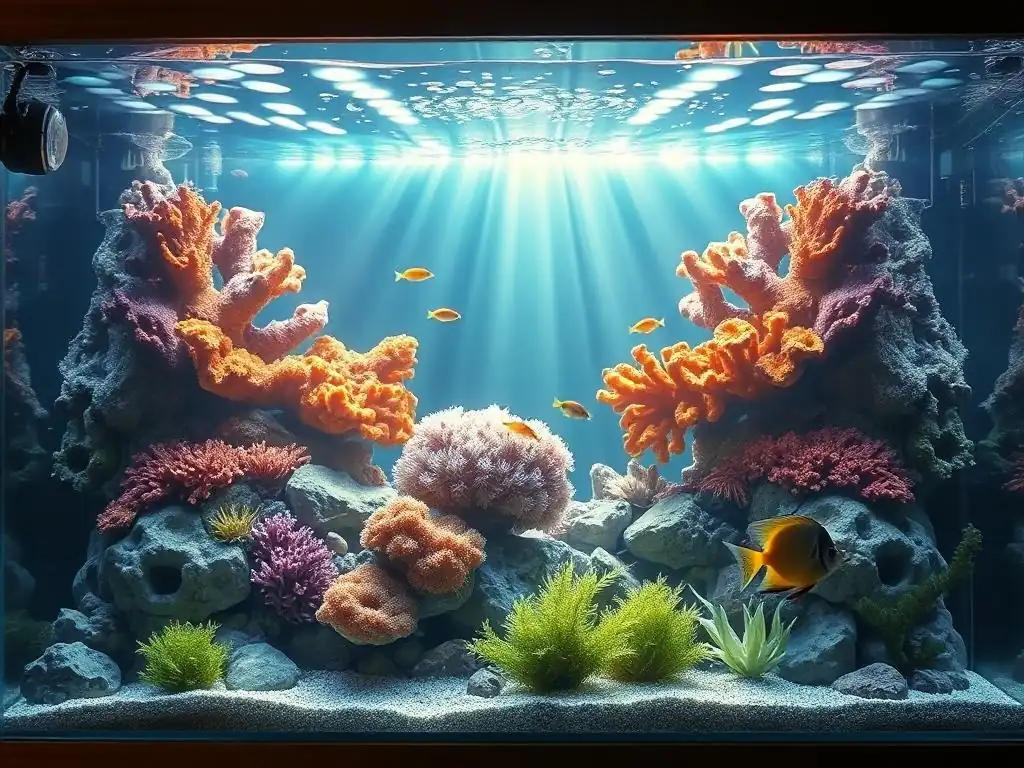
Welcome to Aquarium Mastery, your ultimate guide to the captivating world beneath the surface! Ever wondered how to ensure your Aquarium Starter Kit isn't just a fleeting hobby, but a thriving ecosystem for years to come? Dive in and unlock the secrets to aquarium starter kit longevity, transforming your initial investment into a long-lasting underwater paradise. Ready to discover how? Let's explore!
- Maximizing Aquarium Starter Kit Longevity: Your Guide to a Thriving Ecosystem
- Step 1: Understanding Your Aquarium Starter Kit's Components and Their Lifespan
- Step 2: Mastering Water Chemistry for Long-Term Aquarium Health
- Step 3: Upgrading Your Aquarium for Enhanced Performance
- Step 4: Preventing Common Problems to Extend Aquarium Life
- Investing in Aquarium Starter Kit Longevity: A Summary.
-
Frequently Asked Questions
- How long can an aquarium starter kit realistically last?
- What are the most common reasons an aquarium starter kit fails prematurely?
- Can I upgrade components of my aquarium starter kit to extend its lifespan?
- What maintenance routines are crucial for ensuring the longevity of my starter kit?
- How do I know when it's time to replace my aquarium starter kit entirely?
- Final Reflection: Nurturing Aquatic Ecosystems for Enduring Beauty
- Cultivate Your Aquarium Haven: Start Thriving Now!
Maximizing Aquarium Starter Kit Longevity: Your Guide to a Thriving Ecosystem
Many hobbyists view an aquarium starter kit as a temporary first step, but with the right knowledge and consistent effort, these comprehensive packages can serve as the foundation for a thriving aquatic ecosystem for many years. The key to unlocking true aquarium starter kit longevity lies in understanding its components, mastering essential maintenance, and knowing when strategic upgrades can enhance performance. This guide will walk you through the secrets to transform your initial investment into a lasting aquatic masterpiece.
Step 1: Understanding Your Aquarium Starter Kit's Components and Their Lifespan
Before you can ensure the long-term success of your aquarium, it's crucial to understand the purpose and typical lifespan of the core components included in most starter kits. Each element plays a vital role in maintaining a stable and healthy environment for your aquatic inhabitants. Knowing their limits and maintenance requirements is the first step toward achieving impressive aquarium starter kit longevity.
Examining the Essentials: Filter, Heater, and Lighting Systems
The filtration system is arguably the most critical component of any aquarium, responsible for mechanical, chemical, and biological filtration. Most starter kits include either hang-on-back (HOB) or internal power filters. While the pumps in these filters can often operate for 3 to 5 years, and sometimes even longer with meticulous cleaning, their media requires regular attention.
Mechanical filter floss or sponges should be rinsed weekly during water changes and replaced every few weeks, while chemical media like activated carbon typically needs replacement every 2 to 4 weeks to remain effective. Biological media, such as ceramic rings or bio-balls, should ideally last indefinitely, provided it's never cleaned with tap water or allowed to dry out, as this would destroy the beneficial bacterial colonies.
Heaters, essential for maintaining stable water temperatures, are another core component. Standard submersible heaters found in starter kits typically have a lifespan of 2 to 5 years. However, they are prone to sudden failure, often due to internal element burnout or cracks in the glass casing caused by mishandling or rapid temperature changes (e.g., removing a hot heater from water).
Regular visual inspection for cracks and ensuring the heater is always fully submerged when operational are critical practices. A heater that fails can lead to rapid temperature drops, causing immense stress or even death to fish, severely impacting the aquarium starter kit longevity of your livestock.
Lighting systems in starter kits vary widely, from basic incandescent bulbs to more efficient LEDs. Fluorescent bulbs (T8 or T5) often included in older kits or budget options, typically need replacement every 6 to 12 months, even if they still light up, because their light spectrum degrades over time, becoming less effective for plant growth and potentially encouraging algae.
Modern LED fixtures, while a higher initial cost, boast a significantly longer operational lifespan, often 3 to 5 years or more, before noticeable degradation. However, even LEDs can suffer from reduced output over time, and their drivers can fail prematurely if exposed to moisture or power surges.
Initial Setup Impact: Proper Placement and Substrate Choices
The initial placement of your aquarium is far more critical than many new hobbyists realize, directly influencing the long-term stability and health of the tank. Placing an aquarium in direct sunlight, for instance, can lead to uncontrolled algae blooms within weeks, necessitating frequent scraping and disrupting the aesthetic balance. Furthermore, locations near heating or cooling vents can cause drastic daily temperature swings, stressing fish and putting undue strain on the heater, potentially shortening its lifespan. A stable environment, away from direct drafts, high foot traffic, and temperature extremes, is paramount for the overall aquarium starter kit longevity.
Substrate choice, while seemingly simple, also plays a crucial role in the long-term health of your aquatic ecosystem. A well-chosen substrate provides a vast surface area for beneficial bacteria to colonize, contributing significantly to biological filtration. Fine gravel (2-3 mm diameter) or specialized planted tank substrates offer optimal conditions for root development in live plants and allow for easy cleaning of detritus.
Conversely, very fine sand can compact and create anaerobic pockets if not regularly disturbed, leading to the release of harmful gases like hydrogen sulfide. Inadequate substrate depth or type can hinder biological processes, leading to persistent water quality issues that undermine the stability and aquarium starter kit longevity of the entire system.
Step 2: Mastering Water Chemistry for Long-Term Aquarium Health
Consistent water quality is the single most important factor in maintaining a healthy and thriving aquarium for years. Even the most advanced equipment cannot compensate for neglected water chemistry. Understanding and actively managing the aquatic environment within your tank is fundamental to ensuring aquarium starter kit longevity for both your equipment and your inhabitants.
The Importance of Regular Water Testing
Regular water testing is the hobbyist's primary diagnostic tool, allowing for early detection of imbalances before they become critical. Key parameters to monitor include ammonia (NH₃/NH₄⁺), nitrite (NO₂⁻), nitrate (NO₃⁻), pH, general hardness (GH), and carbonate hardness (KH). During the initial nitrogen cycling phase, daily testing for ammonia and nitrite is crucial, as even small spikes above 0 ppm can be lethal to fish.
Once cycled, weekly testing for nitrate, pH, and hardness is generally sufficient. For instance, maintaining nitrates below 20 ppm is ideal for most freshwater community tanks, while a pH range of 6.5-7.5 suits a vast majority of common aquarium species.
Ignoring water parameters can have catastrophic consequences. A sudden pH crash, often due to depleted KH (buffer capacity), can stress fish to the point of death within hours. Persistently high nitrates, accumulating from fish waste and uneaten food, can lead to chronic stress, weakened immune systems, and susceptibility to diseases like fin rot. By regularly testing and understanding these chemical indicators, you gain the foresight to make necessary adjustments – such as performing extra water changes or adjusting feeding habits – thereby preventing major crises and significantly contributing to the aquarium starter kit longevity of your aquatic life.
Water Changes: The Cornerstone of Aquarium Maintenance
Water changes are arguably the most impactful and non-negotiable aspect of long-term aquarium maintenance. They serve multiple vital functions: removing accumulated nitrates and other dissolved organic compounds (DOCs), replenishing essential trace elements, and restoring the water's buffering capacity. For most established freshwater aquariums, a weekly or bi-weekly water change of 25-30% of the tank volume is recommended. For example, in a 20-gallon tank, changing 5-6 gallons weekly can effectively keep nitrates in check, preventing them from soaring to dangerous levels like 40-80 ppm.
Beyond nitrate reduction, regular water changes prevent the buildup of growth-inhibiting hormones that fish release, ensuring they can grow to their full potential. They also replenish minerals like calcium and magnesium, vital for fish bone health and plant growth, which are gradually depleted over time. Furthermore, consistent water changes help stabilize pH by replenishing KH, preventing the "old tank syndrome" where water becomes overly acidic and devoid of vital elements. This consistent replenishment and removal of waste products are absolutely critical for maintaining a stable environment, which is the bedrock of aquarium starter kit longevity.
Step 3: Upgrading Your Aquarium for Enhanced Performance
While starter kits provide a solid foundation, they are often designed for basic functionality. As your passion for the hobby grows, or as your tank's needs evolve, strategic upgrades can significantly enhance performance, efficiency, and ultimately, the aquarium starter kit longevity of your entire system.
Filter Upgrades: Moving Beyond the Basics
The filters included in many starter kits are adequate for low-bioload setups, but they can quickly become overwhelmed as fish grow or if the tank becomes more heavily stocked. When considering an upgrade, moving from a basic internal filter or small HOB to a larger HOB with more media capacity, or even a canister filter, is a common and highly beneficial step.
A quality canister filter, such as an Eheim Classic or Fluval 07 series, can offer vastly superior mechanical, chemical, and biological filtration due to its much larger media volume. For instance, a 75-gallon rated canister filter might hold 2-3 liters of biological media, compared to a few hundred milliliters in a typical starter kit HOB.
The benefits of a filter upgrade extend beyond just increased filtration capacity. Canister filters often operate much quieter than HOBs, and their sealed design reduces evaporation. They also provide more flexibility for various filter media, allowing for specialized chemical filtration (e.g., purigen for clarity, phosphate removers for algae control) and a more robust biological filter that can handle higher bioloads with ease. This enhanced filtration capability directly translates to more stable water parameters, less frequent maintenance, and a healthier environment for your fish, significantly contributing to the aquarium starter kit longevity.
Lighting Upgrades: Supporting Plant Growth and Fish Health
The lighting systems in many starter kits are often basic LEDs or fluorescent tubes designed simply to illuminate the tank, not necessarily to support vigorous plant growth or enhance fish coloration. If you aspire to cultivate a lush planted aquarium, or if you want to bring out the vibrant hues of your fish, a lighting upgrade is essential.
Full-spectrum LED lights, such as the Chihiros WRGB II or Fluval Plant 3.0, provide the necessary Photosynthetically Active Radiation (PAR) and spectrum (e.g., red and blue wavelengths) for plants to thrive. Basic kit lights might offer PAR values of 10-20 µmol/m²/s at the substrate, whereas demanding plants often require 30-50 µmol/m²/s or higher.
Beyond plant growth, advanced lighting can dramatically improve the visual appeal of your aquarium by making fish colors "pop" and creating a more naturalistic environment. Many modern LED fixtures also offer programmable timers, dimming capabilities, and even sunrise/sunset effects, reducing stress on fish and mimicking natural cycles. While an investment, a superior lighting system can reduce algae issues (by promoting healthy plant competition for nutrients), boost overall plant health, and create a more enjoyable viewing experience, all of which contribute to the long-term success and aquarium starter kit longevity.
Heater Upgrades: Ensuring Consistent Temperature
While starter kit heaters are functional, they may not offer the precision or reliability needed for sensitive fish species or larger tanks. Upgrading your heater can provide greater peace of mind and more consistent temperature control. Options include more robust titanium heaters, known for their durability and resistance to breakage, or external inline heaters that integrate with canister filters, keeping the heater out of the tank and providing more uniform heat distribution. For larger tanks (e.g., 50 gallons or more), using two smaller heaters instead of one large one offers a crucial layer of redundancy.
This redundancy is a critical safety measure. Should one heater fail, the other can often maintain the temperature until the issue is resolved, preventing a catastrophic temperature drop that could wipe out an entire fish population. Moreover, higher-quality heaters often feature more accurate thermostats, ensuring the tank remains within a tight temperature range (e.g., +/- 1°F), which is vital for the health of delicate species like Discus or certain invertebrates. Investing in a reliable heating solution is a preventive measure that protects your aquatic inhabitants and significantly contributes to the overall aquarium starter kit longevity.
Step 4: Preventing Common Problems to Extend Aquarium Life
Proactive problem prevention is far more effective and less stressful than reactive problem-solving. By understanding the common pitfalls of aquarium keeping and implementing preventative strategies, you can ensure a healthier, more stable environment that promotes aquarium starter kit longevity for years.
Algae Control: Maintaining a Clean and Balanced Ecosystem
Algae is a natural part of any aquatic ecosystem, but uncontrolled blooms can quickly turn an attractive tank into an unsightly chore. The primary culprits behind excessive algae growth are overfeeding, too much light (duration or intensity), and high nutrient levels (nitrate and phosphate). For instance, leaving aquarium lights on for more than 8-10 hours a day, especially with direct sunlight exposure, almost guarantees a green algae outbreak. Similarly, uneaten food or infrequent water changes lead to nutrient accumulation that fuels algae.
Effective algae control involves a multi-pronged approach. Firstly, establish a consistent light schedule, typically 8 hours a day, using a timer. Secondly, avoid overfeeding; feed only what your fish can consume in 2-3 minutes, once or twice a day. Thirdly, perform regular water changes to export excess nutrients.
Introducing specific algae-eating inhabitants, such as Otocinclus catfish for diatom algae or Nerite snails for green spot algae, can also be highly effective. A well-planted tank also helps by outcompeting algae for available nutrients. By diligently managing these factors, you maintain a clean, balanced ecosystem that greatly enhances the aesthetic and functional aquarium starter kit longevity.
Disease Prevention: Protecting Your Fish Population
Most fish diseases in home aquariums are stress-related, often triggered by poor water quality, sudden temperature fluctuations, or improper diet. For example, ammonia spikes, even brief ones, can severely compromise a fish's immune system, making it highly susceptible to common parasites like Ich (white spot disease), which can spread rapidly through an entire tank. A stable environment and robust immune system are the best defenses.
The most crucial preventative measure is a strict quarantine protocol for all new fish. Before introducing any new fish to your main display tank, house them in a separate quarantine tank for 2-4 weeks. During this period, observe them closely for signs of disease (e.g., clamped fins, white spots, labored breathing) and treat as necessary.
This simple step can prevent devastating outbreaks that could wipe out your existing, healthy fish population. Additionally, maintaining consistent water parameters through regular testing and water changes, providing a high-quality and varied diet, and avoiding overcrowding are fundamental. Daily observation of your fish for any behavioral changes or physical abnormalities allows for early intervention, protecting your aquatic investment and ensuring the long-term health and aquarium starter kit longevity of your entire setup.
Investing in Aquarium Starter Kit Longevity: A Summary.
Achieving impressive aquarium starter kit longevity is not just a dream, but a tangible outcome of informed choices and consistent care. It begins with a thorough understanding of each component's role and lifespan, from filters to heaters and lighting. Mastering water chemistry through regular testing and diligent water changes forms the unbreakable backbone of a healthy aquarium.
Strategic upgrades to filtration, lighting, and heating systems can significantly enhance performance and efficiency, adapting your starter kit to evolving needs. Finally, a proactive approach to problem prevention, focusing on algae control and disease prevention, safeguards your aquatic inhabitants and ensures the long-term stability of the entire ecosystem. By embracing these practices, your initial aquarium starter kit can indeed thrive for years, becoming a lasting source of beauty and tranquility in your home.
Frequently Asked Questions
How long can an aquarium starter kit realistically last?
An aquarium starter kit's longevity depends on maintenance and component quality. With proper care and upgrades, you can expect a well-maintained kit to last for several years. Consider replacing components as needed.
What are the most common reasons an aquarium starter kit fails prematurely?
Common reasons include poor water quality, overfeeding, and neglecting regular maintenance. Also, overcrowding the tank or using inappropriate equipment can lead to premature failure.
Can I upgrade components of my aquarium starter kit to extend its lifespan?
Absolutely! Upgrading the filter, heater, or lighting can significantly improve your aquarium's environment and extend its lifespan. Investing in quality components is a worthwhile long-term strategy.
What maintenance routines are crucial for ensuring the longevity of my starter kit?
Regular water changes, filter cleaning, and substrate vacuuming are essential. Monitor water parameters like pH, ammonia, and nitrite and adjust as needed to maintain a healthy environment.
How do I know when it's time to replace my aquarium starter kit entirely?
If the tank itself is leaking or irreparably damaged, or the cost of repairs exceeds the value of a new kit, it's time to replace it. Also, if you're significantly upgrading to a larger tank or more advanced system, a new kit might be more efficient.
Final Reflection: Nurturing Aquatic Ecosystems for Enduring Beauty
The journey from a simple aquarium starter kit to a thriving aquatic ecosystem is a testament to the power of patience, knowledge, and consistent care. Understanding the principles of aquarium starter kit longevity is not merely about keeping fish alive; it's about fostering a balanced environment where life can flourish for years to come, bringing joy and tranquility to our homes. This commitment to long-term success transforms a hobby into a rewarding experience that connects us to the natural world.
The impact of responsible aquarium keeping extends beyond the glass walls of our tanks. It teaches us valuable lessons about ecological balance, the interconnectedness of life, and the importance of sustainable practices. It also fosters a deeper appreciation for the delicate beauty of aquatic life. In nature, nothing is perfect and everything is perfect. Trees can be contorted, bent in weird ways, and they're still beautiful.
- Alice Walker. This quote reminds us that even within the controlled environment of an aquarium, embracing the natural processes and imperfections leads to a more vibrant and resilient ecosystem.
Now, as you consider the insights shared in this article, I invite you to reflect on your own relationship with the natural world. How can you apply the principles of long-term care and mindful stewardship to other aspects of your life? Embrace the challenge of nurturing growth, fostering balance, and creating environments where life can thrive, not just within an aquarium, but in all your endeavors. Let the enduring beauty of a well-maintained aquarium inspire you to cultivate lasting success in every facet of your life.
Cultivate Your Aquarium Haven: Start Thriving Now!
Thank you for diving into the secrets of long-term aquarium success! We hope you've gained valuable insights to ensure your starter kit flourishes for years to come. Ready to take the next step and create an extraordinary underwater world?
Here are a few ways to keep the momentum going:
- Master Your Water Chemistry: Commit to testing your aquarium water parameters weekly for the next month. Track your results and adjust your maintenance routine accordingly for long-term stability.
- Explore the fascinating world of aquascaping. Experiment with different layouts and plant combinations to create a visually stunning and enriching environment for your fish.
- Share your aquarium journey! Post photos and videos of your thriving aquarium on social media using #AquariumMastery and inspire others to create their own underwater havens.
What's the first unique element you plan to introduce to your aquarium's ecosystem this week, and how will it enhance the lives of your aquatic inhabitants?