
The Fascinating World of Discosoma Mushrooms: Colors & Patterns Galore

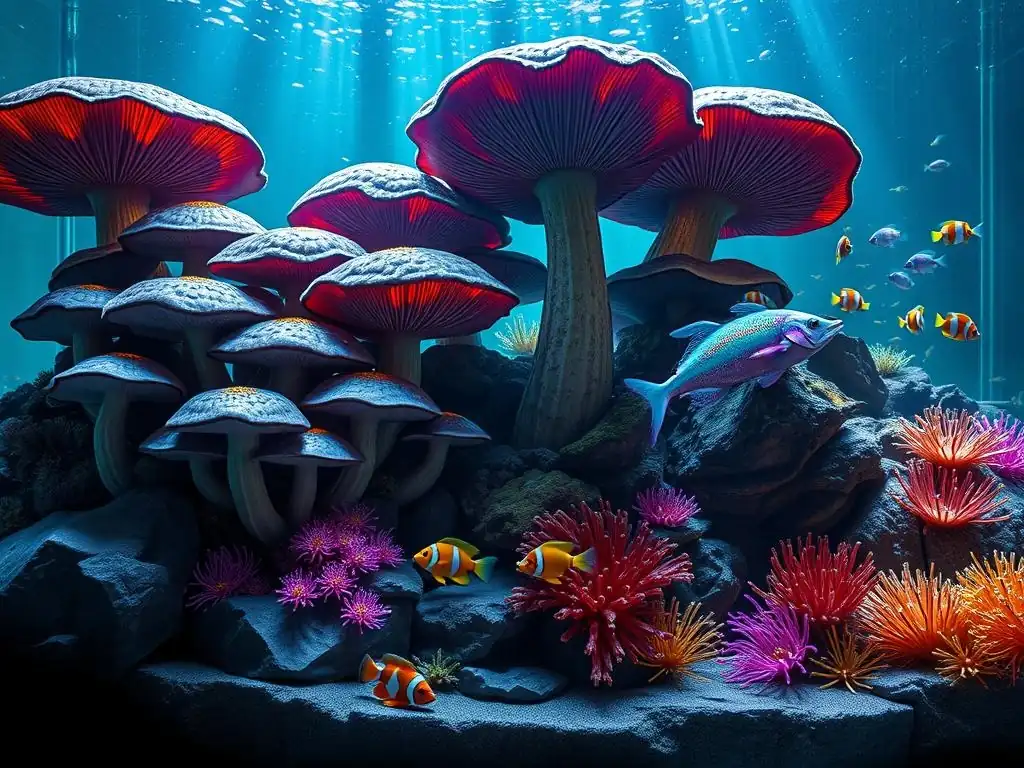
Welcome to Aquarium Mastery!
Dive into the vibrant and captivating world of reef aquariums! Are you ready to unlock the secrets behind the stunning kaleidoscope of colors and patterns found in Discosoma mushrooms? This guide will explore the amazing diversity of these fascinating corals, offering everything you need to know to appreciate and potentially care for them. Get ready to be amazed by the incredible beauty awaiting you!
- The Captivating World of Discosoma Mushrooms: A Reef Keeper's Delight
- Introduction to Discosoma Mushrooms
- Exploring Discosoma Mushroom Colors
- Understanding Discosoma Mushroom Patterns
- Caring for Discosoma Mushrooms
- Discosoma Mushroom Placement and Compatibility
- Propagating Discosoma Mushrooms
- Addressing Discosoma Mushroom Problems
- Discosoma Mushroom Gallery
- Conclusion: Beauty and Diversity
-
Frequently Asked Questions
- What makes Discosoma mushrooms so popular in reef aquariums?
- What are some of the most sought-after Discosoma mushroom colors and patterns?
- How does water quality affect the coloration of Discosoma mushrooms?
- Are Discosoma mushrooms aggressive towards other corals in a reef tank?
- Where can I find more information about Discosoma mushroom care and identification?
- Final Reflection: Embracing the Kaleidoscope of Life
- Unveil Your Reef's Potential: A Discosoma Transformation!
The Captivating World of Discosoma Mushrooms: A Reef Keeper's Delight
Introduction to Discosoma Mushrooms
What are Discosoma Mushrooms?
Discosoma mushrooms, often simply called mushroom corals or disc anemones, belong to the order Corallimorpharia and the family Discosomatidae. Unlike stony corals, they lack a hard, calcified skeleton, instead featuring a soft, fleshy body that can expand and contract significantly. These fascinating invertebrates typically attach themselves to live rock or the aquarium substrate via a basal disc, displaying a prominent oral disc that varies in texture from smooth to bubbly or even hairy, depending on the specific species and morph.
Known for their remarkable resilience and adaptability, Discosoma mushrooms are a popular choice for both novice and experienced reef aquarists. They can range in size from tiny frags of less than an inch in diameter to mature specimens reaching up to 6 inches across, forming vibrant carpets of color in a well-established reef tank. Their unique ability to reproduce both sexually and asexually, often through budding or fission, makes them excellent candidates for propagation, allowing hobbyists to easily expand their collection or trade with others.
Benefits of Keeping Discosoma Mushrooms in Reef Aquariums
Incorporating Discosoma mushrooms into a reef aquarium offers numerous benefits, making them a highly desirable addition. Foremost among these is their incredible aesthetic appeal, as they display an astonishing array of Discosoma mushroom colors patterns, ranging from vibrant reds and greens to iridescent blues and purples. This diversity allows aquarists to create visually stunning and dynamic underwater landscapes, adding a crucial element of soft texture and movement to the hardscape of rock and stony corals.
Beyond their beauty, Discosoma mushrooms are celebrated for their hardiness and relatively low maintenance requirements compared to many other coral species. They are generally tolerant of minor fluctuations in water parameters, making them forgiving for those still mastering the intricacies of reef keeping. Furthermore, their ease of propagation means that a small initial investment can quickly grow into a thriving colony, providing a sustainable source of new corals for the hobbyist or for trading within the community. They also contribute to the overall biodiversity of the tank, providing microhabitats for various small invertebrates.
Exploring Discosoma Mushroom Colors
Red Discosoma: Intensity and Rarity
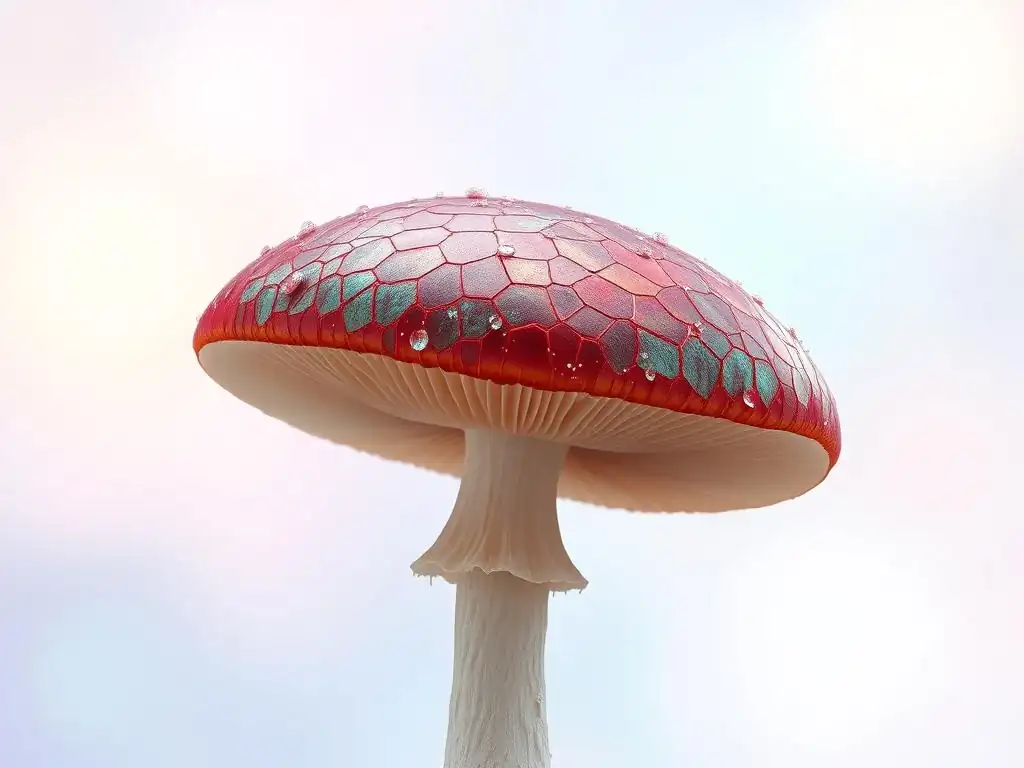
Red Discosoma mushrooms are among the most sought-after color morphs, prized for their intense and captivating hues. These can range from deep crimson and burgundy to fiery orange-red, often exhibiting a velvety or iridescent sheen that truly stands out in a reef tank. The vibrancy of these red Discosoma mushroom colors patterns can be truly mesmerizing, drawing the eye and adding a focal point to any aquascape. Certain highly prized morphs, such as the "Superman" Discosoma, often feature significant red coloration alongside other distinct colors, contributing to their rarity and higher market value.
Achieving and maintaining the most intense red coloration often depends on a combination of genetic predisposition and optimal tank conditions. While Discosoma are generally low-light corals, some aquarists observe that specific red pigments can be enhanced under certain light spectrums, particularly those with a good balance of blue and white light. Stable water parameters, including low nitrates (ideally below 5-10 ppm) and phosphates (below 0.05 ppm), are crucial for overall coral health, which directly impacts the richness and saturation of these vibrant red Discosoma mushroom colors patterns.
Green Discosoma: Variations and Popularity
Green Discosoma mushrooms are perhaps the most common and widely available color morph, yet their popularity remains unwavering due to their incredible range of shades and often striking fluorescence. Variations span from pale lime green and mint to deep emerald and forest green, with many morphs exhibiting a brilliant, almost otherworldly glow under actinic (blue) lighting. This strong fluorescence makes them a staple in many reef tanks, providing a captivating visual spectacle, especially during evening hours when only blue lights are on.
The abundance of green Discosoma morphs also means they are typically more affordable, making them an excellent entry point for new aquarists looking to add vibrant Discosoma mushroom colors patterns without a significant financial commitment. Popular examples include the "Neon Green" Discosoma, known for its intense, almost artificial brightness, and the "Hairy Green" Discosoma, which features longer, more prominent tentacles that give it a shaggy appearance. Their robust nature and ability to thrive in a wide range of lighting and flow conditions further contribute to their widespread appeal.
Blue Discosoma: A Unique Color Morph
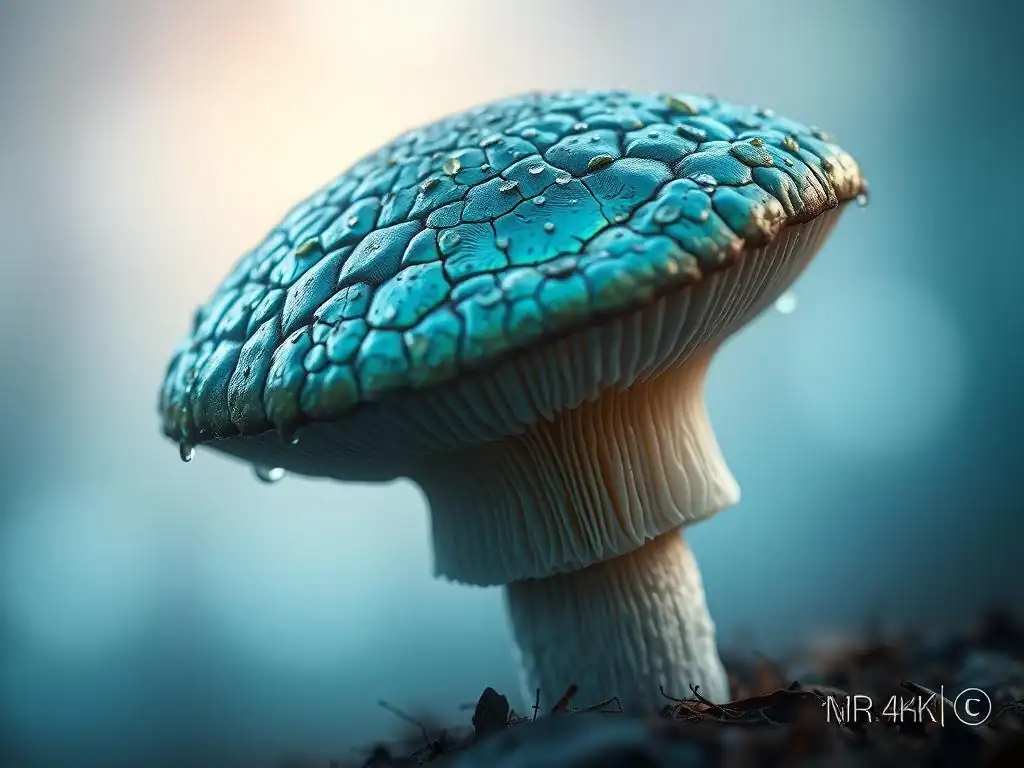
Blue Discosoma mushrooms represent a unique and often highly coveted segment of the Discosoma family, distinguished by their captivating blue Discosoma mushroom colors patterns. These can vary from delicate sky blue and turquoise to deep sapphire and indigo, frequently displaying an iridescent or metallic shimmer that catches the light beautifully. Unlike the more common reds and greens, true blue Discosoma morphs are less frequently encountered, making them a special find for collectors and enthusiasts seeking distinct and unusual coloration for their reef tanks.
The "Metallic Blue" Discosoma is particularly renowned for its chrome-like sheen, which gives the coral a distinct, almost liquid appearance. The intensity of these blue hues is often enhanced under specific LED lighting that emphasizes the blue spectrum, bringing out their unique iridescence. While their care requirements are similar to other Discosoma, maintaining stable water chemistry and providing appropriate, not overly intense, lighting are key to preserving and intensifying their unique blue Discosoma mushroom colors patterns.
Factors Influencing Coloration: Light and Water Quality
The stunning Discosoma mushroom colors patterns observed in our aquariums are primarily influenced by two critical environmental factors: lighting and water quality. Light intensity and spectrum play a significant role; while Discosoma generally prefer low to moderate PAR (Photosynthetically Active Radiation) levels, typically ranging from 30 to 100 PAR, the specific wavelengths within that spectrum can greatly impact pigment expression.
For instance, a higher proportion of blue light (around 450-470 nm) can enhance the fluorescence of green and blue morphs, making them pop, while some red pigments may benefit from a broader spectrum. Too much light, however, can lead to bleaching, causing the coral to lose its vibrant Discosoma mushroom colors patterns, while too little can result in browning as the zooxanthellae (symbiotic algae) within the coral attempt to maximize light absorption.
Beyond lighting, pristine and stable water quality is paramount for maintaining vibrant Discosoma mushroom colors patterns. Consistent parameters such as alkalinity (8-12 dKH), calcium (400-450 ppm), and magnesium (1250-1350 ppm) are essential for overall coral health and cellular function, which indirectly supports color vibrancy.
Crucially, keeping nitrates below 10 ppm and phosphates below 0.05 ppm is vital, as elevated nutrient levels can stress corals, leading to duller coloration or even promoting nuisance algae growth that can smother them. Regular water changes, typically 10-20% monthly, help replenish trace elements and export waste, contributing significantly to the long-term health and brilliant Discosoma mushroom colors patterns of these captivating corals.
Understanding Discosoma Mushroom Patterns
Bullseye Patterns
Bullseye patterns in Discosoma mushrooms are characterized by concentric rings of contrasting colors, much like a target or an eye. This striking pattern typically features a distinct color in the center of the oral disc, surrounded by one or more rings of different hues that radiate outwards towards the edge.
For example, a Discosoma might exhibit a vibrant green center encircled by a ring of intense red, and then perhaps an outer band of blue or purple, creating a truly intricate and captivating visual. While often associated with the highly sought-after "Jawbreaker" Rhodactis mushrooms, certain Discosoma morphs also display these mesmerizing bullseye Discosoma mushroom colors patterns, making them highly desirable for their unique aesthetic.
The formation and prominence of bullseye patterns can evolve as the Discosoma grows and matures. A small frag might initially show only hints of the pattern, with the full concentric rings becoming more defined as the coral expands in size. Environmental factors, particularly stable lighting conditions and water chemistry, play a role in the clarity and intensity of these patterns. Aquarists often seek out these patterned morphs to add a unique graphical element to their reef tanks, as the distinct layering of Discosoma mushroom colors patterns creates a focal point that captures attention.
Striped Patterns
Striped patterns, though less common and often more subtle in Discosoma mushrooms compared to some other mushroom species like Ricordea, can still be observed in certain morphs. These patterns typically manifest as radial lines or bands of color that extend from the center of the oral disc towards its periphery. Instead of distinct concentric rings, the colors are arranged in elongated segments, creating a striped or segmented appearance across the mushroom's surface. For instance, a Discosoma might display alternating bands of green and brown, or subtle lines of iridescent blue radiating from its mouth.
These striped Discosoma mushroom colors patterns often contribute to a more organic and natural look within the aquarium, blending various hues in a linear fashion. The visibility of these stripes can sometimes depend on the expansion of the mushroom and the angle of light hitting its surface. While not as boldly defined as the bullseye or spotted patterns, the presence of subtle striping adds another layer of complexity and visual interest to the diverse world of Discosoma, highlighting the incredible genetic variability within the species.
Spotted Patterns
Spotted patterns in Discosoma mushrooms involve the presence of distinct, often contrasting, spots or flecks of color distributed across the oral disc. These spots can be irregular in shape and size, or they might be more uniformly distributed, creating a speckled or mottled appearance. For example, a brilliant red Discosoma might be adorned with vibrant green spots, or a deep blue mushroom could feature shimmering iridescent flecks scattered across its surface. This unique arrangement of Discosoma mushroom colors patterns adds a dynamic and often whimsical element to the coral.
Each spotted Discosoma mushroom can exhibit a unique arrangement of these markings, making individual specimens truly one-of-a-kind. The contrast between the base color and the spotted hues creates a visually engaging effect, especially when observed under proper aquarium lighting. The development and clarity of these spotted Discosoma mushroom colors patterns can vary with the coral's age and health, with well-cared-for specimens often displaying more pronounced and vibrant spots, adding to their allure in a reef setup.
Pattern Evolution and Change
The patterns observed on Discosoma mushrooms are not always static; they can evolve and change over time, adding another layer of fascination for aquarists. As a Discosoma frag grows into a mature specimen, its initial subtle markings might become more pronounced, or entirely new features of its Discosoma mushroom colors patterns may emerge. For instance, a young mushroom with a simple base color might develop intricate bullseye rings or distinct spots as it expands and its tissues mature, revealing its full genetic potential. This transformation makes observing their growth a rewarding experience.
Environmental factors, particularly lighting conditions, can also influence the visibility and intensity of these patterns. A change in PAR levels or light spectrum might cause certain pigments to become more dominant, altering the appearance of the stripes or spots.
Furthermore, during propagation, whether through natural fission or manual fragging, the resulting new mushrooms often carry the same genetic predisposition for specific Discosoma mushroom colors patterns, but their individual expression might vary slightly depending on their initial size and the specific conditions they encounter as they grow. This dynamic aspect means that a Discosoma collection is always evolving, offering continuous visual interest.
Caring for Discosoma Mushrooms
Water Parameters
Maintaining stable and appropriate water parameters is paramount for the health and vibrant Discosoma mushroom colors patterns of your corals. For Discosoma, the ideal temperature range is between 74-78°F (23-26°C), with minimal daily fluctuations. Salinity should be kept stable at 1.025-1.026 specific gravity, or 35 ppt. While Discosoma are relatively forgiving, consistent levels of alkalinity (8-12 dKH), calcium (400-450 ppm), and magnesium (1250-1350 ppm) are crucial for their overall vitality, even though they do not build a stony skeleton. These elements support cellular function and general metabolic processes.
Furthermore, low nutrient levels are essential for preventing nuisance algae growth and promoting optimal health, which directly impacts the brilliance of Discosoma mushroom colors patterns. Nitrates should ideally be kept below 10 ppm, and phosphates below 0.05 ppm. Regular weekly or bi-weekly water changes, typically 10-20% of the tank volume, are highly recommended. This practice helps replenish vital trace elements that corals consume and exports undesirable waste products, ensuring a clean and stable environment for these soft corals to thrive and display their full spectrum of Discosoma mushroom colors patterns.
Lighting
Discosoma mushrooms are generally considered low to moderate light corals, making them suitable for a wide range of aquarium setups. They thrive best under PAR levels typically ranging from 30 to 100. Providing too much intense light can be detrimental, leading to shrinking, bleaching (loss of color), or even tissue necrosis, as their symbiotic zooxanthellae become overstressed. Conversely, insufficient light can cause browning and a dull appearance, as the zooxanthellae struggle to photosynthesize effectively, diminishing the vibrancy of their Discosoma mushroom colors patterns.
The spectrum of light also plays a crucial role in enhancing their aesthetic appeal. A lighting system that provides a good balance of blue and white light, often in the 14,000K-20,000K range, is ideal. The blue spectrum (actinics) particularly accentuates the natural fluorescence of many Discosoma mushroom colors patterns, making them glow vibrantly. When introducing new Discosoma to your aquarium, it is advisable to acclimate them gradually to your lighting by placing them in a shaded area initially and slowly moving them to their preferred location over a period of days or weeks, allowing them to adjust without stress.
Feeding
While Discosoma mushrooms primarily derive their nutrition through photosynthesis from their symbiotic zooxanthellae, they are also capable of capturing and consuming small particulate matter from the water column. This makes them largely self-sufficient in a well-established reef aquarium with a healthy fish population. The waste products from fish and other inhabitants, along with general detritus, can provide a supplemental food source.
However, supplemental feeding can encourage faster growth and potentially enhance the vibrancy of Discosoma mushroom colors patterns. They will readily accept small, specialized coral foods such as zooplankton, phytoplankton, or powdered coral diets (e.g., Reef Roids). Target feeding individual mushrooms with a pipette once or twice a week can be beneficial. It's important to feed sparingly to avoid overfeeding, which can degrade water quality and contribute to nuisance algae growth. A healthy, well-fed Discosoma will expand fully and display robust Discosoma mushroom colors patterns.
Discosoma Mushroom Placement and Compatibility
Ideal Placement
Proper placement is crucial for the long-term health and growth of Discosoma mushrooms, directly influencing their ability to display their vibrant Discosoma mushroom colors patterns. These soft corals prefer low to moderate water flow. Excessive flow can cause them to remain retracted, prevent them from extending fully, or even detach them from their substrate. Gentle, indirect flow that allows their oral disc to gently sway is ideal, ensuring they receive nutrients without being constantly buffeted.
In terms of location within the tank, Discosoma generally thrive in the lower to mid-regions of the aquarium, away from direct, intense lighting. They can be placed on the sand bed or securely attached to live rock. It's important to provide them with ample space, as they can grow quite large—a single mushroom can reach up to 6 inches in diameter—and will often spread by budding or fission, forming large colonies.
Ensuring sufficient distance from aggressive stony corals (LPS and SPS) is critical, as these can extend sweeper tentacles that sting and damage Discosoma tissue, potentially dulling their Discosoma mushroom colors patterns. A minimum of 6-12 inches of separation is often recommended from such corals.
Compatible Tank Mates
Choosing compatible tank mates is essential for creating a harmonious reef environment where Discosoma mushrooms can thrive and display their full range of Discosoma mushroom colors patterns. Peaceful, reef-safe fish species are generally excellent companions. Examples include:
- Clownfish (e.g., Ocellaris, Percula)
- Gobies (e.g., Watchman, Yellow Clown)
- Blennies (e.g., Lawnmower, Tailspot)
- Cardinalfish (e.g., Banggai, Pajama)
- Dartfish (e.g., Firefish)
These fish typically do not bother corals and contribute to a balanced ecosystem.
Invertebrates such as various species of snails (e.g., Nassarius, Trochus, Turbo) and hermit crabs (e.g., Blue Leg, Red Leg) are also compatible, serving as part of the clean-up crew without posing a threat to Discosoma. Other soft corals, particularly other mushroom species like Rhodactis and Ricordea, as well as zoanthids and palythoa, can be kept alongside Discosoma, provided adequate space is given to prevent competition for light or territory. This allows for a diverse and colorful soft coral display that showcases a wide array of Discosoma mushroom colors patterns.
While Discosoma mushrooms are relatively hardy, certain tank mates can pose a threat to their well-being and the vibrancy of their Discosoma mushroom colors patterns. Aggressive fish species known to nip at or consume soft corals should be avoided. These include:
- Some species of Angelfish (e.g., Emperor Angelfish, although some are considered "reef-safe with caution," their behavior with soft corals can be unpredictable)
- Triggerfish
- Puffers
- Certain Butterflyfish (some species are obligate coralivores)
- Large predatory wrasses (some may disturb corals while hunting)
These fish can cause physical damage, stress, or even consume the Discosoma, leading to tissue loss and fading Discosoma mushroom colors patterns.
Certain invertebrates can also be problematic. While most crabs are beneficial, some larger or opportunistic species, such as certain Mithrax crabs, might nip at corals if food is scarce. More significantly, specific coral-eating nudibranchs, though rare, can specialize in feeding on Discosoma, causing rapid tissue loss.
Finally, highly aggressive stony corals, particularly many LPS (Large Polyp Stony) corals like Euphyllia (Hammer, Torch, Frogspawn) and Favia, and most SPS (Small Polyp Stony) corals like Acropora, possess powerful stinging nematocysts and long sweeper tentacles. These can inflict severe damage or even kill Discosoma if placed too closely, diminishing their health and vibrant Discosoma mushroom colors patterns. Maintaining significant distance, typically 6-12 inches, between Discosoma and such corals is crucial.
Propagating Discosoma Mushrooms
Fragging Techniques
Propagating Discosoma mushrooms is remarkably straightforward, contributing to their popularity among aquarists who enjoy expanding their collections or trading. They naturally reproduce through budding, where small "baby" mushrooms emerge from the base of the parent, or through fission, where the mushroom spontaneously divides itself in half. For manual propagation, two primary techniques are commonly employed, allowing hobbyists to create new specimens with specific Discosoma mushroom colors patterns.
The first technique involves carefully cutting the mushroom. Using a sharp, sterile scalpel or razor blade, a mature Discosoma can be cut into two to four pieces, ensuring that each piece contains a portion of the oral disc and some tissue from the central part of the mushroom. The second method, often preferred for its less invasive nature, involves placing the mushroom in a low-flow area of the tank on a piece of rubble or a frag plug.
Over time, the mushroom may naturally detach a piece of itself or spontaneously divide, resulting in new, independent mushrooms. After cutting, the fragged pieces can be gently secured to frag plugs or small pieces of live rock using coral glue (cyanoacrylate gel) or by carefully placing them in a small cup with rubble until they attach naturally, ensuring the new Discosoma mushroom colors patterns can develop fully.
Successful Propagation
Successful propagation of Discosoma mushrooms hinges on ensuring the newly fragged pieces heal and attach effectively. After cutting or natural fission, the most critical step is to secure the new Discosoma "frags" to a stable substrate. This is commonly achieved by applying a small dab of cyanoacrylate gel (super glue, gel consistency) to the base of the frag and pressing it onto a frag plug or a small piece of live rock. Alternatively, frags can be placed in a small, low-flow container within the display tank, surrounded by clean rubble, which encourages them to naturally attach as they heal.
Once attached, place the frags in an area of the tank with stable, moderate water flow and low to moderate lighting, similar to the conditions preferred by the parent coral. They typically begin to heal and attach within 1-2 weeks. During this period, avoid disturbing them.
With proper water parameters—stable alkalinity (8-12 dKH), calcium (400-450 ppm), and low nitrates (<10 ppm)—the new Discosoma will begin to grow and expand, eventually developing into full-sized mushrooms that display the same vibrant Discosoma mushroom colors patterns as the original. A single healthy, large mushroom can yield 4-8 viable frags, each capable of growing to 2-3 inches in diameter within a few months under optimal conditions, allowing aquarists to rapidly multiply their collection of stunning Discosoma mushroom colors patterns.
Addressing Discosoma Mushroom Problems
Bacterial Infections
Bacterial infections in Discosoma mushrooms can manifest as alarming symptoms, often leading to rapid tissue degradation and loss of their vibrant Discosoma mushroom colors patterns. Common signs include white patches appearing on the oral disc, areas of receding tissue, or a general sloughing off of the coral's flesh. These infections are often triggered by stress factors such as sudden changes in water parameters, physical damage during handling or fragging, or prolonged exposure to poor water quality (e.g., consistently high nitrates or phosphates).
Treatment typically involves isolating the affected Discosoma from the main display tank to prevent potential spread and to allow for targeted intervention. A common and effective treatment is an iodine dip, using a product like Lugol's solution.
A typical procedure involves dipping the coral in a separate container of tank water with 1-2 drops of Lugol's solution per cup of water for 10-15 minutes, ensuring the water is temperature-matched. Concurrently, addressing the underlying cause by rectifying water quality issues—such as performing large water changes (e.g., 20-30%) and improving nutrient export—is crucial for the coral's recovery and the return of its healthy Discosoma mushroom colors patterns.
Algae Overgrowth
Algae overgrowth is a common problem in reef aquariums that can severely impede the health and appearance of Discosoma mushrooms, often obscuring their beautiful Discosoma mushroom colors patterns. Various types of nuisance algae, including hair algae, film algae, and cyanobacteria, can proliferate on the mushroom's surface or surrounding rockwork, competing for light and nutrients, and potentially smothering the coral. This issue is almost always a symptom of elevated nutrient levels (high nitrates, phosphates) in the water column, insufficient water flow, or excessive lighting that favors algae growth over coral health.
Addressing algae overgrowth requires a multi-pronged approach. Manual removal of algae from the mushroom and surrounding areas is a temporary fix but provides immediate relief.
Long-term solutions involve identifying and correcting the root cause of the nutrient imbalance; this may include performing more frequent or larger water changes (e.g., 20% weekly), reducing feeding, improving filtration (e.g., adding a protein skimmer, refugium, or GFO reactor), and ensuring adequate water flow around the Discosoma to prevent detritus accumulation. Introducing a diverse clean-up crew, such as various species of snails (e.g., Turbo, Trochus, Cerith) and hermit crabs, can also help manage algae, allowing the Discosoma mushroom colors patterns to shine through.
Pest Identification and Removal
While Discosoma mushrooms are relatively hardy, they are not entirely immune to pests that can damage them and diminish their vibrant Discosoma mushroom colors patterns. The most notorious specific pest for Discosoma is the Discosoma nudibranch (e.g., Phyllodesmium acanthorhinum), a small, camouflaged sea slug that specializes in feeding on these corals. Signs of their presence include bite marks on the mushroom's oral disc, shrinking, or a gradual disappearance of the coral, as these pests are highly adept at blending in. Another common nuisance, though not a specific Discosoma pest, is Aiptasia anemones, which can sting and irritate nearby corals.
Regular, close inspection of your Discosoma mushrooms is the best defense against pests. If Discosoma nudibranchs are identified, manual removal with tweezers is the primary method, often followed by a brief freshwater dip (30-60 seconds in RO/DI water matched to tank temperature) to dislodge any remaining pests or their eggs. For Aiptasia, methods include target injection with kalkwasser paste or Aiptasia-X, or introducing natural predators like Peppermint Shrimp (though their effectiveness can vary). Prompt identification and removal are crucial to protect your Discosoma and preserve their striking Discosoma mushroom colors patterns.
Discosoma Mushroom Gallery
Red Discosoma Images
While direct images cannot be displayed, imagine a collection showcasing the stunning intensity of red Discosoma mushroom colors patterns. Picture the "Firecracker Red" Discosoma, a morph with a deep crimson hue that appears almost velvety, its surface often subtly textured, radiating an almost fiery glow under actinic lighting. Envision the "Blood Orange" morph, which displays a vibrant, almost iridescent orange-red, with hints of yellow or gold shimmer across its disc, creating a warm, inviting focal point in the aquarium.
Another stunning example might be a "Strawberry Blast" Discosoma, featuring a bright, almost neon-red base adorned with contrasting lighter red or pinkish bubbles, offering a multi-dimensional display of red Discosoma mushroom colors patterns. Each specimen would highlight the unique saturation and depth achievable within the red spectrum, from a subdued earthy red to an electrifying, almost fluorescent scarlet.
Green Discosoma Images
Visualize a gallery dedicated to the diverse and often fluorescent green Discosoma mushroom colors patterns. Begin with the classic "Neon Green" Discosoma, glowing with an almost unnatural, vivid brilliance under blue lights, its surface often smooth and slightly bubbly, creating a captivating focal point even in low light. Next, picture the "Hairy Green" morph, characterized by longer, more defined tentacles that give it a shaggy, textured appearance, its green being a more muted, natural forest green that still holds a subtle iridescence.
Another would be the "UFO Green" Discosoma, sometimes featuring a mottled green pattern with darker or lighter shades, giving it a somewhat otherworldly, speckled look. This collection would emphasize how Discosoma can transform a reef tank with shades ranging from bright lime to deep emerald, showcasing the incredible variety of green Discosoma mushroom colors patterns available to aquarists.
Blue Discosoma Images
Consider a curated selection of blue Discosoma mushroom colors patterns, highlighting their unique rarity and iridescent qualities. Envision the "Metallic Blue" Discosoma, its surface shimmering with an almost chrome-like luster, reflecting light in a way that makes it appear liquid. The blue can range from a light sky blue to a deeper, captivating indigo, often with subtle silver or purple undertones.
Another striking example would be the "Electric Blue" morph, boasting an incredibly vivid, almost synthetic blue hue that stands out dramatically against other corals, occasionally featuring faint concentric rings of slightly different blue shades. Finally, a "Sapphire Discosoma" might showcase a deep, jewel-toned blue, rich and profound, absorbing light and providing a sense of depth. This gallery would underscore the unique beauty and sought-after nature of blue Discosoma mushroom colors patterns, demonstrating their ability to add a rare and captivating element to any reef aquarium.
Conclusion: Beauty and Diversity
Discosoma mushrooms truly embody the captivating beauty and incredible diversity that the reef aquarium hobby has to offer. Their remarkable adaptability, coupled with their relatively straightforward care requirements, makes them an excellent choice for aquarists across all experience levels, from beginners establishing their first reef tank to seasoned enthusiasts seeking to expand their vibrant coral collections. The sheer variety of Discosoma mushroom colors patterns, ranging from intense reds and fluorescent greens to unique blues and intricate patterns, ensures that there is a morph to suit every aesthetic preference and tank design.
Beyond their visual appeal, their ease of propagation allows hobbyists to cultivate thriving colonies, fostering a deeper connection with the marine environment and contributing to sustainable aquaculture practices. By understanding their specific needs regarding water parameters, lighting, and placement, aquarists can ensure these captivating soft corals not only survive but truly flourish, displaying their full spectrum of Discosoma mushroom colors patterns. Ultimately, the Discosoma mushroom stands as a testament to the endless wonders of the underwater world, adding dynamic beauty and unique character to any reef aquarium setup.
Frequently Asked Questions
What makes Discosoma mushrooms so popular in reef aquariums?
Discosoma mushrooms are popular due to their vibrant colors and patterns, their relative ease of care, and their ability to quickly propagate in a reef tank.
What are some of the most sought-after Discosoma mushroom colors and patterns?
Highly sought-after colors include bright reds, greens, blues, and oranges. Popular patterns involve bullseyes, stripes, and textured surfaces, often creating unique and eye-catching specimens.
How does water quality affect the coloration of Discosoma mushrooms?
Poor water quality can negatively impact Discosoma mushroom coloration. Maintaining stable parameters like alkalinity, calcium, and magnesium is crucial for vibrant colors and overall health.
Are Discosoma mushrooms aggressive towards other corals in a reef tank?
Discosoma mushrooms can be mildly aggressive due to their potential to overgrow other corals. Providing them with adequate space and monitoring their growth is essential.
Where can I find more information about Discosoma mushroom care and identification?
AquariumMastery.com provides detailed articles on Discosoma mushroom care, including information on water parameters, lighting, and feeding, helping you identify different varieties and their specific needs.
Final Reflection: Embracing the Kaleidoscope of Life
The vibrant tapestry of Discosoma mushrooms, explored throughout this article, serves as a powerful reminder of the boundless beauty and diversity hidden within the natural world. From fiery reds to electric blues, their kaleidoscopic patterns are not merely aesthetic wonders, but intricate expressions of life's inherent creativity, a stark contrast to the often-monochromatic world we construct around ourselves.
The mesmerizing array of Discosoma mushroom colors and patterns has profoundly influenced the reef-keeping hobby, transforming simple aquariums into living works of art. This fascination extends beyond mere aesthetics; it fosters a deeper appreciation for the delicate ecosystems these organisms inhabit and the importance of their conservation. In the end, we will conserve only what we love; we will love only what we understand; and we will understand only what we are taught.
- Baba Dioum's words resonate deeply, urging us to cultivate understanding through observation and appreciation.
As you close this article, consider the lessons learned from the Discosoma mushroom. Let their vibrant colors and intricate patterns inspire you to seek out the beauty in the unexpected, to embrace diversity in all its forms, and to cultivate a deeper connection with the natural world. What unique patterns and colors will you discover in your own life, and how will you share that beauty with the world?
Unveil Your Reef's Potential: A Discosoma Transformation!
Thank you for diving into the mesmerizing world of Discosoma mushrooms! We hope you've discovered the endless possibilities these vibrant corals offer for your reef aquarium. Now it's time to turn that knowledge into action.
Here's how you can take the next step:
- Boldly add a Discosoma morph pack to your reef tank. Start small and watch your underwater world explode with color and texture!
- Share your favorite Discosoma morph on social media using #AquariumMasteryDiscosoma – let's inspire others with the beauty of reef keeping.
- Experiment with different lighting and flow conditions to unlock even more vibrant colors in your existing Discosoma collection.
What unique Discosoma color combination are you most excited to cultivate in your reef aquarium?