
Are Mushroom Corals Good for Beginners? An Honest Assessment

Welcome to Aquarium Mastery!
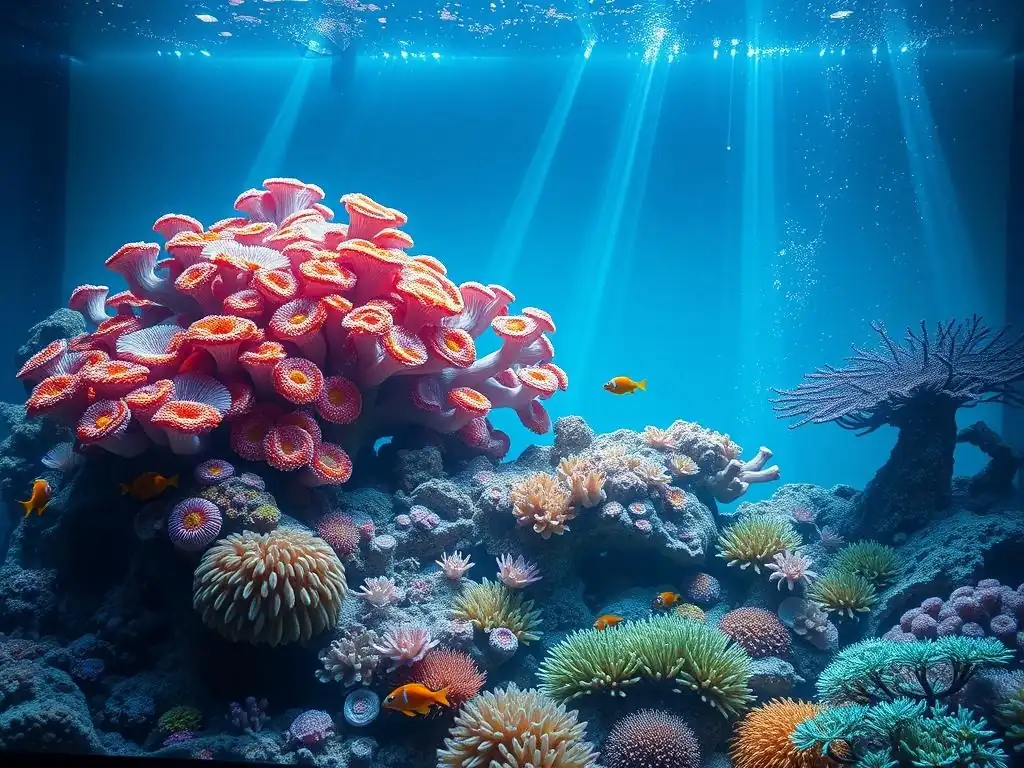
Ever wondered if those captivating mushroom corals are actually within reach for a beginner like you? Dive in and uncover the truth! In this article, we'll provide an honest assessment of mushroom corals beginner care, exploring everything you need to know before adding these fascinating additions to your reef tank. Get ready to unlock the secrets to a thriving coral reef environment!
- Mushroom Corals Beginner Care: The Advantages for New Hobbyists
- Potential Challenges of Keeping Mushroom Corals in a Beginner Tank
- Mushroom Coral Tank Mates: Compatible Inhabitants for Your Reef
- Setting Up Your Aquarium for Mushroom Corals: A Step-by-Step Guide
-
Frequently Asked Questions
- Are mushroom corals truly a good choice for beginner reef tank keepers?
- What specific water parameters are crucial for successful mushroom coral growth?
- How much light do mushroom corals typically need to thrive in a reef aquarium?
- What type of water flow is best suited for mushroom corals in a beginner's reef tank?
- What should I do if my mushroom corals aren't expanding or look stressed in my aquarium?
- Final Reflection: Cultivating Growth, One Polyp at a Time
- Ignite Your Reef Tank Journey!
Mushroom Corals Beginner Care: The Advantages for New Hobbyists
Mushroom Corals Tolerance to Water Parameter Fluctuations
One of the most significant advantages for new reef aquarists considering mushroom corals is their remarkable tolerance to slight fluctuations in water parameters. Unlike more sensitive stony corals (SPS or LPS) that can quickly bleach or suffer tissue necrosis from minor shifts, mushroom corals are generally more forgiving.
While stability is always the goal in any reef tank, beginners often encounter initial swings in parameters like salinity, which ideally should be maintained between 1.024 and 1.026 specific gravity, or temperature, typically stable around 75-80°F (24-27°C). Mushroom corals can often recover from brief periods outside the absolute ideal ranges, provided these deviations are not extreme or prolonged.
This inherent resilience makes mushroom corals an excellent choice for those still learning the intricacies of reef tank chemistry and maintenance. For instance, if alkalinity (ideally 8-12 dKH), calcium (400-450 ppm), or magnesium (1250-1350 ppm) experience minor dips or spikes due to initial dosing inconsistencies or infrequent water changes, mushroom corals are less likely to show immediate signs of distress compared to their more demanding counterparts.
This margin for error provides a valuable buffer, allowing new hobbyists to gain confidence in their testing routines and parameter management without the immediate risk of losing expensive or delicate coral specimens. This aspect significantly simplifies mushroom corals beginner care.
Ease of Placement and Lighting Requirements for Mushroom Corals
The undemanding nature of mushroom corals extends directly to their placement and lighting needs, further solidifying their reputation as beginner-friendly inhabitants. Most species, including common Discosoma and Rhodactis mushrooms, thrive under relatively low to moderate lighting conditions, typically requiring PAR (Photosynthetically Active Radiation) values ranging from 50 to 150. This means they can be successfully placed in lower sections of the tank, in shaded areas, or even on the sand bed, which is a stark contrast to many SPS corals that demand high PAR levels (often 250-450 PAR) and precise positioning directly under powerful lights.
Furthermore, mushroom corals generally prefer low to moderate water flow. Excessive flow can cause them to constantly close up, detach from their substrate, or even become damaged. This simplifies their placement, as new hobbyists don't need to meticulously adjust powerheads to create precise flow patterns.
A gentle, indirect flow that allows the polyps to gently sway is usually sufficient for nutrient exchange and waste removal. This adaptability in lighting and flow makes mushroom corals an ideal candidate for tanks with less powerful lighting setups or those where precise light and flow zones are still being established, making their care for beginner mushroom corals remarkably straightforward.
Mushroom Corals Growth Rate and Propagation: A Simple Process
Mushroom corals are known for their relatively fast growth rate and ease of propagation, offering new reefers a rewarding experience and a sense of accomplishment. Under favorable conditions, many species will reproduce asexually through a process called fission or budding, where they divide into two or more new polyps or simply sprout new polyps from their base. This natural proliferation means that a beginner who starts with just a few mushroom polyps can, within months, see their collection expand significantly, populating available rockwork and adding vibrant color to their aquarium.
This prolific growth also makes them one of the easiest soft corals to propagate, or "frag." While intentional fragging (e.g., carefully cutting a mushroom) requires a steady hand and some basic tools, simply allowing them to reproduce naturally is often sufficient for most beginners.
The ability to grow and propagate these corals easily offers opportunities to trade excess polyps with other hobbyists, participate in local frag swaps, or even sell them, which can help offset some of the costs associated with the hobby. This aspect of mushroom corals beginner care provides not just visual appeal but also a practical, engaging dimension to reef keeping.
Potential Challenges of Keeping Mushroom Corals in a Beginner Tank
Controlling Mushroom Coral Population: Preventing Overgrowth
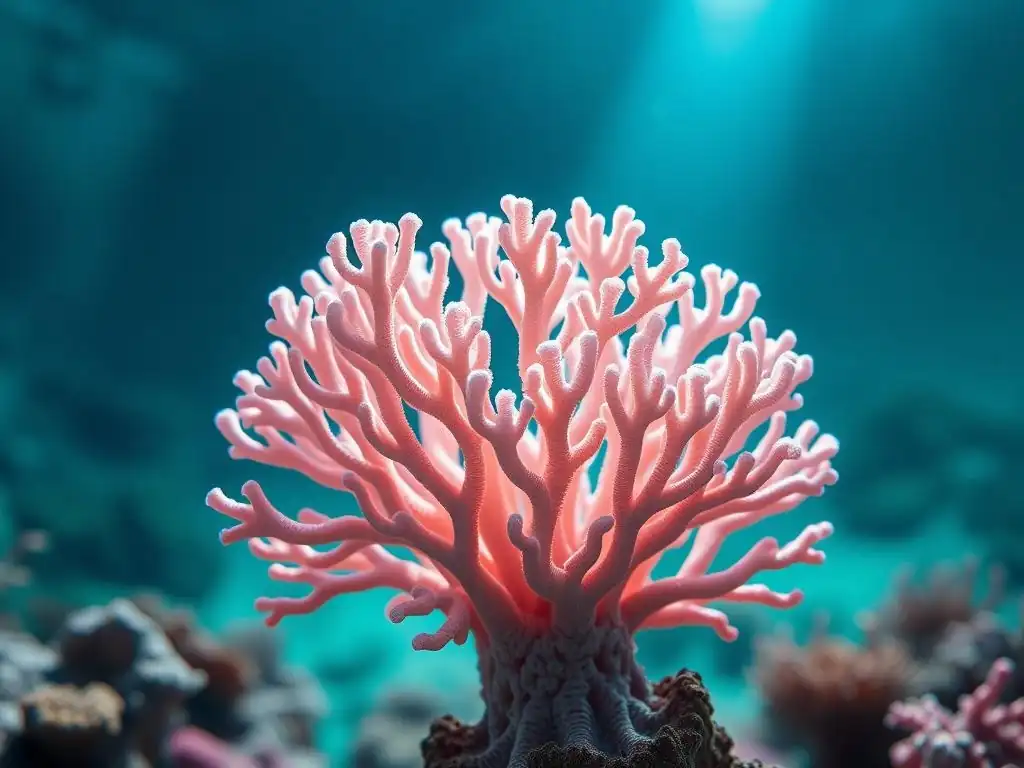
While the rapid growth and easy propagation of mushroom corals are often seen as advantages, they can also present a significant challenge for new hobbyists: preventing overgrowth. Species like Discosoma and Rhodactis can multiply quickly, with a single polyp potentially turning into dozens within a year or two under optimal conditions. This unchecked proliferation can lead to mushrooms covering large sections of live rock, shading out other desirable corals, or even encroaching on the sand bed, effectively monopolizing prime real estate within the aquarium.
Managing this rapid expansion requires proactive planning and occasional intervention. For instance, placing mushroom corals on isolated "islands" of rockwork or on the sand bed can help contain their spread, preventing them from attaching to and colonizing other corals' bases. Manual removal, while possible by carefully scraping them off the rock, can be tedious and fragments left behind can sometimes regrow. Beginners must be aware of this potential for overgrowth from the outset and plan their aquascape accordingly to ensure the long-term balance and health of their mixed reef tank.
Addressing Common Mushroom Coral Diseases and Pests
Despite their general hardiness, mushroom corals are not entirely immune to diseases and pests, and beginners should be aware of these potential issues. One common problem is bacterial infection, which can manifest as a slimy film, tissue recession, or a "melting" appearance on the coral's surface. For example, a healthy Ricordea mushroom might suddenly show a white, necrotic patch that rapidly spreads, indicative of a bacterial issue. Fungal infections, though less common, can also occur, presenting as fuzzy growths or discoloration.
Pests are another concern. Nudibranchs, particularly specialized species like Phyllodesmium that mimic the appearance of mushrooms, can prey on them, leaving visible bite marks or causing the coral to retract. Flatworms, while not always directly harmful, can irritate corals and proliferate rapidly. To mitigate these risks, it's highly recommended that new mushroom corals undergo a quarantine period of several weeks in a separate tank. Additionally, dipping new corals in a commercial coral dip solution for 10-15 minutes can effectively remove many common pests and external parasites, significantly reducing the chance of introducing them into the main display tank.
Maintaining Water Quality for Optimal Mushroom Coral Health
While mushroom corals are tolerant of minor parameter fluctuations, maintaining consistent, good water quality is paramount for their long-term health, vibrant coloration, and robust growth. Beginners should not interpret "tolerance" as an excuse for neglect. Regular water changes are crucial for replenishing essential trace elements and removing accumulated nitrates and phosphates. For example, a bi-weekly 10-15% water change using high-quality salt mix and RO/DI water is often recommended for smaller tanks, while larger systems might benefit from a 20% monthly change.
Consistent monitoring of key water parameters, even if not daily, is essential. While mushroom corals can tolerate slightly elevated nitrates (e.g., 5-15 ppm) compared to SPS corals, keeping them below 10 ppm and phosphates below 0.03 ppm is ideal to prevent nuisance algae outbreaks and ensure the mushrooms remain vibrant. Regular testing with reliable kits for alkalinity, calcium, magnesium, nitrates, and phosphates allows beginners to track their tank's health and make informed adjustments to their maintenance routine, ensuring that their mushroom corals thrive rather than merely survive.
Mushroom Coral Tank Mates: Compatible Inhabitants for Your Reef
Fish and Invertebrates that Thrive with Mushroom Corals
Choosing appropriate tank mates is a critical aspect of successful mushroom corals beginner care, ensuring a harmonious and thriving reef environment. Fortunately, many popular and beginner-friendly fish and invertebrate species coexist peacefully with mushroom corals. Peaceful fish like clownfish ( Amphiprioninae species), gobies (e.g., Yellow Watchman Goby, Diamond Watchman Goby), blennies (e.g., Lawnmower Blenny, Starry Blenny), and most small, peaceful wrasses (e.g., Six-Line Wrasse) are generally considered reef-safe and do not typically bother soft corals.
In terms of invertebrates, a variety of species can serve beneficial roles without harming mushroom corals. Cleaner shrimp (e.g., Skunk Cleaner Shrimp, Peppermint Shrimp) are excellent tank inhabitants, providing cleaning services and adding activity. Various snails (e.g., Turbo Snails, Nassarius Snails, Cerith Snails) are crucial for algae control and detritus removal. Hermit crabs (e.g., Dwarf Blue Leg Hermit Crabs) can also be good additions, provided they have ample empty shells to prevent them from preying on snails. These choices ensure the mushroom corals can extend fully and flourish without constant irritation or damage.
Avoiding Aggressive Tank Mates that Could Harm Mushroom Corals
While many species are compatible, it's equally important for beginners to know which tank mates to avoid to protect their mushroom corals. Certain fish are known for nipping at or consuming soft corals, including some species of large angelfish (e.g., Emperor Angelfish, Queen Angelfish), certain butterflyfish (e.g., Copperband Butterflyfish, though some individuals may be reef-safe), and most triggerfish (e.g., Clown Triggerfish, Humu Humu Triggerfish), which possess powerful jaws capable of damaging or consuming corals. Even some tangs, primarily herbivorous, can occasionally nip at soft corals if not adequately fed or if they develop a taste for them.
Beyond fish, certain invertebrates can also pose a threat. Large or opportunistic crabs, such as some Emerald Crabs (if not well-fed, they can pick at corals) or Sally Lightfoot Crabs, might become problematic. Urchins, while excellent algae eaters, can sometimes dislodge or roll over corals, especially if they are not securely attached. It is crucial for beginners to research the compatibility of every potential tank mate thoroughly before introduction, prioritizing the safety and well-being of their mushroom corals to avoid costly and disheartening losses.
Setting Up Your Aquarium for Mushroom Corals: A Step-by-Step Guide
Choosing the Right Tank Size and Equipment for Mushroom Corals
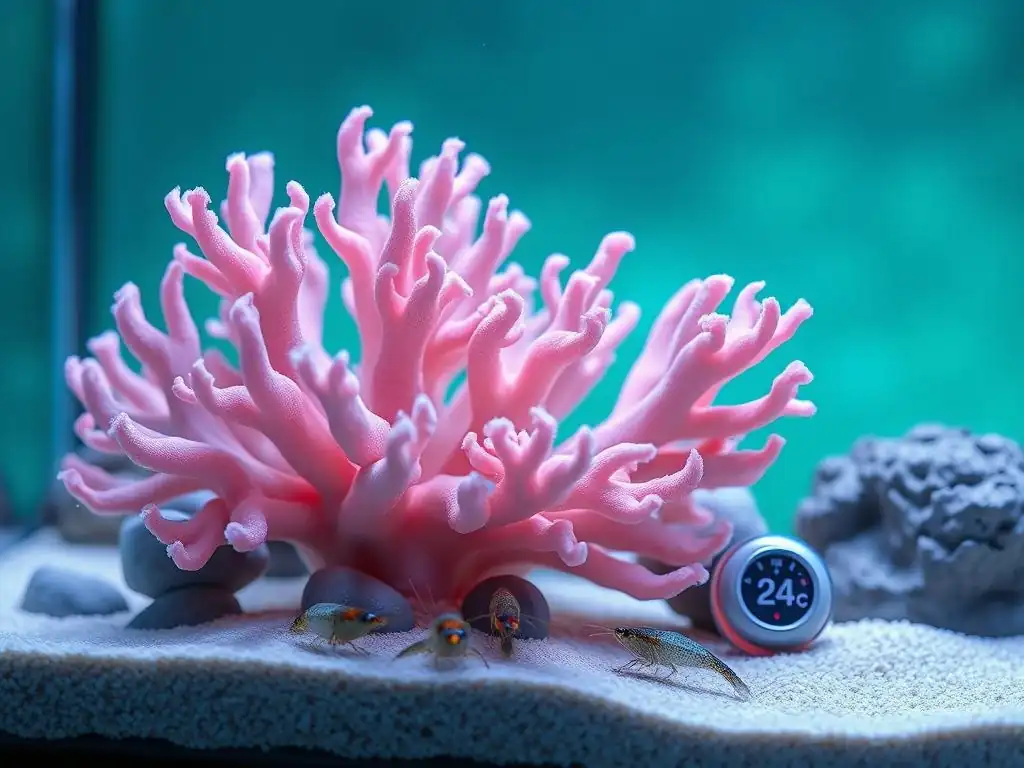
When setting up an aquarium specifically for mushroom corals, selecting the right tank size and essential equipment is the foundational step for successful mushroom corals beginner care. While mushroom corals can thrive in smaller nano tanks (e.g., 10-20 gallons), a slightly larger tank (e.g., 30-50 gallons) offers greater water volume, which inherently provides more stability in water parameters and temperature. This increased stability is a significant advantage for new hobbyists. Key equipment includes a reliable heater to maintain a consistent temperature of 76-78°F (24.5-25.5°C), a powerhead or two for gentle water circulation, and appropriate lighting.
For lighting, modern LED fixtures are highly recommended for their efficiency, controllability, and spectrum. Even entry-level reef-specific LEDs are typically sufficient for mushroom corals, as they do not require intense light. Filtration is also crucial: a protein skimmer is highly beneficial for nutrient export, particularly in smaller systems. A good amount of cured live rock (approximately 1 to 1.5 pounds per gallon) provides essential biological filtration and surface area for mushroom attachment, while a shallow sand bed (1-2 inches) can host beneficial microfauna and provide a natural substrate for some mushroom species.
Establishing Proper Water Parameters for Mushroom Coral Growth
Once the tank and equipment are in place, establishing and maintaining proper water parameters is critical before introducing any mushroom corals. The cycling process, which typically takes 4-6 weeks, is essential to build a robust biological filter that can process ammonia and nitrites into less harmful nitrates. During and after cycling, consistent monitoring of key parameters will ensure an optimal environment for mushroom coral growth and health.
Ideal parameters include:
- Salinity: 1.025-1.026 specific gravity. Use a refractometer for accurate readings.
- Temperature: 76-78°F (24.5-25.5°C).
- pH: 8.1-8.4.
- Alkalinity: 8-10 dKH.
- Calcium: 400-450 ppm.
- Magnesium: 1250-1350 ppm.
- Nitrates: Below 10 ppm (ideally 0-5 ppm for long-term health).
- Phosphates: Below 0.03 ppm.
Achieving these parameters involves using high-quality RO/DI water for all top-offs and saltwater mixing, regular water changes, and consistent testing. Beginners should invest in reliable test kits and establish a weekly or bi-weekly testing routine to track these vital parameters.
Acclimating New Mushroom Corals to Your Reef Tank Environment
Acclimating new mushroom corals properly is a crucial step to minimize stress and ensure a smooth transition into your established reef tank. The preferred method for soft corals like mushrooms is drip acclimation, as it slowly equalizes the salinity, temperature, and pH of the water the coral arrived in with your tank's water. To perform this, float the coral's bag in your sump or display tank for 15-20 minutes to equalize temperature.
Then, transfer the coral and its water into a separate container. Using airline tubing, siphon water from your display tank into the container at a slow drip rate (e.g., 1-2 drips per second) over 30-60 minutes, allowing the volume of water in the container to slowly double or triple.
After drip acclimation, gently remove the mushroom coral from the container, avoiding exposing it to air if possible, and place it directly into your display tank. It is highly recommended to initially place new mushroom corals in a lower light area or a shaded spot in the tank. This "light acclimation" period, lasting several days to a week, prevents light shock, which can cause the coral to close up, recede, or bleach.
Gradually move the mushroom to its final desired location once it shows signs of opening fully and appearing healthy. This careful acclimation process significantly contributes to successful mushroom corals beginner care.
Frequently Asked Questions
Are mushroom corals truly a good choice for beginner reef tank keepers?
Yes, generally. Mushroom corals are considered a great option for beginners because they are relatively hardy and tolerant of less-than-perfect water parameters. This makes them more forgiving than many other coral species.
What specific water parameters are crucial for successful mushroom coral growth?
While forgiving, maintaining stable water parameters is still important. Aim for a salinity of 1.024-1.026, a temperature of 72-78°F, and appropriate levels of calcium and alkalinity for overall reef tank health.
How much light do mushroom corals typically need to thrive in a reef aquarium?
Mushroom corals generally prefer low to moderate lighting. Too much light can cause them to bleach or become stressed, so it's best to start with lower intensity and adjust as needed.
What type of water flow is best suited for mushroom corals in a beginner's reef tank?
They prefer low to moderate water flow. Strong currents can irritate them and prevent them from properly expanding and feeding. Gentle flow helps remove detritus and provides nutrients.
What should I do if my mushroom corals aren't expanding or look stressed in my aquarium?
Check your water parameters first to rule out any imbalances. Also, ensure they are not being stung by other corals and are receiving appropriate lighting. Observe them closely for signs of pests or disease.
Final Reflection: Cultivating Growth, One Polyp at a Time
The journey into reef keeping, like any worthwhile endeavor, begins with a single step, or in this case, a single coral. As we've explored the intricacies of mushroom coral care, it's clear that their relative hardiness makes them a compelling starting point for many. Understanding the nuances of their needs, however, is crucial to ensuring their survival and the overall health of your reef ecosystem. Ignoring these foundational principles can lead to frustration and ultimately, a less rewarding experience.
The allure of mushroom corals extends beyond their ease of care; they represent a vibrant entry point into a world of breathtaking biodiversity. My own fascination with these organisms stems from their resilience and the subtle beauty they bring to an aquarium. Their ability to thrive under less-than-perfect conditions offers a valuable lesson in patience and observation, qualities essential for any aquarist. The best time to plant a tree was 20 years ago. The second best time is now.
This proverb resonates deeply with the reef keeping hobby; the sooner you begin learning and adapting, the more fruitful your reef will become.
Ultimately, the decision to introduce mushroom corals into your reef aquarium is a personal one, but it should be informed by knowledge and a genuine commitment to responsible care. Consider this article not just a guide, but an invitation.
An invitation to embrace the challenges and rewards of reef keeping, to learn from your successes and failures, and to contribute to the preservation of these magnificent ecosystems, even within the confines of your own home. Take the knowledge you've gained here, and cultivate not just corals, but a deeper understanding and appreciation for the delicate balance of life within our oceans.
Ignite Your Reef Tank Journey!
Thank you for diving into the world of mushroom corals with us! We hope you've gained valuable insights into whether these fascinating invertebrates are the right fit for your beginner reef tank. Now, let's put that knowledge into action.
Here are a few ways to further explore the reef-keeping hobby:
- Visit your Local Fish Store and personally observe the mushroom corals. Talk to the staff about their care requirements and get a feel for their health and vitality.
- Connect with fellow reef enthusiasts: Join an online forum or local aquarium club to share your experiences, ask questions, and learn from experienced hobbyists.
- Challenge yourself: Research a coral you've never considered before, and design a hypothetical tank where it would thrive.
What other invertebrates are you most curious about for your reef aquarium? Let's chat in the comments!