
Long Spine Urchins (Diadema): Handle with Extreme Care!

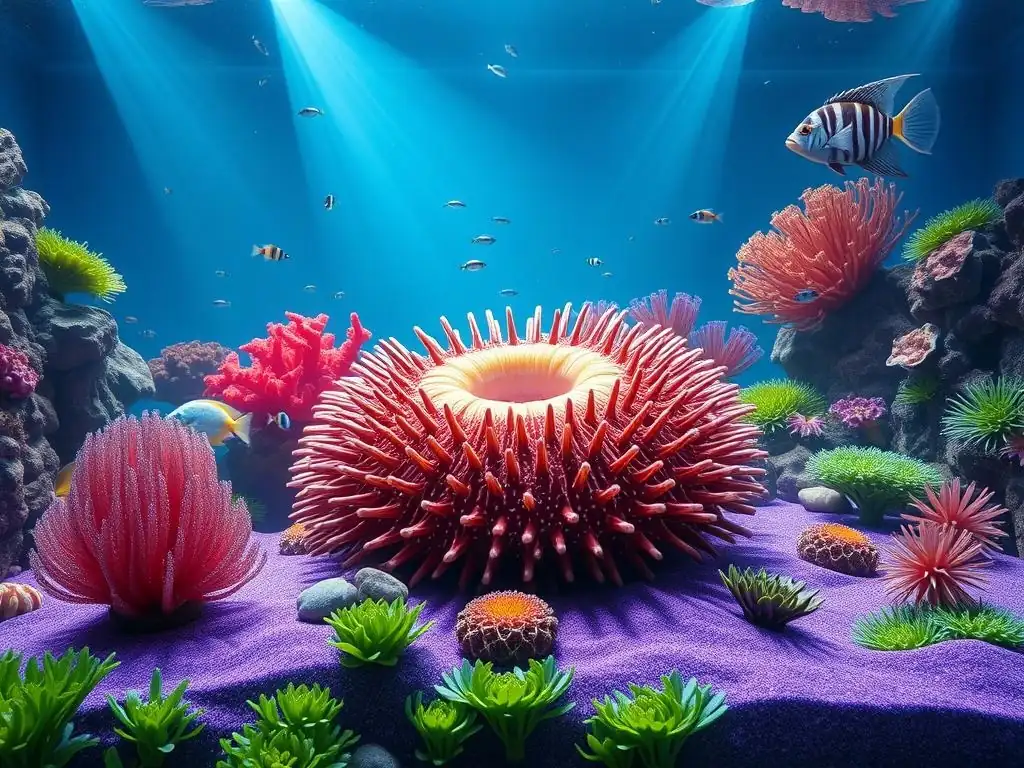
Welcome to Aquarium Mastery!
Ever wondered about the enigmatic beauty and unique challenges of keeping a Long Spine Urchin (Diadema) in your aquarium? These captivating creatures can be a fascinating addition, but their specific needs require a dedicated aquarist. Dive in to learn everything you need to know about Long Spine Urchin care, from their delicate diet to their crucial role in maintaining a healthy reef environment. Are you ready to master the art of keeping these spiky stars thriving? Let's explore!
- Long Spine Urchins (Diadema): Handle with Extreme Care! - Aquarium Mastery
- Understanding the Long Spine Urchin: An Introduction to Diadema
- Long Spine Urchin Care: A Comprehensive Guide
- Handling Long Spine Urchins Safely
- Benefits of Long Spine Urchins in a Reef Tank
- Considerations Before Introducing a Long Spine Urchin to Your Aquarium
- Troubleshooting Common Long Spine Urchin Issues
- Long Spine Urchin: A Rewarding Addition with Proper Care
-
Frequently Asked Questions
- What are the key considerations for long spine urchin care in a reef aquarium?
- Why are long spine urchins considered beneficial for reef tanks?
- What are the main challenges in providing proper Diadema urchin care?
- How can I safely handle a long spine urchin in my aquarium?
- What are the signs of an unhealthy long spine urchin that indicate potential problems with its care?
- Final Reflection: The Delicate Balance of Reef Ecosystems
- Ignite Your Reef: Take the Next Step with Diadema Urchins!
Long Spine Urchins (Diadema): Handle with Extreme Care! - Aquarium Mastery
Understanding the Long Spine Urchin: An Introduction to Diadema
What are Long Spine Urchins? Overview of Diadema Species
Long Spine Urchins belong to the genus Diadema, a group of sea urchins characterized by their exceptionally long, slender, and often hollow spines. Among the most commonly encountered species in the aquarium hobby is Diadema setosum, widely recognized for its striking appearance and effectiveness as an algae eater. These fascinating invertebrates are native to tropical and subtropical waters worldwide, typically inhabiting coral reefs, rocky shores, and seagrass beds where they can graze on abundant algae.
The Diadema genus includes several species, each with slight variations in spine length, color, and size, but all sharing the distinctive long spines that give them their common name. While D. setosum is prevalent in the Indo-Pacific, Diadema antillarum is a well-known species in the Atlantic. Their nocturnal nature means they are often more active after tank lights dim, moving across live rock and substrate in search of their next meal, making them an intriguing addition for those dedicated to comprehensive long spine urchin care.
Why Long Spine Urchins are Popular in Saltwater Aquariums
Long Spine Urchins are highly sought after by saltwater aquarists primarily for their unparalleled ability to control nuisance algae. They are incredibly efficient grazers, capable of consuming various types of algae, including stubborn film algae, diatoms, and even some forms of hair algae that other clean-up crew members might ignore. This makes them an invaluable asset in maintaining a clean and healthy reef environment.
Beyond their practical benefits, Diadema urchins also add a unique aesthetic appeal to a marine aquarium. Their distinctive spherical bodies covered with an array of long, moving spines create a captivating display. Their slow, deliberate movements as they traverse the tank contribute to the dynamic ecosystem, making them a popular choice for aquarists looking to enhance both the functionality and visual diversity of their reef tanks through diligent long spine urchin care.
Distinguishing Features: Identifying Diadema urchins
Identifying Diadema urchins is relatively straightforward due to their prominent and defining characteristics. The most obvious feature is their exceptionally long, needle-sharp spines, which can reach lengths of up to 30 centimeters (approximately 12 inches) in species like Diadema setosum. These spines are typically black, dark purple, or sometimes brownish, and they are capable of independent movement, allowing the urchin to sense its surroundings and defend itself.
Another key identifier for Diadema setosum is the presence of a distinct orange or reddish ring around its anal cone, located on the top of its spherical body. This feature is often visible, especially when the urchin is at rest or in dimmer light. Furthermore, these urchins possess numerous tube feet, which are used for locomotion, adhesion to surfaces, and manipulating food particles. Understanding these features is crucial for proper identification and effective long spine urchin care.
Long Spine Urchin Care: A Comprehensive Guide
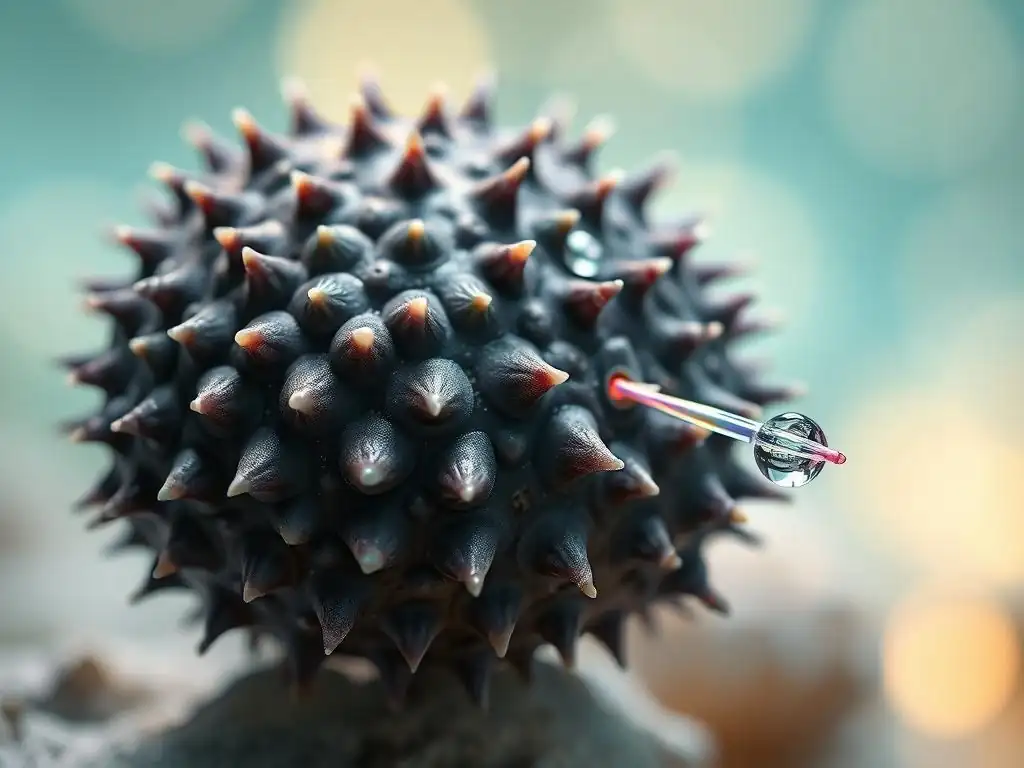
Setting Up the Ideal Aquarium Environment for Long Spine Urchins
Proper long spine urchin care begins with establishing an aquarium environment that closely mimics their natural habitat, ensuring stability and providing ample resources. These invertebrates thrive in well-established reef tanks where water parameters are consistent and there is a steady supply of natural algae for grazing. A stable environment minimizes stress, which is critical for their long-term health and well-being.
Attention to detail in tank setup, from size to water quality, directly impacts the success of keeping Diadema urchins. Their sensitivity to fluctuating conditions necessitates a proactive approach to tank maintenance. Providing the right conditions from the outset is the cornerstone of effective long spine urchin care, preventing common issues such as spine loss or inactivity.
Tank Size Requirements for Diadema Urchins
While Long Spine Urchins may appear small initially, their potential growth and active grazing habits necessitate a sufficiently sized aquarium. For a single Diadema setosum, a minimum tank size of 50 gallons (approximately 190 liters) is generally recommended. This provides adequate space for movement and grazing, and helps maintain stable water parameters, which is vital for long spine urchin care.
Larger species or multiple urchins will naturally require more substantial tanks, typically 75 gallons (around 280 liters) or more, to accommodate their needs. A larger volume of water also offers greater stability against parameter fluctuations and provides more surface area on live rock and glass for the urchin to graze upon, reducing the need for extensive supplemental feeding.
Water Parameters: Maintaining Optimal Conditions for Long Spine Urchin Health
Maintaining pristine and stable water parameters is paramount for successful long spine urchin care. These invertebrates are particularly sensitive to sudden shifts in salinity, temperature, and nutrient levels. Ideal conditions include a specific gravity of 1.023-1.026, a stable temperature range of 72-78°F (22-26°C), and a pH between 8.1 and 8.4.
Beyond these basic parameters, adequate levels of alkalinity (8-12 dKH), calcium (400-450 ppm), and magnesium (1250-1350 ppm) are essential for their skeletal health and spine integrity. High nitrates (above 20 ppm) and phosphates can be detrimental, leading to stress and spine deterioration. Regular water changes, typically 10-20% bi-weekly, are crucial for maintaining these optimal conditions and promoting robust long spine urchin care.
Substrate and Aquascaping for Long Spine Urchins
The choice of substrate and the overall aquascaping play a significant role in providing a suitable habitat for Long Spine Urchins. A fine to medium grain sand bed is beneficial, as Diadema urchins will occasionally sift through it, contributing to detritus removal and preventing anaerobic pockets. However, their primary grazing occurs on live rock and glass surfaces.
Ample live rock should be provided, not only for biological filtration but also as a primary grazing surface for the urchin. When aquascaping, ensure all rockwork is stable and securely placed, as a Diadema urchin's movement, though slow, can dislodge unsecured structures. Providing open areas for movement while also offering crevices and shaded spots for daytime resting is key to comprehensive long spine urchin care.
Long Spine Urchin Diet and Feeding Habits
Understanding the dietary needs of Diadema urchins is a fundamental aspect of their successful long spine urchin care. These animals are primarily herbivores and detritivores, constantly grazing to sustain themselves and contribute to the cleanliness of the aquarium.
What Do Long Spine Urchins Eat? Natural Diet vs. Aquarium Supplements
In their natural habitat, Long Spine Urchins primarily graze on various types of algae, including turf algae, film algae, and diatoms, found on rocky surfaces and coral rubble. They also consume detritus and small organic particles. In an established saltwater aquarium, they will readily graze on nuisance algae growing on live rock, aquarium glass, and even the substrate.
Their efficiency in consuming algae, particularly hair algae and film algae, is a significant reason for their popularity. A single Diadema setosum can keep a considerable area of a 75-gallon reef tank free of these common algae types. However, reliance solely on natural algae growth might not be sufficient in all tanks, especially cleaner ones, necessitating supplemental feeding as part of thorough long spine urchin care.
Supplementing a Long Spine Urchin's Diet
While Diadema urchins are excellent grazers, tanks with limited algae growth may require supplemental feeding to prevent starvation. High-quality dried seaweed (nori), algae wafers, or blanched vegetables like zucchini or spinach can be offered. It's best to attach the food to a rock using an algae clip or a rubber band, allowing the urchin to graze on it naturally.
Observe your urchin's activity and the amount of algae in the tank to determine if supplementation is needed. If the urchin appears to be moving less or its spines seem less rigid, it could be a sign of insufficient food. Consistent, appropriate feeding is a critical component of effective long spine urchin care.
Avoiding Overfeeding: Maintaining Water Quality
Although supplementing their diet is sometimes necessary, it's crucial to avoid overfeeding. Excessive food can quickly degrade water quality, leading to nutrient spikes that promote undesirable algae growth and potentially stress the urchin itself. Undigested food also contributes to the biological load, increasing nitrates and phosphates.
Feed sparingly and monitor consumption. If the supplemental food remains uneaten for several hours, remove it to prevent decay. Maintaining stable, low-nutrient water parameters through regular water changes and responsible feeding practices is essential, as good water quality is the cornerstone of comprehensive long spine urchin care.
Long Spine Urchin Compatibility with Other Aquarium Inhabitants
Assessing compatibility with other tank inhabitants is a vital consideration when planning long spine urchin care. While Diadema urchins are generally peaceful, their physical characteristics and grazing habits can sometimes pose challenges to certain tank mates or corals.
Suitable Tank Mates for Long Spine Urchins
Long Spine Urchins are generally compatible with most reef-safe fish and invertebrates. Peaceful fish species such as clownfish, gobies, blennies, and most wrasses typically coexist well with Diadema urchins. Cleaner shrimp, snails, and small hermit crabs also make suitable tank mates, as they occupy different niches and do not pose a threat to the urchin.
It's important to select tank mates that are not prone to nipping at the urchin's spines or attempting to consume it. Species that primarily graze on algae or detritus will not compete directly for food, further enhancing the harmony of the tank. This careful selection is key to maintaining a thriving environment as part of meticulous long spine urchin care.
Fish and Invertebrates to Avoid with Diadema
Caution should be exercised when considering certain fish and invertebrate species. Predatory fish known for consuming invertebrates, such as triggerfish, pufferfish, and large hogfish, should be avoided as they may view the urchin as a food source or attempt to nip at its spines, causing significant stress or injury. Similarly, some larger, more aggressive crabs might pose a threat, though this is less common.
While Diadema urchins do not intentionally eat healthy corals, their constant movement and long spines can accidentally damage or dislodge delicate corals, especially SPS (Small Polyp Stony) corals. Therefore, when placing corals, consider the urchin's potential travel paths and ensure corals are securely mounted and not in an area where they could be easily brushed against or knocked over. Strategic aquascaping is a crucial element of effective long spine urchin care in a reef tank.
Preventing and Treating Common Long Spine Urchin Diseases
While Long Spine Urchins are generally hardy invertebrates, they are susceptible to certain ailments, often linked to environmental stress or poor water quality. Proactive prevention through optimal long spine urchin care is far more effective than attempting treatment once symptoms appear.
Recognizing Signs of Illness in Long Spine Urchins
Early detection of illness is crucial for intervention. Key signs of distress or disease in a Diadema urchin include significant spine loss (beyond occasional shedding), spines appearing limp or drooping rather than rigid, and prolonged inactivity or lack of movement. Healthy urchins are typically active grazers, especially at night, and their spines should be erect and responsive to stimuli.
Other indicators of poor health might include white patches or lesions on the urchin's body, or a failure to respond to gentle touch. A healthy urchin will usually attempt to move away or adjust its spines when lightly nudged. Any deviation from these normal behaviors warrants immediate investigation into water parameters and tank conditions as part of diligent long spine urchin care.
Common Long Spine Urchin Ailments and Treatments
One of the most common issues observed in Diadema urchins is spine deterioration or loss. This is almost exclusively a symptom of poor water quality, specifically elevated nitrates (often exceeding 20 ppm), or insufficient calcium and alkalinity levels which are vital for spine calcification. The primary treatment involves immediate and sustained correction of water parameters through large water changes and consistent dosing if necessary. Ensuring adequate food supply also plays a role, as starvation can weaken the urchin.
Bacterial infections can manifest as white patches or tissue necrosis. These are less common but can occur in stressed individuals or those in very poor water conditions. Maintaining pristine water quality is the best preventative measure, as specific treatments for bacterial infections in urchins are challenging for hobbyists and often ineffective. Starvation, as mentioned, leads to overall weakening and spine loss; the remedy is consistent supplemental feeding. Ultimately, the best "treatment" for Diadema ailments is meticulous and consistent long spine urchin care, focusing on stable, optimal environmental conditions.
Handling Long Spine Urchins Safely
The Dangers of Long Spine Urchin Spines
The name "Long Spine Urchin" is a direct warning about their primary defense mechanism. The spines of Diadema urchins are not only long and sharp but also incredibly brittle, designed to break off easily upon impact. These spines can readily penetrate skin, and once embedded, they are difficult to remove due to their barbed structure.
Furthermore, the spines of Diadema species, particularly Diadema setosum, contain a mild venom or irritant. A puncture wound from a spine typically results in immediate, sharp pain, followed by localized redness, swelling, and sometimes numbness or muscle aches. In rare cases, deep punctures can lead to secondary bacterial infections if not properly cleaned. Therefore, extreme caution and specific techniques are essential when performing any long spine urchin care that involves direct contact.
Safe Handling Techniques for Diadema Urchins
Given the inherent dangers, direct handling of Long Spine Urchins with bare hands should be strictly avoided. When it becomes absolutely necessary to move or interact with the urchin, specific safe handling techniques must be employed to protect both the aquarist and the invertebrate. Minimizing handling frequency is also a key aspect of reducing stress on the urchin.
Using Protective Gear When Handling Urchins
The most critical step in safe handling is the use of appropriate protective gear. Heavy-duty, cut-resistant gloves, such as thick gardening gloves or specialized dive gloves, are indispensable. Standard aquarium gloves are often too thin to prevent spine penetration. Some aquarists also opt for long-handled tongs or a sturdy net to gently guide or lift the urchin, further minimizing direct contact. When handling, always attempt to lift the urchin from its underside or base, where the spines are shorter and less dense, if direct contact is unavoidable.
Acclimation Procedures to Minimize Stress
Proper acclimation is a crucial, yet often overlooked, aspect of safe long spine urchin care. Diadema urchins are highly sensitive to changes in salinity, pH, and temperature. Drip acclimation is the preferred method, allowing the urchin to gradually adjust to the new tank water over a period of 1-2 hours.
This slow introduction significantly reduces stress and the risk of shock, which can lead to spine loss or even death. During acclimation, keep the lights dim to further reduce environmental stress. Once acclimated, gently place the urchin on a stable rock or the substrate; never drop it into the tank.
Benefits of Long Spine Urchins in a Reef Tank
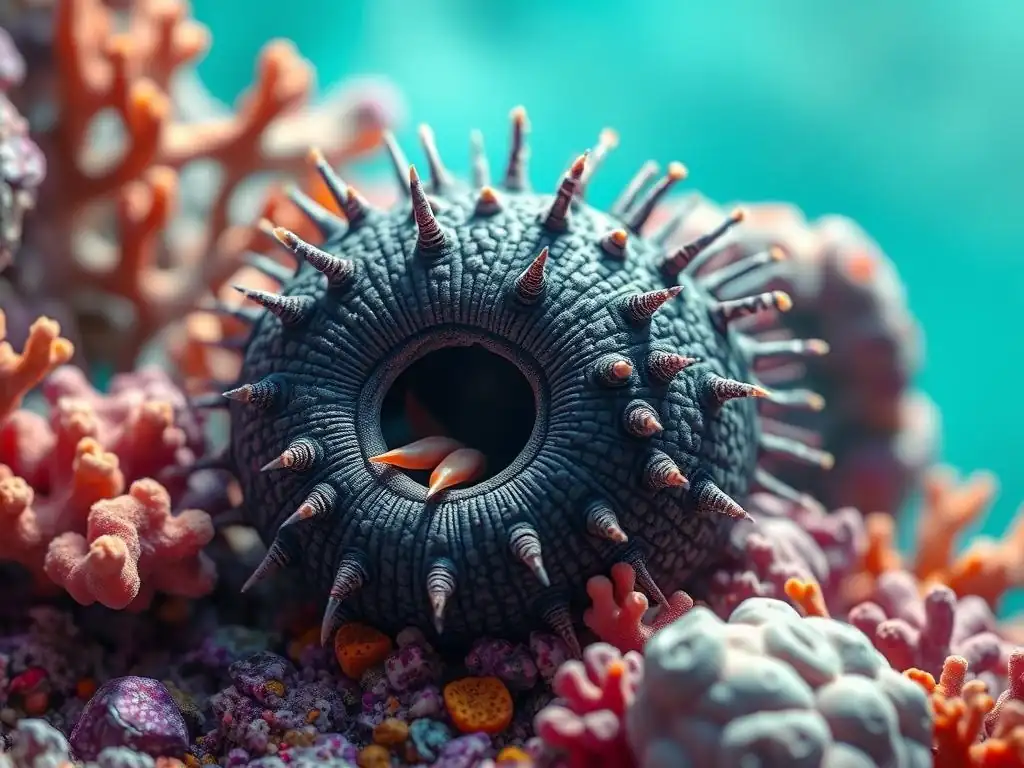
Beyond their unique appearance, Long Spine Urchins offer significant ecological benefits within a reef aquarium, making them a valuable component of a balanced ecosystem. Their continuous grazing habits contribute significantly to tank cleanliness and stability.
Long Spine Urchins as Part of the Clean-Up Crew
Long Spine Urchins are highly efficient members of the aquarium clean-up crew. Their primary role is to graze on various types of algae, including stubborn film algae that coats glass and live rock, and nuisance hair algae that can quickly overrun a tank. Unlike some snails or crabs, Diadema urchins can reach into crevices and across large surfaces, ensuring comprehensive algae removal.
Their constant movement helps to disturb detritus on the substrate and rocks, preventing it from settling and breaking down into undesirable nutrients. This natural stirring action contributes to a healthier overall environment, reducing the workload on filtration systems and supporting other clean-up crew members. Their active contribution to maintaining cleanliness is a prime example of their value in long spine urchin care.
Controlling Algae Growth with Diadema Urchins
The ability of Diadema urchins to control algae growth is perhaps their most celebrated benefit. They are voracious grazers, capable of consuming significant amounts of algae that might otherwise become problematic. For example, a healthy Diadema setosum can effectively manage the growth of common nuisance algae in a well-established 75-gallon reef tank, reducing the need for manual scraping and scrubbing.
They are particularly effective against tougher forms of algae like turf algae and even some cyanobacteria, which many other herbivores might avoid. By constantly grazing, they prevent algae from establishing firm holdfasts and proliferating, thereby maintaining a cleaner, more aesthetically pleasing aquarium. This proactive algae control is a cornerstone of effective long spine urchin care.
Maintaining a Balanced Ecosystem with Long Spine Urchins
Introducing a Long Spine Urchin to a reef tank contributes to the establishment and maintenance of a more balanced and natural ecosystem. Their grazing activity helps to cycle nutrients, converting nuisance algae into more manageable forms of waste that can be processed by the biological filter. This contributes to lower nitrate and phosphate levels over time.
Furthermore, their presence adds to the biodiversity of the tank, promoting a more robust and resilient micro-ecosystem. By keeping algae in check, they allow corals and other sessile invertebrates to thrive without being overgrown, fostering a healthier and more stable reef environment. This holistic contribution underscores the importance of integrating sound long spine urchin care practices into overall aquarium management.
Considerations Before Introducing a Long Spine Urchin to Your Aquarium
Before adding a Long Spine Urchin to your tank, several important factors must be carefully considered. These considerations ensure the urchin's well-being and the harmony of your existing aquarium inhabitants, forming a critical part of responsible long spine urchin care.
Assessing Your Tank's Suitability for a Diadema Urchin
The first step is to thoroughly assess your aquarium's current conditions. Ensure your tank is mature and stable, ideally having been established for at least six months, with consistent water parameters. A mature tank typically has a more stable biological filter and a consistent supply of algae for the urchin to graze on. Evaluate the existing algae growth; if your tank is pristine with very little algae, you must be prepared to provide significant supplemental feeding.
Additionally, consider the existing tank mates. Are there any predatory fish or aggressive invertebrates that might pose a threat to the urchin? Do you have delicate corals that could be knocked over or irritated by the urchin's movement and spines? A thorough assessment of these factors prevents potential issues and sets the stage for successful long spine urchin care.
Ethical Sourcing of Long Spine Urchins
Ethical sourcing is an increasingly important consideration for any marine livestock. When acquiring a Long Spine Urchin, choose a reputable supplier who practices sustainable collection methods. Inquire about the origin of their specimens and their handling procedures, from collection to transport. Avoid impulse purchases from stores that do not provide adequate information or appear to have stressed or unhealthy specimens.
Supporting ethical suppliers helps to ensure that marine ecosystems are not over-exploited and that the animals are collected and handled in a manner that minimizes stress and maximizes their chances of survival in captivity. This responsible approach to acquisition is an integral part of comprehensive long spine urchin care.
Long-Term Commitment: Are You Ready for Long Spine Urchin Care?
Bringing a Long Spine Urchin into your aquarium is a long-term commitment. Diadema setosum, for instance, can live for 5-7 years or even longer in ideal conditions. This means you are committing to several years of consistent water quality management, appropriate feeding, and vigilant observation.
Be prepared for their characteristic movements, which might occasionally dislodge unsecured corals or decorations. While they are a fantastic addition to a clean-up crew, they are not a "set it and forget it" solution. Understanding and accepting this long-term responsibility is fundamental to providing excellent long spine urchin care and ensuring a healthy, thriving life for your Diadema urchin.
Troubleshooting Common Long Spine Urchin Issues
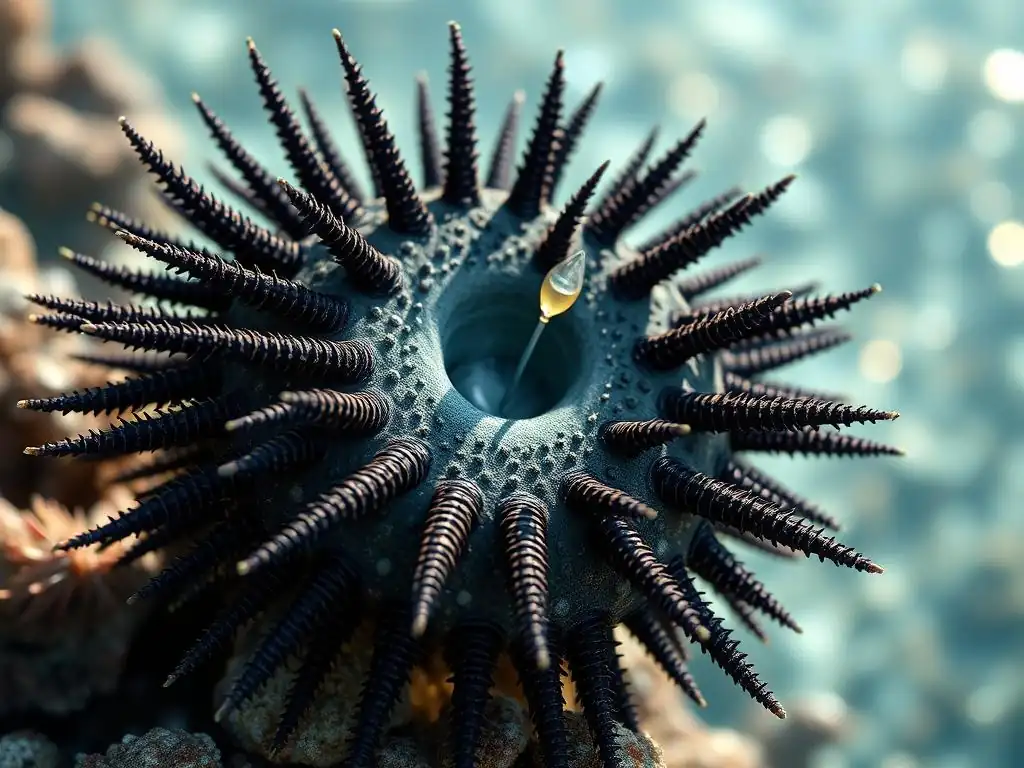
Despite best efforts in long spine urchin care, issues can occasionally arise. Recognizing the signs of common problems and understanding potential solutions is crucial for timely intervention and maintaining the health of your Diadema urchin.
Long Spine Urchin Losing Spines: Potential Causes and Solutions
One of the most frequently observed problems with Diadema urchins is significant spine loss. This is a clear indicator of distress and requires immediate attention. The primary causes include poor water quality, particularly high nitrate levels (e.g., consistently above 20 ppm), or insufficient levels of calcium, alkalinity, and magnesium, which are essential for spine formation and integrity. Starvation, due to insufficient algae or supplemental food, can also lead to spine deterioration.
To address spine loss, begin by thoroughly testing all water parameters and correcting any imbalances through targeted water changes and proper dosing. Ensure the urchin has access to ample food, supplementing with nori or algae wafers if natural algae is scarce. Stress from improper handling or aggressive tank mates can also contribute; review compatibility and minimize handling. Consistent and precise long spine urchin care is the most effective preventative and curative measure.
Urchin Not Moving: Investigating Inactivity
While Diadema urchins are primarily nocturnal, prolonged inactivity during both day and night can signal a problem. Causes for an urchin not moving include severe stress, illness, or starvation. Occasionally, they might simply be resting in a preferred spot, but if they remain motionless for more than 24-48 hours without any response to stimuli (like a gentle water current), it's a cause for concern.
First, check all water parameters to rule out environmental stress. Offer a piece of nori nearby to see if it responds to food. Observe its spines; if they are limp or falling off, it points to a more serious issue. If the urchin shows no signs of life, it may be deceased, and removal is necessary to prevent ammonia spikes. Consistent observation is key to effective long spine urchin care.
Long Spine Urchin Aggression: Addressing Behavioral Problems
It's important to clarify that Diadema urchins are not inherently aggressive towards other tank inhabitants in the traditional sense. Any "aggression" typically stems from their natural grazing and movement habits. Their long spines and constant motion can inadvertently knock over unsecured corals or decorations, or irritate sessile invertebrates by brushing against them.
The solution to these "behavioral problems" lies in proactive aquascaping and placement. Ensure all live rock and corals are securely mounted and stable, minimizing the risk of being dislodged. Strategically place delicate or sensitive corals away from the urchin's common grazing paths. Providing ample grazing surfaces on live rock and glass can also reduce their motivation to explore potentially disruptive areas. Understanding their natural behavior is central to mitigating these issues through diligent long spine urchin care.
Long Spine Urchin: A Rewarding Addition with Proper Care
Recap of Key Long Spine Urchin Care Guidelines
Successfully keeping a Long Spine Urchin, particularly a Diadema, in a saltwater aquarium can be incredibly rewarding, offering significant benefits to the tank's ecosystem. The cornerstone of this success lies in adhering to several key long spine urchin care guidelines. These include maintaining highly stable water parameters, such as optimal salinity (1.023-1.026), temperature (72-78°F), pH (8.1-8.4), and essential levels of calcium, alkalinity, and magnesium.
Providing an adequately sized aquarium (minimum 50 gallons for D. setosum) with ample live rock for grazing and secure aquascaping is equally crucial. A consistent food supply, whether from natural algae growth or judicious supplementation with nori, is vital. Finally, ensuring compatibility with tank mates and strictly adhering to safe handling techniques are non-negotiable aspects of comprehensive long spine urchin care.
Ensuring a Healthy and Thriving Diadema Urchin in Your Aquarium
By diligently following these guidelines, aquarists can ensure a healthy and thriving Diadema urchin that contributes significantly to the beauty and balance of their reef tank. Regular observation for any signs of stress or illness, such as spine loss or inactivity, allows for prompt intervention. Proactive water quality management, including routine testing and water changes, prevents most common ailments.
A well-cared-for Long Spine Urchin will be an active member of your clean-up crew, effectively controlling nuisance algae and adding a unique visual element to your aquatic display. The commitment to proper long spine urchin care not only extends the lifespan of this fascinating invertebrate but also enhances the overall vitality and stability of your entire reef ecosystem, making it a truly valuable and long-lived addition.
Frequently Asked Questions
What are the key considerations for long spine urchin care in a reef aquarium?
The most important aspects are providing a stable environment, including appropriate water parameters and a sufficient food source like algae. Be mindful of their spines; they can be dangerous.
Why are long spine urchins considered beneficial for reef tanks?
They are excellent algae grazers, helping to control nuisance algae growth and maintain a healthy ecosystem. They also contribute to sand bed aeration.
What are the main challenges in providing proper Diadema urchin care?
The biggest challenges often involve maintaining optimal water quality, ensuring an adequate algae supply, and preventing them from knocking over corals or other tank inhabitants.
How can I safely handle a long spine urchin in my aquarium?
Always use protective gloves and avoid direct contact with the spines. Carefully lift them from underneath, or use a specialized urchin grabber if available. Never grab them by the spines.
What are the signs of an unhealthy long spine urchin that indicate potential problems with its care?
Signs include spine loss, lethargy, lack of appetite, and discoloration. These can indicate issues with water quality, starvation, or disease.
Final Reflection: The Delicate Balance of Reef Ecosystems
The fragility of coral reef ecosystems, as highlighted by the plight of the long spine urchin, demands our immediate attention. What was once a thriving population, crucial for maintaining algal balance and reef health, is now a species requiring meticulous care and conservation efforts. The lessons learned from understanding and addressing the challenges in long spine urchin care extend far beyond the aquarium; they resonate with the broader need for responsible stewardship of our planet's delicate marine environments.
The impact of the Diadema's decline, and the efforts to restore its populations, underscore the interconnectedness of all life within the reef. Witnessing the dedication of researchers and aquarists striving to understand and nurture these creatures has been profoundly inspiring, reminding us that even seemingly small actions can have significant consequences. In the end, we will conserve only what we love; we will love only what we understand; and we will understand only what we are taught.
- Baba Dioum's words echo the importance of education and empathy in fostering a genuine commitment to environmental protection.
As you consider the intricacies of long spine urchin care, remember that you too play a vital role in safeguarding our oceans. Let the knowledge gained from this article inspire you to make informed choices, support sustainable practices, and advocate for the protection of these invaluable ecosystems. The future of our reefs, and the countless species that depend on them, rests on our collective responsibility and unwavering commitment to their preservation.
Ignite Your Reef: Take the Next Step with Diadema Urchins!
Thank you for diving into the world of Long Spine Urchins! We hope this article has shed light on the delicate balance these creatures require and the immense benefits they bring to a reef aquarium. Now, let's put that knowledge into action!
Here are a few ways to connect further with these fascinating invertebrates:
- Seriously consider whether a Diadema urchin is right for your specific aquarium. Analyze your tank's age, size, algae situation, and fish inhabitants. Think carefully before introducing any new creature!
- Share this article with fellow reefing enthusiasts who might be considering adding a Diadema to their tank. Help spread the knowledge and ensure responsible reefkeeping!
- Research local reefing groups or online forums and engage in conversations about urchin care. Learn from the experiences of others and share your own observations.
What’s the single most important factor you will consider before adding a Diadema urchin to your reef tank? Share your insights below!