
Cycling a Betta Tank: The Unskippable Step to a Healthy Home

Welcome to Aquarium Mastery!
Dive into the fascinating world of aquariums and unlock the secrets to a thriving underwater ecosystem. Are you ready to create the perfect home for your Betta? Before you introduce your finned friend, mastering the Betta tank cycling process is absolutely crucial. This often-overlooked step is the foundation for a healthy and happy environment. Curious how to do it right? Let's explore why this is the unskippable step and how to get it done!
- Understanding the Importance of Betta Tank Cycling
-
The Betta Tank Cycling Process: A Step-by-Step Guide
- Step 1: Setting Up Your Betta Tank for Cycling
- Step 2: Initiating the Betta Tank Cycling Process
- Step 3: Monitoring Water Parameters During the Cycling Process
- Step 4: The Appearance of Nitrites and Their Role in the Betta Tank Cycling Process
- Step 5: The Conversion to Nitrates and a Fully Cycled Betta Tank
- Different Methods for Cycling a Betta Tank
- Maintaining a Cycled Betta Tank
- Troubleshooting Common Cycling Problems in Betta Tanks
- Conclusion: A Healthy Cycle, A Happy Betta
- Frequently Asked Questions
- Final Reflection: The Enduring Cycle of Care
- Transform Your Tank: Start Cycling Today!
Understanding the Importance of Betta Tank Cycling
Why is Cycling Essential for Betta Fish Health?
Cycling a betta tank is not merely a suggestion; it is a fundamental, non-negotiable step to ensure the long-term health and well-being of your betta fish. Without a properly cycled tank, your betta will be exposed to toxic compounds like ammonia and nitrite, which are continuously produced from fish waste, uneaten food, and decaying plant matter. These toxins can quickly lead to severe health issues, including ammonia poisoning, nitrite poisoning, fin rot, organ damage, and a compromised immune system, often resulting in a premature and painful death for the fish.
The Betta tank cycling process establishes a stable biological filter within the aquarium, transforming it from a toxic environment into a self-sustaining ecosystem. This beneficial bacterial colony, primarily residing in the filter media and substrate, efficiently neutralizes harmful compounds, ensuring water parameters remain safe for your betta. A tank that undergoes a complete cycling process provides a stress-free habitat, allowing your betta to thrive, display natural behaviors, and live out its full lifespan, which can be 2-5 years or more with proper care.
The Nitrogen Cycle: The Foundation of a Healthy Betta Aquarium
The nitrogen cycle is the natural biological process that converts harmful nitrogenous waste products into less toxic forms, forming the very foundation of a healthy betta aquarium. It begins with ammonia (NH3/NH4+), a highly toxic compound produced by fish respiration, waste, and decomposing organic matter. In a new tank, ammonia levels quickly spike, becoming lethal to fish even at concentrations as low as 0.25 parts per million (ppm).
During the Betta tank cycling process, specialized nitrifying bacteria, primarily Nitrosomonas species, colonize the tank and consume ammonia, converting it into another toxic compound called nitrite (NO2-). Subsequently, a second group of nitrifying bacteria, mainly Nitrobacter species, takes over, converting the nitrite into nitrate (NO3-). While nitrates are significantly less toxic than ammonia or nitrite, they still accumulate over time and need to be removed through regular partial water changes to maintain optimal water quality, typically kept below 20-40 ppm for bettas.
The Betta Tank Cycling Process: A Step-by-Step Guide
Step 1: Setting Up Your Betta Tank for Cycling
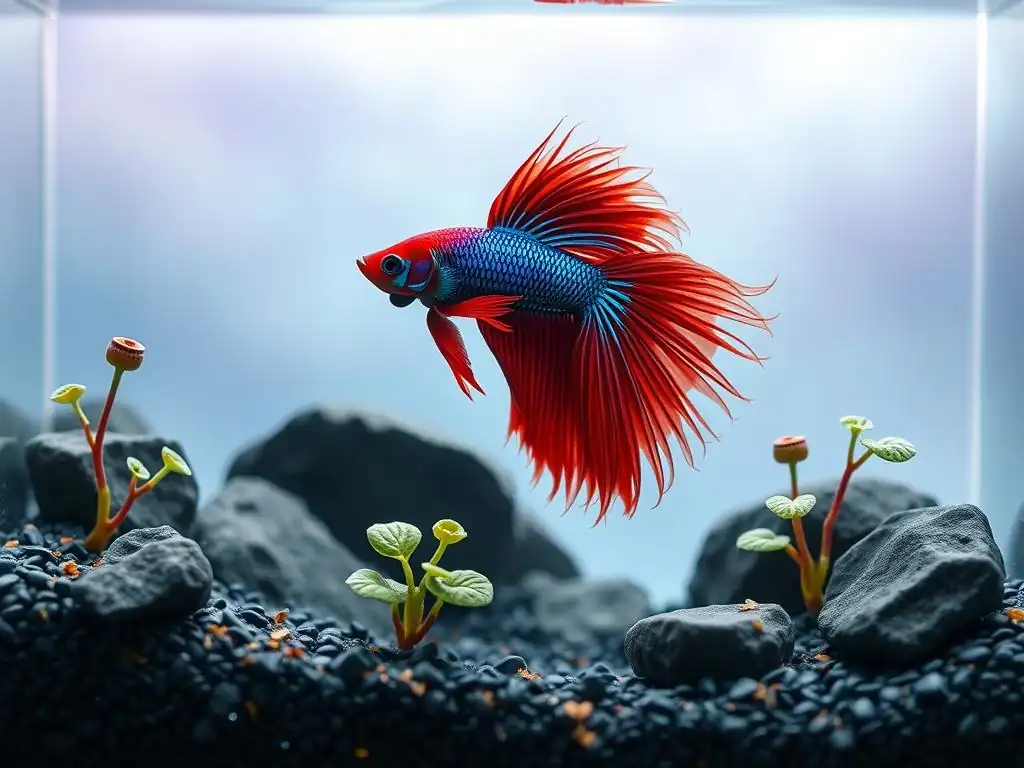
Before initiating the Betta tank cycling process, meticulous preparation of your aquarium is crucial. Begin by thoroughly cleaning the tank, ensuring it is free of any soap residues or contaminants, then place it on a sturdy, level surface away from direct sunlight or drafts. Fill the tank with dechlorinated water at the appropriate temperature for bettas, typically between 78-80°F (25-27°C), as stable temperatures are vital for bacterial growth.
Ensure all necessary equipment, such as the heater and filter, are properly installed and functioning. While plants are not strictly necessary for cycling, live plants can contribute to the process by absorbing some nitrates and providing additional surface area for beneficial bacteria. This initial setup creates the optimal environment for the bacterial colonies to establish themselves efficiently.
Choosing the Right Substrate and Decorations for Cycling
When selecting substrate, opt for inert materials like fine gravel or sand, which provide ample surface area for beneficial bacteria to colonize. Aim for a substrate depth of at least 1-2 inches (2.5-5 cm). For decorations, choose smooth, non-toxic items like silk plants, betta-safe rocks, or driftwood that won't leach harmful chemicals or have sharp edges that could tear a betta's delicate fins.
Installing Filtration for Optimal Cycling Conditions
A reliable filter is paramount for a successful Betta tank cycling process and subsequent long-term health. For bettas, sponge filters or low-flow hang-on-back (HOB) filters are often ideal, as they provide gentle water movement. Ensure your filter includes biological media, such as ceramic rings or porous sponges, which offer vast surface areas for the beneficial nitrifying bacteria to thrive. Mechanical filtration (sponges) removes particulate matter, and chemical filtration (activated carbon, if used) can help with water clarity, but biological media is the cornerstone of the nitrogen cycle.
Step 2: Initiating the Betta Tank Cycling Process
Once your tank is set up, the next critical step is to introduce an ammonia source to kickstart the growth of beneficial bacteria. This initial ammonia serves as the "food" for the first type of bacteria (Nitrosomonas) responsible for converting ammonia to nitrite. Without a consistent ammonia source, the cycling process cannot begin, and a stable biological filter will not establish itself.
This phase requires patience, as it can take anywhere from 4 to 8 weeks for a tank to fully cycle using traditional fishless methods. During this time, you will observe fluctuations in ammonia, nitrite, and nitrate levels as the bacterial colonies develop and mature, ultimately leading to a stable and safe environment for your betta.
Adding an Ammonia Source to Start the Cycle
To begin the Betta tank cycling process effectively, you need to provide a consistent source of ammonia in the absence of fish. The goal is to reach and maintain an ammonia concentration of approximately 2-4 ppm. This level ensures there's enough "food" for the ammonia-oxidizing bacteria to multiply rapidly and establish a robust colony.
Using Fish Food as an Ammonia Source: A Practical Approach
One common method for providing ammonia is to add a small pinch of fish food to the empty tank every day or two. As the food decomposes, it releases ammonia into the water. While this method is straightforward, it can be less precise, leading to unpredictable ammonia spikes and potentially undesirable odors or cloudy water due to the decomposition of organic matter.
Introducing Pure Ammonia: A Controlled Cycling Method
A more controlled and highly recommended approach for the Betta tank cycling process is to use pure ammonia solution (ammonia chloride), ensuring it contains no surfactants, perfumes, or dyes. You can typically find this at hardware stores. Add ammonia drop by drop, using a dropper, until your water test kit indicates a concentration of 2-4 ppm. This allows for precise control over the ammonia levels, promoting a more efficient and predictable cycle.
Step 3: Monitoring Water Parameters During the Cycling Process
Consistent and accurate monitoring of water parameters is absolutely crucial throughout the entire Betta tank cycling process. This allows you to track the progress of your biological filter and understand when it's safe to introduce a fish. Daily or every-other-day testing for ammonia, nitrite, and nitrate is recommended, especially in the initial weeks.
Maintaining a detailed log of your readings will help you visualize the progression of the nitrogen cycle, from initial ammonia spikes, through nitrite peaks, and finally to the appearance of nitrates. This vigilance ensures you don't miss key turning points and can respond appropriately if parameters become stalled or reach extreme levels.
Testing for Ammonia, Nitrite, and Nitrate: Key Indicators of Cycle Progress
Ammonia levels will initially rise as you introduce an ammonia source. Once the first group of bacteria establishes, ammonia levels will begin to drop, and nitrite levels will start to rise. As the second group of bacteria develops, nitrite levels will fall, and nitrate levels will increase. A fully cycled tank will consistently show 0 ppm ammonia, 0 ppm nitrite, and detectable nitrates.
Understanding Water Testing Kits and Their Accuracy
For reliable results during the Betta tank cycling process, invest in a liquid-based master test kit, such as the API Freshwater Master Test Kit, rather than less accurate test strips. Liquid test kits provide more precise readings, which are essential for tracking the subtle changes in water chemistry that indicate the progression of the nitrogen cycle. Follow the kit's instructions carefully for accurate measurements.
Step 4: The Appearance of Nitrites and Their Role in the Betta Tank Cycling Process
After the initial ammonia spike, the next significant phase in the Betta tank cycling process is the appearance and subsequent rise of nitrites. This indicates that the first colony of beneficial bacteria (Nitrosomonas) has established itself and is actively converting ammonia into nitrite. While this is a positive sign of progress, it's important to remember that nitrite is also highly toxic to fish, often even more so than ammonia, interfering with a fish's ability to absorb oxygen.
During this "nitrite spike" phase, levels can climb significantly and remain elevated for several days or even weeks. Patience is key here; continue to dose ammonia to maintain a concentration of around 2 ppm to ensure the bacteria have a continuous food source. Do not perform large water changes during this phase in a fishless cycle unless nitrite levels become extraordinarily high and stall the cycle, as this removes the very compounds the bacteria are working to process.
Step 5: The Conversion to Nitrates and a Fully Cycled Betta Tank
The final and most anticipated stage in the Betta tank cycling process is the conversion of nitrites into nitrates. This occurs when the second colony of beneficial bacteria (Nitrobacter) has successfully established itself and is efficiently consuming the nitrites produced by the first bacterial group. As nitrites drop to undetectable levels, nitrates will begin to accumulate, signaling the completion of the biological filter's maturation.
Once ammonia and nitrite consistently read 0 ppm for several consecutive days, and you can detect nitrates, your betta tank is considered fully cycled. At this point, perform a significant water change, typically 50-75%, to reduce the accumulated nitrates before introducing your betta. This ensures a clean and safe environment for your new fish.
Recognizing a Fully Cycled Betta Tank: Stable Water Parameters
A fully cycled betta tank is characterized by consistently stable water parameters: 0 ppm ammonia, 0 ppm nitrite, and a detectable, but manageable, level of nitrates (ideally below 20-40 ppm). Achieving these readings reliably over several days confirms that your biological filter is robust enough to handle the waste produced by a betta fish, providing a healthy and stable home.
Different Methods for Cycling a Betta Tank
Fishless Cycling: The Recommended Method for Betta Tanks
Fishless cycling is unequivocally the most humane and recommended method for completing the Betta tank cycling process. This approach involves adding an ammonia source (pure ammonia solution or decomposing fish food) to an empty tank to cultivate the beneficial bacteria, without ever exposing a living fish to toxic ammonia and nitrite spikes. It allows the bacterial colonies to establish robustly and efficiently, ensuring a stable and safe environment from day one of your betta's introduction.
While fishless cycling typically takes longer, often 4 to 8 weeks depending on various factors like temperature and initial bacterial seeding, the extended wait prevents immense stress, illness, and potential death for your fish. It provides a controlled environment where you can observe the nitrogen cycle's progression without the added pressure of keeping a fish alive in hostile conditions. This method sets the stage for a thriving, long-lived betta and a successful aquarium.
Fish-In Cycling: Considerations and Risks for Betta Fish
Fish-in cycling involves adding a fish, such as a betta, to an uncycled tank and allowing its waste to initiate the nitrogen cycle. While it might seem faster or more convenient, this method is highly discouraged due to the severe ethical implications and the immense stress and harm it inflicts upon the fish. Bettas, like all fish, are extremely sensitive to ammonia and nitrite, and exposing them to these toxins, even at low levels, can lead to irreversible organ damage, a weakened immune system, and a significantly shortened lifespan.
The constant exposure to toxic water parameters during fish-in cycling causes severe physiological stress, manifesting as clamped fins, lethargy, gasping at the surface, and susceptibility to diseases. While possible, it should only ever be considered a last resort in emergency situations, and even then, with extreme diligence and a full understanding of the risks involved. The suffering endured by the fish during this Betta tank cycling process far outweighs any perceived convenience.
Mitigating Risks During Fish-In Cycling: Frequent Water Changes
If fish-in cycling is absolutely unavoidable, mitigating risks requires extreme vigilance and frequent, large water changes. As soon as ammonia or nitrite levels become detectable (even at 0.25 ppm), perform a 50-75% water change immediately to dilute the toxins. This might mean performing daily or even twice-daily water changes, depending on the tank size and fish's waste production.
Closely Monitoring Betta Fish Behavior During Fish-In Cycling
Throughout a fish-in Betta tank cycling process, it is paramount to closely monitor your betta for any signs of distress or illness. Look for symptoms such as lethargy, clamped fins, gasping at the surface (indicating oxygen deprivation due to nitrite poisoning), red gills, refusal to eat, or erratic swimming. Any of these signs warrant an immediate, large water change and potentially the use of ammonia-detoxifying products as a temporary measure.
Using Beneficial Bacteria Products to Speed Up Cycling
Beneficial bacteria products, often marketed as "bottled bacteria" or "cycle starters," contain live or dormant nitrifying bacteria intended to jumpstart or accelerate the Betta tank cycling process. These products can potentially reduce the cycling time from several weeks to just a few days or a week, by directly introducing the necessary bacterial colonies into your aquarium. They are particularly useful for new setups or after a major tank disruption that might have impacted the existing bacterial filter.
While these products can be highly effective, it's crucial to understand that they are supplements, not magic solutions. They still require an ammonia source to thrive and colonize the tank properly. Their success depends on the viability of the bacteria within the bottle and their ability to adapt to your tank's specific water parameters. Always follow the product's dosing instructions carefully and continue to monitor water parameters closely to confirm that the cycle is indeed progressing as expected.
Selecting the Right Beneficial Bacteria for Your Betta Tank
When choosing a beneficial bacteria product for your Betta tank cycling process, look for reputable brands that specifically state they contain live nitrifying bacteria (often Nitrosomonas and Nitrobacter). Products that are refrigerated or have a short shelf life often contain more viable bacteria. Read reviews and consider products that are designed for freshwater aquariums.
Properly Dosing Beneficial Bacteria for Effective Cycling
Always adhere strictly to the dosing instructions provided on the beneficial bacteria product. Overdosing is generally not harmful but won't necessarily speed up the process further, while underdosing might render the product ineffective. Typically, you'll add an initial dose and then follow up with daily or weekly doses as the cycling progresses, alongside a consistent ammonia source, until the tank is fully cycled.
Maintaining a Cycled Betta Tank
Regular Water Changes: Essential for a Healthy Ecosystem
Even after your betta tank is fully cycled, regular partial water changes remain an absolutely essential component of long-term maintenance. While the beneficial bacteria convert toxic ammonia and nitrite into less harmful nitrates, nitrates themselves accumulate over time and can become detrimental to your betta's health at high concentrations. A routine of 25-30% weekly water changes is generally recommended for a betta tank to keep nitrate levels low and replenish essential trace minerals.
Beyond nitrate reduction, water changes remove dissolved organic compounds that can lead to cloudy water or unpleasant odors, and they help maintain stable pH levels. Always use dechlorinated water that is temperature-matched to your tank to prevent shocking your betta and to protect the delicate bacterial colonies established during the initial Betta tank cycling process. This consistent upkeep is key to preventing stress and disease.
Monitoring Water Parameters After Cycling
The completion of the Betta tank cycling process does not mean an end to water testing, but rather a shift in frequency. While daily testing is no longer necessary, periodic monitoring of ammonia, nitrite, and nitrate levels (e.g., weekly or bi-weekly for the first few months, then monthly) is still crucial. This helps confirm that your biological filter remains stable and efficient.
Any detectable levels of ammonia or nitrite after the tank is cycled indicate a problem with your biological filter, often due to overfeeding, over-cleaning, or filter malfunction. Prompt detection allows for immediate action, such as large water changes or addressing the underlying cause, to prevent harm to your betta. Consistent monitoring acts as an early warning system for potential issues, safeguarding your fish's health.
Avoiding Common Mistakes That Disrupt the Nitrogen Cycle
Maintaining a stable nitrogen cycle in your betta tank requires understanding and avoiding common pitfalls that can disrupt the delicate balance of beneficial bacteria. These bacteria are sensitive to sudden environmental changes and specific stressors. Awareness of these mistakes is just as important as successfully completing the initial Betta tank cycling process.
Prevention is always better than cure when it comes to aquarium stability. By being mindful of your feeding habits and cleaning routines, you can ensure the bacterial colonies remain robust and continue to provide a healthy, stable environment for your betta without needing to re-cycle the tank.
Overfeeding: A Major Cause of Ammonia Spikes
Overfeeding is one of the most common mistakes that can quickly overwhelm a cycled tank's biological filter. Excess uneaten food decomposes rapidly, releasing large amounts of ammonia into the water. This sudden ammonia spike can be toxic to your betta and can crash your established nitrogen cycle, effectively undoing the hard work of the initial Betta tank cycling process.
Over-Cleaning the Tank: Removing Beneficial Bacteria
While cleanliness is important, aggressive or improper cleaning can be detrimental to your nitrogen cycle. Avoid replacing all filter media at once, as this is where the majority of your beneficial bacteria reside. When cleaning filter media, gently rinse it in old tank water (removed during a water change) rather than tap water, which contains chlorine that can kill the beneficial bacteria. Similarly, avoid excessively deep cleaning the substrate all at once, as it also hosts a significant bacterial population.
Troubleshooting Common Cycling Problems in Betta Tanks

Dealing with Ammonia Spikes During Cycling
If you encounter persistent ammonia spikes during the Betta tank cycling process, especially if levels remain stubbornly high (e.g., above 4 ppm) or fail to drop after several weeks, it can indicate a stalled cycle. This might be due to insufficient ammonia dosing, extremely low pH (below 6.0), or a lack of proper aeration. Ensure your tank temperature is stable and within the optimal range (78-80°F or 25-27°C) for bacterial growth.
To address a stalled ammonia phase in a fishless cycle, you can try adding a higher dose of a reputable beneficial bacteria product or slightly increasing the temperature if it's too low. For fish-in cycling, immediate large water changes (50-75%) are critical to dilute the ammonia, and you might consider using an ammonia-detoxifying product as a temporary measure to protect your betta while the cycle catches up.
Addressing Nitrite Spikes and Slow Cycling
A prolonged nitrite spike is a common hurdle in the Betta tank cycling process, often lasting longer than the ammonia-to-nitrite conversion phase. This indicates that the second group of bacteria (Nitrobacter) is slow to establish. Patience is paramount during this stage. Continue to maintain a consistent ammonia source (if fishless) and ensure good aeration in the tank, as oxygen is vital for these bacteria.
Avoid large water changes during a fishless nitrite spike unless the cycle has completely stalled for an extended period, as this removes the nitrites that the bacteria are working to process. If the nitrite phase seems unusually long (e.g., over 3-4 weeks), you can try adding another dose of beneficial bacteria to help kickstart the second stage of the cycle. For fish-in cycling, frequent large water changes are the only way to protect your betta from lethal nitrite levels.
The Importance of a Healthy Filter in the Betta Tank Cycling Process
The aquarium filter is the heart of your tank's biological filtration and, consequently, plays an indispensable role in the Betta tank cycling process. The porous media within your filter provides the vast majority of the surface area for the beneficial nitrifying bacteria to colonize and thrive. A healthy, functioning filter ensures consistent water flow over this media, delivering oxygen and the necessary waste products for the bacteria to convert.
Any issues with the filter, such as a clogged intake, insufficient flow, or improper cleaning (e.g., rinsing media in chlorinated tap water), can severely disrupt the bacterial colonies, leading to a stalled cycle or even a complete crash. Maintaining your filter correctly, by gently rinsing media in old tank water during water changes and ensuring it runs continuously, is critical for establishing and sustaining a robust biological filter that keeps your betta safe and healthy.
Conclusion: A Healthy Cycle, A Happy Betta
The Long-Term Benefits of a Properly Cycled Betta Tank
Embarking on the Betta tank cycling process is the single most important step you can take to ensure the long-term health, vitality, and happiness of your betta fish. This initial investment of time and patience, typically 4-8 weeks for a fishless cycle, transforms a potentially lethal environment into a thriving, self-sustaining ecosystem. A properly cycled tank provides a stable biological filter that continuously neutralizes harmful ammonia and nitrite, safeguarding your betta from stress-induced illnesses, fin rot, and organ damage.
The benefits extend far beyond simply preventing illness. A betta living in a fully cycled and stable environment will display more vibrant colors, exhibit natural behaviors, enjoy a stronger immune system, and ultimately live a significantly longer and more fulfilling life, often reaching its full potential lifespan of 2-5 years or more. This dedication to a complete and thorough Betta tank cycling process lays the foundation for a rewarding and enjoyable aquarist experience, where your beautiful betta can truly thrive.
Frequently Asked Questions
How long does the Betta tank cycling process typically take?
The Betta tank cycling process usually takes between 4 to 8 weeks. This timeframe depends on factors like water temperature and the presence of ammonia sources.
Why is cycling a Betta tank so important?
Cycling establishes a beneficial bacteria colony that converts harmful ammonia and nitrite into less toxic nitrate. Without this process, your Betta fish will suffer from ammonia poisoning leading to sickness and death.
Can I speed up the Betta tank cycling process?
Yes, you can accelerate cycling by using bacteria starter products, adding filter media from an established tank, or using plants that consume ammonia. These methods introduce beneficial bacteria more quickly.
What water parameters should I monitor during the Betta tank cycling process?
You should closely monitor ammonia, nitrite, and nitrate levels. Regularly testing the water will help you track the progress of the cycle and ensure the bacteria colony is developing correctly.
How do I know when my Betta tank is fully cycled?
Your tank is fully cycled when ammonia and nitrite levels consistently read 0 ppm, and you have a measurable nitrate reading. This indicates that the nitrogen cycle is complete.
Final Reflection: The Enduring Cycle of Care
The journey we've explored through the Betta tank cycling process is not merely a technical procedure, but a foundational principle for responsible fishkeeping. Understanding and implementing this crucial step transcends the immediate needs of a Betta; it establishes a commitment to creating a thriving and sustainable aquatic ecosystem. The principles of nitrogen conversion and bacterial colonization are as relevant today as they ever were, ensuring the well-being of countless Betta fish in homes around the world.
This understanding of the Betta tank cycling process has profoundly influenced, and continues to influence, the way we approach aquatic care. It's a reminder that patience and diligent observation are paramount to success, not just in aquariums, but in many aspects of life. The best time to plant a tree was 20 years ago. The second best time is now.
This ancient proverb resonates deeply with the cycling process; while the initial setup may seem daunting, the rewards of a healthy and balanced tank are well worth the investment of time and effort.
Now, as you embark on or continue your journey as a Betta keeper, I invite you to reflect on the lessons learned. Consider how the principles of patience, observation, and commitment to a balanced ecosystem can be applied beyond the confines of your aquarium. Embrace the cycle, not just in your tank, but in your life, and discover the profound rewards of nurturing and sustaining the environments around you.
Transform Your Tank: Start Cycling Today!
Thanks for exploring the crucial steps to cycling your betta tank. Now that you understand the science behind creating a thriving ecosystem, it's time to put that knowledge into action and create a healthy, happy home for your betta!
Here are a few simple steps to get started:
- Begin the cycling process immediately! Don't wait – a well-cycled tank is the foundation of your betta's health.
- Explore the different cycling methods and choose the one that fits your lifestyle and resources. Consider a fishless cycle for ultimate betta safety.
- Share your cycling journey and tank progress in our community forum! Your experiences can help other betta enthusiasts.
Ready to start cycling your tank and provide the perfect aquatic paradise for your betta? What small change will you make today to improve your cycling process?