
Orchid Dottyback: Vibrant Color and (Mostly) ReefSafe Behavior

Welcome to Aquarium Mastery!
Intrigued by the vibrant beauty of the Orchid Dottyback? Dive in to uncover whether this stunning fish is truly reef safe for your saltwater aquarium. Explore our comprehensive guide to learn everything you need to know about its behavior, care requirements, and compatibility, and decide if this captivating species is the perfect addition to your underwater world. Ready to unlock the secrets?
Introduction to the Orchid Dottyback: A Reef Aquarium Gem
Unveiling the Beauty of Pseudochromis fridmani
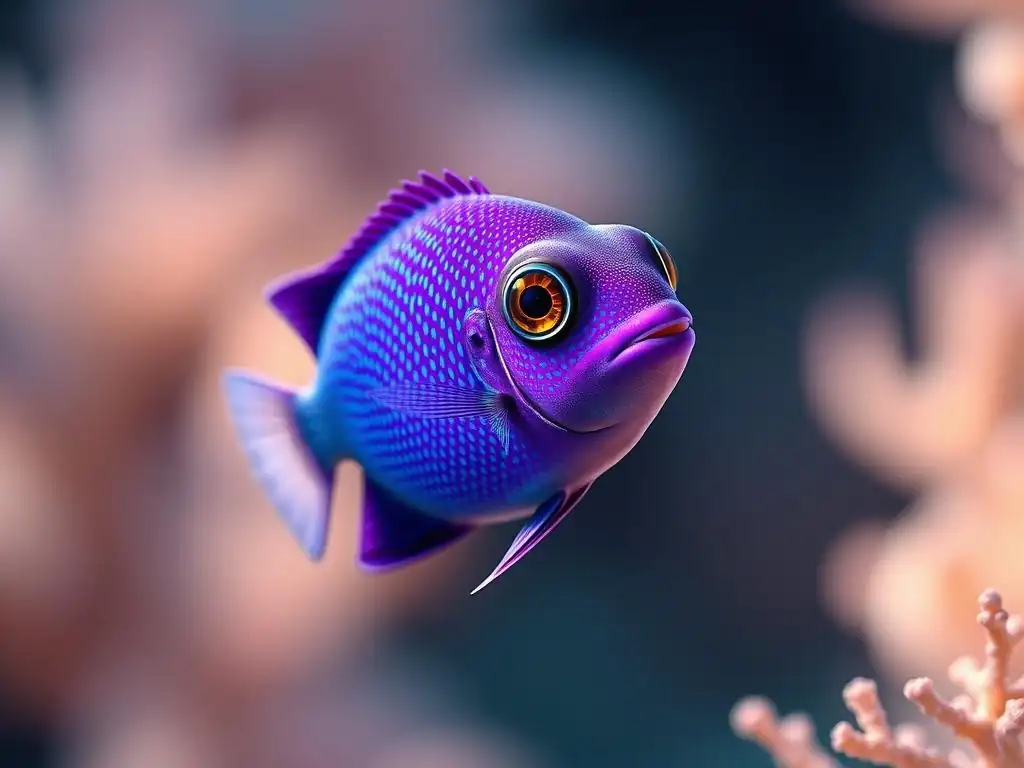
The Orchid Dottyback, scientifically known as Pseudochromis fridmani, is a captivating inhabitant of the Red Sea's coral reefs, renowned for its striking coloration and graceful movements. This small yet vibrant fish typically reaches an adult size of about 2 to 3 inches (approximately 5 to 7.5 centimeters), making it an ideal candidate for many home aquariums. Its most distinguishing feature is its brilliant, uniform purple or magenta hue, often accented by a distinctive black stripe that extends from its snout through its eye, terminating at the operculum.
Beyond its stunning visual appeal, Pseudochromis fridmani exhibits an engaging personality. In its natural habitat, it is often found darting amongst the intricate crevices and caves of the reef, showcasing its agile swimming ability. Unlike some of its more aggressive dottyback relatives, the Orchid Dottyback generally displays a more reserved temperament, particularly when provided with ample hiding spots and territory. This combination of beauty and manageable behavior has cemented its status as a highly sought-after species among saltwater aquarists.
Why Choose an Orchid Dottyback for Your Reef Tank?
Choosing an Orchid Dottyback for a reef tank offers numerous advantages, primarily its stunning visual impact and its generally Orchid Dottyback reef safe disposition. Their intense purple coloration provides a dramatic contrast against the blues and greens of coral and rockwork, instantly elevating the aesthetic appeal of any marine display. Furthermore, their relatively small size means they can thrive in tanks starting from 30 gallons, making them accessible to aquarists with moderate-sized setups who desire a splash of exotic color without requiring a massive footprint.
Aside from their beauty, Orchid Dottybacks are known for their hardiness and adaptability once acclimated, proving to be less susceptible to common aquarium ailments than some other delicate reef species. Their active swimming and curious nature add dynamic movement to the tank, and their tendency to occupy mid-to-lower water columns ensures activity throughout the entire aquarium. For those seeking an Orchid Dottyback reef safe fish that is both visually spectacular and robust, Pseudochromis fridmani presents an excellent choice, offering a rewarding experience for both novice and experienced reef keepers.
Frequently Asked Questions
How reef safe is the Orchid Dottyback, really?
While generally considered reef safe, the Orchid Dottyback can sometimes nip at small, delicate invertebrates like small shrimp or certain polyp types. It's important to monitor its behavior.
What size aquarium is recommended for an Orchid Dottyback?
A minimum tank size of 30 gallons is recommended. This provides enough space for the fish to establish a territory and reduces the likelihood of aggression towards tank mates. Larger tanks are always preferable.
What are the ideal water parameters for an Orchid Dottyback?
Orchid Dottybacks thrive in stable reef tank conditions. Maintain a salinity of 1.024-1.026 SG, a temperature of 72-78°F, and a pH of 8.1-8.4.
What type of diet does an Orchid Dottyback require?
They are primarily carnivores and require a diet rich in meaty foods. Offer a variety of high-quality flake food, frozen mysis shrimp, and brine shrimp.
Are Orchid Dottybacks aggressive towards other fish?
They can be territorial, especially towards smaller, docile fish or other similar-looking species. Providing ample rockwork and hiding places can help minimize aggression.
Final Reflection: Embracing the Nuance of Reefkeeping
The vibrant allure of the Orchid Dottyback, as we've explored, underscores a fundamental truth about reefkeeping: nothing is absolute. While often touted as "reef safe," the reality is far more nuanced, demanding careful observation and a deep understanding of individual fish personalities and the delicate balance of the reef ecosystem. This inherent complexity is what makes the hobby both challenging and endlessly rewarding.
The ongoing debate surrounding the Orchid Dottyback's suitability for reef tanks reflects a broader conversation about responsible aquarium keeping. It highlights the importance of thorough research, ethical sourcing, and a commitment to providing the best possible environment for our aquatic companions. This isn't just about aesthetics; it's about respecting the lives we bring into our homes. The question is not, 'Can they reason?' nor, 'Can they talk?' but rather, 'Can they suffer?'
- Jeremy Bentham. This quote serves as a constant reminder of our ethical obligations to all living creatures, including the captivating Orchid Dottyback.
So, as you consider adding an Orchid Dottyback to your reef, or any new inhabitant for that matter, I urge you to look beyond the labels and delve into the specifics. Embrace the responsibility that comes with creating a thriving ecosystem. Let the Orchid Dottyback, with its vibrant color and complex behavior, be a reminder that true beauty lies not just in what we see, but in the care and understanding we provide. Let's all strive to be more informed, more compassionate, and more dedicated reefkeepers.
Thank you for exploring the fascinating world of Orchid Dottybacks with us! We hope this article has shed light on whether this vibrant fish is right for your reef aquarium. Now, let's take your passion a step further:
- Carefully consider introducing an Orchid Dottyback into your reef tank, ensuring it's the right fit for your existing inhabitants and tank size. Research compatible tank mates and provide ample hiding spots to minimize aggression.
- Share this article with fellow reef enthusiasts who might be considering adding a splash of purple to their tanks! Let's spread the knowledge and help others make informed decisions.
- Visit your Local Fish Store and simply observe an Orchid Dottyback in their display tank. Watch its behavior. Are you still excited to introduce that fish into your display?
What surprising behavior did you observe in Orchid Dottybacks that changed your perception of these fish? Share your insights in the comments below!