
Diamond Goby (Valenciennea puellaris): The Ultimate SandSifting Reef Janitor?

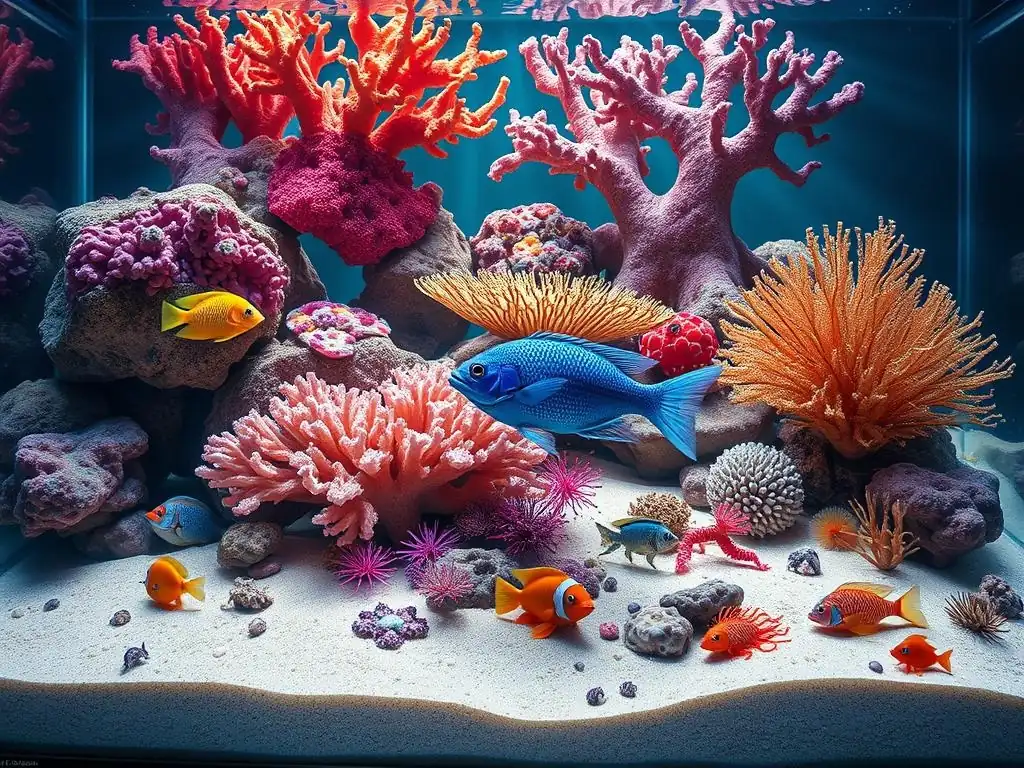
Welcome to Aquarium Mastery!
Intrigued by the shimmering sands and tireless work ethic of the Diamond Goby? You've come to the right place! Dive into our comprehensive Diamond Goby care guide and discover how this fascinating fish can transform your saltwater aquarium into a pristine and thriving reef environment. Ready to unlock the secrets to keeping your Valenciennea puellaris happy and healthy? Let's get started!
- Diamond Goby Care Guide: An Introduction to the Sand-Sifting Wonder
- Understanding the Diamond Goby: Species Profile and Natural Habitat
- Setting Up the Perfect Aquarium for Your Diamond Goby
- Diamond Goby Diet and Feeding: Keeping Your Sand Sifter Healthy
- Diamond Goby Behavior and Compatibility: Tank Mate Considerations
- Diamond Goby Care: Maintaining Optimal Health and Preventing Disease
- Diamond Goby Breeding and Reproduction: A Challenging Endeavor
- Pros and Cons of Keeping a Diamond Goby in a Reef Tank
- Diamond Goby vs. Other Sand-Sifting Gobies: A Comparison
- Troubleshooting Common Diamond Goby Issues
- Conclusion: Mastering Diamond Goby Care for a Thriving Reef Aquarium.
-
Frequently Asked Questions
- What exactly is a Diamond Goby and why is it called the "SandSifting Reef Janitor?"
- What size tank is recommended for a Diamond Goby?
- What are the ideal water parameters for a Diamond Goby?
- What should I feed my Diamond Goby besides what it finds in the sand bed?
- What are some common problems associated with Diamond Gobies in aquariums?
- Final Reflection: The Enduring Sparkle of a Clean Reef
- Transform Your Reef Tank: Unleash the Goby Power!
Diamond Goby Care Guide: An Introduction to the Sand-Sifting Wonder
The Diamond Goby, scientifically known as Valenciennea puellaris, stands out as a highly sought-after and beneficial addition to many saltwater aquariums, particularly reef environments. Revered for its diligent sand-sifting capabilities, this elegant fish plays a crucial role in maintaining a healthy and aesthetically pleasing substrate. Its continuous sifting action not only aerates the sand bed but also helps to keep detritus at bay, transforming it into a living, breathing component of the reef ecosystem.
This comprehensive Diamond Goby care guide will delve into every aspect of keeping this fascinating species. From understanding its natural behaviors and specific environmental needs to optimizing its diet and ensuring compatibility with other tank inhabitants, we will cover the essential knowledge required for aquarists to successfully integrate a Diamond Goby into their home reef. Mastering the intricacies of Diamond Goby care is key to unlocking the full potential of this industrious and captivating creature.
Understanding the Diamond Goby: Species Profile and Natural Habitat
Valenciennea puellaris: Scientific Classification and Taxonomy
The Diamond Goby belongs to the family Gobiidae, which is one of the largest families of fish, encompassing over 2,000 species. Its full scientific classification places it within the genus Valenciennea, specifically as Valenciennea puellaris. Common names for this species include Diamond Watchman Goby, Ornate Sleeper Goby, and Maiden Goby, alluding to its distinctive appearance and behavior. This genus is well-known for its members' specialized sand-sifting habits, a trait that makes them invaluable in the aquarium trade.
Understanding the taxonomic classification of Valenciennea puellaris is crucial for aquarists, as it provides insights into its evolutionary adaptations and shared characteristics with closely related species. Being part of the Gobiidae family often implies a bottom-dwelling lifestyle, a preference for burrows, and a diet rich in small invertebrates found in the substrate. This knowledge directly informs proper Diamond Goby care, guiding decisions on tank setup, substrate choice, and feeding strategies to mimic their natural environment.
Natural Habitat of the Diamond Goby: Where They Thrive in the Wild
In their natural environment, Diamond Gobies are widely distributed across the Indo-Pacific region. Their native range spans from the eastern coast of Africa, through the Maldives and Indonesia, and extends eastward to the Great Barrier Reef and various islands in the Western Pacific. These gobies primarily inhabit shallow, protected sandy or rubbly bottoms of lagoons, coastal bays, and sheltered outer reef slopes. They are typically found at depths ranging from approximately 3 to 30 meters (10 to 100 feet).
Within these habitats, Valenciennea puellaris exhibits its characteristic sand-sifting behavior, constantly foraging through the substrate for food. They are often observed in pairs, meticulously constructing and maintaining elaborate burrows under rocks or coral rubble, which serve as their primary refuge from predators. The presence of a deep, fine sand bed is paramount in their wild habitat, providing both a rich source of micro-invertebrates and the necessary material for their intricate burrow systems.
Diamond Goby Appearance: Identifying Characteristics and Size
The Diamond Goby is renowned for its striking and elegant appearance. Its elongated, torpedo-shaped body is typically adorned with a pearly white to pale yellow base coloration. This base is beautifully accented by numerous small, bright blue or iridescent spots that are often arranged in horizontal rows across its flanks. A defining feature includes two prominent, often reddish-brown or dark brown, stripes that run horizontally along its body: one originating from behind the eye and extending towards the caudal fin, and another parallel stripe situated below it.
In terms of size, Valenciennea puellaris can reach a mature length of approximately 15 to 18 cm (6 to 7 inches) in a well-maintained aquarium environment. Their large, expressive eyes are positioned high on their head, providing a wide field of vision while foraging. They possess a relatively small, downturned mouth, perfectly adapted for scooping up mouthfuls of sand. Their dorsal fins often feature an elongated first ray, and their pelvic fins are fused, forming a suction cup-like disc that aids in perching on surfaces or securing themselves in their burrows.
Setting Up the Perfect Aquarium for Your Diamond Goby
Tank Size Recommendations for Diamond Gobies: Ensuring Adequate Space
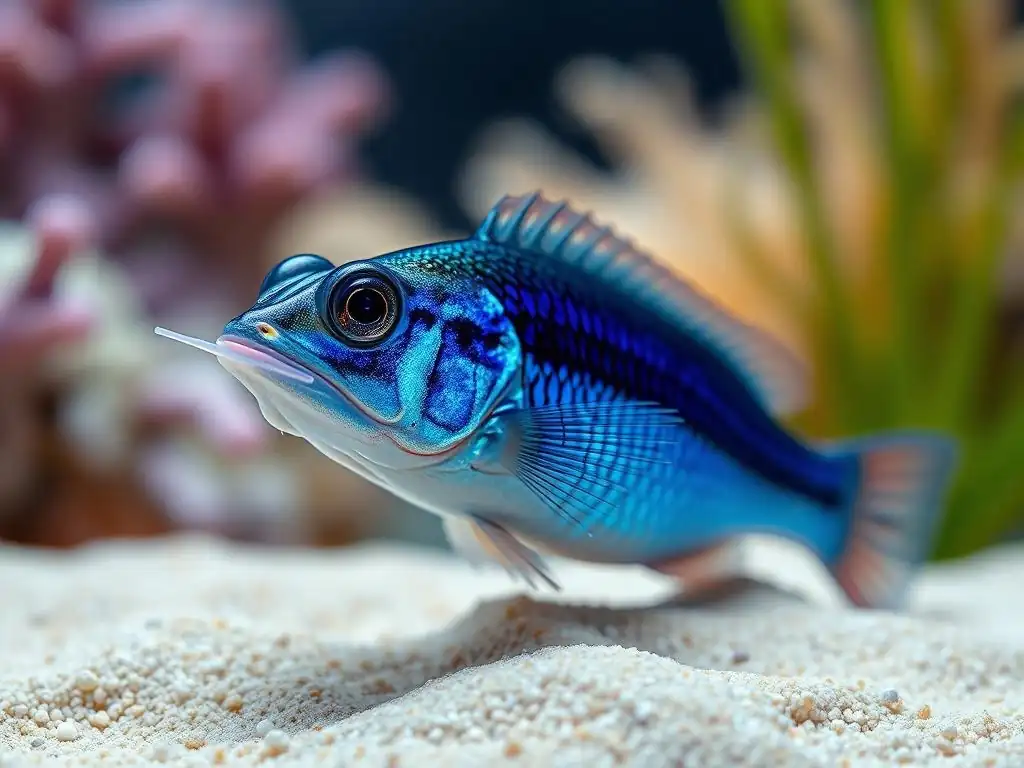
To ensure adequate space for a single Diamond Goby, a minimum tank size of 110 to 150 liters (30 to 40 gallons) is recommended. This volume provides sufficient water stability and, more importantly, enough sand bed area for their continuous sifting and burrowing activities. For aquarists considering keeping a confirmed mated pair, a larger tank, ideally 190 to 250 liters (50 to 65 gallons) or more, becomes necessary to accommodate their territorial needs and provide ample foraging grounds.
When selecting a tank for Diamond Goby care, the tank's footprint is often more critical than its height. A longer and wider aquarium provides a greater surface area for the sand bed, which is directly proportional to the amount of foraging space available to the goby. For instance, a tank measuring at least 90 cm (36 inches) in length offers a good horizontal expanse for a single specimen to establish its territory and conduct its diligent sand-sifting work without feeling confined.
Substrate Selection for Diamond Gobies: The Importance of Fine Sand
The choice of substrate is perhaps the single most critical factor in establishing a suitable environment for a Diamond Goby. A deep bed of fine, soft sand is absolutely essential for their well-being. It is recommended to provide a sand bed depth of at least 7 to 10 cm (3 to 4 inches), with an ideal depth being 10 to 15 cm (4 to 6 inches). This allows the goby to comfortably burrow and sift without encountering obstacles or damaging its delicate gills.
Using coarse substrates, such as crushed coral, large gravel, or overly sharp sand, can be detrimental to a Diamond Goby's health. Such materials can abrade their gills as they filter sand, leading to irritation, secondary bacterial infections, and ultimately, severe health issues. Aragonite sand with a grain size typically ranging from 0.5 to 2 mm (0.02 to 0.08 inches) is considered ideal. This type of sand not only provides the perfect texture for sifting but also contributes to maintaining stable water parameters by buffering pH and releasing essential calcium.
Water Parameters for Diamond Gobies: Maintaining a Healthy Environment
Maintaining stable and pristine water parameters is fundamental to successful Diamond Goby care. These fish thrive in conditions that mimic their natural tropical reef environment. The ideal temperature range for Valenciennea puellaris is between 24-27°C (75-80°F). Salinity should be kept stable at a specific gravity of 1.020-1.025, and the pH level should consistently remain within the range of 8.1-8.4.
Crucially, ammonia and nitrite levels must be undetectable (0 ppm), and nitrates should be kept as low as possible, ideally below 10-20 ppm. Robust biological and mechanical filtration are essential to achieve this. The use of a high-quality protein skimmer is highly recommended for any reef tank housing a Diamond Goby, as it efficiently removes organic waste before it can break down into harmful compounds. Moderate water flow is preferred, as strong currents can hinder their sand-sifting activities and make it difficult for them to feed effectively.
Creating a Reef-Safe Environment: Compatibility with Corals and Invertebrates
Diamond Gobies are widely regarded as a reef-safe species, making them an excellent choice for mixed reef aquariums. They do not typically nip at corals or bother most invertebrates. Their primary interaction with the reef environment revolves around their sand-sifting and burrowing activities. This behavior, while highly beneficial for sand bed aeration and detritus removal, can sometimes cause minor disturbances to sessile invertebrates or corals placed directly on the sand bed.
To mitigate any potential irritation, it is advisable to place sensitive corals, such as LPS (Large Polyp Stony) corals or soft corals, on elevated rockwork rather than directly on the substrate. This prevents them from being buried or constantly bombarded by expelled sand. Small, active invertebrates like Nassarius snails or various hermit crabs are generally safe tank mates and will not be bothered by the goby. However, extremely delicate or slow-moving invertebrates that reside on or within the sand might occasionally be disturbed by the goby's digging, though this is rarely a significant issue.
Diamond Goby Diet and Feeding: Keeping Your Sand Sifter Healthy
Natural Diet of Diamond Gobies: What They Eat in the Wild
In their natural habitat, Diamond Gobies are micro-carnivores, primarily feeding on a diverse array of small invertebrates and detritus found within the sand bed. Their unique feeding strategy involves taking large mouthfuls of sand, sifting through it to extract copepods, amphipods, small worms, tiny crustaceans, and other edible microfauna. The clean, filtered sand is then expelled through their gill slits, a continuous process that highlights their role as natural sand bed aerators.
This constant foraging means that a healthy, mature live sand bed teeming with a thriving population of micro-invertebrates is crucial for the long-term well-being of a Diamond Goby. They are opportunistic feeders, spending the majority of their waking hours grazing on the microscopic life within the substrate. In a wild setting, this constant access to a natural, live food source provides them with a complete and continuous diet, which is a key consideration for their Diamond Goby care in captivity.
Supplementing the Diet: Ensuring Nutritional Needs are Met
Even in a well-established aquarium with a seemingly robust sand bed, supplemental feeding is almost always necessary to ensure the Diamond Goby receives adequate nutrition. Tanks, especially those under 250 liters (65 gallons), often cannot sustain a sufficient natural microfauna population to meet the dietary demands of a constantly sifting goby over the long term. Without proper supplementation, these fish can slowly starve, becoming lethargic and losing coloration over time.
A varied diet of high-quality frozen foods is paramount for successful Diamond Goby care. Excellent choices include frozen mysis shrimp, which are highly nutritious and readily accepted by most individuals. Gut-loaded frozen brine shrimp can also be offered for variety, though they are less nutritionally dense than mysis. Finely chopped marine-based seafood, such as clam or shrimp, can also be a good addition. While some Diamond Gobies may eventually accept high-quality marine pellets or flakes, this is less common, and they generally prefer meaty, frozen fare.
Feeding Frequency and Quantities: Avoiding Overfeeding
When feeding your Diamond Goby, the key is to provide small quantities of food, typically 1 to 2 times per day. The amount offered should be consumed within a few minutes to prevent excess food from decaying and negatively impacting water quality. Unlike some other fish, Diamond Gobies are slow, methodical feeders that primarily forage at the bottom, so ensuring food reaches them before faster tank mates consume it is important.
Observing your goby's behavior is the best indicator of whether it's receiving sufficient food. A healthy Diamond Goby will be actively sifting sand throughout the day and exhibit a full, rounded belly. If the goby appears thin, lethargic, or its belly looks sunken, it may indicate insufficient feeding or a lack of natural food in the sand bed, and the feeding frequency or quantity should be slightly increased. Conversely, excessive feeding can lead to elevated nutrient levels, promoting nuisance algae growth and potentially harming the overall reef ecosystem.
Best Foods for Diamond Gobies: A Comprehensive List
For optimal Diamond Goby care and nutrition, a diverse diet is crucial. The primary recommended foods include:
- Frozen Mysis Shrimp: This is often considered the staple food. Mysis shrimp are rich in protein and essential fatty acids, making them highly nutritious for marine fish.
- Frozen Brine Shrimp (enriched/gut-loaded): While less nutritious on their own, gut-loaded brine shrimp can provide variety and are readily accepted.
- Live Copepods and Amphipods: These are arguably the best food source as they perfectly mimic the goby's natural diet. They can be cultured at home or purchased from aquatic retailers. Introducing live cultures regularly can significantly boost a goby's health.
- Finely Chopped Marine Meats: Small pieces of fresh or frozen clam, shrimp, or other seafood can be a highly palatable and nutritious treat.
Other foods that some Diamond Gobies may accept, though less consistently, include:
- High-Quality Marine Pellets: Small, sinking pellets designed for marine omnivores or carnivores.
- Marine Flakes: Less likely to be accepted due to their texture and tendency to float, but worth trying if the goby shows interest.
- Specialized Sand-Sifter Diets: If available, check the ingredients to ensure they are high in protein and suitable for a carnivorous goby.
Always ensure that any frozen foods are thawed before feeding and are free from harmful additives.
Diamond Goby Behavior and Compatibility: Tank Mate Considerations
Typical Diamond Goby Behavior: Understanding Their Sand-Sifting Habits
The most defining characteristic of the Diamond Goby's behavior is its continuous sand-sifting. These fish spend the vast majority of their active hours meticulously sifting through the substrate, taking in mouthfuls of sand and expelling the filtered material through their gill slits. This constant activity not only serves their dietary needs but also effectively aerates the sand bed, preventing the formation of anaerobic pockets that can release harmful hydrogen sulfide.
Beyond their feeding habits, Diamond Gobies are also prolific burrowers. They will construct elaborate, often deep, burrows under live rock or other stable structures, which serve as their primary shelter and retreat. They are generally peaceful and shy, preferring to stay near the bottom of the tank. While they are not typically aggressive towards other fish, they can be startled by sudden movements or bright lights, leading them to quickly dart into their burrows. It is important to note their propensity for jumping, especially when stressed, making a tight-fitting lid a necessity for Diamond Goby care.
Diamond Goby Tank Mates: Choosing Compatible Species
Choosing compatible tank mates is essential for the long-term well-being of your Diamond Goby. Ideal companions are peaceful, non-aggressive species that will not outcompete the goby for food or territory. Good examples of compatible fish include:
- Clownfish: Ocellaris and Percula clownfish are generally peaceful and occupy different water columns.
- Damselfish (less aggressive species): Azure Damselfish ( Chrysiptera parasema) or Springer's Damselfish ( Chrysiptera springeri) are generally acceptable, but avoid highly aggressive damsels.
- Other Gobies (non-competing): Peaceful gobies like Firefish ( Nemateleotris magnifica) or Royal Grammas ( Gramma loreto) make good companions. Avoid other dedicated sand-sifting gobies in smaller tanks to prevent food competition.
- Blennies: Species such as the Lawnmower Blenny ( Salarias fasciatus) or Tailspot Blenny ( Salarias segmentatus) are typically peaceful and occupy different niches.
- Small, Peaceful Wrasses: Certain species like the Six-Line Wrasse ( Pseudocheilinus hexataenia) can be compatible, but ensure they don't harass the goby.
The key is to select tank mates that occupy different areas of the aquarium, minimizing direct competition for space and food, thereby contributing to optimal Diamond Goby care.
Potential Aggression: Minimizing Territorial Disputes
While Diamond Gobies are generally peaceful, aggression can occasionally manifest, primarily under specific circumstances. The most common scenario for aggression is intra-species conflict. Keeping more than one Diamond Goby in an aquarium that is too small (under 190-250 liters or 50-65 gallons) can lead to territorial disputes, especially if both individuals are males. They are best kept either singly or as a confirmed, bonded mated pair, as attempting to introduce two unsexed individuals into an undersized tank often results in one dominating and stressing the other.
Another potential source of conflict arises from competition for food resources, particularly in tanks with limited microfauna or the presence of other highly efficient sand-sifting species. While not direct aggression, a Diamond Goby might become stressed or fail to thrive if it constantly competes for its primary food source. Providing ample hiding spots, stable rockwork for burrowing, and ensuring the tank is adequately sized for all inhabitants can significantly minimize territorial disputes and stress.
Avoiding Problematic Tank Mates: Species to Steer Clear Of
To ensure the safety and well-being of your Diamond Goby, it is crucial to avoid introducing certain types of fish that can pose a threat. Aggressive predators are at the top of this list; large Anglerfish, Lionfish, Groupers, large Eels, and even some large Tangs might view the relatively small and slow-moving goby as a potential meal. For instance, a mature Volitan Lionfish could easily consume a 15 cm Diamond Goby.
Furthermore, highly territorial or notoriously aggressive fish should be avoided. This includes species like certain large Damselfish (e.g., Domino Damsel, Three Stripe Damsel), most Triggerfish, large Angelfish, and Puffers, which might nip at, harass, or outcompete the Diamond Goby for food and space. Fast, voracious feeders can also be problematic, as they will quickly consume all available supplemental food before the more deliberate goby has a chance to feed, leading to starvation over time. Adhering to these guidelines is a critical aspect of responsible Diamond Goby care.
Diamond Goby Care: Maintaining Optimal Health and Preventing Disease
Common Diseases Affecting Diamond Gobies: Identification and Treatment
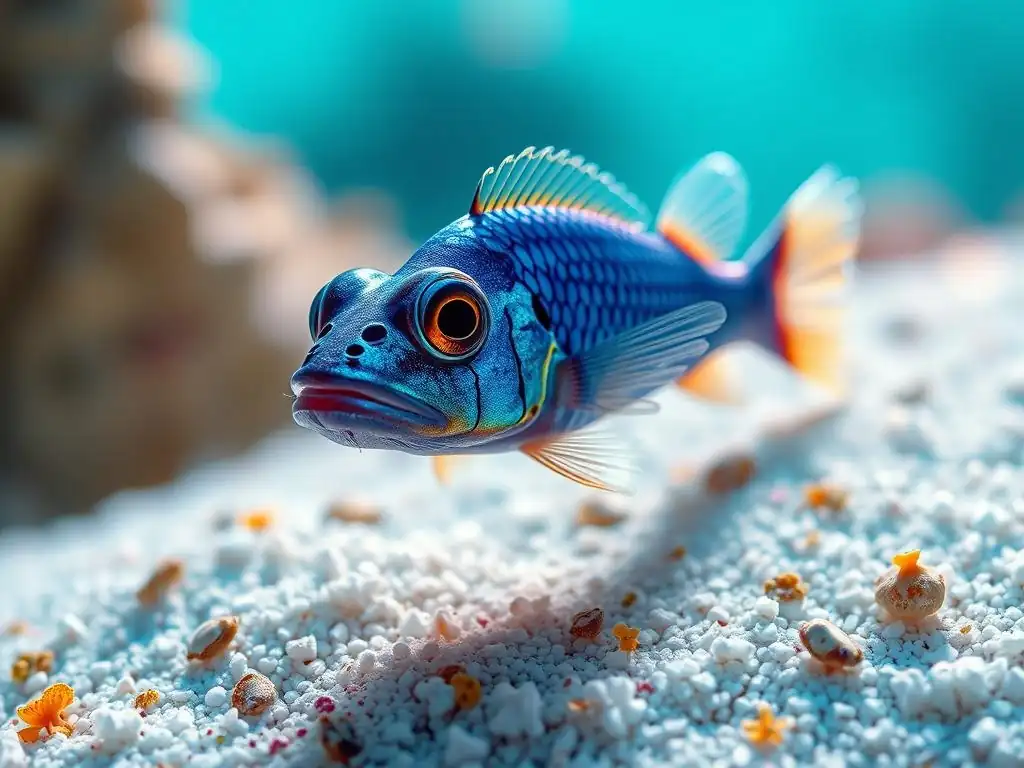
Diamond Gobies are generally robust fish, but like all marine species, they can be susceptible to common aquarium diseases if water quality is poor, stress levels are high, or new, infected tank mates are introduced without proper quarantine. The most prevalent ailments include marine ich ( Cryptocaryon irritans) and marine velvet ( Amyloodinium ocellatum), both highly contagious parasitic infections. Symptoms typically include the appearance of small white spots (ich) or a fine, dusty coating (velvet) on the body and fins, rapid respiration, lethargy, clamped fins, and loss of appetite.
Bacterial infections, such as fin rot or cloudy eyes, can also occur, often as secondary infections due to poor water conditions or physical injury. Identifying these issues early is crucial for successful treatment. Treatment for parasitic infections often involves transferring the affected fish to a separate quarantine tank for copper-based medication or hyposalinity treatment. Bacterial infections may require antibiotics. However, the cornerstone of Diamond Goby care is prevention through excellent husbandry, which significantly reduces the risk of disease outbreaks.
Quarantine Procedures: Protecting Your Existing Aquarium
Implementing a strict quarantine procedure for all new fish, including Diamond Gobies, is one of the most effective strategies for preventing the introduction of diseases into your established display tank. A quarantine tank (QT) should be set up as a separate, fully cycled system and used to house new arrivals for a period of 4 to 6 weeks. This duration allows sufficient time for any dormant diseases to manifest and for the fish to recover from the stress of transit.
A typical QT for a single Diamond Goby can be as small as 40 liters (10 gallons) and should be equipped with a heater, a small air-driven or hang-on-back filter, and PVC pipes or inert plastic decor for hiding spots. It is best to avoid a sand bed in the QT for easier cleaning and medication. During quarantine, observe the goby daily for any signs of illness, and if necessary, administer prophylactic or reactive treatments without risking the health of your main aquarium inhabitants. This meticulous approach is an indispensable part of comprehensive Diamond Goby care.
Maintaining Water Quality: Preventing Disease Outbreaks
Pristine and stable water quality is paramount for preventing disease outbreaks and ensuring the long-term health of your Diamond Goby. Fluctuations in parameters, or the accumulation of nitrates and other pollutants, can stress fish, compromising their immune systems and making them vulnerable to pathogens. Regular water changes are crucial; performing a 10-20% water change weekly or bi-weekly, depending on your tank's bioload, helps remove accumulated nitrates and replenish essential trace elements.
Consistent monitoring of key water parameters—ammonia, nitrite, nitrate, pH, and salinity—using reliable test kits is also vital. Any deviation from the ideal ranges should be addressed promptly. Furthermore, proper filtration, including efficient biological and mechanical filtration, along with a well-maintained protein skimmer, plays a significant role in removing organic waste before it can degrade into harmful compounds. Adequate water circulation prevents "dead spots" where detritus can accumulate, further reducing the risk of bacterial growth and disease.
Recognizing Signs of a Healthy Diamond Goby: Observation and Monitoring
A healthy Diamond Goby exhibits several key indicators of well-being that attentive aquarists should regularly observe. The most prominent sign is active and continuous sand-sifting behavior; a healthy goby will spend a significant portion of its day diligently sifting through the substrate. Its coloration should be vibrant and clear, with no dulling or unusual patches. Its eyes should be clear and bright, and its fins should be intact, without any signs of fraying or clamping.
Furthermore, a healthy Diamond Goby should maintain a full, rounded belly, indicating it is feeding sufficiently. It should be alert and responsive to its environment, though still somewhat shy, readily retreating to its burrow if startled. Any deviation from these normal behaviors—such as excessive hiding for prolonged periods, rapid or labored respiration, dull or faded coloration, refusal to eat for more than a day, or the presence of visible spots, lesions, or growths—should be considered a red flag and prompt immediate investigation and action. Regular, daily observation is key to proactive Diamond Goby care.
Diamond Goby Breeding and Reproduction: A Challenging Endeavor
Breeding Diamond Gobies in Captivity: The Difficulties Involved
Breeding Diamond Gobies ( Valenciennea puellaris) in a home aquarium setting is an exceptionally rare and challenging feat. While successful spawning and even rearing have been achieved in highly specialized public aquariums and advanced aquaculture facilities, it is almost unheard of for hobbyists to successfully breed and raise Diamond Goby fry to adulthood. This difficulty stems from a combination of factors, including specific environmental triggers, the need for large, stable breeding environments, and the extremely delicate nature of their larval stage.
The precise conditions required to induce spawning in captivity are not fully understood, and even when spawning occurs, the subsequent challenges are immense. The fry are microscopic and require highly specific, live food sources that are difficult to culture in sufficient quantities. Furthermore, maintaining pristine water quality for such delicate larvae without causing harm through filtration or water changes presents a significant hurdle. These factors contribute to the consensus that successful Diamond Goby breeding remains largely confined to professional aquaculture.
Sexing Diamond Gobies: Identifying Males and Females
Identifying the sex of Diamond Gobies ( Valenciennea puellaris) is notoriously difficult, especially when the fish are young or not in breeding condition. There are no readily apparent external sexual dimorphisms that allow for easy visual differentiation between males and females. Some aquarists suggest that mature males might be slightly larger and more robust, or that the first dorsal fin ray might be more elongated in males, but these are not reliable indicators and can vary significantly between individuals.
The most dependable method for identifying a male and female pair is through observation of their behavior. Diamond Gobies often form monogamous pairs in the wild and in captivity. If two individuals consistently share a burrow, cooperate in digging, and exhibit synchronized behaviors over an extended period, it is a strong indication that they have formed a bonded pair. Without observing such pair-bonding behavior, it is virtually impossible for the average hobbyist to accurately sex Diamond Gobies.
Spawning Behavior: Understanding the Reproductive Process
In their natural habitat, Diamond Gobies are believed to be substrate spawners, meaning they lay their eggs within their meticulously constructed burrows. While direct observations of spawning in the wild are rare, it is hypothesized that the male typically guards the eggs until they hatch, providing aeration and protection within the confines of their shared dwelling. In the exceedingly rare instances of captive spawning, the process is often subtle, occurring within the privacy of their burrow.
Spawning events, when they do occur in captivity, are reported to involve a courtship ritual where the pair reinforces and cleans their burrow. The eggs are likely adhesive, laid on the walls or ceiling of the burrow. After a short incubation period, typically a few days, the eggs hatch, releasing extremely tiny, pelagic larvae into the water column. These larvae are planktonic, drifting with the currents before eventually settling to the bottom as they mature.
Raising Diamond Goby Fry: A Rare and Challenging Success
The most significant hurdle in the captive breeding of Diamond Gobies is the successful rearing of their fry. The larvae are microscopic, measuring just a few millimeters upon hatching, and are planktonic, requiring highly specialized care. They necessitate an initial diet of extremely small live food, such as rotifers (e.g., Brachionus plicatilis), which must be cultured and enriched to provide adequate nutrition. As the fry grow, their diet can gradually transition to newly hatched brine shrimp nauplii.
Maintaining pristine water quality for such delicate and tiny fry is another immense challenge. Traditional filtration methods can easily siphon out or harm the larvae, requiring specialized rearing tanks with gentle aeration and careful water changes. Due to these complexities, few, if any, hobbyists have ever successfully raised Diamond Goby fry to adulthood. This aspect of Diamond Goby care is almost exclusively the domain of professional aquaculturists with dedicated facilities and extensive expertise in larval fish husbandry.
Pros and Cons of Keeping a Diamond Goby in a Reef Tank
Benefits of Diamond Gobies: Sand Bed Aeration and Detritus Removal
The primary and most significant benefit of introducing a Diamond Goby to a reef tank is its unparalleled ability to naturally maintain the sand bed. Their continuous sifting behavior serves as a highly effective form of aeration, preventing the formation of anaerobic pockets within the substrate. These pockets can otherwise release harmful hydrogen sulfide gas, which is toxic to many marine inhabitants. A single Diamond Goby can process a substantial volume of sand daily, effectively turning over several liters of substrate and mitigating the need for manual sand stirring.
Beyond aeration, Diamond Gobies are also diligent detritus removers. As they sift through the sand, they consume settled detritus, uneaten food particles, and small nuisance algae that accumulate on the substrate. This makes them an invaluable part of the clean-up crew, contributing to lower nutrient levels in the water column and promoting a healthier overall reef ecosystem. Their constant activity helps keep the sand bed visually clean and vibrant, enhancing the aesthetic appeal of the aquarium.
Potential Drawbacks: Sand Bed Disturbance and Food Competition
While highly beneficial, keeping a Diamond Goby does come with a few potential drawbacks. Their vigorous sifting can sometimes lead to temporary "sand storms," especially after initial introduction or if the sand bed is exceptionally fine. This can momentarily cloud the water, and in some cases, bury or irritate sensitive sessile invertebrates or corals placed directly on the sand bed. Aquascaping can also be affected, as their digging might undermine insecurely placed rocks, necessitating careful rockwork placement directly on the tank bottom or on egg crate.
Another consideration, particularly in smaller or sparsely populated sand beds, is potential food competition. If the tank's microfauna population is insufficient or if other sand-sifting species are present, the Diamond Goby might struggle to find enough natural food. This necessitates consistent supplemental feeding, and if overlooked, can lead to starvation over time. Therefore, while their benefits are significant, a thorough understanding of these potential issues is crucial for comprehensive Diamond Goby care.
Is a Diamond Goby Right for Your Reef Tank? Considerations and Alternatives
Deciding if a Diamond Goby is the right fit for your reef tank involves weighing its benefits against its specific requirements and potential drawbacks. Key considerations include:
- Tank Size: Can your aquarium comfortably accommodate a minimum of 110-150 liters (30-40 gallons) with a substantial sand bed?
- Substrate: Do you have, or are you willing to provide, a deep bed (7-15 cm / 3-6 inches) of fine, soft sand?
- Tank Mates: Are your existing or planned tank mates peaceful and non-aggressive, and will they not outcompete the goby for food?
- Feeding Commitment: Are you prepared to consistently supplement their diet with high-quality frozen foods and potentially live copepods?
- Aesthetic Preference: Are you comfortable with the occasional sand disturbance and the goby's constant rearrangement of the sand bed?
If a Diamond Goby doesn't align with your tank's setup or your preferences, several alternatives can help with sand bed maintenance. Nassarius snails are excellent detritus consumers and will burrow through the sand. Certain sand-sifting starfish (e.g., Archaster typicus) can also help, though they have specialized dietary needs and can starve in smaller tanks. Manual sand stirring, while more labor-intensive, is always an option to prevent anaerobic pockets.
Diamond Goby vs. Other Sand-Sifting Gobies: A Comparison
Comparing Diamond Gobies to Engineer Gobies: Differences and Similarities
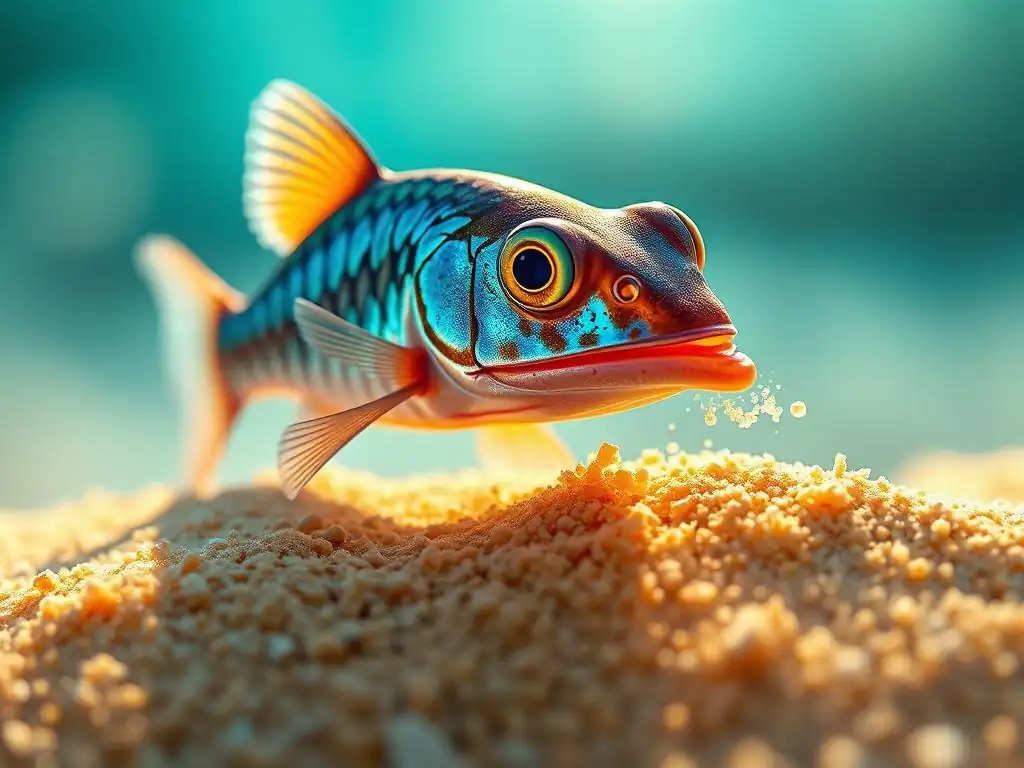
When discussing sand-sifting capabilities, the Diamond Goby ( Valenciennea puellaris) is often compared to the Engineer Goby ( Pholidichthys leucotaenia), though they serve very different roles.
Engineer Goby (Pholidichthys leucotaenia):
- Appearance: Juveniles are eel-like, black with striking white stripes, resembling a venomous sea snake. Adults become mottled brown and black.
- Size: Much larger, reaching up to 45 cm (18 inches) in length.
- Behavior: Primarily a "digger" rather than a true "sifter." They construct extensive, complex burrow systems, often with multiple entrances, and can significantly rearrange rockwork. They are schooling fish when young, becoming solitary or living in small groups as adults.
- Tank Size: Requires very large tanks, typically 300+ liters (80+ gallons), due to their adult size and extensive burrowing.
- Diet: Primarily carnivorous, feeding on meaty foods and small invertebrates.
Diamond Goby (Valenciennea puellaris):
- Appearance: Pearly white with blue/brown spots and stripes.
- Size: Smaller, typically reaching 15-18 cm (6-7 inches).
- Behavior: A dedicated "sifter," constantly filtering sand for micro-invertebrates. They dig simpler burrows, usually under a single rock.
- Tank Size: Moderate, 110-150 liters (30-40 gallons) for a single specimen.
- Diet: Micro-carnivore, sifting for copepods, amphipods, and detritus.
Similarities: Both species are excellent burrowers and contribute to sand bed health, but the Engineer Goby is a large-scale excavator, while the Diamond Goby is a meticulous filter-feeder of the substrate.
Diamond Goby vs. Yellow Watchman Goby: Choosing the Right Species
Another common comparison in Diamond Goby care discussions is with the Yellow Watchman Goby ( Cryptocentrus cinctus), though their primary roles in the aquarium differ significantly.
Yellow Watchman Goby (Cryptocentrus cinctus):
- Appearance: Bright yellow body with iridescent blue spots.
- Size: Smaller, typically reaching up to 10 cm (4 inches).
- Behavior: Best known for forming symbiotic relationships with pistol shrimp ( Alpheus spp.). The goby acts as a "watchman," alerting the nearly blind shrimp to danger, while the shrimp digs a shared burrow. They are not primary sand sifting gobies, though they may occasionally sift small amounts of sand near their burrow. They often perch on rockwork or the entrance of their burrow.
- Niche: Provides fascinating symbiotic behavior and is a good choice for smaller tanks (75 liters / 20 gallons).
- Diet: Carnivorous, feeding on meaty foods, not primarily sand-sifted organisms.
Diamond Goby (Valenciennea puellaris):
- Appearance: Pearly white with blue/brown spots and stripes.
- Size: Larger, up to 18 cm (7 inches).
- Behavior: A dedicated and constant sand sifter, spending most of its time foraging in the substrate. Does not form symbiotic relationships with shrimp.
- Niche: Specialized sand bed cleaner and aerator.
- Key Difference: The Yellow Watchman Goby is chosen for its symbiotic relationship and perching behavior, while the Diamond Goby is selected specifically for its intensive sand-sifting capabilities and sand bed maintenance.
Other Sand-Sifting Goby Options: Exploring Alternative Choices
Beyond the Diamond Goby, several other species within the Valenciennea genus are also excellent sand-sifters and can be considered as alternatives, depending on availability and specific tank needs. These gobies share the Diamond Goby's diligent sand-sifting habits and burrowing tendencies, making them valuable members of a reef tank's clean-up crew.
- Valenciennea strigata (Blue Cheek Goby / Pennant Goby): Very similar in behavior and care to the Diamond Goby, often slightly smaller, reaching about 15 cm (6 inches). They have a distinctive blue patch on their cheeks and a more pronounced dark stripe along their body.
- Valenciennea wardii (Ward's Sleeper Goby): Another highly effective sand sifter, typically with darker, mottled brown coloration. They also grow to a similar size as the Diamond Goby and require comparable care.
- Valenciennea longipinnis (Long-finned Goby): Less commonly seen in the trade, but also a dedicated sand sifter with elongated finnage.
While their general sand-sifting habits are consistent across the genus, always research the specific care requirements for any alternative species, as there can be subtle differences in maximum size, temperament, and specific dietary preferences. Ensuring the chosen species fits the tank's size, existing inhabitants, and your commitment to Diamond Goby care guidelines is crucial for success.
Troubleshooting Common Diamond Goby Issues
Diamond Goby Disappearing Act: Addressing Hiding Behavior
One of the most common concerns for new Diamond Goby owners is their tendency to "disappear" for extended periods. This behavior is entirely normal for Valenciennea puellaris. Diamond Gobies are natural burrowers and can be quite shy, especially when newly introduced to an aquarium or if they feel stressed. They will diligently dig and hide in their self-made burrows, sometimes remaining out of sight for several days or even weeks until they feel completely secure and acclimated to their new environment.
To address this hiding behavior, ensure your rockwork is securely placed directly on the tank bottom or on an egg crate to prevent collapses from their digging. Provide ample hiding spots and multiple burrowing options within the sand bed and around the rockwork. Minimize stressors by maintaining stable water parameters, introducing only peaceful tank mates, and avoiding sudden movements or loud noises near the tank. Patience is key; a healthy Diamond Goby will eventually emerge when it feels comfortable and safe, resuming its characteristic sand-sifting activities.
Diamond Goby Not Eating: Identifying and Resolving Feeding Problems
A Diamond Goby refusing to eat can be a serious concern and often points to underlying issues that require immediate attention for effective Diamond Goby care. Common causes for a lack of appetite include:
- Stress: New environments, aggressive tank mates, or unstable water parameters can cause significant stress, leading to refusal to feed.
- Insufficient Microfauna: If the sand bed is new, too clean, or lacks a thriving population of copepods and amphipods, the goby may not find enough natural food.
- Unsuitable Food: The food offered might be too large, unappealing, or not sinking fast enough for the goby to access it at the bottom.
- Disease: Lethargy and loss of appetite are often early signs of parasitic or bacterial infections.
To resolve feeding problems:
- Ensure a peaceful environment and stable water parameters.
- Supplement the diet with live copepods and amphipods, especially during the initial acclimation period, to stimulate natural foraging.
- Offer small, high-quality frozen foods like mysis shrimp or enriched brine shrimp.
- If the goby is very shy, try target feeding near its burrow using a pipette or turkey baster.
- Carefully observe the goby for any signs of illness and address them promptly.
Diamond Goby Aggression: Managing Territorial Disputes
While Diamond Gobies are generally known for their peaceful demeanor, aggression can sometimes occur, typically in specific situations. The most common scenario for aggression is when more than one Diamond Goby is housed in a tank that is too small, especially if they are not a confirmed mated pair. In such cases, one goby may become dominant and relentlessly harass the other, leading to stress, injury, or even death for the submissive individual. Competition for sand-sifting territory or food resources with other bottom-dwelling or sand-sifting species can also occasionally lead to minor disputes.
To manage territorial disputes:
- Ensure the tank size is adequate for the number of Diamond Gobies you wish to keep (single or a confirmed pair in a sufficiently large tank). Avoid keeping multiple unsexed gobies in smaller setups.
- If intra-species aggression is severe, consider separating the individuals into different tanks.
- Remove any overly aggressive tank mates that might be harassing the goby, causing it to lash out defensively.
- Provide plenty of hiding spots and visual barriers within the aquascape to allow the goby to retreat and feel secure, reducing perceived threats.
Diamond Goby Tank Jumping: Preventing Escape Attempts
Diamond Gobies, like many other goby species, are known jumpers. This behavior is a common concern for aquarists and can lead to serious injury or death if the fish leaps out of the aquarium. Gobies might jump when startled by sudden movements or loud noises outside the tank, if water quality is poor, or if they perceive a threat within the aquarium. They may also jump if they are stressed or seeking new territory, or if their current environment doesn't meet their needs.
To prevent escape attempts:
- Use a tight-fitting lid or mesh screen top: This is the most effective preventative measure. Ensure there are no gaps large enough for the goby to squeeze through, even small openings around heaters or filters.
- Maintain stable, high-quality water parameters: Poor water quality can stress fish and trigger jumping. Regular testing and water changes are crucial.
- Minimize sudden disturbances: Avoid abrupt movements or loud noises near the tank that could startle the goby.
- Ensure peaceful tank mates: Avoid pairing them with aggressive or overly active fish that might harass or stress the goby, leading to a desire to escape.
- Provide adequate hiding spots and burrows: A secure and comfortable environment reduces stress and the inclination to jump.
Conclusion: Mastering Diamond Goby Care for a Thriving Reef Aquarium.
The Diamond Goby ( Valenciennea puellaris) is undoubtedly a captivating and highly beneficial addition to many saltwater reef aquariums. Its tireless sand-sifting activity provides invaluable natural aeration and detritus removal, contributing significantly to a cleaner, healthier, and more stable substrate environment. As this comprehensive Diamond Goby care guide illustrates, successfully keeping this species hinges on understanding and diligently meeting its specific requirements.
From providing an adequately sized tank with a deep, fine sand bed to maintaining pristine water parameters and offering a varied, supplemental diet, each aspect of their care is crucial. While their shy nature and potential for jumping require attention, with proper planning, compatible tank mates, and consistent observation, the Diamond Goby can thrive. Mastering Diamond Goby care not only ensures the well-being of this fascinating fish but also enhances the overall vitality and aesthetic appeal of your thriving reef aquarium, making it a truly rewarding endeavor for any dedicated aquarist.
Frequently Asked Questions
What exactly is a Diamond Goby and why is it called the "SandSifting Reef Janitor?"
A Diamond Goby (Valenciennea puellaris) is a popular saltwater fish known for its habit of sifting through the sand bed. It's nicknamed the "SandSifting Reef Janitor" because it helps to keep the substrate clean by consuming algae and detritus.
What size tank is recommended for a Diamond Goby?
A tank size of at least 30 gallons is recommended for a single Diamond Goby. This provides sufficient space for the fish to forage and establish a territory, and also accommodates their size as they mature.
What are the ideal water parameters for a Diamond Goby?
Diamond Gobies thrive in stable saltwater conditions with a temperature range of 72-78°F (22-26°C). Maintaining a specific gravity of 1.023-1.025 and a pH of 8.1-8.4 is also crucial for their health.
What should I feed my Diamond Goby besides what it finds in the sand bed?
While they sift sand, Diamond Gobies need supplemental feeding. Offer a varied diet including small meaty foods like mysis shrimp, brine shrimp, and finely chopped seafood. Make sure the food is small enough for them to ingest easily.
What are some common problems associated with Diamond Gobies in aquariums?
A common issue is starvation, as they may not find enough food in the sand bed, especially in new or less established tanks. Another potential problem is aggression towards similar sand-sifting species.
Final Reflection: The Enduring Sparkle of a Clean Reef
The journey of understanding the Diamond Goby, as detailed in this care guide, underscores the crucial role even the smallest creatures play in maintaining a thriving reef ecosystem. The symbiotic relationship between these diligent sand sifters and the health of our aquariums is a powerful reminder of the interconnectedness of life. Just as a single diamond reflects light from countless facets, the Diamond Goby's impact resonates throughout the entire reef environment, highlighting the importance of responsible and informed care.
This exploration into the Diamond Goby's needs and behaviors has not only deepened our understanding of reef keeping, but also illuminated the broader responsibility we have as stewards of these delicate ecosystems. Witnessing the dedication of these creatures to their natural task inspires a deeper appreciation for the intricate balance of nature. In nature, nothing exists alone.
- Rachel Carson. This quote perfectly encapsulates the Diamond Goby's role; it's not just a fish, but a vital component of a complex and beautiful system.
Now, armed with this knowledge, consider the impact of your choices on the delicate balance of your own reef aquarium. Reflect on the responsibility you hold to provide not just sustenance, but a thriving environment for all its inhabitants, including the humble Diamond Goby. Let this guide serve as a constant reminder to approach reef keeping with mindfulness, empathy, and a commitment to preserving the enduring sparkle of a healthy reef.
Transform Your Reef Tank: Unleash the Goby Power!
Thank you for exploring the fascinating world of the Diamond Goby! We hope you've gained valuable insights into how this diligent sand-sifter can benefit your reef aquarium. Now, it's time to take action and create a healthier, more vibrant ecosystem.
Here are a few steps you can take:
- Plan your reef tank assessment and determine if a Diamond Goby is the right fit for your substrate and tank size. Consider your existing livestock and their compatibility with the goby's natural behaviors.
- Share this article with fellow reef enthusiasts who might benefit from learning about the Diamond Goby's unique abilities and considerations for care.
- Research sustainable sourcing options for Diamond Gobies, supporting ethical collection practices that prioritize the health of coral reefs.
What strategies will you employ to ensure your sand-sifting goby thrives in your reef environment?