
EggScattering Cyprinids: Understanding Danio and Rasbora Spawning Behavior

Welcome to Aquarium Mastery!
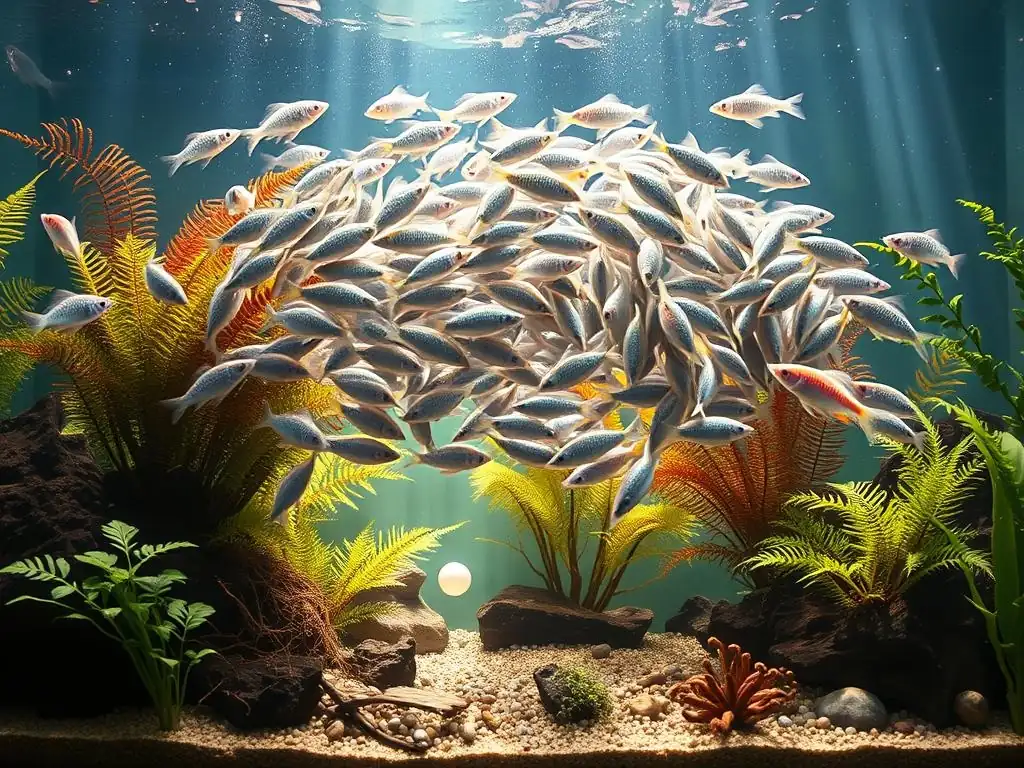
Ever wondered how to unlock the secrets of successfully breeding those captivating Danio Rasbora in your own aquarium? Get ready to dive deep! This article unveils the fascinating world of egg-scattering cyprinids and provides invaluable insights into Danio Rasbora spawning techniques. Are you ready to witness the miracle of life in your tank? Let's explore!
- Introduction to Danio and Rasbora Breeding
- Identifying Breeding Readiness in Danios and Rasboras
- Setting Up a Dedicated Spawning Tank for Danios and Rasboras
- The Danio and Rasbora Spawning Process: A Step-by-Step Guide
- Caring for Danio and Rasbora Eggs and Fry
- Common Challenges and Solutions in Danio/Rasbora Breeding
- Encouraging Successful Spawning: Tips and Tricks
- Alternative Spawning Methods for Egg-Scattering Cyprinids
- Conclusion: Mastering Danio and Rasbora Spawning
-
Frequently Asked Questions
- What are some key differences in spawning behavior between Danios and Rasboras?
- How do I create an ideal spawning environment for Danios and Rasboras in my aquarium?
- What are the signs that my Danios or Rasboras are ready to spawn?
- What steps should I take to protect the eggs after spawning has occurred?
- How long does it take for Danio and Rasbora eggs to hatch and what do the fry need?
- Final Reflection: The Dance of Life and Legacy
- Unveil the Secrets of Breeding Your Own Danios and Rasboras!
Introduction to Danio and Rasbora Breeding
The Allure of Breeding Small Cyprinids in Home Aquariums
Breeding small cyprinids like Danios and Rasboras in a home aquarium offers a uniquely rewarding experience for aquarists of all levels. Their relatively small size, generally peaceful temperament, and prolific nature make them excellent candidates for those looking to delve into fish breeding. For instance, species like the Zebra Danio ( Danio rerio) are often recommended as a beginner's breeding project due to their hardiness and straightforward Danio Rasbora spawning techniques, providing an accessible entry point into observing the full life cycle of an aquatic creature.
Beyond the educational value, successfully breeding these fish can contribute to the sustainability of the hobby by reducing reliance on wild-caught specimens. It also allows aquarists to develop a deeper understanding of fish behavior, genetics, and water chemistry. The satisfaction of raising a batch of fry from microscopic eggs into vibrant, free-swimming fish is a significant draw, fostering a deeper connection to the aquatic ecosystem within one's home.
Understanding Egg-Scattering Spawning Methods in Fish
Egg-scattering is a common reproductive strategy among many small cyprinids, including Danios and Rasboras. Unlike species that build elaborate nests or provide direct parental care, these fish simply release their eggs into the water column or onto a suitable substrate, leaving them to develop independently. This method relies on the sheer volume of eggs produced to ensure the survival of at least some offspring, compensating for the lack of parental protection.
A typical female Danio or Rasbora can lay anywhere from 100 to 300 eggs during a single spawning event, scattered across fine-leaved plants or other mediums. These eggs are often slightly adhesive, allowing them to stick to surfaces like Java Moss or spawning mops, which helps prevent them from being swept away by currents. Understanding this fundamental spawning behavior is crucial for setting up an effective breeding environment and maximizing the yield of fry from your Danio Rasbora spawning techniques.
Identifying Breeding Readiness in Danios and Rasboras
Physical Characteristics Indicating Spawning Readiness
Observing subtle physical changes in your Danios and Rasboras is key to identifying when they are ready to spawn. These indicators are often species-specific but follow general patterns across both genera. A keen eye can discern these changes days before actual spawning occurs, allowing ample time to prepare a dedicated breeding setup.
These physical cues are direct manifestations of the fish's physiological state, signaling that their reproductive systems are mature and active. Recognizing them is the first step in successful Danio Rasbora spawning techniques, as it helps in selecting the most viable breeding candidates.
Female Danio/Rasbora: Distended Abdomen and Gravid Spot
A primary indicator of a female Danio or Rasbora's readiness to spawn is a noticeably distended abdomen. As her eggs mature, her belly will become significantly plumper, often appearing rounder and more swollen than usual. For instance, a female Harlequin Rasbora ( Trigonostigma heteromorpha) ready to spawn will show a much fuller body profile, particularly in the ventral area, in contrast to her typically slender appearance.
While not as pronounced as in livebearers, some species may exhibit a subtle "gravid spot" or a general darkening in the area behind the anal fin due to the presence of mature eggs. This abdominal swelling is a clear sign that the female is "gravid," meaning she is full of eggs and ready to release them, making her an ideal candidate for your Danio Rasbora spawning techniques.
Male Danio/Rasbora: Intensified Colors and Chasing Behavior
Males, conversely, typically do not show significant physical changes in body shape, but their coloration often intensifies dramatically when they are ready to breed. The stripes on a male Zebra Danio, for example, may become more vibrant and iridescent, or the characteristic wedge shape on a male Harlequin Rasbora might display a deeper, richer red-orange hue. This enhanced coloration serves as a visual signal to attract females.
Alongside intensified colors, male Danios and Rasboras will exhibit heightened activity and an increased tendency to chase females. This chasing behavior, often involving rapid darting and nudging, is a crucial part of their courtship ritual, indicating their eagerness to engage in Danio Rasbora spawning techniques. Healthy, well-conditioned males will be persistent in their pursuit of gravid females.
Behavioral Cues Suggesting Imminent Spawning
Beyond physical changes, specific behavioral cues provide strong indications that spawning is imminent. These behaviors are often observed in the main tank before fish are moved to a dedicated breeding setup. Paying close attention to these interactions can help predict the optimal time for intervention.
These behavioral patterns are an integral part of their natural reproductive cycle, finely tuned to ensure successful fertilization. Recognizing them allows aquarists to time their breeding efforts precisely, increasing the likelihood of a successful spawn.
Increased Activity and Courtship Rituals
As spawning approaches, both male and female Danios and Rasboras will often exhibit a noticeable increase in overall activity. They may dart around the tank more vigorously, particularly in the morning hours. Males will become more assertive in their pursuit of females, often attempting to herd them towards areas with dense plant cover or other potential spawning sites.
The courtship rituals involve specific displays, such as males quivering their bodies or flaring their fins while circling a receptive female. This heightened interaction and focused attention on potential mates are clear signals that the fish are preparing for the actual egg-laying process. Observing these intensified Danio Rasbora spawning techniques in your community tank suggests it's time to prepare a dedicated breeding environment.
Setting Up a Dedicated Spawning Tank for Danios and Rasboras
Tank Size and Aquascaping for Optimal Spawning Success
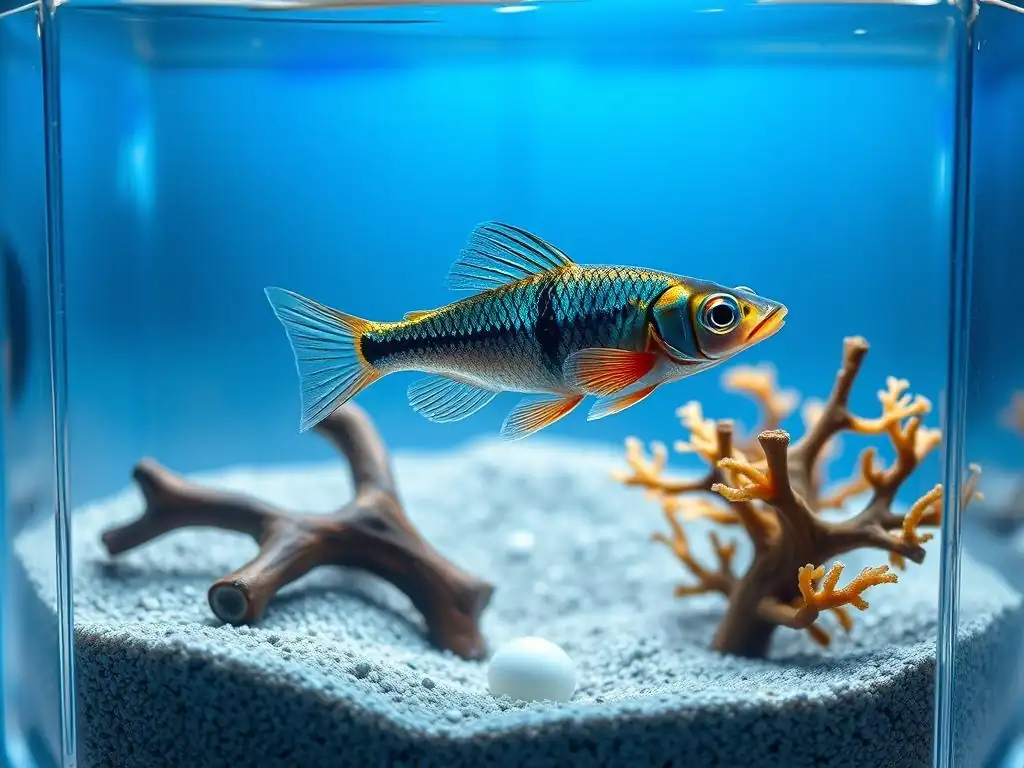
A dedicated spawning tank significantly increases the success rate of breeding Danios and Rasboras compared to attempting it in a community tank. A small aquarium, typically 5 to 10 gallons (approximately 19 to 38 liters), is perfectly adequate for a single breeding pair or a small group. The smaller volume makes it easier to control water parameters and to locate and collect the tiny eggs.
The aquascaping of this tank should be minimalistic and focused purely on facilitating spawning and egg collection. A bare bottom is preferred, as it simplifies the removal of parents and the eventual collection of fry. The primary decorative elements will be those designed to catch the eggs, which is crucial for successful Danio Rasbora spawning techniques.
Creating Fine-Leaved Plant Cover or Using Spawning Mops
To protect the scattered eggs from predation by the parents, providing ample fine-leaved plant cover or artificial spawning mops is essential. Natural options include large clumps of Java Moss ( Taxiphyllum barbieri), Hornwort ( Ceratophyllum demersum), or Anacharis ( Egeria densa). These plants offer a dense network of leaves for the slightly adhesive eggs to cling to as they fall. A clump of Java Moss, for example, measuring approximately 4x4 inches, can effectively collect hundreds of eggs.
Alternatively, artificial spawning mops made from nylon yarn are highly effective and reusable. These mops, weighted down to sink, provide a similar fibrous structure that eggs can adhere to. Covering about 50-70% of the tank bottom with either live plants or spawning mops ensures that a significant number of eggs are deposited in a protected area, maximizing the yield from your Danio Rasbora spawning techniques.
Water Parameters Ideal for Danio and Rasbora Egg Laying
Maintaining precise and stable water parameters is critical for encouraging spawning and ensuring high egg viability. While Danios and Rasboras are generally adaptable, specific conditions can act as triggers for breeding. The water should be clean and well-conditioned, free from ammonia and nitrites, with nitrates kept at minimal levels (below 10 ppm).
Consistency in these parameters is often more important than hitting exact numbers, as sudden fluctuations can stress the fish and inhibit spawning. Regular monitoring with a reliable test kit is recommended to ensure the environment remains optimal for successful Danio Rasbora spawning techniques.
Maintaining Soft, Slightly Acidic Water Conditions
For optimal Danio Rasbora spawning techniques, soft to moderately hard water with a slightly acidic to neutral pH is generally preferred. A pH range of 6.5 to 7.0 and a general hardness (GH) between 5-8 dGH (degrees of General Hardness) are often cited as ideal. These conditions mimic the natural environments of many wild Danio and Rasbora species, stimulating reproductive instincts and improving egg fertilization and hatch rates.
To achieve these parameters, aquarists can use reverse osmosis (RO) water mixed with a small amount of conditioned tap water, or employ natural methods such as adding peat granules to the filter or placing clean driftwood in the tank. These additions can slowly lower pH and hardness. A consistent temperature of around 75-78°F (24-25.5°C) also helps to stimulate spawning behavior.
Filtration and Aeration for a Healthy Spawning Environment
The filtration system in a spawning tank needs to be gentle to avoid harming delicate eggs and newly hatched fry. A strong current from a power filter can easily damage or scatter eggs, making collection difficult and reducing hatch rates. Therefore, selecting the appropriate filtration is a crucial aspect of Danio Rasbora spawning techniques.
Proper aeration ensures sufficient dissolved oxygen, which is vital for the health of both adult fish and developing eggs. A lack of oxygen can lead to failed spawns or high egg mortality, highlighting the importance of a well-designed system.
A gentle air-driven sponge filter is the ideal choice for a Danio/Rasbora spawning tank. It provides excellent biological filtration without creating strong currents that could dislodge or damage eggs. The slow flow of water through the sponge also prevents tiny fry from being sucked in once they hatch. For a 5-gallon tank, a small sponge filter is typically sufficient.
In addition to the sponge filter, an air stone connected to a small air pump can be used to provide supplementary aeration. This ensures that the water is consistently oxygenated, which is particularly important for the developing eggs. High oxygen levels help prevent fungal growth on the eggs and support the metabolic needs of the embryonic fish. This simple setup supports a healthy environment for successful Danio Rasbora spawning techniques.
The Danio and Rasbora Spawning Process: A Step-by-Step Guide
Introducing the Breeding Pair (or Group) to the Spawning Tank
Once the spawning tank is fully set up with appropriate water parameters and egg-catching substrate, the next step is to introduce the conditioned breeding fish. It's often most effective to introduce the fish in the late evening, allowing them to acclimate to their new environment overnight. A common strategy for Danios is to use a "trio" setup, consisting of two healthy, active males for one gravid female, as this can stimulate competition and increase spawning success.
For Rasboras, a single pair can often suffice, but a small group (e.g., 2 females to 3 males) can also be effective. Ensure the fish chosen are in peak condition, well-fed, and showing the physical and behavioral signs of readiness discussed earlier. This careful selection and introduction are vital steps in mastering Danio Rasbora spawning techniques.
Observing the Spawning Behavior: Chasing and Egg Release
Spawning typically commences at dawn, with the first rays of light (or when tank lights come on). Males will vigorously chase the female(s) into the spawning medium (dense plants or mops). The female will then release small batches of eggs, often 5-20 at a time, which are immediately fertilized by the male(s). This process is quite active and can continue for several hours.
The eggs are tiny, often translucent, and will settle into the spawning medium. A single female Zebra Danio can lay up to 300 eggs in a prolific spawning session, though not all will be fertile or survive. Observing this intricate dance is a fascinating aspect of the Danio Rasbora spawning techniques. The female's abdomen will appear noticeably deflated once spawning is complete.
Protecting the Eggs from Predation: Removing the Parents
Danios and Rasboras are opportunistic egg eaters, and if left in the spawning tank, they will quickly consume their own eggs. Therefore, once spawning is complete – typically indicated by the female's deflated appearance and a cessation of the intense chasing behavior – the adult fish must be promptly removed. This usually occurs within a few hours of the spawning beginning.
Gently net the parents and return them to their main aquarium. This critical step ensures that the maximum number of eggs are protected and allowed to develop. Without the removal of parents, even a highly successful spawn can result in virtually no fry, making this a non-negotiable part of effective Danio Rasbora spawning techniques.
Caring for Danio and Rasbora Eggs and Fry
Incubation Period and Hatching Process
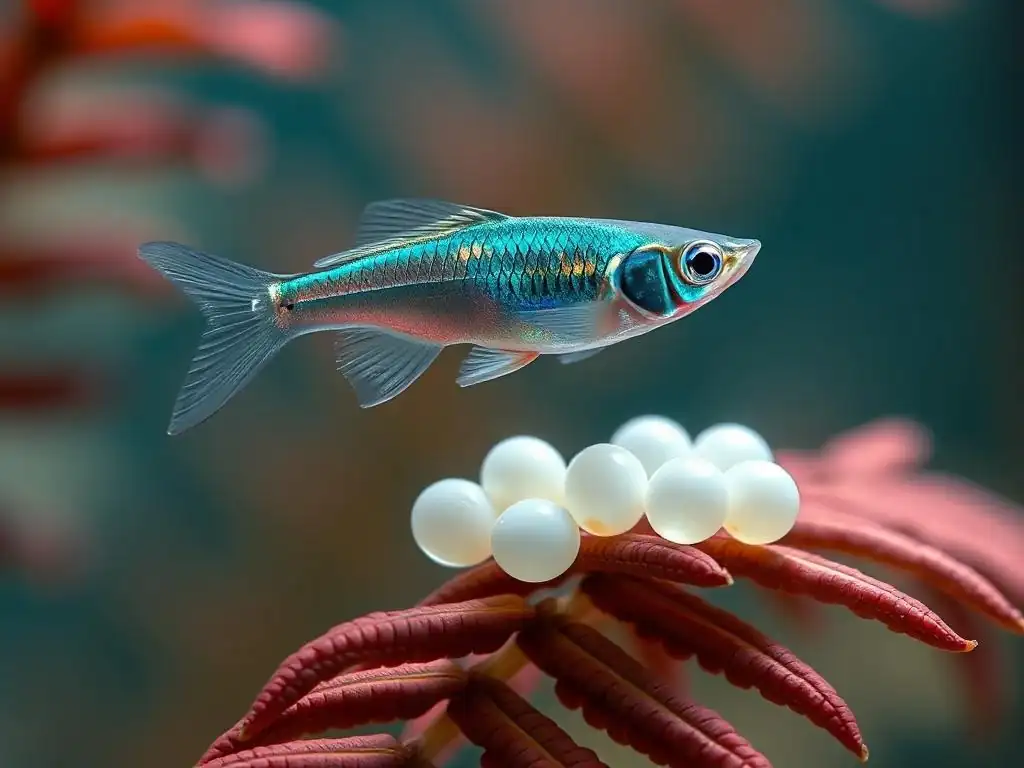
After spawning, the eggs enter their incubation period, which is largely dependent on water temperature. For Danios, eggs typically hatch within 48 to 72 hours at a temperature of around 78°F (25.5°C). Rasbora eggs may take slightly longer, usually 3 to 5 days. Healthy, fertile eggs will remain clear and translucent, while infertile or fungused eggs will turn opaque white within 24-48 hours.
Upon hatching, the fry are incredibly tiny, often less than 2 millimeters long, and are commonly referred to as "wigglers." They will initially cling to the glass or any surfaces within the tank, absorbing the remnants of their yolk sac for nutrition. This yolk sac provides sustenance for the first 2-3 days post-hatch, during which time they are largely immobile.
First Foods for Newly Hatched Fry: Infusoria and Liquid Fry Food
Once the yolk sac is fully absorbed (typically around day 3-5 after hatching), the fry will become free-swimming and actively seek food. At this stage, their mouths are extremely small, requiring microscopic food sources. Infusoria, which are microscopic protozoa, are an ideal first food. They can be cultured relatively easily from decaying vegetable matter or purchased as a starter culture.
As an alternative or supplement, high-quality commercial liquid fry foods or finely crushed spirulina powder can be used. These must be dispersed evenly throughout the water column multiple times a day to ensure all fry have access. After about 7-10 days, or once the fry are noticeably larger (around 4-5mm), they can usually be transitioned to newly hatched brine shrimp nauplii, which provide excellent nutrition for rapid growth and are a crucial part of developing successful Danio Rasbora spawning techniques.
Maintaining Water Quality for Optimal Fry Growth
Frequent Small Water Changes to Remove Waste
Maintaining pristine water quality is paramount for the survival and healthy growth of Danio and Rasbora fry. Their small size makes them incredibly sensitive to even slight fluctuations in water parameters and the accumulation of waste products. Uneaten food and fry waste can rapidly foul the water in a small tank, leading to high mortality rates.
Therefore, frequent, small water changes are essential. Daily or every-other-day water changes of 10-20% of the tank volume are recommended. Use an airline tube to gently siphon out any debris from the bottom of the tank, being extremely careful not to suck up any of the tiny fry. Ensure that the replacement water is dechlorinated and matches the temperature and parameters of the tank water precisely to avoid shocking the delicate fry.
Common Challenges and Solutions in Danio/Rasbora Breeding
Egg Fungus Prevention and Treatment
Egg fungus, typically caused by Saprolegnia, is a common problem in fish breeding and appears as a white, cottony growth on the eggs. It primarily affects infertile or damaged eggs but can quickly spread to healthy, viable eggs, leading to significant losses. This challenge can severely impact the success of your Danio Rasbora spawning techniques.
To prevent fungal outbreaks, promptly remove any infertile eggs (those that turn opaque white) using a pipette or turkey baster as soon as they are identified. Good water circulation and adequate aeration also help deter fungal growth. In some cases, a very small amount of methylene blue (enough to tint the water a light blue) can be added to the spawning tank as an antifungal agent, though this should be used cautiously as it can stain silicone and equipment.
Fry Mortality and Growth Issues
High fry mortality is a disheartening challenge that can stem from various factors, including poor water quality, insufficient or inappropriate food, or genetic weaknesses. Fry may also exhibit stunted growth if they are overcrowded or not fed frequently enough with high-quality, nutritious food. Addressing these issues is key to successful Danio Rasbora spawning techniques.
To combat high mortality, ensure meticulous water quality through frequent small water changes and gentle filtration. Feed fry multiple times a day (e.g., 3-5 times) with appropriate foods like infusoria, newly hatched brine shrimp, or microworms. If fry begin to appear overcrowded, consider moving them to a larger grow-out tank to provide more space and reduce competition for resources.
Identifying and Addressing Infertile Eggs
Identifying infertile eggs is a crucial step in preventing fungal outbreaks and maintaining water quality in the spawning tank. Fertile Danio and Rasbora eggs are typically clear and translucent, sometimes with a slight amber tint. Within 24 to 48 hours of being laid, infertile eggs will turn opaque white, often developing a fuzzy, fungal growth.
As soon as opaque eggs are observed, they should be carefully removed using a fine-tipped pipette or turkey baster. This prevents the fungus from spreading to healthy eggs and helps maintain overall water quality, which is vital for the developing embryos. Regular inspection of the eggs, at least once or twice a day, is recommended during the incubation period.
Encouraging Successful Spawning: Tips and Tricks
Maintaining a Consistent Environment
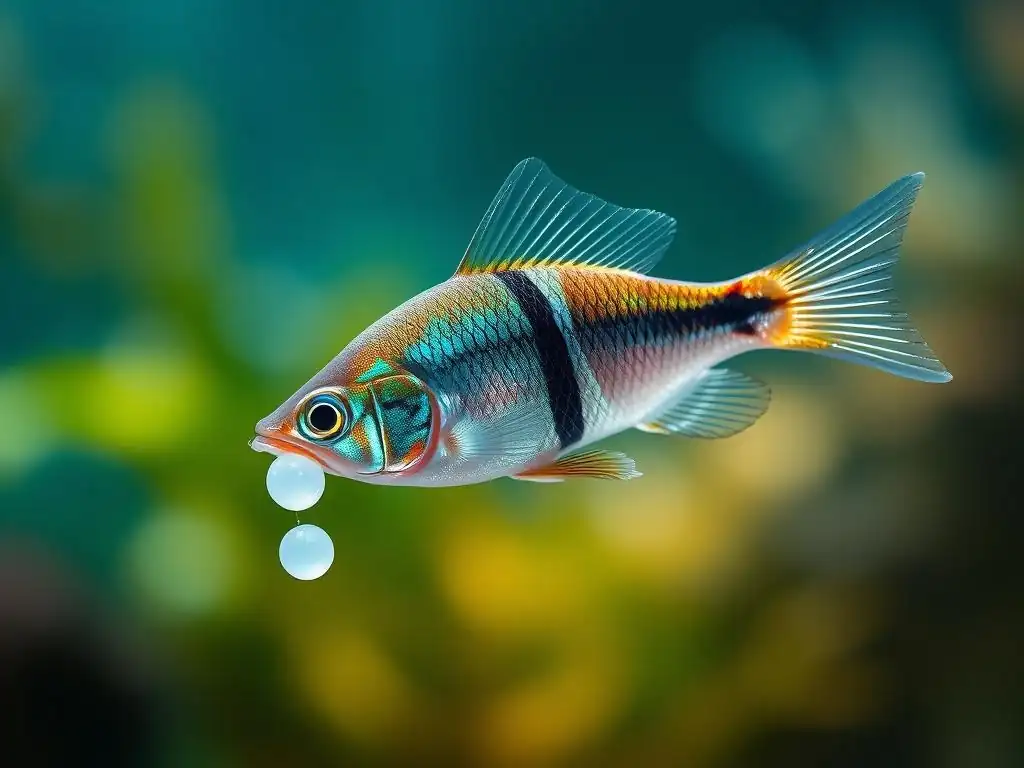
Consistency in the breeding environment is a powerful trigger for Danio and Rasbora spawning techniques. Stable water parameters, including temperature, pH, and hardness, signal to the fish that conditions are favorable for reproduction. Fluctuations can stress fish and inhibit spawning. A temperature of 75-78°F (24-25.5°C) is generally ideal for stimulating breeding.
Beyond water chemistry, maintaining a consistent daily routine, particularly regarding lighting cycles, is important. A photoperiod of 12-14 hours of light followed by 10-12 hours of darkness, controlled by a timer, mimics natural conditions and helps regulate the fish's internal clocks, encouraging them to spawn, often at dawn.
Providing a Varied and Nutritious Diet
Conditioning adult fish with a high-quality, varied, and protein-rich diet for several weeks prior to attempting to spawn them is paramount. This specialized feeding regime ensures that females are gravid with viable eggs and males are vigorous and capable of successful fertilization. A diet consisting solely of dry flake food may not provide sufficient nutrients for optimal breeding.
Incorporate live foods such as bloodworms, brine shrimp, daphnia, and microworms into their diet, alongside high-quality frozen foods and premium flakes or pellets. Feeding small amounts multiple times a day (e.g., 2-3 times) can further enhance their condition and readiness to engage in Danio Rasbora spawning techniques.
Optimizing Lighting Conditions
Lighting plays a significant role in triggering spawning behavior in many fish, including Danios and Rasboras. Mimicking natural dawn and dusk cycles can be highly effective. A gradual increase in light intensity in the morning, rather than a sudden flick of a switch, can encourage spawning, as these fish often lay eggs with the first light of day.
Using a timer for the aquarium lights is highly recommended to ensure consistency in the photoperiod. Moderate lighting intensity is generally sufficient; excessively bright lighting can stress the fish, while insufficient light may not provide the necessary visual cues for courtship and spawning. A consistent 12-14 hour light cycle, followed by complete darkness, is a standard and effective approach for Danio Rasbora spawning techniques.
Alternative Spawning Methods for Egg-Scattering Cyprinids
Using Breeding Traps or Dividers
While a dedicated spawning tank with a bare bottom and spawning medium is the most common and often most successful method for Danio Rasbora spawning techniques, alternative approaches exist. Breeding traps, typically small mesh or plastic boxes that hang inside a larger aquarium, can be used to isolate a gravid female from males until eggs are laid, after which she can be separated from the eggs.
Similarly, tank dividers can be employed to separate male and female fish until they are ready to be introduced for spawning. While these methods offer controlled environments and egg protection, they can be more stressful for the fish due to limited space. They are typically best suited for very small setups or when targeted breeding of specific, valuable individuals is desired.
Exploring Different Substrates for Egg Protection
Beyond fine-leaved plants and spawning mops, other substrates can be utilized to protect scattered eggs from predation. A layer of glass marbles, approximately 1-2 inches deep, placed on the bottom of the spawning tank, is a popular alternative. The eggs, being slightly adhesive, will fall through the gaps between the marbles, making them inaccessible to the larger adult fish.
Another option is a thin layer of coarse gravel (e.g., 1-2 cm thick) with larger particle sizes (e.g., 5-10mm). Similar to marbles, eggs can fall into the crevices of the gravel, providing some protection. While marbles are easier to clean and allow for visual inspection of eggs, fine-leaved plants or mops often provide a larger surface area for egg adhesion, potentially leading to higher yields in your Danio Rasbora spawning techniques.
Conclusion: Mastering Danio and Rasbora Spawning
The Rewards of Breeding These Beautiful Aquarium Fish
Mastering the Danio Rasbora spawning techniques offers a deeply satisfying experience for any aquarist. Witnessing the complete life cycle of these vibrant fish, from a microscopic egg to a free-swimming fry and eventually a mature adult, provides unparalleled insight into aquatic biology and behavior. The sense of accomplishment derived from successfully raising a batch of fry is immense, fostering a deeper appreciation for the intricacies of the aquatic world.
Beyond personal satisfaction, successful breeding contributes positively to the aquarium hobby by providing a sustainable source of healthy, captive-bred fish. This reduces pressure on wild populations and offers opportunities to share knowledge and offspring with other enthusiasts, strengthening the aquarist community. It's an educational journey that enriches the entire hobby.
Further Resources for Advancing Your Breeding Knowledge
The journey of breeding Danio and Rasbora species is an ongoing learning process, with each spawn offering new insights. To further advance your breeding knowledge and refine your Danio Rasbora spawning techniques, consider exploring specialized online forums and communities dedicated to fish breeding. Websites like Aquarium Mastery provide detailed guides, and local aquarium clubs often offer invaluable hands-on advice and networking opportunities.
Don't hesitate to experiment with different conditioning diets, subtle variations in water parameters, or alternative spawning setups to discover what yields the best results for your specific species or strain. Continuous research and practical application will undoubtedly enhance your success and enjoyment in breeding these beautiful and fascinating egg-scattering cyprinids.
Frequently Asked Questions
What are some key differences in spawning behavior between Danios and Rasboras?
Danios are generally more prolific spawners, releasing numerous eggs at once, while Rasboras often exhibit more selective pairing and lay fewer eggs over a longer period. Both are typically egg-scattering species.
How do I create an ideal spawning environment for Danios and Rasboras in my aquarium?
A well-planted tank with fine-leaved plants or spawning mops is crucial. Maintaining stable water parameters and a slightly warmer temperature also encourages spawning behavior.
What are the signs that my Danios or Rasboras are ready to spawn?
Females will appear plumper with eggs, and males will exhibit more intense coloration and increased activity, often chasing females. Observation of courtship rituals is a key indicator.
What steps should I take to protect the eggs after spawning has occurred?
Removing the adult fish after spawning is highly recommended to prevent them from eating the eggs. Alternatively, a spawning trap or egg crate can separate the eggs.
How long does it take for Danio and Rasbora eggs to hatch and what do the fry need?
Eggs typically hatch within 24-48 hours. Fry need infusoria or other very small food sources initially, followed by baby brine shrimp as they grow.
Final Reflection: The Dance of Life and Legacy
The intricate spawning behaviors of Danio and Rasbora species, as we've explored, are not merely biological processes; they are a testament to the enduring power of life's fundamental drive to reproduce. Understanding these Danio Rasbora spawning techniques is more than just aquarium hobbyism; it's a window into the delicate balance of ecosystems and the remarkable adaptability of these small, yet significant, creatures.
This journey into the world of egg-scattering cyprinids has highlighted the importance of observation and careful study in appreciating the natural world. My own fascination with these fish began with a simple curiosity, but it has blossomed into a deep respect for the complexity and beauty of their lives. As we learn to replicate their natural environments and understand their spawning triggers, we contribute to their conservation and ensure their continued presence in our aquariums and, more importantly, in their native habitats. In the end, we will conserve only what we love; we will love only what we understand; and we will understand only what we are taught.
- Baba Dioum
Now, as you close this article, consider the lessons learned from the Danio and Rasbora. Reflect on the dedication these small fish exhibit in their pursuit of reproduction, and the delicate dance they perform to ensure the survival of their species. Let their resilience and adaptability inspire you to approach your own challenges with creativity and determination. Embrace the opportunity to learn, to observe, and to contribute to the preservation of the natural world, one small fish at a time.
Unveil the Secrets of Breeding Your Own Danios and Rasboras!
Thank you for diving into the fascinating world of danio and rasbora spawning behavior! We hope you've gained valuable insights into successfully breeding these vibrant fish. Now, it's time to put that knowledge into action!
Here's how you can take your understanding to the next level:
- Set up a dedicated breeding tank this week! Provide the right plants and spawning media to encourage your danios or rasboras to lay eggs.
- Observe your fish closely for spawning behaviors and share your observations in our community forum.
- Try an unconventional spawning medium like marbles to see if it improves egg survival rates.
What unique spawning setup will you create for your danios or rasboras, and what parameters will you test?