
White Cloud Mountain Minnow: The Cool, Hardy Gem for Beginner Aquarists

Welcome to Aquarium Mastery!
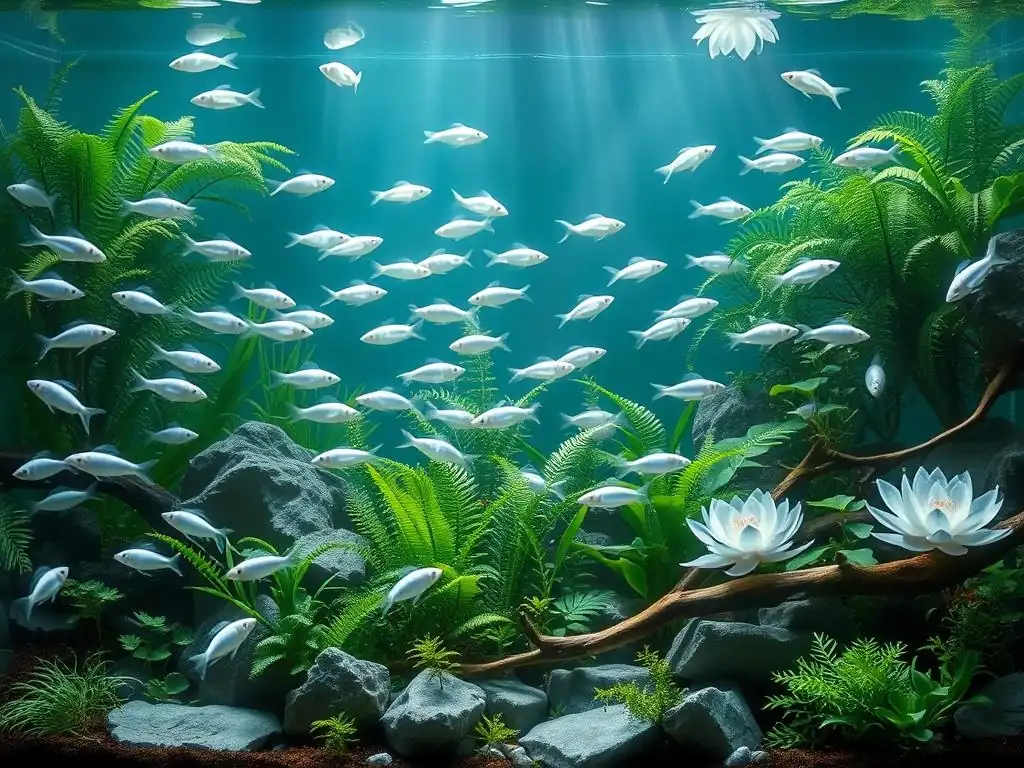
Ever wondered if there's a perfect fish for beginner aquarists that's both beautiful and incredibly hardy? Dive into our comprehensive guide on White Cloud Mountain Minnow care and discover why this cool-water gem might just be the answer you've been looking for. Learn everything you need to know to keep these vibrant fish thriving! What secrets do they hold, and how can you create the ideal environment for them? Let's find out!
- Introduction to White Cloud Mountain Minnows: A Captivating Small Fish
- White Cloud Mountain Minnow Care: Essential Guidelines for a Thriving Tank
- Diet and Feeding: What to Feed Your White Cloud Mountain Minnows
- White Cloud Mountain Minnow Tank Mates: Compatibility and Community
- White Cloud Mountain Minnow Appearance and Varieties
- White Cloud Mountain Minnow Breeding: A Guide to Successful Spawning
- Common White Cloud Mountain Minnow Diseases and Health Issues
- Maintaining a Pristine White Cloud Mountain Minnow Tank: Water Changes and Maintenance
- Troubleshooting Common White Cloud Mountain Minnow Problems
- Conclusion: Enjoying Your White Cloud Mountain Minnows
-
Frequently Asked Questions
- What makes White Cloud Mountain Minnows a good choice for beginner aquarists?
- What is the ideal tank size for a school of White Cloud Mountain Minnows?
- What type of water parameters do White Cloud Mountain Minnows prefer?
- What should I feed my White Cloud Mountain Minnows?
- What are some common health issues to watch out for with White Cloud Mountain Minnows?
- Final Reflection: Appreciating the Tiny Wonders
- Unleash Your Aquarium Adventure!
Introduction to White Cloud Mountain Minnows: A Captivating Small Fish
Why White Cloud Mountain Minnows are Popular Among Aquarists
White Cloud Mountain Minnows ( Tanichthys albonubes) have long been a favorite among aquarists, particularly those new to the hobby, for several compelling reasons. Their remarkable hardiness allows them to tolerate a wide range of water conditions, making them forgiving of initial mistakes often made by beginners. Unlike many tropical fish that demand precise temperature controls, White Clouds thrive in cooler water, typically between 64°F and 72°F (18°C and 22°C), which can simplify tank setup by negating the need for a heater in some environments.
Beyond their resilience, these minnows are celebrated for their vibrant coloration and active schooling behavior. A group of White Clouds darting gracefully through an aquarium adds dynamic visual interest, with their iridescent bodies flashing reds, greens, and golds, especially under proper lighting. Their peaceful temperament also makes them excellent candidates for community tanks, coexisting harmoniously with other non-aggressive, cool-water species, further contributing to their widespread appeal in the freshwater aquarium hobby.
Origin and Natural Habitat of the White Cloud Mountain Minnow
The White Cloud Mountain Minnow hails from the White Cloud Mountain region near Guangzhou in China, hence its common name. Discovered in the 1930s, this species quickly gained popularity in the aquarium trade. Its natural habitat consists of clear, cool streams and rivers with moderate to fast currents, often shaded by dense vegetation. These waters are typically rich in oxygen and have a substrate of gravel and rocks, providing ample hiding spots and foraging opportunities.
Historically, the wild populations of White Cloud Mountain Minnows faced significant threats due to habitat destruction and pollution, leading to their classification as critically endangered in their native range. While wild populations are rare, the vast majority of White Cloud Mountain Minnows available to aquarists today are captive-bred. This successful breeding in captivity has ensured their continued availability and popularity worldwide, allowing hobbyists to enjoy these beautiful fish without impacting delicate wild ecosystems.
White Cloud Mountain Minnow Care: Essential Guidelines for a Thriving Tank
Ideal Tank Size for White Cloud Mountain Minnows
When considering White cloud minnow care, selecting the appropriate tank size is crucial for their well-being and active schooling behavior. While often small, these fish thrive in groups and appreciate space to swim. A minimum tank size of 10 gallons (approximately 38 liters) is recommended for a small school of 6-8 White Cloud Mountain Minnows. This size provides adequate swimming room and helps maintain stable water parameters, which is vital for their long-term health.
For larger schools or community setups, a 20-gallon (approximately 76 liters) or larger tank is preferable. Larger tanks offer more stability, reducing fluctuations in temperature and water chemistry, and allow for a more natural schooling dynamic among a greater number of fish. Overcrowding can lead to stress, aggression, and poor water quality, all of which negatively impact White Cloud Mountain Minnow health and vitality.
Water Parameters: Temperature, pH, and Hardness for WCMs
Optimal water parameters are a cornerstone of effective White cloud minnow care. These hardy fish prefer cooler temperatures, typically ranging from 64°F to 72°F (18°C to 22°C), though they can tolerate slightly lower temperatures down to 50°F (10°C) for short periods. This cool-water preference means that in many homes, a heater may not be necessary, making them an excellent choice for unheated setups. However, stability is key; sudden temperature swings should be avoided.
Regarding pH, White Cloud Mountain Minnows are quite adaptable but thrive best in a slightly acidic to neutral range, specifically between 6.0 and 8.0. A pH of 7.0 to 7.5 is often considered ideal. Water hardness (GH) should be kept in the soft to moderately hard range, from 5 to 20 dGH. Regular testing of these parameters is essential to ensure a consistent and healthy environment, preventing stress and susceptibility to disease.
Substrate and Decor Considerations for White Cloud Mountain Minnow Tanks
Proper substrate and decor significantly enhance the environment for White Cloud Mountain Minnows, contributing to their comfort and natural behaviors. A dark-colored substrate, such as fine gravel or sand, is often recommended. This choice not only highlights the vibrant colors of the minnows but also helps reduce stress by mimicking their natural, often dark, stream beds. Fine substrates are also gentle on their delicate barbels as they forage.
Incorporating ample decor is vital for White cloud minnow care. These fish appreciate densely planted areas where they can seek shelter and feel secure. Live plants like Java Moss, Anubias, Cryptocoryne, and various stem plants are excellent choices, providing both cover and contributing to water quality. Additionally, smooth rocks and driftwood can be arranged to create caves and crevices, offering further hiding spots and breaking up line of sight, which can reduce territorial disputes among tank mates.
Filtration and Aeration Needs for Healthy White Cloud Mountain Minnows
Effective filtration and adequate aeration are indispensable components of comprehensive White cloud minnow care. Given their natural habitat in flowing streams, White Cloud Mountain Minnows thrive in well-oxygenated water with good current. A reliable filter system, such as a hang-on-back (HOB) filter or a small canister filter, is essential. These filters provide mechanical filtration to remove particulate matter, chemical filtration to absorb toxins, and biological filtration to process ammonia and nitrites into less harmful nitrates.
While White Clouds are hardy, they are sensitive to poor water quality. The filter should be appropriately sized for the tank to ensure efficient water turnover without creating excessively strong currents that could stress these small fish. Additionally, supplemental aeration via an air stone or a filter outlet that agitates the water surface is highly beneficial. This ensures a consistent supply of dissolved oxygen, crucial for the minnows' respiratory health and overall vitality, preventing lethargy and susceptibility to illness.
Diet and Feeding: What to Feed Your White Cloud Mountain Minnows
Recommended Food Types for White Cloud Mountain Minnows
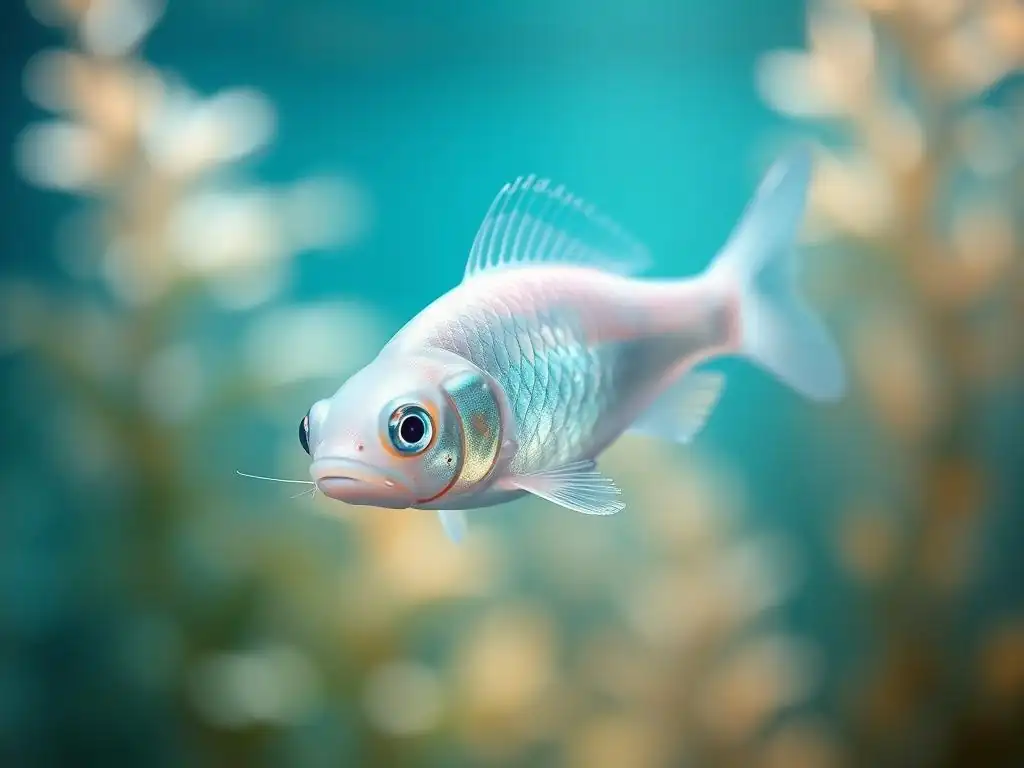
Providing a varied and nutritious diet is a key aspect of White cloud minnow care, directly impacting their health, coloration, and longevity. As omnivores, White Cloud Mountain Minnows readily accept a wide range of foods. High-quality flake food or micro-pellets specifically formulated for small omnivorous fish should form the staple of their diet. Look for brands that list fish meal, spirulina, and other beneficial ingredients as primary components.
To ensure a balanced diet, supplement the staple food with a variety of live, frozen, or freeze-dried options. Excellent choices include brine shrimp, daphnia, bloodworms, and tubifex worms. These protein-rich foods provide essential nutrients and mimic their natural foraging behaviors, promoting active and vibrant fish. Finely crushed vegetable flakes or blanched spirulina flakes can also be offered occasionally to provide necessary plant-based nutrients.
Feeding Schedule and Portion Control for Minnows
Establishing a consistent feeding schedule and practicing proper portion control are vital for optimal White cloud minnow care and maintaining water quality. White Cloud Mountain Minnows have small stomachs and a relatively fast metabolism, making it beneficial to feed them small amounts two to three times a day. This approach ensures they receive adequate nutrition without overfeeding, which can lead to digestive issues and excess waste.
When feeding, offer only what your White Cloud Mountain Minnows can consume within two to three minutes. Any uneaten food quickly decomposes, leading to an increase in ammonia and nitrite levels, which are toxic to fish. Observing their feeding behavior will help you gauge the appropriate portion size. If there's food left after a few minutes, reduce the amount at the next feeding. Regular, small feedings also encourage their natural foraging instincts and can make them more active and engaged.
Supplementing Your White Cloud Mountain Minnow's Diet
While a core diet of flakes and occasional frozen foods is good, supplementing your White Cloud Mountain Minnow's diet can significantly boost their health and vibrancy. Live foods, when available and safe, are an excellent supplement. Live brine shrimp, daphnia, and micro-worms not only provide superior nutrition but also offer an enriching hunting experience, stimulating their natural predatory instincts and promoting activity.
Beyond live foods, consider specialized color-enhancing flakes or pellets that contain higher levels of carotenoids, which can intensify the reds and golds in your White Clouds. Occasionally, blanched vegetables like spinach or zucchini, finely chopped, can be offered, though they may not be as readily accepted as animal-based foods. Always ensure any supplemental foods are appropriate in size for their small mouths. A diverse diet is the best form of preventative White cloud minnow care, strengthening their immune systems and overall resilience.
White Cloud Mountain Minnow Tank Mates: Compatibility and Community
Best Tank Mates for White Cloud Mountain Minnows
Choosing compatible tank mates is a crucial aspect of White cloud minnow care, as it ensures a peaceful and thriving community aquarium. White Cloud Mountain Minnows are incredibly peaceful schooling fish that do best with other small, non-aggressive species that prefer similar cool-water conditions. Ideal tank mates include other small schooling fish like various species of Danios (e.g., Zebra Danios, Leopard Danios), other small Rasboras, and certain types of Tetras that tolerate cooler temperatures, such as the Ember Tetra or Neon Tetra (though Neon Tetras prefer slightly warmer water, they can adapt).
Other excellent companions include small bottom-dwellers like Corydoras catfish (e.g., Pygmy Corydoras, Panda Corydoras), which are peaceful and occupy a different part of the water column. Small, peaceful loaches, such as Kuhli Loaches, can also be suitable. It’s important to ensure that any potential tank mates are not fin-nippers and are roughly the same size, preventing the White Clouds from being intimidated or outcompeted for food.
Fish to Avoid Keeping with White Cloud Mountain Minnows
While White Cloud Mountain Minnows are hardy, certain fish are entirely unsuitable as tank mates due to their size, aggression, or differing environmental needs. Any large or predatory fish should be avoided, as they will view White Clouds as food. This includes species like Cichlids (e.g., Oscars, Jack Dempseys), larger Gouramis, and some larger Barb species. Even seemingly peaceful larger fish can accidentally injure or stress smaller minnows.
Additionally, highly aggressive or fin-nipping fish, such as some types of Barbs (e.g., Tiger Barbs) or certain territorial Gouramis, can harass White Clouds, leading to stress, injury, or even death. Fish that require significantly warmer water temperatures (e.g., Discus, many types of Angels) are also incompatible, as the differing temperature requirements will stress one or both species. Proper White cloud minnow care dictates avoiding these incompatible pairings to maintain a harmonious and healthy aquarium environment.
Considering Invertebrates as Tank Mates for WCMs
Invertebrates can be a fascinating addition to a White Cloud Mountain Minnow tank, offering both aesthetic appeal and practical benefits. Many types of freshwater shrimp, such as Cherry Shrimp ( Neocaridina davidi), Amano Shrimp ( Caridina multidentata), and Ghost Shrimp, make excellent tank mates. These shrimp are peaceful, help with tank cleaning by consuming algae and detritus, and generally coexist well with White Clouds, which are too small to pose a significant threat to adult shrimp. However, very small or newly hatched shrimp fry might occasionally be preyed upon by adult minnows.
Freshwater snails, including Nerite Snails, Mystery Snails, and Trumpet Snails, are also highly compatible. They are completely peaceful, contribute to algae control, and do not compete for food with the minnows. Invertebrates can add a dynamic layer to the aquarium ecosystem, and their inclusion is a valuable consideration in comprehensive White cloud minnow care for a balanced community tank.
White Cloud Mountain Minnow Appearance and Varieties
Understanding the Different Color Variations of White Cloud Mountain Minnows
The classic White Cloud Mountain Minnow ( Tanichthys albonubes) is known for its slender body, typically displaying an olive-brown coloration on its back, fading to a silvery-white belly. A prominent iridescent horizontal stripe, often gold or green, runs along its flank, terminating in a reddish spot at the base of the tail fin. The dorsal and anal fins are usually edged with white, while the caudal (tail) fin is often reddish with a clear, translucent center, giving them a striking appearance.
Over time, selective breeding has introduced several popular color variations, enhancing their appeal for White cloud minnow care enthusiasts. The "Golden White Cloud" is a widely recognized variant, characterized by an overall golden-yellow body color, often with intensified red fins. The "Long-finned White Cloud" or "Meteor Minnow" boasts elongated fins, particularly the dorsal and caudal fins, adding a graceful flow to their movements. These variations maintain the same hardiness and care requirements as the original, making them equally suitable for beginners.
Identifying Male vs. Female White Cloud Mountain Minnows
Distinguishing between male and female White Cloud Mountain Minnows can be subtle but becomes more apparent, especially during breeding season. Generally, male White Clouds are more slender and typically exhibit brighter, more intense coloration, particularly the red hues on their fins. Their fins, especially the dorsal and anal fins, may also appear slightly longer and more pointed than those of females.
Female White Cloud Mountain Minnows, conversely, tend to be plumper and rounder in the belly, particularly when gravid (carrying eggs). Their coloration is generally less vibrant than that of the males, appearing a bit duller. While these distinctions are not always immediately obvious, observing a group of minnows over time, especially when fed well and in good condition, will allow aquarists practicing diligent White cloud minnow care to discern the differences between the sexes.
White Cloud Mountain Minnow Breeding: A Guide to Successful Spawning
Setting Up a Breeding Tank for White Cloud Mountain Minnows
Breeding White Cloud Mountain Minnows is relatively straightforward, making them an excellent choice for beginner breeders. To maximize success, setting up a dedicated breeding tank is highly recommended. A small 5 to 10-gallon (19-38 liter) tank is sufficient. The breeding tank should be equipped with a gentle sponge filter to provide adequate filtration without strong currents that could harm delicate fry. A heater is generally not necessary if the room temperature is stable within their preferred range.
The most critical aspect of a White Cloud breeding tank setup for successful White cloud minnow care is the inclusion of spawning mops or dense clumps of fine-leaved plants like Java Moss, Anacharis, or spawning grass. These provide ideal surfaces for the minnows to deposit their adhesive eggs and offer immediate cover for the newly hatched fry. A bare bottom tank makes it easier to spot and remove eggs or fry, or alternatively, a layer of marbles can be used to allow eggs to fall out of reach of the adults.
Spawning Behavior of White Cloud Mountain Minnows
White Cloud Mountain Minnows are continuous egg scatterers, meaning they will lay small batches of eggs over several days rather than in one large spawning event. To encourage spawning, condition the breeding pair or group with a diet rich in live and frozen foods for about a week prior. A slight reduction in water temperature (e.g., to 68°F or 20°C) followed by a gradual increase can also stimulate breeding. Males will display increased coloration and engage in a "dance" to attract females.
During spawning, the male will chase the female into the dense vegetation or spawning mop, where she will release a few clear, adhesive eggs, which the male then fertilizes. This process repeats multiple times over several days. White Clouds are known to eat their own eggs and fry, so it's advisable to remove the adult fish from the breeding tank once eggs are observed, or after a few days of spawning, to protect the developing fry. This attentive management is key to successful White cloud minnow care during breeding.
Raising White Cloud Mountain Minnow Fry: Tips and Tricks
Raising White Cloud Mountain Minnow fry requires specific attention to diet and water quality. The eggs typically hatch within 36 to 72 hours, depending on temperature. Newly hatched fry are tiny and will initially feed on their yolk sacs for a day or two. Once they become free-swimming, they require extremely small food sources. Infusoria, liquid fry food, or green water are excellent initial foods for the first few days.
After about a week, the fry will be large enough to consume newly hatched brine shrimp or micro-worms. Feed them small amounts several times a day. Maintaining pristine water quality is paramount for fry survival; perform small, daily water changes (around 10-15%) using aged or dechlorinated water of the same temperature. Avoid strong filtration that could suck up the fry. As they grow, gradually transition them to finely crushed flake food. Diligent White cloud minnow care for fry ensures a high survival rate and healthy development.
Common White Cloud Mountain Minnow Diseases and Health Issues
Identifying Common Diseases in White Cloud Mountain Minnows
Despite their hardiness, White Cloud Mountain Minnows can still fall victim to common freshwater aquarium diseases, especially if water quality is poor or they are stressed. One of the most frequently encountered ailments is Ich (Ichthyophthirius multifiliis), commonly known as white spot disease. This presents as small, white spots resembling grains of salt scattered across the fish's body and fins. Affected fish may also rub against tank objects.
Other common issues include fin rot, characterized by frayed, ragged, or disintegrating fins, often with a milky or reddish edge. Fungal infections may appear as cotton-like growths on the body or fins. Bacterial infections can manifest as red streaks, ulcers, or general lethargy and loss of appetite. Dropsy, while less common, causes the fish's scales to protrude, making it appear pinecone-like, indicating severe internal organ failure. Early identification is crucial for effective White cloud minnow care and treatment.
Treating Diseases and Maintaining a Healthy Tank Environment
When identifying a disease in your White Cloud Mountain Minnows, prompt and appropriate treatment is essential. For Ich, a common approach involves gradually raising the tank temperature to 78-80°F (25-27°C) (if other tank mates can tolerate it) and using an anti-Ich medication available at pet stores. Always follow the medication's instructions carefully. For fin rot and bacterial infections, broad-spectrum antibacterial medications are often effective. Fungal infections typically respond to antifungal treatments.
However, medication alone is often insufficient without addressing the root cause. Maintaining a healthy tank environment is paramount to successful White cloud minnow care and recovery. This includes performing regular, significant water changes to dilute pathogens and remove toxins, ensuring proper filtration, and reducing stress factors such as overcrowding or incompatible tank mates. A clean, stable environment significantly boosts the fish's immune system, aiding in recovery and preventing recurrence.
Preventing Illnesses in Your White Cloud Mountain Minnow Aquarium
Prevention is always better than cure, and proactive measures are fundamental to effective White cloud minnow care and disease prevention. The most critical step is maintaining excellent water quality through consistent and regular water changes. Aim for 25-30% weekly water changes, ensuring the new water is dechlorinated and temperature-matched. Regularly test water parameters (ammonia, nitrite, nitrate, pH) to catch issues before they escalate.
Avoid overfeeding, as excess food decomposes and pollutes the water. Provide a balanced and varied diet to boost their immune systems. Quarantine new fish for at least two to four weeks in a separate tank before introducing them to your main aquarium; this prevents the introduction of diseases. Ensure the tank is not overcrowded, as this leads to stress and increased waste. Lastly, maintaining a stable temperature within their preferred range and providing ample hiding spots helps reduce stress, making your White Clouds more resilient to potential health issues.
Maintaining a Pristine White Cloud Mountain Minnow Tank: Water Changes and Maintenance
Regular Water Change Schedule for White Cloud Mountain Minnow Tanks
A consistent and regular water change schedule is the cornerstone of excellent White cloud minnow care and the overall health of your aquarium. For a well-established White Cloud Mountain Minnow tank, a weekly water change of 25-30% is generally recommended. This routine helps to dilute accumulated nitrates, replenish essential minerals, and remove organic waste that filtration alone cannot handle. Skipping water changes can lead to a buildup of toxins, stressing the fish and making them susceptible to disease.
When performing water changes, always use a reliable water conditioner to neutralize chlorine, chloramines, and heavy metals present in tap water. Ensure the new water is temperature-matched to the aquarium water to prevent thermal shock, which can severely stress White Clouds. For tanks with higher fish loads or less efficient filtration, more frequent or larger water changes (e.g., 50% bi-weekly) might be necessary to maintain optimal water quality.
Cleaning the Substrate and Decorations
Beyond water changes, regular cleaning of the substrate and decorations is vital for comprehensive White cloud minnow care. Detritus, uneaten food, and fish waste can accumulate in the substrate, decomposing and releasing harmful ammonia and nitrites. Using a gravel vacuum during weekly water changes effectively siphons out this debris from the substrate without removing too much beneficial bacteria. Focus on areas where waste tends to accumulate, such as under decorations or around feeding spots.
Decorations like rocks, driftwood, and artificial plants can also accumulate algae and detritus. During water changes, gently remove and scrub these items with a dedicated aquarium brush or sponge. Avoid using soap or detergents, as residues can be toxic to fish. For live plants, gently prune any decaying leaves. A clean substrate and decor not only improve the aesthetics of the tank but also significantly contribute to maintaining stable and healthy water parameters for your White Cloud Mountain Minnows.
Monitoring Water Parameters for Optimal Health
Consistent monitoring of water parameters is an indispensable part of diligent White cloud minnow care, providing crucial insights into the tank's health. Regular testing for ammonia, nitrite, and nitrate levels is paramount. Ammonia and nitrite should always read zero, as even small amounts are highly toxic to fish. Nitrates, the end product of the nitrogen cycle, should be kept below 20 ppm (parts per million) through regular water changes.
Additionally, routinely check the pH and water hardness (GH/KH) to ensure they remain within the ideal range for White Cloud Mountain Minnows (pH 6.0-8.0, GH 5-20 dGH). Sudden fluctuations in these parameters can be more stressful than slightly suboptimal but stable conditions. Keep a log of your readings to identify trends and address potential issues before they become critical. Investing in a reliable freshwater test kit is a fundamental tool for any aquarist committed to the long-term well-being of their White Cloud Mountain Minnows.
Troubleshooting Common White Cloud Mountain Minnow Problems
Fin Rot in White Cloud Mountain Minnows: Causes and Treatment
Fin rot is a common bacterial infection that can affect White Cloud Mountain Minnows, often manifesting as frayed, ragged, or disintegrating fins, sometimes with a white or reddish edge. The primary cause is typically poor water quality, specifically high levels of ammonia, nitrite, or nitrate, often combined with stress from overcrowding, incompatible tank mates, or improper diet. Fish with compromised immune systems are more susceptible.
Treatment for fin rot involves addressing the underlying cause. Immediately perform a significant water change (30-50%) and ensure regular maintenance is strictly adhered to. Test water parameters to confirm they are within optimal ranges. In mild cases, improved water quality alone can facilitate recovery. For more severe infections, an over-the-counter antibacterial medication designed for aquariums can be used, following the manufacturer's instructions carefully. Increasing aeration can also be beneficial. Consistent White cloud minnow care focused on water quality is the best preventative measure.
Ich (White Spot Disease) in White Cloud Mountain Minnows: Identification and Treatment
Ich, or White Spot Disease, is one of the most recognizable parasitic infections in freshwater aquariums, presenting as small, salt-like white spots on the body and fins of White Cloud Mountain Minnows. Affected fish may exhibit flashing (rubbing against tank objects) due to irritation, lethargy, clamped fins, and loss of appetite. Ich is highly contagious and spreads rapidly, especially in stressed fish or tanks with fluctuating temperatures.
Treatment typically involves a multi-pronged approach. Gradually raise the tank temperature to 78-80°F (25-27°C) over 24 hours (if compatible with all tank inhabitants), as warmer temperatures accelerate the parasite's life cycle, making it more vulnerable to medication. Simultaneously, use an anti-Ich medication from your local fish store, following the dosage instructions precisely. Perform daily water changes and gravel vacuuming to remove free-swimming parasites. Remove carbon filtration during treatment. Maintaining stable water parameters and avoiding sudden temperature drops are key preventative White cloud minnow care steps.
Swim Bladder Issues in White Cloud Mountain Minnows: Causes and Prevention
Swim bladder issues in White Cloud Mountain Minnows can manifest as difficulty maintaining buoyancy, causing the fish to float uncontrollably, sink to the bottom, or swim on its side or upside down. While less common in White Clouds than in some other species, it can occur. Potential causes include overfeeding, particularly with dry, high-protein foods that expand in the gut; internal bacterial infections; constipation; or physical injury.
Treatment often begins with a "pea diet" – feeding a blanched, deshelled pea, which acts as a laxative, for a few days. Fasting the fish for 24-48 hours can also help. For suspected bacterial infections, broad-spectrum antibiotics may be necessary. Prevention is key: feed a varied diet with some live or frozen foods, avoid overfeeding, and ensure high water quality. Proper White cloud minnow care through a balanced diet and clean environment significantly reduces the risk of swim bladder problems.
Conclusion: Enjoying Your White Cloud Mountain Minnows
The Enduring Appeal of the White Cloud Mountain Minnow
The White Cloud Mountain Minnow continues to captivate aquarists worldwide, and for good reason. Their exceptional hardiness, adaptability to cooler water, and peaceful schooling nature make them an ideal choice for both novice and experienced hobbyists. They bring vibrant activity and flashes of color to any freshwater setup, thriving in community tanks and offering a rewarding experience for those interested in breeding. Their resilience and relatively simple White cloud minnow care requirements stand out in a hobby that often demands precise conditions.
From their fascinating origins in the streams of China to their widespread availability in the aquarium trade, White Clouds embody the joy of keeping small, active fish. They serve as a perfect entry point into understanding fish behavior, water chemistry, and aquarium maintenance, setting a solid foundation for future aquatic endeavors. Their enduring appeal lies in their ability to provide a beautiful, low-stress addition to the home aquarium, proving that even the hardiest fish can be truly enchanting.
Further Resources for White Cloud Mountain Minnow Care at AquariumMastery.com
For those looking to deepen their knowledge and enhance their White cloud minnow care practices, AquariumMastery.com offers a wealth of additional resources. Our website provides comprehensive guides on setting up and maintaining freshwater aquariums, detailing everything from choosing the right filtration systems to understanding complex water chemistry. You can find in-depth articles on various fish species, including detailed profiles, compatibility charts for tank mates, and advanced breeding techniques.
Explore our dedicated sections on Danios, Rasboras & White Clouds for more specific insights into these small schooling cyprinids. Our troubleshooting guides cover a wide array of common tank issues and diseases, offering practical solutions to keep your aquatic environment thriving. Whether you're a beginner seeking fundamental White cloud minnow care advice or an experienced aquarist looking for advanced tips, AquariumMastery.com is your complete resource for achieving mastery in the art of aquarium keeping.
Frequently Asked Questions
What makes White Cloud Mountain Minnows a good choice for beginner aquarists?
White Cloud Mountain Minnows are extremely hardy and can tolerate a wider range of water parameters than many tropical fish. They are also peaceful and relatively small, making them suitable for smaller tanks and community setups.
What is the ideal tank size for a school of White Cloud Mountain Minnows?
A minimum of a 10-gallon tank is recommended for a school of 6-8 White Cloud Mountain Minnows. This allows them enough space to swim and display their natural schooling behavior.
What type of water parameters do White Cloud Mountain Minnows prefer?
They thrive in cooler water temperatures, ideally between 60-72°F (15-22°C). They prefer slightly acidic to neutral water with a pH range of 6.0-7.5.
What should I feed my White Cloud Mountain Minnows?
White Cloud Mountain Minnows are not fussy eaters and will accept a variety of foods. A high-quality flake food supplemented with small live or frozen foods like daphnia or brine shrimp is ideal.
What are some common health issues to watch out for with White Cloud Mountain Minnows?
While generally hardy, they can be susceptible to ich (white spot disease) if water quality is poor or temperatures fluctuate drastically. Maintaining good water quality through regular water changes is crucial for prevention.
Final Reflection: Appreciating the Tiny Wonders
The journey through the world of White Cloud Mountain Minnows reveals more than just aquarium keeping; it highlights the importance of accessibility and sustainability in our hobbies. Their hardiness and ease of care, as discussed throughout this article, make them a perfect entry point for aspiring aquarists, fostering a love for aquatic life and responsible pet ownership from the very beginning. This accessibility is crucial in a world where environmental awareness needs to be nurtured from a young age.
The enduring popularity of the White Cloud Mountain Minnow speaks volumes about its impact. It's a reminder that beauty and fulfillment can be found in the simplest of things, and that even small creatures can teach us profound lessons about resilience and adaptation. In nature, nothing is perfect and everything is perfect. Trees can be contorted, bent in weird ways, and they're still beautiful.
- Alice Walker. This quote perfectly encapsulates the charm of these adaptable fish, thriving even in less-than-ideal conditions, a testament to their inherent strength.
Now, as you consider the information shared about White Cloud Mountain Minnow care, I invite you to reflect on the broader implications. How can we apply the principles of simplicity and sustainability, learned from these tiny fish, to other aspects of our lives? Consider the impact of your choices, both large and small, and strive to cultivate a deeper connection with the natural world. Let the White Cloud Mountain Minnow be a constant reminder that even the smallest actions can contribute to a more beautiful and sustainable future.
Unleash Your Aquarium Adventure!
Thank you for diving into the world of White Cloud Mountain Minnows! We hope you've discovered how these little gems can bring life and vibrancy to your aquarium. Ready to take the next step and create the perfect home for them?
Here are a few ways to continue your aquarium journey:
- Transform your tank into a White Cloud paradise: Prioritize setting up a spacious, well-planted aquarium with cool, oxygen-rich water to truly mimic their natural habitat.
- Share your newfound knowledge! Help others discover the joy of White Clouds by spreading the word about these fantastic fish to your friends and local aquarium groups.
- Observe and Learn: Dedicate some time each day to watch your White Clouds' behavior. Notice how they interact, what they eat, and how they respond to their environment. You'll learn something new every day!
What unique aquascaping idea are you most excited to try to enhance your White Cloud Mountain Minnows' environment?