
Tiger Barb Compatibility Chart: Friends and Foes in the Aquarium World

Welcome to Aquarium Mastery!
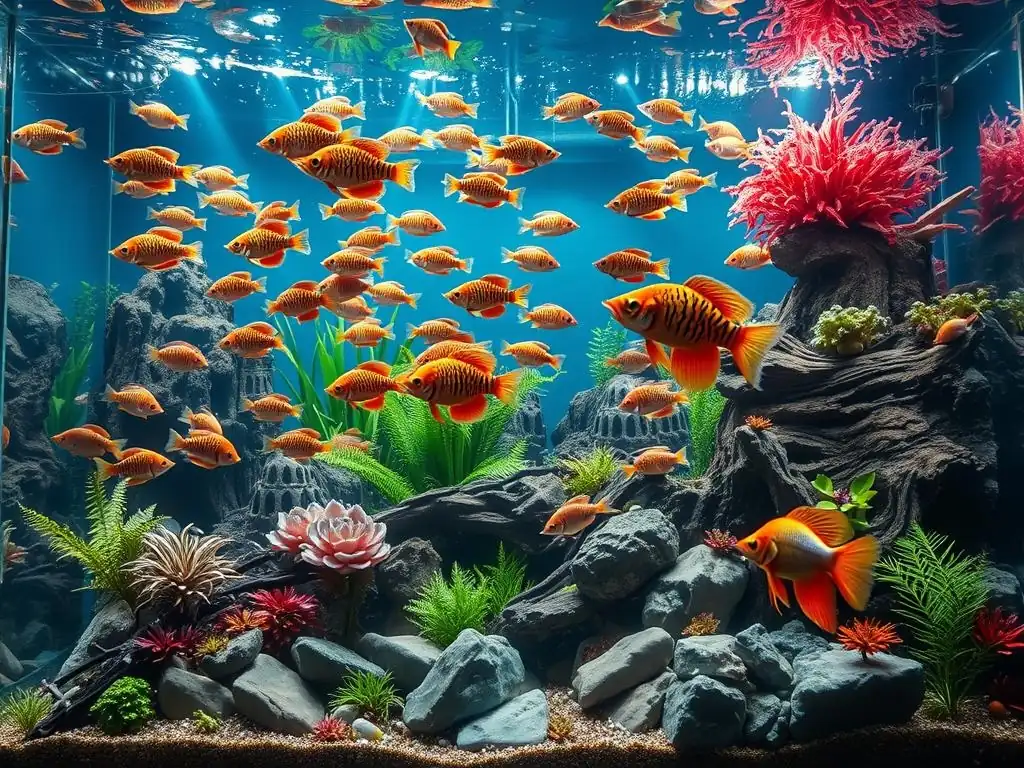
Ever wondered if your tiger barbs will play nice with your other finned friends? Building a thriving community aquarium can be tricky, especially when considering the energetic (and sometimes nippy) nature of these vibrant fish. Dive into our detailed Tiger Barb Compatibility Chart to unlock the secrets of successful tank mate pairings and discover which species will create a harmonious and captivating underwater world. Let's explore the perfect companions for your tiger barbs and avoid any fin-nipping feuds!
- Understanding Tiger Barb Temperament for Successful Tank Mates
- The Ultimate Tiger Barb Compatibility Chart for Freshwater Aquariums
- Ideal Tiger Barb Tank Mates: Peaceful Coexistence in the Community Aquarium
- Fish to Avoid: Incompatible Tank Mates for Tiger Barbs
- Factors Influencing Tiger Barb Tank Mate Compatibility
- Creating a Balanced Aquarium Ecosystem with Tiger Barbs
- Real-World Examples: Successful Tiger Barb Community Tanks
- Conclusion: Choosing the Right Tank Mates for Happy and Healthy Tiger Barbs
-
Frequently Asked Questions
- How can the Tiger Barb Compatibility Chart help me choose tank mates?
- Are Tiger Barbs compatible with all types of fish?
- What are some examples of fish that are generally not compatible with Tiger Barbs?
- How important is tank size when considering Tiger Barb compatibility?
- Where can I find more detailed information on specific fish species mentioned in the Tiger Barb Compatibility Chart?
- Final Reflection: Navigating the Complexities of Aquarium Harmony
- Transform Your Tank: Create a Thriving Barb Community!
Understanding Tiger Barb Temperament for Successful Tank Mates
The Active and Semi-Aggressive Nature of Tiger Barbs
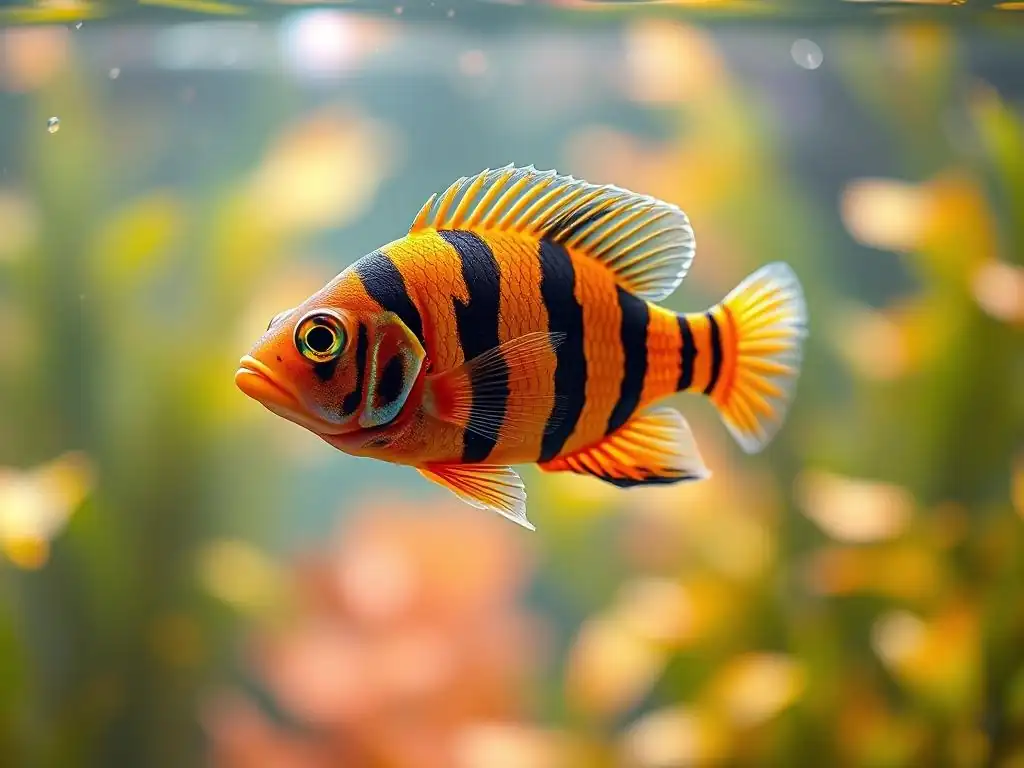
Tiger Barbs ( Puntigrus tetrazona ) are renowned for their energetic swimming patterns and vibrant striped coloration. Typically reaching an adult size of 2.5 to 3 inches (6.5-7.5 cm), these fish are highly active and exhibit a boisterous, often semi-aggressive temperament. While much of their aggression is typically directed towards each other within their school, they are notorious for fin-nipping, particularly when housed in insufficient numbers or with incompatible tank mates. This characteristic makes understanding their temperament crucial for any Tiger barb compatibility chart aquarium.
Their natural behavior involves constant chasing and playful skirmishes, which can escalate into genuine aggression if not managed correctly. If a Tiger Barb school is too small (e.g., fewer than six individuals), their internal aggression has no outlet and is often redirected towards other, more vulnerable fish in the tank. This highlights the importance of providing both adequate space and a sufficiently large school to dilute their nipping tendencies.
Why Compatibility Matters: Creating a Harmonious Aquarium Environment
Achieving successful fish compatibility is paramount for the long-term health and stability of any aquarium, especially when housing semi-aggressive species like Tiger Barbs. Poor compatibility can lead to chronic stress among tank inhabitants, which severely compromises their immune systems, making them highly susceptible to common aquarium diseases such as Ich (white spot disease) or fin rot. Injuries from fin-nipping or outright aggression can also result in physical damage, leading to secondary bacterial infections or even death for the weaker fish.
Conversely, a well-planned Tiger barb compatibility chart aquarium fosters a harmonious environment where all fish can thrive. When tank mates are carefully selected to match the Tiger Barbs' temperament and activity level, stress is significantly reduced, allowing fish to exhibit their natural behaviors, coloration, and full lifespan. This not only ensures the well-being of the aquatic inhabitants but also enhances the aesthetic appeal and enjoyment for the aquarist, transforming the aquarium into a vibrant, living ecosystem.
The Ultimate Tiger Barb Compatibility Chart for Freshwater Aquariums
Compatible Tank Mates for Tiger Barbs: A Quick Reference Guide
When selecting compatible tank mates for Tiger Barbs, the general rule is to look for fish that are equally fast-moving, robust, and not equipped with long, flowing fins. These characteristics help them either evade the Tiger Barbs' attention or withstand their occasional nipping. Ideal companions often share similar water parameter requirements and occupy different levels of the water column to minimize direct competition for space.
Compatible Tank Mates:
- Larger Barbs:
- Rosy Barbs ( Pethia conchonius)
- Denison Barbs ( Sahyadria denisonii)
- Active Schooling Fish:
- Zebra Danios ( Danio rerio)
- Harlequin Rasboras ( Trigonostigma heteromorpha)
- Bottom Dwellers:
- Corydoras Catfish (various species, e.g., Corydoras aeneus)
- Kuhli Loaches ( Pangio kuhlii)
- Other Robust Species:
- Plecos (e.g., Bristlenose Pleco, Ancistrus cirrhosus)
Unsuitable Tank Mates: Fish to Avoid with Tiger Barbs
Certain fish species are highly incompatible with Tiger Barbs due to their slow movement, delicate fins, small size, or territorial nature. Introducing these species into a Tiger Barb tank almost inevitably leads to stress, injury, or even death for the less suitable inhabitants. Recognizing these potential conflicts is vital for maintaining a peaceful and healthy Tiger barb compatibility chart aquarium.
Unsuitable Tank Mates:
- Slow-Moving, Long-Finned Fish:
- Angelfish ( Pterophyllum scalare)
- Guppies ( Poecilia reticulata)
- Betta Fish ( Betta splendens)
- Small, Docile Fish:
- Neon Tetras ( Paracheirodon innesi)
- Ember Tetras ( Hyphessobrycon amandae)
- Cardinal Tetras ( Paracheirodon axelrodi)
- Highly Territorial Fish:
- Dwarf Gourami ( Trichogaster lalius) (can be stressed or become aggressive)
- Cichlids (most dwarf and medium species, unless very large tank with specific setup)
Ideal Tiger Barb Tank Mates: Peaceful Coexistence in the Community Aquarium
Larger, Robust Fish That Can Hold Their Own
Rosy Barbs: Similar Temperament and Size
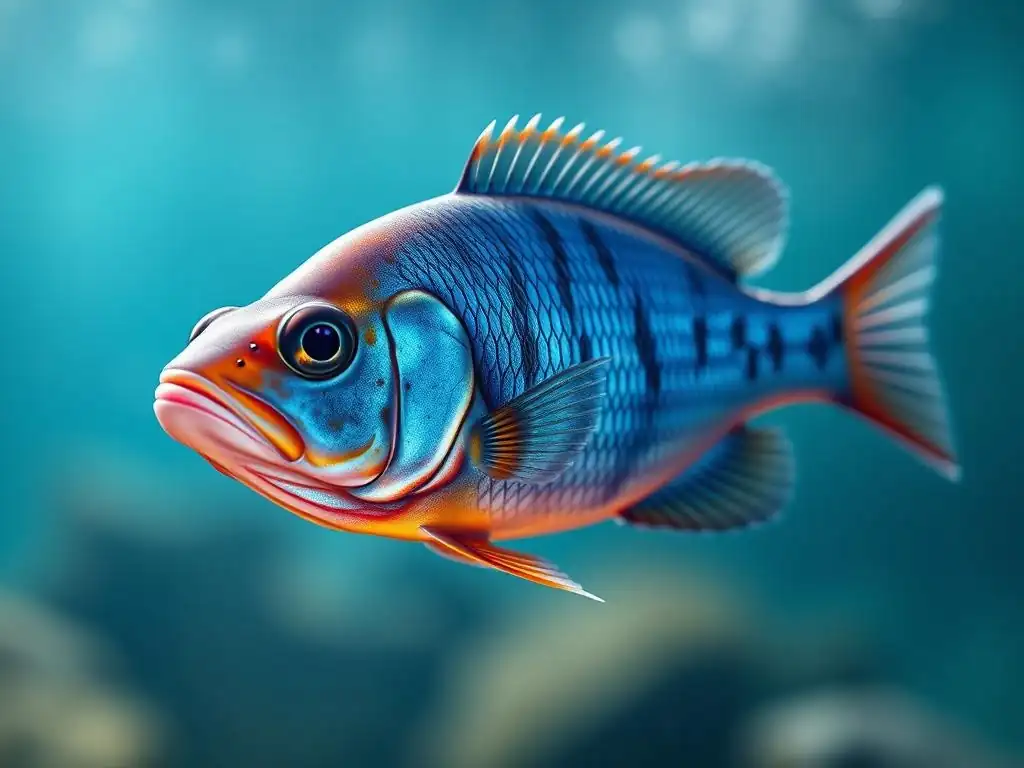
Rosy Barbs are an excellent choice for a Tiger barb compatibility chart aquarium due to their similar active nature and robust body shape. They can grow larger than Tiger Barbs, often reaching 4 to 6 inches (10-15 cm) in length, which makes them less susceptible to bullying. Like Tiger Barbs, they are schooling fish and appreciate being kept in groups of at least five or six. Their hardiness and preference for slightly cooler temperatures (64-74°F / 18-23°C) overlap well with Tiger Barb requirements.
Their energetic swimming and solid build mean they are not easily intimidated by the boisterous Tiger Barbs. While some playful chasing might occur, Rosy Barbs are generally capable of holding their own and are not prone to fin damage. This makes them one of the most reliable choices for a community tank where Tiger Barbs are present, contributing to a dynamic yet stable environment.
Denison Barbs: Fast-Moving and Large Enough to Avoid Bullying
Denison Barbs, also known as Roseline Sharks, are another robust and fast-moving species that can co-exist with Tiger Barbs. Reaching lengths of 4.5 to 6 inches (11-15 cm), their torpedo-shaped bodies and rapid swimming capabilities make them difficult targets for fin-nipping. They are shoaling fish that thrive in groups of six or more and prefer well-oxygenated water with a strong current, mirroring the active needs of Tiger Barbs.
Their sheer speed and size act as a natural deterrent against the more aggressive tendencies of Tiger Barbs. While they are generally peaceful, their robust nature ensures they are not easily harassed. This combination of size, speed, and shoaling behavior makes Denison Barbs a strong candidate for a larger Tiger barb compatibility chart aquarium setup, adding both beauty and activity without significant conflict.
Fast-Moving Schooling Fish to Divert Attention
Zebra Danios: Active Schooling Fish That Can Keep Up
Zebra Danios are small, highly active schooling fish that typically grow to about 2 inches (5 cm). Their constant, darting movement and preference for the upper and middle levels of the aquarium make them excellent companions for Tiger Barbs. They are incredibly hardy and adaptable to a wide range of water conditions, similar to Tiger Barbs, making them a practical choice for a mixed-species tank.
Their exceptional speed and agility allow them to easily evade any attempts at fin-nipping from Tiger Barbs. Furthermore, their continuous activity can sometimes divert the Tiger Barbs' attention, effectively spreading out any potential aggression among the tank inhabitants. Keeping Zebra Danios in a school of at least six individuals is crucial for their well-being and to maximize their evasive capabilities in a Tiger barb compatibility chart aquarium.
Harlequin Rasboras: Peaceful and Fast-Moving Schooling Companions
Harlequin Rasboras are peaceful, schooling fish that reach an adult size of approximately 1.75 inches (4.5 cm). While slightly smaller and more delicate in appearance than Zebra Danios, their quick movements and preference for the middle water column can allow them to coexist with Tiger Barbs, especially in a well-planted tank. They thrive in schools of eight or more and prefer slightly softer, acidic water (pH 6.0-7.0), which often aligns with Tiger Barb parameters.
Their ability to quickly dart away from potential threats, combined with their generally peaceful disposition, helps them avoid direct conflict. They are less likely to be seen as a direct challenge by Tiger Barbs compared to slow-moving or long-finned species. A large school of Harlequin Rasboras can effectively blend into the activity of a Tiger barb compatibility chart aquarium, contributing to a dynamic and visually appealing display.
Bottom Dwellers That Provide a Different Tank Level
Corydoras Catfish: A Popular and Peaceful Choice
Corydoras Catfish are a widely popular and highly recommended bottom-dwelling tank mate for Tiger Barbs. Ranging in size from 1 to 3 inches (2.5-7.5 cm) depending on the species (e.g., Bronze Corydoras, Panda Corydoras), they are peaceful, social fish that should be kept in groups of at least six. Their armored bodies and preference for the substrate mean they rarely interact with the mid-water swimming Tiger Barbs.
Their unique body structure, covered in bony plates rather than scales, provides a natural defense against nipping. Since Tiger Barbs primarily swim in the mid-water column, Corydoras are largely ignored. They are excellent scavengers, helping to keep the substrate clean, and their calm demeanor creates a pleasant contrast to the energetic barbs, making them a staple in a balanced Tiger barb compatibility chart aquarium.
Kuhli Loaches: Nocturnal and Add Interest to the Bottom of the Tank
Kuhli Loaches are fascinating, eel-like bottom dwellers that grow up to 4 inches (10 cm) long. They are primarily nocturnal and very shy, spending much of their day hidden among substrate, plants, or decor. Their reclusive nature and preference for soft, sandy substrates make them an ideal, low-interaction companion for Tiger Barbs.
Because Kuhli Loaches are active mainly at night when Tiger Barbs are less active, direct encounters are minimized. Their swift, undulating movements also make them hard to catch for any curious barbs. They add unique behavior to the bottom of the tank without posing a threat or becoming a target, contributing to the biodiversity of a Tiger barb compatibility chart aquarium.
Fish to Avoid: Incompatible Tank Mates for Tiger Barbs
Slow-Moving and Long-Finned Fish: Prime Targets for Fin-Nipping
Angelfish: Vulnerable to Fin-Nipping Due to Their Flowing Fins
Angelfish, with their majestic, flowing fins and relatively slow, graceful movements, are among the worst possible tank mates for Tiger Barbs. While they can grow quite large, up to 6 inches (15 cm) tall, their long dorsal, anal, and caudal fins are irresistible targets for the notorious fin-nipping behavior of Tiger Barbs. This combination almost guarantees constant harassment and severe fin damage.
The continuous nipping not only destroys the Angelfish's aesthetic appeal but also causes immense stress, which can lead to a weakened immune system, secondary bacterial infections, and ultimately, premature death. The stress alone from constant pursuit can be fatal, making Angelfish a definitive "no" on any Tiger barb compatibility chart aquarium.
Guppies: Easily Harassed Due to Their Small Size and Long Fins
Guppies, especially male guppies with their elaborate, colorful tails, are highly vulnerable to Tiger Barb aggression. They are small, typically ranging from 1 to 2 inches (2.5-5 cm), and their slow swimming, combined with long, delicate fins, makes them easy targets for persistent nipping. The constant harassment can lead to extreme stress, fin destruction, and a significantly shortened lifespan.
Female guppies, while having shorter fins, are still small and can be stressed by the constant activity and potential bullying from Tiger Barbs. The vibrant colors of male guppies can also act as a strong attractant for the barbs' aggressive tendencies. For a peaceful and thriving Tiger barb compatibility chart aquarium, Guppies should be entirely avoided.
Small and Docile Fish: Easily Bullied
Neon Tetras: Too Small and May Become Targets
Neon Tetras are beautiful, peaceful schooling fish that typically reach a maximum size of 1.5 inches (3.8 cm). Their small size and docile nature make them highly susceptible to bullying, stress, and even predation by the more boisterous Tiger Barbs. While both are schooling fish, the size and temperament mismatch are too significant for safe cohabitation.
Tiger Barbs, especially when not kept in sufficiently large schools themselves, may view Neon Tetras as easy targets for aggression, leading to constant chasing, fin damage, and eventually, the demise of the Tetras due to stress or injury. A Tiger barb compatibility chart aquarium aiming for harmony should never include these delicate fish.
Ember Tetras: Similar Size to Neons and Equally Vulnerable
Ember Tetras are even smaller than Neon Tetras, typically growing to only about 0.8 inches (2 cm). Their tiny size and peaceful, shy disposition make them extremely vulnerable to the energetic and semi-aggressive nature of Tiger Barbs. They are easily intimidated and stressed, and their small bodies offer little resilience against any physical aggression.
Housing Ember Tetras with Tiger Barbs would almost certainly result in the Tetras being constantly harassed, unable to feed properly due to stress, and eventually succumbing to illness or injury. Their delicate nature makes them an absolute unsuitable choice for any Tiger barb compatibility chart aquarium.
Territorial Fish: Potential for Aggression and Conflict
Betta Fish: Highly Territorial and Can Lead to Fatal Conflicts
Betta fish (Siamese Fighting Fish) are known for their stunning long fins and strong territorial instincts. While they can grow to about 3 inches (7.5 cm), their slow movement and elaborate fins make them irresistible targets for fin-nipping Tiger Barbs. Compounding this issue, Bettas are highly territorial and will aggressively defend their space, leading to direct confrontations that can be fatal for either fish.
The combination of Betta's vulnerable fins and their tendency to fight back against perceived threats creates a highly volatile environment. The stress from constant attacks and defense mechanisms can lead to severe fin damage, infection, and eventually death for the Betta. This makes Betta fish a definite incompatible choice for a Tiger barb compatibility chart aquarium.
Dwarf Gourami: Can Become Stressed and Aggressed Upon
Dwarf Gouramis are generally peaceful and beautiful fish, reaching about 2.5 inches (6.5 cm). However, they can be quite shy and are prone to stress when housed with overly boisterous or aggressive tank mates. Their long, delicate pelvic fins, which they use as feelers, can also become targets for fin-nipping Tiger Barbs.
While not as long-finned as Angelfish or Bettas, the constant activity and potential for nipping from Tiger Barbs can severely stress Dwarf Gouramis, leading to a weakened immune system, loss of color, and even a tendency for the Gourami to become aggressive itself due to stress. This makes them an unsuitable choice for a harmonious Tiger barb compatibility chart aquarium.
Factors Influencing Tiger Barb Tank Mate Compatibility
Tank Size: Providing Enough Space to Reduce Aggression
Tank size is a critical factor in mitigating aggression and ensuring successful compatibility in a Tiger barb compatibility chart aquarium. For a school of 6-8 Tiger Barbs alone, a minimum of a 20-gallon long tank (30 inches x 12 inches x 12 inches) is often recommended. However, for a community tank with multiple species, a 30-gallon or preferably a 55-gallon aquarium provides significantly more space.
Larger tanks offer more swimming room and allow fish to establish territories, reducing perceived crowding. This increased space enables less dominant fish to escape harassment and retreat to their own areas, thereby minimizing direct conflicts and overall stress levels within the community. A spacious environment helps dilute the natural aggression of Tiger Barbs, making them more tolerant of tank mates.
Schooling Behavior: Keeping Tiger Barbs in Groups of Six or More
Tiger Barbs are quintessential schooling fish, and their behavior is heavily influenced by the size of their group. It is imperative to keep them in schools of at least six individuals, but ideally 8 to 10 or more. When kept in small numbers (e.g., 2-4), Tiger Barbs become significantly more aggressive and are much more likely to harass and fin-nip other fish in the aquarium.
In a large school, their semi-aggressive tendencies are primarily directed towards each other within the group, establishing a pecking order amongst themselves. This "internal" aggression effectively distracts them from other tank mates, significantly reducing their propensity to bother other species. This schooling dynamic is a cornerstone of successful Tiger barb compatibility chart aquarium planning.
Feeding Habits: Ensuring All Fish Get Enough Food
Competition for food can be a major source of stress and aggression in a community aquarium. Tiger Barbs are eager eaters and can be quite fast during feeding times, potentially outcompeting slower or shyer fish for food. Ensuring all fish receive adequate nutrition is vital for their health and to prevent food-related aggression.
To address this, consider feeding a varied diet, including high-quality flakes, pellets, and occasional live or frozen foods. It's often beneficial to scatter food across the surface or even introduce sinking pellets for bottom dwellers simultaneously to ensure all fish, regardless of their feeding speed or preferred tank level, get enough to eat. This attention to feeding habits contributes to a more peaceful Tiger barb compatibility chart aquarium.
Aquascaping: Creating Hiding Places and Breaking Line of Sight
Effective aquascaping plays a crucial role in managing aggression and enhancing compatibility. A well-designed tank should include plenty of dense live plants (such as Java Fern, Anubias, or Amazon Swords), driftwood, and rock formations. These elements serve multiple purposes: they provide hiding spots for stressed or less dominant fish, and they break up the line of sight.
Breaking the line of sight prevents constant visual contact between fish, which can reduce chronic stress and aggressive encounters. If a Tiger Barb cannot continuously see another fish, it is less likely to pursue it. Hiding spots offer a safe refuge for fish to retreat to when feeling threatened, promoting a sense of security and contributing to a harmonious Tiger barb compatibility chart aquarium.
Creating a Balanced Aquarium Ecosystem with Tiger Barbs
Maintaining Water Parameters for Optimal Fish Health
Maintaining stable and appropriate water parameters is fundamental for the health and well-being of all fish, including Tiger Barbs and their tank mates. For Tiger Barbs, ideal water conditions typically include a temperature range of 74-79°F (23-26°C), a pH level between 6.0 and 7.5, and water hardness (GH) between 5-19 dGH. Regular testing for ammonia, nitrite, and nitrate levels is also crucial, with ammonia and nitrite ideally at 0 ppm and nitrates below 20 ppm.
Consistent water quality reduces physiological stress on fish, making them less susceptible to disease and less prone to exhibiting aggressive behaviors stemming from discomfort. Frequent partial water changes (e.g., 25-30% weekly) are essential to remove accumulated nitrates and replenish vital minerals, ensuring a stable and healthy environment for your Tiger barb compatibility chart aquarium.
Regular Monitoring and Observation of Fish Behavior
Daily observation of your fish is a simple yet incredibly effective practice for maintaining a healthy and peaceful aquarium. Spend a few minutes each day watching your Tiger Barbs and their companions for any signs of stress, injury (like fin nipping), unusual swimming patterns, or changes in coloration or appetite. Early detection of potential issues can prevent minor problems from escalating into major crises.
Observing interactions between species can also provide valuable insight into their compatibility. If you notice persistent chasing, hiding, or physical damage on any fish, it's a clear indicator that the compatibility needs reassessment. Prompt intervention, whether it's adjusting tank mates, improving water quality, or modifying the aquascape, is key to fostering a thriving Tiger barb compatibility chart aquarium.
Quarantine New Fish Before Introducing Them to the Main Tank
Quarantining all new fish before introducing them to your main aquarium is a non-negotiable best practice for disease prevention. A separate quarantine tank, even a simple 10-gallon setup with a filter and heater, allows you to observe new fish for signs of illness for a period of 2 to 4 weeks. During this time, you can treat any potential diseases without risking the health of your established fish population.
This process significantly reduces the risk of introducing pathogens like Ich, Velvet, or bacterial infections into your main display tank, which could devastate your existing inhabitants. It also allows new fish to acclimate to your water parameters and recover from the stress of transport in a low-pressure environment, ensuring they are healthy and robust before joining your carefully planned Tiger barb compatibility chart aquarium.
Real-World Examples: Successful Tiger Barb Community Tanks
A 55-Gallon Setup with Tiger Barbs, Rosy Barbs, and Corydoras
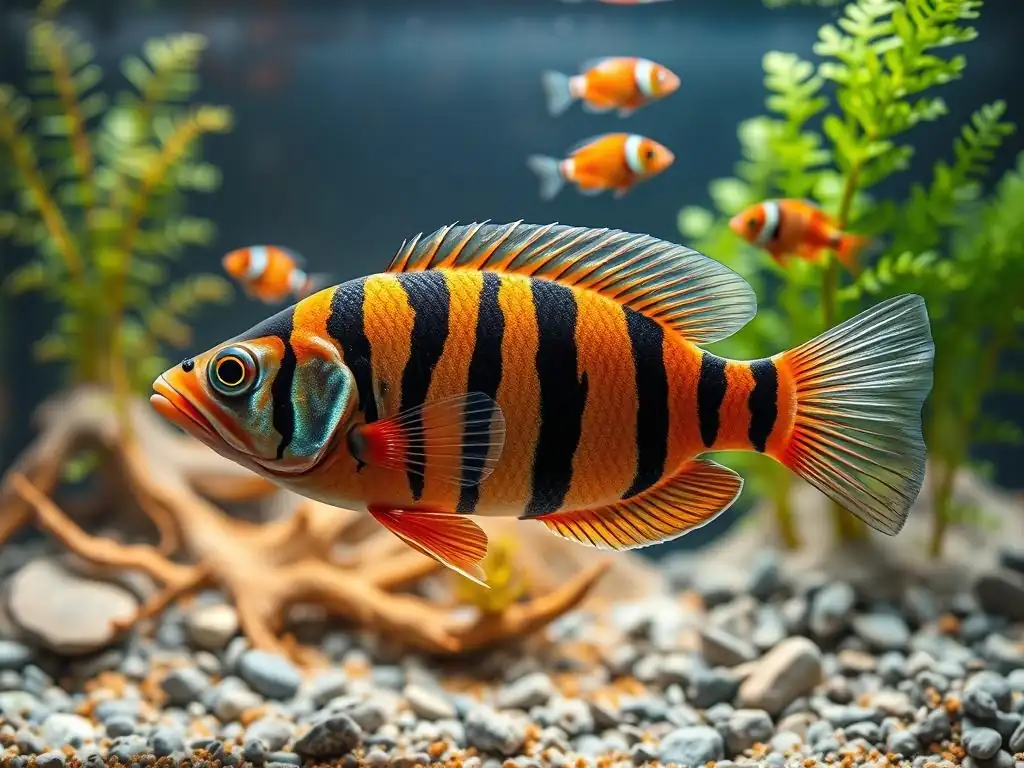
A classic example of a successful Tiger barb compatibility chart aquarium is a 55-gallon (approximately 208 liters) freshwater tank designed for active species. Such a setup might comfortably house a robust school of 10-12 Tiger Barbs, a group of 6-8 Rosy Barbs, and a school of 6-10 Corydoras Catfish (e.g., Panda or Bronze Corydoras). The tank is heavily planted with tall stem plants, broad-leaf plants, and driftwood, creating numerous visual barriers and hiding spots.
In this scenario, the large school of Tiger Barbs directs most of their playful aggression internally, keeping each other busy. The Rosy Barbs, being similar in size and temperament, are robust enough to withstand any occasional stray nips. The Corydoras occupy the bottom layer, largely ignored by the mid-water swimming barbs, and benefit from the diverse aquascape. This combination creates a dynamic, active, and largely peaceful community, demonstrating effective Tiger Barb compatibility.
Addressing Fin-Nipping Issues in a Tiger Barb Tank
Consider a situation where an aquarist initially introduced 5 Tiger Barbs into a 29-gallon tank alongside a pair of Angelfish and a small school of Neon Tetras. Within days, the Angelfish's fins showed significant damage, and the Neon Tetras were constantly hiding and appeared stressed. This setup clearly violated the principles of a good Tiger barb compatibility chart aquarium.
The solution involved several steps: First, the Angelfish and Neon Tetras were rehomed to more suitable tanks. Second, the aquarist upgraded to a 40-gallon breeder tank (wider footprint than a 29-gallon tall) and increased the Tiger Barb school from 5 to 10 individuals. They also added several large pieces of driftwood and created denser plant groupings. This intervention dramatically reduced the Tiger Barbs' aggression. With more space and a larger school to direct their energy towards, the remaining Tiger Barbs exhibited much calmer behavior, highlighting the importance of proper tank size and schooling numbers.
Conclusion: Choosing the Right Tank Mates for Happy and Healthy Tiger Barbs
Recap of Key Considerations for Tiger Barb Compatibility
Successful Tiger Barb compatibility hinges on a few crucial factors. Firstly, always house Tiger Barbs in a sufficiently large school, preferably 8-10 individuals, to dilute their semi-aggressive tendencies among themselves. Secondly, select tank mates that are either robust and fast-moving, capable of holding their own, or occupy different levels of the water column to minimize direct interaction. Avoid any fish with long, flowing fins or those that are small, slow, or overly docile, as they will inevitably become targets for nipping.
Finally, ensure your aquarium is adequately sized (a minimum of 30 gallons for a community, preferably 55+ gallons) and heavily aquascaped with plants and decor to provide hiding spots and break up lines of sight. Maintaining stable water parameters and observing your fish regularly are also essential for a thriving environment. Adhering to these guidelines, informed by a reliable Tiger barb compatibility chart aquarium reference, will lead to a harmonious and engaging aquatic display.
Further Resources for Freshwater Aquarium Keeping
Building a successful freshwater aquarium with Tiger Barbs is a rewarding journey that benefits from continuous learning. For aquarists looking to deepen their knowledge, Aquarium Mastery offers a wealth of additional resources. Explore our detailed species profiles for other freshwater fish, delve into guides on water chemistry and filtration, or consult our troubleshooting sections for common aquarium issues. Understanding these broader aspects of aquarium keeping will further enhance your ability to create and maintain a vibrant, healthy, and compatible Tiger barb compatibility chart aquarium for years to come.
Frequently Asked Questions
How can the Tiger Barb Compatibility Chart help me choose tank mates?
The Tiger Barb Compatibility Chart provides a quick reference guide to determine which fish species are likely to coexist peacefully with tiger barbs, considering their semi-aggressive nature. It helps avoid stressful or harmful tank mate choices.
Are Tiger Barbs compatible with all types of fish?
No, tiger barbs are not compatible with all fish. Their nippy behavior can stress or harm slow-moving or long-finned fish. The chart helps identify suitable less vulnerable tank mates.
What are some examples of fish that are generally not compatible with Tiger Barbs?
Fish with long, flowing fins like Guppies or Angelfish are generally not good companions for tiger barbs. Also, slow-moving fish might get outcompeted for food.
How important is tank size when considering Tiger Barb compatibility?
Tank size is crucial. Larger tanks provide more swimming space and hiding places, reducing aggression among tank mates. Overcrowding exacerbates the natural tendencies of tiger barbs.
Where can I find more detailed information on specific fish species mentioned in the Tiger Barb Compatibility Chart?
AquariumMastery.com offers species profiles and detailed information on individual fish species. This includes their temperament, ideal water parameters, and specific care requirements.
The intricate dance of life within an aquarium, as explored in this article, mirrors the delicate balance we strive for in our own communities. Understanding the compatibility of species, like the vibrant Tiger Barb, is not just about creating a visually appealing tank; it's about fostering a thriving ecosystem where each inhabitant can flourish. The principles of careful selection and mindful observation extend far beyond the glass walls, reminding us of the responsibility we have to create harmonious environments in all aspects of our lives.
This exploration of Tiger Barb compatibility has highlighted the crucial role of knowledge and empathy in creating a thriving aquatic world. It's a reminder that even seemingly small choices can have profound impacts on the well-being of others, both in the aquarium and beyond. The greatness of a nation and its moral progress can be judged by the way its animals are treated.
- Mahatma Gandhi. This quote, though speaking of animals in general, resonates deeply with the care and consideration we must extend to every creature within our aquariums, and indeed, to all living beings.
As you consider the lessons learned from the "Tiger Barb Compatibility Chart," I invite you to reflect on the ecosystems you inhabit and the role you play within them. Are you fostering harmony and balance, or inadvertently disrupting the delicate equilibrium? Let this knowledge inspire you to be a more mindful and compassionate inhabitant of your own world, creating spaces where everyone can thrive.
Transform Your Tank: Create a Thriving Barb Community!
Thank you for exploring the fascinating world of tiger barb compatibility with us! We hope you've discovered valuable insights to help you build a harmonious aquarium. Now, it's time to put that knowledge into action!
Here are some next steps you can take:
- Strategically plan your tank's inhabitants: Using the knowledge gained, design a detailed stocking list for your aquarium, ensuring a balanced and thriving community.
- Dive deeper: Research compatible tank mates, going beyond just the basics, to discover unique and unexpected pairings that could work for your setup.
- Share your wisdom: Discuss your newfound understanding of tiger barb compatibility with fellow aquarium enthusiasts.
What's one surprising tank mate you're now considering for your tiger barbs after reading this article?