
My Barbs Aren't Eating: Troubleshooting Appetite Loss in Tiger, Cherry, and Denison

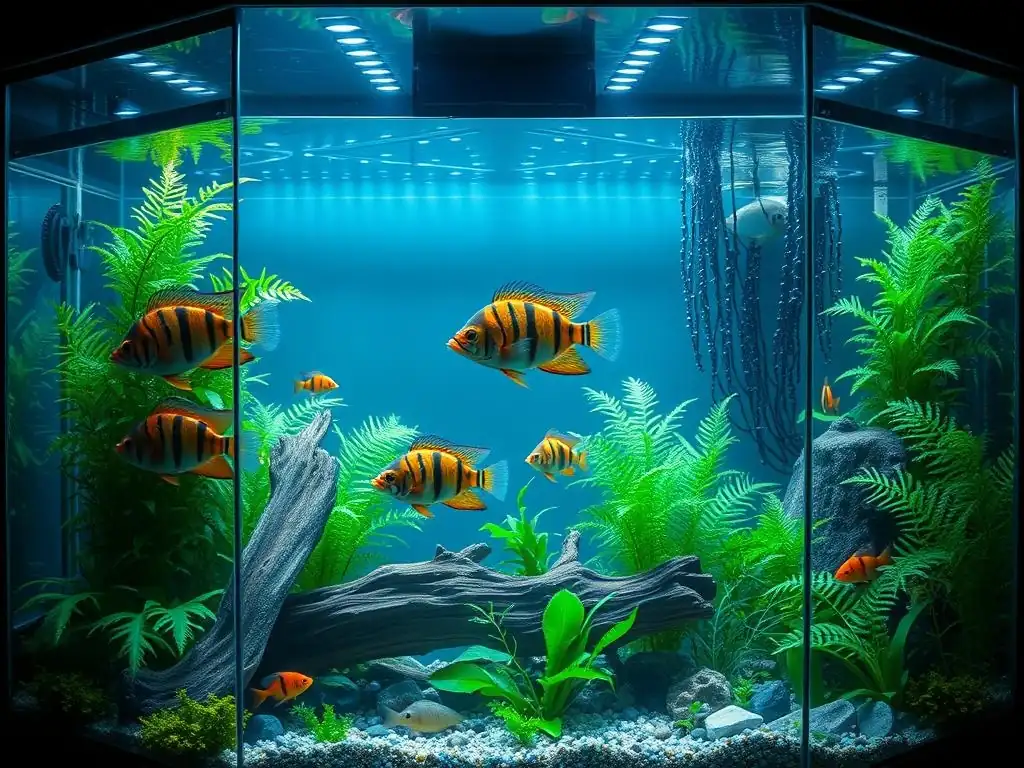
Welcome to Aquarium Mastery!
Ever watched your vibrant barbs turn away from their food? It's a common concern for aquarists, and we understand the worry. In this article, we dive deep into " Barbs not eating solutions", helping you troubleshoot appetite loss in your Tiger, Cherry, and Denison barbs. Discover the potential causes and effective strategies to restore their healthy feeding habits. Ready to get your barbs back to their energetic selves? Let's explore!
- My Barbs Aren't Eating: Troubleshooting Appetite Loss in Popular Barb Species
- Understanding Appetite Loss in Barbs: An Overview
- Diagnosing the Root Cause of Feeding Problems in Barbs
- Solutions for Barbs Not Eating: Restoring Their Appetite
- Preventing Future Feeding Problems in Your Barb Aquarium
-
Frequently Asked Questions
- Why are my barbs suddenly not eating?
- What water parameters are essential for barbs to eat properly?
- Could the type of food be the problem if my barbs aren't eating?
- How does stress affect a barb's appetite, and what can I do about it?
- Are there specific illnesses that commonly cause appetite loss in barbs?
- Final Reflection: Cultivating a Thriving Barb Community
- Ignite Your Barb's Appetite!
My Barbs Aren't Eating: Troubleshooting Appetite Loss in Popular Barb Species
Understanding Appetite Loss in Barbs: An Overview
Appetite loss, or inappetence, in barbs is a significant indicator that something is amiss in their environment or health. These active, often schooling cyprinids, including popular species like Tiger Barbs ( Puntigrus tetrazona), Cherry Barbs ( Puntius titteya), and Denison Barbs ( Sahyadria denisonii), are typically voracious eaters. A sudden or gradual refusal to eat their usual food should prompt immediate investigation by any aquarist.
This issue can range from minor environmental stressors to serious underlying diseases, and prompt identification of the problem is crucial for effective barbs not eating solutions. Ignoring these signs can lead to malnutrition, weakened immune systems, and even death, especially in smaller or more sensitive specimens.
Observing your barbs' feeding habits is a fundamental aspect of responsible aquarium keeping. Healthy barbs will typically exhibit an eager feeding response, often darting to the surface or scavenging the substrate as soon as food is introduced. If your barbs are not eating, they may appear lethargic, hide more frequently, or show visible signs of distress or illness.
For instance, a school of Tiger Barbs that normally aggressively competes for food suddenly ignoring flakes or pellets suggests a systemic problem. Similarly, a usually active Cherry Barb that remains listless at the bottom of the tank, refusing even a tempting bloodworm, signals a need for intervention. Understanding these behavioral changes is the first step in diagnosing and applying appropriate barbs not eating solutions.
Common Causes of Inappetence in Barbs
Appetite loss in barbs can stem from a variety of factors, often interconnected. One of the most prevalent causes is poor water quality, which can directly irritate their gills and digestive systems, making them feel unwell and disinclined to eat. For example, elevated ammonia or nitrite levels, even if not immediately lethal, can cause chronic stress and suppress appetite.
A study by the University of Florida on ornamental fish health highlighted that fluctuating pH levels or sudden temperature shifts are major contributors to stress-induced inappetence in many freshwater species, including barbs. Aquarists often report a direct correlation between neglected water changes and a noticeable decrease in their barbs' feeding enthusiasm.
Beyond water parameters, environmental stressors and dietary deficiencies play a significant role. Overcrowding, for instance, leads to increased competition and stress, especially for more timid species like the Cherry Barb, which might struggle to get enough food if constantly chased by dominant tank mates. Incompatible tank mates, such as overly aggressive cichlids or very slow-moving fish that are easily nipped, can also create a hostile environment where barbs feel too stressed to feed.
Furthermore, a monotonous diet lacking essential nutrients can lead to deficiencies that manifest as appetite loss. For instance, Tiger Barbs require a varied diet rich in both plant and animal matter; feeding only flakes over an extended period can lead to nutritional imbalances, making them less vibrant and less interested in food. Addressing these diverse issues systematically is essential for finding effective barbs not eating solutions.
Diagnosing the Root Cause of Feeding Problems in Barbs
Water Quality Issues Affecting Barb Appetite
Poor water quality is arguably the most common culprit behind a barb's refusal to eat, as it directly impacts their physiological well-being. Fish gills are highly sensitive organs, and exposure to even low levels of toxins like ammonia (NH₃/NH₄⁺) or nitrite (NO₂⁻) can cause severe irritation, leading to respiratory distress and a complete loss of appetite.
For example, a tank with a mature filter might still experience ammonia spikes if it's overstocked or if there's an uneaten food buildup, making barbs lethargic and uninterested in food. Nitrate (NO₃⁻), while less toxic than ammonia or nitrite, can also contribute to chronic stress and reduced vitality if levels exceed 20-40 ppm (parts per million) over extended periods, impacting overall fish health and feeding behavior.
Beyond nitrogenous waste, deviations in pH and water hardness can also significantly stress barbs, leading them to stop eating. Cherry Barbs, for instance, prefer slightly acidic to neutral water (pH 6.0-7.0) and soft to moderately hard water (GH 5-12 dGH). Denison Barbs thrive in similar parameters, typically pH 6.5-7.5 and moderately hard water.
If the pH fluctuates wildly, or if the water becomes too alkaline or acidic outside their preferred range, their metabolic processes can be disrupted, resulting in visible signs of stress and a refusal to feed. Similarly, sudden changes in water hardness can shock their systems. For instance, adding tap water with significantly different parameters during a water change without proper conditioning can cause osmotic shock, leading to immediate inappetence.
Testing Aquarium Water Parameters: Ammonia, Nitrite, and Nitrate
Regular and accurate testing of aquarium water parameters is non-negotiable when troubleshooting why your barbs aren't eating. Ammonia and nitrite should always be at 0 ppm in a healthy, cycled aquarium. Even trace amounts above 0 ppm indicate a problem with the biological filtration or overstocking, and can quickly lead to gill damage and appetite suppression. Nitrate levels, while tolerated in higher concentrations, should ideally be kept below 20 ppm for sensitive species and definitely below 40 ppm for most community tanks to prevent long-term stress and weakened immune responses.
To effectively diagnose water quality issues, use a reliable liquid-based test kit, such as those offered by API or Salifert, rather than less accurate test strips.
- Ammonia (NH₃/NH₄⁺): Test for ammonia daily if barbs are not eating. Any reading above 0 ppm is a red flag.
- Nitrite (NO₂⁻): Like ammonia, nitrite should be 0 ppm. Elevated levels indicate an incomplete nitrogen cycle or a crash.
- Nitrate (NO₃⁻): Test weekly or bi-weekly. Levels rising above 20 ppm signal a need for more frequent or larger water changes.
- pH: Monitor pH regularly. For most barbs, a stable pH between 6.0 and 7.5 is ideal. Rapid fluctuations are more dangerous than a stable pH outside the ideal range.
- Temperature: Ensure temperature stability. Most barbs thrive between 72-78°F (22-26°C). Sudden drops or spikes can induce shock.
The Impact of pH and Water Hardness on Barb Health and Feeding
The pH level and water hardness (GH and KH) significantly influence the physiological well-being of barbs, directly impacting their appetite. Barbs, being freshwater fish, have evolved to thrive within specific ranges of these parameters. For instance, a pH value too far outside their preferred range can cause acidosis or alkalosis, leading to severe stress, sluggishness, and a complete cessation of feeding. If a Tiger Barb, which prefers a pH of 6.0-7.5, is suddenly introduced to water with a pH of 8.5, its internal osmoregulation will be severely taxed, making it feel unwell and unwilling to eat.
Similarly, water hardness, specifically General Hardness (GH) and Carbonate Hardness (KH), affects the availability of essential minerals and the stability of pH. KH, or alkalinity, is crucial for buffering pH, preventing drastic swings that can shock fish. If KH is too low, even minor changes in the tank (like fish respiration or decaying organic matter) can cause pH crashes.
For example, Cherry Barbs prefer soft to moderately hard water (GH 5-12 dGH). Keeping them in very hard water (e.g., >18 dGH) over long periods can lead to chronic stress, reduced immunity, and a noticeable decrease in appetite, as their bodies expend more energy to adapt to an unsuitable environment. Consistent, stable parameters within their preferred range are vital for promoting a healthy appetite and overall vitality.
Stress Factors Leading to Appetite Suppression in Barbs
Stress is a pervasive issue in aquariums that can manifest profoundly as appetite loss in barbs. These highly active and often schooling fish are particularly sensitive to environmental pressures, which can compromise their immune systems and their desire to feed. Common stressors include inappropriate tank conditions, such as insufficient space or aggressive tank mates, which can cause chronic anxiety.
For example, a small school of six Tiger Barbs crammed into a 10-gallon tank will experience constant stress due to limited territory and high waste accumulation, leading to shy behavior and a reluctance to feed. This persistent stress can also make them more susceptible to diseases, further exacerbating their feeding issues.
Beyond physical constraints, the social dynamics within the aquarium and sudden environmental changes also contribute significantly to stress-induced inappetence. Barbs are social creatures that thrive in schools, and being kept alone or in too small a group (fewer than 6-8 individuals) can lead to anxiety and aggression, particularly in species like the Tiger Barb. Furthermore, abrupt changes in their environment, such as drastic temperature fluctuations during a water change or the sudden introduction of a new, intimidating fish, can shock their systems.
A sudden 5°F drop in temperature, for instance, can temporarily shut down their metabolism and feeding drive. Understanding these nuanced stressors is crucial for implementing effective barbs not eating solutions.
Overcrowding and Tank Size Considerations
Overcrowding is a primary stressor for barbs, directly impacting their appetite and overall health. While the general rule of thumb is often cited as "one inch of fish per gallon," this is a gross oversimplification, especially for active, schooling fish like barbs. Tiger Barbs, for example, typically grow to 2-3 inches and are best kept in schools of at least six individuals.
For a healthy school of six adult Tiger Barbs, a minimum tank size of 20 gallons (specifically a 20-gallon long for better swimming space) is recommended. Housing them in a smaller tank, such as a 10-gallon, will lead to constant territorial disputes, increased waste production, and chronic stress, manifesting as hiding, nipped fins, and a complete lack of interest in food.
Denison Barbs, which can reach an impressive 4-6 inches in length, require significantly more space. A school of six Denison Barbs would necessitate a minimum tank size of 55-75 gallons, with longer tanks being preferable for their active swimming habits. When tank space is insufficient, barbs cannot establish proper territories or escape aggressive interactions, leading to constant anxiety.
This persistent stress diverts energy from metabolic processes like digestion and growth, resulting in suppressed immune function and, most notably, a refusal to eat. Ensuring adequate tank size and appropriate stocking density is a fundamental step in providing barbs not eating solutions.
Incompatible Tank Mates and Bullying Behavior
The choice of tank mates is paramount for the well-being and feeding habits of barbs. Many barb species, especially the popular Tiger Barb, are known for their semi-aggressive, fin-nipping tendencies, particularly if not kept in sufficiently large schools (minimum 6-8 individuals).
If Tiger Barbs are housed with slow-moving, long-finned fish like Bettas or Angelfish, they will relentlessly nip at their fins, causing immense stress to the victims and often leading to injuries and disease. Conversely, if a smaller, more timid barb species like the Cherry Barb (which grows to about 1.5 inches) is housed with larger, more aggressive fish, such as certain cichlids or even overly dominant Tiger Barbs, the Cherry Barbs can become constantly intimidated and hide, making them too stressed to come out and feed.
This constant bullying or intimidation creates a highly stressful environment where the bullied fish feels unsafe to venture into open water, especially during feeding times. Even if food is available, the fear of being chased or nipped overrides their natural feeding instinct. Aquarists often report observing a bullied barb darting out for a quick bite only to retreat immediately, or simply refusing to compete for food altogether.
Such persistent stress can lead to emaciation and increased susceptibility to disease. Therefore, carefully researching and selecting peaceful, compatible tank mates that match the barb's temperament and size is a critical component of any barbs not eating solutions strategy.
Sudden Changes in the Aquarium Environment: Temperature Swings and Water Changes
Sudden and drastic changes in the aquarium environment can induce acute stress in barbs, leading to a temporary or prolonged loss of appetite. Temperature fluctuations are a common culprit; a rapid drop or increase of more than 2-3°F (approximately 1-1.5°C) within a short period can shock a barb's system.
For instance, if a large, unheated bucket of tap water is added during a water change, dropping the tank temperature from a stable 76°F to 68°F, the barbs may become lethargic, clamp their fins, and refuse food for hours or even days as their metabolism struggles to adjust. Maintaining a stable temperature, ideally between 72-78°F (22-26°C) for most barb species, is crucial.
Similarly, improper water changes or significant alterations to tank decor can cause stress. While regular water changes are essential for good water quality, performing very large water changes (e.g., more than 50% at once) or not matching the temperature and pH of the new water to the tank water can be detrimental. The sudden shift in parameters can induce osmotic shock, making barbs visibly uncomfortable and unwilling to eat.
Even rearranging tank decorations extensively can temporarily disorient barbs, as they are creatures of habit and rely on familiar landmarks. Minimizing these abrupt changes and performing maintenance slowly and deliberately is key to preventing stress-induced appetite loss and providing effective barbs not eating solutions.
Barb Diseases and Parasites That Can Cause Loss of Appetite
When barbs aren't eating, underlying diseases or parasitic infections are often a serious consideration that requires prompt action. Many common fish diseases, both external and internal, directly impact a fish's metabolism and general well-being, leading to a noticeable decline in appetite. For instance, a barb infected with Ichthyophthirius multifiliis (Ich) might initially show white spots, but rapidly progresses to lethargy, clamped fins, and a complete refusal to feed as the parasites irritate their skin and gills. The energy expended fighting off the infection leaves little desire for food.
Beyond external parasites, internal issues like bacterial infections or intestinal worms can also cause severe inappetence. A barb suffering from an internal bacterial infection might exhibit bloating, red streaks on its body, or abnormal swimming, all of which are accompanied by a lack of interest in food. These conditions compromise the fish's digestive system and overall health, making it impossible for them to properly process nutrients even if they attempted to eat. Early detection of these symptoms, alongside appetite loss, is critical for successful treatment and for finding appropriate barbs not eating solutions.
Identifying External Parasites: Ich and Others
External parasites are a common cause of appetite loss in barbs, as they irritate the fish's skin and gills, leading to discomfort and stress. The most prevalent external parasite is Ich, or White Spot Disease, caused by Ichthyophthirius multifiliis. Infected barbs will develop small, white, salt-grain-sized spots on their body and fins. Initially, they might rub against tank decorations or gravel to relieve itching, but as the infection progresses, they become lethargic, clamp their fins, exhibit rapid breathing, and crucially, stop eating. A severe Ich infestation can completely coat a barb, making feeding impossible and respiration difficult.
Other external parasites that can cause inappetence include velvet disease ( Oodinium), which appears as a fine, dusty, yellowish-gold coating on the fish's body, and gill flukes ( Dactylogyrus), which are microscopic worms that infest the gills, causing breathing difficulties and irritation. While velvet is often harder to spot than Ich, infected barbs will show similar symptoms of flashing, lethargy, and a strong disinterest in food.
Gill flukes cause barbs to gasp at the surface, have inflamed gills, and refuse to eat due to respiratory distress. Recognizing these visual cues alongside appetite loss is vital for accurate diagnosis and selecting the correct medication for effective barbs not eating solutions.
Recognizing Internal Parasites and Bacterial Infections
Internal parasites and bacterial infections are often more challenging to diagnose than external ones, but they are significant causes of appetite loss in barbs. Internal parasites, such as various species of worms (e.g., nematodes, cestodes), can infest the digestive tract, preventing proper nutrient absorption and causing emaciation despite the fish potentially attempting to eat. Symptoms can include stringy white feces, a sunken belly, or sometimes a swollen abdomen if the parasite burden is severe. For example, a Tiger Barb that is normally robust but shows a hollow belly and ignores food might be suffering from internal worms.
Bacterial infections, both systemic and localized, can also severely impact a barb's appetite. Common bacterial issues include "fish tuberculosis" ( Mycobacterium marinum), which can cause wasting, lesions, and internal organ damage, or various septicemias that lead to internal bleeding and organ failure. Symptoms might include bloating, reddening of the fins or body, scales sticking out (pineconing), or abnormal swimming.
A barb with a severe internal bacterial infection will typically appear listless, hide, and show no interest in food whatsoever, as its body is actively fighting off the infection. Prompt identification through observation of these subtle symptoms, coupled with a lack of appetite, is crucial for timely treatment and successful barbs not eating solutions.
Common Barb Ailments and Treatments
Barbs, like all aquarium fish, are susceptible to a range of ailments that can lead to appetite loss. Beyond Ich and internal parasites, other common conditions include Fin Rot, caused by bacterial infections, which manifests as frayed or disintegrating fins and often accompanies stress or poor water quality. A barb with severe Fin Rot will be too stressed and uncomfortable to feed. Dropsy, a symptom of severe internal organ failure (often bacterial), causes the fish's scales to protrude like a pinecone due to fluid retention and is almost always accompanied by a complete cessation of eating.
Treatments vary depending on the diagnosis. For Ich, increasing the tank temperature (if suitable for the species and tank mates) and using an Ich-specific medication containing malachite green or formalin is common. For suspected bacterial infections, broad-spectrum antibiotics like Furan-2 or Kanaplex, often administered through medicated food, are typically used. Internal parasites usually require specific dewormers such as praziquantel or fenbendazole.
It is crucial to diagnose correctly before treating, as misapplication of medication can cause further stress or harm. Quarantine of sick fish is highly recommended to prevent the spread of disease and to allow for more precise dosing. Always follow medication instructions carefully and be prepared to perform water changes after treatment cycles.
Dietary Problems: Are You Feeding Your Barbs the Right Food?
Even if water quality is pristine and no diseases are apparent, a barb's refusal to eat can often be attributed to improper diet or feeding practices. Barbs, particularly popular species like Tiger, Cherry, and Denison, have specific nutritional requirements that must be met for their long-term health and vitality.
Providing the wrong type of food, or an insufficient variety, can lead to nutritional deficiencies that manifest as a lack of appetite, dull coloration, and stunted growth. For example, feeding only a single type of low-quality flake food can leave barbs lacking essential vitamins and minerals, making them less enthusiastic about eating.
Furthermore, feeding frequency and quantity play a critical role. Overfeeding is a common mistake that not only fouls the water but can also lead to digestive issues in barbs, making them less inclined to eat their next meal. Conversely, underfeeding, especially in a community tank where timid barbs might be outcompeted, can also lead to a lack of appetite due to chronic hunger and stress. Understanding these dietary nuances and adjusting feeding strategies are essential components of effective barbs not eating solutions.
Understanding the Nutritional Needs of Barbs
Barbs are generally omnivorous, meaning their diet should consist of both plant-based and animal-based matter to ensure complete nutrition.
- Tiger Barbs: These active fish require a diet rich in protein for their energy levels, along with vegetable matter. A good quality flake or pellet food should be the staple, supplemented with brine shrimp, bloodworms (live or frozen), and spirulina flakes or blanched vegetables.
- Cherry Barbs: Being slightly more herbivorous, Cherry Barbs benefit from a diet with a higher vegetable content. High-quality flakes, small sinking pellets, and regular offerings of spirulina flakes, blanched zucchini, or algae wafers are ideal. They also appreciate occasional small live or frozen foods.
- Denison Barbs: These larger, highly active barbs have a high metabolic rate and require a protein-rich diet. High-quality sinking pellets, frozen bloodworms, brine shrimp, and Mysis shrimp should be staples. They also benefit from some vegetable matter.
A diet lacking essential amino acids, vitamins (especially Vitamin C), or trace elements can lead to a weakened immune system, poor growth, and a noticeable decrease in appetite. For example, a barb consistently fed only generic fish flakes might develop a vitamin deficiency over time, leading to lethargy and a disinterest in food.
Variety is Key: Offering a Balanced Diet
Offering a varied diet is paramount to ensuring your barbs receive all the necessary nutrients and to stimulate their appetite. A monotonous diet, even if nutritionally complete on paper, can lead to boredom and a refusal to eat. Imagine eating the same meal every single day; fish, too, appreciate diversity.
- Staple Foods: Always start with a high-quality flake or small pellet food specifically formulated for tropical omnivores. Look for brands that list fish meal, spirulina, and various vitamins as primary ingredients.
- Protein Boosts: Supplement 2-3 times a week with frozen or freeze-dried foods like bloodworms, brine shrimp, daphnia, or Mysis shrimp. These are excellent sources of protein and natural attractants.
- Vegetable Matter: For Cherry Barbs especially, but beneficial for all barbs, offer blanched vegetables like zucchini, cucumber, or spirulina wafers a few times a week.
- Live Foods (Optional): Live brine shrimp or blackworms can be excellent appetite stimulants and provide a natural hunting experience, but ensure they are from a reputable source to avoid introducing pathogens.
By rotating through different types of food, you not only ensure a comprehensive nutritional profile but also keep your barbs engaged and eager during feeding times. This variety is a core component of effective barbs not eating solutions.
Overfeeding vs. Underfeeding: Finding the Right Balance
Both overfeeding and underfeeding can lead to appetite issues in barbs, albeit through different mechanisms.
- Overfeeding: This is a common mistake among new aquarists. Feeding too much food at once means much of it goes uneaten, decays, and rapidly degrades water quality by increasing ammonia and nitrite. Barbs, if they consume too much, can also suffer from digestive upset or swim bladder issues, making them feel unwell and uninterested in their next meal. A good rule of thumb is to feed only what your barbs can consume entirely within 2-3 minutes. Any food left after this time indicates overfeeding. Overfed barbs might appear bloated or lethargic.
- Underfeeding: While less common for the entire tank, underfeeding can occur if timid barbs are outcompeted by more aggressive tank mates, or if the overall food quantity is insufficient for the bioload. If barbs are consistently underfed, they will become emaciated, dull in color, and eventually lose the energy or will to even try to eat. In a community tank, observe individual barbs during feeding to ensure everyone is getting enough.
Finding the right balance involves observing your barbs' behavior and adjusting accordingly. Feeding smaller portions multiple times a day (e.g., two to three times) rather than one large meal can be beneficial, as it mimics their natural foraging behavior and reduces the risk of water pollution. This careful management of feeding quantity and frequency is crucial for maintaining barb health and providing long-term barbs not eating solutions.
Solutions for Barbs Not Eating: Restoring Their Appetite
When your barbs aren't eating, a systematic approach to troubleshooting is essential. The solutions often directly correlate with the identified causes, ranging from immediate water quality adjustments to long-term environmental improvements and specific disease treatments. The primary goal is to alleviate stress, eliminate pathogens, and provide an optimal environment that encourages their natural feeding instincts. For example, if high ammonia levels are detected, the immediate solution involves a significant water change, which directly addresses the underlying problem and reduces the physiological burden on the fish, often leading to a prompt return of appetite.
Implementing barbs not eating solutions requires patience and careful observation. It's not usually a quick fix, especially if the issue is chronic or disease-related. For instance, while a water change might provide immediate relief, sustained improvement often requires optimizing filtration and maintaining a consistent maintenance schedule. Similarly, treating a parasitic infection might involve a multi-day medication regimen. The key is to address the root cause thoroughly, rather than just the symptom of inappetence, to ensure the long-term health and vibrant feeding habits of your barbs.
Improving Water Quality to Stimulate Barb Feeding
Poor water quality is a leading cause of appetite loss in barbs, making its improvement the most critical and often immediate solution. Elevated levels of ammonia, nitrite, or even high nitrates can directly irritate their sensitive gills and digestive systems, leading to stress and a refusal to eat. For instance, if you test your water and find ammonia at 0.5 ppm, your barbs will likely be lethargic and disinterested in food. Addressing this immediately by performing a significant water change can rapidly reduce toxin levels, providing instant relief and often stimulating their appetite within hours.
Beyond immediate fixes, consistent water quality management is a cornerstone of preventing future feeding issues. This includes establishing a robust biological filtration system and adhering to a regular maintenance schedule. A well-maintained tank with stable parameters (e.g., ammonia and nitrite at 0 ppm, nitrates below 20 ppm, and consistent pH and temperature) creates a low-stress environment where barbs feel secure and healthy enough to feed vigorously. Implementing these fundamental barbs not eating solutions ensures their physiological comfort and promotes a strong feeding response.
Performing Regular Water Changes and Gravel Vacuums
Regular water changes are the most effective method for maintaining pristine water quality and are often the first line of defense when barbs aren't eating. A typical schedule involves replacing 25-30% of the tank water weekly. However, if barbs are showing signs of distress or appetite loss due to elevated toxins, a larger water change, such as 50-75%, may be necessary immediately.
For instance, if ammonia or nitrite levels are detectable (e.g., >0 ppm), a 50% water change can reduce these toxins by half, providing immediate relief. Always ensure the new water is dechlorinated and temperature-matched to the aquarium water to prevent shocking the fish.
Concurrently with water changes, performing a gravel vacuum is crucial. This process removes uneaten food, fish waste, and decaying plant matter trapped in the substrate, which are significant sources of ammonia and nitrite. Neglecting gravel vacuuming can lead to anaerobic pockets and a buildup of harmful compounds, even if filter maintenance is regular.
For example, a tank where the gravel has not been vacuumed for months will likely accumulate a substantial amount of detritus, contributing to poor water quality and chronic stress for the barbs, thus suppressing their appetite. Regular and thorough gravel vacuuming, combined with water changes, forms a powerful duo for maintaining a healthy environment and providing effective barbs not eating solutions.
Optimizing Filtration for a Healthy Aquarium Environment
Optimizing the aquarium's filtration system is vital for preventing water quality issues that lead to appetite loss in barbs. A robust filtration system, typically consisting of mechanical, chemical, and biological filtration, works synergistically to keep the water clean and safe.
- Mechanical Filtration: Sponges, filter floss, or pads physically remove particulate matter like uneaten food and waste, preventing it from decomposing and polluting the water. Clean or replace mechanical media regularly; for example, rinse filter sponges in old tank water weekly during water changes.
- Biological Filtration: This is the most critical component, housing beneficial bacteria that convert toxic ammonia into nitrite, and then less toxic nitrate. Ceramic rings, bio-balls, or porous sponges provide surface area for these bacteria. Ensure your filter is adequately sized for your tank and bioload. For instance, a filter rated for a 50-gallon tank might be barely adequate for a heavily stocked 29-gallon tank of active barbs.
- Chemical Filtration: Activated carbon or specialized resins remove dissolved organic compounds, odors, and some toxins. Replace activated carbon every 3-4 weeks as it becomes saturated.
An underperforming filter or one that is not regularly maintained can lead to chronic water quality issues. For example, a clogged sponge will reduce water flow, diminishing both mechanical and biological filtration efficiency. Ensuring your filter is running optimally and regularly cleaned (rinsing media in old tank water only) is a fundamental barbs not eating solution that promotes a stable, healthy environment for your barbs to thrive and feed.
Using Water Conditioners to Remove Harmful Substances
The use of a high-quality water conditioner is an indispensable step in preparing tap water for your barb aquarium, directly impacting their health and appetite. Tap water often contains chlorine and chloramines, chemicals added by municipal water treatment plants to make water safe for human consumption, but which are highly toxic to fish. Chlorine can burn fish gills, causing acute respiratory distress and immediate appetite loss, while chloramines are even more persistent and can harm beneficial bacteria in the filter.
A good water conditioner, such as those containing sodium thiosulfate or other proprietary formulas, neutralizes chlorine and chloramines instantly. Many modern conditioners also offer additional benefits, such as detoxifying ammonia and nitrite for a short period (useful during emergencies or cycling), or adding a slime coat protectant that helps reduce stress and protect fish from environmental irritants.
For example, using a product like Seachem Prime or API Stress Coat during every water change ensures that harmful substances are immediately rendered harmless, preventing shock and stress that would otherwise cause your barbs to stop eating. Consistent use of such conditioners is a simple yet profoundly effective barbs not eating solution.
Reducing Stress to Encourage Barb Feeding
Stress is a silent killer in aquariums, often manifesting first as a loss of appetite in barbs. These highly active and social fish are particularly susceptible to environmental pressures, whether from physical constraints or social dynamics. When barbs are stressed, their immune systems are compromised, and their natural instincts, including feeding, are suppressed.
For example, a school of Tiger Barbs kept in a tank too small for their needs will constantly be on edge, leading to shy behavior, hiding, and a clear reluctance to approach food. Reducing these stressors is not just about comfort; it's about creating an environment where their natural behaviors, including feeding, can flourish.
Effective barbs not eating solutions related to stress involve addressing tank parameters, social dynamics, and handling procedures. This includes ensuring adequate swimming space, providing appropriate hiding spots, carefully selecting compatible tank mates to prevent bullying, and acclimatizing new fish properly to minimize shock. A well-designed, peaceful environment allows barbs to feel secure, confident, and therefore, more inclined to feed. Addressing stress holistically will not only restore their appetite but also improve their overall health, color, and longevity.
Providing Adequate Space and Hiding Places
Adequate space and readily available hiding places are crucial for reducing stress in barbs and encouraging their natural feeding behavior. Barbs, especially active species like Tiger Barbs and Denison Barbs, require ample swimming room to express their schooling behavior and to escape from more dominant individuals within their group. For example, a school of six adult Tiger Barbs needs at least a 20-gallon long tank (30 inches in length) to thrive.
If kept in a smaller tank, they become cramped, leading to increased aggression, stress, and a reluctance to feed due to constant anxiety. Denison Barbs, reaching up to 6 inches, demand even larger tanks, typically 55-75 gallons for a school, to provide sufficient linear swimming space.
Hiding places, such as dense live plants (e.g., Java Fern, Anubias, Amazon Swords), driftwood, or rock caves, provide essential refuges for barbs to retreat when they feel threatened or overwhelmed. This is particularly important for more timid species like Cherry Barbs, or for any barb that might be temporarily bullied by a tank mate.
For instance, a Cherry Barb that feels secure knowing it can quickly dart into a dense plant thicket is far more likely to venture out and feed than one in a barren tank. Providing these safe zones significantly reduces stress, making barbs feel more comfortable and confident, which directly translates to a healthier appetite and more effective barbs not eating solutions.
Choosing Compatible Tank Mates for Peaceful Coexistence
Incompatible tank mates are a significant source of stress for barbs, often leading to appetite suppression and other health issues. The key to preventing this is to research the temperament, size, and specific needs of each species before introducing them to your barb aquarium.
- Tiger Barbs: These are notorious fin-nippers, especially if not kept in large schools (6-8+ individuals). Avoid pairing them with slow-moving, long-finned fish like Angelfish, Bettas, or Gouramis, as these will be constant targets, leading to stress for both parties and a reluctance to feed. Good tank mates include active, fast-swimming fish of similar size, such as larger Danios, other species of barbs (e.g., Rosy Barbs), or certain bottom dwellers like Corydoras.
- Cherry Barbs: These are generally peaceful and shy. They should not be kept with overly aggressive or much larger fish that might intimidate them. Ideal tank mates include other peaceful community fish like smaller tetras, Rasboras, Corydoras, and Otocinclus.
- Denison Barbs: While generally peaceful, their large size and rapid swimming can intimidate smaller, more timid fish. They do best with other large, active, and peaceful community fish.
When tank mates are compatible, barbs feel secure and are more likely to exhibit their natural schooling and feeding behaviors. Conversely, constant bullying or intimidation will make them hide, become lethargic, and refuse food. Ensuring a harmonious community is a foundational aspect of providing effective barbs not eating solutions.
Acclimating New Barbs Properly to Minimize Stress
Improper acclimatization of new barbs is a common cause of immediate stress and subsequent appetite loss. The transition from a fish store's water parameters to your aquarium's can be a significant shock, especially if there are drastic differences in pH, temperature, or water hardness. A sudden change can cause osmotic shock, damaging gill tissue and severely stressing the fish, making them unwilling to eat for days. For example, moving a barb from a store tank with a pH of 6.0 to your tank with a pH of 7.5 without gradual introduction can be devastating.
The drip acclimatization method is highly recommended for barbs to minimize this stress.
- Float the Bag: Float the sealed bag containing the new barb in your aquarium for 15-20 minutes to equalize temperature.
- Transfer to Bucket: Open the bag, roll down the edges, and place it in a clean bucket. Add just enough tank water to allow the fish to swim comfortably.
- Drip Acclimation: Using airline tubing, create a siphon from your main tank to the bucket. Tie a knot in the tubing to regulate the drip rate to about 2-3 drops per second.
- Monitor & Discard: Allow water to slowly drip into the bucket until the volume of water in the bucket has doubled or tripled (this can take 30-60 minutes or longer for very sensitive fish).
- Transfer Fish: Carefully net the barb from the bucket and place it into your aquarium, discarding the water from the bucket. Do not add the fish store water to your tank.
This slow, gradual process allows the barb's system to adjust to the new water parameters, significantly reducing stress and helping them to settle in and start feeding much sooner. Proper acclimatization is a crucial preventive barbs not eating solution.
Treating Diseases and Parasites to Restore Barb Health
When barbs aren't eating due to disease or parasitic infection, prompt and accurate treatment is paramount. Ignoring these signs can lead to the rapid deterioration of the fish's health, spread of the disease to other tank inhabitants, and ultimately, mortality. Many diseases directly impact a fish's metabolism and ability to digest food, leading to a complete cessation of appetite. For instance, a barb suffering from a severe case of Ich will be too uncomfortable and systemically stressed to even consider eating, regardless of how appealing the food is.
Effective barbs not eating solutions in this context involve correctly identifying the specific ailment, isolating the affected fish if necessary, and administering the appropriate medication at the correct dosage. Misdiagnosis or improper treatment can cause further stress or even be fatal. It is also crucial to address any underlying environmental stressors that might have predisposed the barbs to illness in the first place, such as poor water quality or overcrowding, as these factors can hinder recovery even with medication.
Identifying and Treating Specific Diseases Affecting Appetite
Accurate identification of the specific disease is the cornerstone of effective treatment when barbs aren't eating due to illness.
- Ich (White Spot Disease): Characterized by small, white, salt-grain-like spots on the body and fins, often accompanied by flashing, clamped fins, and lethargy.
- Treatment: Gradually raise tank temperature to 82-84°F (if compatible with tank mates) to speed up the parasite's life cycle. Use an Ich-specific medication containing malachite green or formalin (e.g., API Super Ick Cure, Seachem Paraguard) following dosage instructions. Remove activated carbon during treatment.
- Fin Rot: Caused by bacterial infection, leading to frayed, ragged, or disintegrating fins, often with a white or red edge.
- Treatment: Improve water quality dramatically with daily small water changes (25%). Treat with broad-spectrum antibacterial medications (e.g., Furan-2, Kanaplex).
- Velvet (Oodinium): Appears as a fine, dusty, yellowish-gold coating, often accompanied by rapid breathing and scratching.
- Treatment: Dim the lights, as the parasite is photosynthetic. Use velvet-specific medications containing copper or acriflavine (e.g., Seachem Cupramine, API General Cure).
- Internal Parasites (e.g., Worms): Symptoms include stringy white feces, sunken belly (wasting), or sometimes bloating. Appetite loss can be gradual.
- Treatment: Use anti-parasitic medications specifically for internal worms, often administered through medicated food (e.g., praziquantel-based foods like New Life Spectrum Thera-A or Hikari PraziPro in food). If fish are not eating, a water treatment might be necessary.
- Bacterial Infections (Systemic): Can cause bloating, red streaks, ulcers, clamped fins, and lethargy.
- Treatment: Broad-spectrum antibiotics (e.g., Maracyn 2, Kanaplex) often administered via medicated food. Severe cases may require baths or direct water treatment.
Always confirm diagnosis if possible and follow medication instructions precisely. Over-medication or incorrect medication can be more harmful than the disease itself.
Quarantine Procedures for Sick Barbs
Implementing a quarantine procedure for sick barbs is a critical step in both treatment and disease prevention, especially when appetite loss is a symptom. A dedicated quarantine tank (QT) allows for more effective and targeted treatment without exposing the main display tank's inhabitants to medication, which can harm beneficial bacteria or sensitive invertebrates. A typical QT can be a simple 10-20 gallon tank with a heater, a small sponge filter (seeded with media from the main tank's filter), and a few hiding spots.
When a barb stops eating and shows other signs of illness:
- Set up QT: Prepare the quarantine tank with dechlorinated, temperature-matched water.
- Transfer Fish: Carefully net the ailing barb and move it to the QT. Avoid unnecessary stress during transfer.
- Observe & Diagnose: Observe the fish closely in the QT for specific symptoms (spots, clamped fins, abnormal swimming, bloating) to confirm the diagnosis.
- Medicate: Administer the appropriate medication to the QT water. This allows for precise dosing and prevents medication from affecting the main tank's ecosystem.
- Monitor Progress: Continuously monitor the barb's condition and appetite. If the barb starts eating, it's a strong sign of recovery.
- Full Recovery: Keep the barb in QT for at least 1-2 weeks after symptoms disappear and it has resumed normal feeding, ensuring it is fully recovered and not a carrier.
This isolation strategy is invaluable for providing focused care and prevents the spread of pathogens, making it a highly effective barbs not eating solution for disease-related issues.
Medication Dosage and Administration
Correct medication dosage and administration are crucial for successful treatment and avoiding harm to your barbs, especially when they're already weakened from not eating. Incorrect dosing can either be ineffective (underdosing) or toxic (overdosing). Always read the product label carefully, as dosages vary significantly between brands and active ingredients.
- Calculate Tank Volume: Accurately calculate the true water volume of your quarantine or display tank (Length x Width x Height in inches / 231 = Gallons). Account for displacement by substrate and decorations.
- Follow Instructions Precisely: Adhere strictly to the manufacturer's recommended dosage. Do not assume or guess.
- Remove Carbon: Always remove activated carbon from your filter before adding medication, as carbon will absorb the medication, rendering it ineffective.
- Water Changes: Many medications require water changes before re-dosing to prevent accumulation of the drug and to remove dissolved organic waste. Some treatments also require a large water change at the end of the treatment cycle.
- Aeration: Increase aeration during treatment, as some medications can reduce oxygen levels.
- Observe Reaction: Monitor your barbs closely after administering medication for any adverse reactions. If fish show severe distress, perform an immediate large water change.
For internal parasites or bacterial infections, medicated food is often the most effective method, as it delivers the drug directly to the source of the problem. If barbs aren't eating, a water-soluble medication might be the only option. Always complete the full course of treatment, even if symptoms improve, to prevent a relapse or the development of drug-resistant pathogens. Proper medication administration is a critical step in providing effective barbs not eating solutions.
Dietary Problems: Are You Feeding Your Barbs the Right Food?
Even in a perfectly maintained aquarium with no signs of disease, barbs may refuse to eat if their dietary needs are not met. This is a common oversight where aquarists might provide food, but not the right food, or not enough variety.
Barbs are omnivores, and while they will readily consume many types of food, a monotonous or nutritionally incomplete diet can lead to deficiencies that manifest as a lack of appetite, dull coloration, and stunted growth. For example, feeding only cheap, generic flakes that lack essential vitamins or sufficient protein can cause long-term health issues and a disinterest in food.
Effective barbs not eating solutions related to diet involve understanding their specific nutritional requirements, offering a diverse array of high-quality foods, and adopting appropriate feeding practices. This ensures they receive a balanced intake of proteins, fats, carbohydrates, vitamins, and minerals, which are all vital for their metabolism, immune function, and, crucially, their feeding drive. A well-fed barb is a healthy, active, and eager eater.
Understanding the Nutritional Needs of Barbs
Barbs are generally omnivorous, but their exact dietary preferences and needs can vary slightly between species. Providing a diet that caters to these needs is crucial for their health and appetite.
- Protein: All barbs, especially active species like Tiger and Denison Barbs, require a significant amount of protein for energy and growth. High-quality fish meal, spirulina, and various animal-based ingredients (e.g., shrimp meal, krill) are excellent protein sources.
- Fats: Essential fatty acids are vital for energy reserves and overall health. Look for foods that include omega-3 and omega-6 fatty acids.
- Carbohydrates: Provide energy for daily activities. Plant-based ingredients like wheat germ and various grains contribute carbohydrates.
- Vitamins: Crucial for immune function and metabolic processes. Vitamin C (ascorbic acid) is particularly important for fish health and stress resistance. Vitamin A, D, and E are also essential.
- Minerals: Trace elements like iron, zinc, and selenium are necessary for various bodily functions.
A diet lacking these components can lead to a range of issues, from poor growth and dull coloration to a weakened immune system and, ultimately, a lack of interest in food. For instance, a Cherry Barb fed only high-protein meat-based foods might develop digestive issues and refuse to eat due to a lack of necessary vegetable matter in its diet.
Variety is Key: Offering a Balanced Diet
Providing a varied diet is one of the most effective ways to stimulate and maintain a healthy appetite in your barbs. Just as humans get tired of eating the same food every day, fish can become bored with a monotonous diet, even if it's technically "complete."
- High-Quality Staple: Start with a premium flake or small sinking pellet food as the primary diet. Brands like Hikari, New Life Spectrum, or Omega One offer excellent nutritional profiles designed for tropical fish.
- Frozen Foods: Supplement 2-3 times per week with frozen foods such as bloodworms, brine shrimp, daphnia, or Mysis shrimp. These are highly palatable, rich in protein, and excellent appetite stimulants. For example, a Tiger Barb that has been hesitant to eat flakes might eagerly snap up a frozen bloodworm.
- Freeze-Dried Foods: Can be offered as an alternative to frozen. Rehydrate them first by soaking in a small amount of tank water to prevent digestive issues.
- Vegetable Matter: For Cherry Barbs and to provide a balanced diet for all barbs, offer blanched vegetables (e.g., zucchini, cucumber slices, shelled peas) or high-quality spirulina flakes 1-2 times a week.
- Live Foods (Sparingly): Live brine shrimp or blackworms can be a great treat and appetite stimulant, but use sparingly and ensure they come from a reputable source to avoid introducing parasites.
By rotating through these different food types, you not only ensure a comprehensive nutritional intake but also keep your barbs engaged and excited at feeding time, making it a vital part of barbs not eating solutions.
Overfeeding vs. Underfeeding: Finding the Right Balance
The quantity and frequency of feeding are just as important as the type of food when addressing appetite loss in barbs. Both overfeeding and underfeeding can lead to problems.
- Overfeeding: This is a common pitfall. Excess food quickly decays, leading to spikes in ammonia and nitrite, which are highly toxic to barbs and will immediately suppress their appetite. Overfeeding can also lead to digestive issues, bloating, and swim bladder problems in the fish themselves, making them feel unwell and unwilling to eat. A good rule of thumb is to offer small amounts of food that your barbs can completely consume within 2-3 minutes. If food remains after this period, you are feeding too much. For example, a pinch of flakes for a school of six Tiger Barbs is likely sufficient per feeding.
- Underfeeding: While less common for the entire tank, individual barbs can be underfed if they are timid or outcompeted by more aggressive tank mates. In such cases, the underfed barb will become emaciated, weak, and eventually lose the energy or desire to feed. This is especially true for Cherry Barbs in a tank with boisterous Tiger Barbs.
To find the right balance, observe your barbs during feeding. Are all of them getting enough food? Are there any leftovers? Feeding smaller portions 2-3 times a day is generally better than one large meal, as it mimics their natural foraging behavior and maintains better water quality. This careful management of feeding practices is a crucial, often overlooked, aspect of effective barbs not eating solutions.
Preventing Future Feeding Problems in Your Barb Aquarium
Preventing future feeding problems in your barb aquarium hinges on proactive management and consistent attention to detail. Rather than reacting to appetite loss, the goal is to create a stable, thriving environment where barbs are consistently healthy, active, and eager to eat. This involves a continuous commitment to optimal water quality, a stress-free habitat, vigilant observation, and a well-rounded diet. For instance, maintaining nitrates below 20 ppm through regular water changes prevents chronic stress that could otherwise lead to suppressed appetite over time.
By integrating these preventive measures into your routine, you not only safeguard your barbs against common causes of inappetence but also enhance their overall vitality, color, and longevity. Proactive maintenance is always more effective and less stressful than trying to find emergency barbs not eating solutions after a problem has already manifested.
Maintaining Optimal Water Quality Through Regular Testing and Maintenance
Consistent optimal water quality is the single most important factor in preventing appetite loss and ensuring the long-term health of your barbs. This is achieved through a disciplined routine of water testing and maintenance.
- Weekly Water Changes: Perform a 25-30% water change weekly, ensuring new water is dechlorinated and temperature-matched. This dilutes nitrates and replenishes essential minerals. For example, a 29-gallon tank with six Tiger Barbs benefits immensely from a 7-gallon water change every seven days.
- Regular Gravel Vacuuming: Use a gravel vacuum during water changes to remove accumulated detritus (uneaten food, waste) from the substrate. This prevents the buildup of harmful compounds that can degrade water quality and stress barbs.
- Filter Maintenance: Clean filter media regularly (e.g., rinse sponges in old tank water every 2-4 weeks) to ensure optimal flow and biological filtration. Never clean all filter media at once, as this can crash the nitrogen cycle.
- Consistent Testing: Test water parameters (ammonia, nitrite, nitrate, pH) at least weekly, or more frequently if issues arise. Keep a log of your readings to identify trends. Early detection of rising ammonia, for instance, allows for immediate corrective action before barbs stop eating.
By adhering to these practices, you provide a stable, clean environment where barbs can thrive, preventing the primary cause of stress and inappetence, and eliminating the need for reactive barbs not eating solutions.
Creating a Stress-Free Environment for Your Barbs
A stress-free environment is crucial for preventing appetite loss and promoting the natural behavior of your barbs. This goes beyond just water quality and encompasses the physical and social aspects of their habitat.
- Adequate Tank Size: Ensure your tank is appropriately sized for the species and number of barbs you keep. For example, a school of 8 Cherry Barbs requires at least a 20-gallon tank, while 8 Denison Barbs need a 75-gallon or larger. Sufficient space reduces territorial aggression and provides ample swimming room.
- Appropriate Schooling Size: Barbs are schooling fish; keeping them in groups of at least 6-8 individuals (depending on species) reduces individual stress and aggression towards other tank mates. A lone Tiger Barb, for instance, will be highly stressed and likely aggressive.
- Compatible Tank Mates: Carefully select tank mates that are similar in temperament and size. Avoid pairing nippy barbs with long-finned, slow-moving fish, or placing timid barbs with overly aggressive species.
- Hiding Places: Provide plenty of cover through live plants, driftwood, or rock caves. This gives barbs a place to retreat when they feel threatened or need a break from social interactions, significantly reducing overall stress levels.
- Stable Environment: Avoid sudden changes in temperature, lighting, or tank decor. Introduce new fish slowly using drip acclimation. Consistent conditions contribute to a sense of security for your barbs.
By proactively designing a calm and suitable habitat, you minimize the stressors that can lead to appetite suppression, ensuring your barbs remain active, vibrant, and eager eaters. This holistic approach is a powerful preventive barbs not eating solution.
Observing Your Barbs Regularly for Signs of Illness
Regular, diligent observation of your barbs is one of the most effective preventive measures against appetite loss and disease. Many fish illnesses develop gradually, and a keen eye can spot subtle changes in behavior or appearance before the problem becomes severe and affects their feeding.
- Daily Health Check: Dedicate a few minutes each day to simply watch your barbs. Are they swimming normally? Are their fins clamped? Is their color vibrant or dull? Are there any spots, lesions, or unusual growths?
- Feeding Behavior: Pay close attention during feeding times. Are all barbs coming to eat? Are they showing their usual enthusiasm? Is any individual hanging back or spitting out food? A slight hesitation to eat can be an early warning sign.
- Breathing Rate: Observe their gills. Are they breathing rapidly or laboring? This can indicate gill irritation from poor water quality or parasites.
- Feces: While less glamorous, observing feces can indicate internal issues. Stringy white feces often point to internal parasites or bacterial infections.
Early detection allows for timely intervention, whether it's a water change, a minor adjustment, or the commencement of medication. For instance, noticing a single Tiger Barb slightly clamping its fins and showing reduced interest in food, even before it completely stops eating, allows you to isolate it and begin treatment much earlier than if you waited until it was clearly emaciated. Proactive observation is a key element of effective barbs not eating solutions.
Providing a Balanced and Varied Diet for Long-Term Health
A balanced and varied diet is fundamental not only for preventing appetite loss but also for ensuring the long-term health, vibrant coloration, and robust immune system of your barbs. A consistent, high-quality, and diverse diet prevents nutritional deficiencies that can gradually lead to a suppressed appetite and increased susceptibility to disease.
- High-Quality Staple Food: Always use a premium flake or pellet food specifically designed for tropical omnivores as the foundation of their diet. Look for brands with quality ingredients and a comprehensive vitamin/mineral profile.
- Variety is Key: Rotate between different types of foods. Supplement the staple diet with frozen foods (bloodworms, brine shrimp, Mysis shrimp) 2-3 times a week. For Cherry Barbs, include vegetable matter like spirulina flakes or blanched zucchini. This keeps them interested and ensures a full spectrum of nutrients.
- Appropriate Portion Sizes: Feed small amounts that your barbs can consume within 2-3 minutes, 2-3 times a day. This reduces waste and prevents digestive issues from overeating.
- Soaking Dry Foods: Consider soaking dry flakes or pellets in a small amount of tank water or a vitamin supplement (e.g., Garlic Guard) for a few minutes before feeding. This makes them more palatable, easier to digest, and can enhance their nutritional value.
By consistently providing a rich and diverse diet, you proactively support your barbs' overall health, ensuring they remain active, colorful, and maintain a robust appetite throughout their lives. This dietary discipline is a cornerstone preventive barbs not eating solution.
Frequently Asked Questions
Why are my barbs suddenly not eating?
There are several reasons your barbs might lose their appetite, including poor water quality, stress from new tank mates, or underlying illness. Observe their behavior closely for other signs of distress.
What water parameters are essential for barbs to eat properly?
Maintaining optimal water parameters is crucial. Ensure your tank has the correct pH levels, ammonia, nitrite, and nitrate levels are at zero, and the temperature is within the appropriate range for your specific barb species.
Could the type of food be the problem if my barbs aren't eating?
Yes, it's possible. Barbs can be picky eaters. Try offering a variety of foods, including flakes, pellets, frozen foods, and live foods, to see if they develop a preference.
How does stress affect a barb's appetite, and what can I do about it?
Stress significantly impacts a barb's appetite. Reduce stress by ensuring adequate tank size, appropriate tank mates, and plenty of hiding places. Consider adding aquatic plants for shelter.
Are there specific illnesses that commonly cause appetite loss in barbs?
Yes, several illnesses can cause appetite loss, including internal parasites, bacterial infections, and swim bladder disorder. If you suspect illness, consult with a veterinarian experienced in aquatic animals.
Final Reflection: Cultivating a Thriving Barb Community
The challenges faced by aquarists in maintaining healthy and vibrant barb populations, as highlighted throughout this article, underscore the delicate balance within our aquatic ecosystems. Understanding the nuances of species-specific needs and proactively addressing potential health issues, like appetite loss, is not just about keeping fish alive; it's about fostering a thriving environment where these captivating creatures can truly flourish.
This journey into troubleshooting appetite loss in barbs has revealed the interconnectedness of water quality, diet, and social dynamics in their well-being. The experience of witnessing a vibrant fish lose its appetite serves as a poignant reminder of our responsibility as caretakers. The greatness of a nation and its moral progress can be judged by the way its animals are treated.
- Mahatma Gandhi. This quote, while often applied to larger animals, resonates deeply within the microcosm of our aquariums, urging us to treat every life with respect and diligence.
As you close this article, consider the lessons learned about observation, proactive care, and the importance of understanding the specific needs of your barbs. Let this knowledge empower you to create an aquarium that not only sustains life but also celebrates the beauty and vitality of these fascinating fish. Take the time to observe, to adjust, and to nurture, and you will be rewarded with a thriving barb community that brings joy and wonder to your life.
Ignite Your Barb's Appetite!
Thanks for diving into the world of barb fish care! We hope you've gained some valuable insights into identifying and addressing appetite loss in your Tiger, Cherry, and Denison barbs. Now, let's put that knowledge into action!
Here are a few steps you can take to ensure your barbs are thriving:
- Implement a varied feeding strategy – try offering live or frozen foods to entice them to eat!
- Observe your barbs closely for any signs of illness or stress and adjust their environment accordingly.
- Share your success stories or challenges with other barb enthusiasts in online forums or communities to expand your knowledge!
What's the first new food you'll introduce to your barbs to kickstart their appetites?