
The Complete Guide to Feeding Freshwater Shrimp: Diet, Schedule & DIY Foods

Welcome to Aquarium Mastery, where your aquatic dreams come to life!
Ever wondered if you're really giving your freshwater shrimp the best possible diet? Our comprehensive guide, " The Complete Guide to Feeding Freshwater Shrimp: Diet, Schedule & DIY Foods," dives deep into the fascinating world of shrimp nutrition. Discover the secrets to vibrant colours, healthy molts, and thriving colonies. Ready to unlock the potential of your shrimp tank? Let's get started!
- Understanding Freshwater Shrimp Nutrition for a Thriving Aquarium
- What Do Freshwater Shrimp Eat? A Comprehensive Food List
- Freshwater Shrimp Feeding Schedule: Frequency and Quantity
- DIY Shrimp Food Recipes: Creating Nutritious Options at Home
- Managing Algae and Biofilm: Natural Food Sources in the Shrimp Tank
- Avoiding Common Shrimp Feeding Mistakes
- Optimizing Water Parameters for Shrimp Feeding and Growth
- Troubleshooting Shrimp Feeding Problems
- Conclusion: Mastering Freshwater Shrimp Feeding for a Flourishing Aquarium.
- Frequently Asked Questions
- Final Reflection: The Delicate Dance of Ecosystem Support
- Dive Deeper: Unleash Your Shrimp-Keeping Potential!
Understanding Freshwater Shrimp Nutrition for a Thriving Aquarium
Why Proper Shrimp Feeding is Crucial for Aquarium Health
Proper nutrition is the cornerstone of a healthy and thriving freshwater shrimp colony. Without a balanced diet, shrimp can suffer from a myriad of issues, ranging from stunted growth and faded coloration to severe molting complications, which are a primary cause of mortality in captive shrimp populations.
For instance, a lack of essential minerals like calcium can lead to "molt death syndrome," where a shrimp cannot successfully shed its old exoskeleton, often resulting in death within hours. Overfeeding, on the other hand, can quickly degrade water quality, leading to toxic ammonia and nitrite spikes that are lethal to these sensitive invertebrates, making a precise freshwater shrimp feeding guide indispensable.
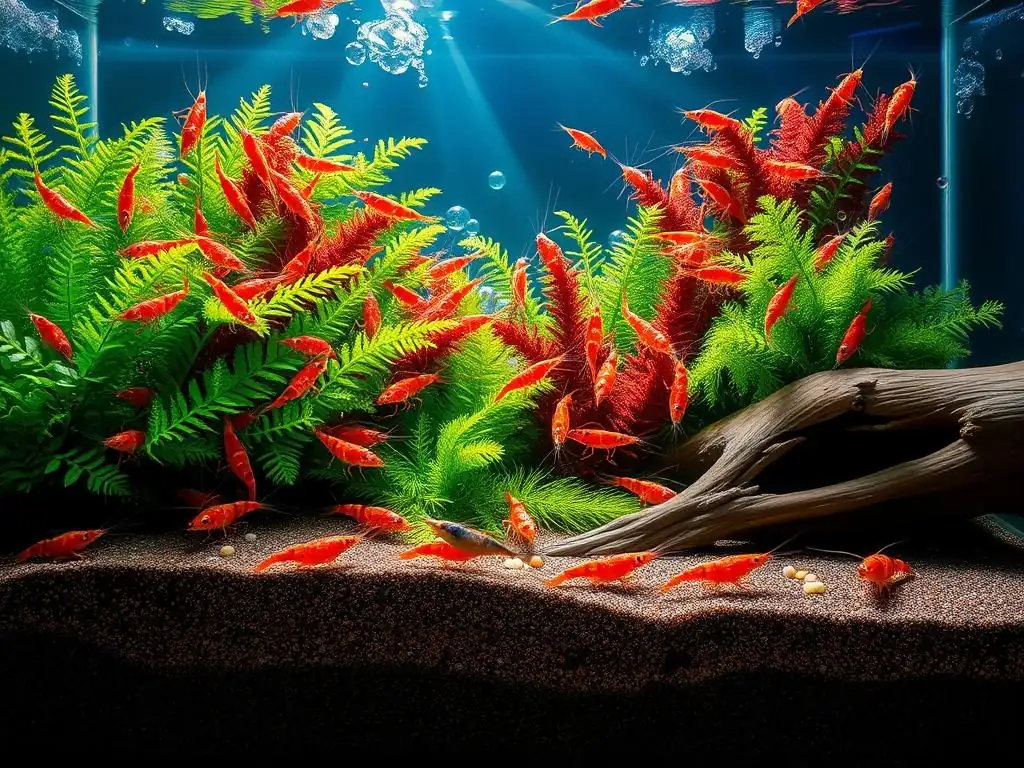
Beyond individual health, the right freshwater shrimp feeding guide significantly impacts the overall vitality and reproductive success of your colony. Well-fed shrimp exhibit more vibrant colors, which is particularly noticeable in species like Red Cherry Shrimp (Neocaridina davidi) or Crystal Red Shrimp (Caridina cantonensis). Moreover, females that receive adequate nutrition are more likely to become berried (carrying eggs) and successfully hatch healthy shrimplets, contributing to a sustainable population. A healthy, well-fed shrimp colony also plays a crucial role in tank maintenance by diligently grazing on algae and biofilm, contributing to a cleaner and more balanced aquarium ecosystem.
Key Nutritional Needs of Freshwater Shrimp: A Balanced Diet
Protein Requirements for Shrimp Growth and Molting
Protein is a vital macronutrient for freshwater shrimp, essential for growth, tissue repair, and the critical process of molting. Young, growing shrimp and berried females typically require higher protein levels, often in the range of 30-40% of their diet, to support rapid development and egg production.
Insufficient protein can lead to slow growth, smaller adult size, and a reduced ability to recover from the stress of molting, potentially resulting in incomplete molts. However, excessive protein, especially from animal sources, can also be detrimental, potentially leading to liver issues and polluting the water, thus a balanced freshwater shrimp feeding guide recommends moderation.
Essential Vitamins and Minerals for Shrimp Color and Vitality
Vitamins and minerals play a crucial, albeit often overlooked, role in shrimp health, influencing everything from coloration and immune function to successful reproduction. Calcium, in particular, is paramount for the formation and hardening of the shrimp's exoskeleton; without sufficient calcium, molting becomes a perilous undertaking, often leading to deformities or death. Trace minerals like iodine are also important for metabolic processes and successful molting. Similarly, various vitamins, including Vitamin A, C, and E, contribute to vibrant coloration, bolster the immune system, and enhance overall vitality, ensuring that shrimp exhibit their best appearance and resistance to disease.
The Role of Fiber in Shrimp Digestion
Fiber, primarily in the form of cellulose, is an indispensable component of a freshwater shrimp's diet, mirroring their natural grazing habits on biofilm and decaying plant matter. It aids in proper digestion, helps regulate gut motility, and prevents constipation, ensuring that the shrimp's digestive system functions optimally.
Foods rich in fiber, such as blanched vegetables (e.g., spinach, zucchini) or specialized commercial shrimp foods, mimic the fibrous content of their natural diet, which is largely composed of algae and detritus. A diet lacking sufficient fiber can lead to digestive upset and a reduced ability to process nutrients, ultimately impacting the shrimp's overall health and longevity.
What Do Freshwater Shrimp Eat? A Comprehensive Food List
Commercial Shrimp Foods: Pellets, Wafers, and Flakes
Choosing the Right Commercial Food for Your Shrimp Species
Selecting the appropriate commercial food is a key aspect of any effective freshwater shrimp feeding guide. High-quality commercial shrimp foods are specifically formulated to meet the nutritional needs of freshwater invertebrates, often containing a balanced blend of protein, spirulina, algae, and essential minerals like calcium. When choosing, consider the primary ingredients: look for products that list spirulina, chlorella, or other algae as main components, as these are excellent natural food sources.
Avoid foods with high copper levels, as even small amounts can be toxic to shrimp. Brands like Hikari Shrimp Cuisine, Shirakura Ebi Dama, and Sera Shrimps Natural are popular choices among hobbyists due to their comprehensive nutritional profiles and shrimp-safe formulations.
The form of the food also matters. Sinking pellets and wafers are ideal as shrimp are bottom feeders and prefer to graze. These forms also minimize water clouding compared to flakes, which can dissolve quickly. For instance, a small, slow-sinking wafer allows multiple shrimp to feed simultaneously without excessive competition, and the food remains available for longer periods. Always check the ingredient list for species-specific recommendations if you keep specialized shrimp like Caridina species, which may have slightly different dietary requirements than the more common Neocaridina shrimp.
Natural Food Sources for Shrimp in the Aquarium
Algae: The Cornerstone of a Shrimp's Natural Diet
Algae serves as a primary and highly beneficial natural food source for freshwater shrimp, forming a significant part of their diet in the wild. Species like Neocaridina davidi (Cherry Shrimp) and Amano Shrimp (Caridina multidentata) are renowned for their voracious appetite for various types of algae, including green spot algae, hair algae, and brown diatoms.
These microalgae provide essential nutrients, including proteins, fats, and a wide array of vitamins and minerals, contributing significantly to their overall health and coloration. Encouraging a healthy, non-invasive growth of algae on tank surfaces, such as glass, rocks, and driftwood, provides a continuous, self-renewing food supply for your shrimp, reducing the reliance on commercial foods.
Biofilm: A Microscopic Food Source
Biofilm is another critical natural food source for freshwater shrimp, often underestimated in its importance. It consists of a complex matrix of microorganisms, including bacteria, fungi, protozoa, and microscopic algae, that colonize submerged surfaces in the aquarium.
Shrimp, particularly shrimplets, spend a considerable amount of their time grazing on this nutrient-rich film, which provides a steady supply of protein, carbohydrates, and fats in a highly digestible form. A mature, well-established aquarium with plenty of surfaces (plants, driftwood, filter media) will naturally develop robust biofilm layers, offering a continuous buffet for your shrimp and contributing significantly to their daily nutritional intake.
Detritus: Recycling Organic Matter in the Shrimp Tank
Detritus, composed of decaying plant matter, uneaten food particles, and other organic debris, is a natural and often significant component of a freshwater shrimp's diet. Shrimp act as valuable scavengers and detritivores in the aquarium, helping to break down and recycle organic waste. While detritus alone may not provide a complete nutritional profile, it offers a consistent source of various organic compounds and microorganisms that thrive within it.
This natural foraging behavior not only provides supplementary nutrition but also contributes to the cleanliness and biological balance of the tank, turning potential pollutants into a food source. However, relying solely on detritus is not advisable, as it may not offer all necessary nutrients, hence the need for a comprehensive freshwater shrimp feeding guide.
Supplementing with Vegetables and Fruits: A Healthy Treat
Safe Vegetables for Freshwater Shrimp
Blanched vegetables make excellent, nutritious supplements to a freshwater shrimp's diet, providing essential vitamins, minerals, and fiber. Popular choices include spinach, zucchini, cucumber, and kale. To prepare, simply blanch a small piece of the vegetable in boiling water for 1-2 minutes until it softens slightly, then allow it to cool completely before adding it to the tank. This process breaks down cell walls, making the vegetable easier for shrimp to consume and helping it sink. Remove any uneaten vegetable matter within 24-48 hours to prevent water fouling, a key recommendation in any freshwater shrimp feeding guide.
Spinach and kale are particularly rich in calcium and iron, which are vital for strong exoskeletons and overall vitality. Zucchini and cucumber offer good hydration and a softer texture preferred by many shrimp. When offering vegetables, ensure they are organic and free from pesticides to prevent introducing harmful chemicals into your aquarium. A small piece, no larger than a fingernail for a small colony, is usually sufficient as a weekly or bi-weekly treat.
Fruits to Feed Your Shrimp in Moderation
While not as common as vegetables, certain fruits can be offered to freshwater shrimp as an occasional treat, providing different vitamins and natural sugars. Apples (without seeds), pears, and bananas are examples of fruits that can be offered in very small, blanched pieces. Like vegetables, they must be thoroughly washed and blanched to soften them and remove any surface contaminants.
Due to their higher sugar content, fruits should be given sparingly – perhaps once every two weeks or even less frequently – and any uneaten portions must be removed promptly, typically within a few hours, to prevent rapid water quality degradation. Overfeeding fruits can lead to bacterial blooms and contribute to ammonia spikes, underscoring the importance of moderation in a balanced freshwater shrimp feeding guide.
Live Foods for Shrimp: Enhancing Natural Foraging Behavior
Microworms: A Nutrient-Rich Option
Microworms (Panagrellus redivivus) are tiny nematodes that make an excellent live food source for freshwater shrimp, especially shrimplets and smaller adult species. They are rich in protein and beneficial fats, providing a highly nutritious boost that mimics the natural microscopic organisms shrimp would consume in the wild. Microworms are easy to culture at home using simple media like oatmeal or cornmeal, making them a readily available and cost-effective option. Their small size means they can be easily consumed by even the most delicate shrimplets, promoting faster growth and development in young shrimp.
Baby Brine Shrimp: A Protein Boost
Newly hatched baby brine shrimp (Artemia nauplii) are another fantastic live food option, particularly beneficial for providing a high-protein boost. While adult brine shrimp are too large for most freshwater shrimp, the nauplii are small enough for adult shrimp to consume and are packed with protein and essential fatty acids. They stimulate the shrimp's natural hunting and foraging instincts, providing mental enrichment. Hatching brine shrimp requires a simple setup, typically involving a brine shrimp hatchery and salt water. Offering baby brine shrimp once or twice a week can significantly enhance the vitality and breeding success of your shrimp colony.
Other Live Food Options for Freshwater Shrimp
Beyond microworms and baby brine shrimp, other live food options can be considered, though some require more caution or are less common. Daphnia and cyclops, both small crustaceans, can be offered to larger freshwater shrimp species like Amano shrimp. These provide good protein and fiber and also stimulate natural foraging.
Infusoria, a mix of microscopic organisms, is particularly beneficial for newly hatched shrimplets too small to consume other foods, providing essential first foods that promote initial growth. Always ensure any live food culture is clean and free of contaminants or parasites before introducing it to your shrimp tank to maintain the health and safety outlined in a comprehensive freshwater shrimp feeding guide.
Freshwater Shrimp Feeding Schedule: Frequency and Quantity
Establishing a Consistent Feeding Routine
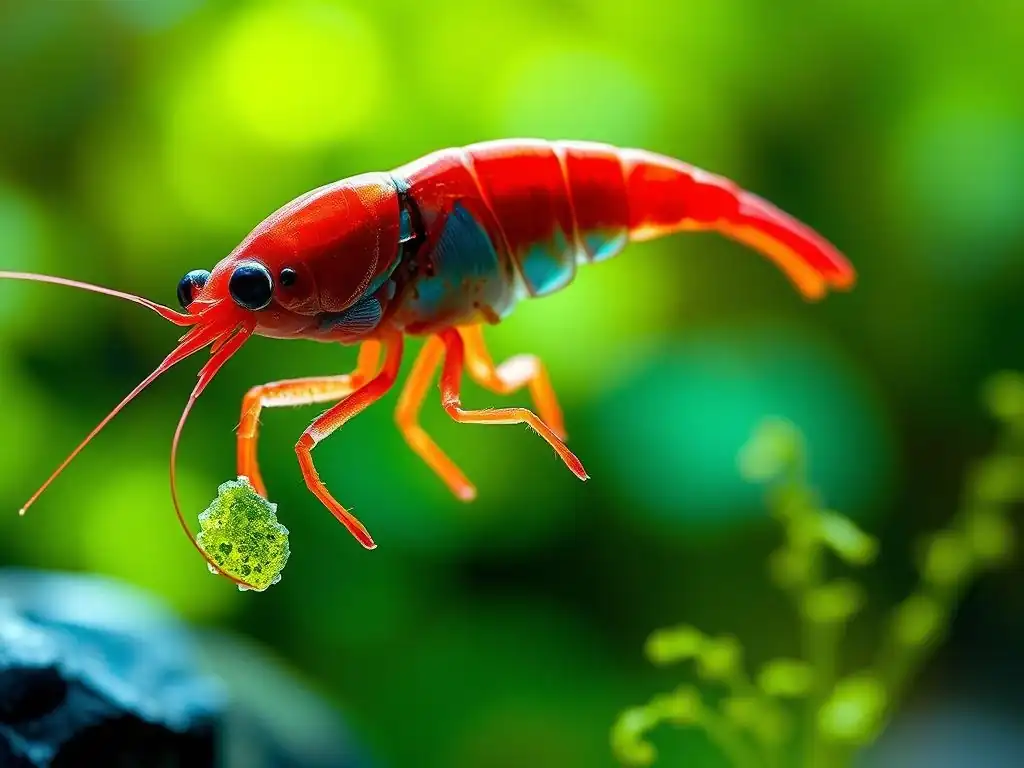
Establishing a consistent feeding routine is paramount for the health and stability of your freshwater shrimp colony. Shrimp thrive on predictability, and a regular schedule helps regulate their metabolism and ensures they receive consistent nutrition without periods of overfeeding or starvation. For example, feeding at roughly the same time each day or every other day allows shrimp to anticipate food, reducing stress and promoting more efficient consumption. This consistency also allows the aquarist to better observe feeding behavior and adjust quantities as needed, which is a key element of any effective freshwater shrimp feeding guide.
A consistent routine also aids in maintaining stable water parameters. When food is introduced at predictable intervals and consumed efficiently, there's less chance of uneaten food decaying and fouling the water. Many successful shrimp keepers opt for feeding once a day or every other day, monitoring how quickly the food is consumed. If you notice food remaining after a few hours, it's a clear sign that the quantity needs to be reduced, or the frequency adjusted, reinforcing the importance of observation in your feeding strategy.
How Often to Feed Freshwater Shrimp: Finding the Right Balance
The ideal frequency for feeding freshwater shrimp largely depends on several factors: the size of your colony, the amount of natural food (algae, biofilm) available in the tank, and the type of food being offered. For a well-established tank with a moderate population and ample natural food sources, feeding 3-4 times a week is often sufficient. In contrast, a newly set up tank with little biofilm, or a tank with a very large, rapidly breeding colony, might benefit from daily feeding to support the higher metabolic demands.
It's crucial to observe your shrimp's behavior. If they are constantly grazing on tank surfaces and appear active, they are likely finding sufficient natural food. If they seem sluggish or are overly aggressive when commercial food is introduced, it might indicate underfeeding. Many seasoned hobbyists recommend an "every other day" schedule for a typical Neocaridina colony of 20-30 shrimp in a 10-gallon tank, supplementing with blanched vegetables once or twice a week. This approach balances providing sufficient nutrients with preventing water quality issues, a central tenet of any practical freshwater shrimp feeding guide.
Determining the Correct Amount of Food to Prevent Overfeeding
Determining the correct amount of food is perhaps the most critical aspect of a successful freshwater shrimp feeding guide, as overfeeding is a leading cause of water quality problems and shrimp mortality. A general rule of thumb is to feed only what your shrimp can consume within 2-3 hours. For most commercial pellets or wafers, this might mean a piece no larger than a pea for a colony of 10-20 adult shrimp. It's always better to underfeed slightly than to overfeed, as shrimp can graze on biofilm and algae between feedings.
Signs of Overfeeding in Your Shrimp Tank
Recognizing the signs of overfeeding is crucial for maintaining a healthy shrimp tank. The most immediate and obvious sign is uneaten food remaining in the tank for more than 3-4 hours after feeding. This decaying food rapidly degrades water quality, leading to spikes in ammonia and nitrites, which are highly toxic to shrimp.
Other indicators include cloudy water, a sudden increase in nuisance snails (which thrive on excess food), or the appearance of white planaria worms. An increase in bio-film or algae growth, particularly green water or fuzzy white mold on surfaces, can also be a symptom of excess nutrients from overfeeding. If you observe these signs, immediately reduce feeding quantity and frequency, and consider performing a small water change.
Adjusting Feeding Based on Shrimp Population Size
The amount of food required directly correlates with the size of your shrimp population. A small starter colony of 5-10 shrimp in a 5-gallon tank will need significantly less food than a mature colony of 50+ shrimp in a 20-gallon tank. As your colony grows, you will need to gradually increase the food quantity. For example, if you start with 10 shrimp and feed a quarter of a small wafer, by the time your colony reaches 30-40 shrimp, you might need to feed a full small wafer or two smaller pieces.
Regularly observing how quickly the food is consumed will guide your adjustments. If food disappears within an hour, a slight increase might be warranted; if it lingers, a decrease is necessary. This adaptive approach is fundamental to a dynamic and effective freshwater shrimp feeding guide.
DIY Shrimp Food Recipes: Creating Nutritious Options at Home
Simple DIY Shrimp Food Recipes for Beginners
Creating your own shrimp food can be a cost-effective and highly customizable way to ensure your freshwater shrimp receive optimal nutrition. A simple beginner-friendly recipe involves using blanched vegetables as a base. For example, take a handful of organic spinach leaves and a small piece of zucchini. Blanch them in boiling water for 1-2 minutes until soft.
Once cooled, finely chop or blend the vegetables into a paste. You can then spread this paste thinly on a piece of parchment paper and dehydrate it in a low oven (around 150°F or 65°C) for several hours until brittle. Break the dried sheet into small flakes or pellets. This simple blend provides essential fiber, vitamins, and minerals, making it a great starting point for any DIY freshwater shrimp feeding guide.
Another easy option is a spirulina-based wafer. Mix a teaspoon of high-quality spirulina powder with a small amount of agar-agar (a plant-based gelatin alternative) and a few drops of water to form a thick paste. Press the paste into thin sheets or small dots on parchment paper and allow it to air dry or dehydrate at low heat. Spirulina is packed with protein, vitamins, and antioxidants, making these wafers highly nutritious. These homemade foods can be offered 2-3 times a week as a supplement to commercial diets, ensuring variety and specific nutrient delivery.
Advanced DIY Shrimp Food Formulations
For more experienced hobbyists looking to fine-tune their freshwater shrimp feeding guide, advanced DIY formulations can incorporate a wider range of ingredients to create a complete and balanced diet. A common advanced recipe might include a mix of spirulina powder, chlorella powder, various vegetable powders (e.g., kale, carrot), a small amount of high-quality fish meal or krill meal for protein, and a binding agent like agar-agar or wheat flour. Some recipes also incorporate mineral supplements like calcium carbonate or montmorillonite clay in small quantities to boost essential mineral intake.
To prepare, combine the dry ingredients thoroughly. Gradually add distilled or RO water, mixing until a thick, workable dough forms. Roll the dough into thin sheets or small "noodles" and then dehydrate them. This allows for precise control over the protein, fiber, and mineral content, catering specifically to the needs of different shrimp species or life stages (e.g., higher protein for breeding colonies). Always ensure all ingredients are shrimp-safe and free from contaminants. Storing these advanced formulations in an airtight container in a cool, dark place, or even refrigerating them, will extend their shelf life significantly.
Tips for Preparing and Storing Homemade Shrimp Food
Proper preparation and storage are crucial to maximize the benefits and shelf life of homemade shrimp food. When preparing, ensure all raw ingredients are thoroughly washed, especially vegetables and fruits, to remove any pesticide residues. Use clean utensils and surfaces to prevent contamination. When blending or mashing ingredients, aim for a consistency that shrimp can easily consume – not too fine that it dissolves instantly, but not so coarse that it's unmanageable. If dehydrating, ensure the food is completely dry and brittle; any moisture can lead to mold growth.
For storage, once the food is completely dry, break it into appropriate sizes (flakes, pellets, or small wafers) and store it in an airtight container. A cool, dark place is ideal, but for longer shelf life, especially for recipes containing proteins or fats, refrigeration or freezing is highly recommended. Properly stored, dehydrated shrimp food can last for several months. Always check for any signs of mold or a rancid smell before feeding, and discard if found, as spoiled food can be detrimental to your shrimp's health and water quality.
Managing Algae and Biofilm: Natural Food Sources in the Shrimp Tank
Encouraging Algae Growth in a Controlled Manner
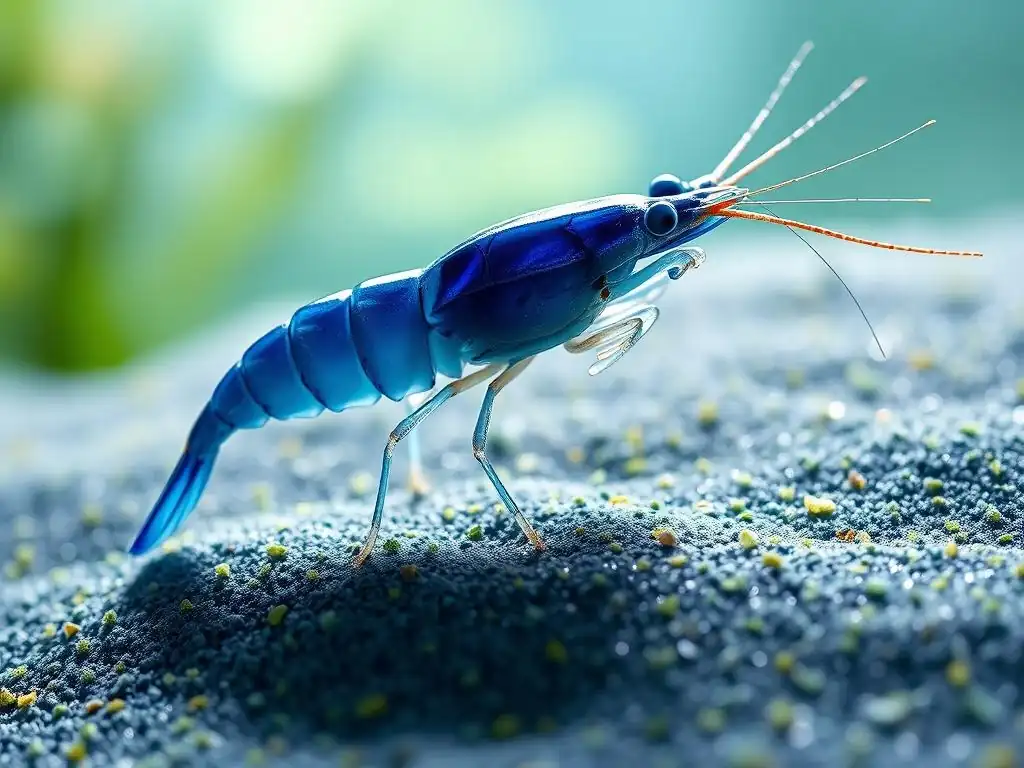
While excessive algae can be an eyesore, a controlled amount of natural algae growth is highly beneficial for freshwater shrimp, serving as a continuous and readily available food source. To encourage healthy algae development, consider exposing your tank to moderate, indirect light for 8-10 hours a day. Allowing some surfaces, like the back glass, side panels, or specific rocks and driftwood pieces, to accumulate a light layer of green or brown algae provides a constant grazing ground for your shrimp. Avoiding aggressive scrubbing of all surfaces during maintenance can also help.
However, the key is "controlled." You don't want an algae bloom that smothers plants or turns the water green. A balanced approach involves allowing some algae to grow while managing it through appropriate lighting duration, nutrient control (e.g., avoiding overfeeding), and regular water changes. Species like Amano shrimp are particularly adept at keeping algae in check, but even Neocaridina will readily graze on it, reducing their reliance on commercial foods and making your freshwater shrimp feeding guide more sustainable.
Promoting Biofilm Development for Shrimp Grazing
Biofilm is a critical natural food source, especially for shrimplets, and promoting its development is essential for a thriving shrimp tank. Biofilm naturally forms on all submerged surfaces in a mature aquarium. To encourage robust biofilm growth, ensure your tank has plenty of surface area: driftwood, porous rocks (like lava rock), filter media, and live plants provide excellent substrates for microbial colonization. A mature filter, rich in beneficial bacteria, also contributes significantly to biofilm production throughout the tank.
Allowing your tank to cycle fully and mature for several weeks or even months before introducing shrimp gives ample time for a healthy biofilm layer to establish. Avoid over-cleaning surfaces excessively, as this removes valuable biofilm. Maintaining stable water parameters and providing good water flow further aid in the consistent development of this microscopic food source, which offers a continuous supply of protein and other nutrients, complementing your regular freshwater shrimp feeding guide.
Balancing Algae and Biofilm with Tank Maintenance
Achieving a balance between sufficient natural food sources (algae and biofilm) and maintaining a clean, aesthetically pleasing aquarium is a key aspect of long-term shrimp keeping. While you want some algae and biofilm, you don't want them to overwhelm the tank. Regular but gentle tank maintenance is essential. This includes performing small, frequent water changes (e.g., 10-20% weekly) to remove nitrates and replenish essential minerals, and light substrate vacuuming to remove excess detritus that might otherwise contribute to poor water quality.
When cleaning the tank glass, consider leaving the back or one side undisturbed to allow algae to grow as a dedicated grazing area. Similarly, avoid scrubbing driftwood or rocks too aggressively if you want to preserve their biofilm. The goal is to manage nutrient levels in the water column to prevent explosive algae blooms while still allowing microscopic food sources to thrive. This integrated approach ensures your shrimp have consistent access to natural foods while maintaining a healthy and visually appealing environment, an important consideration in any comprehensive freshwater shrimp feeding guide.
Avoiding Common Shrimp Feeding Mistakes
Overfeeding: A Major Cause of Water Quality Issues
Overfeeding is arguably the most common and detrimental mistake made in freshwater shrimp keeping. When too much food is introduced, uneaten portions quickly break down, releasing ammonia and nitrites into the water. Shrimp are incredibly sensitive to these compounds; even small spikes can cause severe stress, illness, or rapid death.
For example, ammonia levels as low as 0.25 ppm can be fatal to delicate Caridina species. Overfeeding also leads to an explosion of nuisance organisms like planaria and pest snails, which thrive on excess nutrients and can outcompete shrimp for resources. Adhering strictly to the "feed what they can eat in 2-3 hours" rule is paramount in any freshwater shrimp feeding guide.
Feeding Too Much Protein: Potential Problems and Solutions
While protein is essential for shrimp growth and molting, feeding too much, especially high animal-based proteins, can lead to several issues. Excess protein can cause internal organ damage in shrimp over time, particularly affecting the hepatopancreas (their digestive gland). It can also contribute to excessive waste production, further deteriorating water quality and promoting bacterial blooms. For instance, some hobbyists report that shrimp fed high-protein diets exclusively may experience molting difficulties or develop a "hunchback" appearance.
The solution lies in balance. Opt for commercial foods that list algae or spirulina as primary protein sources, or provide a mix of plant-based and animal-based proteins. If using live or frozen high-protein foods like bloodworms, offer them sparingly, perhaps once a week as a treat, rather than as a staple. Diversifying the diet with blanched vegetables and ensuring ample natural biofilm and algae are available will help dilute the protein content and provide a more rounded nutritional profile, as emphasized in a balanced freshwater shrimp feeding guide.
Neglecting Calcium: Ensuring Successful Molting
Neglecting calcium is a critical oversight that directly impacts a freshwater shrimp's ability to molt successfully, a process vital for their growth and survival. Calcium is the primary building block for their exoskeleton. If water parameters are too soft (low GH, General Hardness) or the diet lacks sufficient calcium, shrimp will struggle to form a new, strong shell.
This often leads to incomplete molts, where the shrimp gets stuck in its old shell and cannot fully escape, resulting in death. This issue is particularly prevalent in soft water shrimp species like Crystal Red Shrimp, which thrive in water with a GH of 4-6 dGH.
To ensure adequate calcium, monitor your tank's GH regularly; aim for a GH of at least 4-8 dGH for most common freshwater shrimp. Supplementing with calcium-rich foods, such as blanched kale or spinach, or using commercial shrimp foods fortified with calcium, is highly recommended. Some aquarists also add calcium carbonate or mineral stones specifically designed for shrimp to the tank to provide a slow release of essential minerals, ensuring that this vital element is consistently available for successful molting.
Introducing Contaminated Foods: Preventing Disease
Introducing contaminated foods is a significant risk that can lead to disease outbreaks and mass mortalities in a shrimp tank. This often occurs when feeding wild-caught live foods or vegetables and fruits that have been treated with pesticides. For instance, vegetables from a conventional grocery store might carry residues of insecticides that are highly toxic to invertebrates, even after rinsing. Similarly, collecting live foods from outdoor ponds can introduce parasites, bacteria, or other harmful pathogens into your pristine aquarium.
To prevent contamination, always source live foods from reputable aquaculture facilities or culture them yourself using sterile methods (e.g., microworms, brine shrimp). When feeding vegetables or fruits, always opt for organic produce if possible, and thoroughly wash and blanch them. Never use any produce that has been treated with pesticides or herbicides. Being vigilant about food sources is a fundamental step in any responsible freshwater shrimp feeding guide to protect your delicate colony from preventable diseases and chemical exposure.
Optimizing Water Parameters for Shrimp Feeding and Growth
The Importance of Water Quality for Shrimp Health
Optimal water quality is the single most critical factor for the health, feeding efficiency, and overall well-being of freshwater shrimp. These invertebrates are highly sensitive to fluctuations and imbalances in water parameters, much more so than most fish. Poor water quality, characterized by elevated ammonia, nitrite, or nitrate levels, can severely stress shrimp, suppress their appetite, inhibit growth, and lead to a compromised immune system, making them susceptible to disease. For example, even low levels of ammonia (e.g., 0.1 ppm) can cause gill damage and suffocation in sensitive Caridina species.
Conversely, pristine water conditions, with stable parameters within their preferred ranges, allow shrimp to thrive, feed efficiently, and exhibit their best colors and breeding behaviors. When water quality is excellent, shrimp are less stressed, which means their energy can be directed towards growth and reproduction rather than fighting off adverse conditions. A well-maintained aquatic environment is therefore the foundation upon which a successful freshwater shrimp feeding guide truly flourishes.
Maintaining Ideal Water Parameters for Shrimp Feeding
Maintaining ideal water parameters is crucial not just for survival but for optimizing shrimp feeding and growth. Different shrimp species have specific requirements, but generally, most freshwater aquarium shrimp (like Neocaridina and Caridina) prefer stable temperatures between 68-78°F (20-25°C). pH levels typically range from 6.0-7.5, depending on the species, with Neocaridina tolerating a wider range than the more sensitive Caridina. General Hardness (GH) should ideally be between 4-8 dGH, and Carbonate Hardness (KH) between 0-4 dKH, ensuring adequate minerals for molting and buffering capacity.
Stable parameters reduce stress, which directly impacts a shrimp's appetite and digestive efficiency. When water is within their comfort zone, shrimp are more active, forage more consistently, and are better able to absorb nutrients from the food they consume. Fluctuations, even minor ones, can cause shrimp to stop eating for days, leading to malnutrition. Regular testing of GH, KH, pH, ammonia, nitrite, and nitrate levels is therefore an essential practice to ensure the water conditions support optimal feeding and growth.
Regular Water Changes and Monitoring
Regular water changes and vigilant monitoring of water parameters are non-negotiable practices for maintaining a healthy shrimp tank and supporting effective feeding. Small, frequent water changes (e.g., 10-20% weekly) are generally preferred over large, infrequent ones, as they help to keep nitrate levels low and replenish essential minerals without causing drastic shifts in water chemistry. For instance, in a 10-gallon tank, a 1-2 gallon weekly change is often sufficient. Always use dechlorinated water that is matched as closely as possible to the tank's existing temperature and parameters (especially GH/KH/pH) to prevent shock.
Consistent monitoring using reliable test kits is equally important. Test for ammonia and nitrite weekly, especially in new tanks or if you notice any shrimp distress. Test nitrate levels weekly to ensure they remain below 20 ppm. Regularly check GH and KH to confirm sufficient mineral content for molting. By actively managing and monitoring these parameters, you create a stable and pristine environment where your shrimp can thrive, feed optimally, and fully benefit from your comprehensive freshwater shrimp feeding guide.
Troubleshooting Shrimp Feeding Problems
Shrimp Not Eating: Possible Causes and Solutions
If your freshwater shrimp are not eating, it's a clear indicator that something is amiss in their environment or health. One common cause is poor water quality, specifically elevated levels of ammonia, nitrite, or high nitrates. Solution: Test your water parameters immediately and perform a partial water change if any levels are off. Another reason could be recent molting; shrimp often hide and do not eat right before or after a molt as they are vulnerable and recovering. Solution: Give them time, and avoid disturbing them.
Overfeeding in the past can also lead to a lack of appetite, as shrimp are still grazing on uneaten food or biofilm. Solution: Reduce feeding frequency and quantity. Lastly, stress from new tank mates, sudden changes in parameters, or illness can suppress appetite. Solution: Identify and rectify the stressor, and observe for signs of disease. A healthy shrimp colony should be actively foraging and quickly approach food when it's introduced, as described in an effective freshwater shrimp feeding guide.
Cloudy Water After Feeding: Identifying and Addressing the Issue
Cloudy water after feeding is a common problem that indicates an issue with your freshwater shrimp feeding guide or tank management. The primary cause is almost always overfeeding. Too much food introduced into the tank, especially flakes or finely powdered foods, can dissolve or remain uneaten, leading to a bacterial bloom as microorganisms rapidly consume the excess organic matter. This bacterial proliferation manifests as a milky or hazy cloudiness in the water.
To address this, immediately reduce the amount of food you are offering. Perform a small 10-20% water change to remove some of the excess nutrients. Increase water circulation if possible, and ensure your filter is clean and functioning optimally. Avoid feeding for a day or two to allow the water to clear and the shrimp to graze on existing biofilm. Once the water clears, reintroduce food in much smaller quantities, strictly adhering to the "eat within 2-3 hours" rule. Consistent observation and adjustment of feeding amounts are key to preventing this issue.
Shrimp Dying After Feeding: Potential Toxins and Prevention
Shrimp dying shortly after feeding is a serious and alarming issue, often pointing to the presence of toxins in the food or water. One common culprit is copper, which is highly toxic to invertebrates even in trace amounts (e.g., above 0.03 ppm). Copper can leach from certain fish foods (especially those containing copper sulfate as an additive), tap water (from old pipes), or medications designed for fish (which often contain copper). Solution: Use a copper-free water conditioner, avoid copper-based medications, and check ingredient lists of all foods.
Another potential cause is contaminated food, such as vegetables treated with pesticides or wild-caught live foods carrying pathogens. Solution: Only feed organic produce or thoroughly wash and blanch all vegetables. Source live foods from trusted, sterile cultures. Sudden changes in water parameters (e.g., a large, unacclimated water change) can also stress shrimp to the point of death, especially if they coincide with feeding. Always perform small, gradual water changes and acclimate new water carefully. Identifying and eliminating the source of toxins is paramount to prevent further losses and ensure the safety outlined in a comprehensive freshwater shrimp feeding guide.
Conclusion: Mastering Freshwater Shrimp Feeding for a Flourishing Aquarium.
Frequently Asked Questions
What is the best food to feed my freshwater shrimp?
The best food for freshwater shrimp is a varied diet consisting of commercially available shrimp pellets, algae wafers, and blanched vegetables. Supplementing with natural foods like leaf litter is also beneficial for optimal health.
How often should I feed my freshwater shrimp?
You should feed your freshwater shrimp small amounts every day or every other day. Overfeeding can lead to poor water quality and health problems.
Can I make my own food for my freshwater shrimp?
Yes, you can create DIY shrimp food using ingredients like spirulina powder, vegetables, and fish flakes. Ensure the mixture is nutritionally balanced and doesn't cloud the water.
What vegetables are safe to feed my freshwater shrimp?
Safe vegetables for freshwater shrimp include blanched spinach, zucchini, and carrots. Always wash vegetables thoroughly and blanch them to make them easier to eat.
How do I know if I am overfeeding my freshwater shrimp?
Signs of overfeeding include excess algae growth, uneaten food accumulating in the tank, and a spike in ammonia or nitrite levels. Reduce feeding frequency if you observe these warning signs.
Final Reflection: The Delicate Dance of Ecosystem Support
This comprehensive guide has illuminated the intricacies of freshwater shrimp feeding, but its true significance extends far beyond simply providing sustenance. Understanding the dietary needs of these miniature ecosystem engineers is paramount to maintaining thriving aquatic environments. It's a testament to the interconnectedness of life, where even the smallest creatures play a vital role in the health and balance of our aquariums and, by extension, our understanding of larger ecosystems.
The impact of responsible shrimp keeping resonates deeply within the aquascaping community and beyond. My own journey into shrimp keeping has revealed a profound appreciation for the delicate balance of nature and the responsibility we bear as custodians of these miniature worlds. In nature, nothing exists alone.
- Rachel Carson. This quote perfectly encapsulates the essence of shrimp keeping; every action, every feeding choice, has a ripple effect, influencing the entire aquatic environment and reminding us of our role in preserving its integrity.
Now, armed with this knowledge, I invite you to reflect on your own role in the delicate dance of ecosystem support. Consider how your choices, both within your aquarium and beyond, impact the world around you. Embrace the opportunity to become a more informed and conscientious aquarist, nurturing not just your shrimp, but the very essence of life within your care. Let us all strive to create thriving aquatic havens, reflecting a deeper understanding and respect for the intricate web of life that connects us all.
Dive Deeper: Unleash Your Shrimp-Keeping Potential!
Thanks for exploring the fascinating world of freshwater shrimp feeding with us! We hope this guide has provided you with the knowledge to keep your tiny crustaceans thriving. Now it's time to put that knowledge into action.
Here are a few ways you can take your shrimp-keeping to the next level:
- Experiment with crafting your own DIY shrimp food. It’s surprisingly easy and your shrimp will love the variety!
- Join our community forum and share your feeding schedule and shrimp's favorite foods – let's learn from each other!
- Spread the love! Share this guide with a fellow aquarium enthusiast and help them unlock the secrets to happy shrimp.
Ready to revolutionize your shrimp's diet and witness their vibrant colors and energetic behavior?