
How Long Do Freshwater Snails Live? Lifespan Insights for Popular Species

Welcome to Aquarium Mastery!
Ever wondered just how long your peaceful, algae-eating companions will grace your freshwater aquarium? Dive into our comprehensive Freshwater Snail Lifespan Guide and unlock the secrets to understanding the longevity of popular species. Discover fascinating facts, potential threats, and how to ensure your shelled friends thrive for years to come! Curious to know if your snail is living its best life? Let's explore!
- Understanding Freshwater Snail Lifespan: An Aquarium Mastery Guide
- Factors Influencing Freshwater Snail Lifespan in Aquariums
-
Freshwater Snail Species Lifespan: Detailed Profiles
- Mystery Snail Lifespan: Care Tips for a Longer Life
- Nerite Snail Lifespan: Maximizing their Time in Your Aquarium
- Ramshorn Snail Lifespan: Understanding Their Breeding Cycle and Longevity
- Assassin Snail Lifespan: Predatory Behavior and Life Expectancy
- Pond Snail Lifespan: Factors Affecting This Common Species
- Trumpet Snail Lifespan: Digging into Their Longevity
- Comparing Lifespans: Freshwater Snails vs. Other Aquarium Invertebrates
- Extending Freshwater Snail Lifespan: Practical Tips and Best Practices
- Common Issues Affecting Freshwater Snail Lifespan and How to Solve Them
- The Complete Freshwater Snail Lifespan Guide: Conclusion
-
Frequently Asked Questions
- How long do Mystery Snails typically live in a freshwater aquarium?
- What is the average lifespan of Nerite Snails in a freshwater tank?
- How does water temperature affect the lifespan of freshwater snails?
- Can diet impact how long a freshwater snail lives?
- What are some signs that a freshwater snail is nearing the end of its natural lifespan?
- Final Reflection: Appreciating the Ephemeral Beauty of Aquatic Life
- Dive Deeper: Start Your Snail Journey Today!
Understanding Freshwater Snail Lifespan: An Aquarium Mastery Guide
Freshwater snails are captivating and beneficial additions to many aquariums, serving as diligent algae eaters, detritus removers, and even fascinating subjects for observation. However, a common question among aquarists is, "How long do freshwater snails live?" The answer is not simple, as the lifespan of these fascinating invertebrates varies significantly depending on the species, environmental conditions, and the quality of care they receive. Understanding these factors is crucial for any aquarist aiming to provide the best possible environment for their shelled companions.
This comprehensive freshwater snail lifespan guide will delve into the various elements that influence how long these creatures thrive in your tank. From the specific water parameters to their dietary needs and interactions with tank mates, every detail plays a role in their longevity. By optimizing these conditions, you can significantly enhance the health and extend the life of your freshwater snails, ensuring they continue to contribute to a vibrant and balanced aquarium ecosystem.
Factors Influencing Freshwater Snail Lifespan in Aquariums
Water Parameters & Snail Longevity: Impact of pH, Temperature, and Hardness
Optimal water parameters are paramount for the health and longevity of freshwater snails. The pH level, for instance, significantly impacts their ability to maintain healthy shells. Most freshwater snails prefer slightly alkaline water, typically with a pH range of 7.0 to 8.0. If the pH drops below 7.0 (acidic conditions), the water can slowly dissolve their calcium carbonate shells, leading to pitting, erosion, and ultimately, a compromised defense mechanism and reduced lifespan. For example, Mystery snails (Pomacea diffusa) thrive best in a pH of 7.2-7.8, and deviations can quickly manifest as shell degradation.
Temperature and water hardness (GH and KH) are equally critical. While specific temperature ranges vary by species—some prefer cooler water, others tropical—sudden fluctuations can stress snails, weakening their immune systems. Hardness, specifically the general hardness (GH) which measures calcium and magnesium ions, is vital for shell development and repair.
A GH of 8-12 dGH (degrees of general hardness) is often recommended for many snail species, ensuring they have sufficient minerals to build and maintain strong shells. Without adequate calcium and magnesium, snails like Nerites and Trumpet snails can suffer from stunted growth and brittle shells, drastically shortening their freshwater snail lifespan.
Diet and Nutrition: Optimizing Freshwater Snail Health and Lifespan
A balanced and appropriate diet is fundamental to optimizing freshwater snail health and extending their lifespan. Most freshwater snails are omnivores or herbivores, primarily feeding on algae, decaying plant matter, and detritus found within the aquarium. However, relying solely on tank detritus is often insufficient for long-term health. Supplementing their diet with calcium-rich foods is crucial for robust shell development and overall vitality. Blanched vegetables such as zucchini, spinach, kale, and cucumber are excellent additions, as are high-quality algae wafers and specialized sinking snail pellets.
Inadequate nutrition, particularly a deficiency in calcium, can lead to severe health issues. Snails suffering from calcium deficiency often exhibit soft, thin, or pitted shells, making them vulnerable to injury and disease. For instance, a common issue observed in many aquarium snails, including the popular Mystery snails, is shell erosion directly attributable to a lack of dietary calcium. Overfeeding, conversely, can also indirectly impact snail health by polluting the water, leading to elevated ammonia and nitrite levels that are toxic to all aquatic inhabitants, thereby shortening their potential freshwater snail lifespan.
Tank Size and Overcrowding: Effects on Snail Well-being and Mortality
While often small, freshwater snails still require adequate space to thrive, and tank size directly impacts their well-being and longevity. Overcrowding, even with seemingly small creatures like snails, can lead to a rapid accumulation of waste products, resulting in elevated ammonia, nitrite, and nitrate levels.
These toxins stress snails, suppress their immune systems, and make them highly susceptible to diseases. For example, a single adult Mystery snail ideally needs at least 2-3 gallons of water, and housing several in a small 5-gallon tank can quickly lead to poor water quality and a significantly reduced freshwater snail lifespan for all inhabitants.
Beyond water quality degradation, overcrowding also leads to increased competition for food and resources. Even if food is abundant, the sheer density of snails can cause stress and inhibit natural behaviors. Limited space can also restrict movement and foraging, further impacting their health. A properly sized tank with appropriate snail density ensures stable water parameters, reduces stress, and allows snails to exhibit natural behaviors, all of which contribute to a longer and healthier freshwater snail lifespan.
Predator Influence: How Tank Mates Affect Snail Survival
The choice of tank mates is a critical factor in determining the survival and potential freshwater snail lifespan in an aquarium. Many popular aquarium fish and invertebrates are natural predators of snails, viewing them as a readily available food source. Common culprits include various species of pufferfish, loaches (such as Clown Loaches, Yoyo Loaches, and Kuhli Loaches), larger cichlids, and some types of crabs or crayfish. These predators can quickly decimate a snail population, either by consuming them whole or by nipping at their delicate tentacles and soft bodies, causing fatal injuries.
To ensure a long freshwater snail lifespan, it is essential to select peaceful and compatible tank mates. Ideal companions include small, docile community fish like Neon Tetras, Guppies, Rasboras, Otocinclus catfish, and peaceful Corydoras catfish, none of which typically bother snails. Even seemingly harmless fish might occasionally nip at snail tentacles if they are particularly curious or if the snail is very small. Therefore, careful research into the dietary habits and aggression levels of any potential tank mate is paramount before introducing snails to an existing community aquarium.
Freshwater Snail Species Lifespan: Detailed Profiles
Mystery Snail Lifespan: Care Tips for a Longer Life
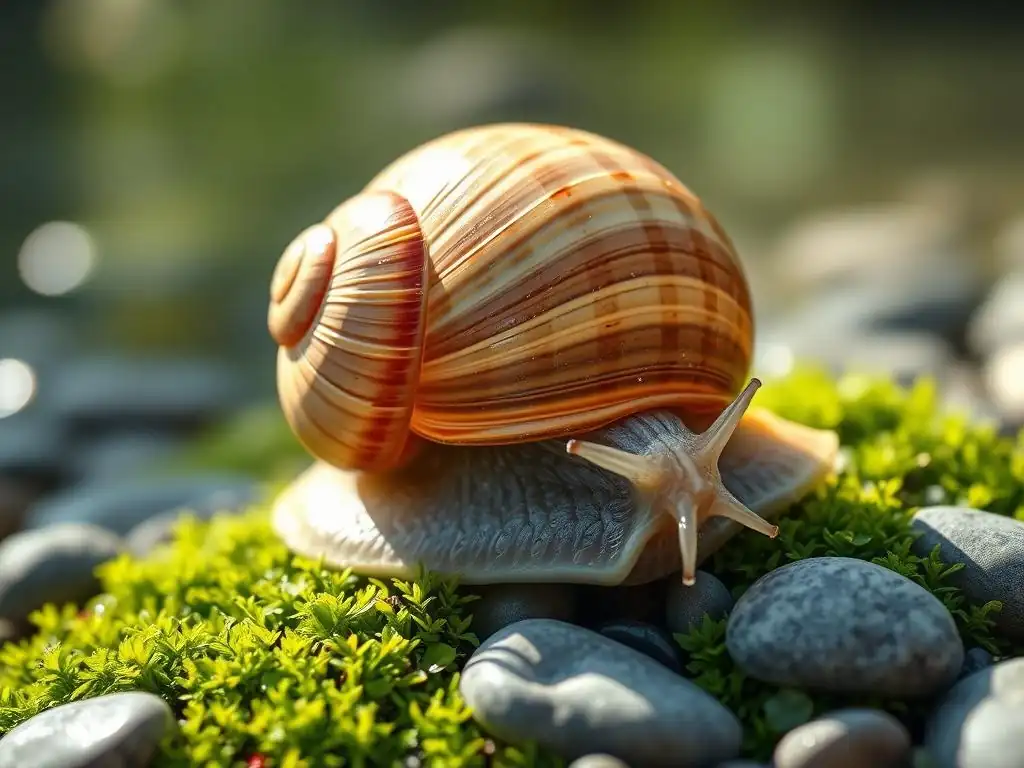
Mystery snails (Pomacea diffusa), also known as Inca snails or Spike snails, are among the most popular freshwater snail species in the aquarium hobby due to their vibrant colors and active nature. With optimal care, the typical Mystery snail lifespan ranges from 1 to 3 years, though some exceptionally well-cared-for individuals have been reported to live up to 4 years. Native to South America, these snails are relatively large, reaching sizes of up to 2 inches in diameter.
To maximize their freshwater snail lifespan, Mystery snails require specific conditions. They thrive in temperatures between 68-82°F (20-28°C) and prefer a slightly alkaline pH of 7.0-8.0, with moderate to hard water (GH 8-12 dGH) to support strong shell growth. A varied diet consisting of blanched vegetables, high-quality algae wafers, and calcium supplements (like cuttlebone or calcium blocks) is crucial. Regular water changes and stable water parameters are also vital, as they are sensitive to ammonia and nitrite spikes. Providing a clean, well-filtered environment significantly contributes to a long and healthy Mystery snail lifespan.
Nerite Snail Lifespan: Maximizing their Time in Your Aquarium
Nerite snails (Neritina species) are highly valued for their exceptional algae-eating capabilities and attractive, diverse shell patterns. The typical Nerite snail lifespan is generally shorter than that of Mystery snails, usually ranging from 1 to 2 years. However, with pristine water conditions and a consistent food source, some aquarists have reported their Nerites living up to 3 years. These snails are native to brackish and freshwater environments across tropical regions and are known for their strong adherence to surfaces.
To maximize the Nerite snail lifespan, consistent tropical temperatures of 72-80°F (22-27°C) and a stable, slightly alkaline pH of 7.0-8.5 are ideal. Nerites primarily feed on diatoms and various types of green algae; they are often reluctant to consume artificial foods or blanched vegetables, making a tank with ample natural algae crucial for their survival. They are also extremely sensitive to copper, even in trace amounts, which is found in many common fish medications. Therefore, avoiding copper-based treatments is paramount to ensuring a healthy and extended freshwater snail lifespan for these sensitive invertebrates.
Ramshorn Snail Lifespan: Understanding Their Breeding Cycle and Longevity
Ramshorn snails (Planorbella spp.) are easily recognizable by their distinctive spiral, ram's horn-shaped shells. Often considered "pest" snails due to their prolific breeding rates, they are nonetheless beneficial algae and detritus eaters. The typical Ramshorn snail lifespan is relatively short, usually around 1 year, though some individuals may live up to 2 years under ideal conditions. Their rapid reproductive cycle often means that while individual snails may not live long, the population as a whole can persist indefinitely.
Despite their short freshwater snail lifespan, Ramshorn snails are highly adaptable to a wide range of water parameters. They thrive in temperatures between 65-80°F (18-27°C) and a pH range of 6.5-8.0, making them suitable for most community tanks. Their diet primarily consists of algae, decaying plant matter, and leftover fish food. Overfeeding fish can lead to a population explosion of Ramshorn snails, as excess food provides ample sustenance for rapid breeding. While their longevity is limited, their hardiness and cleaning abilities make them a common, albeit often unintended, inhabitant of freshwater aquariums.
Assassin Snail Lifespan: Predatory Behavior and Life Expectancy
Assassin snails (Anentome helena) are unique among freshwater snails for their carnivorous diet, primarily preying on other snails. They are often introduced to aquariums to control populations of pest snails like Ramshorns and Pond snails. The typical Assassin snail lifespan ranges from 2 to 3 years, and with consistent, high-quality care, some individuals can live even longer, making them one of the longer-lived common aquarium snails.
To ensure a healthy Assassin snail lifespan, they require stable water conditions with temperatures between 70-80°F (21-27°C) and a pH of 7.0-8.0. Their primary diet consists of other snails, which they hunt and consume. If there aren't enough pest snails in the tank, they will also accept protein-rich sinking foods such as bloodworms, brine shrimp, or high-quality sinking pellets. Maintaining excellent water quality and providing a consistent food source are key factors in promoting their relatively long freshwater snail lifespan and ensuring they can effectively manage pest snail populations in the aquarium.
Pond Snail Lifespan: Factors Affecting This Common Species
Pond snails, encompassing various species primarily from the Lymnaeidae and Physidae families, are perhaps the most common "hitchhiker" snails found in aquariums, often arriving on live plants. They are frequently considered nuisance or "pest" snails due to their rapid reproduction and ability to quickly multiply if food is abundant. The typical Pond snail lifespan is quite short, usually less than 1 year, often ranging from just a few months to around 8-10 months. Their short individual lifespan is compensated by their incredible reproductive capacity, allowing their populations to persist.
These snails are incredibly hardy and adaptable, able to tolerate a wide range of water parameters, including temperatures from 60-80°F (15-27°C) and pH levels from 6.0-8.0. They are opportunistic feeders, consuming algae, detritus, and any leftover food, which contributes to their rapid population growth. While their short freshwater snail lifespan means individual snails don't live long, their resilience and high breeding rate ensure that they are a persistent presence in many aquariums, often serving as a natural clean-up crew, albeit an uninvited one.
Trumpet Snail Lifespan: Digging into Their Longevity
Malaysian Trumpet Snails (Melanoides tuberculata), often referred to simply as Trumpet snails, are slender, conical-shelled snails highly valued for their burrowing habits. They spend most of their time sifting through the substrate, aerating it and preventing the buildup of anaerobic pockets, which can be harmful to tank inhabitants. The typical Trumpet snail lifespan is generally between 1 to 2 years, with some individuals potentially living up to 3 years in well-maintained aquariums.
These nocturnal burrowers thrive in temperatures ranging from 70-80°F (21-27°C) and a pH of 6.5-8.0, making them suitable for most tropical freshwater setups. They prefer a sandy or fine gravel substrate where they can easily burrow. Their diet consists primarily of detritus, decaying plant matter, and biofilm found within the substrate, making them excellent members of the clean-up crew. Maintaining a clean substrate and stable water conditions are key to ensuring a healthy and extended freshwater snail lifespan for these beneficial invertebrates, allowing them to continuously contribute to the aquarium's ecosystem.
Comparing Lifespans: Freshwater Snails vs. Other Aquarium Invertebrates
Understanding the typical lifespan of various freshwater invertebrates can help aquarists make informed decisions about tank inhabitants and long-term care. While snails are a popular choice, other invertebrates like freshwater shrimp and crayfish offer different lifespans and care requirements. For instance, many popular freshwater shrimp species, such as Cherry Shrimp (Neocaridina davidi), typically live for 1-2 years, similar to many snail species. Larger invertebrates like freshwater crayfish (e.g., Procambarus clarkii) can live significantly longer, often ranging from 3 to 5 years, sometimes even more.
This variation highlights the importance of researching each species' specific needs when planning an aquarium. A longer-lived invertebrate might require a greater long-term commitment to consistent water quality and diet. Conversely, shorter-lived species, while requiring less long-term commitment for an individual, might necessitate more frequent population management due to their often higher reproductive rates. This comparison table provides a concise overview of the typical freshwater snail lifespan alongside other common aquarium invertebrates.
Comparison Table: Lifespan of Common Aquarium Snails
| Species | Typical Lifespan (Years) | Key Characteristics |
|---|---|---|
| Mystery Snail | 1-3 | Active, colorful, requires calcium for shell. |
| Nerite Snail | 1-2 | Excellent algae eater, sensitive to copper, often prefers natural algae. |
| Ramshorn Snail | 1 | Prolific breeder, adaptable, beneficial detritus eater. |
| Assassin Snail | 2-3 | Carnivorous, preys on other snails, relatively long-lived. |
| Pond Snail | <1 | Common hitchhiker, very hardy, reproduces rapidly. |
| Trumpet Snail | 1-2 | Burrowing snail, aerates substrate, eats detritus. |
| Apple Snail (larger) | 3-5 | Note: Distinct from Mystery snails, larger species like Pomacea canaliculata. |
| Cherry Shrimp | 1-2 | Peaceful, good for small tanks, prolific breeders. |
| Amano Shrimp | 2-3 | Larger, excellent algae eater, less prolific breeder in freshwater. |
| Dwarf Mexican Crayfish | 1-2 | Small, relatively peaceful crayfish, omnivorous. |
| Blue Crayfish | 3-5 | Larger, can be aggressive, requires species-specific tank. |
Extending Freshwater Snail Lifespan: Practical Tips and Best Practices
Maintaining Optimal Water Quality for Snail Health
Maintaining pristine water quality is the single most important factor in extending freshwater snail lifespan. Snails are highly sensitive to fluctuations in water parameters and the presence of toxins. Regular partial water changes, typically 25-30% weekly, are crucial for diluting nitrates, phosphates, and other accumulated waste products. Consistent monitoring of water parameters using reliable test kits—including pH, ammonia, nitrite, nitrate, general hardness (GH), and carbonate hardness (KH)—allows aquarists to identify and correct issues before they become detrimental.
Beyond routine water changes, ensuring robust filtration is essential. A well-functioning biological filter efficiently converts toxic ammonia and nitrite into less harmful nitrates, while mechanical filtration removes particulate matter. Adequate aeration, achieved through surface agitation from filters or air stones, ensures sufficient dissolved oxygen levels, which are vital for the metabolic processes of active snails. Stable water parameters, free from sudden shifts in temperature or chemistry, significantly reduce stress on snails, thereby bolstering their immune systems and promoting a longer, healthier freshwater snail lifespan.
Providing a Balanced Diet: Snail Food and Supplements
A balanced and diverse diet is critical for supporting the long-term health and extending the freshwater snail lifespan. While many snails will graze on algae and detritus naturally present in the tank, this often isn't enough to meet all their nutritional needs, especially for shell development. Supplementing their diet with a variety of foods is highly recommended. This includes blanched vegetables such as zucchini, cucumber, spinach, and kale, which provide essential vitamins and fiber. High-quality algae wafers and sinking pellets specifically formulated for invertebrates are also excellent choices, ensuring they receive a broad spectrum of nutrients.
Crucially, freshwater snails require ample calcium for strong shell growth and repair. Without sufficient calcium, their shells can become brittle, pitted, or erode, making them vulnerable to injury and disease. To address this, consider adding calcium supplements to the tank. This can be done by providing calcium-rich foods, placing a piece of boiled cuttlebone (commonly found in pet stores for birds) in the tank, or using calcium carbonate supplements designed for aquariums. Crushed coral can also be added to the filter or substrate to slowly release calcium and buffer the water, contributing significantly to a robust freshwater snail lifespan.
Preventing Diseases and Parasites in Freshwater Snails
Preventing diseases and parasites is key to ensuring a long and healthy freshwater snail lifespan. One of the most effective preventive measures is to quarantine all new additions to the aquarium, whether they are new snails, fish, or live plants. A separate quarantine tank allows you to observe new inhabitants for signs of illness or parasites for a period of 2-4 weeks before introducing them to your main display tank. This practice significantly reduces the risk of introducing pathogens that could harm your existing snail population.
Furthermore, it is imperative to exercise extreme caution with medications used in the aquarium. Many common fish medications, particularly those designed to treat Ich (white spot disease) or external parasites, contain copper. Copper is highly toxic and lethal to all invertebrates, including freshwater snails, even at very low concentrations. Always read the ingredients list of any medication thoroughly before adding it to a tank containing snails or other invertebrates. Opt for invertebrate-safe medications or remove snails to a separate, untreated tank if treatment is necessary for fish, thus safeguarding their freshwater snail lifespan.
Choosing Compatible Tank Mates for Peaceful Coexistence
Selecting compatible tank mates is a fundamental aspect of ensuring a long and stress-free freshwater snail lifespan. The primary concern is avoiding fish or other invertebrates that are known snail predators or fin-nippers. Aggressive fish species, such as most types of pufferfish, many loach species (e.g., Clown Loaches, Yoyo Loaches), and larger, more territorial cichlids, will actively hunt and consume snails. Even some seemingly docile fish might nip at a snail's delicate antennae or foot, causing injury or stress.
Instead, opt for peaceful community fish that are known to coexist harmoniously with snails. Excellent choices include small schooling fish like Neon Tetras, Cardinal Tetras, various Rasbora species (e.g., Harlequin Rasboras), peaceful Corydoras catfish, Otocinclus catfish, and most livebearers like Guppies and Platies. These fish typically ignore snails, allowing them to graze and move freely without fear of predation or harassment. Thorough research into the dietary habits and temperament of any potential tank mate is essential to create a safe and thriving environment that promotes a long freshwater snail lifespan.
Recognizing Signs of Illness or Stress in Snails
Early recognition of illness or stress in freshwater snails can be crucial for intervention and extending their lifespan. Healthy snails are typically active, moving around the tank, grazing on surfaces, and extending their tentacles. Signs of distress or illness often manifest as changes in behavior or physical appearance. A snail that remains retracted into its shell for prolonged periods, falls off tank walls and lies upside down on the substrate, or exhibits a noticeable lack of movement and foraging activity may be sick or stressed.
Physically, look for changes in the snail's shell or body. Shell degradation, appearing as pitting, erosion, or unusual discoloration, often indicates calcium deficiency or overly acidic water. A shrunken or pale foot can suggest malnutrition or severe illness. Excessive mucus production can also be a sign of stress or a bacterial infection. Observing these signs promptly allows aquarists to test water parameters, adjust diet, or isolate the snail for closer observation, potentially preventing further decline and preserving the freshwater snail lifespan.
Common Issues Affecting Freshwater Snail Lifespan and How to Solve Them
Shell Degradation and Calcium Deficiency in Snails
Shell degradation is one of the most common and visible issues affecting freshwater snail lifespan. It manifests as pitting, erosion, or a rough, chalky appearance on the snail's shell, particularly noticeable on the older parts of the shell near the apex. The primary causes are either insufficient calcium and other minerals in the water or diet, or overly acidic water (low pH) which actively dissolves the calcium carbonate shell. Without a strong shell, snails are vulnerable to physical damage and unable to properly regulate their internal chemistry, leading to systemic failure.
To solve shell degradation, a multi-pronged approach is necessary. First, test your water's pH, general hardness (GH), and carbonate hardness (KH). Aim for a pH of 7.0-8.0 and a GH of at least 8 dGH.
If parameters are low, add mineral supplements designed for aquariums, or incorporate crushed coral or aragonite into your substrate or filter, which slowly dissolve and release calcium and buffer the water. Second, ensure a calcium-rich diet by feeding blanched kale, spinach, or specialized snail foods fortified with calcium. Supplementing with a calcium block or cuttlebone can also provide a continuous source of this vital mineral, significantly improving shell health and extending the freshwater snail lifespan.
Algae Overgrowth and its Impact on Snail Health
While many freshwater snails are excellent algae eaters, an excessive algae overgrowth in an aquarium can indirectly impact their health and lifespan. Severe algae blooms often indicate underlying issues with water quality, such as high nitrate or phosphate levels, or excessive light exposure. Although snails might initially benefit from the abundant food source, prolonged exposure to poor water conditions caused by the imbalance that fuels algae growth can stress them, weaken their immune systems, and make them more susceptible to disease. Furthermore, if the algae type is not palatable to the snails, they may still suffer from malnutrition.
Addressing algae overgrowth requires identifying and correcting the root cause. This involves reducing the duration and intensity of aquarium lighting (aim for 8-10 hours per day), controlling the amount of food fed to fish to prevent excess nutrients, performing regular and consistent water changes to reduce nitrates and phosphates, and ensuring efficient filtration.
While snails like Nerites and Trumpet snails can help manage moderate algae, they cannot solve a severe nutrient imbalance on their own. By maintaining balanced water parameters and a clean environment, you support the overall health of your aquarium, which in turn contributes to a longer freshwater snail lifespan.
Copper Toxicity and its Effects on Snail Survival
Copper toxicity is a severe and often fatal issue for freshwater snails, drastically shortening their lifespan. Snails, along with other invertebrates, are extremely sensitive to copper, even at very low concentrations that may be harmless to fish. Copper is a common ingredient in many medications used to treat parasitic infections like Ich (white spot disease) or external bacterial infections in fish. Unwittingly adding such medications to a tank containing snails can lead to rapid organ failure and death.
To prevent copper toxicity, the most critical step is to meticulously check the ingredients list of any aquarium medication before introducing it to your tank. If a medication contains copper, it should never be used in an aquarium with snails. If fish in a snail-inhabited tank require copper-based treatment, the snails must be safely removed to a separate, untreated tank.
In cases of accidental exposure, immediate large water changes (50% or more) and the use of activated carbon in the filter can help remove some of the copper, though the prognosis for affected snails is often poor. Vigilance against copper is paramount for ensuring a long freshwater snail lifespan.
The Complete Freshwater Snail Lifespan Guide: Conclusion
Understanding the various factors that influence how long freshwater snails live is essential for any dedicated aquarist. As this comprehensive freshwater snail lifespan guide has detailed, the longevity of these fascinating invertebrates is not solely determined by their species but is heavily influenced by the quality of their environment and the care they receive. From maintaining optimal water parameters, including stable pH, appropriate temperature, and sufficient hardness, to providing a calcium-rich and varied diet, every aspect contributes to their health.
Protecting snails from incompatible tank mates, preventing diseases through quarantine, and promptly addressing issues like shell degradation or copper toxicity are also critical for extending their lives. By implementing these best practices, aquarists can ensure their freshwater snails not only survive but truly thrive, becoming long-lived, beneficial, and engaging inhabitants of their aquatic ecosystems. A well-cared-for snail can enrich your aquarium for years, proving that even the smallest creatures can bring immense joy and contribute significantly to a balanced aquatic world.
Frequently Asked Questions
How long do Mystery Snails typically live in a freshwater aquarium?
Mystery Snails generally have a lifespan of around 1 to 2 years in a well-maintained aquarium. Factors like water parameters and diet significantly impact their lifespan.
What is the average lifespan of Nerite Snails in a freshwater tank?
Nerite Snails can live for 1 to 2 years under optimal conditions. Proper algae control and stable water chemistry are crucial for their longevity.
How does water temperature affect the lifespan of freshwater snails?
Higher water temperatures can shorten the lifespan of many freshwater snails. Elevated temperatures increase their metabolism, leading to faster aging and a reduced lifespan.
Can diet impact how long a freshwater snail lives?
Yes, diet plays a vital role. A varied diet rich in algae, decaying plant matter, and supplemental foods ensures they receive the necessary nutrients for a longer and healthier life.
What are some signs that a freshwater snail is nearing the end of its natural lifespan?
Signs may include decreased activity, a loss of appetite, and a generally weakened appearance. These symptoms often indicate natural aging.
Okay, here's a final reflection crafted to fit your article "How Long Do Freshwater Snails Live? Lifespan Insights for Popular Species," aiming to rank for the keyword "Freshwater snail lifespan guide," and following the structure you provided:
Final Reflection: Appreciating the Ephemeral Beauty of Aquatic Life
The exploration of freshwater snail lifespans, as detailed in this guide, highlights a crucial aspect of aquarium keeping and ecological understanding: the delicate balance of life cycles within aquatic ecosystems. Understanding these lifespans isn't just about keeping snails alive; it's about appreciating the intricate web of life they contribute to, both in our tanks and in the wild.
This journey into the world of freshwater snails has underscored the importance of responsible aquarium keeping and the interconnectedness of all living things. It reminds us that even seemingly small creatures play a vital role in maintaining ecological health. As the renowned naturalist John Muir once said: When we try to pick out anything by itself, we find it hitched to everything else in the Universe.
This sentiment perfectly captures the essence of understanding snail lifespans within the broader context of aquatic ecosystems.
Now, as you close this guide, take a moment to reflect on the knowledge you've gained. Consider how you can apply this understanding to create healthier, more sustainable environments for these fascinating creatures, whether in your home aquarium or through supporting conservation efforts. Let this be a starting point for a deeper appreciation of the ephemeral beauty and vital role of freshwater snails in our world.
Dive Deeper: Start Your Snail Journey Today!
Thank you for exploring the fascinating world of freshwater snails! We hope you've gained valuable insights into their lifespans and care. Now, let's turn that knowledge into action!
Here are some ways you can further connect with the captivating world of freshwater snails:
- Begin your own snail-keeping adventure! Choose a species that aligns with your aquarium setup and experience level.
- Share this article with fellow aquarium enthusiasts to spark their interest in these often-overlooked creatures.
- Research a unique snail species not mentioned in the article and share your findings in the comments below!
What steps will you take to bring the beauty and benefits of freshwater snails into your own aquarium?