
Aggression in Freshwater Crabs: Keeping the Peace in a MultiCrab Setup

Welcome to Aquarium Mastery, your ultimate guide to thriving aquatic ecosystems!
Ever wondered how to create a harmonious habitat when introducing freshwater crabs to your aquarium? Aggression can be a real challenge, but fear not! In this article, we dive deep into freshwater crab aggression solutions, offering practical tips and insights to help you maintain a peaceful and balanced multi-crab setup. Ready to unlock the secrets to a happy crab community? Let's get started!
- Understanding Freshwater Crab Aggression: Why It Happens
- Identifying Signs of Aggression in Your Freshwater Crab Tank
- Freshwater Crab Aggression Solutions: Prevention and Mitigation
- Advanced Techniques for Reducing Aggression in Freshwater Crabs
- Conclusion: Achieving Harmony in Your Freshwater Crab Aquarium
-
Frequently Asked Questions
- What are the most common causes of aggression in freshwater crabs?
- How can I reduce aggression in my freshwater crab aquarium?
- What types of freshwater crabs are generally considered more aggressive?
- What are the signs that my freshwater crabs are exhibiting aggressive behavior?
- Is it possible to keep multiple freshwater crabs together peacefully in a small aquarium?
- Final Reflection: Navigating the Crab Nebula of Conflict
- Unleash Harmony: Transform Your Crab Tank Today!
Understanding Freshwater Crab Aggression: Why It Happens
Territoriality in Freshwater Crabs: A Natural Behavior
Freshwater crabs are inherently territorial creatures, a fundamental aspect of their natural behavior. This instinct drives their need for personal space and the defense of critical resources such as food, shelter, and breeding grounds.
In a confined aquarium environment, this natural drive can manifest as aggression, as individuals attempt to establish and maintain their dominion over specific areas. For instance, many species, even smaller ones like Red Claw Crabs (Perisesarma bidens), will attempt to establish territories that can range from a few square inches around a chosen hideout to over a square foot for larger or more dominant individuals, especially males.
This territoriality directly influences how crabs interact within a shared tank. They will actively defend their chosen spots from perceived intruders, often engaging in displays of dominance or outright physical altercations. A lack of defined territories, or insufficient space to establish them, leads to constant low-level stress and frequent conflicts, as crabs are continuously encroaching on each other's perceived domains. Understanding and accommodating this innate need for space is a foundational step in implementing effective freshwater crab aggression solutions within an aquarium setup.
Species-Specific Aggression Levels: Knowing Your Crabs
The level of aggression observed in freshwater crabs varies significantly depending on the species, making species-specific research crucial for successful cohabitation. For example, the Chinese Mitten Crab (Eriocheir sinensis), although an invasive species in many regions, is notoriously aggressive and solitary, making it unsuitable for multi-crab setups. In stark contrast, the tiny Thai Micro Crab (Limnopilos naiyanetri) is known for its peaceful, communal nature and thrives in groups, rarely exhibiting aggression towards tank mates.
Beyond these extremes, many species fall somewhere in the middle. Red Claw Crabs, for instance, are semi-terrestrial and can be highly aggressive towards each other, particularly between males, often resulting in severe injuries or even fatalities if not housed with ample space and hiding spots. Similarly, some Fiddler Crab (Uca spp.)
species, while territorial, can be kept in groups if provided with sufficient land and water areas and numerous visual barriers. Knowing these nuances for each species is paramount, as misjudging a crab's inherent temperament is a primary cause of conflict and a critical consideration when seeking freshwater crab aggression solutions.
Overcrowding and Aggression: The Importance of Space
Overcrowding is a direct catalyst for increased aggression in freshwater crab tanks. When crabs are housed in insufficient space, they cannot establish adequate individual territories or retreat from dominant individuals, leading to elevated stress levels. This continuous stress manifests as more frequent and intense conflicts, as competition for limited resources and personal space becomes unavoidable. For many semi-terrestrial species like Red Claw Crabs, a common guideline suggests a minimum of 10 gallons of tank volume per individual, with larger footprints being preferred over taller tanks to maximize horizontal space.
The consequences of overcrowding extend beyond simple fights. Prolonged stress weakens a crab's immune system, making it more susceptible to common aquatic diseases. It also significantly hinders the molting process, a critical phase where crabs shed their old exoskeleton to grow.
A molting crab is incredibly vulnerable, and in an overcrowded tank, it becomes an easy target for aggressive tank mates, often leading to fatal attacks. Addressing overcrowding by providing ample space is therefore not just about preventing fights but also about ensuring the long-term health and survival of your freshwater crabs, making it a fundamental component of any freshwater crab aggression solutions strategy.
Food Competition and Crab Fights: Ensuring Adequate Resources
Limited food resources are a significant trigger for aggression among freshwater crabs. As opportunistic scavengers by nature, crabs will fiercely compete for available sustenance, especially when food is concentrated in one area. This competition is often most evident during feeding times, where a single pile of food can quickly turn into a chaotic "free-for-all" leading to direct physical confrontations and stress among the crabs.
In a multi-crab setup, intense food competition can have severe consequences. A dominant crab might monopolize the food source, aggressively guarding it and preventing smaller or more timid individuals from accessing essential nutrients. This can lead to chronic malnutrition, stunted growth, and increased stress levels for the subordinate crabs, making them weaker and more vulnerable to further aggression. Implementing thoughtful feeding strategies, such as distributing food widely and ensuring all crabs receive their share, is therefore crucial for mitigating this type of conflict and is an essential aspect of effective freshwater crab aggression solutions.
Identifying Signs of Aggression in Your Freshwater Crab Tank
Observing Crab Behavior: Recognizing Early Warning Signs
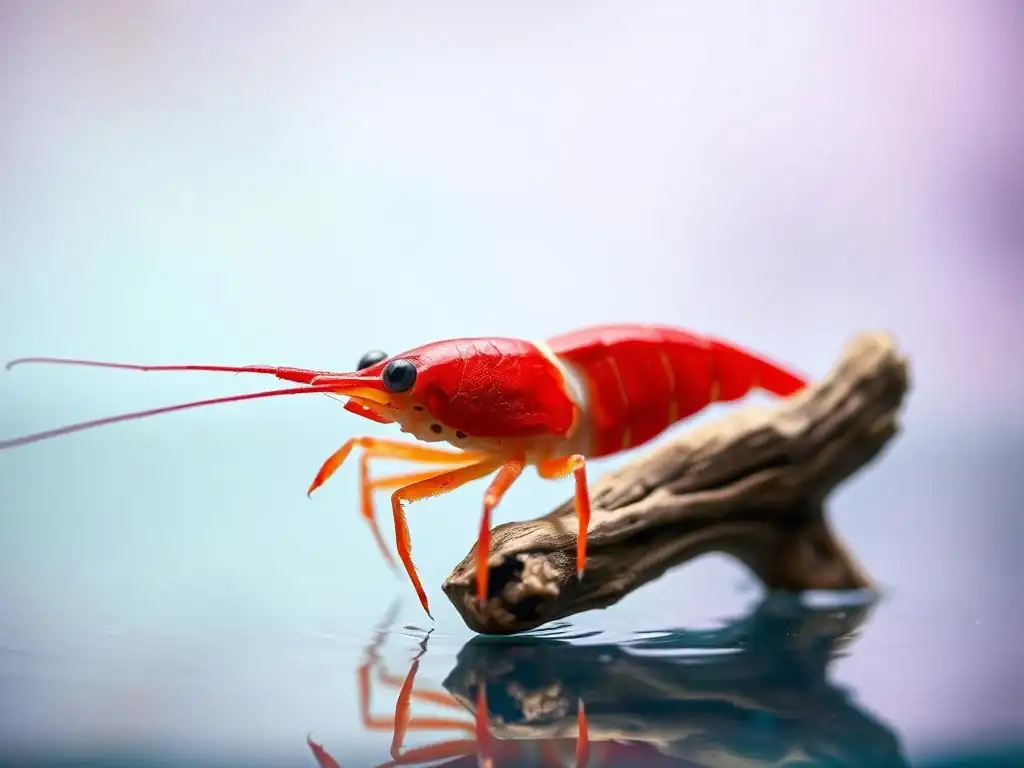
Observing the subtle behavioral cues of your freshwater crabs can provide early warning signs of aggression before it escalates. Look for crabs flaring their claws in a threatening display, making rapid, darting movements directly towards another crab, or actively blocking another crab's path. These actions indicate an assertion of dominance or a territorial dispute in its initial stages.
Physical Injuries: Shell Damage and Limb Loss
The most unmistakable signs of sustained aggression are physical injuries. These can include visible cracks or punctures on the carapace (shell), missing legs or claws, or fresh bite marks. Such injuries often indicate that conflicts have progressed beyond mere displays and resulted in direct physical altercations, suggesting that your current freshwater crab aggression solutions may be insufficient.
Dominance Displays: Posturing and Chasing
Crabs frequently engage in various dominance displays to establish a pecking order without immediate physical contact. These can involve raising their claws high, puffing up their bodies to appear larger, or engaging in persistent chasing. While some chasing is normal during territory establishment, prolonged or relentless pursuit indicates a significant power imbalance and ongoing aggression.
Reduced Activity and Hiding: Signs of a Stressed Crab
A noticeable change in a crab's activity level and hiding behavior can signal that it is being bullied or severely stressed. A crab that is constantly hiding, refusing to come out even for food, or appearing lethargic and inactive is likely a victim of aggression. These behavioral changes often indicate that the crab is feeling unsafe and is under immense pressure from more dominant tank mates.
Freshwater Crab Aggression Solutions: Prevention and Mitigation
Optimizing Tank Size and Layout for Multiple Crabs
Calculating the Right Tank Size: Crab-to-Gallon Ratio
Optimizing tank size is the absolute foundation for successful multi-crab setups and is paramount for freshwater crab aggression solutions. While small, fully aquatic species like Thai Micro Crabs can be kept in groups in a 5-gallon tank, semi-terrestrial species such as Red Claw Crabs typically require a minimum of 10 gallons per individual, with larger tanks (e.g., 20-30 gallons for two or three crabs) being ideal to provide adequate space. This generous allocation of volume directly prevents overcrowding, which is a leading cause of stress and aggression among crabs.
The rationale behind these ratios is simple: larger tanks dilute aggressive interactions. They provide more horizontal space for each crab to establish a distinct territory and offer ample room for individuals to retreat when threatened or to avoid dominant tank mates. For instance, a 40-gallon breeder tank, with its wider footprint, is often more beneficial for ground-dwelling crabs than a taller 40-gallon tank, as it offers more usable floor space for exploration and territorial demarcation. Adequate tank size is not merely a recommendation; it is a critical requirement for maintaining peace and health in a multi-crab environment.
Creating Territories: Using Decorations and Substrates
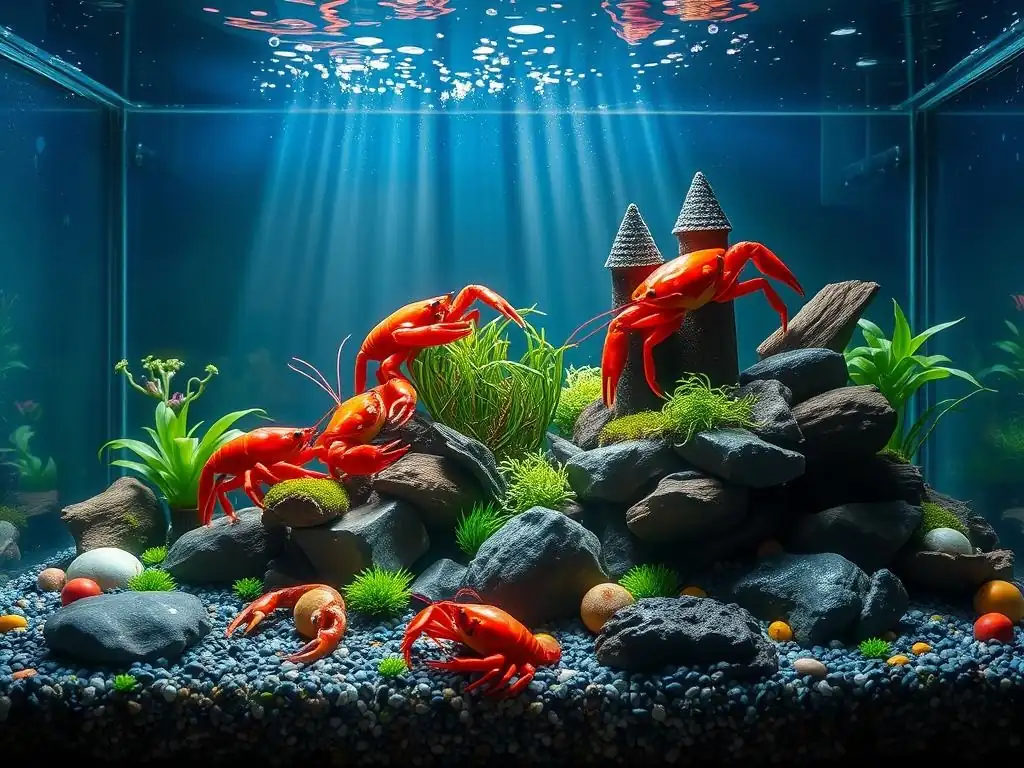
Strategic placement of aquarium decorations and thoughtful substrate choices are vital for creating defined territories within a crab tank, a key component of freshwater crab aggression solutions. Large, solid objects like rocks, driftwood, and robust, well-rooted plant groupings can effectively break up lines of sight and establish distinct zones within the aquarium. For example, placing a substantial piece of bogwood or a large rock formation in the center of the tank can effectively divide the space into two or more separate "territories," reducing direct visual contact and minimizing territorial disputes.
Furthermore, varying the substrate can also help delineate areas and provide different textures that crabs might prefer for digging or foraging. Incorporating deeper sandy areas in one section and gravel or larger pebbles in another can offer diverse environments, further defining boundaries and reducing direct competition for specific substrate types. This thoughtful and intentional layout minimizes direct confrontations by giving each crab a perceived personal space, thereby significantly contributing to a more harmonious multi-crab setup.
Providing Hiding Places: Caves, Plants, and Driftwood
Providing an abundance of secure hiding places is indispensable for managing freshwater crab aggression solutions. Crabs, especially when stressed, molting, or simply resting, require safe havens where they can retreat and feel protected. It is crucial to offer a diverse array of hiding options, including ceramic caves, appropriately sized PVC pipes, coconut shells, dense clusters of live plants (such as Java Fern or Anubias attached to decor), and intricate driftwood structures. A good rule of thumb is to provide at least one hiding spot per crab, plus several extra options to ensure variety and choice.
The benefit of ample hiding spots is multifaceted. When a crab can easily escape the sight of a dominant or aggressive individual, its stress levels decrease dramatically, which in turn reduces the likelihood of aggression escalating. This is particularly vital for molting crabs, who are extremely vulnerable during their exoskeleton shedding process and absolutely require a secure, private spot to complete it without the threat of attack. Providing these numerous and varied refuges is a critical, proactive measure that significantly enhances the safety and well-being of all crabs in the tank.
Managing Feeding to Reduce Crab Fights
Targeted Feeding: Ensuring All Crabs Get Enough
Targeted feeding is a highly effective strategy to reduce food-related aggression and ensure all crabs receive adequate nutrition. Instead of dropping all food in one central location, scatter it across various areas of the tank, including near individual hiding spots or preferred territories. This method allows even shy or subordinate crabs to access food without direct confrontation with more dominant individuals, significantly minimizing competition.
For example, when feeding sinking pellets, small pieces of blanched vegetables (such as zucchini or spinach), or frozen bloodworms, distribute small portions in different corners or sections of the tank. Dropping a tiny piece of shrimp pellet near each crab's known hiding spot can dramatically reduce the likelihood of a "food fight" and ensures every crab gets its share. This approach is a practical and immediate freshwater crab aggression solution that directly addresses one of the primary triggers for conflict.
Variety in Diet: Meeting Nutritional Needs
A balanced and varied diet is crucial for promoting overall health and reducing stress in freshwater crabs, which indirectly but significantly impacts their aggressive tendencies. Crabs require a comprehensive mix of protein, calcium (essential for healthy shell development and molting), and plant matter. It is important to offer high-quality sinking pellets specifically formulated for invertebrates, supplemented with occasional protein sources like bloodworms, brine shrimp, or small pieces of fish, along with blanched vegetables.
Nutritional deficiencies can lead to stress, weakened immune systems, and increased irritability, making crabs more prone to aggressive behavior. For instance, a crab suffering from calcium deficiency might struggle with molting, becoming weaker and more vulnerable, which in turn can make it more defensive and prone to lashing out. Ensuring a comprehensive and varied diet not only supports robust health but also acts as a proactive measure among freshwater crab aggression solutions by minimizing physiological stressors that can contribute to conflict.
Reducing Competition: Multiple Feeding Stations
Setting up multiple feeding stations is a highly effective method to reduce direct competition for food, a common trigger for crab fights. This strategy involves either placing several small feeding dishes or simply scattering food in multiple distinct areas within the aquarium. This approach is particularly beneficial in larger tanks or setups with a higher number of crabs, as it prevents a single dominant crab from monopolizing the entire food source.
Practical implementation could involve dropping food on opposite sides of the tank, or even in a few different caves or under specific pieces of driftwood. This ensures that multiple crabs can feed simultaneously without needing to directly compete for access to the same morsel. By dispersing the food sources, you create an environment where each crab has a better chance of obtaining its nutritional needs independently, thus contributing significantly to a more peaceful multi-crab setup and serving as a strong freshwater crab aggression solution.
Introducing New Crabs to an Existing Community
Quarantine Period: Preventing Disease and Observing Behavior
A mandatory quarantine period is essential before introducing any new freshwater crab to an established aquarium, serving as a critical preventative measure for both health and behavioral issues. The new crab should be housed in a separate, smaller tank (e.g., a 2-5 gallon setup) for a minimum of 2 to 4 weeks. This isolation period allows for thorough observation to detect any signs of disease, parasites, or unusual aggression, preventing the potential introduction of pathogens into your main display tank.
Beyond disease prevention, the quarantine period also provides an opportunity for the new crab to acclimate to its new captive environment and reduce initial stress. During this time, carefully monitor its eating habits, activity levels, and general demeanor. A healthy, well-adjusted crab that has had time to de-stress is far less likely to be overly stressed and aggressive upon introduction to the main tank, making this a crucial preliminary step in any successful freshwater crab aggression solutions strategy.
Gradual Introduction: Minimizing Initial Conflict
To minimize initial conflict when introducing new crabs, a gradual and thoughtful approach is often necessary. One effective technique is to temporarily rearrange the main tank's decor just before adding the new crab. This disruption of existing territories can create a "neutral" environment where all crabs, including the established residents, need to re-establish their claims, preventing the newcomer from being immediately targeted as an obvious intruder.
Another method involves "sight-swapping," where the new crab's quarantine tank is placed next to the main tank for a few days, allowing visual acclimation without direct contact. When ready for introduction, consider adding the new crab at night or when the lights are dim, as this can reduce initial stress. Post-introduction, close monitoring of interactions for the first few hours and days is vital, being prepared to intervene immediately if severe aggression or injury occurs. This careful, phased approach is a cornerstone for effective freshwater crab aggression solutions.
Monitoring Interactions: Adjusting the Setup as Needed
Following the introduction of a new crab, continuous and vigilant monitoring of interactions is paramount. Observe how the existing crabs react to the newcomer and how the new crab integrates into the community. Look for subtle signs of chasing, nipping, or prolonged hiding by any individual. While small skirmishes are common as a new pecking order is established, sustained aggression, constant bullying, or physical injuries are clear red flags that require intervention.
Based on these observations, be prepared to make adjustments to your tank setup. If aggression persists, consider adding more hiding spots, rearranging the decor again to create new visual barriers, or increasing the number of feeding stations. For example, if a specific crab is consistently bullied, adding a new, secure cave near its preferred spot might provide the necessary refuge. This ongoing observation and willingness to adapt the environment are essential, providing flexible and responsive freshwater crab aggression solutions to maintain harmony.
Selecting Compatible Crab Species: Avoiding Aggressive Combinations
Researching Temperaments: Understanding Crab Personalities
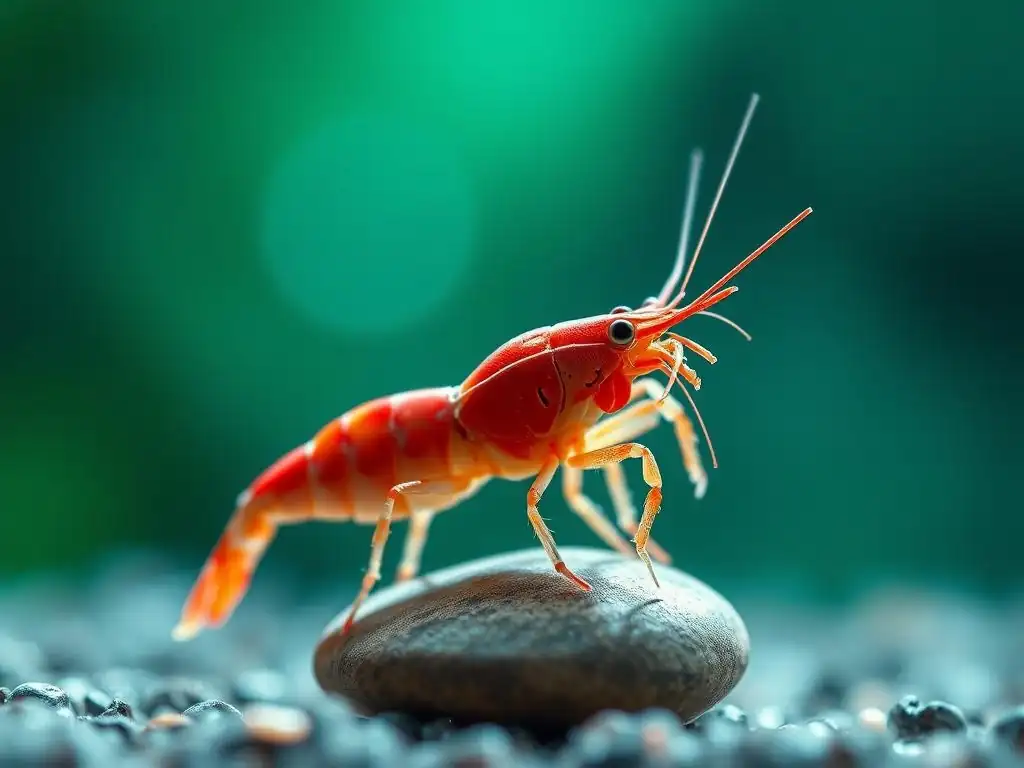
The single most critical factor in preventing freshwater crab aggression is thorough research into the temperament and social structure of each species before acquisition. Not all freshwater crab species are suitable for communal living, and attempting to house incompatible species together is a recipe for disaster. For instance, the highly predatory and territorial Panther Crab (Parathelphusa pantherina) is almost always best kept solitary, whereas the smaller, more docile Thai Micro Crab (Limnopilos naiyanetri) thrives in groups and rarely exhibits aggression towards its own kind or other peaceful tank mates.
Understanding whether a species is naturally solitary, semi-social, or highly social (like some Fiddler Crabs that form large colonies in the wild) dictates not only tank size requirements but also the feasibility of cohabitation. Ignoring a species' inherent temperament can lead to chronic stress, injuries, and fatalities within the aquarium. This foundational research informs all subsequent decisions regarding tank setup and stocking, making it a fundamental step in implementing effective freshwater crab aggression solutions.
Considering Size Differences: Preventing Predation
When planning a multi-crab setup, considering significant size differences between individuals or species is crucial to prevent predation and severe aggression. A large, robust crab, particularly an opportunistic feeder like a Red Claw Crab, might view a much smaller crab, such as a Thai Micro Crab, as a potential food source rather than a tank mate. This risk is particularly high during the vulnerable molting period for the smaller individual.
Even within the same species, a much larger, dominant individual can easily bully, injure, or even kill a significantly smaller tank mate. It is generally advisable to introduce crabs of similar size to minimize the risk of one being perceived as prey or being unable to defend itself. If cohabitation of different-sized species is attempted, ensure the smaller species is large enough to not be easily overpowered or consumed by the larger one. This proactive consideration of size is a vital aspect of preventing conflicts and ensuring effective freshwater crab aggression solutions.
Avoiding Overlapping Niches: Reducing Competition
To further mitigate aggression, it is important to consider the ecological niches of the crab species you intend to house together. If multiple crab species occupy the exact same niche—meaning they are all primarily bottom-dwelling scavengers that prefer the same type of substrate, hiding spots, and food sources—competition for these limited resources will be intense. This direct overlap can lead to heightened aggression, even between species that might otherwise be considered moderately compatible.
Instead, a more harmonious environment can often be achieved by selecting species that utilize different parts of the aquarium or have slightly different dietary preferences. For example, a semi-terrestrial crab that spends a significant amount of time on land or on emergent decor might coexist more peacefully with a fully aquatic bottom-dweller than with another species that primarily inhabits the exact same substrate area. This foresight in species selection and environmental differentiation is a proactive and often overlooked freshwater crab aggression solution.
When to Separate Crabs: Setting Up a "Time-Out" Tank
Identifying the Aggressor: Determining the Source of the Problem
When aggression becomes a persistent issue, the first critical step is to accurately identify the aggressor or aggressors. This often requires careful, prolonged observation over several days, noting which individual consistently initiates chases, causes injuries, or monopolizes resources. Sometimes, it's a specific male asserting dominance, or even a particularly territorial female. The aggressor will typically be seen actively posturing, having intact and often larger claws (used for fighting), and frequently being near or chasing other crabs.
Conversely, the victims of aggression will often display signs of stress, such as constant hiding, refusal to eat, or showing physical damage like missing limbs or shell cracks. Pinpointing the exact source of the problem is essential, as simply removing a random crab will not solve the underlying issue. Accurate identification of the aggressor is the foundational first step in applying targeted freshwater crab aggression solutions.
Setting Up a Temporary Isolation Tank: Providing a Safe Space
Once the aggressor (or the severely bullied crab) has been identified, setting up a temporary isolation or "time-out" tank is often the most effective immediate freshwater crab aggression solution. This can be a simple 2-5 gallon tank equipped with basic filtration, a heater (if necessary for the species), and a few secure hiding spots. The primary purpose of this isolation tank is to remove the problematic individual from the stressful environment of the main tank, allowing both the aggressor to de-stress and the remaining tank mates to recover without constant harassment.
The duration of isolation can vary from a few days to several weeks. This period of separation can sometimes help to "reset" the pecking order or allow a bullied crab to fully recover its strength and confidence without the constant threat of attack. This temporary measure is a highly effective way to immediately alleviate acute aggression and prevent further injury or stress to your crab population.
Reintroduction Strategies: A Gradual Return to the Main Tank
After a period of isolation, reintroducing the crab to the main tank requires a careful and gradual strategy to minimize the chance of renewed aggression. Before reintroduction, consider significantly rearranging the main tank's decor. This disrupts established territories and forces all crabs to re-evaluate their surroundings, creating a more "neutral" ground. Introduce the isolated crab (or the aggressor, if that's who was removed) back into the main tank, ideally at night or when the lights are dim, as this can reduce initial stress and make the re-entry less conspicuous.
Following reintroduction, continuous and vigilant monitoring of interactions is crucial for the next few days. Observe how the crabs interact and whether the aggression resumes at high levels. While some minor skirmishes are normal as a new hierarchy forms, if severe aggression immediately restarts, permanent separation might be the only viable long-term freshwater crab aggression solution. Sometimes, a period of isolation is sufficient to break established aggressive patterns or allow a new, more peaceful hierarchy to form within the community.
Advanced Techniques for Reducing Aggression in Freshwater Crabs
Modifying Water Parameters: Optimizing Crab Health and Reducing Stress
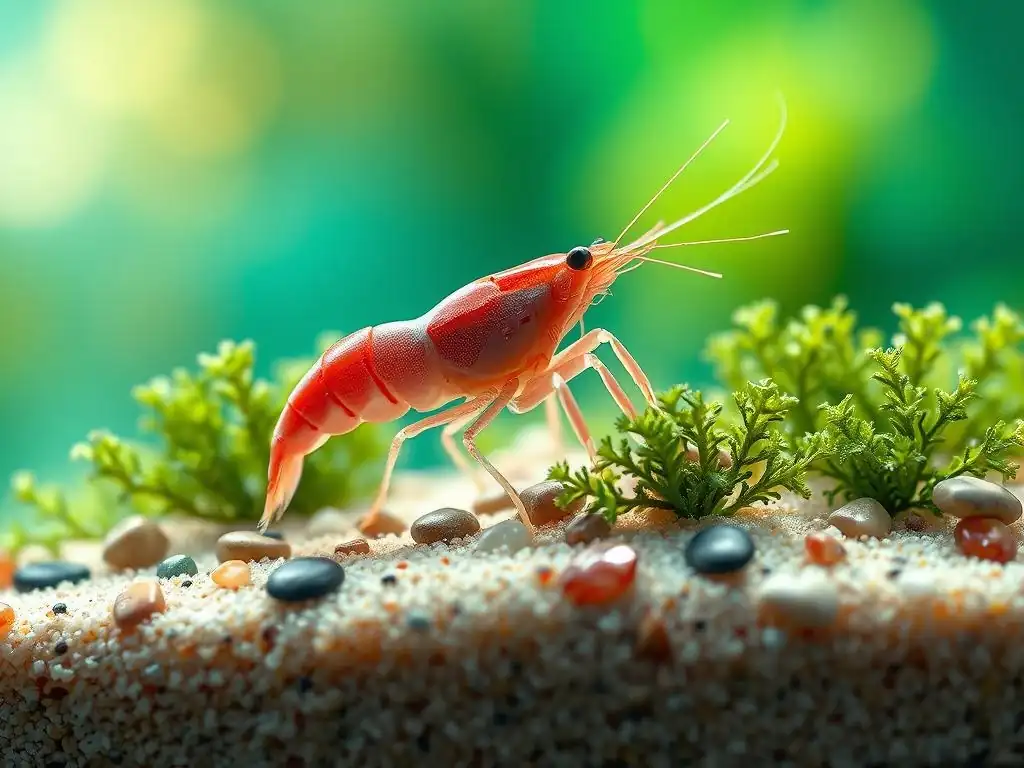
Maintaining stable and optimal water parameters is an advanced, yet often overlooked, freshwater crab aggression solution. When water quality is poor or parameters fluctuate wildly, crabs experience significant physiological stress, which can make them more irritable, defensive, and prone to aggression. Ensuring consistent levels of temperature (e.g., 72-78°F for many common species), pH (typically 7.0-7.8), general hardness (GH), carbonate hardness (KH), and keeping ammonia, nitrite, and nitrate levels at or near zero is paramount. Regular water changes and a robust filtration system are essential for this.
Using Visual Barriers: Breaking Line of Sight to Reduce Conflict
Beyond simply providing hiding spots, strategically using visual barriers is an advanced technique to reduce conflict by breaking the line of sight between crabs. This involves placing tall, dense live plants (like Amazon Swords or Vallisneria), large pieces of driftwood, or substantial rock formations in a way that physically obstructs the view from one part of the tank to another. This is particularly effective in larger tanks where crabs might otherwise constantly see each other, leading to perpetual territorial disputes. By limiting visual contact, perceived threats are reduced, lowering overall stress and aggression.
Introducing Dither Fish (Carefully! ): A Controversial Strategy
Introducing dither fish is a controversial and risky strategy for reducing freshwater crab aggression, and should only be considered by experienced aquarists with specific species knowledge. Small, fast, non-aggressive fish like Guppies, Danios, or White Cloud Mountain Minnows can sometimes act as dither fish, making crabs feel less exposed or distracting them from focusing solely on other crabs. However, this method carries significant risks: many freshwater crabs are opportunistic predators and may prey on fish, especially during molting or if the fish are slow.
Conversely, very active fish can stress the crabs. This strategy is highly species-dependent and often not recommended as a primary freshwater crab aggression solution.
Considering "Crab-itat" Design: Specialized Enclosures
For advanced hobbyists dealing with highly aggressive or solitary freshwater crab species, designing a specialized "crab-itat" is an effective solution. This involves creating highly customized enclosures with multiple distinct zones (e.g., separate land areas, shallow water sections, deeper water zones) and incorporating extensive physical barriers or opaque dividers. This design allows for the housing of multiple aggressive individuals within the same physical space, but each within their own highly defined and isolated territory, effectively preventing direct interaction and conflict. This approach requires significant planning and resources but can be the ultimate freshwater crab aggression solution for challenging species.
Conclusion: Achieving Harmony in Your Freshwater Crab Aquarium
Achieving harmony in a multi-crab freshwater aquarium is a rewarding endeavor that requires a comprehensive approach to freshwater crab aggression solutions. It begins with a deep understanding of species-specific temperaments and the inherent territorial nature of crabs. Providing ample space, carefully calculating tank size, and optimizing the layout with numerous hiding places and visual barriers are foundational steps to mitigate conflict.
Vigilant observation, thoughtful feeding strategies, and a careful approach to introducing new tank mates are also critical for preventing and managing aggression. While challenges may arise, with diligent planning, consistent effort, and a commitment to understanding your crabs' needs, a peaceful and thriving multi-crab setup is entirely achievable, enriching the lives of both the aquarist and their fascinating aquatic companions.
Frequently Asked Questions
What are the most common causes of aggression in freshwater crabs?
The most common causes are overcrowding, lack of hiding places, and competition for food. These stressors can lead to territorial disputes and aggressive behavior.
How can I reduce aggression in my freshwater crab aquarium?
Increase the number of hiding spots and territories available in the tank. Regularly feed your crabs ensuring each gets enough food, minimizing competition.
What types of freshwater crabs are generally considered more aggressive?
Some species, like the Red Claw Crab, are known to be more aggressive than others. Research the specific species before introducing it to a community tank.
What are the signs that my freshwater crabs are exhibiting aggressive behavior?
Signs include pinching or biting other crabs, chasing, and blocking access to food or hiding spots. Observe your crabs closely for these indicators.
Is it possible to keep multiple freshwater crabs together peacefully in a small aquarium?
It's challenging, especially with aggressive species. A larger tank is essential, along with ample hiding places and careful monitoring of their interactions.
The insights shared throughout this article underscore a crucial point: understanding and mitigating freshwater crab aggression is not merely about maintaining a visually appealing aquarium, but about fostering a thriving ecosystem for these fascinating creatures. The principles of space allocation, strategic decoration, and species compatibility are not just suggestions; they are fundamental to ensuring the well-being and longevity of your crab community, a responsibility every aquarist must embrace.
The prevalence of aggression in freshwater crab setups highlights a deeper issue: our responsibility as caretakers to understand and respect the natural behaviors of the animals we keep. My own experiences observing crab interactions have reinforced the importance of diligent observation and proactive intervention. The greatness of a nation and its moral progress can be judged by the way its animals are treated.
- Mahatma Gandhi. This quote, while broad, resonates deeply when considering the ethical implications of keeping any animal, including freshwater crabs. We must strive to create environments that minimize stress and allow them to express their natural behaviors without undue conflict.
Ultimately, the success of a multi-crab aquarium hinges on your commitment to creating a balanced and harmonious environment. I encourage you to reflect on the information presented here, not just as a set of rules, but as a guide to understanding the complex social dynamics of freshwater crabs. By applying these principles and continuously learning, you can transform your aquarium from a potential battleground into a peaceful and captivating underwater world, where these remarkable creatures can thrive.
Unleash Harmony: Transform Your Crab Tank Today!
Thank you for diving into the fascinating world of freshwater crab behavior! We hope you’ve gained valuable insights into managing aggression and creating a thriving multi-crab environment. Now, let's put that knowledge into action and ensure your crabs live their best lives.
Here are a few steps you can take right now:
- Redesign your crabitat! Rearranging decorations and adding new hiding spots can immediately disrupt existing territories and reduce aggression.
- Explore adding more vertical elements to your tank. Creating levels with driftwood or rock structures can offer more distinct territories and reduce direct competition.
- Share your crab tank setup and any successful strategies you've used with fellow crab enthusiasts on our Aquarium Mastery community forum!
What specific environmental enrichment technique are you most excited to try in your crab tank, and what outcome do you hope to achieve?