
Safe Tank Mates for Delicate Caridina Shrimp: Avoiding Disaster

Welcome to Aquarium Mastery!
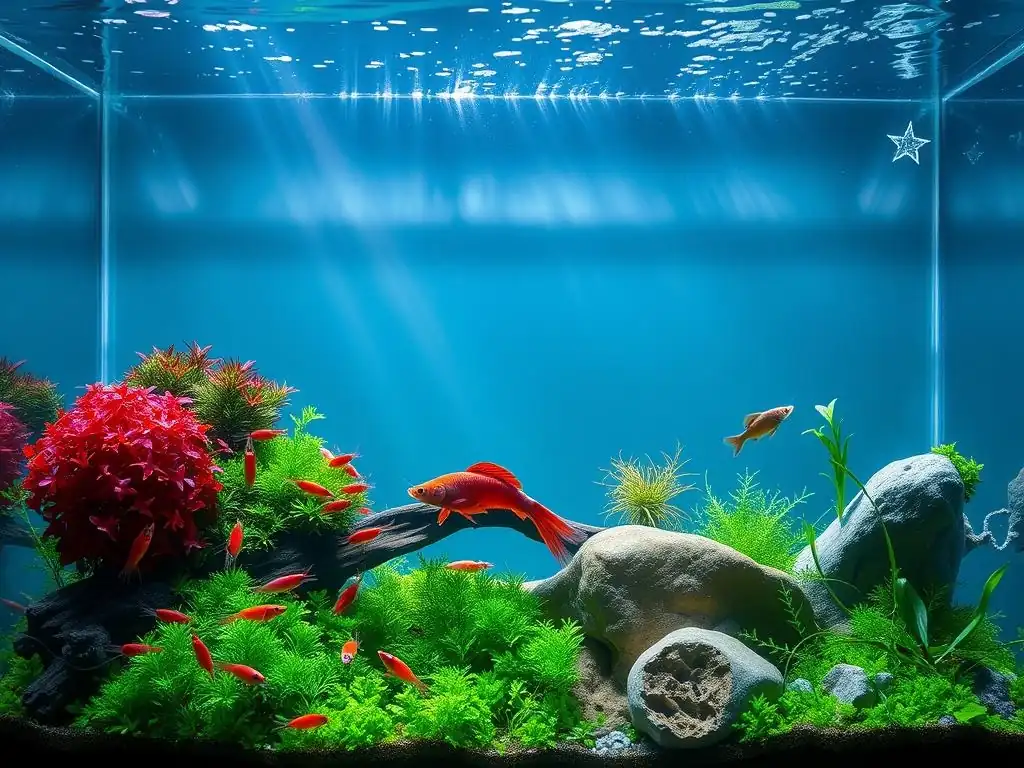
Ever wondered if your peaceful community tank is actually a hidden danger for your delicate Caridina shrimp? Our Shrimpsafe Tank Mates Guide unveils the secrets to harmonious cohabitation. Discover which fish are truly friendly and which are silent predators, and avoid the heartbreak of a shrimp-gone-wrong. Eager to create a thriving, balanced ecosystem? Let's dive in!
- Understanding Caridina Shrimp Needs for a Thriving Aquarium
- Identifying Potentially Harmful Fish for Caridina Shrimp
- Shrimpsafe Tank Mates: Fish That Coexist Peacefully with Caridina Shrimp
- Creating a Shrimpsafe Environment: Tank Setup and Maintenance
- Introducing New Tank Mates: A Gradual Process
- Troubleshooting Common Issues: When Tank Mates Become Problematic
- Conclusion: Building a Thriving and Shrimpsafe Aquarium Community
-
Frequently Asked Questions
- What are the most important factors to consider when choosing shrimpsafe tank mates?
- Which fish are generally considered "safe" to keep with Caridina shrimp?
- What are some common mistakes people make when selecting tank mates for Caridina shrimp?
- How does water chemistry affect the compatibility of shrimp and fish in a shared aquarium?
- What should I do if I suspect my fish is preying on my Caridina shrimp?
- Final Reflection: Cultivating Harmony in the Aquatic Realm
- Ignite Your Shrimp Tank: Create a Thriving Ecosystem!
Understanding Caridina Shrimp Needs for a Thriving Aquarium
The Delicate Nature of Caridina Shrimp: A Primer
Caridina shrimp, such as Crystal Red, Crystal Black, and Taiwan Bee varieties, are renowned for their vibrant colors and intricate patterns, making them highly sought-after aquarium inhabitants. However, their appeal is matched by their delicate nature, which demands specific care and a stable environment. Adult Caridina shrimp typically range from 0.8 to 1.2 inches (2-3 cm) in length, making them vulnerable to predation even by seemingly small fish. Their small size, coupled with a slower breeding rate compared to their Neocaridina cousins, means that a single predatory incident can have a significant impact on a nascent colony.
Furthermore, Caridina shrimp are particularly sensitive during their molting process, when they shed their old exoskeleton to grow. During this vulnerable period, which can last several hours, their new shell is soft, leaving them defenseless against even minor harassment or opportunistic nipping from tank mates. Stress from unsuitable tank companions can lead to failed molts, weakened immune systems, and ultimately, a decline in the shrimp population. Therefore, understanding their inherent fragility is the first step in creating a truly shrimpsafe tank mates guide.
Ideal Water Parameters for Caridina Shrimp: Creating the Perfect Environment
Creating the perfect aquatic environment is paramount for the health and longevity of Caridina shrimp. These invertebrates thrive in very specific and stable water conditions, often preferring softer, slightly acidic water. For many popular Caridina species like Crystal Red or Black Shrimp, the ideal pH range is typically between 5.5 and 7.0. General Hardness (GH) should ideally be maintained between 4-6 dGH, indicating sufficient mineral content for molting without being excessively hard.
Equally crucial is a very low Carbonate Hardness (KH), ideally 0-1 dKH, which contributes to the slightly acidic environment and prevents drastic pH swings. Total Dissolved Solids (TDS) are also a key indicator, with a range of 100-200 ppm often cited as optimal for many Caridina varieties, though this can vary slightly by specific lineage. Temperature should be kept stable between 68-75°F (20-24°C). Any significant fluctuation or deviation from these parameters can cause immense stress, leading to poor health, failed molts, and increased susceptibility to disease, highlighting the importance of precise parameter management in a shrimpsafe tank mates guide.
Why Choosing the Right Tank Mates is Crucial for Caridina Shrimp Survival
The selection of tank mates is not merely an afterthought but a critical decision that directly impacts the survival and prosperity of a Caridina shrimp colony. Due to their small size, slow movement, and defenseless nature, particularly during molting, Caridina shrimp are easily preyed upon or stressed by inappropriate companions. Even fish that are not overtly aggressive can become opportunistic predators, especially towards vulnerable shrimp fry or molting adults. A single instance of predation can decimate a significant portion of a small colony.
Beyond direct predation, unsuitable tank mates can also cause chronic stress through constant harassment, competition for food, or simply their presence creating an unsafe environment. This stress can manifest as reduced feeding, hiding, poor coloration, and ultimately, a decline in breeding success and overall health. Therefore, a comprehensive shrimpsafe tank mates guide emphasizes that only truly peaceful, non-predatory, and non-competitive species should be considered to ensure the long-term well-being and thriving of your delicate Caridina shrimp.
Identifying Potentially Harmful Fish for Caridina Shrimp
Predatory Fish to Avoid: Protecting Your Shrimp Colony
When considering tank mates for Caridina shrimp, the primary concern is predation. Many popular aquarium fish, even those considered "community fish," possess mouths large enough to consume adult Caridina shrimp or, more commonly, their vulnerable fry. For instance, most cichlids, including Dwarf Cichlids like Ram Cichlids or Bolivian Rams, despite their smaller size, are natural predators and will readily consume shrimp. Larger tetras such as Serpae Tetras (up to 1.7 inches) or Black Skirt Tetras (up to 2 inches) are also known to be opportunistic and will actively hunt shrimp.
Gouramis, even the seemingly peaceful Dwarf Gouramis (up to 2 inches), can also be problematic. While they may not actively hunt adult shrimp, they will not hesitate to snack on a molting shrimp or any small fry they encounter. Any fish with an upward-facing mouth or a mouth size comparable to a shrimp's body length should be immediately ruled out. The goal of a shrimpsafe tank mates guide is to eliminate any potential threat, ensuring the delicate Caridina shrimp can thrive without constant fear of becoming a meal.
Fin-Nipping Fish: A Silent Threat to Caridina Shrimp Health
While direct predation is an obvious danger, another significant threat to Caridina shrimp comes from fin-nipping fish. Although these fish may not consume the shrimp whole, their aggressive nipping behavior can cause severe stress, injury, and even death, particularly during critical periods like molting. Species known for fin-nipping, such as Tiger Barbs (up to 3 inches) or certain larger Rasboras like Harlequin Rasboras (up to 1.7 inches) if kept in insufficient numbers, can harass shrimp constantly.
This incessant nipping can lead to damaged antennae or legs, which are vital for a shrimp's sensory perception and movement. More critically, the stress induced by persistent harassment can cause a shrimp to "mis-molt," where it struggles to shed its old exoskeleton properly. Failed molts are often fatal for shrimp, leading to a slow and painful demise. Even if the shrimp survives, the chronic stress weakens its immune system, making it susceptible to diseases. Therefore, avoiding any fish with a known tendency for nipping is crucial for a truly shrimpsafe tank mates guide.
Fish That Compete for Food: Ensuring Your Shrimp Get Enough to Eat
Beyond predation and harassment, another subtle yet significant threat to Caridina shrimp comes from fish that are aggressive or fast eaters, outcompeting the shrimp for food. Caridina shrimp are slow, methodical grazers that primarily feed on biofilm, algae, and small detritus. When food is introduced, they move deliberately to find and consume it. Many common aquarium fish, however, are much faster and more voracious feeders.
For example, livebearers like Guppies and Mollies, or even some smaller Tetras, can quickly consume flake or pellet foods before the shrimp even have a chance to locate them. This food competition can lead to malnutrition in the shrimp, weakening them over time and making them more susceptible to disease or failed molts.
In a community tank, it is essential to ensure that the shrimp have access to their specialized foods and enough time to graze on natural biofilm without being outcompeted. A successful shrimpsafe tank mates guide considers not only the absence of aggression but also the dynamics of food acquisition within the aquarium ecosystem.
Shrimpsafe Tank Mates: Fish That Coexist Peacefully with Caridina Shrimp
Small, Peaceful Fish Options: Ideal Companions for Caridina
When selecting fish for a Caridina shrimp tank, the golden rule is to choose species that are genuinely small, peaceful, and possess mouths too tiny to consume even shrimp fry. These fish typically have calm demeanors, prefer to inhabit the mid-to-upper water column, and are not known for aggressive territoriality. Their presence should not induce stress in the shrimp, allowing them to graze and molt without fear. Such species contribute positively to the overall health and harmony of a shrimpsafe tank mates guide community.
Nano Fish Species for Caridina Tanks: A Detailed Look
Several nano fish species fit the criteria for ideal Caridina tank mates, offering both visual appeal and peaceful coexistence. Ember Tetras ( Hyphessobrycon amandae), reaching a maximum size of about 0.8 inches (2 cm), are excellent candidates. They are vibrant, active in the mid-water, and their mouths are too small to pose a threat to even the smallest shrimp fry. Similarly, Pygmy Corydoras ( Corydoras pygmaeus), maxing out at around 1 inch (2.5 cm), are peaceful bottom-dwellers that primarily scavenge tiny food particles, completely ignoring shrimp.
Another superb choice is the Celestial Pearl Danio ( Danio margaritatus), also known as Galaxy Rasbora. These stunning fish grow to about 1 inch (2.5 cm) and are known for their calm nature and preference for the middle and upper levels of the tank. They are primarily micro-predators of infusoria and tiny invertebrates, but their mouth size prevents them from consuming even newly hatched shrimp. These nano species enhance the tank's biodiversity without compromising the safety of your delicate Caridina shrimp colony, making them staples in any shrimpsafe tank mates guide.
Chili Rasboras: A Shrimpsafe Choice for Community Tanks
Chili Rasboras ( Boraras brigittae) stand out as one of the most exemplary shrimpsafe tank mates available. These incredibly tiny fish typically grow no larger than 0.7 inches (1.8 cm), making them among the smallest fish commonly kept in aquariums. Their minuscule mouths are physically incapable of consuming even the smallest Caridina shrimp fry, let alone adults. Chili Rasboras are also known for their exceptionally peaceful temperament, preferring to shoal in the upper and mid-water columns, far from where shrimp typically graze.
Their vibrant red coloration adds a beautiful contrast to a planted shrimp tank, and their active yet non-threatening movements provide dynamic interest without inducing stress. They thrive in planted environments with stable water parameters, mirroring the ideal conditions for Caridina shrimp. Keeping them in a school of at least 8-10 individuals further enhances their natural behavior and reduces any potential shyness. The inclusion of Chili Rasboras is a testament to a well-researched shrimpsafe tank mates guide that prioritizes the well-being of the shrimp.
Otocinclus Catfish: Algae Eaters That Won't Bother Shrimp
Otocinclus catfish, often referred to as "Otos," are highly recommended as shrimpsafe tank mates, particularly for their invaluable role as algae eaters. These small, peaceful suckermouth catfish typically reach a size of 1.5 to 2 inches (4-5 cm) and are primarily herbivorous, feeding on soft algae and biofilm that grows on surfaces within the aquarium. Their specialized mouthparts are designed for scraping, not for preying on live invertebrates.
Otos are known for their shy and non-aggressive nature, spending most of their time clinging to plants, driftwood, and tank walls, diligently cleaning surfaces. They pose absolutely no threat to Caridina shrimp, whether adults or fry, and will coexist peacefully, often ignoring the shrimp entirely. Furthermore, their presence helps maintain a clean environment, reducing excess algae that could otherwise compete with shrimp for biofilm or indicate poor water quality. Including Otocinclus catfish is a practical and effective recommendation in any shrimpsafe tank mates guide.
Invertebrate Tank Mates: Enhancing Your Shrimp Ecosystem
Beyond fish, other invertebrates can serve as excellent tank mates for Caridina shrimp, often enhancing the aquarium's natural cleaning crew and biodiversity without posing any threat. These companions share similar environmental needs and can contribute positively to the ecosystem, making them ideal for a shrimpsafe tank mates guide.
Snails: Beneficial Cleaners and Shrimp Companions
Various types of snails are among the most compatible invertebrate tank mates for Caridina shrimp, acting as beneficial cleaners without any risk of predation or competition. Nerite Snails (e.g., Zebra Nerite, Horned Nerite) are highly valued for their exceptional algae-eating capabilities and inability to reproduce in freshwater, preventing overpopulation. Mystery Snails and Ramshorn Snails are also popular choices; they are active detritivores, consuming uneaten food, decaying plant matter, and soft algae.
These snails move slowly and deliberately, posing no threat to even the most vulnerable shrimp. In fact, their grazing habits can help keep the tank cleaner, benefiting the overall water quality that Caridina shrimp require. They also serve as a natural indicator of water quality, as they become more active when conditions are stable. Snails and shrimp often ignore each other, coexisting harmoniously and contributing to a balanced, shrimpsafe tank mates guide environment.
Amano Shrimp: Peaceful Tank Mates for Caridina
Amano Shrimp ( Caridina multidentata), while larger than most Caridina species, are surprisingly peaceful and highly recommended as tank mates. Growing up to 2 inches (5 cm) in length, they are robust algae eaters, excelling at consuming hair algae and other fibrous types that smaller Caridina might ignore. Despite their size, Amano shrimp are not predatory towards Caridina shrimp, including fry, due to their primarily herbivorous and detritivorous diet.
Crucially, Amano shrimp do not interbreed with ornamental Caridina species (like Crystal Red or Taiwan Bee shrimp), meaning there is no risk of hybridization or diluting genetic lines. While they are excellent cleaners, it's worth noting that in tanks with limited food, larger Amanos might outcompete smaller Caridina for concentrated foods like shrimp pellets. However, with adequate feeding and a naturally rich environment, they coexist beautifully, forming a powerful cleaning team in a truly shrimpsafe tank mates guide setup.
Creating a Shrimpsafe Environment: Tank Setup and Maintenance
Providing Ample Hiding Places: Protecting Shrimp from Stress
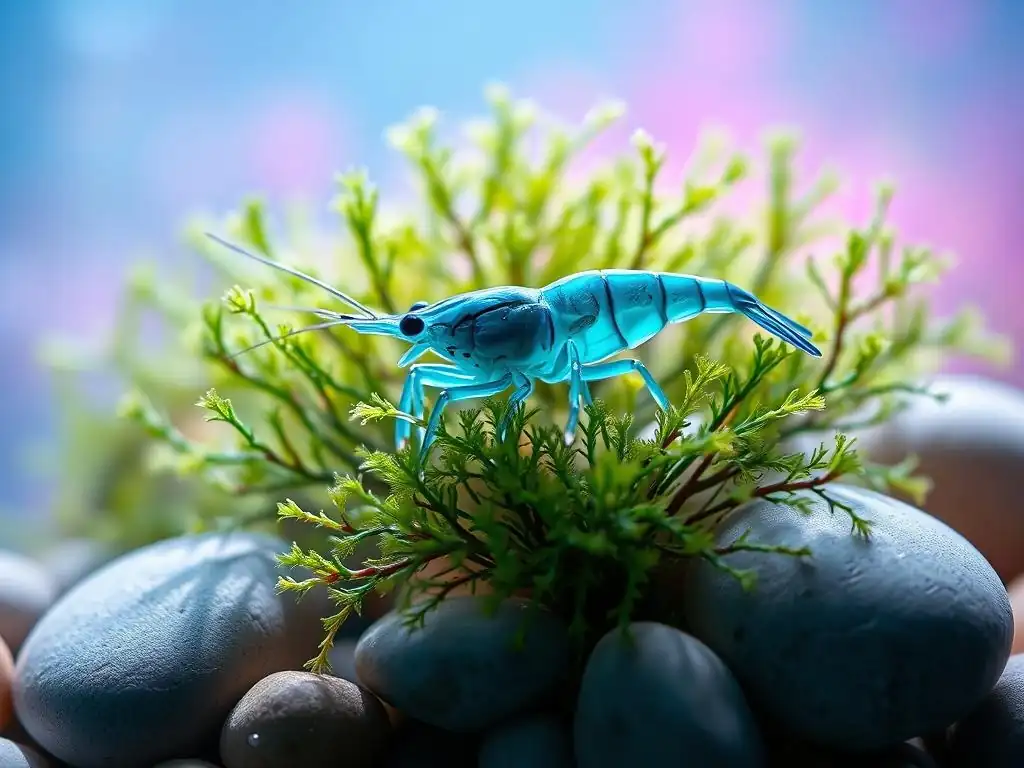
A critical component of a shrimpsafe tank mates guide is the provision of abundant hiding places within the aquarium. Caridina shrimp, being small and vulnerable, naturally seek refuge when they feel threatened or during their delicate molting process. Without adequate cover, they can become stressed, leading to reduced feeding, poor coloration, and increased susceptibility to disease or failed molts.
Effective hiding places include natural elements like driftwood, which offers crevices and surfaces for biofilm growth, and cholla wood, whose hollow structure provides perfect little tunnels. Ceramic shrimp tubes or caves are also excellent manufactured options, offering secure, enclosed spaces. Dense arrangements of small rocks or lava rock can create a labyrinth of safe zones. Ensuring numerous escape routes and secure retreats is paramount for the psychological well-being and physical safety of your Caridina shrimp, especially when sharing a tank with any other species.
Dense Planted Tanks: Offering Shelter and Natural Food Sources
A heavily planted aquarium is arguably the best possible environment for Caridina shrimp, serving multiple crucial functions within a shrimpsafe tank mates guide setup. Firstly, dense vegetation provides unparalleled shelter and hiding spots. Plants with fine leaves or intricate structures, such as Java Moss, Christmas Moss, Anubias, Bucephalandra, and various stem plants (e.g., Rotala species), offer countless nooks and crannies where shrimp can retreat from potential threats, particularly during molting. This dense cover significantly reduces stress and increases survival rates for shrimp fry.
Secondly, aquatic plants are vital for providing natural food sources. Their surfaces develop a rich biofilm layer, which is a primary food source for grazing Caridina shrimp. Decaying plant matter and micro-organisms living on the plants also contribute to their diet. Furthermore, plants absorb nitrates, help oxygenate the water, and provide a stable environment, all of which are essential for the health of delicate Caridina shrimp. A thriving planted tank creates a self-sustaining ecosystem that directly supports a robust shrimp colony.
Maintaining Pristine Water Quality: Essential for Shrimp Health and a Shrimpsafe Tank
Pristine and stable water quality is the cornerstone of successful Caridina shrimp keeping and the most fundamental aspect of any shrimpsafe tank mates guide. These shrimp are exceptionally sensitive to fluctuations in water parameters and the accumulation of pollutants. High levels of nitrates, even those considered acceptable for fish (e.g., above 20 ppm), can be detrimental to Caridina shrimp, leading to stress, lethargy, and increased mortality. Ammonia and nitrite must always be at zero.
Regular, small water changes (e.g., 10-15% weekly) using properly dechlorinated and remineralized RO/DI water are crucial for diluting pollutants and replenishing essential minerals. A reliable filtration system, such as a sponge filter, which provides gentle flow and ample surface area for beneficial bacteria without risking shrimp being sucked in, is ideal. Consistent monitoring of pH, GH, KH, and TDS levels, as discussed earlier, ensures that the water remains within the shrimp's preferred narrow ranges. Any deviation can quickly lead to stress and health issues, emphasizing that a stable, clean aquatic environment is paramount for a thriving Caridina colony.
Introducing New Tank Mates: A Gradual Process
Quarantine New Fish: Preventing Disease Outbreaks
Before introducing any new fish, even those deemed shrimpsafe tank mates, a mandatory quarantine period is essential. This crucial step prevents the introduction of diseases, parasites, or even harmful chemicals into your established Caridina shrimp tank. Many common fish diseases, such as Ich (white spot disease), Velvet, or various bacterial infections, can be devastating to an entire aquarium and are often difficult to treat without harming sensitive invertebrates.
A separate quarantine tank, equipped with a heater, filter (even a simple sponge filter), and basic decor, should house new fish for a minimum of 2-4 weeks. During this period, observe the fish closely for any signs of illness, unusual behavior, or external parasites. If any symptoms appear, treat them in the quarantine tank, not the main shrimp tank, as many fish medications contain copper or other substances lethal to shrimp. This proactive measure is a non-negotiable step in any responsible shrimpsafe tank mates guide.
Acclimation: Minimizing Stress During Introduction
Once new tank mates have successfully completed their quarantine period, proper acclimation is vital to minimize stress during their introduction to the main Caridina shrimp tank. A sudden change in water parameters (temperature, pH, hardness, TDS) can cause severe shock, leading to illness or death, particularly in sensitive species. For both fish and shrimp, the drip acclimation method is highly recommended over simply floating the bag.
To perform drip acclimation, place the new inhabitants in a clean container with their original bag water. Use airline tubing to siphon water from the main aquarium into the container, creating a slow drip (e.g., 1-2 drips per second). Allow the water volume in the container to slowly double or triple over 1-2 hours. This gradual process allows the fish to slowly adjust to the new water chemistry, significantly reducing stress and increasing their chances of thriving in their new shrimpsafe environment.
Observing Interactions: Monitoring for Aggression
After the careful acclimation and introduction of new tank mates, the work of maintaining a shrimpsafe tank mates guide setup is not over. Close and diligent observation of all inhabitants is crucial for the first few days and weeks. Even fish considered "peaceful" can sometimes exhibit unexpected behaviors, especially in a new environment or if their needs are not fully met.
Watch for any signs of aggression from the new fish towards the Caridina shrimp. This includes chasing, nipping at antennae or legs, or active hunting behavior. Conversely, observe the shrimp for signs of stress, such as constant hiding, darting movements, loss of color, or a reluctance to feed. If any problematic interactions are noted, immediate action may be necessary, such as removing the aggressive fish or providing additional hiding places. Continuous monitoring ensures the long-term harmony and safety of your delicate shrimp colony.
Troubleshooting Common Issues: When Tank Mates Become Problematic
Recognizing Signs of Stress in Caridina Shrimp
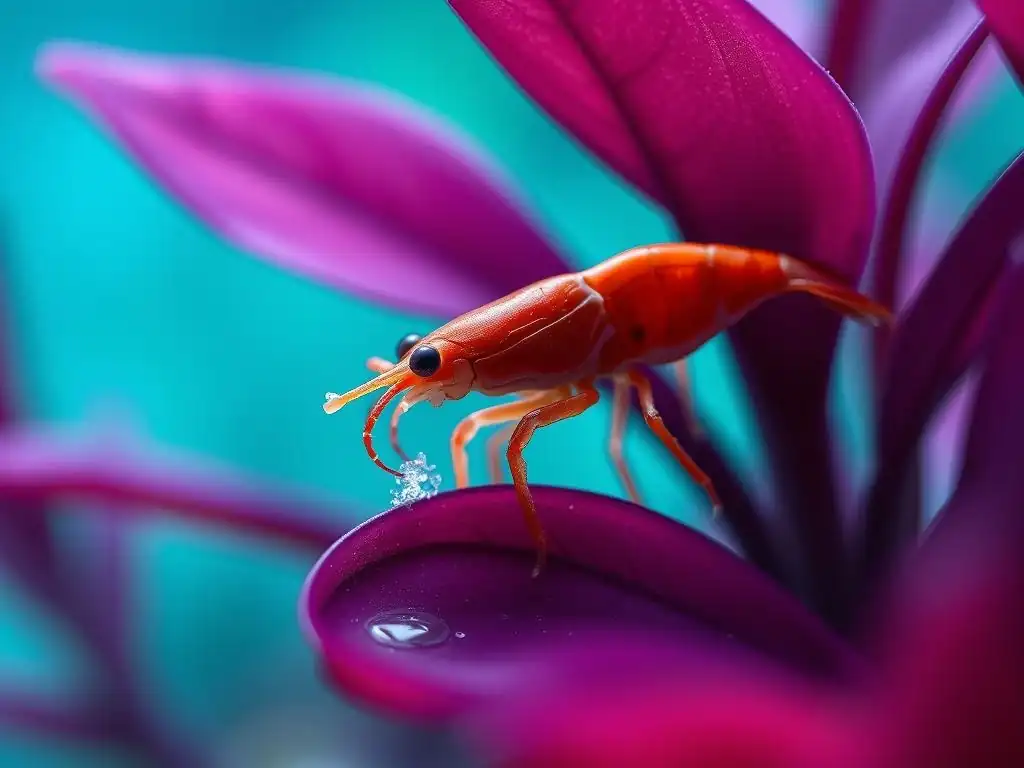
Even with the most careful selection, issues can arise with tank mates. Recognizing the signs of stress in your Caridina shrimp is the first step in troubleshooting. Stressed shrimp will often exhibit a change in behavior, such as constant hiding, even when food is present, or darting movements around the tank instead of their usual slow grazing. They might lose their vibrant coloration, appearing dull or translucent.
Physical signs can include incomplete or failed molts, where the shrimp struggles to shed its old shell, often leading to death. A sudden increase in shrimp mortality rates, especially without obvious signs of disease or water parameter issues, is a strong indicator of chronic stress, often caused by unsuitable tank mates. Observing these subtle cues early on is critical for intervention and maintaining a successful shrimpsafe tank mates guide environment.
Separating Problematic Tank Mates: Creating a Safe Haven
If, after careful observation, it becomes clear that a particular tank mate is causing stress or harm to your Caridina shrimp, immediate action is necessary. The most effective solution is to separate the problematic fish from the shrimp colony. This can involve moving the aggressive fish to another established aquarium, if available. Alternatively, if a dedicated shrimp-only tank is not feasible, a tank divider can be used temporarily to create a safe zone for the shrimp.
In extreme cases, if the aggression is persistent and rehoming the fish is not an option, setting up a separate, smaller shrimp-only tank might be the best long-term solution to ensure the colony's survival. Creating a "safe haven" for your Caridina shrimp is paramount, even if it means re-evaluating your initial stocking plan. This decisive action underscores the commitment to a true shrimpsafe tank mates guide.
Re-evaluating Your Tank Stocking: Ensuring a Balanced Ecosystem
When tank mate issues arise, it's an opportunity to re-evaluate your entire tank stocking strategy. A balanced ecosystem is one where all inhabitants can thrive without undue stress or competition. Consider the size of your aquarium; smaller tanks (e.g., under 10 gallons) are often best suited for shrimp-only setups, as even the most peaceful fish can feel cramped and become more territorial in limited space.
Review the specific needs of your Caridina shrimp against the actual behavior of your chosen tank mates. Were the fish truly "nano" and non-aggressive? Is there enough food and hiding places for everyone? Sometimes, even a single fish, if it grows larger than anticipated or develops an unexpected personality, can disrupt the delicate balance. Adjusting your stocking levels, adding more plants or decor, or even transitioning to a shrimp-only tank can be necessary steps to ensure a truly balanced and shrimpsafe tank mates guide ecosystem where your Caridina shrimp can flourish.
Conclusion: Building a Thriving and Shrimpsafe Aquarium Community
Building a thriving aquarium community for delicate Caridina shrimp requires a thoughtful and deliberate approach, extending far beyond simply adding water and inhabitants. It necessitates a deep understanding of their unique sensitivities, particularly regarding water parameters and environmental stability. The cornerstone of success lies in the meticulous selection of tank mates, prioritizing only those species that are truly small, peaceful, and incapable of preying upon or stressing these fragile invertebrates.
By adhering to the principles outlined in this shrimpsafe tank mates guide—providing abundant hiding places, cultivating densely planted environments, maintaining pristine water quality, and exercising caution during the introduction of new inhabitants—aquarists can create an ecosystem where Caridina shrimp not only survive but truly flourish. Diligent observation and a willingness to troubleshoot and adapt are also key. Ultimately, the reward is a vibrant, harmonious aquatic display where your exquisite Caridina shrimp can express their natural behaviors and contribute to a beautiful, balanced underwater world.
Frequently Asked Questions
What are the most important factors to consider when choosing shrimpsafe tank mates?
The most important factors are temperament and size. Avoid any fish known to be aggressive or large enough to eat shrimp. Consider also the environmental needs of both shrimp and potential tank mates.
Which fish are generally considered "safe" to keep with Caridina shrimp?
Small, peaceful fish like Otocinclus catfish, Neon Tetras (in larger tanks), and certain types of Rasboras are often considered safe. However, always research individual species.
What are some common mistakes people make when selecting tank mates for Caridina shrimp?
A common mistake is assuming all small fish are safe. Many small fish are opportunistic feeders and will prey on baby shrimp. Overcrowding the tank can also lead to increased stress and aggression.
Different species have different water parameter requirements. Maintaining stable and appropriate water chemistry for both shrimp and fish is crucial for their survival and happiness.
What should I do if I suspect my fish is preying on my Caridina shrimp?
Immediately observe the fish's behavior closely. If predation is confirmed, remove the offending fish to a separate tank. Consider rehoming the fish if you cannot provide a separate environment.
Final Reflection: Cultivating Harmony in the Aquatic Realm
The delicate balance of a Caridina shrimp tank hinges on informed choices, and this guide underscores the critical importance of selecting truly shrimp-safe tank mates. Understanding compatibility is not merely about avoiding immediate disaster; it's about fostering a thriving ecosystem where these vulnerable creatures can flourish, showcasing the beauty of responsible aquascaping.
The pursuit of a harmonious aquarium reflects a broader desire for balance and understanding in our interactions with the natural world. My own journey into shrimp keeping has taught me patience, observation, and the profound interconnectedness of life within a closed environment. The best aquarium is one that can almost run itself.
This quote, often attributed to seasoned aquarists, highlights the ultimate goal: a self-sustaining ecosystem where all inhabitants contribute to the overall health and well-being of the tank.
As you embark on your own shrimp-keeping adventure, I encourage you to view your aquarium not just as a display, but as a microcosm of the larger world. Consider the impact of your choices, research thoroughly, and strive to create an environment where every creature can thrive. By embracing this mindful approach, you'll not only cultivate a beautiful and vibrant shrimp tank, but also deepen your appreciation for the delicate balance of life itself.
Ignite Your Shrimp Tank: Create a Thriving Ecosystem!
Thank you for diving into the fascinating world of Caridina shrimp! We hope you’ve found some valuable insights to help you create a safe and flourishing habitat for these delicate creatures. Now, it's time to take action and build the shrimp paradise you've been dreaming of.
Here are a few steps you can take to ensure the success of your Caridina shrimp tank:
- Prioritize their safety: Thoroughly research any potential tank mates before introducing them. Start by focusing on snails known for being peaceful and shrimp-safe.
- Share your newfound knowledge: Spread the word! Share this article with fellow aquarium enthusiasts and help them avoid common mistakes.
- Observe and adapt: Closely monitor your tank's ecosystem. Are the shrimp behaving naturally? Are algae levels under control? Adjust your approach as needed for optimal conditions.
What specific tank mates are you considering for your Caridina shrimp, and what are your biggest concerns about their compatibility?