
Ghost Ribbon Eel (Pseudechidna brummeri): Elusive Beauty & Expert Care Secrets

Welcome to Aquarium Mastery, fellow aquarists!
Intrigued by the elusive and captivating Ghost Ribbon Eel? You're in the right place! Uncover the secrets to successful Ghost Ribbon Eel care and discover if this mesmerizing creature is the right addition to your saltwater aquarium. Get ready to dive deep into expert advice and essential tips – your journey to becoming a true Aquarium Master starts now!
- Introduction to the Ghost Ribbon Eel: A Unique Saltwater Aquarium Specimen
- Essential Ghost Ribbon Eel Care: Creating the Ideal Habitat
- Ghost Ribbon Eel Diet and Feeding: Ensuring Proper Nutrition
- Ghost Ribbon Eel Tank Mates: Compatibility Considerations
- Ghost Ribbon Eel Health and Disease: Prevention and Treatment
- Setting Up Your Ghost Ribbon Eel Aquarium: A Step-by-Step Guide
- Advanced Ghost Ribbon Eel Care: Breeding and Long-Term Maintenance
- Troubleshooting Common Ghost Ribbon Eel Care Issues
- Where to Find Ghost Ribbon Eels: Ethical Sourcing and Acquisition
- Conclusion: Mastering Ghost Ribbon Eel Care for a Rewarding Aquarium Experience
-
Frequently Asked Questions
- What are the primary challenges in Ghost Ribbon Eel care?
- What kind of tank setup is ideal for a Ghost Ribbon Eel?
- What do Ghost Ribbon Eels eat, and how often should they be fed?
- What are the key water parameters to maintain for Ghost Ribbon Eels?
- Are Ghost Ribbon Eels compatible with other fish in a community tank?
- Final Reflection: Unveiling the Mysteries of Care
- Unveil the Secrets of Ghost Ribbon Eel Keeping!
Introduction to the Ghost Ribbon Eel: A Unique Saltwater Aquarium Specimen
Unveiling the Mystery of Pseudechidna brummeri
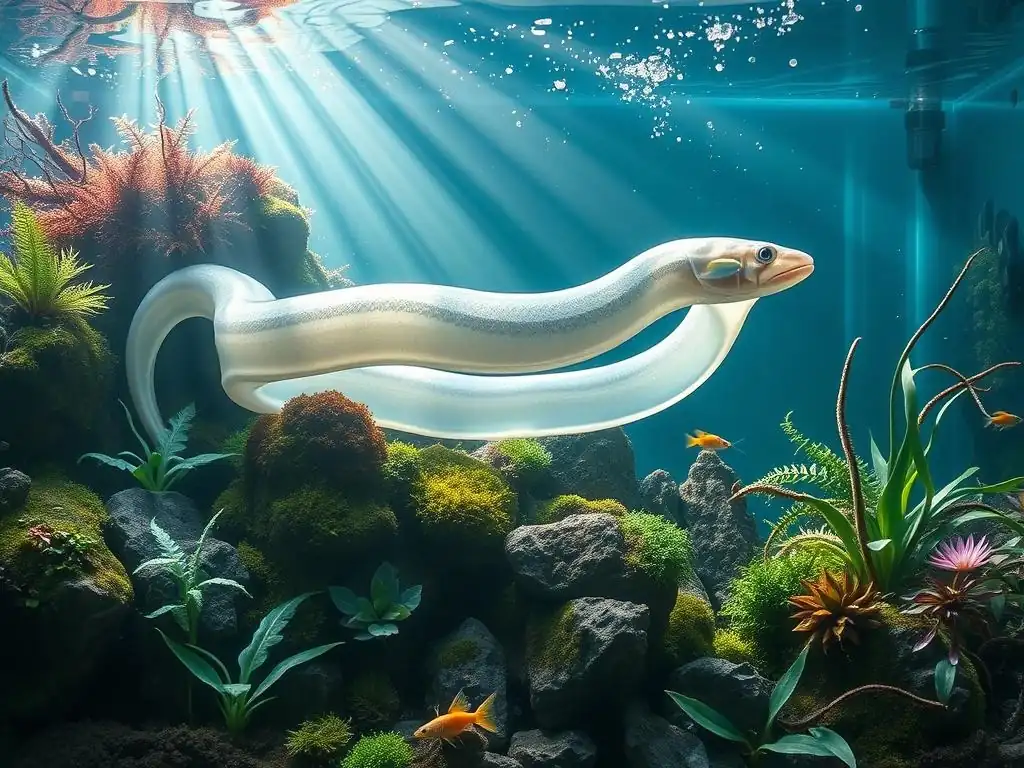
The Ghost Ribbon Eel, scientifically known as Pseudechidna brummeri, is a truly enigmatic and captivating species native to the Indo-Pacific region. Unlike many of its more commonly seen relatives, this eel is distinguished by its strikingly slender body, often reaching lengths of up to 3 feet (approximately 90 cm) in mature specimens, and its ethereal, often pale white to grayish coloration, sometimes with hints of yellow or orange along its dorsal fin.
Its delicate appearance belies its predatory nature, making it a fascinating subject for advanced aquarists seeking a unique challenge in Ghost ribbon eel care. It is typically found in deep reef crevices and rubble zones, rarely venturing far from its sheltered retreats.
This species belongs to the Muraenidae family, or true moray eels, but stands apart due to its extremely attenuated form and more reclusive behavior in the wild. Its elusive nature in its natural habitat translates directly to its requirements in a captive environment, demanding a meticulously planned setup and dedicated Ghost ribbon eel care to thrive. Observing its graceful movements and shy personality can be a truly rewarding experience, provided its specific needs for a secure, stable, and well-provisioned habitat are met.
Why the Ghost Ribbon Eel Captivates Saltwater Aquarists
The allure of the Ghost Ribbon Eel lies in its rarity, its elegant, serpentine form, and the unique challenges it presents to even experienced hobbyists. Its distinct appearance, often described as almost translucent, makes it a focal point in any appropriately sized display tank, drawing attention with its subtle beauty rather than vibrant colors. Aquarists are often drawn to the prospect of successfully housing such a specialized creature, signifying a deeper level of commitment and expertise in saltwater aquarium husbandry.
Furthermore, the Ghost Ribbon Eel offers a departure from the typical community fish setups, appealing to those who appreciate the more specialized and predatory inhabitants of the marine world. The successful long-term Ghost ribbon eel care of this species is a testament to an aquarist's dedication to providing an environment that replicates its natural conditions, including specific dietary requirements and ample hiding opportunities. Its presence adds an element of mystery and sophistication to a well-maintained reef or FOWLR (Fish Only With Live Rock) aquarium.
Essential Ghost Ribbon Eel Care: Creating the Ideal Habitat
Ghost Ribbon Eel Tank Size Requirements: Providing Ample Space
Providing adequate tank size is paramount for successful Ghost ribbon eel care, despite their slender build. While they may appear small when curled in a crevice, these eels can reach significant lengths, up to 3 feet (90 cm), and require ample space to stretch, explore, and establish territory without feeling confined.
A minimum tank size of 100 gallons (approximately 378 liters) is generally recommended for a single adult Ghost Ribbon Eel to ensure sufficient swimming room and stable water parameters. For larger specimens or if considering a very carefully selected tank mate, a 125 to 150-gallon system would offer even greater stability and comfort.
The footprint of the tank is often more critical than its height for eels, as they tend to patrol along the substrate and through rockwork. A longer, wider tank provides more horizontal space for the eel to navigate and establish multiple hiding spots, reducing stress and promoting natural behaviors. Ensuring sufficient volume also helps to dilute waste products more effectively, contributing to the stable water quality essential for long-term Ghost ribbon eel care.
Water Parameters for Ghost Ribbon Eels: Maintaining a Stable Environment
Maintaining precise and stable water parameters is a cornerstone of Ghost ribbon eel care, as these delicate creatures are highly sensitive to fluctuations. Consistency is key, and sudden changes in temperature, salinity, or pH can lead to significant stress and susceptibility to disease. Regular testing using reliable kits is non-negotiable to monitor these vital parameters and make minor adjustments as needed.
Salinity, Temperature, and pH: Key Water Quality Factors
For salinity, Ghost Ribbon Eels thrive in specific gravity readings between 1.020 and 1.025, with 1.023-1.024 being an optimal target. Temperature should be maintained within a narrow range of 72-78°F (22-26°C), ideally around 75°F (24°C), using a high-quality, reliable heater. pH levels should consistently fall between 8.1 and 8.4, reflecting the alkaline conditions of their natural marine environment. Beyond these primary parameters, it is also crucial to keep ammonia and nitrites at undetectable levels (0 ppm) and nitrates as low as possible, ideally below 10-20 ppm, through efficient filtration and regular water changes.
Substrate and Aquascaping for Ghost Ribbon Eels: Mimicking Their Natural Habitat
The choice of substrate and the design of the aquascape are critical aspects of Ghost ribbon eel care, directly impacting their comfort and security. In their natural environment, these eels are crevice dwellers, spending much of their time hidden within rockwork or burrowed beneath the substrate. Replicating this sense of security is vital for reducing stress and encouraging natural behaviors in captivity.
The Importance of Live Rock and Hiding Places
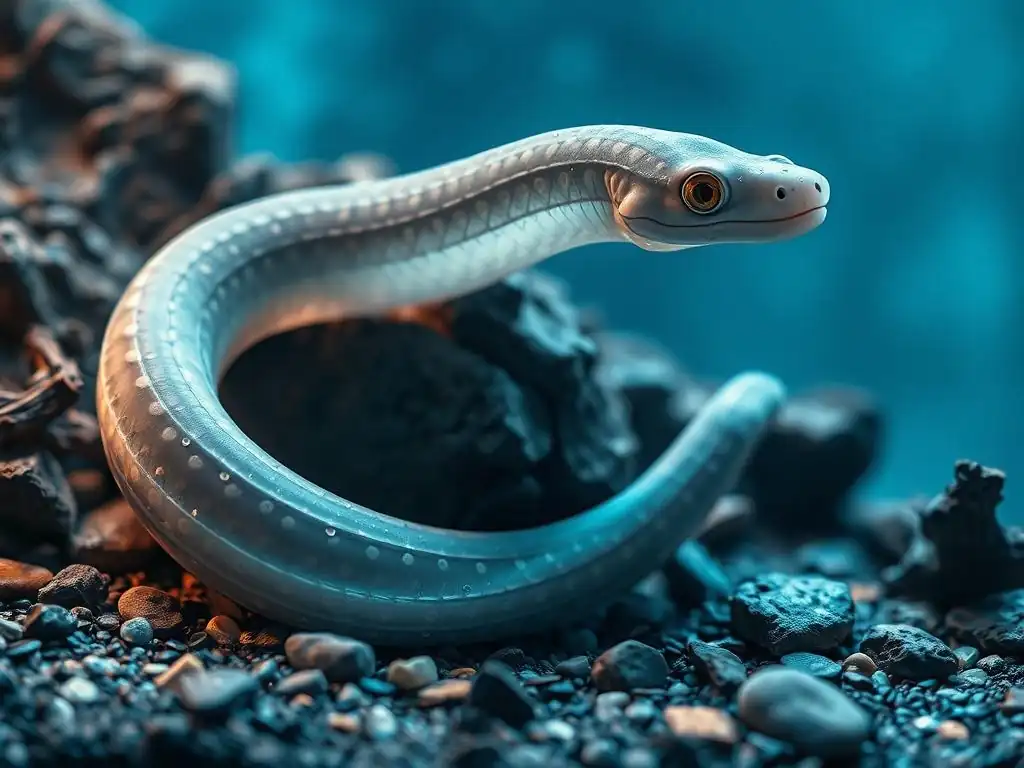
A fine sand or crushed coral substrate, at least 3-4 inches (7-10 cm) deep, is highly recommended to allow the eel to burrow if it chooses. However, the most crucial element of the aquascape is an abundance of stable live rock formations with numerous tight crevices, caves, and tunnels. These hiding places should be secure and well-stacked to prevent collapse, which could injure or trap the eel.
PVC pipes or ceramic tubes, strategically placed within the rockwork, can also serve as excellent artificial burrows, providing easily accessible and safe retreats. Providing multiple hiding spots ensures the eel feels secure and offers varied options for its daily resting and observation points, which is a key component of effective Ghost ribbon eel care.
Ghost Ribbon Eel Diet and Feeding: Ensuring Proper Nutrition
What Do Ghost Ribbon Eels Eat? A Specialized Diet Explained
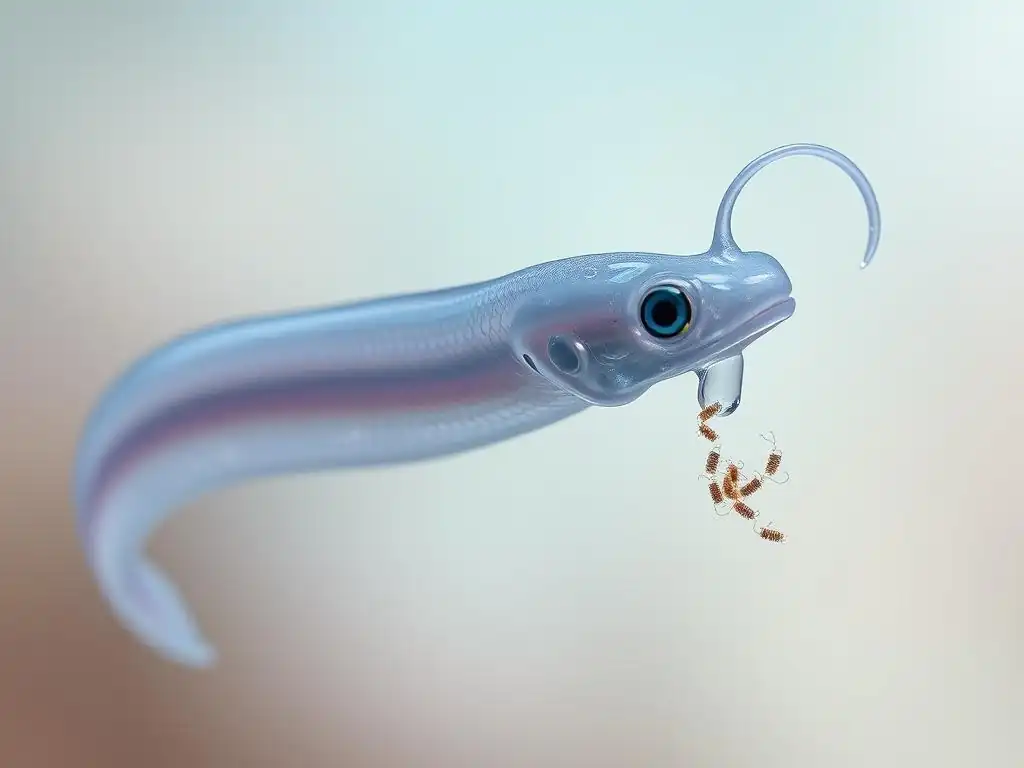
Ghost Ribbon Eels are obligate carnivores with a specialized diet, primarily consuming small fish and crustaceans in their natural habitat. In captivity, successful Ghost ribbon eel care hinges on offering a varied diet of meaty foods to ensure complete nutrition. Small, whole, frozen marine foods are ideal, such as silversides, krill, mysis shrimp, and finely chopped pieces of squid, clam, or shrimp. It is crucial to offer foods that are appropriately sized for their slender mouths and throats to prevent choking or injury.
Many aquarists find success by offering a variety of these items to prevent nutritional deficiencies and maintain the eel's interest in feeding. Due to their shy nature, some Ghost Ribbon Eels may initially be hesitant to feed, requiring patience and specific feeding techniques. Consistent offering of high-quality, thawed foods is essential for their long-term health and vitality.
Feeding Frequency and Techniques for Ribbon Eels
Ghost Ribbon Eels typically do not require daily feeding; two to three times per week is generally sufficient for adult specimens. Juveniles may benefit from more frequent, smaller meals. The key to successful Ghost ribbon eel care regarding feeding is target feeding. Eels are often slow and deliberate eaters, and competition from faster, more aggressive tank mates can prevent them from getting enough food. Using a long feeding stick or tongs to present the food directly to the eel's hiding spot is highly effective.
It's common for these eels to ambush their prey, so presenting the food in a way that mimics natural movement can entice them to strike. Turning off strong powerheads or circulation pumps during feeding can also help keep the food within reach and prevent it from being swept away. Patience is a virtue when feeding Ghost Ribbon Eels, as they may take some time to emerge and accept the offering.
Supplementing the Ghost Ribbon Eel's Diet: Vitamins and Minerals
While a varied diet of whole, meaty foods is fundamental to Ghost ribbon eel care, supplementing their diet with vitamins and minerals can further enhance their health and vibrancy. Many frozen foods lose some of their nutritional value during the freezing and thawing process. Soaking their food in a high-quality marine vitamin supplement, such as Selcon or other fish-specific vitamin solutions, once or twice a week can provide essential fatty acids and other micronutrients that might otherwise be lacking.
This supplementation can boost their immune system, improve their coloration, and contribute to overall vitality, helping to prevent common deficiencies that can arise in captive environments. Ensuring a robust nutritional intake is a critical component of preventative Ghost ribbon eel care, safeguarding against long-term health issues.
Ghost Ribbon Eel Tank Mates: Compatibility Considerations
Selecting Compatible Fish for a Ghost Ribbon Eel Aquarium
Choosing appropriate tank mates is a critical aspect of Ghost ribbon eel care, as their predatory nature and delicate disposition require careful consideration. Small fish, especially those that are slow-moving or elongated, will almost certainly be viewed as food.
Therefore, suitable tank mates must be too large to be consumed, yet peaceful enough not to harass or stress the eel. Good options include larger, robust, and non-aggressive fish such as certain species of tangs (e.g., Yellow Tang, Sailfin Tang), angelfish (e.g., Emperor Angelfish, Blueface Angelfish), or triggerfish (e.g., typically only species like the Niger Trigger that are less aggressive towards bottom dwellers).
It is crucial to avoid any fish that exhibit aggressive territorial behavior or fin-nipping tendencies, as these can easily stress or injure the reclusive Ghost Ribbon Eel. Also, very active swimmers might make the eel feel exposed or intimidated, even if they aren't directly aggressive. The goal is a peaceful cohabitation where the eel feels secure enough to emerge and feed.
Invertebrates and Ghost Ribbon Eels: A Risky Combination?
When considering invertebrates, the general rule of thumb for Ghost ribbon eel care is that if it fits in the eel's mouth, it's potential food. This includes most ornamental shrimp (e.g., cleaner shrimp, peppermint shrimp), crabs, and smaller snails. While some larger, robust snails might be tolerated, it's not a guarantee. Therefore, a Ghost Ribbon Eel aquarium is typically not suitable for a diverse clean-up crew of smaller invertebrates.
Larger, well-established corals are generally safe from the eel, as it is not a coral predator. However, the eel's movements through rockwork could potentially dislodge unsecured corals. Therefore, any corals should be firmly attached to the live rock to prevent accidental damage. The primary concern remains the safety of any mobile invertebrates, which are highly susceptible to predation by the eel.
Avoiding Aggressive Tank Mates That Can Stress Ribbon Eels
Aggression from tank mates is a significant stressor for Ghost Ribbon Eels, potentially leading to refusal to eat, hiding excessively, and increased susceptibility to disease. Fish that are known for high levels of aggression, such as many types of triggerfish (e.g., Clown Trigger, Undulated Trigger), large groupers, or certain predatory lionfish, are entirely unsuitable. Even seemingly benign fish can become problematic if they persistently bother the eel.
The Ghost Ribbon Eel thrives in a calm and stable environment. Overly boisterous or territorial fish can prevent the eel from feeling safe enough to explore or feed, leading to a decline in health. Therefore, meticulous selection of peaceful, appropriately sized tank mates is a non-negotiable part of responsible Ghost ribbon eel care.
Ghost Ribbon Eel Health and Disease: Prevention and Treatment
Common Diseases Affecting Ghost Ribbon Eels: Identification and Symptoms
Ghost Ribbon Eels, like all marine fish, are susceptible to various diseases, though proper Ghost ribbon eel care significantly reduces their risk. Common ailments include external parasites like marine ich (Cryptocaryon irritans) or velvet (Amyloodinium ocellatum), bacterial infections, and lateral line erosion (LLE). Symptoms of ich include visible white spots resembling salt grains on the body and fins, rapid breathing, and scratching against surfaces. Velvet manifests as a fine, dusty, yellowish coating, often accompanied by labored breathing.
Bacterial infections might present as cloudy eyes, fin rot, or lesions on the body. Lateral Line Erosion, while not always infectious, can be exacerbated by poor water quality or nutritional deficiencies, appearing as pitting or erosion along the lateral line. Early identification of these symptoms is crucial for successful intervention and treatment, emphasizing the importance of daily observation.
Quarantine Procedures for New Ghost Ribbon Eels: Minimizing Risks
Implementing a strict quarantine procedure for any new Ghost Ribbon Eel is perhaps the single most effective preventative measure in Ghost ribbon eel care. A separate, fully cycled quarantine tank (QT) of at least 20-30 gallons (75-113 liters) should be set up before the eel's arrival. This tank allows for observation, acclimation, and, if necessary, treatment of any diseases without exposing the main display tank's inhabitants to potential pathogens.
The eel should remain in the QT for a minimum of 4-6 weeks. During this period, monitor for signs of disease, ensure it is eating well, and gradually adjust to your water parameters. Prophylactic treatments for common parasites can also be administered in the QT, significantly reducing the risk of introducing diseases into your established system. This diligent approach is a hallmark of responsible Ghost ribbon eel care.
Maintaining Optimal Water Quality to Prevent Illness
The most fundamental aspect of preventing illness in Ghost Ribbon Eels is the consistent maintenance of pristine water quality. Poor water conditions are a primary stressor and a leading cause of disease in captive marine fish. Regular water changes (e.g., 10-20% bi-weekly or 5-10% weekly) are essential for diluting nitrates and replenishing essential trace elements.
Beyond water changes, robust filtration — including mechanical, biological, and chemical filtration (e.g., protein skimmer, activated carbon) — is vital. Stable temperature, pH, and salinity levels, as previously discussed, also contribute significantly to a strong immune system. A well-maintained environment reduces stress, allowing the eel's natural defenses to function optimally, thereby minimizing the need for medicinal interventions and ensuring long-term health in Ghost ribbon eel care.
Setting Up Your Ghost Ribbon Eel Aquarium: A Step-by-Step Guide
Choosing the Right Tank and Equipment for Ribbon Eels
The initial step in Ghost ribbon eel care involves selecting the appropriate hardware. Begin with a tank that meets the minimum size requirement of 100 gallons, prioritizing a longer footprint over height. For filtration, a robust protein skimmer is essential for oxygenation and waste removal, supplemented by a high-quality canister filter or sump system with mechanical and biological media. Ensure a reliable heater (or two smaller ones for redundancy) to maintain stable temperatures, and an accurate thermometer.
Flow pumps or powerheads are necessary for water circulation, but ensure they are not excessively strong in areas where the eel will reside, as too much direct flow can be stressful. Lighting can be moderate, as these eels are crepuscular. Finally, invest in stable live rock for aquascaping and a fine sand substrate to facilitate natural behaviors.
Cycling the Tank Before Introducing Your Ghost Ribbon Eel
Before any living creature is introduced, the aquarium must undergo a complete nitrogen cycle. This process establishes beneficial bacteria colonies that convert toxic ammonia and nitrite into less harmful nitrate. The cycle typically takes 4-8 weeks and can be initiated by adding a small amount of ammonia source (e.g., fish food, pure ammonia solution) or using live rock and established substrate from another tank.
During the cycling process, regularly test ammonia, nitrite, and nitrate levels. The tank is fully cycled only when ammonia and nitrite levels consistently read zero for several consecutive days, and nitrate levels begin to rise. Patience during this stage is crucial for successful Ghost ribbon eel care, as introducing an eel to an uncycled tank will almost certainly lead to severe health issues or death due to ammonia and nitrite poisoning.
Introducing the Ghost Ribbon Eel to Its New Home: Acclimation Process
Once the display tank (or quarantine tank) is fully cycled and parameters are stable, the Ghost Ribbon Eel can be introduced. Acclimation should be a slow and careful process to minimize stress from changes in water chemistry. The drip acclimation method is highly recommended for delicate species like eels. This involves slowly dripping water from the display tank into the bag or container holding the eel over a period of 1-2 hours, gradually equalizing temperature, pH, and salinity.
Once acclimated, carefully transfer the eel to the tank, avoiding direct handling if possible. Turn off the main lights for a few hours after introduction to allow the eel to explore its new surroundings and find hiding spots without feeling exposed. Monitor closely for signs of stress or difficulty adapting. This careful introduction sets the stage for successful long-term Ghost ribbon eel care.
Advanced Ghost Ribbon Eel Care: Breeding and Long-Term Maintenance
The Challenges of Breeding Ghost Ribbon Eels in Captivity
Breeding Ghost Ribbon Eels ( Pseudechidna brummeri) in captivity is exceedingly rare, if not entirely unrecorded, by hobbyists. Like many moray eels, their reproductive cycle is complex, likely involving specific environmental cues that are difficult to replicate in a home aquarium. Furthermore, distinguishing sexes is challenging, and successful pairing would require an exceptionally large and specialized system to accommodate multiple adult eels without territorial disputes.
The larval stage of moray eels, known as leptocephali, is also extremely delicate and requires specific planktonic food sources that are difficult to culture in sufficient quantities. Therefore, for the foreseeable future, Ghost Ribbon Eels available in the aquarium trade will continue to be wild-caught specimens. This underscores the importance of ethical sourcing and dedicated Ghost ribbon eel care to ensure the longevity of individuals brought into captivity.
Long-Term Care Strategies for a Thriving Ghost Ribbon Eel
Long-term Ghost ribbon eel care hinges on consistency and proactive management. Regular, small water changes (e.g., 10% weekly) are more beneficial than large, infrequent ones, as they help maintain stable parameters. Continuously monitor water quality parameters (ammonia, nitrite, nitrate, salinity, pH, temperature) and adjust as needed. Pay close attention to the eel's behavior, appetite, and physical appearance for any subtle signs of stress or illness.
Ensure a consistent feeding schedule with a varied diet, and always target feed to guarantee the eel receives adequate nutrition. Regularly inspect the aquascape to ensure all rockwork remains stable and secure, preventing potential collapses that could injure the eel. A proactive approach to maintenance and observation is key to ensuring a thriving Ghost Ribbon Eel for many years.
Monitoring and Adjusting Your Care Routine
Successful long-term Ghost ribbon eel care is an adaptive process. The needs of your eel may subtly change over time, or environmental factors within your home (e.g., seasonal temperature fluctuations) might necessitate adjustments to your routine. For example, if you notice the eel becoming more reclusive or less interested in food, it might indicate a slight shift in water parameters, a source of stress, or the onset of illness.
Regularly reviewing your filtration efficiency, feeding habits, and water change schedule, and comparing them against the eel's current health and behavior, allows for necessary tweaks. Keeping a log of water parameters, feeding amounts, and any observed behaviors can be invaluable for identifying trends and making informed decisions about your Ghost ribbon eel care regimen. This continuous monitoring and adjustment ensure the eel's well-being throughout its lifespan.
Troubleshooting Common Ghost Ribbon Eel Care Issues
Refusal to Eat: Identifying the Cause and Solutions
One of the most common and concerning issues in Ghost ribbon eel care is a refusal to eat. This can stem from several factors. Stress is a primary culprit, often caused by poor water quality (e.g., elevated nitrates, ammonia spikes), aggressive tank mates, or insufficient hiding places. Illness, such as internal parasites or bacterial infections, can also suppress appetite. Newly introduced eels may also take several days or even weeks to feel secure enough to feed.
To troubleshoot, first check all water parameters immediately and perform a small water change if anything is off. Ensure the eel has adequate, secure hiding spots. Try offering different types of food (e.g., silversides, squid, shrimp) and attempt target feeding after lights out when the eel might feel more secure. If the issue persists and other symptoms are present, consider consulting a marine fish veterinarian or experienced aquarist for advice on potential treatments for underlying health issues. Patience and consistent offering of food are vital.
Sudden Illness or Death: Investigating Potential Problems
Sudden illness or death in a Ghost Ribbon Eel, while distressing, often points to a significant underlying problem in Ghost ribbon eel care. The immediate steps involve thoroughly testing all water parameters (ammonia, nitrite, nitrate, pH, salinity, temperature) to rule out acute poisoning or extreme parameter shifts. High levels of ammonia or nitrite, or a sudden drop in salinity or pH, can be fatal very quickly.
Other potential causes include severe stress from a new or overly aggressive tank mate, a major filtration failure, or the rapid progression of a highly virulent disease. If possible, examine the deceased eel for any external signs of disease (spots, lesions, fin rot). Review your recent maintenance history, including any new additions to the tank, changes in feeding, or equipment malfunctions. Identifying the cause is crucial to prevent similar issues from affecting other tank inhabitants or future eels.
Maintaining Ideal Water Parameters for a Healthy Eel
Consistent maintenance of ideal water parameters is the bedrock of preventing most Ghost ribbon eel care issues. Fluctuations, even minor ones, can induce stress and compromise the eel's immune system, making it susceptible to opportunistic pathogens. Regularly scheduled water changes are non-negotiable; aim for 10-20% bi-weekly, or 5-10% weekly, depending on your tank's bioload and nitrate levels.
Always use a high-quality salt mix and ensure the new water matches the tank's salinity and temperature precisely before adding it. Invest in reliable test kits and use them frequently, perhaps 2-3 times per week initially and then weekly once the tank is stable. Proactive rather than reactive water quality management is the most effective strategy to ensure your Ghost Ribbon Eel remains healthy and vibrant, drastically reducing the likelihood of sudden illness or feeding strikes.
Where to Find Ghost Ribbon Eels: Ethical Sourcing and Acquisition
Selecting a Reputable Supplier for Your Ribbon Eel
When considering adding a Ghost Ribbon Eel to your aquarium, selecting a reputable supplier is a crucial aspect of ethical Ghost ribbon eel care. Due to their specialized needs and delicate nature, these eels are not commonly found at local fish stores. You will likely need to source them from specialized online retailers or high-end marine fish importers. A reputable supplier will have a strong track record of healthy, well-acclimated fish, excellent customer reviews, and transparent information about their sourcing practices.
They should be able to provide details on when the eel was received, how long it has been in their care, and what it has been eating. Avoid suppliers that offer unusually low prices, as this can often indicate poor health or unethical collection practices. Choosing a supplier committed to sustainable and responsible sourcing helps ensure the well-being of the individual eel and contributes to the health of wild populations.
Ensuring the Eel is Healthy Before Purchasing
Before committing to a purchase, whether online or in person, take steps to ascertain the eel's health, a fundamental part of responsible Ghost ribbon eel care. If possible, observe the eel for several minutes. Look for clear eyes, an unblemished body free of white spots, lesions, or frayed fins. The eel should appear active and alert, perhaps peeking out of its hiding spot or showing interest in its surroundings. Avoid any eel that appears lethargic, has cloudy eyes, or exhibits abnormal swimming patterns.
Inquire about its feeding habits; a healthy eel should be readily accepting food. A reputable dealer will usually quarantine their fish, and you should ask about their quarantine protocols. While not all signs of illness are immediately visible, a thorough visual inspection and questioning the supplier can significantly reduce the risk of acquiring an unhealthy specimen.
The Importance of Responsible Fishkeeping
The acquisition of a Ghost Ribbon Eel comes with a significant responsibility, extending beyond just the initial purchase. Responsible fishkeeping, especially for a specialized species like this, means understanding and committing to its long-term needs before bringing it home. This includes having a fully cycled, appropriately sized tank with all necessary equipment, a thorough understanding of its diet and water parameters, and a commitment to ongoing maintenance.
Given that these eels are wild-caught, ensuring their well-being in captivity is paramount. This includes providing a stress-free environment, a nutritious diet, and prompt attention to any health concerns. By practicing responsible Ghost ribbon eel care, aquarists contribute to the ethical treatment of marine life and help to educate others about the demands of keeping such unique and beautiful creatures.
Conclusion: Mastering Ghost Ribbon Eel Care for a Rewarding Aquarium Experience
Frequently Asked Questions
What are the primary challenges in Ghost Ribbon Eel care?
The biggest challenges involve providing the specialized diet they require, maintaining pristine water quality, and replicating their natural, rocky habitat.
What kind of tank setup is ideal for a Ghost Ribbon Eel?
A mature, established tank with plenty of live rock for hiding and hunting is crucial. A sandbed is also important for them to burrow.
What do Ghost Ribbon Eels eat, and how often should they be fed?
Ghost Ribbon Eels primarily consume live, small crustaceans and fish. They should be offered food several times a week, ensuring they are actively hunting.
What are the key water parameters to maintain for Ghost Ribbon Eels?
Maintaining stable salinity, low nitrate levels, and a consistent temperature is vital. Regular water changes are essential for their health.
Are Ghost Ribbon Eels compatible with other fish in a community tank?
They are generally not recommended for community tanks due to their predatory nature. They are best kept in a species-specific tank or with very carefully selected, peaceful tank mates of similar size and temperament.
Final Reflection: Unveiling the Mysteries of Care
The journey into understanding the Ghost Ribbon Eel, as we've explored, is not just about mastering the technical aspects of aquarium maintenance; it's about appreciating the fragile beauty of a creature exquisitely adapted to a hidden world. The challenges of providing proper care highlight the responsibility we bear when bringing such a unique animal into our homes, demanding a commitment that extends beyond mere ownership.
This elusive species, with its ethereal form and enigmatic behavior, serves as a potent reminder of the delicate balance within our planet's ecosystems. My own fascination with these creatures stems from a deep respect for the intricate web of life they represent, a web that we, as aquarists and conservationists, have a duty to protect. In the end, we will conserve only what we love; we will love only what we understand; and we will understand only what we are taught.
- Baba Dioum. This quote encapsulates the essence of responsible aquarism and the importance of continued learning.
Now, armed with knowledge and a renewed sense of responsibility, I invite you to reflect on your own role in the preservation of these underwater wonders. Consider how you can contribute to sustainable practices, support ethical sourcing, and share your understanding with others. The future of the Ghost Ribbon Eel, and countless other species, rests on our collective commitment to informed and compassionate care. Let us strive to be not just keepers, but true guardians of their ethereal beauty.
Unveil the Secrets of Ghost Ribbon Eel Keeping!
Thank you for diving deep into the fascinating world of Ghost Ribbon Eels! We hope you've gained valuable insights into the care and unique needs of this elusive species. Now, let's put that knowledge into action!
Here are a few ways to continue your journey:
- Take the plunge and research reputable breeders or suppliers specializing in Ghost Ribbon Eels. Remember, ethical sourcing is key!
- Share this article with fellow aquarists who might be interested in the challenges and rewards of keeping this species. Let's build a community of informed caretakers!
- Consider supporting marine conservation efforts to help protect the natural habitats of these magnificent creatures.
Ready to embark on your Ghost Ribbon Eel adventure, or are you planning to admire them from afar for now?