
The Ultimate Guide to Volitans Lionfish (Pterois volitans) Care & Tank Setup

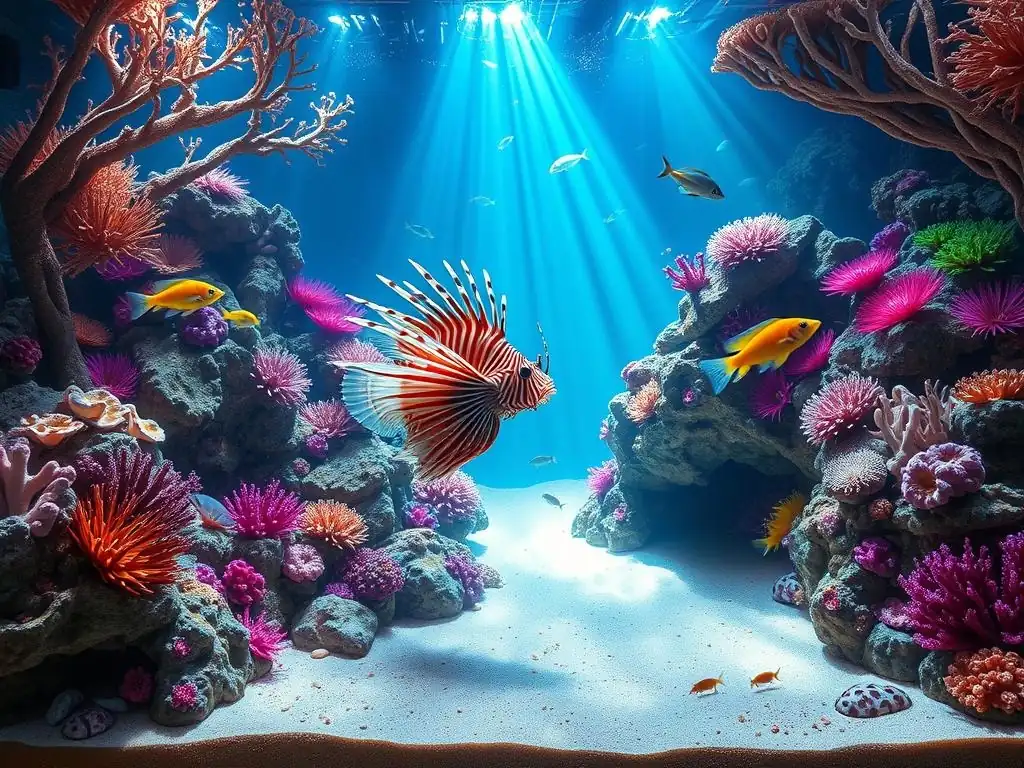
Welcome to Aquarium Mastery, your definitive resource for all things aquatic!
Ever been captivated by the majestic beauty of the Volitans Lionfish? We understand the allure! But these stunning creatures require specialized care. Dive into our Ultimate Guide to Volitans Lionfish (Pterois volitans) Care & Tank Setup below and discover everything you need to know to provide a thriving and healthy environment for these captivating predators. Uncover the secrets to their unique dietary needs, perfect tank mates, and essential water parameters. Ready to unlock the secrets to lionfish keeping success?
- Introduction to Volitans Lionfish: A Majestic Predator for the Saltwater Aquarium
- Volitans Lionfish Care: Essential Guidelines for a Healthy Life
- Setting Up the Perfect Tank for Your Volitans Lionfish
- Volitans Lionfish Tank Mates: Choosing Compatible Species
- Breeding Volitans Lionfish: Challenges and Possibilities
- Troubleshooting Common Volitans Lionfish Problems
- The Future of Volitans Lionfish Keeping: Conservation and Responsible Ownership
- Conclusion: Mastering Volitans Lionfish Care for a Thriving Aquarium
- Frequently Asked Questions
- Final Reflection: Embracing the Majesty and Responsibility of Lionfish Keeping
- Unleash Your Inner Reef Guardian!
Introduction to Volitans Lionfish: A Majestic Predator for the Saltwater Aquarium
Understanding the Appeal of the Volitans Lionfish
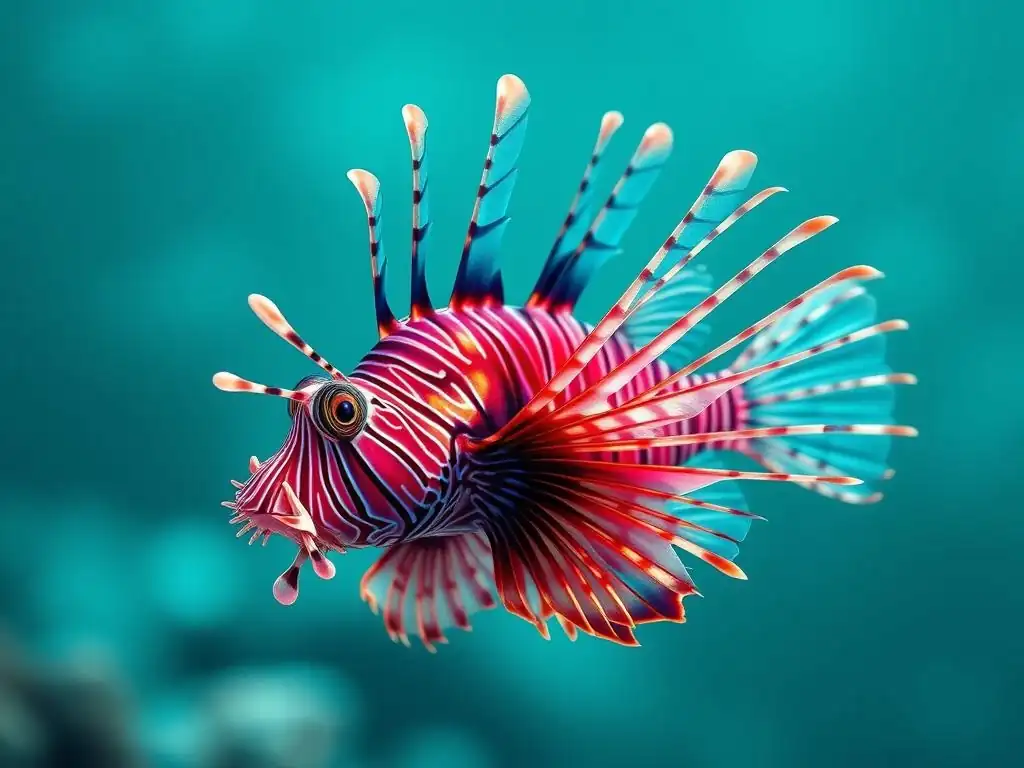
The Volitans Lionfish (Pterois volitans) stands out as one of the most visually striking and captivating inhabitants for a large saltwater aquarium. Renowned for its dramatic, fan-like pectoral fins, intricate banding patterns of red, maroon, and white, and an aura of serene majesty, this species commands attention. Its slow, deliberate movements and impressive size, often reaching 15 to 18 inches (38 to 45 cm) in captivity, make it a true centerpiece in any well-designed predatory tank, offering aquarists a unique glimpse into the life of a formidable marine hunter.
Beyond their stunning aesthetics, Volitans Lionfish exhibit surprisingly intelligent behaviors, often learning to recognize their keepers and even displaying a degree of curiosity. Their predatory instincts, while requiring careful tank mate selection, are fascinating to observe as they stalk and consume prey with a sudden, precise strike. This combination of exotic beauty, engaging behavior, and the challenge of providing specialized Volitans lionfish tank care makes them a highly sought-after, albeit demanding, species for experienced marine aquarists.
Is a Volitans Lionfish Right for Your Aquarium? Considerations Before Getting One
Before committing to a Volitans Lionfish, prospective aquarists must seriously consider the significant long-term commitment involved. These fish are not only large and predatory but also possess venomous spines, requiring careful handling and an understanding of first aid for stings. They have a considerable lifespan, often living for 10 to 15 years in a well-maintained captive environment, meaning they are a multi-decade commitment that demands consistent attention to water quality, diet, and overall Volitans lionfish tank care.
Furthermore, their predatory nature dictates specific tank mate choices; any fish small enough to fit into their surprisingly large mouth will eventually become a meal. This often means dedicating a significant portion of a large aquarium to the lionfish itself or housing it with only very large, robust, and fast-moving tank mates. The financial investment in a tank of appropriate size (minimum 75-125 gallons or 280-470 liters for an adult) and the robust filtration required for a species with a high bioload are also crucial factors that must be weighed carefully.
Volitans Lionfish Care: Essential Guidelines for a Healthy Life
Providing Optimal Water Parameters for Your Lionfish
Maintaining precise and stable water parameters is paramount for the health and longevity of Volitans Lionfish. The ideal temperature range for these tropical predators is typically between 72-78°F (22-26°C), with minimal fluctuations. Salinity should be kept stable at a specific gravity of 1.020-1.025, which corresponds to a salinity of approximately 30-34 ppt. The pH level should consistently remain in the alkaline range, between 8.1 and 8.4, to support their physiological needs and prevent stress.
Beyond these primary parameters, it is essential to monitor alkalinity, which should be maintained between 8-12 dKH (degrees of carbonate hardness), and nitrates, which should ideally be kept below 20 ppm, and closer to 0 ppm for optimal health. Regular testing with reliable aquarium test kits – at least weekly for temperature, salinity, pH, and nitrates – is crucial. Consistent monitoring and immediate adjustments, if necessary, are key components of proper Volitans lionfish tank care, preventing stress and making the fish less susceptible to common marine diseases.
Volitans Lionfish Diet: What to Feed Your Predatory Fish
Volitans Lionfish are obligate carnivores, and in their natural habitat, they primarily consume small fish and crustaceans. In captivity, providing a varied and nutritious diet is critical to prevent nutritional deficiencies and ensure their long-term health. While they may initially only accept live foods, the goal should always be to transition them to a diet of high-quality frozen, meaty foods. Common suitable food items include silversides, krill, mysis shrimp, chopped squid, scallops, and various marine-based frozen preparations.
Target feeding is often the most effective method to ensure your lionfish receives adequate nutrition and to prevent other tank inhabitants from consuming its food. Using a feeding stick or tongs allows for precise placement of food directly in front of the lionfish, which will then typically engulf it in a swift movement. Feeding should occur two to three times per week for adult lionfish, adjusting the quantity based on their size and activity level. Overfeeding should be avoided to maintain water quality and prevent obesity.
Live Food vs. Frozen Food for Lionfish: A Nutritional Comparison
While live food, such as ghost shrimp or feeder fish (e.g., guppies, mollies), can be highly effective for enticing a new or finicky Volitans lionfish to eat, it comes with significant drawbacks. Live feeder fish often carry parasites and diseases that can be transmitted to your lionfish, and they are typically nutritionally deficient unless extensively gut-loaded with high-quality foods for several days prior to feeding. Relying solely on live feeders can lead to long-term health issues and a lack of essential vitamins and minerals for the lionfish.
Frozen foods, conversely, are the preferred long-term dietary staple for Volitans lionfish. They are generally free of parasites, more convenient to store, and can be easily supplemented with vitamins. A diverse range of frozen marine-based foods ensures a broad spectrum of nutrients. Always thaw frozen foods thoroughly before feeding and avoid feeding whole, large chunks that could cause digestive issues. This shift to a frozen diet is a hallmark of responsible Volitans lionfish tank care.
Supplementing Your Lionfish's Diet for Enhanced Health
Even with a varied diet of frozen foods, supplementing your Volitans lionfish's meals can significantly enhance their health, coloration, and immune system. Products rich in essential fatty acids, such as Selcon, or liquid vitamin supplements specifically formulated for marine fish, can be soaked into frozen foods prior to feeding. These supplements provide crucial nutrients like Omega-3 fatty acids and various vitamins (A, D, E, and B complex) that might be diminished during the freezing process or simply lacking in a captive diet.
Vitamin C, in particular, is vital for fish health and can help prevent conditions like lateral line erosion. While some commercial foods are fortified, an additional supplement can be beneficial. Always follow the manufacturer's instructions for dosage, as over-supplementation can also be detrimental. A well-rounded diet, enhanced with appropriate supplements, is a cornerstone of comprehensive Volitans lionfish tank care, contributing to a vibrant and robust specimen.
Maintaining a Clean and Healthy Lionfish Tank: Water Changes and Filtration
Given their large size and predatory feeding habits, Volitans Lionfish produce a significant bioload, making robust filtration and regular water changes absolutely critical for maintaining pristine water quality. Performing weekly or bi-weekly water changes of 10-25% of the total tank volume helps remove accumulated nitrates, phosphates, and other dissolved organic compounds that filtration alone cannot eliminate. It also replenishes essential trace elements consumed by the tank's inhabitants.
Beyond water changes, a high-quality filtration system is indispensable. This typically includes a large sump with multiple stages: mechanical filtration (filter socks or sponges to remove particulate matter), biological filtration (live rock, bio-balls, or ceramic media to convert ammonia and nitrite), and chemical filtration (activated carbon to remove odors and discoloration, and GFO for phosphate control). A powerful protein skimmer, ideally rated for 2-3 times the tank's actual volume, is paramount for efficient removal of organic waste before it breaks down, significantly contributing to the overall Volitans lionfish tank care regimen.
Recognizing and Treating Common Volitans Lionfish Diseases
Volitans Lionfish, like all marine fish, can be susceptible to common saltwater diseases, especially if water quality is poor or they are stressed. Ich (Cryptocaryon irritans) and Marine Velvet (Amyloodinium ocellatum) are two of the most prevalent parasitic infections, presenting as white spots (Ich) or a dusty film (Velvet) on the fish's body and fins, accompanied by rapid breathing, lethargy, or flashing. Early detection and isolation in a hospital tank are crucial for effective treatment, often involving copper-based medications or the tank transfer method.
Bacterial infections, such as fin rot or cloudy eyes, can also occur, often stemming from poor water conditions or physical injury. Symptoms include frayed fins, white or opaque eyes, and general malaise. These typically respond well to broad-spectrum antibiotics administered in a quarantine tank. Nutritional deficiencies, while not a disease in themselves, can weaken the fish's immune system, making it more vulnerable to infections. A comprehensive Volitans lionfish tank care guide emphasizes proactive measures like pristine water, proper nutrition, and immediate action upon noticing any signs of illness.
Setting Up the Perfect Tank for Your Volitans Lionfish
Choosing the Right Tank Size for a Volitans Lionfish
The size of the aquarium is arguably the most critical factor in successful Volitans lionfish tank care. These fish grow large, with adults commonly reaching lengths of 15 to 18 inches (38 to 45 cm), and sometimes even larger. Housing them in an undersized tank will lead to stunted growth, increased stress, aggression, and a compromised immune system, significantly shortening their lifespan and overall well-being. A spacious environment is not just a luxury; it's a necessity for these majestic predators.
For a single juvenile Volitans Lionfish, a minimum tank size of 75 gallons (approximately 280 liters) might suffice for a short period, but a 125-gallon (approximately 470 liters) aquarium should be considered the absolute minimum for an adult. Larger tanks, such as 180 gallons (approximately 680 liters) or more, are highly recommended to provide ample swimming space, allow for more stable water parameters due to increased water volume, and accommodate potential compatible tank mates. The tank's footprint (length and width) is often more important than its height, as lionfish require horizontal swimming space.
Recommended Tank Dimensions for Single and Multiple Lionfish
For a single adult Volitans Lionfish, a tank with dimensions around 72 inches long, 18 inches wide, and 24 inches high (a standard 125-gallon or 180-gallon tank) provides a good balance of length and depth. The generous length allows for natural swimming patterns and ample territory, while the width provides sufficient aquascaping opportunities for hiding spots and open areas. This size also offers a substantial water volume, which helps to dilute waste products and maintain water stability, crucial for effective Volitans lionfish tank care.
If the intention is to house multiple Volitans lionfish, or a lionfish alongside other large, compatible predatory species, the tank size must increase significantly. A 200-gallon (approximately 750 liters) or larger aquarium, perhaps with dimensions like 72 inches long, 24 inches wide, and 28 inches high, would be a more appropriate starting point. Adequate space helps to minimize territorial disputes and stress, ensuring that each fish has sufficient room to establish its own domain without feeling crowded.
Essential Equipment for a Volitans Lionfish Tank
Setting up a Volitans lionfish tank requires a suite of robust and reliable equipment to maintain the high water quality these fish demand. Beyond the tank itself, essential components include a sturdy stand capable of supporting the immense weight of the filled aquarium, a comprehensive lighting system, and precise heating elements. However, the cornerstone of successful Volitans lionfish tank care lies in its filtration system, which must be powerful enough to handle the bioload of a large, messy-eating predator.
Beyond these core elements, other vital equipment includes circulation pumps or powerheads to ensure adequate water movement and oxygenation, high-quality test kits for regular water parameter monitoring, a refractometer for accurate salinity measurement, and appropriate tools for maintenance like gravel vacuums, nets, and buckets. Investing in durable and efficient equipment from the outset will prevent many common issues and contribute significantly to the long-term health and stability of your lionfish habitat.
Filtration Systems: Keeping the Water Pristine
Given the substantial bioload of Volitans Lionfish, a highly efficient and multi-stage filtration system is non-negotiable. A sump-based filtration system is highly recommended, as it allows for greater water volume, provides space for various filter media, and houses equipment like protein skimmers and heaters out of sight. Mechanical filtration, typically achieved with filter socks or sponges, should be the first stage, effectively removing large particulate matter and uneaten food before it decomposes. These media require frequent cleaning or replacement, often every few days.
Biological filtration is paramount for converting toxic ammonia and nitrite into less harmful nitrate. This is best achieved with ample live rock (at least 1 to 1.5 pounds per gallon or 0.45-0.68 kg per 3.78 liters), bio-balls, or other high-surface-area media within the sump.
Chemical filtration, such as activated carbon, should be used periodically to remove dissolved organic compounds, odors, and discoloration. Most critically, a high-quality protein skimmer, oversized for the tank volume (e.g., rated for 2-3 times the actual tank volume), is indispensable for removing dissolved organic waste before it can contribute to nitrate buildup, making it a cornerstone of Volitans lionfish tank care.
Lighting Considerations for a Lionfish Aquarium
Volitans Lionfish do not have specific or stringent lighting requirements themselves. They are generally adaptable to a range of light intensities, from dim to moderate. In their natural habitat, they often prefer shaded areas among reefs during the day, emerging more actively at dusk and dawn. Therefore, overly bright or intense lighting is not necessary for their well-being and might even cause them stress if there aren't sufficient shaded areas within the aquascape.
If the aquarium is primarily dedicated to the lionfish and non-photosynthetic invertebrates, basic LED or fluorescent lighting that allows for good viewing and simulates a natural day/night cycle will suffice. However, if the tank is also intended to house photosynthetic corals or plants, the lighting system must be chosen based on the needs of those specific organisms (e.g., higher intensity LEDs or T5HO fixtures with appropriate spectrums). Even in such setups, ensure that the aquascape provides ample caves and overhangs where the lionfish can retreat from direct, intense light.
Heaters and Temperature Control for Optimal Lionfish Health
Maintaining a stable and appropriate water temperature is crucial for the metabolic functions and overall health of Volitans Lionfish. The ideal temperature range is between 72-78°F (22-26°C). To achieve this, high-quality submersible heaters are essential. For larger tanks, it is often recommended to use two smaller heaters rather than one large one. This provides a safety net: if one heater fails, the other can help prevent a rapid temperature drop, and if one sticks on, the other might not overheat the tank as severely.
Heaters should be accurately sized for the tank volume, typically providing 3-5 watts per gallon (0.8-1.3 watts per liter) of water. A reliable thermometer (digital or glass) should be used to monitor the temperature daily, ideally placed away from the heater to get an accurate reading of the entire tank. Some advanced setups may also employ a temperature controller, which provides an additional layer of precision and safety by automatically turning heaters on and off to maintain a set temperature, greatly enhancing the reliability of Volitans lionfish tank care.
Creating a Suitable Habitat: Decor and Substrate
Creating an appropriate habitat for your Volitans Lionfish involves more than just filling the tank with water; it requires thoughtful consideration of decor and substrate to provide comfort, security, and visual appeal. Live rock is the preferred choice for aquascaping a lionfish tank. It not only contributes significantly to biological filtration but also provides the necessary structure for hiding places, caves, and perching spots that lionfish instinctively seek out.
When arranging rockwork, ensure that structures are stable and secure, preventing any risk of collapse, especially with a large fish navigating through them. Avoid sharp edges that could potentially damage the lionfish's delicate fins or body. The goal is to create a balance between open swimming areas and intricate formations that offer retreat and security, mirroring their natural reef environment. This careful aquascaping is a vital part of effective Volitans lionfish tank care.
Rockwork and Hiding Places for Lionfish Security
Volitans Lionfish are ambush predators by nature and, despite their confident appearance, they appreciate having secure hiding places to retreat to, especially when they are new to the tank or feeling stressed. Intricate rockwork with numerous caves, overhangs, and crevices provides these essential retreats. These spots allow the lionfish to feel safe and secure, reducing stress and encouraging natural behaviors. They will often be found perched motionless within these structures, waiting for unsuspecting prey or simply resting.
When designing the aquascape, ensure that there are multiple entry and exit points to these hiding spots, preventing the lionfish from getting trapped. Also, consider the size of the adult lionfish and build structures that are large enough for it to comfortably enter and turn around within. While they are not highly active swimmers, providing varied topography with both open areas and protected zones will contribute significantly to their well-being and overall success in a Volitans lionfish tank care setup.
Substrate Options: Bare Bottom vs. Sand
When it comes to substrate for a Volitans Lionfish tank, aquarists often consider two primary options: a bare bottom or a sand bed. A bare bottom tank, meaning no substrate at all, offers significant advantages in terms of maintenance and water quality. With a messy eater like a lionfish, uneaten food and waste can easily accumulate in substrate. A bare bottom allows for effortless siphoning and removal of detritus, preventing the buildup of nitrates and phosphates, which in turn simplifies water quality management.
If a sand bed is desired for aesthetic reasons or to accommodate certain tank mates, it should be kept shallow, ideally no more than 1-2 inches (2.5-5 cm) deep. A fine to medium grain size is generally preferred. Regular and thorough vacuuming of the sand surface is essential to prevent the accumulation of organic matter and the development of anaerobic (oxygen-depleted) zones, which can produce harmful gases. While a bare bottom is often recommended for ease of Volitans lionfish tank care, a well-maintained shallow sand bed can also work effectively.
Volitans Lionfish Tank Mates: Choosing Compatible Species
Understanding Lionfish Temperament and Compatibility
The temperament of the Volitans Lionfish is generally peaceful towards fish too large to be considered prey, but they are highly predatory towards anything that can fit into their mouth. They are slow-moving and deliberate, relying on camouflage and a swift strike rather than speed to catch their food. Their venomous dorsal, anal, and pelvic spines are primarily a defensive mechanism; they will not actively "attack" with them, but a sting can occur if they feel threatened or are accidentally brushed against during tank maintenance.
Compatibility with other species is almost exclusively determined by size. Any fish, shrimp, or crab that is smaller than approximately two-thirds of the lionfish's body length is at risk of becoming a meal. This often includes popular community fish like clownfish, damsels, gobies, and many types of shrimp. Therefore, careful consideration of tank mates is a crucial aspect of Volitans lionfish tank care, requiring the aquarist to prioritize the safety of all inhabitants.
Suitable Tank Mates for Volitans Lionfish
Choosing appropriate tank mates for a Volitans Lionfish involves selecting species that are too large to be eaten, robust, and generally peaceful. Excellent choices often include larger tangs (such as Yellow Tangs, Sailfin Tangs, or Blue Tangs), large angelfish (like Emperor Angelfish, French Angelfish, or Queen Angelfish), and certain groupers or puffers that grow to a substantial size. Large wrasses, such as the Harlequin Tuskfish, can also be compatible.
Other suitable options might include large triggerfish (if their aggression towards the lionfish is monitored), and certain durable invertebrates like large hermit crabs (e.g., Halloween Hermit Crabs), although smaller inverts may still be viewed as food. It is always wise to introduce new tank mates that are already close to their adult size to minimize the risk of them being consumed. This careful selection ensures a harmonious environment and is a key part of responsible Volitans lionfish tank care.
Fish to Avoid Housing with Volitans Lionfish
The list of fish to avoid housing with Volitans Lionfish is extensive and generally includes any species that are small enough to be eaten. This encompasses almost all small reef fish, such as most species of damsels, cardinalfish, gobies, blennies, chromis, and juvenile versions of larger fish. Even if a fish seems too big initially, consider the lionfish's capacity to swallow surprisingly large prey. For example, a lionfish can easily swallow a 3-4 inch clownfish.
Furthermore, avoid very delicate or slow-moving fish that might be stressed by the presence of a predator, even if they are too large to be eaten. While lionfish are not typically aggressive, their sheer size and predatory nature can intimidate more timid species. Housing multiple lionfish in anything less than a very large aquarium (200+ gallons) is also generally not recommended due to potential territorial disputes and aggression between conspecifics, underscoring the importance of proper Volitans lionfish tank care.
Breeding Volitans Lionfish: Challenges and Possibilities
Understanding Volitans Lionfish Reproduction
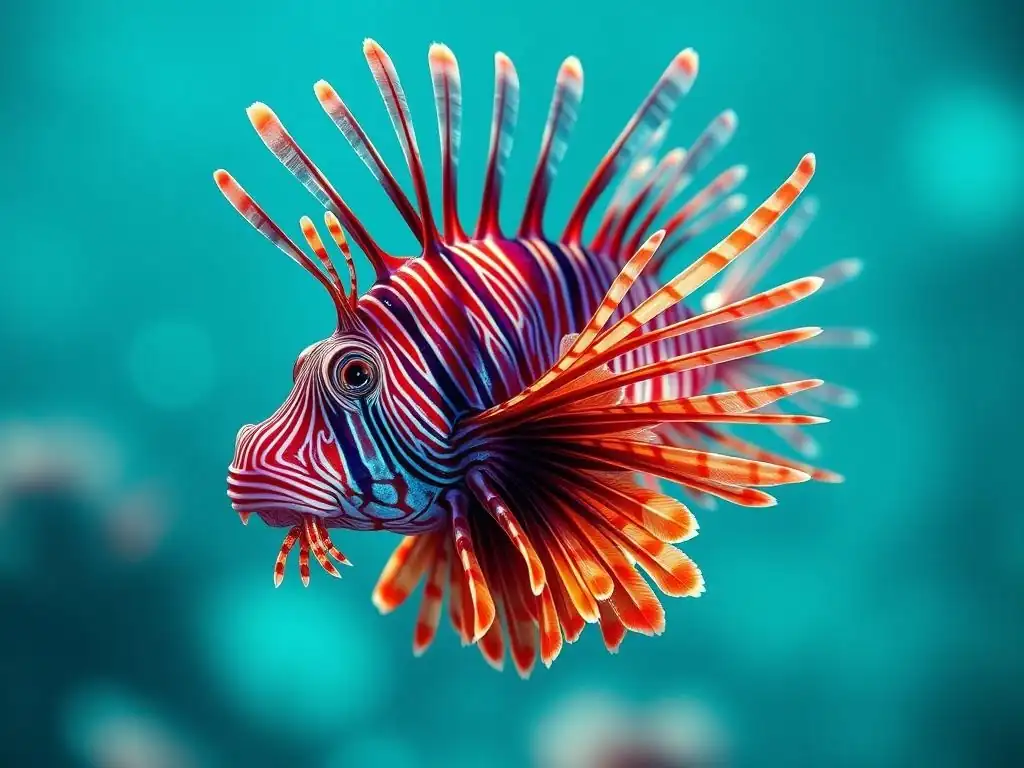
Volitans Lionfish are pelagic spawners, meaning they release their eggs and sperm into the open water column, where fertilization occurs. Spawning typically takes place at dusk, with the female releasing a buoyant, gelatinous egg mass that contains thousands of tiny eggs, while the male simultaneously releases milt to fertilize them. Distinguishing between male and female Volitans lionfish outside of spawning behavior is exceptionally challenging, as there are no obvious external sexual dimorphisms.
In their natural Indo-Pacific habitats, spawning events are relatively common, but successful reproduction in a home aquarium setting is exceedingly rare. The specific triggers for spawning in captivity are not fully understood, though factors such as very large tank volumes, pristine water quality, a highly nutritious diet, and potentially specific environmental cues like lunar cycles or slight temperature fluctuations are believed to play a role. The complexity of their reproductive cycle contributes to the challenge of successful Volitans lionfish tank care for breeding purposes.
Creating Breeding Conditions for Lionfish
Inducing Volitans Lionfish to spawn in a home aquarium requires a significant commitment and highly specialized conditions, making it an advanced endeavor. The primary requirement is an exceptionally large aquarium, typically 300 gallons (approximately 1135 liters) or more, to provide ample space for a breeding pair and to maintain the stable, pristine water quality necessary for reproductive success. The diet of the potential breeding pair must be exceptionally rich and varied, including a mix of high-quality frozen foods and possibly live foods to condition them for spawning.
Maintaining perfect water parameters—stable temperature (around 76-78°F or 24-26°C), ideal salinity (1.023-1.025), and undetectable nitrates and phosphates—is critical. Some breeders have experimented with simulating natural environmental cues, such as subtle changes in lighting intensity or duration to mimic lunar cycles, or slight temperature variations. While successes are few, dedication to these precise conditions is the foundation for any attempt at Volitans lionfish tank care aimed at breeding.
Raising Lionfish Fry: A Difficult but Rewarding Endeavor
Even if Volitans Lionfish successfully spawn in captivity, raising the fry is an incredibly difficult and often unsuccessful endeavor for the average aquarist. The eggs are tiny, buoyant, and hatch into microscopic, planktonic larvae within 24-36 hours. These larvae are extremely delicate and have very specific, demanding feeding requirements. Their mouths are minuscule, necessitating live food sources that are equally tiny, such as rotifers (Brachionus plicatilis) for the first few days, followed by progressively larger phytoplankton and zooplankton.
The high mortality rate of lionfish fry in captivity is due to these precise feeding requirements, their susceptibility to even the slightest fluctuations in water quality, and their delicate nature. Maintaining the necessary dense cultures of live food, along with pristine water in a dedicated larval rearing tank, presents significant logistical challenges. While extremely rewarding for the few who succeed, the complexities of raising lionfish fry mean that virtually all Volitans lionfish in the aquarium trade are wild-caught specimens.
Troubleshooting Common Volitans Lionfish Problems
Lionfish Not Eating: Diagnosing and Resolving Feeding Issues
A Volitans Lionfish refusing to eat is a common concern for aquarists and often signals an underlying issue. The most frequent causes include stress from a new environment, poor water quality (e.g., high ammonia, nitrite, or nitrate levels), unsuitable tank mates, or simply being offered an unfamiliar type of food. A lionfish that is new to the tank may take several days to acclimate and begin feeding.
To resolve feeding issues, first, rigorously test all water parameters and correct any imbalances immediately. Ensure the tank environment provides ample hiding spots and that tank mates are not bullying or stressing the lionfish. If the lionfish is accustomed to live food, try enticing it with live ghost shrimp or small feeder fish (used sparingly and as a temporary measure) to stimulate its appetite, then gradually transition to frozen foods. Persistent refusal, especially when accompanied by other symptoms like lethargy or discoloration, warrants a closer inspection for signs of disease, making proactive Volitans lionfish tank care essential.
Lionfish Fin Rot: Causes, Symptoms, and Treatment
Fin rot in Volitans Lionfish is typically a bacterial infection that manifests as frayed, ragged, or disintegrating fins, sometimes with white or red edges. It is often a secondary infection, meaning it occurs when the fish's immune system is compromised, usually due to prolonged stress, poor water quality, physical injury, or nutritional deficiencies. High nitrate levels and inconsistent water parameters are common culprits that can trigger this condition.
Treatment for fin rot involves immediate and significant improvement of water quality through a large water change (e.g., 30-50%) and ensuring robust filtration. If possible, move the affected lionfish to a separate hospital tank with pristine water. Administer broad-spectrum antibiotic medications specifically formulated for marine fish, such as those containing Furan-2 or Maracyn, following the manufacturer's instructions carefully. Addressing the root cause of the stress or poor water quality is critical for preventing recurrence and is a vital part of effective Volitans lionfish tank care.
Lionfish Aggression: Managing Territorial Disputes
While Volitans Lionfish are generally considered peaceful towards fish too large to eat, aggression can sometimes arise, particularly in specific circumstances. The most common scenario for aggression is when multiple lionfish are housed together in an aquarium that is too small (less than 200 gallons or 750 liters) or lacks sufficient hiding places and distinct territories. They may also show aggression towards other fish that are very similar in appearance or competing for the same limited resources.
Managing lionfish aggression involves providing ample space and a well-designed aquascape with multiple distinct hiding spots and visual barriers. If aggression between conspecifics persists, it may be necessary to separate the fish into different aquariums. When introducing new fish to a lionfish tank, always do so cautiously, observing interactions closely for the first few days. Ensuring that all tank inhabitants have enough space and resources is a proactive measure in Volitans lionfish tank care that minimizes disputes and stress.
The Future of Volitans Lionfish Keeping: Conservation and Responsible Ownership
The Impact of the Aquarium Trade on Wild Lionfish Populations
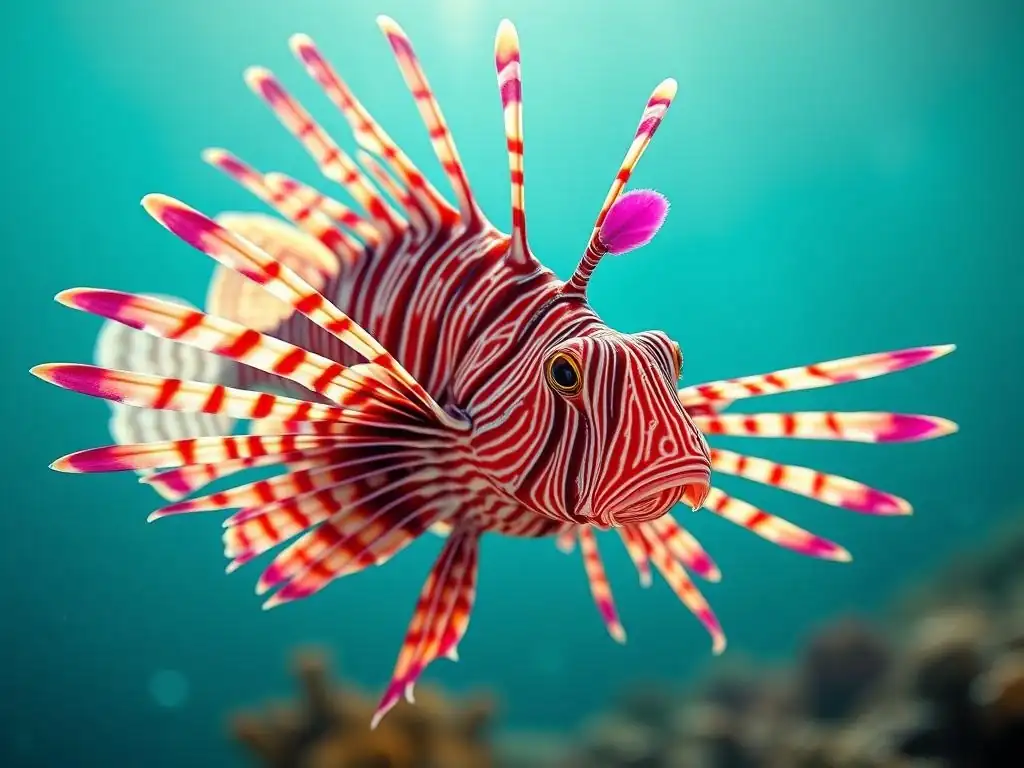
The Volitans Lionfish (Pterois volitans) and its close relative, Pterois miles, have become notorious invasive species in the Atlantic Ocean and Caribbean Sea, causing significant ecological damage to native reef ecosystems. While the exact mechanism of their introduction is debated, it is widely accepted that releases from the aquarium trade played a role in establishing these populations. Ironically, the continued demand for lionfish in the aquarium trade, while historically fueling wild collection from their native Indo-Pacific range, now also provides an incentive for removal efforts in invasive regions.
Conservation efforts are increasingly focused on controlling the invasive populations through targeted culling and promoting their consumption as a food source in affected areas. For the aquarium trade, this has led to a growing emphasis on sustainable collection practices in their native range and, ideally, the development of commercial captive breeding programs, though the latter remains extremely challenging due to the difficulties in raising their fry. Responsible Volitans lionfish tank care now includes an awareness of this broader ecological context.
Sustainable Practices for Lionfish Keeping
Responsible Volitans lionfish keeping involves adopting practices that minimize negative impacts on wild populations and marine ecosystems. The most impactful sustainable practice is to seek out captive-bred lionfish if they become more widely available. While currently rare due to breeding difficulties, supporting such efforts can reduce reliance on wild-aught specimens. If purchasing a wild-caught lionfish, inquire about its origin to ensure it comes from a reputable supplier committed to sustainable collection methods in the Indo-Pacific or, even better, from targeted removal efforts in invasive regions.
Crucially, never release any aquarium fish, especially a venomous and invasive species like the lionfish, into local waterways or marine environments. This act can have devastating ecological consequences. Furthermore, educate yourself and others about the challenges and responsibilities of keeping such a demanding species. Supporting organizations involved in lionfish research and invasive species control also contributes to responsible ownership and the broader health of marine environments, forming a critical component of modern Volitans lionfish tank care.
Conclusion: Mastering Volitans Lionfish Care for a Thriving Aquarium
Key Takeaways for Successful Lionfish Keeping
Mastering Volitans lionfish tank care culminates in providing a large, stable, and meticulously maintained environment that caters to their unique needs as a predatory, venomous species. Key takeaways include understanding their significant size potential, necessitating a minimum 125-gallon (470 liters) aquarium for a single adult and even larger for multiple specimens or diverse predatory communities. Maintaining pristine and stable water parameters—temperature (72-78°F), salinity (1.020-1.025), and low nitrates—is paramount, supported by robust multi-stage filtration and regular, substantial water changes.
A varied diet of high-quality frozen meaty foods, supplemented with vitamins, is crucial for their long-term health, transitioning them away from live feeders. Careful selection of tank mates, limited to large, robust species, is non-negotiable to prevent predation. Finally, an awareness of their venomous spines and commitment to responsible ownership, including never releasing them into the wild, underscores the dedication required for these magnificent creatures. Successful Volitans lionfish tank care offers the unique reward of observing one of the ocean's most captivating predators thrive in your home.
Resources for Further Learning about Volitans Lionfish
For aquarists dedicated to providing the best possible Volitans lionfish tank care, a wealth of resources exists for continued learning and problem-solving. Reputable online forums and communities dedicated to saltwater aquariums and predatory fish keeping offer invaluable peer-to-peer advice and troubleshooting tips from experienced hobbyists. Websites like AquariumMastery.com provide detailed guides and species profiles that can deepen your understanding of their biology and specific care requirements.
Specialized books on marine fish species, particularly those focusing on predatory or venomous inhabitants, can offer in-depth scientific information and practical husbandry advice. Visiting local fish stores with knowledgeable staff or larger public aquariums can also provide opportunities to speak with experts and observe well-maintained lionfish displays. Continuously seeking out new information and engaging with the marine aquarium community will enhance your ability to provide exceptional care for your Volitans Lionfish.
Frequently Asked Questions
What is the ideal tank size for a Volitans Lionfish?
Volitans Lionfish require a large tank due to their size and venomous nature. A minimum of 125 gallons is recommended for a single adult, and larger is always better.
What are the ideal water parameters for a Volitans Lionfish tank?
Volitans Lionfish thrive in stable saltwater conditions. Maintain a temperature of 72-78°F, a salinity of 1.023-1.025 specific gravity, and a pH of 8.1-8.4.
What should I feed my Volitans Lionfish?
Volitans Lionfish are predatory carnivores. Offer a diet of live or frozen meaty foods, such as small fish, shrimp, and crabs. Varying their diet will help them thrive.
Are Volitans Lionfish reef safe?
No, Volitans Lionfish are not reef safe. They will readily prey on small fish, shrimp, and other invertebrates commonly kept in reef aquariums. Avoid keeping them with smaller reef inhabitants.
What are some common health issues affecting Volitans Lionfish?
Volitans Lionfish can be susceptible to bacterial infections and parasites. Maintaining excellent water quality and providing a varied diet are crucial for preventing illness. Quarantine any new additions to avoid introducing disease.
Final Reflection: Embracing the Majesty and Responsibility of Lionfish Keeping
The journey of understanding and caring for a Volitans lionfish, as we've explored in this guide, is more than just setting up a tank; it's about embracing the profound responsibility that comes with introducing such a captivating, yet potentially disruptive, creature into a closed ecosystem. The information presented underscores the importance of meticulous planning, diligent maintenance, and a deep respect for the lionfish's natural needs, ensuring its well-being and preventing unintended consequences.
The allure of the Volitans lionfish is undeniable, its venomous spines and graceful movements captivating aquarists worldwide. However, this beauty comes with a significant obligation: to provide a suitable environment and prevent its introduction into non-native waters. With great power comes great responsibility,
a sentiment that resonates deeply when considering the potential impact of this species on delicate marine ecosystems. The continued popularity of lionfish in the aquarium trade necessitates a heightened awareness and commitment to responsible ownership.
As you embark on, or continue, your journey with Volitans lionfish, remember that you are not merely a keeper, but a steward of this magnificent creature. Let the knowledge gained from this guide inspire you to create a thriving habitat, contribute to responsible practices within the aquarium community, and advocate for the protection of our oceans. The future of both the lionfish in captivity and the health of our reefs depends on the choices we make today.
Unleash Your Inner Reef Guardian!
Thank you for diving into the world of Volitans Lionfish! We hope you’ve gained valuable insights into caring for these magnificent creatures. Now, let's put that knowledge into action.
- Begin researching ethical sourcing options for your Lionfish and start planning your dream aquarium setup, paying close attention to the recommended tank size and compatible tank mates.
- Share this guide with fellow aquarium enthusiasts to spread awareness about responsible Lionfish keeping and help preserve our reefs!
- Dare to design a unique aquascape that mimics the Lionfish's natural habitat—perhaps incorporating caves and overhangs for them to explore!
What's the first step you'll take to create a thriving environment for your future Lionfish, and how can you ensure its long-term well-being in your care?