
Identifying Different Moray Eel Species: A Buyer's Visual Guide

Welcome to Aquarium Mastery, where we help you unlock the secrets to a thriving underwater world!
Ever been mesmerized by the serpentine grace of a moray eel, but unsure exactly which species you were admiring? Our comprehensive Moray Eel Identification Guide is here to shed light on these fascinating creatures. Dive in and discover the unique characteristics, habitats, and care requirements of different moray eel species, and get ready to enhance your saltwater aquarium knowledge!
- Identifying Different Moray Eel Species: A Visual Guide for Aquarists
- Understanding Moray Eels: An Introduction
- Key Features for Moray Eel Identification
- Common Moray Eel Species: A Visual Guide
- Advanced Moray Eel Identification: Differentiating Similar Species
- Considerations Before Buying
- Moray Eel Care Tips
- Conclusion: Mastering Identification for Aquarium Success.
-
Frequently Asked Questions
- What is the key focus of AquariumMastery.com regarding moray eels?
- Does AquariumMastery.com cover both freshwater and saltwater aquariums in relation to moray eels?
- Where on AquariumMastery.com can I find more information on moray eel care?
- What aspects of moray eel identification does AquariumMastery.com likely cover?
- Can AquariumMastery.com help me troubleshoot problems with my moray eel in my aquarium?
- Final Reflection: Unveiling the Secrets of the Deep
- Unleash Your Inner Eel Expert!
Identifying Different Moray Eel Species: A Visual Guide for Aquarists
Understanding Moray Eels: An Introduction
Unique Characteristics of Moray Eels
Moray eels, members of the family Muraenidae, are fascinating and often misunderstood inhabitants of marine and, in some cases, brackish environments. They are distinguished by their elongated, snake-like bodies, which lack pectoral and pelvic fins, making their movement through rock crevices and coral structures incredibly fluid.
A hallmark feature is their large mouth, often appearing to gape, which is not a sign of aggression but a necessity for respiration, as they pump water over their gills. Many species possess a second set of jaws, known as pharyngeal jaws, which extend forward to grasp prey and pull it into the esophagus, a unique adaptation for their predatory lifestyle.
Beyond their distinctive anatomy, moray eels exhibit a wide range of sizes, from species barely reaching 30 centimeters (12 inches) to giants exceeding 2.5 meters (8 feet) in length. Their skin is smooth and scaleless, often covered in a protective layer of mucus that aids in navigating tight spaces and can also contain toxins in some species. These nocturnal or crepuscular predators typically spend their days hidden in rocky crevices or under ledges, emerging at night to hunt fish, crustaceans, and cephalopods. Understanding these inherent traits is the first step in any comprehensive Moray eel identification guide.
Accurate Identification: Importance for Aquarists
Accurate Moray eel identification is paramount for any aquarist considering adding one of these unique creatures to their saltwater setup. Misidentification can lead to a cascade of problems, from inappropriate tank sizing and incompatible tank mates to incorrect dietary provision and even potential harm to the aquarist.
For instance, a small "snowflake" moray might be mistaken for a juvenile of a much larger, more aggressive species, leading to an undersized tank that stresses the animal and poses a threat to other inhabitants as it matures. The long-term health and well-being of a moray eel depend directly on providing an environment that precisely meets its species-specific requirements.
Furthermore, correct identification is crucial for managing potential risks. Some moray species possess formidable teeth and powerful bites, while others are relatively docile. Knowing exactly what species you are acquiring allows you to research its maximum size, temperament, and specific dietary needs, enabling you to prepare an appropriate and safe habitat. A reliable Moray eel identification guide empowers aquarists to make informed decisions, ensuring a thriving environment for their eel and a safer experience for themselves.
Key Features for Moray Eel Identification
Body Morphology: Shape and Size Analysis
The overall body morphology of a moray eel provides significant clues for its identification. While all morays share an elongated, serpentine shape, there are distinct variations in their girth and length. Some species, like the Ribbon Eel ( Rhinomuraena quaesita), are remarkably slender, with delicate bodies that appear almost ribbon-like.
In contrast, species such as the Green Moray Eel ( Gymnothorax funebris) or the Giant Moray ( Gymnothorax javanicus) are robust and thick-bodied, growing to impressive lengths and substantial diameters. For example, a Snowflake Moray ( Echidna nebulosa) typically reaches about 60-70 cm (24-28 inches) as an adult, whereas a Zebra Moray ( Gymnomuraena zebra) can exceed 90 cm (35 inches) and be considerably thicker.
Observing the relative thickness of the body compared to its length can help narrow down potential species. Juveniles can be particularly challenging, as their adult size and girth are not yet apparent. Therefore, it's essential to consider the potential adult size when assessing body morphology, often requiring reference to a comprehensive Moray eel identification guide or expert advice. The presence or absence of a distinctly tapering tail versus a more uniform body thickness also contributes to species differentiation, though this is a more subtle characteristic.
Coloration and Markings: Pattern-Based Identification
Coloration and distinct markings are perhaps the most immediate and visually striking features used for Moray eel identification. These patterns can range from intricate reticulated networks and bold stripes to scattered spots or uniform coloration. The Snowflake Moray, for instance, is easily recognized by its white or cream base color adorned with irregular black blotches and interspersed yellow speckles, creating a "snowflake" or "leopard" effect. The Zebra Moray, on the other hand, boasts a dark brown to black body punctuated by numerous bright white or yellow vertical bands, giving it its namesake appearance.
It is important to note that while patterns are generally consistent within a species, slight variations in intensity or minor pattern deviations can occur due to age, geographic location, or individual genetic differences. Some species also exhibit cryptic coloration that allows them to blend seamlessly with their environment. Therefore, relying solely on a single color or marking can be misleading; a holistic approach, considering the overall pattern, distribution, and consistency, is vital for accurate Moray eel identification.
Head and Mouth Features: Species-Specific Distinctions
The head and mouth area of a moray eel offer several critical identification markers, often overlooked by novice aquarists. The shape of the snout, for example, can vary significantly: some species have blunt, rounded snouts, while others possess more pointed or elongated rostrums. The arrangement and type of teeth are also highly species-specific; some morays, like the Snowflake Moray, have molar-like teeth adapted for crushing the shells of crustaceans, while others, such as the Green Moray, possess numerous sharp, needle-like teeth designed for grasping slippery fish. Observing these dental structures, though often difficult without close inspection, provides definitive clues.
Furthermore, the presence, size, and shape of the anterior and posterior nostrils can be diagnostic. Some morays, like the Ribbon Eel, have dramatically flared and elongated anterior nostrils resembling ornate appendages. The eyes, too, vary in size and prominence; some species have relatively small, recessed eyes, while others possess larger, more visible ocular features. These subtle, yet distinct, head and mouth features are invaluable for precise Moray eel identification, especially when differentiating between closely related species that may share similar body patterns.
Fin Structure: Subtle Identification Marker
While moray eels famously lack pectoral and pelvic fins, their continuous dorsal, caudal, and anal fins, which run along most of their body length, can still offer subtle clues for identification. The height and profile of these fins, particularly the dorsal fin, can vary. In some species, the dorsal fin might be uniformly low along the back, blending almost seamlessly with the body. In others, it might be slightly elevated or have a more pronounced undulating appearance, particularly towards the posterior end of the body.
The caudal fin (tail fin) is typically small and rounded, often merging indistinguishably with the dorsal and anal fins, creating a single, continuous fin fold. However, the exact shape or the degree to which it is integrated can sometimes provide a minor distinguishing characteristic when combined with other features. Although less prominent than coloration or head morphology, observing the nuances of the fin structure contributes to a holistic Moray eel identification guide, particularly when dealing with species that are otherwise very similar in appearance.
Common Moray Eel Species: A Visual Guide
Snowflake Moray Eel ( Echidna nebulosa): Identification
Distinctive Pattern Recognition
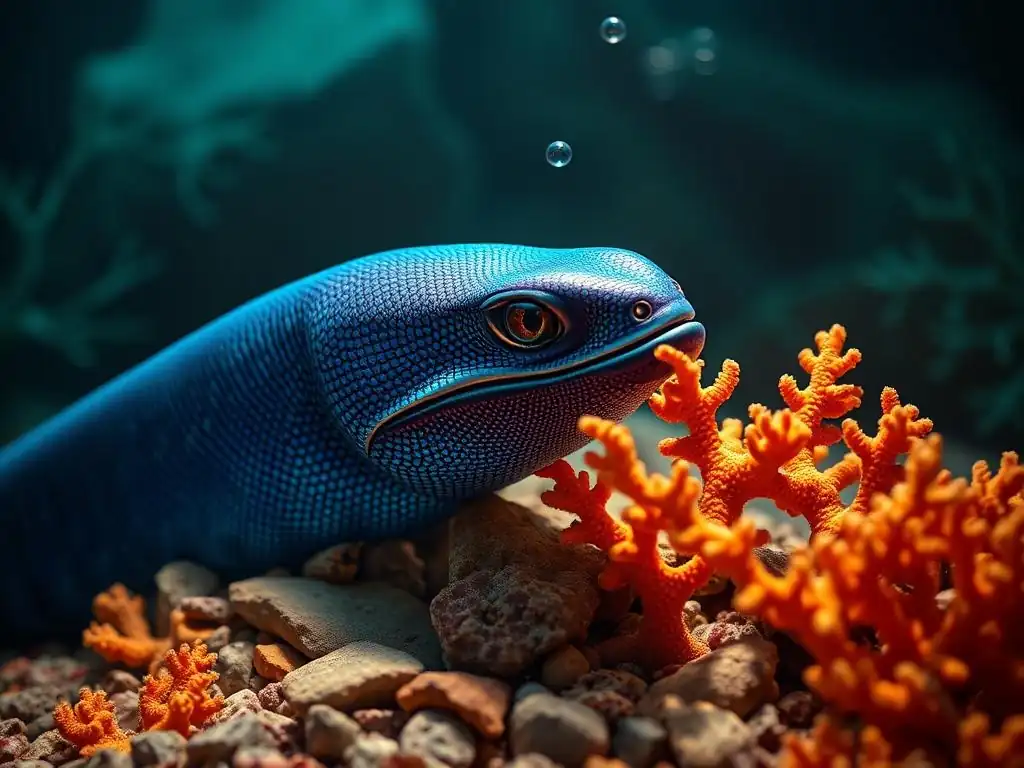
The Snowflake Moray Eel ( Echidna nebulosa) is one of the most popular and recognizable moray species in the aquarium trade, largely due to its striking and distinctive pattern. Its base coloration is typically a creamy white or pale yellow, adorned with irregular, black, jagged blotches that are often outlined in a darker shade.
Within these black blotches, small, bright yellow or orange spots are frequently visible, creating a complex, almost mosaic-like appearance that truly resembles a scattering of snowflakes or a leopard's spots, giving it its common name. The pattern extends over the entire body, including the head and fins, making it unmistakable.
This unique patterning serves as excellent camouflage in its natural coral reef habitats, allowing it to blend seamlessly with the rocky substrate. The consistency of this pattern across individuals makes it a primary identifier for this species. When observing a Snowflake Moray, pay close attention to the intricate details of these blotches and the yellow speckles, as they are key to accurate Moray eel identification for this species.
Size and Temperament in Aquariums
The Snowflake Moray Eel is considered a medium-sized moray, typically reaching an adult length of about 60 to 70 centimeters (24 to 28 inches) in captivity, though some individuals may grow slightly larger, up to 1 meter (39 inches) in very large systems. This manageable size makes it suitable for larger home aquariums, generally requiring a minimum tank size of 50-75 gallons for a single adult.
In terms of temperament, Snowflake Morays are generally considered one of the more docile and less aggressive moray species. They are known for their inquisitive nature and can often become quite accustomed to their keepers, even learning to take food from tongs.
However, despite their relatively calm demeanor, they are still predators. They possess blunt, molar-like teeth adapted for crushing the shells of crustaceans, their primary natural diet. While they typically pose no threat to larger fish, small fish, crabs, and shrimp are definitely at risk and will be seen as prey. Therefore, careful consideration of tank mates is essential. Providing ample rockwork and secure hiding places is crucial for their well-being, as they are naturally secretive and appreciate having a territory to call their own.
Zebra Moray Eel ( Gymnomuraena zebra): Identification
Striking Stripe Recognition
The Zebra Moray Eel ( Gymnomuraena zebra) is instantly recognizable by its bold and highly contrasting striped pattern, which gives it its common name. Its body is typically a dark brown to black base color, strikingly interrupted by numerous narrow, bright white or yellow vertical bands that encircle the entire body. These bands are usually uniform in width and evenly spaced, creating a distinct "zebra" effect that is unparalleled among other moray species. Unlike the irregular blotches of the Snowflake Moray, the Zebra Moray's stripes are clean, sharp, and consistently patterned from head to tail.
This unique pattern is a definitive feature for accurate Moray eel identification. Even juveniles exhibit this characteristic banding, though the colors might be slightly less intense. The stripes typically extend over the dorsal and anal fins, reinforcing the overall visual consistency. No other commonly available moray eel species exhibits such a pronounced and regular striped appearance, making the Zebra Moray relatively easy to identify even for novice aquarists.
Care Considerations for Aquarium Keepers
The Zebra Moray Eel is a larger species, capable of reaching lengths of 90 to 150 centimeters (3 to 5 feet) in adulthood, with some rare individuals exceeding this. This significant size dictates that a substantial aquarium is required, typically a minimum of 120 gallons for a single adult, with larger tanks (180+ gallons) being ideal to provide adequate swimming and hiding space.
Unlike many other morays, the Zebra Moray is primarily a molluscivore and crustacean eater, possessing blunt, crushing teeth. This dietary preference makes them one of the few "reef-safe" moray eels in terms of not preying on fish, though small crabs, shrimp, and snails are still very much on their menu.
Their temperament is generally docile, and they are less prone to biting than fish-eating morays. However, due to their size and strength, secure tank lids are absolutely essential, as they are powerful escape artists. Providing plenty of secure, tightly fitting rockwork with numerous crevices and caves is vital for their comfort and security. Their specialized diet of frozen silversides, krill, squid, and especially various crustaceans (like pieces of shrimp or clams) must be consistently provided to ensure their long-term health in captivity.
Green Moray Eel ( Gymnothorax funebris): Identification
Coloration and Size Characteristics
The Green Moray Eel ( Gymnothorax funebris) is one of the largest and most imposing moray species, often exceeding 2 meters (6.5 feet) in length and capable of reaching up to 2.5 meters (8 feet) or even more in the wild, with a robust, thick body. Its most striking characteristic is its uniform coloration, which typically ranges from an olive-green to dark brownish-green.
Interestingly, the actual skin of the Green Moray is brownish-gray; the vibrant green appearance is due to a thick layer of yellowish mucus that covers its body, which serves as a protective barrier against parasites and abrasions. This distinct, often luminous, green hue is a primary indicator for Moray eel identification.
Unlike many other moray species, the Green Moray lacks prominent spots, stripes, or intricate patterns. Its body is largely unblemished, presenting a solid, powerful appearance. The head is large and blunt, housing numerous sharp, needle-like teeth designed for grasping and holding prey. Due to their immense size and predatory nature, Green Morays are generally unsuitable for typical home aquariums and are more commonly seen in large public aquariums where their specific needs for vast space and substantial feeding can be met.
Temperament and Tank Requirements
The Green Moray Eel possesses a highly predatory temperament and is considered one of the more aggressive moray species. While they typically avoid confrontation, if threatened or if food is perceived, their powerful jaws and sharp teeth can inflict serious bites. They are ambush predators, often observed lurking in crevices with only their heads protruding, waiting for unsuspecting prey. Their diet in the wild consists of a wide variety of fish, crustaceans, and cephalopods. In captivity, they require a diet of large, meaty foods such as whole fish (e.g., silversides, mackerel), squid, and shrimp, fed several times a week.
Given their potential to grow over 2.5 meters (8 feet) and their robust build, Green Morays demand exceptionally large aquariums, typically several hundreds of gallons (e.g., 500+ gallons) for a single adult. The tank must be equipped with extremely secure, heavy lids to prevent escapes, as they are incredibly powerful and persistent. Extensive rockwork with large, stable caves and tunnels is essential to provide adequate hiding places and mimic their natural habitat. Due to their size, predatory nature, and demanding care requirements, the Green Moray Eel is strictly for expert aquarists with very large, dedicated systems.
Ribbon Eel ( Rhinomuraena quaesita): Identification
Color Change and Unique Features
The Ribbon Eel ( Rhinomuraena quaesita) is arguably one of the most visually stunning and unique moray species, immediately identifiable by its extremely slender, elongated body and distinctive head appendages. Its most remarkable feature is its dramatic sequential hermaphroditism, which involves a striking color change throughout its life stages. Juveniles are typically black with a yellow dorsal fin.
As they mature into males, their body coloration transforms to a brilliant blue with a yellow dorsal fin. Finally, as they transition into females, their entire body becomes a vibrant yellow, though some may retain blue accents. This color progression is a key identifier for this species within any Moray eel identification guide.
Beyond its color transformations, the Ribbon Eel possesses prominent, flared anterior nostrils that resemble ornate leaf-like structures, and a distinctively elongated lower jaw. These features, combined with its incredibly delicate, ribbon-like body (often less than 2.5 cm or 1 inch in diameter), set it apart from all other moray species. Its maximum length is typically around 1 meter (3 feet), though its thin build makes it appear much smaller than other morays of similar length.
Specific Care Needs in Saltwater Aquariums
Despite their captivating beauty, Ribbon Eels are notoriously difficult to keep in captivity and have a very high mortality rate, making them unsuitable for most aquarists. Their specialized care requirements stem from their natural behavior and feeding habits. In the wild, they are ambush predators that burrow into sand or substrate, with only their head exposed, waiting for small passing fish. They are extremely sensitive to water quality and stress, and often refuse to eat in captivity, leading to starvation. When they do eat, they prefer very small, live feeder fish or carefully presented frozen silversides or lancefish.
A minimum tank size of 50 gallons is often recommended for a single Ribbon Eel, but more importantly, the tank must have a deep sand bed (at least 6-8 inches) or a network of PVC pipes buried in the substrate to allow them to burrow and feel secure. Excellent water quality, stable parameters, and a peaceful environment free from aggressive tank mates are paramount. Given their specialized needs and poor survival rates, the Ribbon Eel should only be considered by highly experienced aquarists willing to undertake a significant challenge and commit to very specific care protocols.
Chainlink Moray Eel ( Echidna catenata): Identification
Chain-like Pattern Recognition
The Chainlink Moray Eel ( Echidna catenata) is another distinctive species within the Echidna genus, easily identified by its unique pattern that strongly resembles a chain. Its body is typically a dark brown to black, adorned with interconnected yellow or white rings or blotches that form a continuous, reticulated network over its entire body.
These lighter markings are often somewhat irregular but consistently create a "chain-link" or "netted" appearance, distinguishing it from other spotted or banded morays. The pattern is usually more pronounced and clearly defined than the irregular blotches of a Snowflake Moray, and the "links" are typically filled with the darker base color.
This intricate pattern extends from the head to the tip of the tail, making it a reliable feature for Moray eel identification. The eyes are often visible within one of the darker "links," and the snout is relatively blunt, similar to other Echidna species. When observing a Chainlink Moray, focus on the distinct, interlocking nature of its lighter markings against the darker background.
Diet and Tank Compatibility
The Chainlink Moray Eel typically reaches an adult length of about 60 centimeters (24 inches), making it a manageable size for larger home aquariums, generally requiring a minimum of 50-75 gallons for a single specimen. Like other Echidna species, it primarily feeds on crustaceans and mollusks in the wild, possessing blunt, crushing teeth adapted for this diet. This dietary preference means they are generally considered "reef-safe" with fish, as they typically do not prey on finned tank mates. However, any small crabs, shrimp, or snails in the aquarium will be considered food and quickly consumed.
Their temperament is generally docile, similar to the Snowflake Moray, though they can be shy and appreciate plenty of hiding places within rockwork. Secure tank lids are essential, as with all morays, to prevent escapes. A varied diet of frozen crustaceans such as shrimp, krill, and clam pieces should be provided several times a week. Due to their relatively smaller size and non-piscivorous diet, Chainlink Morays can be a good choice for aquarists looking for a unique eel that is less likely to consume their fish inhabitants, provided their specific needs for hiding and appropriate diet are met.
Advanced Moray Eel Identification: Differentiating Similar Species
Gymnothorax tile vs. Gymnothorax favagineus: Spotting the Differences
Differentiating between similar-looking moray species can be challenging, even for experienced aquarists. A common point of confusion arises with species that share a spotted pattern, such as the Freshwater Moray ( Gymnothorax tile) and the Honeycomb Moray ( Gymnothorax favagineus). Accurate Moray eel identification is critical here, as their environmental needs are vastly different.
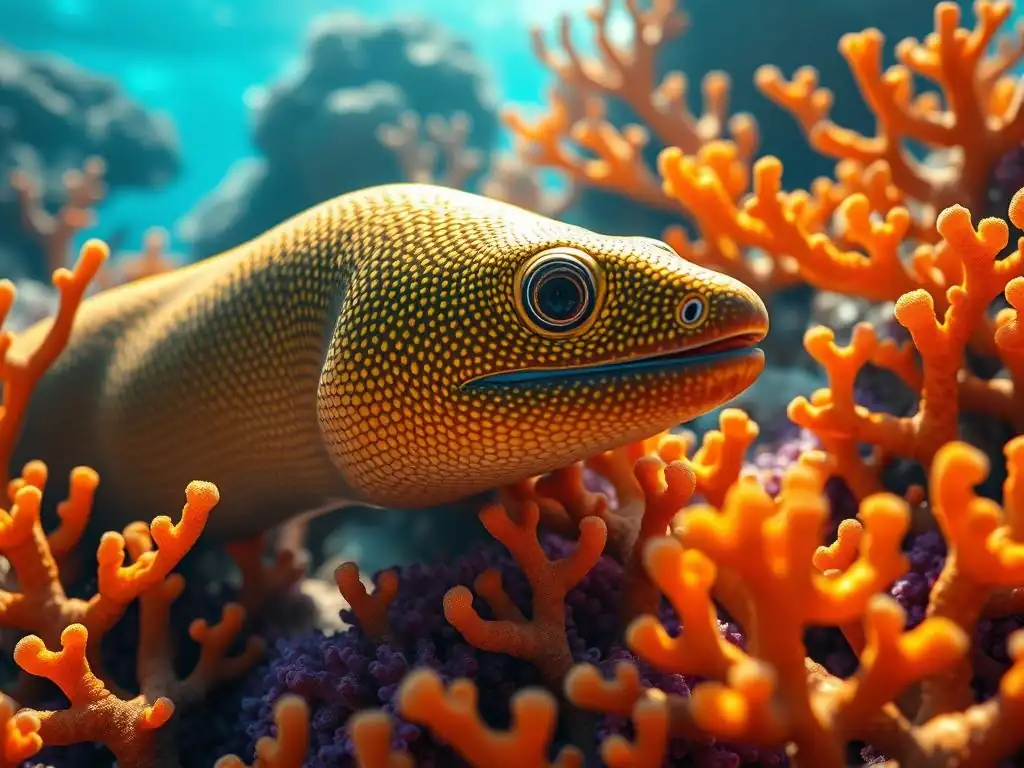
The Freshwater Moray, despite its name, is typically found in brackish waters and occasionally ventures into freshwater, characterized by a brownish body with numerous small, irregular dark spots. It generally remains a manageable size, often around 60 cm (24 inches), and has a more elongated, slender body compared to its saltwater counterpart.
In contrast, the Honeycomb Moray ( Gymnothorax favagineus) is a purely marine species that can grow to an immense size, often exceeding 2 meters (6.5 feet) and even reaching 3 meters (10 feet) in the wild. Its distinguishing feature is its large, distinct hexagonal or honeycomb-shaped dark spots, which are much larger and more regularly patterned than those of G. tile. The light interspaces between these spots are narrow, creating a clear honeycomb effect.
The sheer size potential and marine habitat requirement make it crucial not to confuse these two. Always verify the water type (freshwater, brackish, or marine) and the size and regularity of spots when dealing with spotted morays to ensure proper Moray eel identification.
Utilizing Scientific Resources for Identification
When visual cues alone are insufficient for precise Moray eel identification, especially for rare or less common species, leveraging scientific resources becomes indispensable. Ichthyological databases like FishBase.org are invaluable tools, offering detailed species profiles, scientific classifications, geographic distributions, and often multiple photographs that illustrate variations within a species. These databases are compiled by marine biologists and provide robust, peer-reviewed information. Similarly, consulting scientific papers and taxonomic keys published in ichthyological journals can offer highly specific details on morphological characteristics, including fin ray counts, vertebral numbers, and tooth arrangements, which are definitive for species differentiation.
Online forums and communities dedicated to advanced aquarists or marine biology can also be helpful, provided the advice comes from experienced and knowledgeable individuals. Posting clear, high-resolution photographs from multiple angles can allow experts to assist with identification. However, always cross-reference information obtained from forums with reputable scientific sources. A meticulous approach, combining careful visual observation with the use of authoritative scientific data, forms the backbone of advanced Moray eel identification, ensuring that aquarists acquire and care for their eels appropriately.
Considerations Before Buying
Reputable Vendors: Sourcing Moray Eels
The source of your moray eel is as critical as its proper Moray eel identification. Always prioritize purchasing from reputable vendors, whether they are local fish stores or online suppliers. A reputable vendor will have knowledgeable staff who can accurately identify the species, provide detailed information on its origin, and offer advice on its specific care requirements.
They should maintain clean, well-maintained holding tanks with appropriate setups for their aquatic inhabitants, indicating good husbandry practices. Avoid impulse buys from stores where the eels appear stressed, lethargic, or housed in overcrowded or unsuitable conditions, as this often indicates poor health or improper care.
A good vendor will also be transparent about the eel's wild-caught or aquaculture status (though most morays are wild-caught) and can answer questions about its acclimatization process. They should also be able to provide information on the typical adult size and temperament of the species they are selling, helping you avoid misidentification or acquiring an eel that will quickly outgrow your setup. Building a relationship with a trusted vendor is a key step towards successful and ethical moray eel keeping.
Species Verification: Asking the Right Questions
Before committing to a purchase, proactive species verification is essential, even with a strong Moray eel identification guide in hand. Do not rely solely on the common name provided by the vendor, as these can be misleading or used interchangeably for different species. Always ask for the scientific name (genus and species) of the moray eel you are interested in. Once you have the scientific name, you can cross-reference it with reliable resources to confirm its identity and research its specific needs thoroughly.
Beyond the scientific name, ask the vendor about the eel's maximum adult size, its typical temperament (e.g., predatory towards fish, crustacean-eater), and its specific dietary requirements. Inquire about the ideal tank size for an adult of that species and any particular environmental parameters it needs. A knowledgeable vendor should be able to provide this information confidently. If they cannot, or if their answers contradict your research, it's a red flag that suggests they may not be adequately informed about the species they are selling.
Health and Species-Specific Needs: Observing Behavior
Observing the moray eel's behavior and physical condition in the store tank is a crucial final step before purchase. A healthy moray eel should appear alert and active, often peeking out from its hiding spot or exploring its immediate surroundings. Its skin should be smooth and free of any visible lesions, abrasions, white spots (ich), or fungal growths. The eyes should be clear and not cloudy. While morays often gape to breathe, excessive or labored breathing could indicate stress or illness.
Pay attention to how the eel reacts to its environment and other tank mates. A moray that is constantly hiding, appears listless, or exhibits erratic swimming patterns might be stressed or ill. If possible, ask to see the eel being fed. A healthy moray should show a strong feeding response, readily accepting appropriate food items. Ensure that the holding tank's setup (e.g., rockwork, secure lid) is suitable for the species being displayed. By diligently observing these factors, you can confirm not only the Moray eel identification but also its overall health and suitability for your aquarium.
Moray Eel Care Tips
Tank Size and Setup: Providing Adequate Space
Providing an appropriately sized aquarium and a meticulously designed setup is paramount for the long-term health and well-being of any moray eel. The minimum tank size varies dramatically by species; a smaller Snowflake Moray might thrive in a 50-75 gallon tank, while a Zebra Moray requires at least 120-180 gallons, and a Green Moray demands several hundred gallons (e.g., 500+ gallons). Always err on the side of a larger tank than the minimum recommended.
Morays are escape artists, so an extremely secure, heavy, and tight-fitting lid is non-negotiable. Any gap, no matter how small, can be an invitation for escape, often with fatal consequences.
The internal setup must include ample rockwork with numerous stable, secure caves, crevices, and tunnels that mimic their natural hiding places. Morays spend a significant portion of their time concealed, and a lack of suitable shelter can lead to chronic stress. Ensure that rock structures are stable and cannot collapse, especially if the eel attempts to burrow or rearrange them. A sand bed is often appreciated for species that like to burrow, but not all morays require it. Proper Moray eel identification dictates the exact tank size and setup, ensuring a suitable habitat for your specific species.
Water Parameters: Maintaining Optimal Conditions
Maintaining stable and pristine water parameters is critical for the health of all marine inhabitants, and moray eels are no exception. For most marine moray species, the recommended water parameters are:
- Salinity: 1.020 to 1.025 specific gravity.
- Temperature: 22-26°C (72-78°F).
- pH: 8.1 to 8.4.
- Ammonia and Nitrite: Undetectable (0 ppm).
- Nitrate: As low as possible, ideally below 20 ppm.
Regular water changes (e.g., 10-20% bi-weekly or monthly, depending on bioload) are essential to maintain water quality and replenish trace elements. Robust filtration, including mechanical, biological, and chemical filtration (e.g., protein skimmer, activated carbon), is highly recommended to manage the bioload produced by these often large and messy eaters. Consistent monitoring with reliable test kits is necessary to prevent parameter fluctuations, which can stress morays and make them susceptible to disease.
Diet and Feeding: Ensuring Proper Nutrition
Moray eels are carnivores, and providing a varied and appropriate diet is crucial for their long-term health and vibrant coloration. The specific diet depends on the species; for instance, Echidna species (like Snowflake and Chainlink) primarily eat crustaceans and mollusks, while Gymnothorax species (like Green and Honeycomb) are fish eaters. A general diet for most aquarium morays can include high-quality frozen foods such as silversides, shrimp, squid, krill, and clam pieces. Avoid feeding solely one type of food, as variety ensures a complete nutritional profile.
Feeding frequency typically ranges from two to three times per week for adult morays, depending on their size and activity level. Overfeeding can lead to poor water quality and health issues. Always use feeding tongs to present food, never your hands, to avoid accidental bites, as morays have poor eyesight and a strong feeding response. Ensure that the food pieces are appropriately sized for the eel's mouth. Proper Moray eel identification informs the precise dietary needs, ensuring your eel receives the nutrition it requires to thrive.
Conclusion: Mastering Identification for Aquarium Success.
Mastering Moray eel identification is not merely an academic exercise; it is the cornerstone of successful and responsible moray eel husbandry in the home aquarium. Each species, from the beautifully patterned Snowflake Moray to the immense Green Moray, possesses unique characteristics, specific care requirements, and distinct temperaments. A thorough understanding of these differences, guided by a reliable Moray eel identification guide, empowers aquarists to make informed decisions before purchase and throughout the life of their eel.
By diligently observing body morphology, coloration patterns, head features, and even subtle fin structures, combined with leveraging scientific resources, aquarists can confidently identify their prospective aquatic companion. This precise identification then directly informs critical aspects of care, including appropriate tank sizing, maintaining optimal water parameters, selecting compatible tank mates, and providing a species-specific diet. Ultimately, investing the time and effort into accurate Moray eel identification translates directly into a thriving, healthy eel and a rewarding experience for the dedicated aquarist, ensuring that these captivating creatures can flourish in their captive environments.
Frequently Asked Questions
What is the key focus of AquariumMastery.com regarding moray eels?
The website focuses on identifying different moray eel species suitable for aquariums, offering guidance through a visual guide to aid buyers.
Does AquariumMastery.com cover both freshwater and saltwater aquariums in relation to moray eels?
While AquariumMastery.com covers both freshwater and saltwater aquariums generally, the Moray Eel Identification Guide likely focuses primarily on saltwater species as moray eels are primarily marine.
Where on AquariumMastery.com can I find more information on moray eel care?
You should look for sections organized by species profiles or potentially under aquarium type (saltwater) or even troubleshooting guides for common issues.
What aspects of moray eel identification does AquariumMastery.com likely cover?
The guide likely covers aspects such as coloration, patterning, and possibly physical characteristics like head shape and fin placement to differentiate species.
Can AquariumMastery.com help me troubleshoot problems with my moray eel in my aquarium?
Yes, the website offers troubleshooting guides that could address common tank issues related to moray eels, helping you maintain a healthy aquarium environment.
Final Reflection: Unveiling the Secrets of the Deep
This guide has explored the fascinating world of moray eels, providing a visual key to unlocking the mysteries of their diverse species. While seemingly a niche topic, understanding and appreciating these creatures is crucial in a time when marine ecosystems face unprecedented challenges. By empowering enthusiasts and researchers alike with the ability to accurately identify moray eels, we contribute to more informed conservation efforts and a deeper respect for the biodiversity of our oceans.
The ability to distinguish between a tessellata and a snowflake moray is more than just a taxonomic exercise; it's a gateway to understanding their unique roles within coral reefs and other marine habitats. My hope is that this guide fosters a greater appreciation for the intricate web of life beneath the waves and inspires further exploration and conservation. In the end, we will conserve only what we love; we will love only what we understand; and we will understand only what we are taught.
- Baba Dioum's words resonate deeply, highlighting the importance of education in fostering environmental stewardship.
Now, armed with the knowledge from this guide, I invite you to look beyond the surface. Consider how you can contribute to the protection of these magnificent creatures and their habitats. Whether it's supporting sustainable seafood choices, advocating for marine conservation policies, or simply sharing your newfound knowledge with others, every action, no matter how small, can make a difference. Let's continue to explore, understand, and protect the vibrant tapestry of life that exists within our oceans, ensuring that future generations can marvel at the beauty and diversity of moray eels for years to come.
Unleash Your Inner Eel Expert!
Thanks for diving deep with us into the fascinating world of moray eels! We hope this guide has armed you with the knowledge to confidently identify these captivating creatures. Now, let's put that newfound expertise into action:
- Primary Action: Embark on a virtual "eel spotting" adventure by browsing online aquarium stores or forums. Can you identify at least three different moray eel species based on their markings and descriptions?
- Expand your understanding by researching the specific care requirements for the species that most interests you. What unique challenges do they present?
- Share your favorite moray eel fact from this article with another aquarium enthusiast. Spark a conversation and spread the eel appreciation!
Which moray eel characteristic surprised you the most, and how will that influence your future observations?