
Blenny vs. Goby: Which Personality Suits Your Nano Reef Better? An InDepth Look

Welcome to Aquarium Mastery!
Curious about adding a splash of personality to your nano reef? Dive in and discover whether a quirky blenny or a diligent goby is the perfect fit. This in-depth look at the nano reef blenny goby explores their unique behaviors, care requirements, and suitability for your miniature marine ecosystem. Which one will steal your heart (and keep your tank thriving)? Let's find out!
- Introduction: Choosing the Right Fish for Your Nano Reef Aquarium
- Understanding the Nano Reef Ecosystem
-
Frequently Asked Questions
- What are the key differences in personality between blennies and gobies that make them suitable for a nano reef?
- Can blennies and gobies coexist peacefully in a small nano reef aquarium?
- What are some common tank issues that owners might encounter with blennies or gobies in a nano reef?
- How does understanding water chemistry contribute to the health and well-being of blennies and gobies in a nano reef?
- What type of maintenance schedule is recommended for a nano reef containing blennies or gobies?
- Final Reflection: The Tiny Titans of Our Reefs
- Dive Deeper: Transform Your Nano Reef Today!
Introduction: Choosing the Right Fish for Your Nano Reef Aquarium
Selecting the ideal inhabitants for a nano reef aquarium is a delicate balance, requiring careful consideration of space, compatibility, and the unique needs of each species. Unlike larger reef systems that offer ample room for diverse fish populations, nano reefs, typically under 30 gallons, demand meticulous planning to ensure the health and harmony of their aquatic residents. This often leads aquarists to consider smaller, charismatic fish that can thrive in confined environments without overwhelming the ecosystem.
Among the most popular choices for these miniature marine worlds are blennies and gobies, two distinct families of fish renowned for their captivating personalities and relatively small stature. While both are excellent candidates for a nano reef, their behaviors, dietary preferences, and overall temperaments differ significantly.
Understanding these nuances is crucial for any aquarist aiming to create a thriving and visually appealing nano reef. This article will delve into the specifics of each, helping you decide whether a quirky blenny or a diligent goby is the perfect addition to your compact coral paradise, ultimately aiding in your nano reef blenny goby selection process.
Understanding the Nano Reef Ecosystem
Defining a Nano Reef: Size and Specific Needs
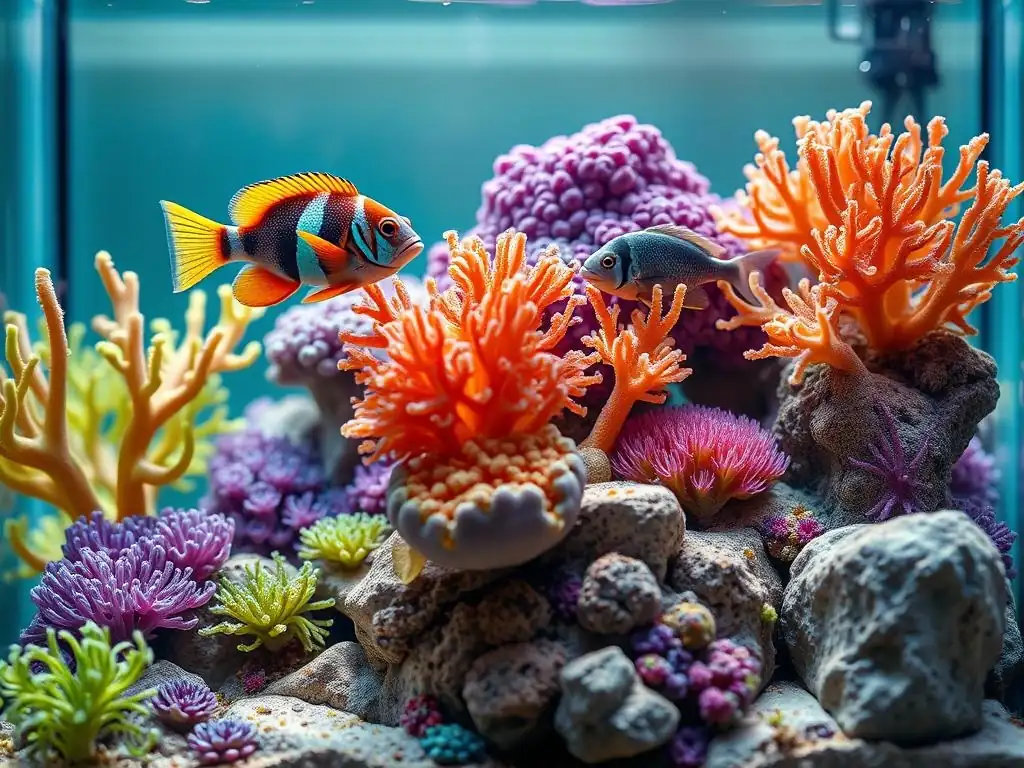
A nano reef aquarium is generally defined as a saltwater tank with a capacity of less than 30 gallons, although many enthusiasts consider tanks in the 10 to 20-gallon range to be true nano reefs. These smaller volumes present unique challenges compared to their larger counterparts, primarily due to the limited water volume's reduced buffering capacity. For instance, a minor fluctuation in a 10-gallon tank can represent a significant percentage change in water parameters, whereas the same fluctuation in a 100-gallon system would be negligible.
The specific needs of a nano reef revolve around stability and precision. Rapid shifts in temperature, salinity, or nutrient levels can quickly stress corals and fish, leading to health issues or even fatalities. Maintaining consistent conditions requires diligent monitoring, precise dosing of supplements, and often, more frequent, albeit smaller, water changes. This inherent volatility means that every piece of equipment, from heaters to filtration, must be appropriately sized and highly reliable to prevent systemic crashes, making the environment particularly sensitive to the introduction of new inhabitants like a new nano reef blenny goby.
Key Parameters for a Thriving Nano Reef Environment
Maintaining a stable environment is paramount for a thriving nano reef, and this hinges on consistently optimal water parameters. Salinity, arguably the most critical parameter, should be kept within a narrow range of 1.023 to 1.026 specific gravity, ideally around 1.025. Fluctuations of even 0.002 can cause osmotic stress to corals and invertebrates. Temperature is another vital factor, typically maintained between 75°F and 82°F (24°C to 28°C); a consistent temperature, often achieved with a reliable heater and thermometer, prevents thermal shock.
Beyond salinity and temperature, the "big three" – alkalinity, calcium, and magnesium – are crucial for coral calcification and overall water chemistry. Alkalinity, representing the water's buffering capacity, should ideally be between 8 and 12 dKH.
Calcium levels are typically maintained between 400 and 450 ppm, while magnesium, which helps prevent calcium precipitation, should be in the range of 1250 to 1350 ppm. In a nano reef, these parameters can deplete more rapidly due to the smaller water volume and the metabolic activity of even a small coral and fish population, necessitating regular testing and precise supplementation or controlled two-part dosing systems.
The Importance of Compatible Fish in a Small Reef Tank
In the confined space of a nano reef, the compatibility of fish species is not merely a recommendation but a critical determinant of the tank's long-term success and the well-being of its inhabitants. Aggression, territorial disputes, and competition for limited resources are amplified in smaller volumes, leading to chronic stress, fin nipping, and even starvation or death. A fish that might be peaceful in a 100-gallon tank could become highly territorial and aggressive in a 15-gallon nano reef, simply due to the lack of adequate personal space.
Therefore, when selecting fish for a nano reef, aquarists must prioritize species known for their peaceful temperament, small adult size, and minimal bioload. Overstocking, even with small fish, can quickly lead to elevated nutrient levels (nitrates and phosphates), which fuel undesirable algae growth and can harm sensitive corals. Careful consideration of potential interactions, such as a blenny's territorial nature versus a goby's sand-sifting habits, is essential to prevent conflicts and ensure that every inhabitant, from the smallest copepod to the chosen nano reef blenny goby pair, can thrive without undue stress.
Frequently Asked Questions
What are the key differences in personality between blennies and gobies that make them suitable for a nano reef?
Blennies are generally more active and inquisitive, often perching on rocks and displaying bolder personalities. Gobies are typically more docile and bottom-dwelling, preferring to sift through the substrate.
Can blennies and gobies coexist peacefully in a small nano reef aquarium?
Generally, yes, but it depends on the specific species and tank size. Choosing compatible species and providing ample hiding places is crucial for success.
What are some common tank issues that owners might encounter with blennies or gobies in a nano reef?
Common issues include territorial disputes (especially with blennies), dietary needs not being met, and sensitivity to water quality changes in a small environment.
How does understanding water chemistry contribute to the health and well-being of blennies and gobies in a nano reef?
Maintaining stable and optimal water parameters is essential. Blennies and gobies are susceptible to stress from fluctuations in ammonia, nitrite, and nitrate levels in a nano reef.
What type of maintenance schedule is recommended for a nano reef containing blennies or gobies?
Regular water changes, algae control, and filter maintenance are essential. A weekly schedule focusing on these aspects is highly recommended to ensure a healthy environment.
Final Reflection: The Tiny Titans of Our Reefs
The vibrant world of nano reefs, though miniature, mirrors the complexities of larger ecosystems, and the choice between a blenny or a goby, as we've explored, is more than just aesthetics; it's about shaping the very personality of your underwater world. Understanding their distinct behaviors and needs is crucial for creating a thriving and balanced environment, ensuring these tiny titans can flourish.
The impact of responsible reef keeping extends far beyond the confines of our tanks. It's a microcosm of our responsibility to the larger ocean ecosystem, a reminder that even small actions can have significant consequences. The careful consideration we give to choosing the right fish reflects a deeper commitment to conservation and ethical practices. We are tied to the ocean. And when we go back to the sea, whether it is to sail or to watch it, we are going back from whence we came.
- John F. Kennedy. This quote resonates deeply, reminding us of our inherent connection to the ocean and the importance of its preservation.
So, as you gaze into your nano reef, consider the lessons learned. Let the choice between a blenny and a goby be a reminder of the delicate balance you strive to maintain. Embrace the responsibility of creating a thriving ecosystem, and let your nano reef be a testament to your dedication to the beauty and preservation of our oceans. May your reef be a vibrant reflection of your commitment to responsible reef keeping and a source of endless wonder.
Dive Deeper: Transform Your Nano Reef Today!
Thank you for exploring the fascinating world of blennies and gobies with us. We hope this article has provided valuable insights to help you select the perfect personality for your nano reef. Ready to take the next step and create a thriving underwater community?
Here are a few ideas to get you started:
- Begin observing your current reef inhabitants to identify any potential compatibility issues before introducing a blenny or goby. This will save you stress and heartache in the long run!
- Share this article with fellow reefing enthusiasts and spark a conversation about their experiences with blennies and gobies in nano reefs.
- Consider starting a photo journal documenting your nano reef's evolution after introducing your new blenny or goby - share the journey!
What unique personality traits are you hoping to bring to your reefing setup?