
Are Soft Corals Reef Safe? Debunking Myths & Understanding Risks

Welcome to Aquarium Mastery!
Dive into the fascinating world of reef keeping! Curious about whether those mesmerizing soft corals are truly reef safe? We're here to help you navigate the nuances of coral compatibility. Uncover the truth behind common myths and understand the potential risks associated with introducing soft corals to your reef environment. Get ready to explore!
- Soft Corals in Reef Aquariums: Compatibility and Best Practices
- Introduction: Understanding Soft Corals and Reef Tank Ecosystems
- Allelopathy: Chemical Interactions in Reef Tanks
- Overgrowth and Competition for Resources
- Common Misconceptions About Soft Corals
- Strategies for Maintaining a Healthy Reef Tank with Soft Corals
- Choosing Compatible Soft Corals
- Case Studies: Observing Soft Coral Interactions
- Best Practices for Acclimation and Introduction
- Conclusion: Informed Decision-Decision-Making for Reef Tank Health
-
Frequently Asked Questions
- ### Are all soft corals inherently reef safe?
- ### What risks do soft corals pose to a reef aquarium environment?
- ### How can I ensure soft corals are reef safe in my aquarium?
- ### What are some examples of soft corals that are not considered reef safe?
- ### How can I mitigate the risks associated with keeping less reef-safe soft corals?
- Final Reflection: Navigating the Soft Coral Reef Safety Landscape
- Ignite Your Reef Tank: Dive Deeper with Soft Corals!
Soft Corals in Reef Aquariums: Compatibility and Best Practices
Introduction: Understanding Soft Corals and Reef Tank Ecosystems
What are Soft Corals?
Soft corals, scientifically classified under the suborder Octocorallia within the phylum Cnidaria, are a diverse group of marine invertebrates that lack the rigid, stony skeletons characteristic of hard corals. Instead, their structure is supported by tiny calcareous spicules embedded within their fleshy tissue, giving them a supple, often flowing appearance. This group includes popular aquarium inhabitants such as leather corals ( Sarcophyton, Sinularia, Lobophytum), mushroom corals ( Discosoma, Rhodactis, Ricordea), zoanthids ( Zoanthus, Palythoa), and various gorgonians.
Their popularity in the reef aquarium hobby stems from their often vibrant colors, dynamic movement in water flow, and general hardiness compared to their stony counterparts. Many soft corals are considered beginner-friendly due to their adaptability to a wider range of water parameters. However, despite their apparent ease of care, understanding their specific needs and potential interactions within a mixed reef environment is crucial for maintaining overall tank health and ensuring optimal soft corals reef safety.
Reef Tank Compatibility: A Multifaceted Consideration
The concept of "reef safe" is frequently debated among aquarists, particularly when discussing soft corals. While many soft corals do not possess stinging nematocysts powerful enough to harm fish or directly sting hard corals, their compatibility in a mixed reef aquarium extends beyond this simple metric. The true measure of soft corals reef safety involves a complex interplay of factors, including chemical warfare (allelopathy), rapid growth rates, and competition for vital resources like light and space.
Ignoring these nuanced considerations can lead to significant stress for other inhabitants, including stony corals, fish, and invertebrates, potentially jeopardizing the entire ecosystem. Therefore, a comprehensive understanding of how soft corals interact with their environment and tankmates is essential. This article aims to debunk common myths and provide actionable strategies to ensure your soft corals can coexist harmoniously within a thriving reef tank.
Allelopathy: Chemical Interactions in Reef Tanks
Understanding Allelochemicals
Allelopathy refers to the biological phenomenon where one organism produces biochemicals that influence the growth, survival, and reproduction of other organisms. In reef tanks, soft corals are notorious for releasing allelochemicals, which are complex organic compounds such as terpenes, prostaglandins, and steroids. These compounds are primarily used as a defensive mechanism against predation and as a competitive tool to inhibit the growth of neighboring corals, thereby securing more space and light.
Common soft coral genera known for their significant allelochemical output include Sarcophyton (leather corals), Sinularia, and Lobophytum. These chemicals are typically released into the water column through mucus secretions, shedding of outer tissue layers (decortication), or even direct contact. The constant presence of these compounds, particularly in smaller or less diluted systems, can accumulate and exert considerable stress on other corals, directly impacting soft corals reef safety for their neighbors.
Impacts on Other Reef Organisms
The allelochemicals released by soft corals can have various detrimental effects on other reef organisms, especially stony corals (SPS and LPS). These impacts can manifest as reduced growth rates, polyp retraction, tissue necrosis, and even outright death. For instance, studies have shown that the proximity of large Sarcophyton leather corals can reduce the growth rate of sensitive SPS corals like Acropora by an estimated 15-25% within a 6 to 12-inch radius, even with good water flow. The chemicals interfere with calcification processes and induce general stress, making the hard corals more susceptible to disease and environmental fluctuations.
Beyond growth inhibition, the allelochemicals can cause physical damage. Sensitive LPS corals, such as Euphyllia (Hammer, Torch, Frogspawn corals) or Goniopora, may exhibit severe tissue recession or bleaching when exposed to high concentrations of soft coral toxins. While less documented, chronic exposure can also stress certain fish and invertebrates, potentially impacting their immune response and overall health, further complicating soft corals reef safety considerations.
Recognizing Signs of Chemical Warfare
Observing your reef tank diligently is crucial for identifying early signs of chemical warfare. The indicators are often subtle but become more pronounced as the chemical concentration increases or exposure duration lengthens. Look for SPS and LPS corals exhibiting reduced polyp extension, where the polyps remain retracted for extended periods even when lighting and water parameters are optimal. Another common sign is tissue recession or necrosis, particularly on the side of a hard coral facing a soft coral, without any other clear cause like pests or nutrient deficiencies.
Affected corals may also display duller coloration, increased mucus production, or a general "unhappy" appearance. Fish might seem lethargic or exhibit unusual breathing patterns in severe cases. If multiple corals in your tank begin to show these symptoms concurrently, despite stable water parameters and absence of common pests, it strongly suggests chemical aggression from a soft coral. Prompt action, such as increased filtration and water changes, is vital to mitigate these effects and uphold soft corals reef safety for the entire ecosystem.
Overgrowth and Competition for Resources
Growth Rates and Their Implications
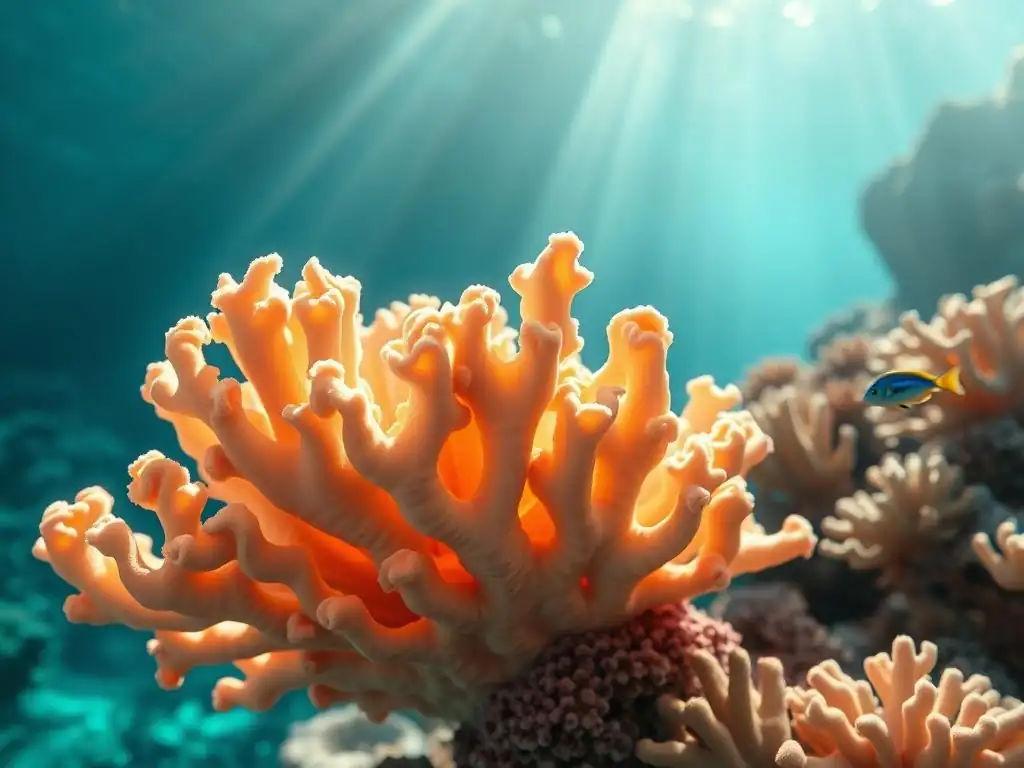
Soft corals exhibit a wide spectrum of growth rates, from the incredibly rapid expansion of species like Xenia and Pulsing Xenia to the more moderate growth of many Lobophytum and Sinularia species, and even slower rates for some gorgonians. Under optimal conditions, fast-growing soft corals can double their biomass within 6 to 12 months, quickly consuming available space. This rapid proliferation, while appealing for filling out a tank, poses a significant challenge in a mixed reef.
Their expansive growth leads to direct competition for light, flow, and physical space with slower-growing hard corals. A fast-growing soft coral can quickly overshadow and physically smother neighboring corals, depriving them of the light necessary for photosynthesis and impeding their access to water flow and nutrients. This physical dominance is a critical aspect of soft corals reef safety that often gets overlooked in favor of concerns about chemical warfare.
Strategic Placement for Growth Management
Effective management of soft coral growth begins with strategic placement. When introducing a new soft coral, it is imperative to research its mature size and growth habits. For rapidly growing species, allocate ample space, considering that they might expand their footprint significantly over time. For example, a Sarcophyton leather coral that starts as a 2-inch frag can easily reach 12-18 inches in diameter within a year or two. Placing such a coral too close to an SPS colony means the SPS will eventually be overshadowed or physically contacted.
Consider using isolated rock structures or creating significant physical gaps (e.g., 6-12 inches, depending on the species' mature size) between soft corals and more sensitive hard corals. Regular fragging or trimming of fast-growing soft corals is also a necessary maintenance task to control their size and prevent them from encroaching upon their neighbors, thus maintaining soft corals reef safety through physical control.
Optimizing Coral Placement
Optimizing coral placement is a proactive strategy to minimize competition and ensure long-term soft corals reef safety. Place fast-growing or allelopathic soft corals in areas where their growth can be contained, such as lower in the tank, on isolated rock islands, or near the overflow box where flow is strong and potential chemical release is quickly diluted. For instance, a Pachyclavularia violacea (Green Star Polyps), while fast-growing, can be safely confined to a dedicated rock, preventing it from spreading across the entire aquascape.
Conversely, more sensitive LPS and SPS corals should be given prime real estate with optimal light and flow, far from any potentially aggressive soft coral species. Utilizing varied rockscapes that create natural barriers and distinct zones for different coral types can greatly aid in managing growth and preventing unwanted interactions. Planning your aquascape with future coral growth in mind is crucial for a thriving, harmonious mixed reef.
Common Misconceptions About Soft Corals
Myth #1: All Soft Corals are Reef Safe
The most pervasive misconception about soft corals is the blanket statement that "all soft corals are reef safe." This is unequivocally false. While many soft corals are indeed less aggressive than some LPS corals with powerful stinging tentacles, their methods of competition are different but equally effective. As previously discussed, allelopathy and rapid overgrowth are significant threats to other corals, particularly the more delicate SPS and LPS species.
The term "reef safe" itself is often misunderstood; it implies compatibility with all other reef inhabitants, which is rarely the case for any coral species without careful management. A more accurate perspective is that soft corals can be managed to be "reef compatible" within a diverse tank, requiring diligent observation, strategic placement, and robust filtration to mitigate their competitive strategies. Understanding this nuance is fundamental to ensuring true soft corals reef safety.
Myth #2: Soft Corals Lack Defensive Mechanisms
Another common myth is that soft corals are defenseless and passive inhabitants of the reef, relying solely on their flexibility. This overlooks their sophisticated chemical warfare capabilities. Unlike hard corals that primarily use nematocysts (stinging cells) for defense and prey capture, soft corals have evolved to produce a diverse arsenal of allelochemicals. These compounds are potent deterrents to predators and powerful inhibitors of competing organisms.
For example, the shedding of a Sarcophyton leather coral's waxy outer layer is not just a cleaning process; it's a mechanism to release accumulated toxins and shed settled algae or detritus, effectively "resetting" its chemical defenses. This chemical exudation is a highly effective, albeit invisible, defensive mechanism that can significantly impact the surrounding environment, demonstrating that soft corals are far from defenseless and require careful consideration for soft corals reef safety.
Myth #3: Filtration is a Complete Solution
While robust filtration is absolutely essential for managing a mixed reef aquarium, believing it to be a complete solution for mitigating soft coral allelopathy is a dangerous misconception. Activated carbon and protein skimmers are highly effective at removing many organic compounds and pollutants from the water column. A high-quality protein skimmer can remove up to 30-40% of dissolved organic compounds, including some allelochemicals, on a daily basis. Similarly, fresh activated carbon can adsorb a significant amount of these compounds.
However, allelochemicals are complex and constantly released. No filtration system can completely and instantaneously remove all chemical exudates, especially in a heavily stocked tank or one with very aggressive soft coral species. Furthermore, filtration does nothing to address the issue of physical overgrowth. While filtration helps reduce the impact, it must be combined with proper spacing, regular water changes, and diligent observation to truly ensure soft corals reef safety.
Strategies for Maintaining a Healthy Reef Tank with Soft Corals
Water Flow and Circulation
Maintaining strong and varied water flow is paramount in a mixed reef tank, especially when soft corals are present. Robust circulation helps to dilute and disperse allelochemicals released by soft corals, preventing their accumulation in localized areas where they could harm sensitive stony corals. Aim for turbulent, random flow patterns that mimic natural reef environments, ensuring there are no dead spots where toxins can concentrate.
For example, a tank with a total water volume turnover of 20-40 times per hour is generally recommended for a mixed reef. This vigorous flow not only aids in chemical dilution but also benefits the soft corals themselves by delivering nutrients and removing waste products from their surfaces, promoting their overall health and resilience. Adequate flow is a key component of proactive soft corals reef safety management.
Filtration Methods
Effective filtration is a cornerstone of managing a mixed reef with soft corals. Activated carbon is indispensable for adsorbing dissolved organic compounds, including many allelochemicals. It should be used consistently and replaced regularly, typically every 2-4 weeks, as its adsorptive capacity diminishes over time. For a 100-gallon tank, using approximately 100-150 grams of high-quality granular activated carbon in a media bag or reactor is a common practice.
Robust protein skimming is equally vital. An oversized skimmer for your tank volume can be highly beneficial, as it removes dissolved organic waste before it breaks down into harmful nitrates and phosphates, and also pulls out some of the larger allelochemical molecules. Combining these two methods provides a strong defense against chemical aggression, significantly contributing to soft corals reef safety.
Water Changes and Their Importance
Regular and consistent water changes are one of the most effective methods for diluting and removing accumulated allelochemicals and other pollutants from the aquarium water. While filtration systems work continuously, water changes provide a direct and immediate reduction in the concentration of unwanted compounds. For a mixed reef tank with soft corals, a weekly or bi-weekly water change of 10-20% of the total tank volume is highly recommended.
Beyond chemical removal, water changes replenish essential trace elements and maintain stable alkalinity, calcium, and magnesium levels, which are crucial for the health and growth of all corals. This consistent replenishment and dilution strategy is a fundamental aspect of ensuring long-term soft corals reef safety and overall reef health.
Water Parameter Monitoring
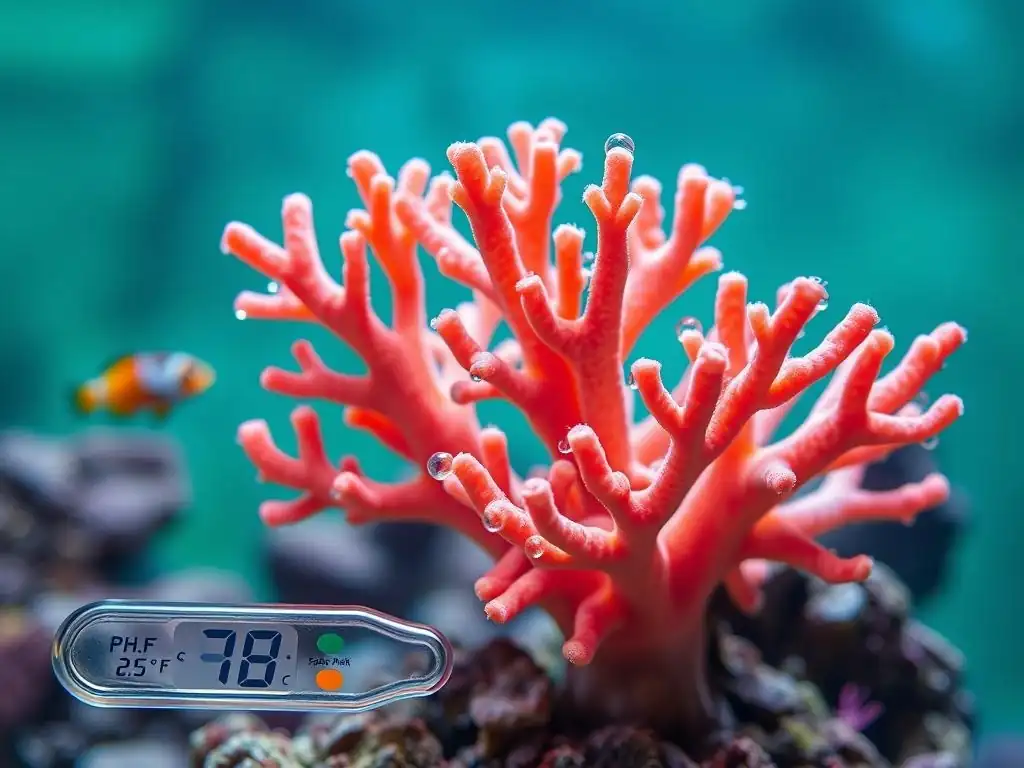
Consistent monitoring of key water parameters is non-negotiable for a healthy reef tank. Stable parameters reduce stress on all corals, making them more resilient to the subtle chemical warfare waged by soft corals. Essential parameters to monitor include salinity (1.025-1.026 SG), temperature (76-78°F or 24.5-25.5°C), alkalinity (8-11 dKH), calcium (400-450 ppm), magnesium (1250-1350 ppm), nitrates (ideally <10 ppm for mixed reefs), and phosphates (ideally <0.05 ppm).
Testing alkalinity, calcium, and magnesium weekly is advisable, while nitrates and phosphates can be checked bi-weekly. Maintaining these parameters within their optimal ranges minimizes stress, allowing corals to allocate more energy to growth and defense rather than coping with fluctuating conditions, thereby enhancing overall soft corals reef safety.
Creating Buffer Zones
Creating physical buffer zones between soft corals and more sensitive hard corals is a simple yet effective strategy to prevent direct contact and minimize chemical exposure. This involves carefully planning your aquascape to ensure adequate space for each coral to grow to its mature size without encroaching upon neighbors. For instance, placing a large Sarcophyton on an isolated rock island or at least 8-10 inches away from an Acropora colony can significantly reduce negative interactions.
These buffer zones can be bare rock, sand, or even less valuable, inert materials that do not host corals. The goal is to provide enough physical separation to prevent physical stinging or smothering, and to allow water flow to dilute allelochemicals before they reach sensitive neighbors. This proactive spatial planning is critical for long-term soft corals reef safety in a mixed reef environment.
Choosing Compatible Soft Corals
Beginner-Friendly Options
When starting with soft corals, or if you aim for a mixed reef with minimal aggression, selecting species generally considered less problematic is a wise approach. Zoanthids (Zoanthus spp. ), while capable of rapid growth, are typically less allelopathic towards stony corals compared to large leather corals, though some Palythoa species can release toxins (palytoxin) if disturbed. Rhodactis mushrooms are also popular, with many varieties being relatively peaceful, though some larger or more aggressive types can sting neighbors if in direct contact.
Other good choices include Green Star Polyps ( Pachyclavularia violacea), which are fast growers but can be easily confined to a single rock, and Kenya Tree Corals ( Capnella sp.), which have moderate growth and lower allelopathic output. These species offer a good balance of visual appeal and manageable soft corals reef safety for new aquarists.
Species Known for Peaceful Coexistence
While no coral is entirely "peaceful" in all circumstances, some soft coral species are generally known for their lower aggression levels and can coexist more readily with hard corals. Ricordea florida and many Discosoma mushroom varieties are often preferred for mixed reefs due to their relatively slow growth and minimal chemical output compared to larger leather corals. Certain gorgonian species, particularly photosynthetic ones, can also be good additions, provided their specific flow and lighting requirements are met.
It's important to remember that "peaceful" is relative; even these species require adequate space and good water flow to prevent issues. The key is to avoid overcrowding and to provide an environment that minimizes stress for all inhabitants, thereby optimizing soft corals reef safety across the board.
Importance of Species-Specific Research
General guidelines are helpful, but the ultimate key to successful soft corals reef safety lies in diligent, species-specific research before any purchase. The behavior and requirements can vary significantly even within the same genus. For example, while many Sinularia species are highly allelopathic, some smaller or slower-growing varieties might be more manageable.
Consult reputable sources such as scientific databases, well-established reef keeping forums, and experienced aquarists. Understanding a coral's mature size, growth rate, preferred lighting and flow, and known allelopathic tendencies will empower you to make informed decisions. This proactive research minimizes the risk of introducing an incompatible species that could destabilize your carefully cultivated reef ecosystem.
Case Studies: Observing Soft Coral Interactions
Leather Coral and SPS Coral Interactions
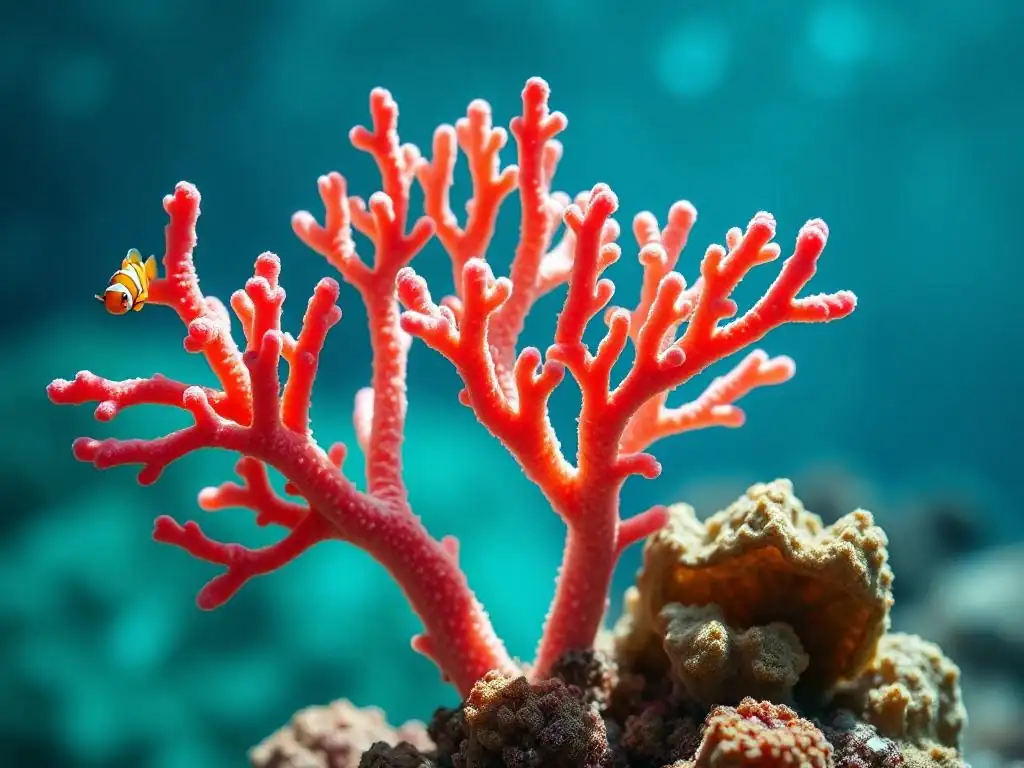
A common scenario observed in mixed reef tanks involves a large Sarcophyton (leather coral) placed too close to sensitive SPS corals like Acropora or Montipora. In one documented case, an Acropora colony positioned approximately 5 inches downstream from a mature Sarcophyton began showing signs of stress. Within two weeks, the Acropora exhibited reduced polyp extension, paling of tissue, and eventual recession on the side facing the leather coral, despite stable water parameters (Alkalinity 8.5 dKH, Calcium 420 ppm, Nitrates <5 ppm). This indicated classic allelopathic stress.
The solution involved relocating the Sarcophyton to a lower flow area on an isolated rock, increasing activated carbon dosage (from 50g to 150g for a 75-gallon tank), and performing a 20% water change. Over the next three to four weeks, the Acropora slowly recovered, regaining color and polyp extension. This case highlights that even with good flow, proximity to highly allelopathic soft corals significantly impacts soft corals reef safety for SPS.
Zoanthid Colony and Water Quality Effects
Another relevant case involves a rapidly expanding colony of Palythoa zoanthids in a 40-gallon mixed reef tank. While direct chemical aggression towards stony corals from Palythoa is often debated, their rapid growth can lead to other issues. In this instance, the Palythoa colony covered over 10 square inches of rock within six months. Other corals in the tank, including a Blastomussa and a small Favia, began appearing less inflated and showed slightly duller coloration, even though standard water parameters were within optimal ranges.
The underlying issue was likely a combination of subtle allelopathy, increased nutrient consumption by the rapidly growing zoanthids, and potential release of organic matter when the colony shed. The solution involved regularly trimming the Palythoa colony (carefully, due to potential palytoxin), increasing protein skimming efficiency, and performing weekly 15% water changes. Within a month, the Blastomussa and Favia regained their vibrancy, demonstrating that even seemingly benign soft corals require management for overall soft corals reef safety.
Mushroom Coral Aggression
Mushroom corals, particularly larger Rhodactis or aggressive Discosoma species, can also exhibit competitive behavior. A specific example involved a Rhodactis mushroom expanding to over 5 inches in diameter and physically touching a Duncanopsammia (Duncans) coral on the same rock. Within days of continuous contact, the Duncanopsammia polyps nearest the mushroom began to recede, showing signs of tissue necrosis. Unlike chemical warfare, this was a direct physical and stinging aggression.
The resolution involved carefully detaching the mushroom from the rock and placing it on an isolated frag plug in another section of the tank. The Duncanopsammia polyps slowly recovered over two weeks once the physical contact ceased. This case underscores that some soft corals, especially large mushrooms, can be directly aggressive through physical stinging or smothering, which is a key consideration for soft corals reef safety and placement.
Best Practices for Acclimation and Introduction
Quarantine Procedures
Implementing a robust quarantine procedure for all new corals, including soft corals, is a critical best practice for maintaining a healthy and stable reef tank. A separate quarantine tank allows you to observe new arrivals for 2-4 weeks, checking for pests (like nudibranchs, flatworms, or parasitic snails) and diseases without risking your main display tank. During this period, you can perform dips (e.g., a short Bayer dip for zoanthids to remove nudibranchs) and address any issues before introduction.
This isolation period also allows the coral to acclimate to your water parameters gradually and shed any stress-induced mucus, potentially reducing the initial burst of allelochemicals into your main system. This proactive step significantly enhances overall soft corals reef safety by preventing the introduction of unwanted organisms or excessive stress on existing inhabitants.
Gradual Acclimation Techniques
Once a soft coral has cleared quarantine, a gradual acclimation process is essential before introducing it to the display tank. This involves drip acclimation to slowly match salinity and temperature, minimizing osmotic shock. More importantly, light acclimation is crucial. Start new soft corals in a lower light area of your tank, perhaps on the sandbed or in a shaded spot, and gradually move them to their desired, brighter location over several days to a week.
Rapid changes in light intensity can cause significant stress, leading to polyp retraction, bleaching, or excessive mucus production, which can exacerbate the release of allelochemicals. A slow, methodical acclimation process ensures the soft coral adapts smoothly to its new environment, reducing stress on both the coral and the overall system, thereby contributing positively to soft corals reef safety.
Maintaining a Balanced Ecosystem
Beyond specific soft coral considerations, the overarching principle for soft corals reef safety and a thriving reef tank is maintaining a balanced and stable ecosystem. This encompasses consistent water parameters, a diverse and efficient clean-up crew, and appropriate stocking levels for fish and invertebrates. A healthy system is inherently more resilient to minor fluctuations in water chemistry or competitive pressures from soft corals.
Regular maintenance, including debris removal, glass cleaning, and equipment checks, also contributes to stability. When all elements of the ecosystem are in harmony, corals are less stressed and better equipped to fend off potential aggression, whether chemical or physical. A holistic approach to reef keeping is the most effective long-term strategy for success.
Conclusion: Informed Decision-Decision-Making for Reef Tank Health
Ongoing Research and Observation
Reef keeping is not a static hobby; it's a dynamic journey of continuous learning and adaptation. Even with extensive initial research, the unique dynamics of each individual reef tank necessitate ongoing observation. Soft corals, like all marine organisms, can exhibit varying behaviors depending on their specific genetics, environmental conditions, and tankmates. Therefore, regularly observing their growth, polyp extension, coloration, and interactions with other corals is paramount.
Stay updated with new scientific findings and community discussions. What might be considered a standard practice today could evolve with new knowledge. This commitment to continuous learning and vigilant observation is the bedrock of long-term soft corals reef safety and the overall health of your reef ecosystem.
Balancing Aesthetics and Stability
The allure of a vibrant, diverse reef tank often leads aquarists to desire a wide array of coral species. However, achieving this aesthetic must always be balanced with the paramount goal of maintaining a stable and healthy environment. Sometimes, this means making difficult choices, such as refraining from adding a particularly aggressive soft coral or, if necessary, removing a problematic one that is causing distress to the entire system.
Prioritizing the long-term stability and well-being of your reef over short-term aesthetic desires will ultimately lead to a more rewarding and sustainable hobby. A thriving, balanced ecosystem is inherently more beautiful than one constantly battling chemical warfare or overgrowth issues, reinforcing the importance of soft corals reef safety through informed choices.
Continuous Learning in Reef Keeping
The journey of reef keeping is one of perpetual discovery. Understanding the intricate relationships within a closed system, particularly the subtle yet powerful competitive strategies of soft corals, is a testament to the complexity of marine biology. Embrace this complexity, consistently seek out new knowledge, and share your experiences with the community.
By diligently applying best practices, conducting thorough research, and maintaining a watchful eye on your tank's inhabitants, you can successfully integrate soft corals into a mixed reef. The ultimate goal is to create a thriving, vibrant, and sustainable miniature ocean, where all inhabitants can flourish. Your commitment to informed decision-making ensures the highest level of soft corals reef safety and a truly spectacular reef aquarium.
Frequently Asked Questions
### Are all soft corals inherently reef safe?
No, that's a common misconception. While many soft corals are considered reef safe, some can be aggressive and outcompete other corals. Certain species may release chemical defenses that harm or inhibit the growth of other corals.
### What risks do soft corals pose to a reef aquarium environment?
Soft corals can pose risks through allelopathy, the release of chemicals that negatively impact other organisms. They may also overgrow neighboring corals, depriving them of light and nutrients. Finally, some can irritate sensitive fish.
### How can I ensure soft corals are reef safe in my aquarium?
Proper planning and research are crucial. Choose compatible species with similar environmental needs. Adequate water flow and regular water changes can help dilute any released toxins.
### What are some examples of soft corals that are not considered reef safe?
Some species of Zoanthids can be highly toxic, and some Leather corals can release irritating chemicals. Sinularia species can also be aggressive competitors for space and resources.
### How can I mitigate the risks associated with keeping less reef-safe soft corals?
Utilize carbon filtration to remove chemical toxins. Maintain ample space between corals to prevent direct contact and competition. Consider using a separate refugium for more aggressive species.
The exploration of soft coral reef safety, as we've seen, is not merely an academic exercise, but a crucial undertaking in preserving the delicate balance of our marine ecosystems. Understanding the nuances of soft coral compatibility and potential risks is paramount for any reef aquarium enthusiast striving to create a thriving and harmonious environment. Ignoring these considerations can lead to devastating consequences, impacting not only the soft corals themselves but the entire reef ecosystem.
This journey into the world of soft corals has underscored the importance of informed decision-making and responsible reef keeping. The long-term health of our reefs, both in captivity and in the wild, depends on our willingness to learn and adapt our practices. In the end, we will conserve only what we love; we will love only what we understand; and we will understand only what we are taught.
- Baba Dioum. This quote resonates deeply, reminding us that education and understanding are the cornerstones of conservation.
Now, as you embark on or continue your reef-keeping journey, I urge you to carry these insights with you. Let the knowledge gained here empower you to make conscientious choices, fostering a reef aquarium that not only captivates with its beauty but also contributes to the overall health and sustainability of our precious coral reefs. Reflect on the potential impact of your actions and strive to be a responsible steward of these underwater wonders.
Ignite Your Reef Tank: Dive Deeper with Soft Corals!
Thanks for exploring the captivating world of soft corals with us! We hope you’ve gained valuable insights into making informed decisions for your reef aquarium. Ready to take the plunge?
Here are some actionable steps to elevate your reef-keeping journey:
- Carefully evaluate your current reef tank ecosystem before introducing any soft corals, considering factors like lighting, flow, and existing inhabitants.
- Join our thriving community forum to share your experiences with soft corals and learn from fellow reef enthusiasts!
- Experiment with different placement strategies for your soft corals to optimize their growth and health!
What specific soft coral species are you most excited to introduce (or improve) in your reef tank and why?