
Planted Paradise: Best Aquatic Plants for a Dwarf Cichlid Community

Welcome to Aquarium Mastery!
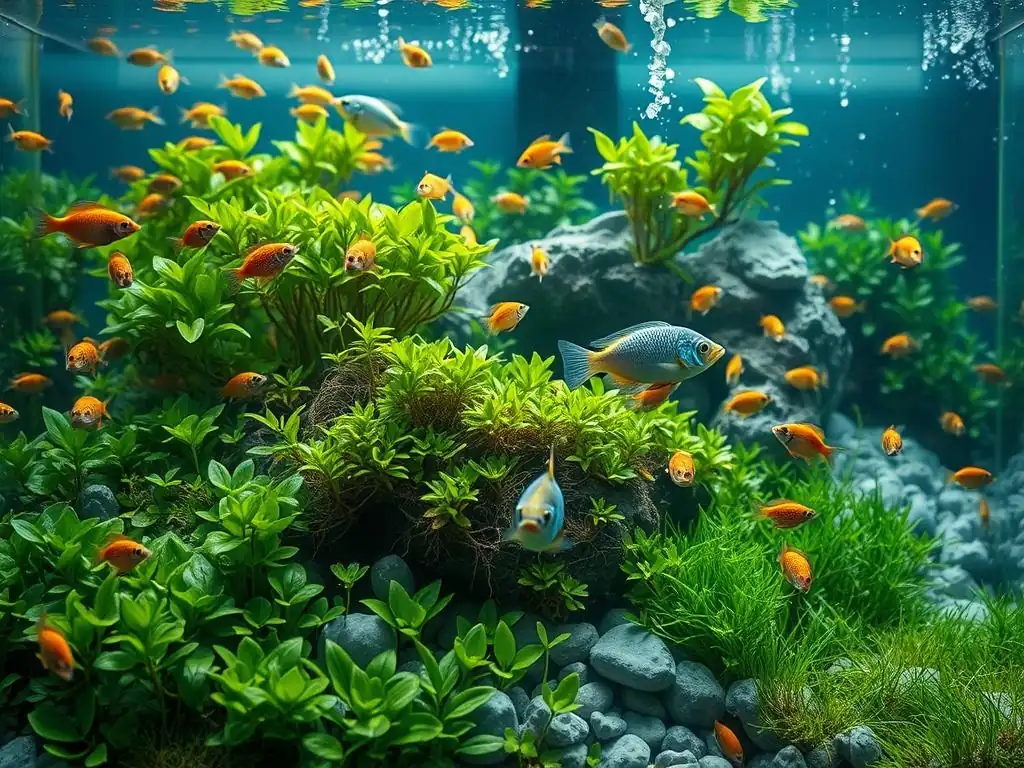
Curious about creating a thriving, planted paradise for your dwarf cichlids? You've come to the right place. Uncover the secrets to successful dwarf cichlid aquarium plant care in our comprehensive guide below. Get ready to dive into the world of lush aquascapes and happy, healthy fish! Let's get started...
- Creating a Thriving Dwarf Cichlid Aquarium with Live Plants
- Understanding Dwarf Cichlid Needs and Plant Compatibility
-
Top Aquatic Plants for a Planted Dwarf Cichlid Aquarium
- Amazon Sword (Echinodorus grisebachii): A Classic Choice for Cichlid Tanks
- Java Fern (Microsorum pteropus): Hardy and Easy to Maintain
- Anubias (Anubias spp. ): Low-Light Beauty for Cichlid Setups
- Cryptocoryne (Cryptocoryne spp. ): Adaptable and Visually Appealing
- Vallisneria (Vallisneria spp. ): Providing Natural Cover and Filtration
- Setting Up Your Planted Dwarf Cichlid Tank
- Caring for Your Aquatic Plants in a Dwarf Cichlid Aquarium
- Troubleshooting Plant Problems in Dwarf Cichlid Tanks
- Planted Tank Benefits for Dwarf Cichlids
- Advanced Planted Tank Techniques for Dwarf Cichlids
- Conclusion: Achieving a Balanced and Beautiful Planted Dwarf Cichlid Aquarium
-
Frequently Asked Questions
- What are some of the best aquatic plants to include in a dwarf cichlid aquarium?
- How does dwarf cichlid aquarium plant care differ from caring for plants in a general freshwater aquarium?
- What type of substrate is best for a planted dwarf cichlid aquarium?
- How do I prevent dwarf cichlids from damaging my aquatic plants?
- What are some common water chemistry parameters to monitor for a thriving planted dwarf cichlid aquarium?
- Final Reflection: Cultivating Harmony in the Aquatic Realm
- Cultivate Your Cichlid Haven Now!
Creating a Thriving Dwarf Cichlid Aquarium with Live Plants
The creation of a vibrant, planted aquarium for dwarf cichlids goes beyond mere aesthetics; it profoundly enhances the well-being and natural behaviors of these fascinating fish. Live plants act as natural filters, absorbing nitrates and other waste products, thereby contributing to superior water quality. This natural purification reduces the frequency of major water changes and helps maintain stable parameters, which is crucial for sensitive species like Apistogramma or Mikrogeophagus ramirezi.
Beyond their role in water chemistry, live plants provide essential environmental enrichment. They offer crucial hiding spots, territorial boundaries, and spawning sites, which significantly reduce stress and aggression among dwarf cichlids. A well-planted tank mimics their natural habitats, encouraging more natural behaviors, vibrant coloration, and even successful breeding. Integrating live plants is a cornerstone of comprehensive dwarf cichlid aquarium plant care, ensuring a healthy and engaging ecosystem.
Understanding Dwarf Cichlid Needs and Plant Compatibility
Dwarf Cichlid Natural Habitat and Plant Preferences
Dwarf cichlids, such as species from the Apistogramma genus, Mikrogeophagus ramirezi (Ram Cichlids), and Pelvicachromis pulcher (Kribensis), originate from diverse aquatic environments across South America and West Africa. Their natural habitats often feature slow-moving, soft, acidic waters, typically with a pH ranging from 5.5 to 7.0 and temperatures between 24-28°C (75-82°F). These environments are frequently characterized by dense vegetation, fallen leaves, and intricate root systems, providing ample cover and numerous visual barriers.
Consequently, when selecting plants for a dwarf cichlid community, it is essential to mimic these conditions. Plants that offer dense foliage, create shaded areas, and provide secure hiding spots are highly preferred. Species that tolerate slightly lower light levels are often more suitable, as many dwarf cichlids appreciate dimmer environments where they feel more secure and display their best colors. This consideration is vital for effective dwarf cichlid aquarium plant care, ensuring the chosen flora supports the fish's natural instincts.
Key Considerations for Plant Selection in a Cichlid Tank
When selecting aquatic plants for a dwarf cichlid tank, several factors must be carefully weighed to ensure compatibility and ease of dwarf cichlid aquarium plant care. Firstly, consider the plant's hardiness and root system. While dwarf cichlids are generally not destructive plant eaters, they can uproot delicate plants, particularly during spawning or territorial disputes. Plants with robust root systems or those that attach to hardscape (like driftwood or rocks) are often more resilient.
Secondly, the water parameters and lighting requirements of the plants must align with those preferred by dwarf cichlids. Many dwarf cichlids thrive in softer, slightly acidic water, and choosing plants that tolerate or prefer these conditions simplifies overall tank maintenance. Opting for low to moderate light-demanding plants also reduces the need for intense lighting, which can stress light-sensitive cichlids and contribute to algae issues. This thoughtful selection ensures that the planted environment remains stable and beneficial for both fish and flora.
Top Aquatic Plants for a Planted Dwarf Cichlid Aquarium
Amazon Sword (Echinodorus grisebachii): A Classic Choice for Cichlid Tanks
The Amazon Sword is a highly popular and classic choice for freshwater aquariums, particularly those housing dwarf cichlids, due to its robust nature and impressive size. This plant features broad, lance-shaped leaves that can grow quite large, typically reaching heights of 20-50 cm (8-20 inches) or more depending on tank size and conditions. Its strong root system anchors it firmly in the substrate, making it resilient against minor disturbances from active dwarf cichlids. It serves as an excellent background or midground plant, creating a lush, jungle-like effect that mimics natural riverine environments.
Caring for Amazon Swords involves providing a nutrient-rich substrate, as they are heavy root feeders. Root tabs placed near their base every 3-4 months are highly beneficial, supplementing the nutrients available. They thrive in moderate lighting conditions and a wide range of water parameters, including the slightly acidic to neutral pH (6.0-7.5) and soft to moderately hard water favored by many dwarf cichlids. The large leaves offer superb hiding spots and potential spawning surfaces, making it an invaluable addition to any dwarf cichlid aquarium plant care strategy.
Java Fern (Microsorum pteropus): Hardy and Easy to Maintain
Java Fern is renowned for its exceptional hardiness and adaptability, making it an ideal choice for aquarists seeking low-maintenance plants for their dwarf cichlid setups. Unlike many aquatic plants, Java Fern does not require planting in the substrate; instead, its rhizome (the horizontal stem) should be attached to driftwood, rocks, or other decor using fishing line or super glue until it naturally adheres.
This unique growth habit prevents it from being uprooted by curious cichlids, a common concern in community tanks. Its leathery, dark green leaves typically grow to lengths of 10-30 cm (4-12 inches), forming dense clumps that provide excellent cover.
This versatile plant tolerates a wide spectrum of water parameters, thriving in temperatures from 18-28°C (64-82°F) and a pH range of 6.0-8.0, making it highly compatible with most dwarf cichlid environments. Java Fern prefers low to moderate light and does not require CO2 injection, simplifying dwarf cichlid aquarium plant care. Propagation is straightforward, occurring naturally through spores on the underside of leaves or by simply dividing the rhizome. Its resilience and ability to grow in various positions make it a staple for creating a natural, secure habitat.
Anubias (Anubias spp. ): Low-Light Beauty for Cichlid Setups
Anubias species are celebrated for their remarkable durability, slow growth rate, and tolerance for low light conditions, making them a premium choice for planted dwarf cichlid aquariums. Like Java Fern, Anubias is a rhizome plant that should not be buried in the substrate, as this can lead to rot. Instead, it should be attached to hardscape elements such as driftwood or rocks, where its roots will eventually anchor themselves.
Varieties like Anubias barteri and Anubias nana feature thick, dark green leaves that are exceptionally tough, rendering them highly resistant to nipping or damage from even the most curious dwarf cichlids. Typical leaf sizes range from 5-15 cm (2-6 inches), depending on the species.
Anubias thrives in low to moderate lighting and requires minimal fertilization, making it perfect for aquarists prioritizing ease of dwarf cichlid aquarium plant care. It adapts well to a broad range of water conditions, including the slightly acidic to neutral pH (6.0-7.5) often preferred by dwarf cichlids, and temperatures between 22-28°C (72-82°F). Its sturdy leaves and dense growth provide excellent perching spots and crucial hiding places for shy cichlids, contributing significantly to their sense of security and overall well-being in the aquarium.
Cryptocoryne (Cryptocoryne spp. ): Adaptable and Visually Appealing
Cryptocoryne, often affectionately called "Crypts," is a diverse genus of aquatic plants highly valued for their adaptability and varied aesthetics, making them excellent candidates for dwarf cichlid community tanks. While they are known for occasionally experiencing "crypt melt" when first introduced to a new environment (a temporary shedding of leaves due to changes in water parameters), once established, they are incredibly hardy.
Popular species include Cryptocoryne wendtii, C. undulata, and C. lutea, which come in various shades of green, brown, and even reddish hues, with leaf shapes ranging from broad to slender. They typically grow to heights of 5-30 cm (2-12 inches), forming dense bushes.
Crypts are primarily root feeders and benefit from a nutrient-rich substrate or the addition of root tabs. They prefer stable water conditions and moderate lighting, though many varieties can tolerate lower light levels. The ideal pH range for Cryptocorynes is generally 6.0-7.5, aligning well with the preferences of most dwarf cichlids. Their dense, bushy growth habits provide excellent cover and visual breaks, creating a natural and secure environment that encourages dwarf cichlids to establish territories and exhibit natural behaviors, simplifying dwarf cichlid aquarium plant care by offering robust options.
Vallisneria (Vallisneria spp. ): Providing Natural Cover and Filtration
Vallisneria, commonly known as "Val," is a graceful, grass-like aquatic plant that serves as an outstanding background plant in dwarf cichlid aquariums. Varieties like Jungle Val ( Vallisneria americana) can grow quite tall, often exceeding 60 cm (24 inches) in length, creating a dense, natural wall of foliage that mimics the reedy edges of many natural water bodies. It propagates readily through runners, quickly forming expansive stands that provide extensive vertical cover and visual barriers, which are highly beneficial for reducing aggression and providing security for territorial dwarf cichlids.
This plant is relatively easy to care for, thriving in moderate lighting and a nutrient-rich substrate. While it prefers stable water conditions, it is adaptable to a wide range of pH (6.0-8.0) and temperatures (20-28°C / 68-82°F), making it compatible with most dwarf cichlid setups. Beyond its aesthetic and shelter-providing qualities, Vallisneria is an efficient nutrient absorber, actively removing nitrates and other waste products from the water column. This natural filtration significantly contributes to maintaining excellent water quality, which is a critical aspect of effective dwarf cichlid aquarium plant care.
Setting Up Your Planted Dwarf Cichlid Tank
Choosing the Right Substrate for Planted Cichlid Aquariums
The substrate is a foundational element for any planted dwarf cichlid aquarium, serving both as an anchor for plants and a reservoir for essential nutrients. For optimal plant growth, particularly for heavy root feeders like Amazon Swords and Cryptocorynes, a nutrient-rich substrate specifically designed for planted tanks is highly recommended.
These substrates, often composed of baked clay granules or specialized soils, provide a steady supply of macronutrients (like nitrogen, phosphorus, and potassium) and micronutrients (such as iron and manganese) directly to plant roots. A substrate depth of at least 5-7 cm (2-3 inches) is generally ideal to allow for robust root development.
However, the substrate choice must also consider the needs of dwarf cichlids. Many species, especially Mikrogeophagus ramirezi and Apistogramma species, enjoy sifting through fine sand or digging small pits for spawning. Therefore, a common and effective strategy is to use a layer of nutrient-rich substrate capped with a 2-3 cm (0.8-1.2 inches) layer of fine, inert sand. This combination provides the necessary nutrients for plants while offering a safe and natural substrate for the cichlids. Ensuring the substrate is not overly coarse prevents fin damage and facilitates natural behaviors, significantly contributing to comprehensive dwarf cichlid aquarium plant care.
Lighting Requirements for a Healthy Planted Tank
Proper lighting is a critical component of successful dwarf cichlid aquarium plant care, directly influencing plant growth and the overall health of the ecosystem. For the majority of plants recommended for dwarf cichlid tanks—which typically fall into the low to moderate light categories—intense, high-power lighting is generally unnecessary and can even be detrimental. Overly strong light can stress light-sensitive dwarf cichlids, encourage excessive algae growth, and may necessitate more complex CO2 injection and fertilization regimens.
A photoperiod of 8-10 hours per day is usually sufficient to support healthy plant growth without promoting nuisance algae. Modern LED lights with a full spectrum output are highly efficient and effective. For a typical 40-liter (10-gallon) tank, a light fixture providing approximately 15-25 PAR (Photosynthetically Active Radiation) at the substrate level is often adequate for low-light plants. For larger or deeper tanks, a proportionally stronger light might be needed, but the focus should remain on meeting the plants' needs without overwhelming the cichlids or inviting algae blooms.
CO2 Injection: Is It Necessary for a Cichlid Community?
For a dwarf cichlid community tank focused on the recommended low to moderate light plants, supplemental CO2 injection is generally not a necessity. Many of these hardy plant species, such as Anubias, Java Fern, and various Cryptocorynes, can thrive perfectly well utilizing the CO2 naturally produced by fish respiration and decaying organic matter within the aquarium. Introducing high levels of CO2 can also lower the pH significantly, which, while beneficial for some plants, can cause rapid fluctuations that stress sensitive dwarf cichlids if not managed with extreme precision.
If an aquarist chooses to introduce more demanding plants that benefit from CO2, or wishes to accelerate growth, a CO2 system can be implemented. However, careful monitoring with a drop checker (aiming for consistent levels around 20-30 ppm) and a pH controller is crucial to prevent drastic pH swings that could harm the fish. For most dwarf cichlid setups, prioritizing plants that do not require supplemental CO2 simplifies dwarf cichlid aquarium plant care, reduces equipment costs, and maintains a more stable environment for the fish.
Fertilization Strategies for Optimal Plant Growth in Cichlid Tanks
Effective fertilization is key to robust plant growth in a dwarf cichlid aquarium, ensuring plants receive the necessary nutrients without negatively impacting fish health or water quality. Fertilization strategies typically involve two main approaches: substrate fertilization and water column fertilization. For heavy root feeders like Amazon Swords and Cryptocorynes, nutrient-rich substrate or the periodic addition of root tabs is highly beneficial. Root tabs, which are slow-release capsules containing essential plant nutrients, should be pushed into the substrate near the base of these plants, typically every 3-4 months, depending on the brand and plant density.
For plants that absorb nutrients primarily through their leaves, such as Java Fern, Anubias, and Vallisneria, liquid comprehensive fertilizers can be dosed into the water column. However, caution is advised to avoid over-fertilization, which can lead to unsightly algae blooms. Starting with half the recommended dose (e.g., 2.5 ml for a 75-liter / 20-gallon tank weekly) and observing plant response is a good practice.
Regular water changes also play a role in replenishing some trace elements. A balanced approach ensures that plants flourish while maintaining optimal conditions for dwarf cichlids, making it a critical aspect of dwarf cichlid aquarium plant care.
Caring for Your Aquatic Plants in a Dwarf Cichlid Aquarium
Regular Water Changes and Plant Maintenance
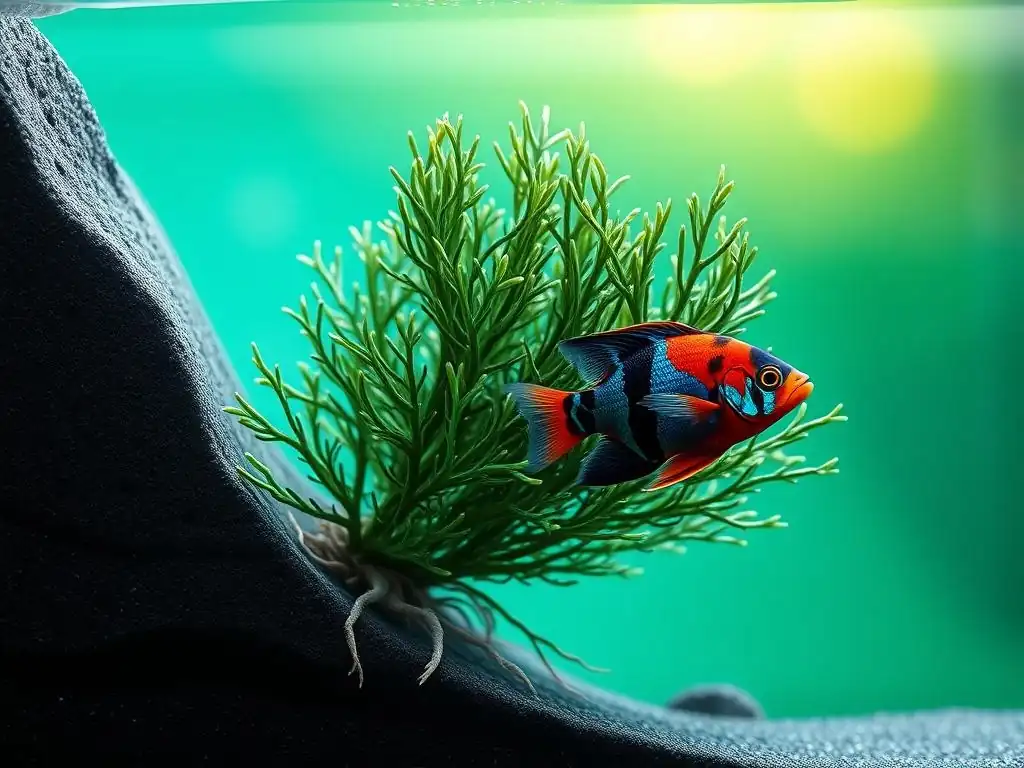
Consistent water changes are paramount for the health of both your dwarf cichlids and your aquatic plants. Performing weekly water changes of 25-30% not only removes accumulated nitrates and other waste products from the fish but also replenishes essential trace elements that plants utilize. This regular flushing helps maintain stable water parameters, which is vital for preventing stress in dwarf cichlids and avoiding "melt" or stunted growth in plants. During these maintenance routines, it's also an opportune time to perform hands-on plant care.
Plant maintenance involves several key tasks. Regularly inspect your plants for any yellowing, decaying, or damaged leaves and gently prune them using sharp aquascaping scissors. Removing dead plant matter prevents it from decomposing and releasing excess nutrients into the water column, which could fuel algae growth. For fast-growing plants like Vallisneria, thinning out runners that become too dense helps prevent overcrowding and ensures adequate light reaches all plants. This proactive approach to maintenance is fundamental to effective dwarf cichlid aquarium plant care.
Preventing Algae Growth in a Planted Cichlid Tank
Preventing algae growth is a continuous effort in any planted aquarium, and particularly important in dwarf cichlid tanks where excess light or nutrients can quickly lead to imbalances. The primary causes of algae blooms often include an overabundance of light (either too intense or too long a photoperiod), excess nutrients in the water column (from overfeeding fish or over-fertilizing plants), and sometimes insufficient CO2 (if dosing). Maintaining a consistent photoperiod of 8-10 hours daily and ensuring appropriate light intensity for your low-to-moderate light plants are crucial first steps.
Strategies for prevention also involve managing nutrient levels. Avoid overfeeding your dwarf cichlids, as uneaten food quickly breaks down into nitrates and phosphates. Regular water changes, as mentioned, help export excess nutrients. Introducing algae-eating invertebrates, such as Nerite snails or Amano shrimp (if compatible with your specific dwarf cichlid species and their temperament), can provide biological control. Manual removal of algae from leaves and decor during routine maintenance also plays a significant role in keeping it at bay, making it a key aspect of dwarf cichlid aquarium plant care.
Addressing Common Plant Deficiencies in Cichlid Aquariums
Identifying and addressing common plant deficiencies is a vital aspect of effective dwarf cichlid aquarium plant care, ensuring your aquatic flora remains vibrant and healthy. Plant deficiencies often manifest through specific visual cues. For instance, general yellowing of older leaves, particularly at the tips, often indicates a nitrogen deficiency, while pale or yellowing new growth suggests an iron deficiency. Holes in leaves or yellowing around the edges of older leaves can point to a potassium deficiency. Stunted growth or unusually small leaves might signify a lack of macronutrients or CO2.
Once a deficiency is identified, the solution typically involves targeted supplementation. For root-feeding plants, ensure root tabs are replaced on schedule. For water column feeders, adjust the dosage of liquid comprehensive fertilizers or introduce specific supplements for the missing nutrient. For example, if iron deficiency is suspected, a liquid iron supplement can be added. Regular water testing for nitrates and phosphates can help gauge overall nutrient levels. By understanding these signs and responding appropriately, you can maintain lush plant growth and a balanced environment for your dwarf cichlids.
Troubleshooting Plant Problems in Dwarf Cichlid Tanks
Dealing with Plant Eaters: Protecting Your Investment
While dwarf cichlids are not primarily herbivorous, some individual fish or certain species might occasionally nip at softer-leaved plants, especially during territorial disputes or if their diet is insufficient. For example, some Pelvicachromis pulcher (Kribensis) may show more interest in plants than Apistogramma species. This behavior can lead to torn leaves or uprooted plants, impacting the aesthetic and health of your planted setup. Protecting your plant investment requires a strategic approach to dwarf cichlid aquarium plant care.
The most effective strategy is to select plant species that are naturally more resilient to nibbling. Robust, tough-leaved plants like Anubias and Java Fern are excellent choices as their texture is less appealing to fish. Providing a well-balanced diet for your dwarf cichlids, including high-quality flakes, pellets, and frozen foods, can also reduce their inclination to sample your plants.
If a specific cichlid continues to be problematic, ensuring it has adequate space and ample hiding spots can reduce stress-induced behaviors. In rare, persistent cases, providing blanched vegetables (like zucchini or spinach) as an alternative food source might divert their attention.
Identifying and Treating Plant Diseases
True plant diseases caused by bacteria, fungi, or viruses are relatively uncommon in healthy aquarium environments compared to issues stemming from nutrient deficiencies or environmental stress. However, symptoms that might appear disease-like can include unusual discoloration, rot, or a slimy appearance on leaves. One common phenomenon often mistaken for a disease is "Crypt melt," where Cryptocoryne species shed all or most of their leaves after being introduced to a new tank or experiencing significant environmental changes. This is typically a stress response, not a disease, and new leaves will usually grow back if conditions are stable.
Treatment for actual plant diseases often involves improving overall water quality and ensuring stable parameters, as stressed plants are more susceptible. Removing affected plant parts to prevent further spread is a crucial step. It is important to avoid using general fish medications in a planted tank without first verifying their safety for plants, as many can be detrimental to delicate flora or beneficial bacteria. Focusing on maintaining optimal water parameters, appropriate lighting, and balanced fertilization is the best preventative measure, embodying a holistic approach to dwarf cichlid aquarium plant care.
Maintaining Water Parameters for Plant and Cichlid Health
Maintaining stable and appropriate water parameters is the cornerstone of a thriving dwarf cichlid aquarium, benefiting both the fish and the aquatic plants. Dwarf cichlids typically prefer soft, acidic to neutral water, with a pH generally ranging from 6.0 to 7.0, and a general hardness (GH) between 2-8 dGH (35-140 ppm).
Many popular aquatic plants, including Amazon Swords, Cryptocorynes, and Java Fern, also thrive in these conditions, making them highly compatible. Fluctuations in pH, temperature, or hardness can cause significant stress to both fish and plants, leading to weakened immune systems in cichlids and "melt" or stunted growth in plants.
Regular testing of key water parameters—including pH, GH, KH (carbonate hardness), nitrates, and phosphates—is essential. Aim for consistency rather than specific absolute numbers, as stability is often more critical than a precise reading. For example, maintaining a steady pH of 6.5 and a GH of 4 dGH provides an excellent balance for many popular dwarf cichlids such as German Blue Rams and their compatible plants. Consistent water changes, proper filtration, and avoiding sudden environmental shifts are all crucial elements in maintaining these parameters, which is central to effective dwarf cichlid aquarium plant care.
Planted Tank Benefits for Dwarf Cichlids
Providing Shelter and Security for Cichlids
One of the most significant benefits of a heavily planted aquarium for dwarf cichlids is the provision of extensive shelter and security. Dwarf cichlids, particularly species like Apistogramma and Mikrogeophagus ramirezi, are often shy and territorial, especially during breeding periods or when housed with more active tank mates.
Dense planting creates numerous hiding spots, visual barriers, and distinct territories, allowing individual fish or pairs to establish their own spaces without constant aggression. For instance, a pair of Apistogramma cacatuoides might claim a territory around a dense Anubias clump or a large Amazon Sword, using its leaves for cover and spawning.
The presence of abundant foliage also significantly reduces stress levels in dwarf cichlids. Feeling secure and having immediate refuge from perceived threats encourages them to exhibit more natural behaviors, such as foraging, exploring, and displaying their most vibrant colors. This environmental enrichment is vital for their long-term health and well-being, transforming a simple tank into a naturalistic haven. The ability to retreat into cover when needed is a fundamental aspect of their survival instinct, directly enhancing their quality of life in the aquarium.
Improving Water Quality and Reducing Stress
Live aquatic plants play a crucial role as natural biofilters, significantly improving water quality in a dwarf cichlid aquarium. They actively absorb nitrates, phosphates, and other nitrogenous waste products generated by fish respiration, uneaten food, and decaying organic matter. This absorption helps to keep harmful compounds at low levels, contributing to a more stable and healthier aquatic environment. For example, a well-planted 100-liter (25-gallon) tank can often maintain nitrate levels below 10-20 ppm, reducing the burden on mechanical and biological filtration.
The resulting cleaner and more stable water parameters directly contribute to reduced stress levels in dwarf cichlids. Fish exposed to fluctuating or poor water conditions are more susceptible to disease and exhibit subdued coloration and behavior. A robust plant population helps buffer these changes, creating a more consistent and forgiving environment. The overall reduction in stress promotes stronger immune systems, encourages natural behaviors like breeding, and leads to a more vibrant and long-lived dwarf cichlid community. This symbiotic relationship is a cornerstone of effective dwarf cichlid aquarium plant care.
Enhancing the Natural Beauty of Your Aquarium
Beyond their practical benefits, live plants dramatically enhance the aesthetic appeal of a dwarf cichlid aquarium, transforming it into a captivating living art piece. The vibrant greens, subtle reds, and varied textures of aquatic plants create a dynamic and visually engaging landscape that far surpasses the static appearance of artificial decor. The gentle sway of Vallisneria in the current, the broad leaves of an Amazon Sword, and the intricate rhizomes of Java Fern add depth, movement, and a sense of natural tranquility to the setup.
This natural beauty is further amplified by the way light interacts with the plant foliage, creating beautiful patterns of light and shadow that highlight the iridescent scales and unique patterns of dwarf cichlids. A well-designed planted tank provides a natural backdrop that allows the colors of fish like Mikrogeophagus altispinosus (Bolivian Rams) or Apistogramma agassizii to truly pop. The sensory experience of observing a thriving, planted dwarf cichlid tank is unparalleled, offering a serene and immersive glimpse into a miniature underwater world.
Advanced Planted Tank Techniques for Dwarf Cichlids
Aquascaping Tips for a Stunning Cichlid Aquarium
Aquascaping, the art of arranging aquatic plants, rocks, and driftwood in an aesthetically pleasing manner, can elevate a dwarf cichlid aquarium from a simple tank to a stunning underwater landscape. When designing a cichlid-friendly aquascape, consider principles such as the Rule of Thirds or the Golden Ratio to create visually balanced compositions.
Establish focal points using striking pieces of driftwood or unique rocks, then strategically plant around them to draw the eye. Utilize varying plant heights—foreground plants (e.g., Anubias nana), midground plants (e.g., Cryptocorynes), and background plants (e.g., Vallisneria)—to create depth and perspective, making the tank appear larger and more intricate.
Crucially, an aquascape for dwarf cichlids must balance beauty with functionality. Design distinct zones with ample hiding spots and visual barriers to reduce aggression and provide security. For instance, a dense "forest" of Java Fern and Anubias attached to driftwood on one side can serve as a prime breeding territory, while an open sandy area in the middle allows for foraging.
Thoughtful placement of tall plants like Vallisneria along the back or sides can break up lines of sight. This blend of artistic arrangement and biological consideration is an advanced aspect of dwarf cichlids aquarium plant care, creating both a visually appealing and highly functional habitat.
Using Root Tabs for Targeted Plant Nutrition
For aquarists aiming for optimal plant growth in their dwarf cichlid tanks, particularly for heavy root feeders, the targeted application of nutrients via root tabs is an advanced and highly effective technique. Root tabs are small, compressed capsules or pellets containing a concentrated blend of essential macronutrients (like nitrogen, phosphorus, and potassium) and micronutrients (such as iron, manganese, and boron) in a slow-release form. These tabs are designed to be inserted directly into the substrate near the root systems of plants that primarily absorb nutrients through their roots, such as Amazon Swords, Cryptocorynes, and larger stem plants.
The benefit of using root tabs lies in their ability to deliver nutrients precisely where they are needed, minimizing the release of these compounds into the water column. This targeted approach is particularly advantageous in tanks with inert substrates (like sand) or where liquid fertilization might lead to excess nutrients in the water, potentially fueling algae growth. Typically, root tabs are replaced every 3-4 months, depending on the brand and plant density, ensuring a continuous supply of vital nutrients for robust and healthy plant growth. This precise nutrient management is a refined aspect of dwarf cichlid aquarium plant care.
Exploring Different Planting Styles for Cichlid Tanks
Beyond the basic arrangement of foreground, midground, and background plants, exploring different planting styles can significantly enhance the complexity and naturalism of a dwarf cichlid aquarium. One popular style is the "Dutch Aquascape," characterized by dense groupings of various plant species, creating lush, colorful "bouquets."
While traditionally high-tech, a low-tech version can be adapted for dwarf cichlids by focusing on species that thrive with moderate light and without CO2, ensuring ample open spaces for fish. Another approach is the "Nature Aquarium" style, popularized by Takashi Amano, which aims to mimic natural landscapes, often incorporating fewer plant species but arranged with meticulous detail around focal hardscape elements.
For dwarf cichlids, a "Biotope" style is particularly compelling. This involves researching the specific natural habitat of your chosen dwarf cichlid species (e.g., a blackwater stream in the Amazon or a rocky crevice in Lake Tanganyika, though most dwarf cichlids are South American/West African) and replicating it as closely as possible using native or similar-looking plants, substrate, and hardscape.
For instance, a biotope for Apistogramma might feature dense Amazon Swords, Cryptocorynes, leaf litter, and driftwood, creating an authentic and highly beneficial environment. These advanced planting styles not only create stunning visual displays but also provide highly specialized and stimulating habitats, perfecting dwarf cichlid aquarium plant care.
Conclusion: Achieving a Balanced and Beautiful Planted Dwarf Cichlid Aquarium
Creating a planted paradise for dwarf cichlids is a rewarding endeavor that culminates in a balanced, beautiful, and thriving aquatic ecosystem. By carefully selecting aquatic plants that are compatible with the specific needs of dwarf cichlids—preferring low to moderate light, tolerating slightly acidic to neutral water, and offering robust structures—aquarists can establish a foundation for success. The integration of species like Amazon Swords, Java Fern, Anubias, Cryptocorynes, and Vallisneria provides essential shelter, reduces stress, and enhances the natural behaviors of these captivating fish, from territorial displays to successful breeding.
Effective dwarf cichlid aquarium plant care extends beyond initial setup, encompassing thoughtful substrate choice, appropriate lighting, and intelligent fertilization strategies. Consistent maintenance, including regular water changes and mindful pruning, is crucial for preventing algae and addressing potential plant deficiencies. Ultimately, a well-planned and diligently maintained planted dwarf cichlid aquarium offers a dynamic, visually stunning environment that promotes the health and longevity of its inhabitants, transforming a simple tank into a vibrant underwater masterpiece.
Frequently Asked Questions
What are some of the best aquatic plants to include in a dwarf cichlid aquarium?
Some excellent choices include Anubias, Java Fern, and Cryptocoryne species. These plants are generally hardy and can tolerate the specific water conditions often preferred by dwarf cichlids. They also offer hiding places.
How does dwarf cichlid aquarium plant care differ from caring for plants in a general freshwater aquarium?
Dwarf cichlids may dig or uproot plants, so it's crucial to select robust species and secure them well. Also, maintaining stable water parameters is essential for both the fish and the plant's health.
What type of substrate is best for a planted dwarf cichlid aquarium?
A substrate rich in nutrients like aquarium soil or a specialized plant substrate is ideal for optimal plant growth. Consider adding root tabs for extra fertilization, especially for heavy root feeders.
How do I prevent dwarf cichlids from damaging my aquatic plants?
Choose plants with tough leaves or attach them to rocks or driftwood. Providing ample hiding places for the cichlids can also reduce their tendency to dig and uproot plants.
What are some common water chemistry parameters to monitor for a thriving planted dwarf cichlid aquarium?
Regularly test for pH, ammonia, nitrite, and nitrate levels to ensure stable and healthy water conditions. Maintaining proper CO2 levels is also important for plant growth, but be mindful of cichlid sensitivities.
Final Reflection: Cultivating Harmony in the Aquatic Realm
The journey of creating a thriving dwarf cichlid community extends far beyond simply selecting fish; it's about crafting an ecosystem of balance and beauty. Understanding the nuances of Dwarf cichlid aquarium plant care is not just a matter of aesthetics, but a crucial element in ensuring the health, happiness, and natural behaviors of these fascinating creatures. The right aquatic plants provide shelter, breeding grounds, and even a natural food source, transforming a simple tank into a vibrant, miniature world.
This exploration into the symbiotic relationship between dwarf cichlids and aquatic plants has profoundly underscored the importance of thoughtful aquascaping. It's a reminder that our role as aquarists is to be stewards of these delicate environments, fostering conditions that mimic their natural habitats. In nature, nothing exists alone.
- Rachel Carson. This quote perfectly encapsulates the interconnectedness we strive for in our aquariums, where plants and fish thrive in a carefully orchestrated dance of life.
As you consider the information presented, I encourage you to view your aquarium not just as a display, but as a living canvas. Embrace the opportunity to experiment with different plant species, observe the interactions between your cichlids and their leafy companions, and continuously refine your approach to Dwarf cichlid aquarium plant care. By doing so, you'll not only create a visually stunning environment, but also contribute to the well-being of your aquatic inhabitants, fostering a truly planted paradise.
Cultivate Your Cichlid Haven Now!
Thank you for diving into the world of aquatic plants and dwarf cichlids! We hope you've found inspiration to create a thriving underwater ecosystem. Now, it's time to turn that knowledge into action.
Here are a few ways to get started:
- Prioritize your plant selection: Choose at least three of the plants discussed, order them today, and start prepping your aquarium for planting. Don't wait, create the perfect environment for your cichlids now!
- Share the knowledge: Forward this article to a fellow aquarist who might benefit from these plant pairing tips.
- Explore unconventional hiding spots: Instead of solely relying on caves, consider adding dense patches of Hygrophila pinnatifida or even creatively arranging driftwood to provide a diverse and stimulating environment for your cichlids.
What unique plant combination will you try first to create the most enriching habitat for your dwarf cichlids?