
Target Feeding Favia: Boosting Growth & Color in Your Encrusting LPS

Welcome to Aquarium Mastery!
Dive into the fascinating world of reef keeping! Ever wondered how to unlock the vibrant colors and explosive growth potential of your Favia coral? This article unravels the secrets to successful Favia coral feeding techniques, transforming your encrusting LPS into a stunning centerpiece. Curious to learn more and witness the difference? Let's get started!
- Understanding Favia Corals: A Foundation for Successful Feeding
- Mastering Favia Coral Feeding Techniques for Optimal Health
- Step-by-Step Guide to Target Feeding Your Favia Coral
- Optimizing Water Parameters for Enhanced Favia Growth and Color
- Troubleshooting Common Favia Feeding Challenges
- Advanced Favia Coral Care: Beyond Basic Feeding
- Achieving Vibrant Colors and Rapid Growth: The Results of Proper Favia Feeding
- Avoiding Overfeeding: Maintaining a Healthy Favia Ecosystem
- Conclusion: The Key to Thriving Favia Corals Through Targeted Nutrition
- Frequently Asked Questions
- Final Reflection: Nurturing Vibrant Reefs, One Polyp at a Time
- Ignite Your Favia's Brilliance!
Understanding Favia Corals: A Foundation for Successful Feeding
What is Favia and Why Does Target Feeding Matter?
Favia corals, often referred to as brain corals or moon corals, are a captivating group of large polyp stony (LPS) corals known for their encrusting growth forms and vibrant colors. These corals are primarily photosynthetic, meaning they derive a significant portion of their energy from the symbiotic zooxanthellae algae living within their tissues. However, in a closed reef aquarium system, relying solely on light for nutrition is often insufficient to achieve optimal growth and coloration, especially as colonies mature or in systems with lower nutrient levels.
Target feeding is a crucial Favia coral feeding technique that supplements this photosynthetic diet by directly providing essential nutrients. While Favia corals can capture microscopic particles from the water column, a targeted approach ensures that the coral receives a concentrated dose of food, bypassing competition from other tank inhabitants and ensuring efficient nutrient uptake. This method is particularly vital for promoting robust skeletal growth, enhancing polyp extension, and intensifying the striking colors that make Favia so desirable in reef tanks.
Favia Coral Varieties: Implications for Feeding Strategies
The Favia genus encompasses a diverse range of species, each with unique growth patterns and polyp structures, which can subtly influence the most effective Favia coral feeding techniques. For instance, species like Favia speciosa or Favia pallida typically exhibit larger, more distinct polyps compared to some other encrusting LPS corals. This larger polyp size means they can readily accept a wider range of food particle sizes, including finely chopped mysis shrimp or larger coral foods.
Conversely, Favia varieties with smaller or more recessed polyps might benefit from finer particle foods, such as powdered coral diets or planktonic solutions, which can be more easily captured and ingested. While the core principles of target feeding remain consistent across the genus, observing your specific Favia's polyp size and feeding response will allow you to fine-tune your approach, ensuring maximum nutritional benefit and promoting the vibrant health and growth characteristic of well-fed Favia colonies.
Nutritional Needs of Favia: Essential Elements for Growth and Color
While photosynthesis by zooxanthellae provides a substantial portion, typically 70-90%, of a Favia coral's energy requirements, supplemental feeding addresses the remaining critical nutritional gaps. Favia corals are heterotrophic, meaning they also derive nutrients by consuming organic matter from their environment. This includes capturing phytoplankton, zooplankton, detritus, and absorbing dissolved organic compounds directly from the water.
To thrive, Favia corals require a balanced diet rich in proteins, lipids, carbohydrates, and essential trace elements. Proteins and lipids are particularly vital for tissue development, polyp extension, and overall growth, while carbohydrates provide immediate energy. Trace elements like iodine, strontium, and potassium, though needed in smaller quantities, play crucial roles in metabolic processes and skeletal formation. Employing effective Favia coral feeding techniques ensures these vital components are readily available, leading to accelerated calcification, enhanced coloration, and increased resilience against environmental stressors.
Mastering Favia Coral Feeding Techniques for Optimal Health
The Importance of Target Feeding for Favia Corals
Target feeding stands out as a superior Favia coral feeding technique for several compelling reasons. In a typical reef aquarium, water flow can quickly disperse broadcast-fed foods, making it difficult for sessile corals like Favia to capture enough nutrients. Furthermore, more mobile or aggressive tank inhabitants, such as fish and shrimp, often outcompete corals for food, leaving the Favia undernourished. Direct application of food ensures that the coral receives the intended nutrition, minimizing waste and preventing excess nutrients from polluting the water column.
The benefits of consistent target feeding are profound: it directly contributes to faster skeletal growth, resulting in larger, more robust colonies. It also significantly enhances polyp extension, giving the coral a fuller, healthier appearance. Most notably, proper nutrition through target feeding intensifies the vibrant colors of Favia, transforming dull hues into brilliant reds, greens, and purples, making the coral a true centerpiece in any reef aquarium.
Identifying Signs of Nutritional Deficiency in Favia
Recognizing the early signs of nutritional deficiency is crucial for implementing timely and effective Favia coral feeding techniques. One of the most common indicators is a noticeable paling or dulling of the coral's coloration, often appearing washed out or less vibrant than usual. This occurs because the coral's zooxanthellae, or the coral itself, are not receiving enough resources to maintain their pigment production. Another key sign is reduced polyp extension, where the polyps appear shrunken or fail to extend fully, even during periods when they typically would (e.g., at night or during feeding times).
Beyond visual cues, a lack of noticeable growth over several weeks or months can also signal undernourishment. Healthy Favia colonies, when properly fed and maintained, should exhibit steady growth, often expanding their encrusting base or adding new polyps. In severe cases, tissue recession, where the coral tissue pulls away from its skeleton, may occur, indicating a critical lack of nutrients. Early detection of these signs allows for adjustments in feeding protocols, preventing further decline and promoting recovery.
Essential Equipment for Target Feeding Favia
Successful Favia coral feeding techniques rely on having the right tools to deliver food precisely and efficiently. The most common and effective piece of equipment is a turkey baster or a specialized coral feeder (often a long, thin tube with a syringe-like plunger). These tools allow you to draw up prepared food and gently release it directly onto the Favia's polyps, minimizing dispersion into the water column. A turkey baster, for example, can hold around 30-50 ml of food mixture, making it suitable for feeding multiple polyps or larger colonies.
For finer control and smaller food particles, pipettes or long-handled droppers are also useful. Some aquarists opt for custom-made acrylic feeders that can extend deep into the tank. Regardless of the specific tool, the key is its ability to provide a controlled, targeted release of food without disturbing the coral or creating excessive water cloudiness. Having a dedicated feeding tool ensures that your Favia coral feeding techniques are precise, maximizing food uptake by the coral and maintaining optimal water quality.
Step-by-Step Guide to Target Feeding Your Favia Coral
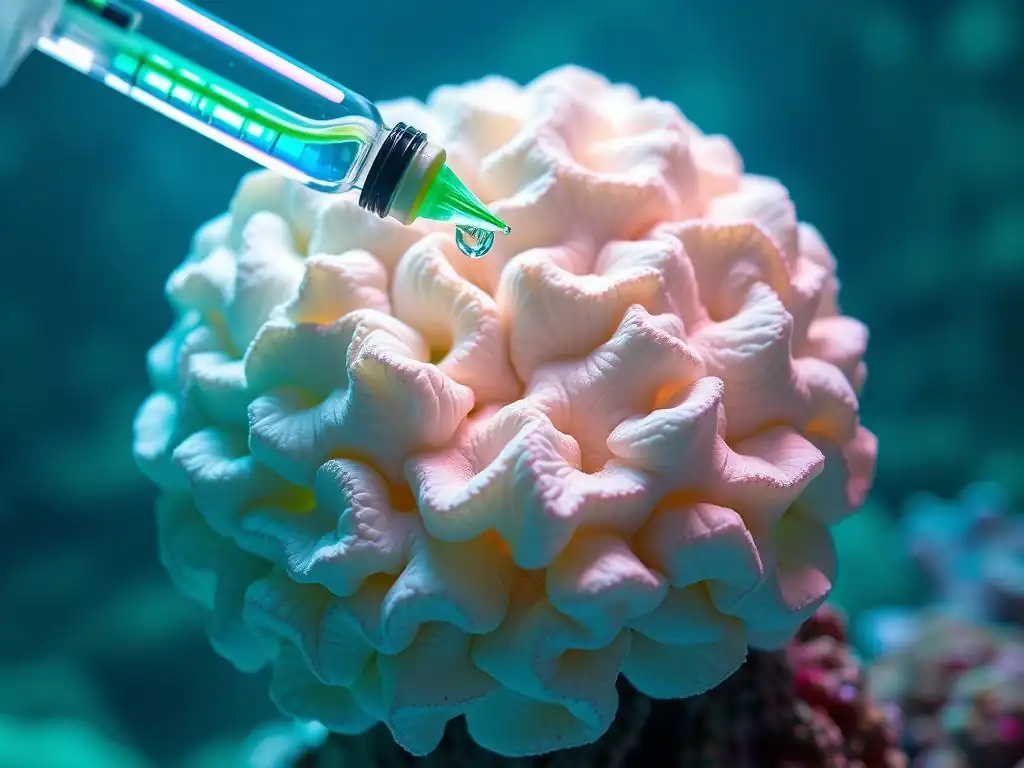
Preparing Your Favia Coral Food: Reef Roids, Benepets, or Frozen Mysis Shrimp
Proper food preparation is fundamental to effective Favia coral feeding techniques. Popular choices include powdered coral foods like Reef Roids and Benepets, or frozen options such as Mysis shrimp. For powdered foods, mix a small amount (e.g., 1/4 to 1/2 teaspoon per 50 gallons of tank water) with a few ounces of aquarium water in a small cup. Stir thoroughly until a smooth slurry forms; this ensures the particles are hydrated and readily ingestible. Reef Roids, for instance, are typically sized between 50-200 microns, making them suitable for Favia's polyp mouths.
When using frozen Mysis shrimp, it's crucial to thaw a small portion in a separate cup of tank water. If the Mysis shrimp are too large for your Favia's polyps (which can vary in size but generally prefer particles under 2-3mm), gently chop them into smaller pieces using a sharp knife or razor blade. Rinsing the thawed shrimp in a fine mesh net can help remove excess phosphates that might be present in the packing juices, further refining your Favia coral feeding techniques for optimal water quality.
Delivering Food Precisely: Target Feeding Methods Explained
To ensure your Favia coral feeding techniques are effective, begin by turning off all pumps, powerheads, and protein skimmers for approximately 15 to 30 minutes. This creates a calm environment, preventing the food from being immediately swept away before the Favia has a chance to capture it. Once the water motion has subsided, draw your prepared food slurry or chopped Mysis shrimp into your chosen feeding tool, such as a turkey baster or coral feeder.
Slowly and gently approach the Favia coral. Position the tip of the feeder directly over or slightly above the polyps you intend to feed. Gradually depress the plunger or squeeze the bulb, releasing a small amount of food directly onto the coral's surface. Avoid blasting the food, as this can startle the coral or scatter the food excessively. Aim for a gentle "cloud" of food to settle directly onto the extended polyps, allowing them to initiate their feeding response by extending mesenterial filaments to capture the particles.
Monitoring Your Favia's Feeding Response
Observing your Favia's reaction after applying food is a critical part of refining your Favia coral feeding techniques. A healthy and receptive Favia coral will typically show immediate signs of feeding. You'll often notice the polyps extending further and becoming "sticky" as they attempt to capture the food particles. In many cases, you might even see the polyps slowly retracting or closing slightly as they pull the food into their gastrovascular cavity. This process can take anywhere from a few minutes to an hour, depending on the food type and the coral's hunger level.
If your Favia does not show any feeding response, or if the food simply sits on the surface without being ingested, it could indicate several issues: the coral might not be hungry, the food particles might be too large, or there could be underlying stress factors affecting its health. Consistent monitoring allows you to adjust the type of food, particle size, or feeding frequency, ensuring your Favia coral feeding techniques are optimized for your specific coral's needs and promoting its long-term vitality.
Frequency and Amount: Determining the Ideal Feeding Schedule
Establishing the right frequency and amount is key to successful Favia coral feeding techniques without compromising water quality. For most Favia corals in a well-established reef tank, target feeding 1 to 3 times per week is a good starting point. The exact frequency can depend on several factors: the tank's nutrient levels (lower nutrient tanks may benefit from more frequent feeding), the amount of light provided, the presence of other corals competing for food, and the desired growth rate. A Favia that is growing rapidly may benefit from more frequent, albeit small, feedings.
Regarding the amount, it's always better to start conservatively and increase gradually based on observation. For a small colony (e.g., 2-3 inches in diameter), a few drops of a dense food slurry or 3-5 small pieces of Mysis shrimp directly onto its polyps might suffice. For larger colonies (e.g., 6+ inches), you might use 10-15 pieces of Mysis or a more substantial squirt of slurry across multiple polyps. The goal is to provide enough food for the coral to consume within 30-60 minutes without leaving significant excess that could break down and contribute to nutrient buildup in the aquarium.
Optimizing Water Parameters for Enhanced Favia Growth and Color
The Role of Water Chemistry in Favia Health
While effective Favia coral feeding techniques are paramount, their benefits are significantly amplified by stable and optimal water chemistry. Favia corals, as large polyp stony (LPS) corals, are calcifying organisms, meaning they extract calcium and carbonate ions from the water to build their aragonite skeletons. Fluctuations in key parameters like alkalinity, calcium, and magnesium can severely stress the coral, inhibiting its ability to calcify and utilize the nutrients provided through feeding.
Unstable water parameters can also lead to reduced polyp extension, tissue recession, and increased susceptibility to diseases, making the coral less receptive to food and hindering its overall growth and vibrant coloration. Therefore, maintaining consistent and ideal water chemistry is not just about survival; it's a foundational element that enables Favia corals to efficiently process food, grow robustly, and display their most intense and beautiful colors. It acts as a crucial support system for all your Favia coral feeding techniques.
Maintaining Proper Alkalinity, Calcium, and Magnesium Levels
For optimal Favia health and growth, consistent levels of alkalinity, calcium, and magnesium are critical. Alkalinity, measured in dKH (degrees of carbonate hardness), should ideally be maintained between 7 and 9 dKH, with a target often around 8.0 dKH. This parameter represents the water's buffering capacity and its ability to provide carbonate ions essential for calcification. Calcium levels should be kept between 400 and 450 ppm, with many aquarists aiming for around 420 ppm, as it is the primary building block for the coral's skeleton.
Magnesium plays a vital role in maintaining the solubility of calcium and alkalinity in the water, preventing their precipitation. Ideal magnesium levels range from 1250 to 1350 ppm, with 1300 ppm being a common target. Regular testing (at least weekly, or more frequently in tanks with high coral loads) using reliable test kits is essential to monitor these parameters. Dosing calcium, alkalinity, and magnesium supplements as needed, or using a calcium reactor, ensures these elements are consistently available, allowing your Favia to efficiently grow and utilize the nutrients from your Favia coral feeding techniques.
Reducing Nitrates and Phosphates for Optimal Coloration
While some level of nitrates and phosphates is necessary for coral health and the symbiotic zooxanthellae, excessively high concentrations can be detrimental, especially to Favia coloration. Nitrates, ideally, should be kept below 10 ppm, with many experienced aquarists aiming for under 5 ppm for vibrant LPS colors. High nitrates can lead to duller coloration, as the zooxanthellae within the coral's tissue may proliferate, causing the coral to appear brown (often referred to as "browning out").
Phosphates are even more critical, as levels above 0.05 ppm can inhibit calcification and promote the growth of nuisance algae, which can compete with and smother corals. Ideally, phosphates should be kept at or below 0.03 ppm. Regular water changes (e.g., 10-20% bi-weekly), efficient protein skimming, the use of refugiums, and media such as GFO (granular ferric oxide) or carbon dosing (e.g., vinegar, vodka) are effective strategies to keep these nutrient levels in check. By maintaining low nitrates and phosphates, your Favia coral feeding techniques can truly shine, allowing the coral's natural vibrant pigments to fully develop.
Troubleshooting Common Favia Feeding Challenges
Favia Not Accepting Food: Possible Causes and Solutions
If your Favia coral consistently refuses to accept food despite your best Favia coral feeding techniques, several factors could be at play. The most common cause is stress due to unstable or improper water parameters (e.g., fluctuating alkalinity, high nitrates/phosphates, incorrect salinity). Always test your water first. Another reason could be too much light intensity; Favia corals can become stressed under excessively bright lighting, which might inhibit their heterotrophic feeding response. Try dimming the lights slightly during feeding or feeding after the main lights have gone off.
The food particle size might also be an issue; if the food is too large, the polyps simply cannot ingest it. Try chopping frozen foods finer or using a smaller-particle powdered food. Lastly, the coral might simply not be hungry if it's already well-fed or if it's new to your tank and still acclimating. Give it time, reduce feeding frequency, and ensure all other environmental factors are optimized. Patience and systematic troubleshooting are key to encouraging your Favia to feed.
Dealing with Algae Growth Around the Favia Coral
Excessive algae growth around your Favia coral is a common challenge, often indicating an imbalance in your aquarium's nutrient export capabilities, which can be exacerbated by overly aggressive Favia coral feeding techniques. The primary culprits are usually elevated nitrates and phosphates, which act as fertilizers for algae. If you notice a film of green or brown algae forming on the coral's skeleton or surrounding rockwork, it's a clear sign to re-evaluate your feeding regimen.
To address this, first, reduce the amount and/or frequency of your target feedings. Ensure that all the food offered is consumed by the Favia within 30-60 minutes, with no excess lingering in the water. Increase the frequency or volume of your regular water changes (e.g., from 10% bi-weekly to 20% weekly) to dilute accumulated nutrients. Enhance your mechanical filtration by cleaning filter socks or sponges more often, and consider adding or increasing the use of chemical filtration media like GFO (granular ferric oxide) or activated carbon to absorb phosphates and dissolved organic compounds.
Addressing Predation and Competition for Food
Even with meticulous Favia coral feeding techniques, your coral might face challenges from other tank inhabitants. Certain fish species, such as some wrasses or butterflyfish, might nip at the Favia's polyps or steal food directly from them. Invertebrates like hermit crabs or snails, while generally beneficial, can sometimes inadvertently irritate corals or scavenge food before the Favia can consume it. Furthermore, other corals, especially aggressive SPS or LPS species, might sting or compete with your Favia for space and resources, including food.
To mitigate predation, consider feeding after the main tank lights have been off for an hour or two, when many fish are less active, and Favia polyps are typically fully extended. Using a coral feeder that can deliver food precisely and quickly can help bypass opportunistic feeders. For competition from other corals, ensure adequate spacing between colonies to prevent physical contact and chemical warfare. If a specific tank mate is consistently problematic, its removal might be necessary to ensure your Favia thrives and fully benefits from your targeted feeding efforts.
Advanced Favia Coral Care: Beyond Basic Feeding
Supplementing with Amino Acids and Trace Elements
Beyond direct feeding, advanced Favia coral feeding techniques often incorporate the use of amino acid supplements and trace elements to further enhance growth and coloration. Amino acids are the building blocks of proteins, crucial for tissue development, polyp extension, and repairing cellular damage. Dosing amino acid solutions (e.g., 5ml per 100 gallons weekly, depending on product concentration) can significantly improve the vibrancy of Favia colors and promote faster tissue regeneration, especially after fragging or stress events.
Trace elements like iodine, strontium, potassium, and iron are vital micronutrients that are depleted over time in a closed system. While regular water changes replenish some, targeted supplementation ensures their consistent availability. Iodine is important for coral health and coloration, strontium aids in calcification, and potassium plays a role in various metabolic processes. These elements, often dosed as part of a comprehensive trace element solution, support the coral's overall metabolic functions, allowing it to more efficiently utilize the macronutrients provided through your primary Favia coral feeding techniques.
Understanding the Symbiotic Relationship with Zooxanthellae
A deep understanding of the symbiotic relationship between Favia corals and their zooxanthellae is crucial for holistic Favia coral feeding techniques. The zooxanthellae, single-celled algae living within the coral's tissues, perform photosynthesis, converting light energy into sugars, lipids, and amino acids that provide the coral with 70-90% of its energetic needs. This primary energy source dictates the coral's baseline health and metabolism.
Therefore, providing appropriate lighting—both in terms of intensity (PAR) and spectrum—is as vital as direct feeding. Too little light can starve the zooxanthellae, leading to coral stress and fading colors, while too much can cause bleaching. Target feeding then acts as a critical supplement, providing the remaining 10-30% of energy, particularly proteins and lipids, that photosynthesis cannot fully supply, especially in nutrient-poor reef environments. This dual approach ensures the Favia receives comprehensive nutrition, optimizing its growth, color, and resilience.
Fragging Favia: Preparing for Increased Feeding Demands
Fragging (propagating) Favia corals is a common practice among aquarists, but it also introduces new considerations for Favia coral feeding techniques. When a Favia colony is fragged, the coral undergoes a significant amount of stress and must expend considerable energy on healing the cut tissue and initiating new growth to cover the exposed skeleton. This recovery process requires a higher metabolic demand for nutrients and building blocks.
Therefore, after fragging, it's beneficial to slightly increase the frequency or amount of target feeding for the fragged pieces and the mother colony for several weeks. This additional nutrition provides the necessary proteins and lipids for tissue regeneration and calcification, accelerating the healing process and promoting faster encrustation and new polyp formation on the frag plugs. Monitoring the frag's response and adjusting feeding accordingly will ensure a quick recovery and successful propagation, ultimately leading to more thriving Favia colonies.
Achieving Vibrant Colors and Rapid Growth: The Results of Proper Favia Feeding
Observing Improved Polyp Extension and Coloration
The most rewarding outcome of consistent and effective Favia coral feeding techniques is the visible transformation of your coral. One of the first signs of improved health and nutrition is enhanced polyp extension. Healthy, well-fed Favia polyps will appear plumper and extend more fully, both during the day and especially at night, actively reaching out to capture any available food particles. This robust extension indicates a thriving coral with ample energy reserves.
Simultaneously, you will observe a dramatic improvement in coloration. Dull or muted hues will begin to intensify, revealing the coral's true genetic potential. Reds will become deeper, greens more vivid, and blues more striking. This vibrant pigmentation is a direct result of the coral receiving all the necessary nutrients to maintain healthy zooxanthellae populations and produce its own colorful pigments. The enhanced visual appeal of a well-fed Favia is a testament to the success of your dedicated care.
Witnessing Accelerated Growth and Colony Development
Beyond improved aesthetics, proper Favia coral feeding techniques directly translate into accelerated growth and robust colony development. Favia corals are encrusting LPS, meaning they spread across rockwork, gradually increasing their surface area and adding new polyps. With consistent, targeted nutrition, you will notice a significant increase in the rate of skeletal deposition. This can manifest as a more rapid expansion of the coral's base, new budding polyps appearing along the edges, and an overall increase in the colony's mass and size.
Many aquarists document their coral growth through periodic photographs, and when comparing images over several months, the difference in a well-fed Favia versus an underfed one is often striking. A healthy Favia colony can expand its diameter by several inches per year under optimal conditions. This accelerated growth not only creates a more impressive display but also indicates a resilient coral that is better equipped to handle environmental fluctuations and potential stressors in your reef aquarium.
Long-Term Benefits of Consistent Target Feeding
The long-term benefits of consistent Favia coral feeding techniques extend far beyond immediate growth and coloration, contributing to the overall resilience and longevity of your coral. A well-nourished Favia coral possesses stronger tissues and a more robust skeletal structure, making it less susceptible to common ailments like tissue necrosis or bleaching events. Its enhanced vitality means it can better withstand minor fluctuations in water parameters, recover more quickly from stress, and even resist pest infestations more effectively.
Moreover, a thriving, well-fed Favia colony becomes a stable and aesthetically pleasing centerpiece in your reef aquarium for years to come. It contributes significantly to the biodiversity and health of the entire ecosystem, becoming a testament to dedicated and informed husbandry. Ultimately, the investment in time and effort into proper Favia coral feeding techniques yields a stunning, resilient, and long-lived coral that brings immense satisfaction to any aquarist.
Avoiding Overfeeding: Maintaining a Healthy Favia Ecosystem
Recognizing Signs of Overfeeding in Your Aquarium
While target feeding is essential, knowing how to avoid overfeeding is equally crucial for maintaining a healthy Favia ecosystem. Overfeeding, whether through excessive broadcast feeding or too much targeted food, can lead to a cascade of negative effects. One of the most immediate signs is cloudy water due to suspended organic particles or bacterial blooms. You might also notice a significant increase in detritus accumulation on the substrate and rockwork, indicating uneaten food breaking down.
More insidious signs include a steady rise in nitrates and phosphates in your water test results, even with regular water changes. These elevated nutrients fuel the growth of nuisance algae (e.g., hair algae, dinoflagellates), which can quickly overwhelm your tank and compete with your Favia. Additionally, your protein skimmer might produce an excessive amount of dark, foul-smelling skimmate, or conversely, become less efficient due to high organic loads. Recognizing these indicators allows you to adjust your Favia coral feeding techniques before significant problems arise.
Adjusting Feeding Schedules Based on Coral Response
The key to successful Favia coral feeding techniques lies in observation and adaptability. If you notice any of the signs of overfeeding mentioned above, it's imperative to adjust your feeding schedule promptly. Start by reducing the frequency of target feedings (e.g., from three times a week to twice, or even once a week if nutrient levels are persistently high). You should also decrease the amount of food offered at each feeding, ensuring that the Favia consumes everything within a reasonable timeframe (ideally within 30-60 minutes).
Pay close attention to your Favia's appearance and growth rate. If the coral continues to look plump, extend well, and show good coloration even with reduced feeding, you've found a more balanced approach. If it begins to show signs of nutrient deficiency, you can gradually increase feeding again. This iterative process of observation, adjustment, and re-evaluation is vital to fine-tuning your Favia coral feeding techniques to perfectly match your specific coral's needs and your aquarium's nutrient processing capacity.
The Importance of Regular Water Changes
Regular water changes are an indispensable component of any successful Favia coral feeding techniques strategy, especially when aiming to prevent the negative effects of overfeeding. Even with meticulous target feeding, some dissolved organic compounds and excess nutrients will inevitably accumulate in the aquarium water. Water changes act as the ultimate form of nutrient export, physically removing these unwanted substances and replenishing vital trace elements that are consumed by corals and other tank inhabitants.
Performing routine water changes, typically 10-20% of the tank volume every one to two weeks, helps to dilute nitrates, phosphates, and other pollutants, preventing them from reaching problematic levels. This practice also helps maintain stable alkalinity, calcium, and magnesium, which are crucial for Favia health. By consistently refreshing the aquarium water, you create a cleaner, healthier environment that allows your Favia to optimally utilize the nutrients provided through your targeted feeding efforts, supporting its vibrant growth and color without leading to nutrient imbalances.
Conclusion: The Key to Thriving Favia Corals Through Targeted Nutrition
Frequently Asked Questions
How often should I target feed my Favia coral?
You should target feed your Favia coral 2-3 times per week to provide supplemental nutrition. Consistent feeding helps promote growth and vibrant coloration. Avoid overfeeding to prevent water quality issues.
What type of food is best for Favia coral?
Favia corals thrive on a diet of small, meaty foods. Good options include mysis shrimp, brine shrimp, and coral-specific foods. Ensure the food particles are small enough for the polyps to ingest.
How do I target feed my Favia coral effectively?
Use a turkey baster or syringe to gently release food directly onto the polyps. Turn off the flow in the tank briefly to allow the coral to capture the food before it drifts away.
What are the signs that my Favia coral is not getting enough food?
Signs of underfeeding include faded coloration, slow growth, and retracted polyps. The coral may also appear less plump and healthy. Adjust your feeding schedule and amount accordingly.
Can I overfeed my Favia coral?
Yes, overfeeding can lead to poor water quality and algae blooms. Observe your coral's response to feeding and adjust the amount to avoid uneaten food accumulating in the tank. Monitor your water parameters closely.
Final Reflection: Nurturing Vibrant Reefs, One Polyp at a Time
The insights shared within this article, focusing on precise Favia coral feeding techniques, are more relevant than ever in a world increasingly aware of the delicate balance within our marine ecosystems. As coral reefs face unprecedented challenges, understanding and implementing targeted feeding strategies becomes crucial not only for the health and vibrancy of individual corals, but also for the overall resilience of the reef environment.
This journey into the world of Favia feeding has underscored the profound connection between dedicated care and the flourishing of these captivating creatures. Witnessing the enhanced growth and intensified colors of a Favia coral through mindful feeding is a deeply rewarding experience, a testament to the power of informed intervention. In the end, we will conserve only what we love; we will love only what we understand; and we will understand only what we are taught.
- Baba Dioum. This quote perfectly encapsulates the importance of learning and applying these techniques to foster a deeper appreciation and commitment to coral conservation.
Now, I invite you to reflect on your own role in preserving the beauty and health of our coral reefs. Consider how you can apply these Favia coral feeding techniques, or share this knowledge with others, to contribute to a more vibrant and resilient future for these vital ecosystems. Let's all become stewards of the reef, one carefully placed morsel at a time.
Ignite Your Favia's Brilliance!
Thanks for diving into the world of Favia feeding! We hope you've gained valuable insights into unlocking your coral's full potential. Now, let's put that knowledge into action!
Here are a few things you can do right now to see the difference:
- Commit to target feeding your Favia at least twice a week with a high-quality coral food like Reef Roids or similar. Consistency is key!
- Explore different feeding techniques. Try using a turkey baster or syringe to observe which method your Favia responds to best.
- Share your before-and-after photos on social media using #AquariumMasteryFavia to inspire others and showcase your success!
What specific coral food are you most excited to test out with your Favia?