
Managing Invertebrate Populations: Snails, Crayfish, and Crabs in Your Tank

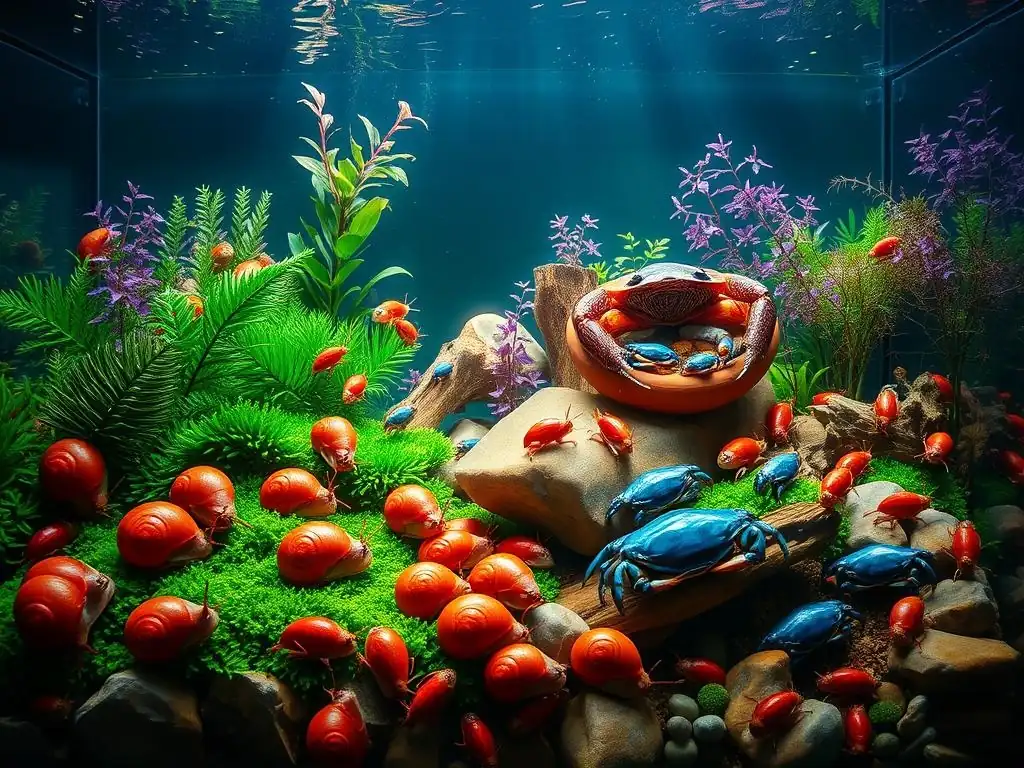
Welcome to Aquarium Mastery!
Ever wondered how to create a thriving underwater ecosystem where even the smallest inhabitants flourish? Unlock the secrets to healthy invertebrates tank maintenance and discover how to successfully manage snail, crayfish, and crab populations in your freshwater or saltwater aquarium. Dive in and learn how to build a balanced environment for these fascinating creatures!
- Introduction: The Importance of Healthy Invertebrates Tank Maintenance in Freshwater Aquariums
- Understanding the Role of Snails, Crayfish, and Crabs in Your Aquarium Ecosystem
- Maintaining a Balanced Invertebrate Tank Environment for Optimal Health
- Species-Specific Care Guides for Common Aquarium Invertebrates
- Feeding Strategies for Healthy Invertebrates in Your Aquarium
- Common Problems and Solutions in Invertebrate Tanks
- Preventing Diseases and Maintaining Invertebrate Health
- Conclusion: Achieving a Thriving Invertebrate Ecosystem in Your Aquarium
-
Frequently Asked Questions
- How often should I perform water changes in an invertebrate tank?
- What are the key water parameters to monitor for invertebrates?
- What types of food are best for invertebrates like snails, crayfish, and crabs?
- How can I prevent overpopulation of invertebrates in my aquarium?
- What are some common signs of illness or stress in invertebrates?
- Final Reflection: Cultivating Thriving Ecosystems
- Transform Your Tank: Nurture a Thriving Invertebrate Ecosystem!
Introduction: The Importance of Healthy Invertebrates Tank Maintenance in Freshwater Aquariums
Freshwater aquariums are vibrant ecosystems, often home to more than just fish. Invertebrates like snails, crayfish, and crabs play crucial roles, from diligent clean-up crews to fascinating display animals. While often overlooked, their proper care is paramount to the overall health and balance of your aquatic environment. Neglecting their specific needs can lead to issues ranging from water quality degradation to unexpected population explosions or even the loss of these unique inhabitants.
Understanding the intricate dynamics of invertebrate populations is a cornerstone of successful freshwater aquascaping. A well-managed invertebrate community contributes significantly to nutrient cycling, algae control, and detritus breakdown, reducing the workload on your filtration system. Therefore, mastering the art of healthy invertebrates tank maintenance is not just about keeping these creatures alive, but about fostering a thriving, self-sustaining ecosystem that benefits all its inhabitants.
Understanding the Role of Snails, Crayfish, and Crabs in Your Aquarium Ecosystem
Benefits of Snails in Freshwater Tanks: Algae Control and Detritus Removal
Snails are often the unsung heroes of the freshwater aquarium, acting as highly efficient natural cleaners. Species like Nerite snails (e.g., Zebra Nerites, Horned Nerites) are renowned for their voracious appetite for various types of algae, including stubborn diatoms and green spot algae that often coat tank glass and decorations. A single adult Nerite snail can effectively graze several square inches of tank surface area daily, significantly reducing the need for manual scrubbing.
Beyond algae control, snails contribute to detritus removal and nutrient cycling. They tirelessly consume uneaten fish food, decaying plant matter, and biofilm, preventing the accumulation of organic waste that can lead to harmful ammonia spikes. For example, a modest population of Ramshorn snails in a 10-gallon tank can process a surprising amount of decaying debris, converting it into less harmful forms and thereby contributing directly to healthy invertebrates tank maintenance by keeping the substrate clean and the water parameters stable.
Crayfish in Aquariums: Scavengers and Potential Challenges
Crayfish are fascinating additions to freshwater tanks, primarily functioning as opportunistic scavengers. They are adept at cleaning up leftover food, dead fish, and plant matter that might otherwise decay and foul the water. Their constant foraging behavior helps to aerate the substrate and prevent the buildup of anaerobic pockets, which can release toxic gases. For instance, a Mexican Dwarf Crayfish (Cambarellus patzcuarensis) in a 5-10 gallon setup will diligently patrol the substrate, ensuring small debris is consumed.
However, crayfish also present unique challenges. Larger species, such as the Electric Blue Crayfish (Procambarus alleni), can grow up to 6 inches and are known for their territorial and sometimes aggressive nature. They may prey on smaller, slow-moving fish or even other invertebrates, and are notorious for uprooting plants. Therefore, careful consideration of tank mates and providing ample secure hiding spots are crucial for successful and healthy invertebrates tank maintenance with these crustaceans.
Crabs in Freshwater Setups: Unique Behaviors and Tank Compatibility
Freshwater crabs, while less common than snails or crayfish, offer unique behaviors and aesthetic appeal. Species like the tiny, fully aquatic Thai Micro Crab (Limnopilos naiyanetri) are peaceful filter feeders that add an intriguing element to heavily planted nano tanks. They are often seen perched on plants, sifting microscopic food particles from the water column, and a colony of 5-7 individuals can comfortably inhabit a well-established 10-gallon aquarium.
It is vital to distinguish between true freshwater crabs and semi-aquatic or brackish species often mislabeled for aquarium use. Many "freshwater" crabs sold in the hobby, such as Red Claw Crabs, actually require brackish water and significant land access to thrive, and will not survive long-term in a fully submerged freshwater environment. For true healthy invertebrates tank maintenance with crabs, precise research into their specific needs, particularly regarding water parameters and the necessity of land area, is absolutely essential.
Maintaining a Balanced Invertebrate Tank Environment for Optimal Health
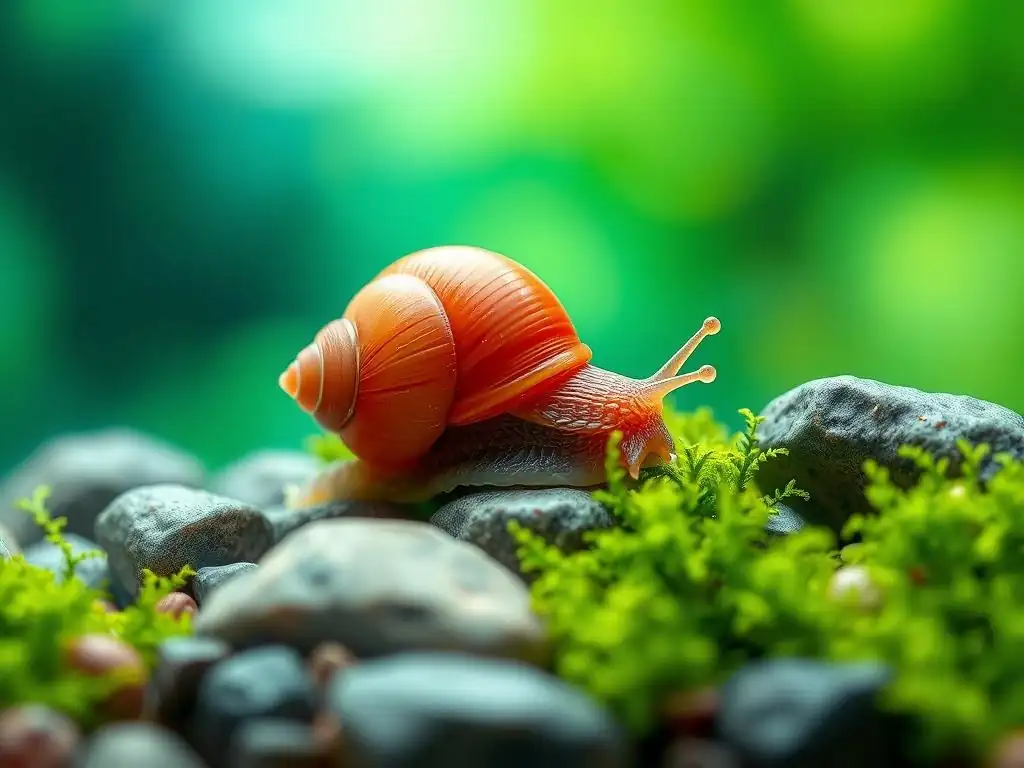
Water Chemistry and its Impact on Invertebrate Health
Essential Water Parameters for Snails, Crayfish, and Crabs
Stable water chemistry is the bedrock of healthy invertebrates tank maintenance. While specific ranges vary by species, most freshwater invertebrates thrive within a pH range of 6.5 to 8.0. More critically, they require adequate levels of general hardness (GH) and carbonate hardness (KH). GH, typically 4-10 dGH, indicates the concentration of calcium and magnesium, which are vital for shell and exoskeleton development. KH, usually 3-8 dKH, acts as a buffer, preventing drastic pH swings.
Insufficient GH can lead to severe issues such as shell erosion in snails or molting problems (Failed Molt Syndrome) in crayfish and crabs. For instance, a GH consistently below 4 dGH can cause the shells of Mystery Snails to become thin and pitted over time, making them vulnerable to bacterial infections. Maintaining these parameters within the optimal range prevents stress and ensures the structural integrity of these animals.
Monitoring and Adjusting pH, Ammonia, Nitrite, and Nitrate Levels
Regular and accurate water testing is non-negotiable for healthy invertebrates tank maintenance. Ammonia and nitrite levels must always be at zero parts per million (ppm), as even slight concentrations (e.g., 0.25 ppm ammonia) can be lethal to sensitive invertebrates. Nitrates, the end product of the nitrogen cycle, should ideally be kept below 20 ppm, though some invertebrates can tolerate up to 40 ppm without immediate adverse effects. Weekly testing with a reliable liquid test kit is highly recommended.
Should parameters fall outside the ideal range, prompt action is necessary. High nitrates are typically addressed with partial water changes, replacing 25-50% of the tank water with fresh, dechlorinated water. Persistent high ammonia or nitrite indicates an incomplete nitrogen cycle or overstocking, requiring immediate attention. Adjusting pH usually involves addressing KH levels; for example, adding crushed coral can slowly raise both KH and pH, providing beneficial calcium for shell health.
Substrate and Decorations: Creating a Suitable Habitat
Choosing the Right Substrate for Burrowing and Shell Health
The choice of substrate plays a significant role in the well-being of your invertebrates. For burrowing species like crayfish, a fine sand or smooth, small-grained gravel is ideal, allowing them to dig without injuring their delicate undersides. A substrate depth of at least 2-3 inches is often necessary for crayfish to feel secure and successfully molt, as they often retreat into burrows during this vulnerable period.
For snails and crustaceans, a calcium-rich substrate can offer additional benefits. Materials like crushed coral or aragonite gravel slowly dissolve, buffering the water and releasing essential minerals directly into the water column. This passive calcium supplementation can be particularly beneficial for species prone to shell erosion in soft water conditions, contributing to robust and healthy invertebrates tank maintenance.
Providing Hiding Places and Safe Zones for Invertebrates
Invertebrates, especially during molting or when housing with fish, require ample hiding places to feel secure and reduce stress. Crayfish, for example, are highly vulnerable immediately after molting, as their new exoskeleton is soft and they cannot defend themselves. Providing multiple caves, ceramic tubes, or PVC pipes offers them essential refuges.
Similarly, snails benefit from driftwood, rocks, and dense plant cover where they can graze undisturbed or retreat from curious tank mates. Coconut shells, ceramic logs, and resin ornaments can also provide excellent secure zones. Ensuring a variety of safe havens throughout the tank minimizes territorial disputes and stress, which is crucial for maintaining a healthy invertebrates tank maintenance environment.
Species-Specific Care Guides for Common Aquarium Invertebrates
Snail Species: Care, Feeding, and Breeding Considerations
Nerite Snails: Algae Eating Powerhouses
Nerite snails (e.g., Zebra, Tiger, Horned, Olive Nerites) are celebrated for their exceptional algae-eating capabilities, making them a top choice for aquarium clean-up crews. They are particularly effective against tough green spot algae and diatoms. A significant advantage of Nerite snails is that they cannot reproduce in freshwater; their larvae require brackish water to develop, preventing unwanted population explosions. They typically live for 1 to 2 years with proper care.
Their primary diet consists of natural algae and biofilm within the tank. If algae growth is insufficient, it's crucial to supplement their diet with blanched vegetables like zucchini slices, spinach, or high-quality algae wafers. To prevent shell erosion, maintain water hardness (GH) between 8-12 dGH and a pH above 7.0, ensuring adequate calcium availability for their shells.
Mystery Snails: Care Tips for Vibrant Colors and Shell Health
Mystery Snails (Pomacea bridgesii), also known as Apple Snails, are popular for their vibrant colors (e.g., gold, blue, ivory, purple) and active personalities. They can grow up to 2 inches in diameter and are known for laying distinctive clutches of eggs above the waterline, making breeding relatively straightforward if desired. Their typical lifespan ranges from 1 to 3 years.
Mystery Snails are omnivorous scavengers, consuming algae, decaying plant matter, and uneaten food. However, they require supplemental feeding with algae wafers, sinking pellets, and calcium-rich foods like blanched leafy greens to maintain their shell health and vibrant coloration. Maintaining a stable pH above 7.0 and a general hardness (GH) above 6 dGH is vital to prevent shell pitting and erosion, a common issue in soft or acidic water, ensuring healthy invertebrates tank maintenance.
Ramshorn Snails: Population Control and Benefits
Ramshorn Snails (Planorbella spp.) are small, disc-shaped snails, often red, blue, or brown, that are prolific breeders in freshwater aquariums. While their rapid reproduction can lead to overpopulation, they are excellent scavengers that significantly contribute to tank cleanliness. They typically live for up to 1 year.
These snails consume various types of algae, detritus, and decaying plant matter, effectively acting as a secondary clean-up crew. Their benefits include breaking down waste and keeping surfaces clean. Population control is primarily achieved by avoiding overfeeding fish, as excess food is the main driver of their rapid reproduction. A well-balanced ecosystem, where food is scarce, will naturally regulate their numbers, making them a useful part of healthy invertebrates tank maintenance.
Crayfish Species: Housing, Diet, and Behavior
Dwarf Crayfish: Ideal for Community Tanks?
Dwarf Crayfish, such as the Mexican Dwarf Crayfish (Cambarellus patzcuarensis 'Orange'), are much smaller than their larger cousins, typically reaching only 1.5 to 2 inches in length. They are generally more peaceful and less destructive to live plants, making them a more suitable option for community tanks than larger crayfish species. They can be comfortably housed in tanks as small as 5-10 gallons.
While relatively peaceful, they can still be opportunistic and may attempt to catch very small or slow-moving bottom-dwelling fish. They are generally safe with fast-moving, mid-to-top dwelling fish like Tetras or Danios. Their diet is omnivorous, consisting of sinking pellets, blanched vegetables, and small protein sources like bloodworms. Regular molting (every few weeks when young) is a sign of good health and proper healthy invertebrates tank maintenance.
Electric Blue Crayfish: Managing Aggression and Tank Mates
The Electric Blue Crayfish (Procambarus alleni) is highly prized for its brilliant blue coloration, but hobbyists must be aware of its potential for aggression and large size, often reaching 6 inches. These crayfish are territorial and require a minimum of a 20-gallon tank for a single specimen, with larger tanks preferred for pairs or if housing with other species.
Their aggressive nature means they will actively prey on smaller fish, snails, and other invertebrates. They are best kept in a species-only tank or with very fast, top-dwelling fish that are unlikely to venture near the bottom, such as platies or swordtails. Providing ample hiding spots, such as PVC pipes, rock caves, and driftwood, is essential to reduce stress and mitigate aggression, contributing to healthy invertebrates tank maintenance.
Crab Species: Enclosure Needs and Dietary Requirements
Thai Micro Crabs: Peaceful Scavengers for Planted Tanks
Thai Micro Crabs (Limnopilos naiyanetri) are among the few truly fully aquatic freshwater crab species, reaching a minuscule size of about 0.5 inches. Their tiny stature and peaceful nature make them ideal inhabitants for heavily planted nano tanks, typically 5 gallons or larger. They are filter feeders, often seen perched on plants or decor, sifting microscopic food particles from the water.
Their diet consists primarily of biofilm and micro-organisms present in the tank. In a well-established planted tank, this might be sufficient, but it's wise to supplement their diet with finely crushed flake food, powdered spirulina, or specialized micro-pellets to ensure adequate nutrition. They thrive in stable, clean water parameters and require plenty of surface area on plants and mosses for grazing, which is key for healthy invertebrates tank maintenance.
Vampire Crabs: Semi-Aquatic Setup and Feeding Habits
Vampire Crabs (Geosesarma spp.) are small, captivating semi-aquatic crabs known for their striking colors (often purple bodies with yellow eyes) and unique behaviors. Reaching 1-2 inches, they require a paludarium setup that provides both a significant land area and a shallow water section, as they are not fully aquatic and will drown if kept submerged.
Their diet is omnivorous, consisting of small insects (like crickets or fruit flies), high-quality sinking pellets, and blanched vegetables. Food should be placed on their land area to prevent water fouling. Adequate calcium intake, whether through their diet or supplementation in their water section, is crucial for successful molting and exoskeleton development. Providing plenty of hiding spots on both land and water is essential for their well-being and for healthy invertebrates tank maintenance.
Feeding Strategies for Healthy Invertebrates in Your Aquarium
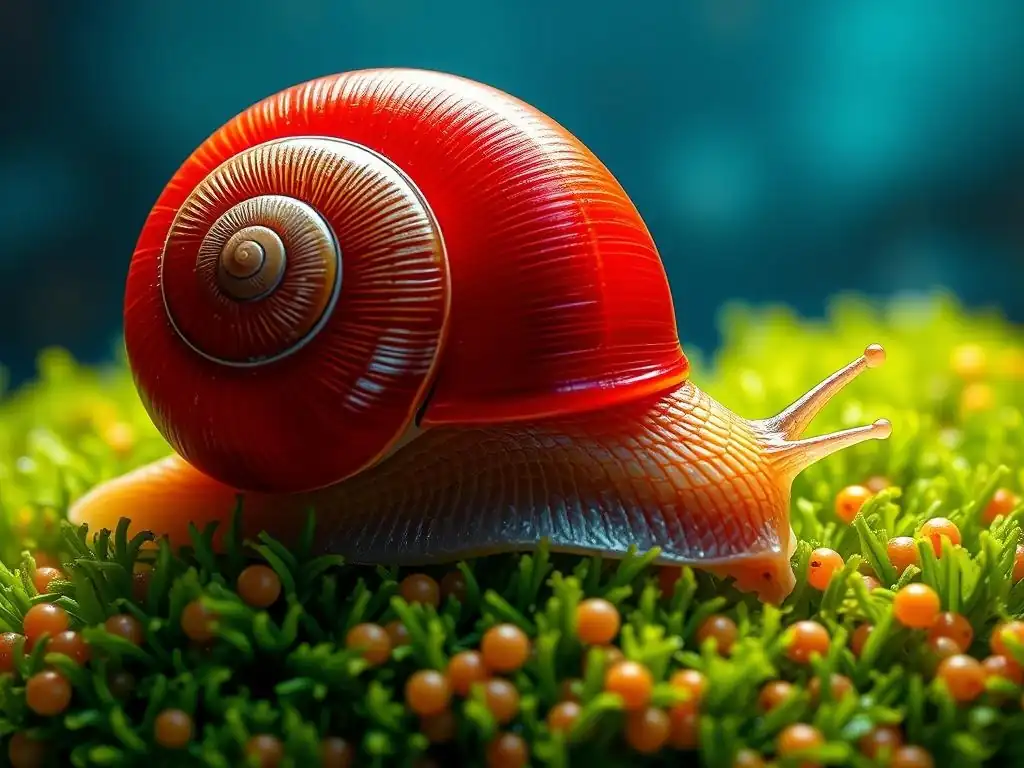
Providing a Balanced Diet for Snails
Supplementing Algae Growth for Snail Grazing
While many snails are excellent algae eaters, natural algae growth in a well-maintained aquarium might not be sufficient to sustain a healthy population, especially in tanks with low light or efficient filtration. In such cases, it's crucial to supplement their diet. One method is to allow algae to grow on a designated rock or piece of decor, which can then be rotated into the tank for grazing.
Alternatively, provide commercially available algae wafers that sink to the bottom, ensuring they are accessible to the snails. For species like Nerite snails, which primarily graze on biofilm and diatoms, offering blanched vegetables such as zucchini, cucumber slices, or spinach leaves (which are also rich in calcium) can provide essential nutrients when natural algae is scarce. This proactive feeding approach is vital for healthy invertebrates tank maintenance.
Commercial Snail Food Options and Considerations
A variety of commercial foods are formulated specifically for snails and other invertebrates. These often come in the form of sinking pellets or wafers that contain essential nutrients, including calcium carbonate, vital for strong shell development. Brands like Hikari Crab Cuisine or specialized invertebrate pellets are good options.
When feeding commercial foods, moderation is key. Overfeeding not only pollifies the water but can also lead to unwanted snail population booms, particularly with prolific breeders like Ramshorn snails. Offer small amounts 2-3 times a week, ensuring the food is consumed within a few hours to prevent it from decaying and impacting water quality. This careful feeding regimen is fundamental to healthy invertebrates tank maintenance.
Nutritional Needs of Crayfish
Offering a Variety of Food Sources: Pellets, Vegetables, and Protein
Crayfish are omnivorous scavengers and thrive on a varied diet that mimics their natural foraging behavior. A high-quality sinking pellet designed for crustaceans or bottom feeders should form the staple of their diet. Examples include Hikari Crab Cuisine or Wardley Shrimp Pellets, which are formulated with the necessary minerals for exoskeleton health.
Supplement their diet with blanched vegetables like peas, zucchini, carrots, or spinach. These provide essential vitamins and fiber. Additionally, offer protein-rich foods 2-3 times a week, such as frozen bloodworms, brine shrimp, or small pieces of unseasoned fish or shrimp. Calcium is paramount for successful molting; ensure their pellets are calcium-fortified or consider adding a piece of cuttlebone to the tank.
Avoiding Overfeeding to Prevent Water Quality Issues
Overfeeding is a common pitfall in crayfish care and can rapidly degrade water quality, posing a significant threat to all tank inhabitants, especially sensitive invertebrates. Uneaten food quickly decays, leading to dangerous spikes in ammonia and nitrite, which are highly toxic. Feed only what your crayfish can consume within 15-20 minutes.
Crayfish are also expert scavengers and will often find leftover fish food or detritus in the tank. Observe their feeding habits; if they appear to be ignoring their dedicated food, it may indicate they are finding sufficient sustenance elsewhere. Adjusting feeding frequency and quantity based on observation is crucial for maintaining pristine water conditions and promoting healthy invertebrates tank maintenance.
Feeding Crabs in the Aquarium
Providing Sinking Pellets and Meaty Foods
The feeding strategy for crabs depends heavily on their species and whether they are fully aquatic or semi-aquatic. For fully aquatic filter feeders like Thai Micro Crabs, finely crushed flake food, powdered spirulina, or specialized micro-pellets are necessary, as they primarily consume microscopic particles. Ensure these fine foods disperse in the water column or settle on plants where the crabs can access them.
For semi-aquatic species like Vampire Crabs, a more varied diet is required. They readily accept high-quality sinking pellets, small live or frozen insects (such as bloodworms, crickets, or fruit flies), and blanched vegetables. Food for semi-aquatic crabs should primarily be placed on their land area to prevent water contamination and ensure they can feed comfortably.
Ensuring Adequate Calcium Intake for Shell Development
Calcium is an absolute necessity for all crustaceans, including crabs, for the development and hardening of their exoskeletons. Without sufficient calcium, crabs can suffer from Failed Molt Syndrome, where they struggle to shed their old shell or the new shell fails to harden properly, often leading to fatality.
Ensure adequate calcium intake through their diet by offering calcium-rich foods like leafy greens (spinach, kale), calcium-fortified pellets, or commercially available calcium supplements for invertebrates. Additionally, maintaining a general hardness (GH) of at least 6 dGH in their water section is beneficial. Some hobbyists also add a small piece of cuttlebone to the water to provide a continuous source of calcium, ensuring robust and healthy invertebrates tank maintenance.
Common Problems and Solutions in Invertebrate Tanks
Shell Erosion and Calcium Deficiency
Recognizing the Signs of Shell Problems
Shell erosion and calcium deficiency are common issues, particularly in snails, but can also manifest as molting difficulties in crustaceans. In snails, signs include pitting, thinning, or a dull, chalky appearance of the shell. You might observe small holes or areas where the shell seems to be dissolving, often starting from the older parts of the shell.
For crayfish and crabs, calcium deficiency often presents as recurring failed molts, where the animal struggles to shed its old exoskeleton, or the new shell remains soft and malformed after a successful molt. For instance, a snail shell showing significant damage and translucence might indicate prolonged exposure to water with a pH below 6.5 or a GH consistently under 4 dGH.
Implementing Calcium Supplements and Dietary Adjustments
Addressing shell erosion and calcium deficiency requires a two-pronged approach: increasing calcium availability in the water and through diet. To boost water calcium, consider adding crushed coral to your substrate or filter bag, which slowly dissolves and buffers the pH while releasing calcium and magnesium. Liquid calcium supplements designed for aquariums can also provide an immediate boost. Aim to maintain a GH of 6-10 dGH.
Dietary adjustments are equally important. Feed calcium-rich foods such as blanched spinach, kale, or specialized invertebrate pellets that are fortified with calcium carbonate. Regular monitoring of water parameters (pH, GH, KH) is crucial to ensure these interventions are effective and to maintain healthy invertebrates tank maintenance.
Overpopulation and Control Methods
Natural Predators and Manual Removal
Overpopulation, particularly of snails like Ramshorns or Pond Snails, is a common issue in freshwater tanks and typically indicates overfeeding. One natural biological control method is introducing Assassin Snails (Clea helena), which specifically prey on other snails. A single Assassin Snail can effectively consume several small pest snails per day, gradually reducing their numbers.
For more immediate control, manual removal is effective. Excess snails can be physically picked out during water changes or baited by placing a blanched lettuce leaf in the tank overnight and removing it with the congregating snails in the morning. Reducing the amount of food fed to fish is paramount, as excess food directly fuels snail reproduction.
Implementing a Balanced Ecosystem to Prevent Overpopulation
The most sustainable solution to overpopulation is implementing a truly balanced ecosystem. This involves avoiding overfeeding, which provides the primary food source for rapidly reproducing invertebrates. Ensure your tank is appropriately stocked with fish and has efficient filtration to process waste.
A well-cycled tank with a healthy population of beneficial bacteria and sufficient plant growth will naturally process organic waste, leaving less available for scavenger invertebrates to consume. Regular tank maintenance, including gravel vacuuming and partial water changes, also removes excess nutrients. A balanced feeding regimen and consistent healthy invertebrates tank maintenance are the best long-term strategies.
Aggression and Compatibility Issues
Understanding Interspecies Compatibility
Aggression and compatibility issues are significant concerns, especially when housing crayfish and some crab species with other tank inhabitants. It is vital to thoroughly research the temperament and adult size of any invertebrate before introducing it to a community tank. Large crayfish, such as the Electric Blue Crayfish, are notorious for preying on smaller, slower-moving fish, shrimp, and even other snails.
Conversely, some snails, like Assassin Snails, are predatory towards other snail species. Consider the activity level and preferred tank zone of all inhabitants. For instance, an Electric Blue Crayfish should not be housed with bottom-dwelling fish like Corydoras catfish or long-finned species due to the high risk of nipping or predation.
Providing Adequate Space and Hiding Places
Providing ample space and numerous hiding places is crucial for reducing aggression and stress in invertebrate tanks. Each invertebrate should ideally have its own territory or a secure retreat where it can feel safe. This is particularly important for molting crustaceans, as they are extremely vulnerable during this period.
Use driftwood, ceramic caves, PVC pipes, rocks, and dense plant thickets to create a complex environment with multiple visual barriers and escape routes. For a single Electric Blue Crayfish in a 20-gallon tank, providing 3-4 distinct, secure hiding spots can significantly reduce its stress and potential aggression towards perceived threats, contributing to healthy invertebrates tank maintenance.
Preventing Diseases and Maintaining Invertebrate Health
Quarantine Procedures for New Invertebrates
Implementing a strict quarantine procedure for all new invertebrates is a critical step in preventing the introduction of diseases, parasites, or unwanted pests into your established display tank. New arrivals should be housed in a separate quarantine tank for a minimum of 2 to 4 weeks. This allows you to observe them for any signs of illness, unusual behavior, or external parasites like planaria or leeches.
During quarantine, maintain pristine water quality and ensure the invertebrates are eating well. A simple, bare-bottom tank is often best for quarantine as it allows for easy observation and cleaning. This proactive measure significantly reduces the risk of infecting your entire aquarium and is a cornerstone of healthy invertebrates tank maintenance.
Recognizing and Treating Common Diseases
Fungal Infections and Parasitic Infestations
While relatively rare in a clean, well-maintained environment, invertebrates can occasionally suffer from fungal infections, which appear as white, cotton-like growths on their bodies or shells. Parasitic infestations, such as trematodes or leeches, can sometimes hitchhike on wild-caught specimens or live plants introduced to the tank.
Treating diseases in invertebrate tanks is challenging because many common fish medications are highly toxic to snails, crayfish, and crabs. For suspected fungal issues, improving water quality through increased aeration and frequent small water changes is often the best first line of defense. For external parasites, extreme caution is needed; some hobbyists use brief, carefully measured salt dips for crustaceans, but this carries significant risk to the invertebrate.
Using Medications Safely in Invertebrate Tanks
The extreme sensitivity of invertebrates to various chemicals makes medication use particularly hazardous. Copper, a common ingredient in many ich treatments and some snail-killing products, is lethal to all crustaceans and most snails. Similarly, many antiparasitic and antibacterial medications can be harmful.
Always read medication labels thoroughly to ensure they are explicitly labeled "invert safe" before introducing them to a tank containing snails, crayfish, or crabs. If fish in a mixed tank require treatment with an invertebrate-toxic medication, it is imperative to remove all invertebrates to a separate, untreated quarantine tank for the duration of the treatment. This diligent approach is fundamental to healthy invertebrates tank maintenance.
Conclusion: Achieving a Thriving Invertebrate Ecosystem in Your Aquarium
Invertebrates are far more than just tank cleaners; they are fascinating, active members of the freshwater aquarium ecosystem. From the diligent algae-grazing of snails to the intriguing behaviors of crayfish and crabs, these creatures add unique dimensions to your aquatic world. However, their well-being hinges on attentive and informed care that addresses their specific needs.
Achieving a thriving invertebrate ecosystem requires consistent attention to water quality, providing appropriate habitats, understanding species-specific dietary requirements, and proactive problem-solving for common issues. By committing to diligent healthy invertebrates tank maintenance, you will not only ensure the longevity and vitality of your invertebrate inhabitants but also cultivate a more balanced, resilient, and aesthetically pleasing aquarium for years to come.
Frequently Asked Questions
How often should I perform water changes in an invertebrate tank?
Water changes are crucial for healthy invertebrate tank maintenance. Aim for weekly water changes of 10-20% to remove nitrates and replenish essential minerals. Regularly test your water parameters to ensure optimal conditions.
What are the key water parameters to monitor for invertebrates?
Maintaining stable water parameters is vital. Pay close attention to pH, ammonia, nitrite, and nitrate levels. Invertebrates are sensitive to fluctuations, so aim for consistent and appropriate levels for your chosen species.
What types of food are best for invertebrates like snails, crayfish, and crabs?
A varied diet is essential. Offer a combination of algae wafers, sinking pellets, and blanched vegetables. Supplement with occasional protein-rich foods like bloodworms or brine shrimp, depending on the specific needs of your invertebrates.
How can I prevent overpopulation of invertebrates in my aquarium?
Overpopulation can lead to imbalances. Control food availability, remove excess snails manually, and consider introducing natural predators (if compatible with other tank inhabitants). Careful planning and observation are key.
What are some common signs of illness or stress in invertebrates?
Look for changes in behavior. Lethargy, loss of appetite, and shell damage can indicate problems. Address any underlying water quality issues or potential infections promptly to ensure their survival and well-being.
Final Reflection: Cultivating Thriving Ecosystems
The principles of healthy invertebrates tank maintenance extend far beyond the glass walls of an aquarium. They represent a microcosm of the delicate balance required for any thriving ecosystem, highlighting the interconnectedness of species and the importance of responsible stewardship. Understanding the needs of snails, crayfish, and crabs within a controlled environment provides valuable insights into the larger challenges of conservation and biodiversity.
This journey into the world of invertebrate tank management has underscored the profound impact we have on the creatures around us. It's a reminder that even seemingly small actions, like choosing the right substrate or maintaining optimal water parameters, can have significant consequences for the well-being of these fascinating animals. In the end, we will conserve only what we love; we will love only what we understand; and we will understand only what we are taught.
- Baba Dioum's words resonate deeply, urging us to foster a deeper appreciation for the often-overlooked invertebrates that play crucial roles in our planet's ecosystems.
Now, consider the lessons learned about creating a healthy invertebrate tank. How can you apply these principles of observation, adaptation, and responsible care to other areas of your life? Perhaps it's in nurturing your own personal well-being, fostering a supportive community, or advocating for environmental sustainability. Embrace the spirit of mindful stewardship, and let the delicate dance of life within your tank inspire you to cultivate thriving ecosystems, both large and small, wherever you go.
Transform Your Tank: Nurture a Thriving Invertebrate Ecosystem!
Thank you for exploring the fascinating world of aquarium invertebrates! We hope this article has given you valuable insights into maintaining a healthy and balanced environment for snails, crayfish, and crabs. Now, let's put that knowledge into action and elevate your aquarium experience.
Here are a few ways you can start nurturing a thriving invertebrate ecosystem today:
- Prioritize optimal water parameters by conducting a test today. Track your water's pH, GH, KH, Ammonia, Nitrite, and Nitrate levels, and make adjustments accordingly. Remember that stability is key!
- Document the unique behaviors and interactions of your invertebrates. Share photos and observations with the Aquarium Mastery community to inspire and learn from other enthusiasts.
- Experiment with providing alternative food sources! Offer blanched vegetables or specialized invertebrate food to discover their preferences and ensure a varied diet.
What small change will you make this week to enhance the lives of the invertebrates in your tank?