
Australian Yabby (Cherax destructor): Can This Large Crayfish Suit Your Home Tank?

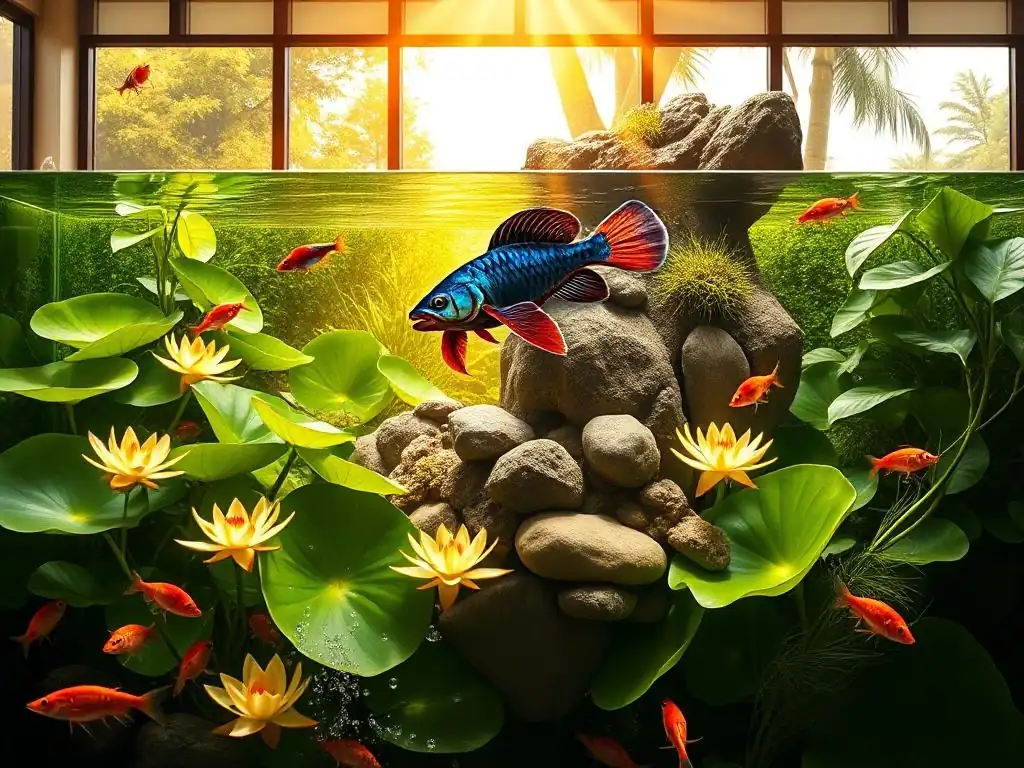
Welcome to Aquarium Mastery! Ever wondered if you could house a captivating, large crayfish right in your living room? Dive into our comprehensive guide to discover if the Australian Yabby (Cherax destructor) – a stunning freshwater invertebrate – is the perfect addition to your aquarium. Are you ready to explore the world of these fascinating creatures and learn how to create the ideal large crayfish home aquarium? Let's get started!
- Introduction to Australian Yabby Crayfish: A Freshwater Aquarium Consideration
- Understanding the Australian Yabby (Cherax destructor): Species Profile
- Setting Up the Ideal Home Aquarium for Yabbies: Tank Essentials
- Yabby Diet and Feeding: Ensuring Optimal Health and Growth
- Yabby Compatibility with Other Tank Mates: Choosing the Right Companions
- Potential Problems and Challenges of Keeping Yabbies in Aquariums
- Breeding Yabbies in the Home Aquarium: A Detailed Guide
- Pros and Cons of Keeping Yabbies in a Home Aquarium: Is It Right for You?
- Where to Buy Australian Yabbies: Selecting Healthy Specimens
- Conclusion: Responsible Yabby Keeping and Aquarium Mastery
-
Frequently Asked Questions
- What size tank is required for an Australian Yabby (Cherax destructor) in a home aquarium?
- Are Australian Yabbies compatible with other fish in a community aquarium?
- What type of substrate and decorations are suitable for a yabby tank?
- What is the ideal water chemistry for keeping Australian Yabbies healthy?
- What do Australian Yabbies eat in a home aquarium?
- Final Reflection: The Destructive Beauty of Cherax
- Unleash the Yabby Wonder: Dive Deeper Now!
Introduction to Australian Yabby Crayfish: A Freshwater Aquarium Consideration
The Australian Yabby, scientifically known as Cherax destructor, is a fascinating and robust freshwater crayfish originating from Australia. Renowned for its adaptability and striking appearance, this species has increasingly captured the interest of aquarists seeking a unique and interactive inhabitant for their home tanks. Unlike many smaller invertebrate species, the yabby grows to a significant size, making it a prominent feature in any large crayfish home aquarium. Its distinct personality and relatively straightforward care requirements, once understood, can make it a rewarding addition for the dedicated enthusiast.
However, the "destructor" in its scientific name is a telling hint about its behavior; these creatures are known for their burrowing habits and opportunistic nature. This article aims to provide a comprehensive guide to keeping Cherax destructor, exploring its specific needs, potential challenges, and how to best integrate this large crayfish into a thriving home aquarium environment. Understanding these aspects is crucial for anyone considering welcoming a yabby into their aquatic setup, ensuring both the animal's welfare and the stability of the tank.
Understanding the Australian Yabby (Cherax destructor): Species Profile
Yabby Size and Appearance: What to Expect in Your Aquarium
The Australian Yabby is celebrated for its impressive size, with adult specimens typically reaching lengths of 20 to 30 centimeters (approximately 8 to 12 inches) from the tip of the rostrum to the end of the tail. Some exceptional individuals have been reported to exceed this, especially in optimal conditions.
Their coloration is highly variable, ranging from shades of brown, black, and olive green to striking blues, reds, and even pale cream. This diversity in color is influenced by genetics, diet, and water parameters, with vibrant blue or red specimens often being highly sought after for a visually appealing large crayfish home aquarium.
A defining characteristic of the yabby is its powerful, asymmetrical claws, which are used for defense, digging, and manipulating food. These claws can be quite formidable, especially on larger males, and contribute to their "destructor" moniker. Their robust exoskeleton provides protection, and they possess a segmented body, five pairs of walking legs, and swimmerets under their tail, which are used for propulsion and carrying eggs in females. Observing these physical traits provides insight into their natural behaviors and needs within an aquatic setup.
Natural Habitat and Behavior of Cherax destructor
In their native Australia, Cherax destructor inhabits a wide array of freshwater environments, including rivers, creeks, billabongs, and even temporary floodplains and farm dams. They are particularly abundant in slow-moving or stagnant waters, demonstrating a remarkable tolerance for fluctuating water conditions, including periods of low oxygen and high turbidity. This adaptability is a key factor in their success as an invasive species in some regions and contributes to their hardiness in a home aquarium setting.
Yabbies are primarily nocturnal, preferring to forage and be most active under the cover of darkness. During the day, they typically retreat to burrows they excavate in the substrate, or hide amongst rocks and submerged vegetation. Their burrowing behavior is a significant aspect of their natural instinct, allowing them to escape predators, seek shelter during dry periods, and even aestivate (enter a dormant state) when water bodies dry up. This instinct is carried into the home aquarium, making secure substrate and ample hiding spots essential for any large crayfish.
Yabby Lifespan and Growth Rate in Captivity
Under optimal conditions in a well-maintained home aquarium, Australian Yabbies can live for approximately 2 to 5 years, with some individuals surviving up to 7 years or even longer. Factors significantly influencing their lifespan include stable water parameters, a balanced and nutritious diet, and a stress-free environment. Regular molting, which is the process of shedding their exoskeleton to grow, is a critical phase in their life cycle and requires specific environmental conditions to be successful. A healthy yabby will molt regularly, especially during its younger, more rapid growth phases.
Their growth rate is highly dependent on diet, temperature, and space. Juvenile yabbies will molt frequently, sometimes every few weeks, as they grow quickly. As they mature into a large crayfish, the frequency of molting decreases, typically occurring every few months. During and immediately after a molt, the yabby is particularly vulnerable as its new shell is soft. Providing a calcium-rich diet and stable water conditions helps ensure strong shell development and reduces the risk of molting complications, which can be fatal.
Setting Up the Ideal Home Aquarium for Yabbies: Tank Essentials
Minimum Tank Size for Yabbies: Providing Adequate Space
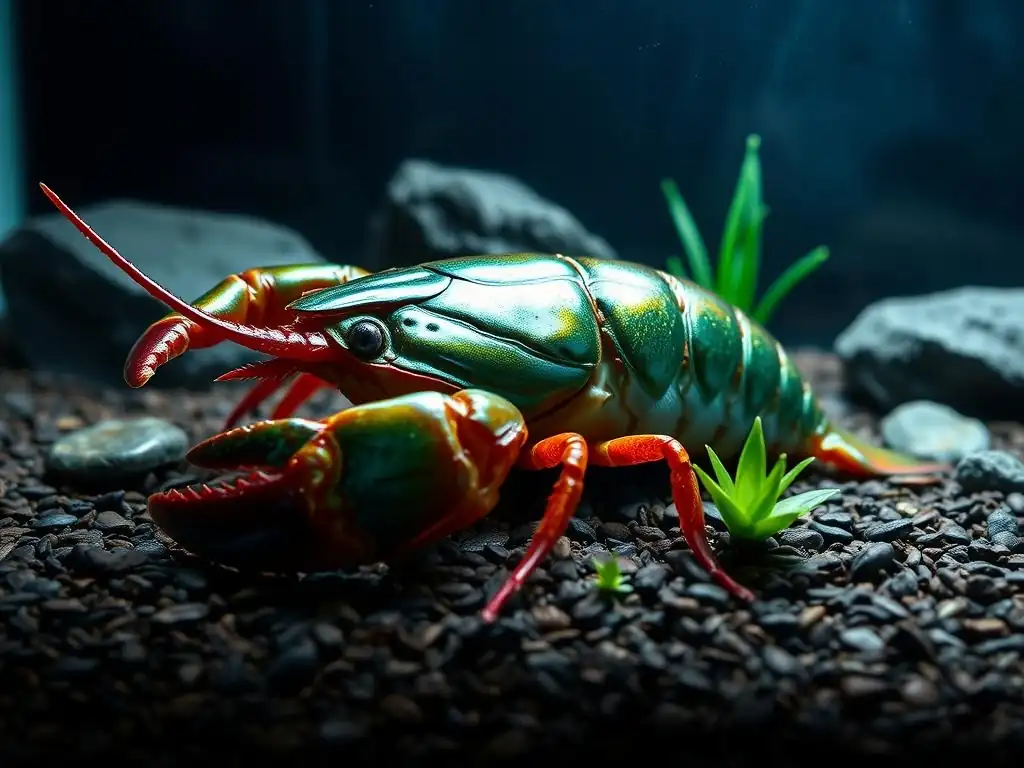
For a single adult Australian Yabby, a minimum tank size of 30 to 40 gallons (approximately 115 to 150 liters) is generally recommended. While a juvenile yabby might temporarily thrive in a 20-gallon tank, its rapid growth necessitates an upgrade to prevent stunted growth, stress, and aggression. The footprint of the tank is more important than its height, as yabbies are bottom-dwellers and require ample floor space for foraging, burrowing, and establishing territory. A tank with dimensions like 36x18x18 inches (90x45x45 cm) provides a good balance of space for an active large crayfish.
If you plan to keep multiple yabbies, which is generally not recommended due to their territorial nature, a significantly larger tank (e.g., 75 gallons or more) with numerous distinct hiding spots and visual barriers would be absolutely essential. Even then, success is not guaranteed, and conflicts often arise. For a thriving large crayfish home aquarium, prioritizing space for a single specimen is the most reliable approach, allowing them to exhibit natural behaviors without undue stress.
Water Parameters for Healthy Yabby Keeping: Temperature, pH, and Hardness
Australian Yabbies are remarkably adaptable, but consistent and stable water parameters are crucial for their long-term health. The ideal water temperature range for Cherax destructor is between 18°C and 28°C (64°F to 82°F). While they can tolerate brief excursions outside this range, maintaining it helps prevent stress and promotes healthy metabolic functions. Temperatures at the higher end of this range can increase their activity and growth rate but also demand higher oxygen levels.
Regarding pH, yabbies prefer slightly alkaline to neutral water, with an ideal range of 6.5 to 8.0. A pH of around 7.0 to 7.5 is often a good target. Water hardness (GH) should be moderate to hard, typically ranging from 5 to 15 dGH (degrees of General Hardness). This is important because yabbies require sufficient calcium and other minerals in the water for proper shell development and successful molting. Regular water testing with a reliable kit is indispensable to monitor these parameters and ensure they remain stable for your large crayfish.
Substrate and Decor for Yabby Aquariums: Creating a Natural Environment
The choice of substrate is paramount for a yabby aquarium due to their strong burrowing instincts. A soft, fine substrate like sand or smooth, fine gravel (2-3 mm diameter) at a depth of at least 3-4 inches (7-10 cm) is highly recommended. This allows them to dig their characteristic burrows without damaging their delicate undersides or antennae. Avoid sharp or coarse gravel, which can injure their walking legs and claws, potentially leading to infections.
Decor should prioritize providing ample hiding spots and visual barriers. PVC pipes (cut into various lengths and diameters), ceramic caves, overturned flower pots, and securely stacked rocks or driftwood are excellent choices. Ensure all decor is stable and cannot be toppled by the yabby's digging, as this could cause injury or damage to the tank. For a large crayfish, having multiple secure retreats reduces stress and territorial aggression, allowing them to feel safe and exhibit natural behaviors within their home aquarium.
Filtration and Aeration for Yabby Tanks: Maintaining Water Quality
Effective filtration is critical for maintaining high water quality in a yabby aquarium, as these large invertebrates produce a significant bioload. A robust biological filter is essential to process ammonia and nitrites, which are highly toxic to aquatic life. Suitable filtration options include hang-on-back (HOB) filters, canister filters, or large sponge filters. When selecting a filter, consider the flow rate; while strong filtration is needed, excessively powerful currents can stress yabbies. Opt for filters that allow for adjustable flow or direct the outflow against the tank wall to diffuse the current.
Aeration is also vital, especially if water temperatures are on the higher side, as warmer water holds less dissolved oxygen. An air stone connected to an air pump is a simple yet effective way to increase oxygen levels and promote healthy gas exchange. Good water circulation, combined with sufficient aeration, helps prevent anaerobic pockets in the substrate and ensures a healthy environment for your large crayfish. Regular maintenance of the filter media and scheduled water changes (e.g., 20-30% weekly) are indispensable for preventing the buildup of nitrates and other pollutants.
Yabby Diet and Feeding: Ensuring Optimal Health and Growth
What Do Yabbies Eat? A Comprehensive Dietary Guide
Australian Yabbies are omnivorous scavengers, meaning their diet in the wild consists of a wide variety of plant matter, detritus, small invertebrates, and decaying organic material. In a home aquarium, their diet should be diverse to ensure optimal health and vibrant coloration. High-quality sinking pellets or wafers specifically formulated for crayfish or bottom-feeders should form the staple of their diet. These often contain essential vitamins and minerals, including calcium, crucial for shell development.
Supplementing their diet with fresh or blanched vegetables is highly beneficial. Examples include zucchini, spinach, kale, carrots, and peas. Protein sources can also be offered periodically, such as frozen bloodworms, brine shrimp, earthworms, or even small pieces of lean, cooked fish or shrimp. It is essential to ensure that any protein source is free from harmful chemicals or parasites. A varied diet not only promotes good health but also contributes to the impressive size and appearance of a well-fed large crayfish.
Recommended Feeding Schedule for Yabby Crayfish
The feeding schedule for Australian Yabbies should be consistent but adjusted based on their size, age, and activity level. For adult yabbies, feeding once every day or every other day is generally sufficient. Offer an amount that they can consume within 5 to 10 minutes to prevent uneaten food from decaying and fouling the water. Juvenile yabbies, which are growing rapidly and molting more frequently, may benefit from more frequent, smaller feedings, perhaps twice a day.
It is important to observe your yabby's feeding behavior. If they are leaving food uneaten, reduce the quantity at the next feeding. Yabbies are opportunistic and will often scavenge leftover food, but relying solely on this can lead to nutritional deficiencies and poor water quality. Establishing a regular feeding routine helps to keep your large crayfish healthy and prevents overfeeding, which is a common issue leading to water parameter instability.
Avoiding Overfeeding and Water Quality Issues
Overfeeding is one of the most common mistakes made when keeping Australian Yabbies and can lead to a cascade of water quality problems. Excess food left to decay in the aquarium will rapidly break down, releasing ammonia and nitrites, which are highly toxic to all aquatic inhabitants, including yabbies. Even if not immediately fatal, chronic exposure to elevated levels of these compounds can stress the yabby, weaken its immune system, and make it more susceptible to diseases or molting complications.
To avoid overfeeding, always start with a small amount of food and observe how quickly your yabby consumes it. If there's uneaten food after 10-15 minutes, remove it promptly with a net or siphon. Regular water changes (e.g., 20-30% weekly) are crucial for removing accumulated nitrates and replenishing essential minerals, further ensuring a pristine environment for your large crayfish. Monitoring water parameters with a test kit regularly will provide early warning signs of any imbalance caused by overfeeding.
Yabby Compatibility with Other Tank Mates: Choosing the Right Companions
Fish That Can Coexist with Yabbies: Minimizing Aggression
Choosing tank mates for an Australian Yabby is a challenging endeavor due to their opportunistic and predatory nature. Yabbies will attempt to catch and consume any fish small or slow enough for them to apprehend. Therefore, the safest approach is often a species-only tank for your large crayfish. However, if tank mates are desired, select fast-moving, robust, and preferably top-dwelling fish that are too quick for the yabby to catch. Examples include larger species of Danios (e.g., Giant Danios), Rainbowfish (e.g., Boeseman's Rainbowfish), or some faster-moving, larger Tetras (e.g., Congo Tetras).
Avoid any bottom-dwelling fish, slow-moving species, or fish with long, flowing fins (like Bettas or fancy Guppies), as these are prime targets for a yabby's claws. Even with seemingly compatible fish, constant vigilance is necessary, and casualties can still occur, especially during the yabby's nocturnal activity or if the fish are stressed or sick. Providing ample hiding spots for both the yabby and the fish can help minimize conflict, but success in a mixed large crayfish home aquarium is never guaranteed.
Invertebrates and Yabbies: Potential Conflicts and Considerations
When it comes to other invertebrates, the general rule is to avoid them entirely in a yabby tank. Australian Yabbies are highly predatory towards smaller invertebrates. Any ornamental shrimp (e.g., Cherry Shrimp, Amano Shrimp), snails (e.g., Nerite Snails, Mystery Snails), or smaller species of crayfish will almost certainly become a meal for your large crayfish. Even larger snails may be attacked and consumed, especially if the yabby is hungry or feeling territorial.
Keeping multiple yabbies together is also fraught with peril. While some aquarists attempt to keep pairs or small groups in very large, heavily decorated tanks, territorial disputes and cannibalism are common, especially after molting. It is generally recommended to keep only one Australian Yabby per home aquarium unless breeding is the explicit goal and a very large, complex setup is provided with constant supervision. The inherent aggression of this large crayfish makes it a poor companion for most other invertebrates.
Plants and Yabbies: Protecting Your Aquarium Flora
Australian Yabbies are notorious for their destructive tendencies towards live aquarium plants. Their strong claws and relentless burrowing habits mean they will uproot, shred, and consume most aquatic vegetation. They are not merely browsing; they actively dig, often destroying root systems and creating a mess in the substrate. Delicate or slow-growing plants stand no chance against a determined large crayfish.
If you wish to include plants in a yabby tank, you must choose exceptionally hardy and fast-growing species that can withstand significant damage, or opt for artificial plants. Some success has been reported with very tough, epiphytic plants like Anubias or Java Fern, which can be securely attached to driftwood or rocks rather than planted in the substrate. Even then, they may still be nipped or relocated. For a planted large crayfish home aquarium, it's often a trade-off, and the expectation should be that plants will primarily serve as temporary decor rather than a lush aquascape.
Potential Problems and Challenges of Keeping Yabbies in Aquariums
Yabby Aggression and Territoriality: Managing Behavior
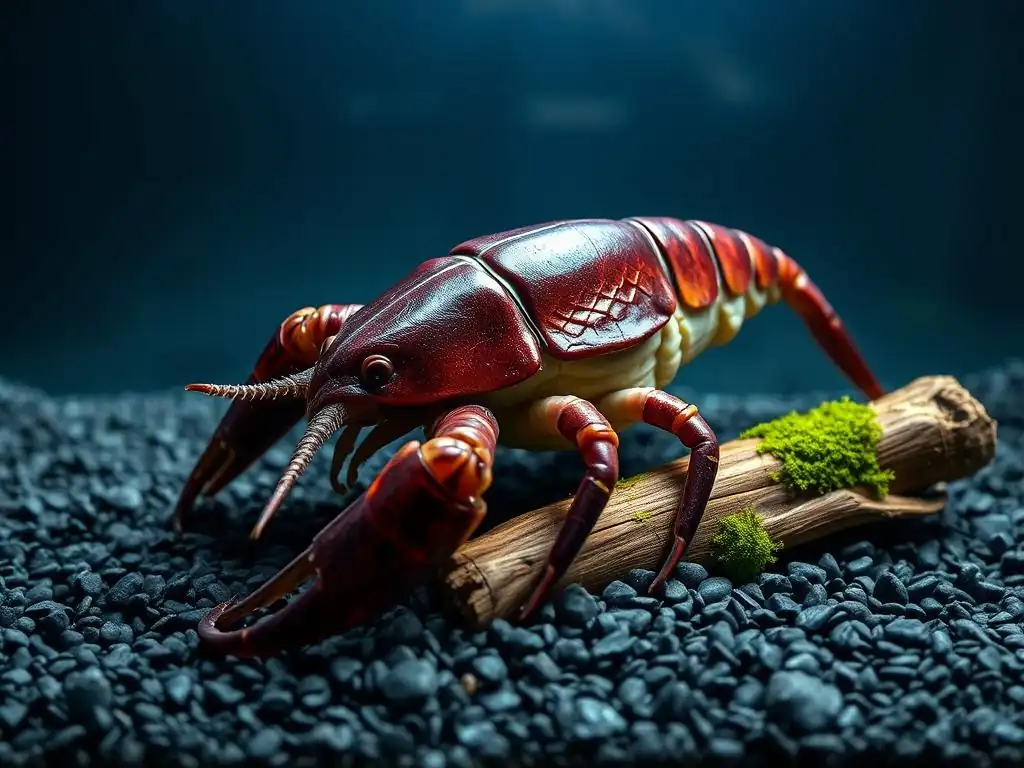
The "destructor" in Cherax destructor is a direct reference to its highly territorial and aggressive nature. In a home aquarium, this translates into a propensity to attack and injure or kill tank mates, including fish, other invertebrates, and even conspecifics (other yabbies). This aggression is particularly pronounced when space is limited, during feeding, or when establishing burrows. Males can be especially aggressive towards each other and sometimes even towards females outside of breeding.
Managing this behavior requires a multi-faceted approach. Providing an adequately sized tank (at least 30-40 gallons for a single adult) with numerous distinct hiding spots and visual barriers is crucial. These retreats allow the yabby to feel secure and reduce the need to constantly defend a single territory. If keeping multiple yabbies, which is generally discouraged, separate tanks or extremely large, complex setups with abundant shelters are necessary to minimize conflict. Observing your large crayfish's behavior regularly will help you identify and address aggression before it leads to serious harm.
Molting Issues in Yabbies: Recognizing and Addressing Problems
Molting is a critical and vulnerable process for Australian Yabbies, where they shed their old exoskeleton to grow. A yabby preparing to molt may become lethargic, refuse food, and appear dull in color. The actual molt typically takes less than an hour, after which the yabby's new shell is soft and it is highly susceptible to predation or injury for several days until the new shell hardens. Common issues include incomplete molts, where the yabby gets stuck in its old shell, or soft shell syndrome, where the new shell fails to harden properly.
These issues are often indicative of underlying problems. Incomplete molts can be caused by poor water quality, nutritional deficiencies (especially lack of calcium), or stress. Soft shell syndrome is almost always due to insufficient calcium or minerals in the water or diet. To prevent molting issues, ensure stable, clean water parameters, provide a calcium-rich diet (e.g., sinking pellets with calcium, blanched leafy greens, cuttlebone in the tank), and avoid disturbing the yabby during and immediately after a molt. A failed molt is often fatal for a large crayfish.
Common Yabby Diseases and Treatments
While Australian Yabbies are generally hardy, they can be susceptible to certain diseases, often stemming from poor water quality, inadequate nutrition, or stress. Common issues include bacterial infections, which can manifest as shell rot (lesions or pitting on the exoskeleton), cloudy eyes, or lethargy. Fungal infections might appear as fuzzy growths on their body or gills. Parasitic infestations, though less common in captive-bred specimens, can also occur.
Prevention is the best treatment. Maintaining pristine water quality through regular water changes and efficient filtration, providing a balanced and nutritious diet, and ensuring a stress-free environment are paramount. If a disease is suspected, isolating the affected yabby to a quarantine tank can prevent spread and allow for targeted treatment. Caution must be exercised when using medications, as many common fish medications contain copper or other chemicals that are highly toxic to invertebrates like a large crayfish. Consulting with an aquatic veterinarian or experienced aquarist is recommended for diagnosis and safe treatment options.
Preventing Yabby Escapes: Securing Your Aquarium
Australian Yabbies are surprisingly adept escape artists and will exploit any opportunity to leave their aquarium. Their strong legs and sharp claws allow them to climb surprisingly well, scaling silicone seams, filter tubes, heaters, and even airline tubing. A yabby on the loose outside the aquarium will quickly dehydrate and perish, making escape prevention a critical aspect of their care.
To secure your large crayfish's home, a tight-fitting, heavy lid is essential. Ensure there are no gaps around heaters, filters, or other equipment that could serve as an exit point. Any small openings should be covered with mesh or secured with aquarium-safe materials. Weighing down the lid or using clips can also prevent a determined yabby from pushing it open. Regularly inspect your aquarium for potential escape routes, especially after adding new equipment or performing maintenance.
Breeding Yabbies in the Home Aquarium: A Detailed Guide
Creating Breeding Conditions for Cherax destructor
Breeding Australian Yabbies in a home aquarium can be a rewarding experience, but it requires specific conditions to encourage success. A sufficiently large tank (e.g., 50 gallons or more for a breeding pair) is crucial to provide ample space and reduce aggression between the male and female. Stable, clean water parameters within their preferred range (temperature 22-26°C / 72-79°F, pH 7.0-7.5, moderate hardness) are vital. A slight increase in temperature within this range can sometimes stimulate breeding activity.
Providing numerous secure hiding spots is paramount, especially for the female, as males can be aggressive during courtship and after mating. PVC pipes, ceramic caves, and dense rockwork offer essential refuge. A varied and nutritious diet, rich in protein and calcium, will ensure both parents are in optimal health, which is critical for successful egg development and the subsequent health of the fry.
Identifying Male and Female Yabbies
Accurately identifying the sex of Australian Yabbies is crucial for breeding. Males generally have larger, more robust claws and a broader overall build compared to females of the same age. The most definitive method of sexing involves examining their underside for gonopores (reproductive pores). Males possess two small, raised pores located at the base of their fifth pair of walking legs (the last pair).
Females, in contrast, have their gonopores at the base of their third pair of walking legs (the middle pair). These pores are typically less prominent than those of the male. Observing these anatomical differences requires careful handling of the yabby, which should be done gently to avoid stress or injury. It can be challenging to distinguish sexes in very young or small yabbies, but as they mature into a large crayfish, these differences become more apparent.
Caring for Yabby Eggs and Fry
Once a female yabby has mated, she will typically carry the fertilized eggs under her tail, attached to her swimmerets. This period, known as "berried," can last for 4 to 6 weeks, depending on water temperature. The female will diligently fan the eggs to ensure proper oxygenation and prevent fungal growth. During this time, it is crucial to ensure she has plenty of food and is not stressed, as she may drop her eggs if disturbed. Isolating the berried female to a separate breeding tank can significantly increase the survival rate of the eggs and subsequent fry.
When the eggs hatch, the tiny, translucent fry will initially remain attached to the female's swimmerets. After a few days, they will detach and begin to forage independently. Yabby fry are miniature versions of the adults and are highly cannibalistic, so providing abundant hiding spots (e.g., clumps of Java moss, fine gravel, small PVC pipes) is essential.
They should be fed small, frequent meals of powdered flake food, spirulina powder, or newly hatched brine shrimp. Raising a large number of yabby fry to maturity is a significant commitment due to their sheer numbers (a single female can produce hundreds, sometimes over a thousand, offspring) and their predatory nature.
Pros and Cons of Keeping Yabbies in a Home Aquarium: Is It Right for You?
Advantages of Owning Yabbies: Unique Pets and Tank Cleaners
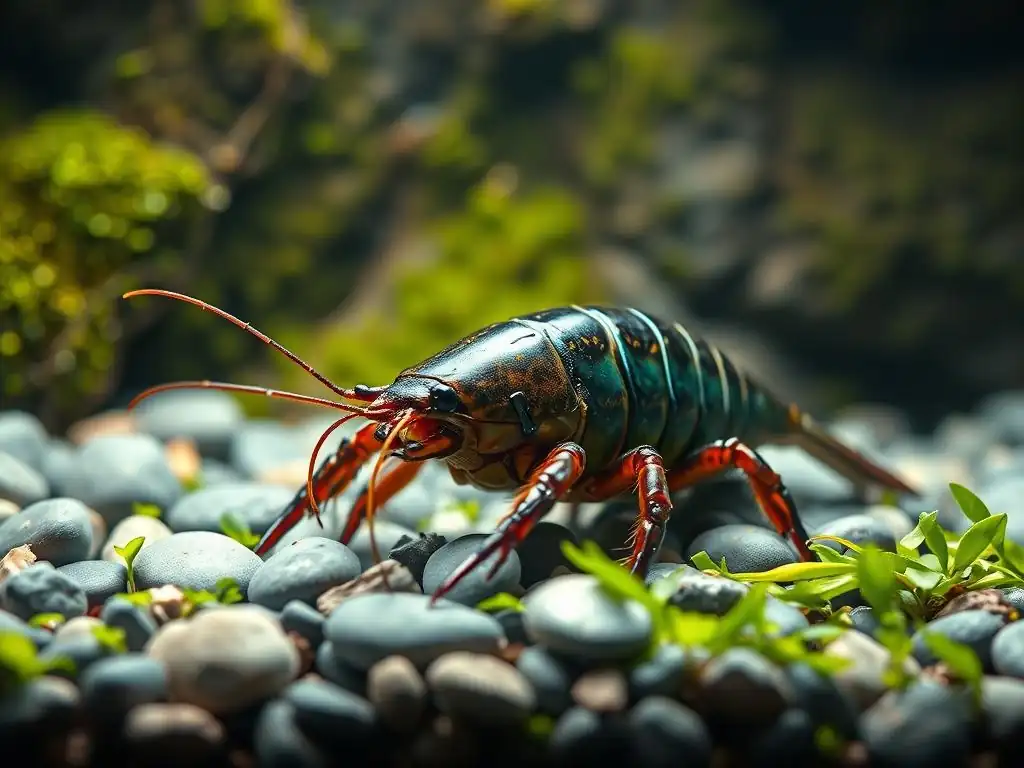
Owning an Australian Yabby can be a truly unique and engaging experience for the right aquarist. Their active burrowing and foraging behaviors provide constant entertainment, and their distinct personalities often shine through. Unlike many fish, yabbies are highly interactive and can learn to associate their owner with food, sometimes even coming to the front of the tank when approached. Their impressive size and variable coloration make them a striking centerpiece in any large crayfish home aquarium.
Furthermore, yabbies act as efficient scavengers, helping to clean up uneaten food particles and detritus from the substrate. While they should not be relied upon as the sole means of tank maintenance, their scavenging habits can contribute to a cleaner environment. They are also relatively hardy once established, tolerant of a range of water conditions, and less susceptible to common fish diseases, making them a robust and long-lived invertebrate pet.
Disadvantages of Owning Yabbies: Potential Challenges and Responsibilities
Despite their appeal, Australian Yabbies come with several significant challenges that prospective owners must consider. Their "destructor" moniker is well-earned: they are notorious for their aggressive and territorial nature, making them unsuitable for most community tanks. They will prey on fish, shrimp, and snails, and even other yabbies can fall victim to their aggression, particularly during molting. This often necessitates a species-only tank.
Their powerful burrowing habits mean they will uproot and destroy most live plants, requiring specific plant choices or a commitment to artificial decor. Yabbies are also expert escape artists, demanding a completely secure, tight-fitting lid on their aquarium. Their relatively large bioload requires robust filtration and consistent water changes to maintain pristine conditions. These factors mean that keeping a large crayfish like the yabby is a commitment that requires careful planning and dedicated care to ensure both the animal's well-being and the stability of the aquarium.
Where to Buy Australian Yabbies: Selecting Healthy Specimens
Choosing a Reputable Yabby Supplier or Breeder
When looking to acquire an Australian Yabby for your large crayfish home aquarium, it is crucial to choose a reputable supplier or breeder. Local fish stores that specialize in aquatic invertebrates or exotic pets are often a good starting point, as they typically have more knowledgeable staff and better care practices. Online breeders who specialize in Cherax destructor are another excellent option, as they often provide specific genetic lines and detailed information about their stock.
Avoid purchasing from unreliable sources or mass retailers where the origin and health of the animals may be questionable. A reputable supplier will be able to provide information about the yabby's age, sex (if desired), and any specific care requirements. They should also keep their animals in clean, well-maintained tanks, indicating good husbandry practices. Don't hesitate to ask questions about their source and care routines; a good breeder will be happy to share this information.
Inspecting Yabbies for Signs of Health and Disease
Before purchasing an Australian Yabby, take the time to carefully inspect the specimen for any signs of poor health or disease. A healthy yabby should be active and alert, moving its legs and antennae regularly. Its exoskeleton should be intact, without any visible lesions, pitting, or fungal growths (which appear as fuzzy white patches). While a missing leg or claw can occur and may regenerate over time, multiple missing limbs or severe damage could indicate underlying issues or a very stressful environment.
Observe its eyes; they should be clear and bright, not cloudy or sunken. The yabby should also be free from any obvious parasites or unusual discoloration. Avoid any yabbies that appear lethargic, are constantly hiding excessively (beyond normal resting), or are exhibiting unusual swimming or walking patterns. A thorough visual inspection will help ensure you bring home a healthy and thriving large crayfish, ready to adapt to its new home aquarium.
Conclusion: Responsible Yabby Keeping and Aquarium Mastery
Ensuring the Long-Term Health and Well-being of Your Australian Yabby
The Australian Yabby ( Cherax destructor) is undoubtedly a captivating and unique invertebrate that can bring immense enjoyment to the dedicated aquarist. However, their specific needs and inherent behaviors demand a thoughtful and responsible approach to their care. Ensuring the long-term health and well-being of your large crayfish hinges on several key pillars: providing an adequately sized aquarium (at least 30-40 gallons for a single adult) with ample hiding spots, maintaining pristine and stable water parameters (temperature 18-28°C, pH 6.5-8.0, moderate hardness), and offering a diverse, calcium-rich diet.
Furthermore, understanding and respecting their territorial and destructive nature is paramount. This means careful consideration of tank mates (often none at all), accepting the challenges of live plants, and diligently preventing escapes with a secure lid. Regular observation of your yabby's behavior, especially during molting, will allow you to quickly identify and address any potential problems, ensuring your large crayfish thrives and becomes a vibrant centerpiece in your home aquarium.
Further Resources for Yabby Care and Aquarium Management
Achieving true Aquarium Mastery, especially with a distinctive creature like the Australian Yabby, is an ongoing journey of learning and adaptation. While this article provides a comprehensive foundation, continuous education is invaluable. Seek out specialized online forums and communities dedicated to crayfish or invertebrate keeping, where experienced aquarists share insights and troubleshooting tips based on real-world scenarios. Many reputable aquatic literature resources, including books and scientific articles, delve deeper into the biology and husbandry of Cherax destructor.
Engaging with local aquarium clubs can also provide access to a wealth of knowledge from fellow enthusiasts and opportunities to observe different large crayfish home aquarium setups. By actively seeking out and utilizing these resources, you can deepen your understanding of yabby care, stay informed about best practices, and address any unforeseen challenges effectively, ensuring a thriving and enriching experience for both you and your remarkable Australian Yabby.
Frequently Asked Questions
What size tank is required for an Australian Yabby (Cherax destructor) in a home aquarium?
A minimum of a 30-gallon tank is recommended for a single yabby. Larger tanks are always better, especially if you plan to keep multiple yabbies or tank mates.
Are Australian Yabbies compatible with other fish in a community aquarium?
Generally, no. Yabbies are opportunistic predators and may attack smaller or slower-moving fish. It's best to house them in a species-only tank or with very large, fast-moving fish.
What type of substrate and decorations are suitable for a yabby tank?
Use a sand or gravel substrate that allows them to burrow. Provide plenty of hiding places like rocks, caves, and driftwood to reduce stress and aggression.
What is the ideal water chemistry for keeping Australian Yabbies healthy?
Maintain a pH between 6.5 and 8.0, a temperature between 68°F and 78°F (20°C and 26°C), and ensure good water quality with regular water changes.
What do Australian Yabbies eat in a home aquarium?
Yabbies are omnivores and will eat a variety of foods. Offer them sinking pellets, algae wafers, blanched vegetables, and occasional meaty treats like bloodworms.
Final Reflection: The Destructive Beauty of Cherax
The allure of the exotic, especially when scaled down to fit within the confines of our homes, is undeniable. The Australian Yabby, Cherax destructor, embodies this allure perfectly, presenting a unique challenge and reward for the dedicated aquarist. As we've explored the intricacies of keeping this large crayfish in a home aquarium, it's clear that responsible ownership is paramount, transforming a potentially destructive force into a captivating centerpiece.
The impact of introducing any species, even within the controlled environment of an aquarium, resonates far beyond the glass walls. Understanding the ecological implications and committing to ethical practices is crucial, not just for the well-being of the yabby, but for the broader aquatic ecosystem. This responsibility is amplified when dealing with a species as adaptable and potentially invasive as Cherax destructor. In the end, we will conserve only what we love; we will love only what we understand; and we will understand only what we are taught.
- Baba Dioum's words serve as a potent reminder of the power of education and informed decision-making in shaping our relationship with the natural world.
Now, consider your own role in this delicate balance. Are you prepared to provide the necessary environment, commit to the ongoing care, and understand the potential consequences of keeping a Cherax destructor? The decision to welcome this large crayfish into your home aquarium is not one to be taken lightly. Embrace the challenge, educate yourself, and strive to be a responsible steward of this fascinating creature, ensuring its well-being and preventing any unintended harm to the environment. The beauty and wonder of the natural world are best appreciated when approached with respect, knowledge, and a deep sense of responsibility.
Unleash the Yabby Wonder: Dive Deeper Now!
Thank you for exploring the fascinating world of Australian Yabbies with us. We hope you’ve gained valuable insights into whether these captivating crustaceans are the right fit for your home aquarium. Now, let's turn that knowledge into action!
- Consider carefully: Is your tank ready to welcome a Yabby? Evaluate your setup against the criteria discussed, focusing on size, substrate, and potential tank mates. This is your primary action point to ensure you can successfully bring a yabby into your home.
- Delve into Yabby diets by researching specialized feeding strategies to maintain its health and vibrancy.
- Share this newfound knowledge with fellow aquarium enthusiasts – perhaps inspire them to consider a Yabby adventure of their own!
What's the first thing you'll change in your setup to make it Yabby-ready? Let us know in the comments!