
Can Freshwater Crabs Live Fully Submerged? A SpeciesbySpecies Deep Dive

Welcome to Aquarium Mastery!
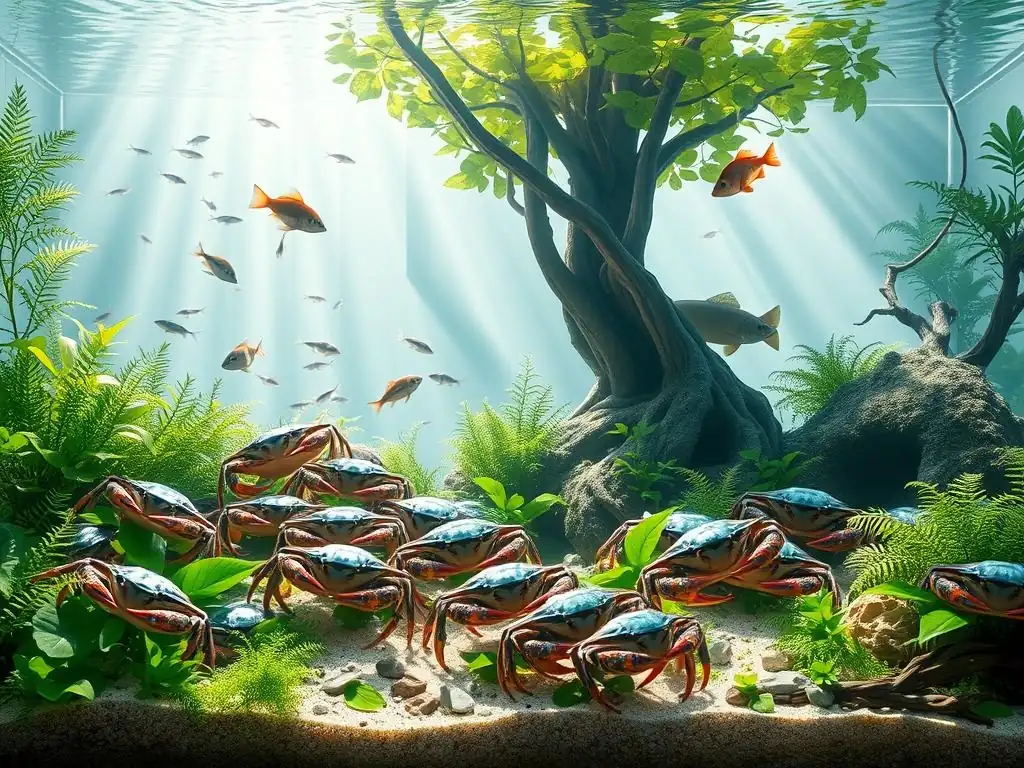
Ever wondered if those captivating freshwater crabs you've seen scuttling about can truly live fully submerged? Dive into our comprehensive guide, "Can Freshwater Crabs Live Fully Submerged? A Species-by-Species Deep Dive," and uncover the surprising truths behind their aquatic adaptations. Prepare to discover which species thrive underwater, and which need a dry escape route. Let's explore the fascinating world of freshwater crab submerged survival together!
- Understanding Freshwater Crab Submersion: An Introduction
- Freshwater Crab Biology and Aquatic Life
-
Freshwater Crab Species and Their Submersion Tolerance
- Geosesarma (Vampire Crabs): Terrestrial Nature and Limited Submersion
- Limnopilos naiyanetri (Pom Pom Crab): Fully Aquatic Lifestyle
- Potamon Species: Semi-Aquatic Habits and Partial Submersion
- Parathelphusa Species: Adaptability to Varying Water Conditions
- Other Freshwater Crab Species: Submersion Abilities Compared
- Factors Affecting Freshwater Crab Submerged Survival
- Creating an Ideal Habitat for Freshwater Crabs: Balancing Land and Water
- Troubleshooting Common Issues: Submersion-Related Problems in Freshwater Crabs
- Conclusion: Ensuring the Well-being of Your Freshwater Crab
-
Frequently Asked Questions
- Can all freshwater crabs live fully submerged, all the time?
- What factors determine a freshwater crab's ability to live fully submerged?
- Are there any freshwater crab species that are completely aquatic?
- How does water quality affect a freshwater crab's survival when submerged?
- What specific aquarium setup considerations are important for freshwater crabs that prefer a submerged environment?
- Final Reflection: Unveiling the Depths of Crab Resilience
- Unleash Your Inner Crab Keeper!
Understanding Freshwater Crab Submersion: An Introduction
The question of whether freshwater crabs can live fully submerged is a common one among aquarists, often leading to misconceptions about their care requirements. Unlike fish, which are entirely aquatic, many popular freshwater crab species available in the aquarium trade are not truly aquatic and require regular access to air. Understanding their specific biological needs is crucial for their long-term health and survival.
This article delves into the fascinating world of freshwater crabs, exploring their diverse adaptations and clarifying which species can thrive fully submerged and which absolutely require land access. We will examine the physiological mechanisms behind their breathing and analyze the factors that dictate their freshwater crab submerged survival capabilities, ensuring you can create an optimal habitat for your shelled companions.
Freshwater Crab Biology and Aquatic Life
The Respiratory System of Freshwater Crabs: Gills and Oxygen Uptake
All crabs, regardless of their primary habitat, possess gills for respiration. These specialized organs are located within a protected branchial chamber on either side of the crab's carapace. In fully aquatic species, these gills are highly efficient at extracting dissolved oxygen from water, allowing them to remain submerged indefinitely, provided water quality is optimal. Their gill filaments are delicate and designed for constant immersion.
For semi-aquatic and terrestrial freshwater crabs, while gills are still present, they are adapted differently. These crabs often have a more robust gill structure that can retain moisture when out of water, facilitating oxygen uptake from the air. However, if submerged for too long, their gills can collapse or dry out, hindering oxygen absorption and leading to suffocation. The branchial chamber in these crabs also plays a role in storing a small amount of water to keep the gills moist when on land.
How Long Can Freshwater Crabs Stay Underwater? Factors to Consider
The duration a freshwater crab can stay underwater varies dramatically based on its species, individual health, and environmental conditions. Truly aquatic species, such as the Pom Pom crab ( Limnopilos naiyanetri), are adapted for continuous submersion, relying solely on dissolved oxygen from the water. They can live their entire lives underwater, much like fish.
Conversely, semi-aquatic species, like many Geosesarma (Vampire crabs) or Potamon species, have very limited submerged survival times. For these crabs, being fully submerged for more than a few minutes to an hour can be fatal, as their respiratory systems are primarily adapted for air breathing. Factors such as water temperature, dissolved oxygen levels, and the presence of toxins like ammonia significantly impact even the most aquatic crab's ability to survive underwater.
Freshwater Crab Species and Their Submersion Tolerance
Geosesarma (Vampire Crabs): Terrestrial Nature and Limited Submersion
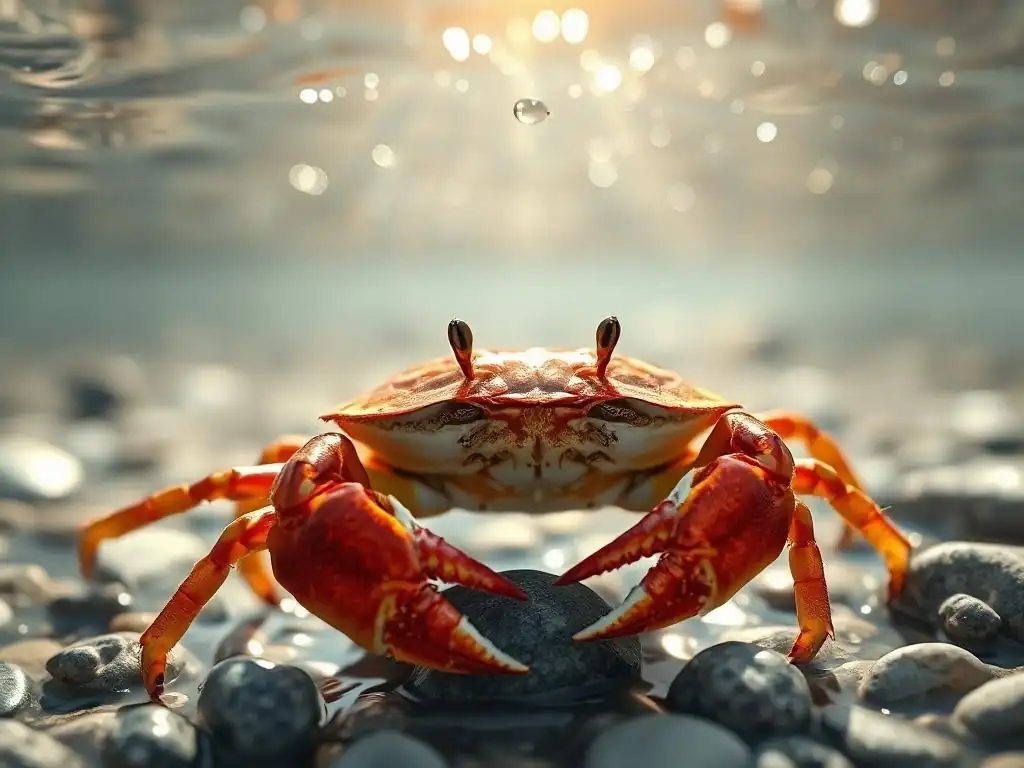
Geosesarma crabs, commonly known as Vampire Crabs due to their striking coloration, are perhaps the most popular, yet often misunderstood, freshwater crab species in the hobby. Despite their small size, typically with a carapace width of 1 to 2 centimeters, they are overwhelmingly terrestrial. Their bright colors, such as deep purples, oranges, and reds, make them highly sought after, but their specific needs are frequently overlooked.
These crabs possess gills, but their respiratory system is primarily designed for extracting oxygen from the air. They require very high humidity to keep their gills moist, but prolonged submersion is deadly. Their natural habitats consist of damp leaf litter, moss, and small puddles in tropical rainforests, where they rarely venture into deep water, relying on the land for most of their activities, including foraging and breeding.
Geosesarma Habitat Needs: Land vs. Water
An ideal habitat for Geosesarma crabs is a paludarium, which offers a significant land area combined with a small, shallow water section. Experts recommend that at least 70-80% of their enclosure should be land-based, featuring moist substrate like coco fiber, sphagnum moss, and leaf litter. The water area should be no more than a few inches deep, serving primarily as a drinking source and a place for occasional dips, not prolonged swimming.
Providing ample climbing opportunities, such as driftwood, rocks, and live plants, is crucial as these crabs are arboreal and enjoy exploring vertical spaces. Secure lids are also essential, as Vampire Crabs are notorious escape artists. The land portion must offer numerous hiding spots, like small caves or dense foliage, to reduce stress and provide security, especially during molting.
Geosesarma Submersion Survival Time
Geosesarma crabs cannot live fully submerged; their freshwater crab submerged survival is extremely limited. If accidentally or intentionally kept underwater for extended periods, they will drown. Their gills are not efficient enough to extract sufficient oxygen from water for sustained periods. In most cases, they can only survive fully submerged for a few minutes, perhaps up to an hour in highly oxygenated, pristine water, before showing severe signs of distress and ultimately perishing.
This short tolerance highlights why providing readily accessible land is non-negotiable for these crabs. Drowning is a common cause of death for Vampire Crabs kept in unsuitable, predominantly aquatic setups. Owners must ensure that any water features are shallow and have easy, clear exit points, preventing any crab from becoming trapped underwater.
Limnopilos naiyanetri (Pom Pom Crab): Fully Aquatic Lifestyle
The Limnopilos naiyanetri, commonly known as the Pom Pom Crab or Thai Micro Crab, stands out as one of the few truly fully aquatic freshwater crab species suitable for aquariums. Originating from Thailand, these tiny crabs, typically with a carapace around 1 centimeter, spend their entire lives underwater. They are often overlooked due to their diminutive size but are fascinating additions to a peaceful community tank.
Their most distinctive feature is the pair of modified claws, which resemble miniature pom-poms. These are covered in fine setae and are used to filter microscopic food particles from the water column, a behavior exclusively performed while fully submerged. Their delicate structure and peaceful nature make them ideal for planted nano tanks.
Limnopilos naiyanetri Water Parameters
Maintaining stable and appropriate water parameters is crucial for the health and freshwater crab submerged survival of Limnopilos naiyanetri. They thrive in clean, well-oxygenated water with a temperature range of 22-28°C (72-82°F). The ideal pH range is slightly acidic to neutral, typically between 6.5 and 7.5, and water hardness (GH) should be soft to moderately hard, around 5-15 dGH.
Like most aquatic invertebrates, Pom Pom Crabs are highly sensitive to sudden fluctuations in water chemistry and the presence of nitrates, nitrites, and ammonia. Ammonia and nitrite levels must always be 0 ppm, and nitrates should be kept below 20 ppm through regular partial water changes. A mature nitrogen cycle and efficient filtration are paramount to their well-being.
Maintaining a Fully Submerged Limnopilos naiyanetri Habitat
Given their fully aquatic nature, Limnopilos naiyanetri requires a standard aquarium setup without any land section. They flourish in densely planted tanks, which provide ample hiding spots, foraging grounds, and a sense of security. Fine-leaved plants like Java Moss, Hornwort, and various Anubias species are excellent choices, offering surfaces for biofilm and detritus to accumulate, which they feed upon.
A gentle filter, such as a sponge filter or a hang-on-back filter with a pre-filter sponge, is recommended to avoid strong currents that can stress these tiny crabs. Feeding should consist of fine particulate foods, such as powdered fish food, spirulina powder, or specialized invertebrate foods, as they are filter feeders and do not actively hunt larger prey. They are non-aggressive and can be kept with other peaceful, small aquatic species.
Potamon Species: Semi-Aquatic Habits and Partial Submersion
Potamon species, often referred to as freshwater river crabs or even "Rainbow Crabs" (though true Rainbow Crabs are Cardisoma armatum, a brackish species), are genuine freshwater crabs that exhibit semi-aquatic habits. These crabs are larger than Vampire Crabs, with carapace sizes typically ranging from 5 to 10 centimeters, and are known for their robust build and often drab coloration, though some can be quite striking. They are native to rivers, streams, and muddy banks across Europe, Asia, and Africa.
In their natural environment, Potamon crabs spend considerable time on land, often burrowing into soft substrate near water bodies. They are adept swimmers and will enter the water to forage, escape predators, or cool down, but they always require easy access back to the surface for air. Their lifestyle perfectly exemplifies the concept of freshwater crab submerged survival being partial rather than continuous.
Potamon Crab Tank Setup Considerations
For Potamon crabs, a paludarium setup is absolutely essential, with a significant emphasis on providing both a substantial land area and an accessible water section. A common recommendation is a 50/50 split between land and water, or even slightly more land, to accommodate their terrestrial tendencies. The water depth should be shallow enough, generally 10-20 centimeters (4-8 inches), to allow them to easily exit and enter.
The land portion should consist of a deep, moist substrate for burrowing, such as coco fiber or sand. Large rocks, driftwood, and secure hiding spots are crucial for their well-being and to prevent escapes. These crabs are powerful and can often climb out of seemingly secure enclosures, so a heavy, escape-proof lid is paramount. Filtration in the water section is still important to maintain water quality, even if the volume is smaller.
Potamon Submersion Capabilities and Risks
While Potamon crabs can submerge themselves for periods, primarily for hunting or seeking refuge, they cannot live fully underwater. Their gills are adapted for both aquatic and aerial respiration, but sustained submersion will lead to drowning. They typically spend their time on land, only entering the water as needed, and will quickly return to air. The freshwater crab submerged survival window for these species is hours at best, not days or weeks.
The primary risk for Potamon crabs in an aquarium is the lack of easy access to land. If they cannot exit the water, they will eventually succumb to oxygen deprivation, even in highly oxygenated water. Signs of distress include frantic attempts to climb out of the water or remaining motionless underwater for extended periods. It is vital to ensure that all water sections have clear, easily traversable ramps or sloped land access points.
Parathelphusa Species: Adaptability to Varying Water Conditions
The genus Parathelphusa encompasses a wide array of freshwater crab species, predominantly found in Southeast Asia. These crabs exhibit a broad range of adaptations, with some species being more aquatic than others, though generally, they are considered semi-aquatic. Their natural habitats often include swamps, rice paddies, and slow-moving streams, which are environments characterized by fluctuating water levels and varying oxygen concentrations. This adaptability is key to their freshwater crab submerged survival in diverse conditions.
Parathelphusa crabs typically have carapaces ranging from 3 to 8 centimeters. Their coloration varies widely, from mottled browns and greens to more vibrant hues. Unlike the strictly terrestrial Geosesarma, many Parathelphusa species are more comfortable spending significant time in water, often seen foraging along the bottom or hiding among submerged vegetation.
Parathelphusa Submersion and Molting
Parathelphusa species often demonstrate a greater propensity for submersion compared to Potamon crabs, particularly during specific life stages or environmental conditions. It is not uncommon for them to spend extended periods underwater, especially when seeking shelter or during the vulnerable molting process. Molting underwater can offer protection from terrestrial predators and help keep their new, soft exoskeleton pliable, aiding in the hardening process.
However, even with their enhanced aquatic tolerance, continuous, prolonged submersion without any access to air can still be detrimental. While they might tolerate being fully submerged for a day or two, especially if water quality is pristine, it is not their natural state of being for indefinite periods. Providing land access remains a critical component of their long-term care, allowing them to regulate their respiration and escape unfavorable aquatic conditions.
Optimizing Parathelphusa Tank Environment
To optimize the tank environment for Parathelphusa species, a well-designed paludarium is recommended, though the water section can be more substantial than for Geosesarma or even Potamon. A 60/40 or 50/50 land-to-water ratio can be appropriate, depending on the specific species' observed behavior. The aquatic section should be well-filtered and aerated, mimicking their natural slow-moving, oxygen-rich water habitats. Temperatures typically range from 22-27°C (72-81°F), and pH between 6.5 and 8.0.
The land area should offer burrowing opportunities with a deep, moist substrate, along with plenty of hiding spots like rocks, driftwood, and live plants. Secure lids are crucial, as Parathelphusa crabs are also known for their climbing abilities. Regular water testing and partial water changes are essential to maintain the high water quality necessary for their freshwater crab submerged survival, especially given their tendency to spend more time in the water.
Other Freshwater Crab Species: Submersion Abilities Compared
Beyond the commonly encountered species, a myriad of other freshwater crab genera exist, each with unique environmental requirements. For instance, some species within the Syntripsa genus from Sulawesi are known to be highly aquatic, almost fully submerged in their natural volcanic lake habitats, while others are semi-terrestrial. Conversely, many species sold simply as "freshwater crabs" without specific identification often turn out to be highly terrestrial or semi-terrestrial species that require significant land.
A common pitfall for aquarists is to assume all "freshwater crabs" can live like fish. This is a dangerous generalization. For example, the popular "Red Claw Crab" ( Perisesarma bidens) is often sold as a freshwater crab but is actually a brackish water species that is largely terrestrial. Its freshwater crab submerged survival in a purely freshwater environment is poor, and it absolutely requires land access. Always conduct thorough research on the specific species you intend to keep, focusing on their natural habitat and documented care requirements, rather than relying on generic labels.
Factors Affecting Freshwater Crab Submerged Survival
Water Quality: Oxygen Levels, pH, and Ammonia
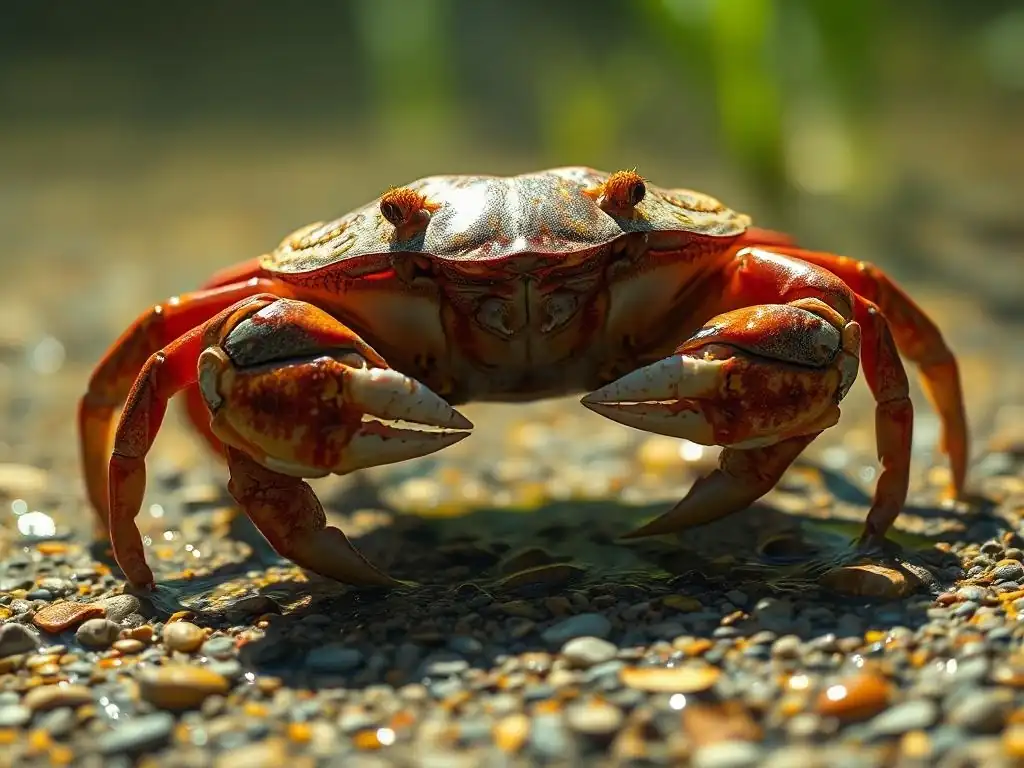
Water quality is the single most critical factor influencing a freshwater crab's ability to survive when submerged, regardless of its species. Dissolved Oxygen (DO) levels are paramount; low DO directly impairs gill function and leads to suffocation, even for fully aquatic species. Crabs require a minimum of 5-6 mg/L (ppm) of dissolved oxygen to thrive. Poor circulation, overcrowding, and high temperatures can rapidly deplete oxygen.
Beyond oxygen, pH and the presence of nitrogenous wastes are highly detrimental. Extreme pH levels (e.g., below 6.0 or above 8.5) can cause gill damage and osmoregulation issues. Ammonia (NH3) and nitrite (NO2) are highly toxic, even in minute concentrations (e.g., >0.1 ppm for ammonia), as they interfere with oxygen uptake and damage delicate gill tissues. High nitrate levels (above 20-40 ppm) can also contribute to chronic stress and weaken a crab's immune system, making freshwater crab submerged survival difficult.
Temperature: Impact on Crab Metabolism and Oxygen Consumption
Temperature plays a dual role in freshwater crab submerged survival. Firstly, metabolic rates of ectothermic animals like crabs are directly influenced by temperature; higher temperatures increase metabolism, leading to a greater demand for oxygen. A crab active in warm water will consume oxygen at a faster rate than one in cooler water.
Secondly, warmer water holds less dissolved oxygen than cooler water. This creates a challenging scenario where a crab's need for oxygen increases, while the available oxygen decreases. This combination can quickly lead to oxygen deprivation, even in seemingly well-aerated tanks. Maintaining a stable temperature within the species' optimal range (typically 22-28°C or 72-82°F for most tropical freshwater crabs) is crucial, avoiding sudden fluctuations that can stress the animal.
Molting Process: Vulnerability During and After Submersion
Molting, or ecdysis, is a vital and recurring process for all crabs as they grow, shedding their rigid exoskeleton. This period is incredibly vulnerable for the crab, as their new shell is soft and they are defenseless. Some freshwater crabs, particularly the more aquatic or semi-aquatic species, may seek out submerged hiding spots to molt, as water provides buoyancy and protection from terrestrial predators.
During and immediately after molting, a crab is highly susceptible to water quality issues and physical damage. The soft gills are more exposed, making them more vulnerable to toxins like ammonia or nitrites. For semi-aquatic species, if they molt underwater and cannot access air quickly once the new shell starts to harden, they can drown. Providing clean, oxygen-rich water and ample secure hiding places, both in and out of the water, is crucial for successful molting and ensuring freshwater crab submerged survival during this critical phase.
Tank Setup: Providing Land Areas and Hiding Places
The design of the tank setup is paramount for the long-term freshwater crab submerged survival of any species that is not fully aquatic. For semi-aquatic crabs, the provision of accessible land areas is non-negotiable. Without a means to leave the water and breathe atmospheric oxygen, these species will inevitably drown, regardless of water quality. The land area should be substantial, stable, and easily reachable from the water, with gradual slopes or ramps.
Beyond land access, ample hiding places are essential for all freshwater crabs. Whether they are fully aquatic or semi-aquatic, crabs are naturally shy and seek refuge to reduce stress, especially during molting or when feeling threatened. Hiding spots can include caves, driftwood, dense plant cover, or rock formations. A well-designed habitat reduces stress, encourages natural behaviors, and significantly improves a crab's overall health and longevity.
Creating an Ideal Habitat for Freshwater Crabs: Balancing Land and Water
Designing a Paludarium for Semi-Aquatic Crabs
For semi-aquatic freshwater crabs like Geosesarma, Potamon, and most Parathelphusa species, a paludarium is the only appropriate type of enclosure. A paludarium integrates both land and water sections within the same tank, creating a semi-aquatic environment that mimics their natural habitats. The design should prioritize the land area, which typically comprises 50% to 80% of the tank's footprint, depending on the species' specific needs.
The land section should feature a deep, moist substrate (e.g., coco fiber, sphagnum moss, aquatic soil) that allows for burrowing, along with ample climbing structures like cork bark, driftwood, and rocks. The water section should be shallow, usually no more than 10-20 cm (4-8 inches) deep, with easy, gradual access points for the crabs to move in and out. A small internal or sponge filter can be used for water circulation and filtration, ensuring the water remains clean even in a smaller volume. Humidity should be kept high, often above 80%, using misting systems or frequent manual misting.
Setting Up a Fully Aquatic Tank for Submersion-Tolerant Crabs
For the few truly fully aquatic freshwater crabs, such as Limnopilos naiyanetri (Pom Pom Crabs), a standard freshwater aquarium setup is perfectly suitable. These crabs do not require any land area and will spend their entire lives submerged. The primary focus for their habitat design should be on creating a stable, well-oxygenated, and clean aquatic environment.
A densely planted tank is ideal, offering numerous hiding spots and surfaces for biofilm and detritus, which Pom Pom Crabs filter feed on. Fine-leaved plants, mosses, and driftwood are excellent additions. Filtration should be gentle to avoid strong currents that can stress these tiny invertebrates; sponge filters are often recommended. Regular partial water changes are crucial to maintain pristine water parameters, with ammonia and nitrite at 0 ppm and nitrates below 20 ppm. A stable temperature within their preferred range (e.g., 22-28°C) is also important to support their freshwater crab submerged survival.
Identifying Signs of Oxygen Deprivation in Crabs
Recognizing the signs of oxygen deprivation is crucial for the freshwater crab submerged survival of your aquatic or semi-aquatic crabs. In fully aquatic species, symptoms often include frantic attempts to climb the tank walls, rapid gill movements (flaring of the branchial chamber), lethargy, or remaining motionless with their legs tucked under their body. They may also appear paler than usual.
For semi-aquatic species, the most obvious sign is prolonged submersion coupled with frantic swimming or attempts to escape the water. If a semi-aquatic crab is stuck underwater for an extended period and cannot access land, it will quickly become distressed. Immediate actions include checking water parameters, ensuring adequate aeration (e.g., adding an air stone), performing a partial water change, and verifying that all land access points are clear and easily traversable.
Addressing Water Quality Problems for Crab Health
Poor water quality is a leading cause of health issues and mortality in both fully aquatic and semi-aquatic freshwater crabs. High levels of ammonia, nitrite, or nitrate directly impair gill function and can poison the crab. Signs of water quality problems often overlap with oxygen deprivation, including lethargy, loss of appetite, discoloration, and erratic behavior.
To address these issues, regular water testing is essential. If ammonia or nitrite are detected, perform immediate, significant partial water changes (e.g., 25-50%). Ensure your filtration system is adequate and functioning correctly, and avoid overfeeding, which can quickly foul the water. For new setups, allow the nitrogen cycle to fully mature before adding crabs. Consistent, smaller water changes (e.g., 10-20% weekly) are key to maintaining long-term water quality and supporting freshwater crab submerged survival.
Preventing Drowning in Semi-Aquatic Crab Species
Drowning is a significant and preventable risk for semi-aquatic freshwater crabs. The primary prevention method is ensuring constant and easy access to a substantial land area. Every water section in a paludarium must have multiple, clearly defined exit points, such as sloped substrate, large pieces of driftwood, rocks, or cork bark that extend above the waterline. Avoid steep, slippery surfaces that a crab might struggle to climb.
It is also vital to check that crabs cannot accidentally fall into deep water sections where they might become trapped without an escape route. Secure tank lids are not just for preventing escapes from the tank but also for preventing crabs from falling into water areas from which they cannot climb out. Regularly inspect the habitat to ensure all access points remain clear and stable, especially after rearranging decor or plants.
Conclusion: Ensuring the Well-being of Your Freshwater Crab
Key Takeaways on Freshwater Crab Submerged Survival
The ability of a freshwater crab to live fully submerged is highly species-dependent. While a few rare species, like the Limnopilos naiyanetri (Pom Pom Crab), are genuinely fully aquatic and spend their entire lives underwater, the vast majority of freshwater crabs commonly available in the aquarium trade are semi-aquatic. These species, including popular Geosesarma (Vampire Crabs) and Potamon species, require regular and easy access to land to breathe atmospheric oxygen. Attempting to keep them fully submerged will inevitably lead to drowning and death.
For optimal freshwater crab submerged survival and overall health, it is paramount to understand the specific needs of your chosen species. This includes providing the correct habitat type (paludarium versus fully aquatic tank), maintaining pristine water quality with adequate dissolved oxygen, and ensuring stable temperatures. Molting periods are particularly vulnerable, necessitating secure hiding spots and appropriate environmental conditions.
Further Research and Resources for Freshwater Crab Care
Given the diversity of freshwater crab species and their varied requirements, continuous research is highly recommended for any aquarist considering these fascinating invertebrates. Do not rely on generic care sheets; instead, seek out species-specific information from reputable sources. Online forums, scientific papers, and dedicated invertebrate care websites can provide invaluable insights into the nuances of freshwater crab care.
Observing your crabs' behavior is also a crucial part of providing optimal care. Changes in activity levels, appetite, or appearance can be early indicators of stress or illness. By combining thorough research with attentive observation, you can ensure the long-term well-being and thriving of your freshwater crabs, providing them with a habitat that truly meets their unique needs for freshwater crab submerged survival.
Frequently Asked Questions
Can all freshwater crabs live fully submerged, all the time?
No, not all freshwater crabs can live fully submerged at all times. Some species require access to land or partially submerged environments to thrive.
What factors determine a freshwater crab's ability to live fully submerged?
Key factors include the species' gill structure and efficiency, its ability to extract oxygen from the water, and its tolerance to varying water conditions.
Are there any freshwater crab species that are completely aquatic?
While some are very close to being fully aquatic, most still benefit from occasional access to air. However, species like the Thai Micro Crab (Limnopilos naiyanetri) are known for their almost entirely aquatic lifestyle.
How does water quality affect a freshwater crab's survival when submerged?
Poor water quality, such as high levels of ammonia or nitrites, can severely impact a crab's ability to breathe underwater, leading to stress and potentially death. Maintaining pristine water conditions is crucial.
What specific aquarium setup considerations are important for freshwater crabs that prefer a submerged environment?
Providing a well-oxygenated tank with ample hiding places, a stable substrate, and suitable water parameters is essential. Consider regular water changes and appropriate filtration to maintain a healthy environment.
Okay, here's a final reflection designed to close your article "Can Freshwater Crabs Live Fully Submerged? A Species-by-Species Deep Dive," optimized for the keyword "Freshwater crab submerged survival" and following your requested structure:
Final Reflection: Unveiling the Depths of Crab Resilience
The exploration of freshwater crab submerged survival reveals a fascinating spectrum of adaptation, highlighting the remarkable diversity within this often-overlooked group. From species that thrive in prolonged submersion to those clinging to the water's edge, understanding these nuances is crucial, especially as freshwater ecosystems face increasing pressure from habitat loss and climate change.
This journey into the aquatic lives of freshwater crabs underscores the delicate balance of their existence. It reminds us that even seemingly small creatures play a vital role in the health of our planet's waterways, and their ability to adapt (or fail to adapt) to changing conditions serves as a barometer for the overall health of these ecosystems. In the end, we will conserve only what we love; we will love only what we understand; and we will understand only what we are taught.
- Baba Dioum's words resonate deeply, urging us to continue learning and sharing knowledge about these fascinating creatures.
As we conclude this deep dive, consider the implications of these findings. What can you do to support the conservation of freshwater habitats and the unique species that call them home? Let this exploration inspire you to look closer at the natural world around you, to appreciate the intricate web of life, and to become an advocate for the preservation of these vital ecosystems, ensuring that future generations can witness the resilience and beauty of freshwater crabs in their natural environments.
Unleash Your Inner Crab Keeper!
Thank you for diving into the fascinating world of freshwater crabs! Now that you're armed with knowledge about their diverse aquatic needs, it's time to take action and truly connect with these amazing creatures.
Here are a few things you can do:
- Research specific freshwater crab species before acquiring one to ensure its long-term well-being in your aquarium.
- Share this article with fellow aquarium enthusiasts to spread awareness about responsible crab keeping.
- Consider creating a dedicated freshwater crab habitat and documenting your journey online to inspire others!
What species of freshwater crab are you most interested in learning more about, and what are your initial questions about keeping them?