
The Surprising Benefits of Soft Corals for Your Aquarium's Ecosystem

Welcome to Aquarium Mastery!
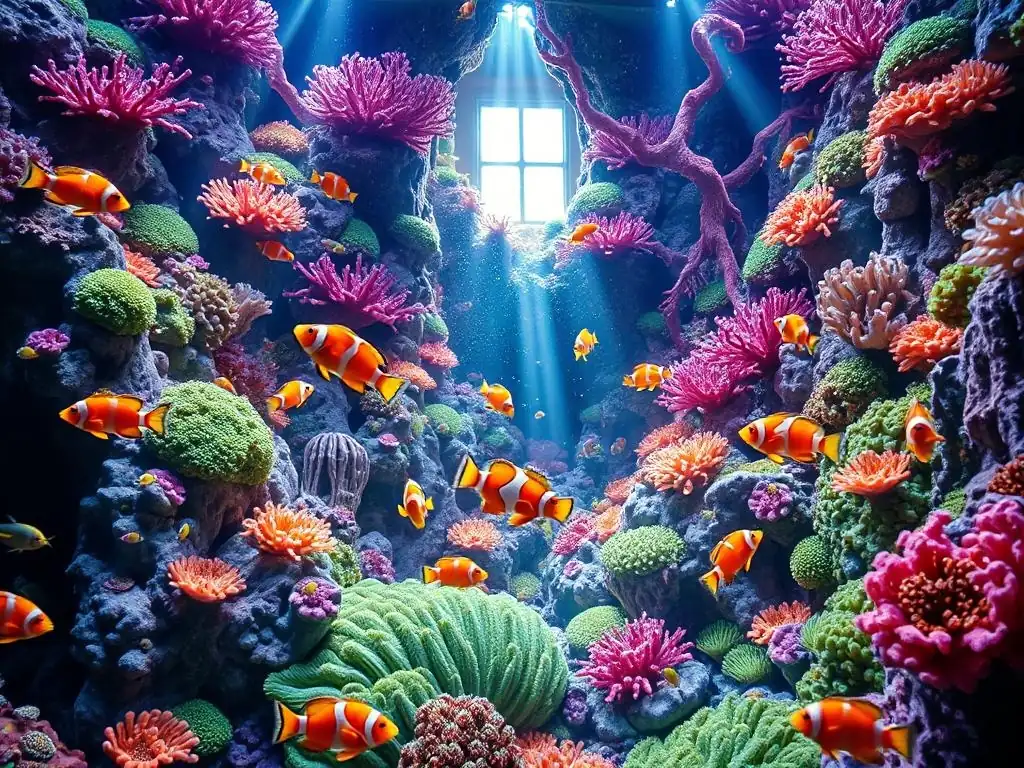
Ever wondered how to create a thriving and visually stunning reef environment without the demanding needs of some corals? Dive into the fascinating world of soft corals and discover their surprising benefits for your aquarium's ecosystem. We'll unravel the secrets to establishing a healthy and vibrant soft corals aquarium ecosystem that will captivate both you and your aquatic life. Intrigued? Keep reading to unlock the secrets!
- Enhancing Aquarium Ecosystems with Soft Corals
- Understanding Soft Corals in Saltwater Aquariums
- Soft Corals and Water Quality Improvement
- Balancing the Ecosystem with Soft Corals
- Aesthetic Contributions of Soft Corals
- Selecting Suitable Soft Corals
- Maintaining a Healthy Soft Coral Environment
- Propagating Soft Corals for Expansion
- Troubleshooting Soft Coral Issues
- Future Trends in Soft Coral Aquariums
-
Frequently Asked Questions
- What are soft corals, and how do they differ from hard corals in an aquarium setting?
- How do soft corals contribute to a healthy aquarium ecosystem?
- What are some popular and beginner-friendly soft coral species suitable for a reef aquarium?
- What specific water parameters are crucial for maintaining a thriving soft coral aquarium ecosystem?
- What are some common issues that aquarists might encounter with soft corals, and how can they be addressed?
- Final Reflection: Embracing the Soft Coral Symphony
- Unveil the Secret to a Thriving Reef!
Enhancing Aquarium Ecosystems with Soft Corals
Understanding Soft Corals in Saltwater Aquariums
What are Soft Corals and Their Ecological Significance?
Soft corals, members of the Octocorallia subclass within the Anthozoa class, distinguish themselves from stony corals by their lack of a rigid, calcified skeleton. Instead, they maintain their structure through hydrostatic pressure and tiny calcareous spicules embedded within their tissue. These vibrant organisms encompass a diverse range of forms, including leathery Sarcophyton, pulsating Xenia, and colorful mushroom corals, all playing crucial roles as primary producers and providers of intricate habitats within natural reef environments.
In the wild, soft corals contribute significantly to the overall biomass of a reef, offering shelter, hunting grounds, and spawning sites for numerous fish and invertebrate species. Within an enclosed aquarium, they replicate this vital function, substantially enhancing the biodiversity and stability of the "soft corals aquarium ecosystem." For instance, a thriving colony of a Sarcophyton leather coral can become home to dozens of microscopic copepods and amphipods, enriching the tank's microfauna and supporting a more complex food web.
Distinguishing Soft Corals from Hard Corals in Aquariums
The primary distinction between soft corals and hard corals (Scleractinia or stony corals) lies in their skeletal composition and polyp structure. Soft corals are characterized by polyps with eight tentacles (Octocorallia), while hard corals typically have polyps with tentacles in multiples of six (Hexacorallia). Crucially, soft corals do not build massive, rigid calcium carbonate skeletons, relying instead on their internal spicules for support, which makes them more flexible and less demanding in terms of specific calcification parameters.
This fundamental difference has significant implications for aquarists. Soft corals generally require less stringent water parameters for growth and survival compared to their hard coral counterparts, particularly regarding calcium and alkalinity levels.
For example, while an SPS coral like an Acropora might necessitate calcium levels between 420-450 ppm and alkalinity around 8-9 dKH with minimal fluctuation, a resilient soft coral such as a Mushroom or Leather coral can thrive with calcium around 400 ppm and alkalinity between 7-8 dKH, tolerating slight variations more readily. This inherent hardiness contributes to a more forgiving and robust soft corals aquarium ecosystem for hobbyists.
Essential Requirements for Healthy Soft Coral Growth
Maintaining healthy soft coral growth hinges on providing stable and appropriate environmental conditions. While generally more forgiving than hard corals, soft corals still require moderate lighting, consistent water flow, stable temperature, and pristine water quality. Typical lighting levels range from 50 to 150 PAR (Photosynthetically Active Radiation), and temperatures should be maintained between 76-82°F (24-28°C). Consistency in these parameters is paramount for long-term health.
Beyond these general requirements, specific water parameters are critical. Salinity should be stable, ideally between 1.024 and 1.026 specific gravity, and pH levels should remain within 8.1-8.4. Although not as crucial for skeletal growth as with stony corals, maintaining calcium levels between 380-450 ppm and alkalinity between 7-11 dKH supports overall metabolic processes. Regular replenishment of trace elements like iodine and strontium, often achieved through consistent water changes, also contributes to the vitality of a thriving soft corals aquarium ecosystem.
Soft Corals and Water Quality Improvement
Natural Biofiltration: Soft Corals Reducing Nitrates and Phosphates
Soft corals significantly contribute to the natural biofiltration of an aquarium, playing a direct role in the reduction of undesirable nitrates and phosphates. Through their symbiotic relationship with zooxanthellae algae, they efficiently consume these dissolved nutrients, which are common byproducts of fish waste, uneaten food, and decaying organic matter. This process mirrors the nutrient uptake performed by macroalgae, effectively acting as a living filtration mechanism within the display tank.
In an established reef aquarium, the presence of a healthy soft coral population can measurably help stabilize nutrient levels. For example, a dense colony of pulsing Xenia or a large Sinularia leather coral can absorb notable quantities of dissolved nitrates and phosphates daily, assisting in keeping nitrate levels below 10-20 ppm and phosphates below 0.05 ppm. While not a complete replacement for mechanical or chemical filtration, this natural biofiltration significantly enhances the overall water quality and stability of the soft corals aquarium ecosystem.
Oxygen Production and Gas Exchange Enhanced by Soft Corals
During daylight hours, the zooxanthellae residing within the tissues of soft corals perform photosynthesis, a process that converts light energy into chemical energy while releasing oxygen as a byproduct. This continuous production of oxygen directly contributes to the overall dissolved oxygen saturation within the aquarium water, a critical factor for the health and survival of all aerobic organisms, including fish, invertebrates, and beneficial bacteria.
Although difficult to quantify precisely without specialized equipment, a reef tank densely populated with flourishing soft corals under appropriate lighting will exhibit consistently higher dissolved oxygen levels compared to a similar tank lacking photosynthetic organisms. This elevated oxygen content mitigates stress on tank inhabitants and can even support slightly higher stocking densities, fostering a more robust and resilient soft corals aquarium ecosystem where all life forms can thrive.
Water Circulation and Placement Considerations for Optimal Water Quality
The unique forms and flexible nature of soft corals allow them to actively influence water flow patterns within the aquarium. Their swaying polyps and undulating bodies create micro-currents and turbulence, effectively preventing the formation of stagnant "dead spots" where detritus and waste can accumulate. Species such as large Sarcophyton (Toadstool Leather) or Sinularia, with their substantial, mobile structures, are particularly effective at disrupting laminar flow, thereby promoting better nutrient distribution and more efficient waste removal throughout the tank.
Strategic placement of soft corals is essential to maximize their positive impact on water quality. Positioning a larger leather coral in an area with moderate flow, for instance, can help direct water around intricate rockwork, preventing organic matter from settling and breaking down. This thoughtful approach to aquascaping, integrating soft corals not just for aesthetics but also for their functional contribution to water movement, is crucial for maintaining pristine water quality and a dynamic soft corals aquarium ecosystem.
Balancing the Ecosystem with Soft Corals
Symbiotic Relationships: Soft Corals, Fish, and Invertebrates
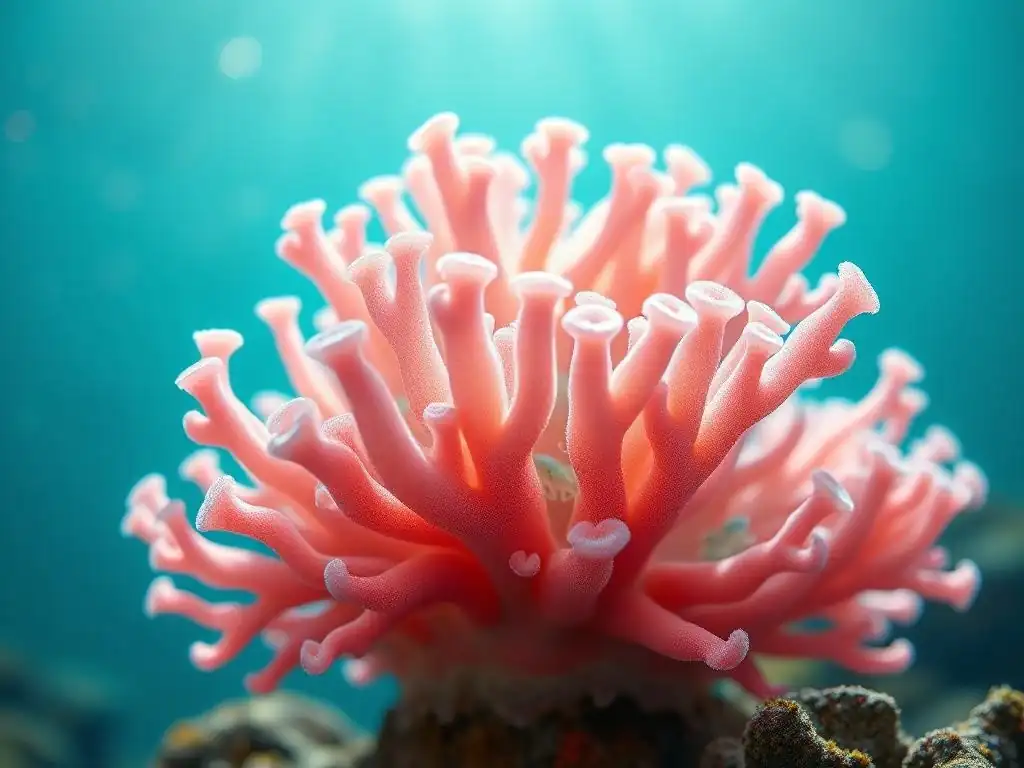
Beyond their photosynthetic symbiosis with zooxanthellae, soft corals foster a variety of mutualistic relationships within the aquarium environment, providing vital habitat and protection for a multitude of small fish and invertebrates. For example, certain species of clownfish, in the absence of their preferred anemone hosts, will often acclimate to and find shelter within the folds of large Sarcophyton leathers or the branches of Xenia, benefiting from the coral's protective presence against larger, more aggressive tank mates.
Furthermore, the intricate structures of soft corals offer refuge and breeding grounds for various micro-crustaceans and worms, which in turn become a natural, continuous food source for many fish species. A mature colony of Lobophytum (Devil's Hand coral), for instance, can host dozens of copepods, amphipods, and small bristle worms, contributing to a self-sustaining micro-food chain within the tank. This natural recycling of nutrients and the provision of living space significantly strengthen the stability and complexity of the soft corals aquarium ecosystem.
Algae Control Through Competition with Soft Corals
A thriving population of soft corals can be an effective natural deterrent against nuisance algae growth through direct competition for essential resources. By rapidly absorbing available nitrates and phosphates from the water column, healthy, fast-growing soft corals actively limit the nutrients necessary for opportunistic algae species to proliferate. This competitive exclusion principle means that a robust coral population can starve out unwanted algal blooms.
Tanks that are well-stocked with vigorous soft corals, such as pulsing Xenia, Kenya Tree corals, or various mushroom corals, often experience significantly fewer persistent algae issues compared to sparsely populated systems. This effect is particularly noticeable with common nuisance algae like Bryopsis or Hair Algae, which struggle to establish themselves when soft corals are actively consuming nutrients and dominating the available light, thereby maintaining a more balanced and visually appealing soft corals aquarium ecosystem.
Soft Corals as a Food Source in the Aquarium Food Web
While most aquarium inhabitants do not typically consume large portions of live soft coral tissue, these corals contribute to the aquarium's food web in several indirect but significant ways. Their natural processes, such as shedding their outer layers (common in leather corals like Sinularia or Sarcophyton), release organic detritus and mucus into the water. This organic matter, along with the microfauna living within the coral's structure, serves as a valuable food source for a variety of detritivores and small predators.
For instance, the shed organic material fuels the proliferation of copepods, amphipods, and various worms, which in turn become a crucial dietary component for specialized feeders like Mandarin Dragonets or certain species of gobies. While some angelfish or nudibranchs might occasionally nip at soft corals, this is generally undesirable. More positively, this natural recycling of nutrients and the continuous supply of microfauna are key elements in creating a self-sustaining and dynamic soft corals aquarium ecosystem.
Aesthetic Contributions of Soft Corals
Color, Texture, and Movement: Enhancing Reef Tank Aesthetics
Soft corals offer a unique and compelling blend of vibrant colors, diverse textures, and captivating movement that is difficult to replicate with stony corals alone. Their constantly swaying polyps, as seen in pulsing Xenia or certain Sinularia species, or the graceful undulations of a large Sarcophyton leather coral, introduce a mesmerizing, fluid dimension to the aquarium. This dynamic motion creates a sense of a living, breathing underwater landscape.
Consider a reef tank featuring the vivid orange of a Ricordea mushroom, the deep purple hues of a Colt coral, and the flowing green branches of a Finger Leather coral. Such a combination creates a multi-sensory display that adds depth and visual interest. The soft, velvety texture of a toadstool leather coral contrasts beautifully with the delicate, feathery polyps of a gorgonian, enriching the overall aesthetic appeal of the soft corals aquarium ecosystem.
Aquascaping Techniques with Diverse Soft Coral Species
The adaptability and often rapid growth rates of soft corals make them exceptional choices for aquascaping, allowing aquarists to quickly fill in spaces and craft lush, natural-looking environments. Their ability to grow on various surfaces, from rockwork to sand beds, provides immense flexibility for design. They can be strategically used to soften the harsh lines of rock structures or to create intricate layered effects that add visual complexity.
For example, an aquascape might feature a "forest" effect by grouping various species of Sinularia or Capnella corals, creating a dramatic and textured background. Lower-growing mushroom corals or zoanthids can be utilized to carpet the foreground, adding pops of intense color and fine detail. Furthermore, incorporating branching soft corals like Gorgonians or Kenya Tree corals can introduce vertical height and dimension, significantly enhancing the visual appeal and natural feel of the soft corals aquarium ecosystem.
Creating Dynamic Flow Patterns with Soft Coral Placement
The inherent flexibility of soft corals means they visibly respond to water flow, providing a constant sense of natural movement within the aquarium. This responsiveness is not merely an aesthetic advantage but also crucial for their health, as it aids in nutrient uptake and waste removal. The way they sway and undulate can significantly contribute to the overall dynamism of the tank's visual presentation.
In practical aquascaping, the strategic placement of soft corals can highlight and enhance the visual impact of water flow. Positioning a colony of pulsing Xenia in an area with moderate, consistent flow will emphasize its iconic rhythmic movement, becoming a focal point. Larger leather corals, when placed thoughtfully, can even act as natural flow deflectors, gently redirecting water currents around the aquascape. This not only aids in detritus suspension and nutrient delivery but also creates a more active and engaging soft corals aquarium ecosystem.
Selecting Suitable Soft Corals
Beginner-Friendly Soft Corals for New Aquarists
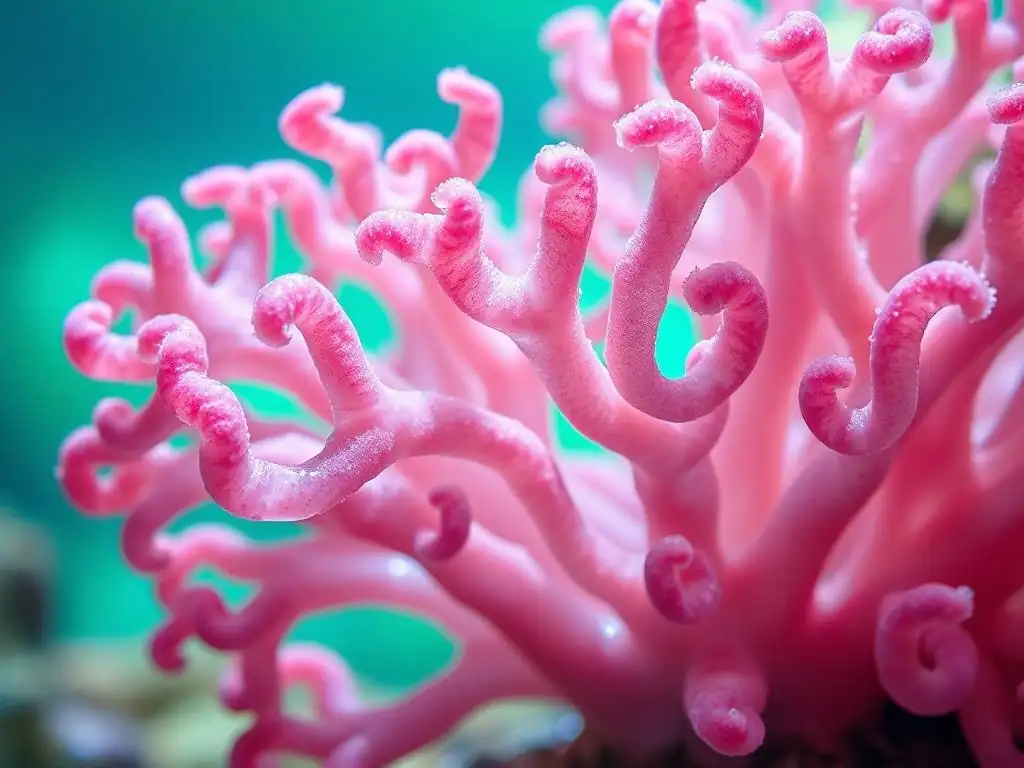
For aquarists new to the marine hobby, selecting resilient and forgiving coral species is crucial for building confidence and ensuring success. Several soft coral species are widely recommended for their hardiness and adaptability to a range of aquarium conditions. These include various types of Zoanthids, Mushroom Corals (such as Rhodactis and Discosoma), many Leather Corals ( Sarcophyton, Lobophytum, Sinularia), and the popular Pulsing Xenia.
These beginner-friendly soft corals generally tolerate broader fluctuations in water parameters, are less prone to common aquarium ailments, and do not demand the intense lighting or precise chemical dosing often required by hard corals. For instance, a vibrant colony of Green Star Polyps can thrive in PAR levels as low as 30-50, a stark contrast to the 250-400 PAR often needed by many SPS corals. Their resilience makes them ideal for establishing a stable and flourishing soft corals aquarium ecosystem for new hobbyists.
Compatibility Considerations: Mixing Soft Corals and Other Inhabitants
While soft corals are generally considered less aggressive than many hard corals, certain species can release terpenes—chemical compounds—to inhibit the growth of competing corals, particularly other soft corals or even LPS (Large Polyp Stony) corals. Adequate spacing between different coral types and the consistent use of high-quality activated carbon in filtration can effectively mitigate these chemical interactions, preventing potential harm to neighboring corals.
Furthermore, careful consideration of fish and invertebrate compatibility is essential. Aquarists must ensure that chosen fish species are truly "reef-safe" and will not nip at or consume corals; some angelfish and butterflyfish are notorious for this behavior. Conversely, beneficial invertebrates like Emerald Crabs or various snail species can be introduced for algae control without posing a threat to soft corals, thereby contributing positively to a harmonious soft corals aquarium ecosystem.
Matching Species to Lighting, Flow, and Water Chemistry
Optimal health and growth for any soft coral species depend on matching its specific requirements to the aquarium's environmental conditions. While soft corals are broadly forgiving, researching the individual needs of each species is crucial. For example, pulsing Xenia typically thrives in moderate to high water flow, whereas most mushroom corals prefer lower flow rates and less intense lighting.
Specific requirements can vary significantly. Zoanthids and Palythoa species generally prefer moderate light levels (e.g., 50-150 PAR) and moderate water flow to extend their polyps fully. Non-photosynthetic gorgonians, on the other hand, demand very specific, often strong, turbulent flow and dedicated target feeding. Understanding these nuanced needs and providing the appropriate lighting, flow, and water chemistry is key to fostering a thriving and sustainable soft corals aquarium ecosystem.
Maintaining a Healthy Soft Coral Environment
Key Water Parameters for Soft Coral Health and Growth
Maintaining stable and appropriate water parameters is the cornerstone of a healthy soft coral environment. Fundamental parameters include consistent salinity (1.024-1.026 specific gravity), stable temperature (76-82°F or 24-28°C), and a pH range of 8.1-8.4. Crucially, ammonia and nitrite levels must always be undetectable (0 ppm), and nitrates should ideally be kept below 20 ppm, with phosphates below 0.05 ppm to prevent nuisance algae growth and coral stress.
Although calcium and alkalinity are not as critical for soft corals as they are for calcifying hard corals, maintaining them within healthy ranges (e.g., Calcium 380-450 ppm, Alkalinity 7-11 dKH) supports the coral's overall metabolic processes and cellular functions. Regular partial water changes, typically 10-20% monthly, are often sufficient to replenish necessary trace elements and dilute accumulated impurities, thereby sustaining a vibrant and robust soft corals aquarium ecosystem.
Targeted Feeding and Supplementation Strategies
While most soft corals derive the majority of their energy requirements from their symbiotic zooxanthellae through photosynthesis, many species also benefit significantly from direct feeding. Providing small particulate foods such as phytoplankton, zooplankton, or specialized coral foods can enhance their growth and coloration. Species with larger polyps, like certain mushroom corals or gorgonians, are more capable of actively capturing food particles from the water column.
Supplementation, while often not strictly necessary for common soft corals if regular water changes are performed, can further promote vitality. Some aquarists choose to supplement with specific trace elements like iodine, strontium, or amino acids, which are believed to aid in tissue health and vibrant coloration. For instance, iodine is thought to assist in the natural shedding process of leather corals, promoting a healthier outer layer. A balanced approach to feeding and supplementation contributes to a thriving soft corals aquarium ecosystem.
Disease Prevention and Treatment in Soft Corals
Soft corals are generally hardy, but they can still fall victim to issues such as tissue recession, bleaching, or bacterial infections. The primary defense against these problems is maintaining consistent and optimal water parameters, coupled with excellent water quality. Stress from unstable conditions is often the precursor to disease, making prevention through stability the most effective strategy.
When issues arise, identifying the root cause is crucial. If a coral shows signs of distress, such as tissue necrosis or unusual color loss, immediately check all water parameters for sudden shifts. Adjust lighting intensity or duration if too high, ensure adequate water flow, and confirm no aggressive tank mates are bothering the coral. New corals should always be quarantined to prevent the introduction of pests or pathogens. For external parasites, targeted dips (e.g., iodine-based solutions) can be effective, though prevention remains paramount for the long-term health of the soft corals aquarium ecosystem.
Propagating Soft Corals for Expansion
Fragging Techniques for Various Soft Coral Species
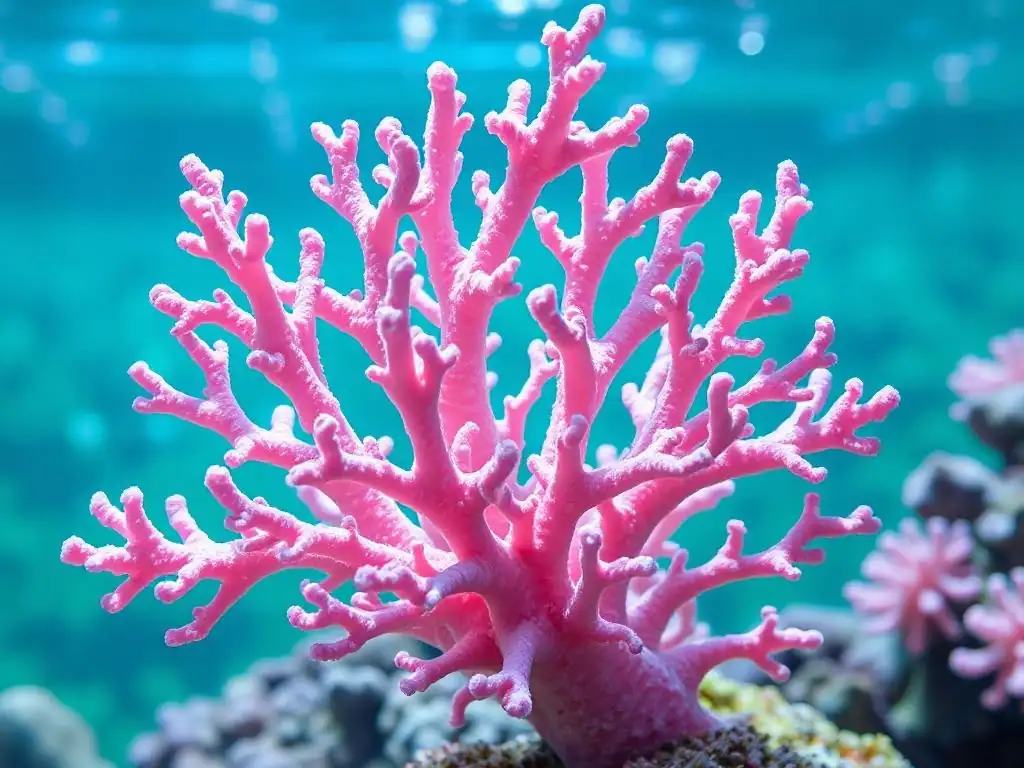
Propagating soft corals through fragmentation, commonly known as "fragging," is a relatively straightforward process, making it accessible even for novice aquarists. This technique involves carefully cutting a small piece from a healthy parent colony. The specific method of fragging can vary slightly depending on the soft coral species, reflecting their diverse morphologies and growth patterns.
For instance, a sharp, sterile razor blade or surgical scalpel can be used to cleanly cut a portion of the cap or a "finger" from a Sarcophyton leather coral. Mushroom corals can often be gently encouraged to detach from their substrate or carefully cut if they are firmly attached. Zoanthids, which grow in colonies, can be carefully peeled off their host rock or cut with a blade if they are on a frag plug. This ease of propagation is a significant advantage for expanding and sharing the soft corals aquarium ecosystem.
Establishing New Soft Coral Colonies in the Aquarium
Once a soft coral has been fragged, the next step is to establish the new fragment (frag) securely within the aquarium. The most common and effective method is to attach the frag to a small piece of live rock or a specialized frag plug using cyanoacrylate gel glue, commonly known as super glue. For larger or more irregularly shaped frags, a rubber band can sometimes be used to gently hold the coral in place until it naturally adheres to the substrate.
After attachment, it is crucial to place the newly fragged coral in an area of the aquarium that provides moderate, stable water flow and appropriate lighting for its specific species. Close monitoring for signs of stress, such as recession or discoloration, is recommended during the initial healing phase. Most soft coral frags will begin to attach and show signs of new growth within a few weeks, successfully contributing new life and biomass to the soft corals aquarium ecosystem.
Optimizing Propagation Success: Light, Flow, and Nutrients
Achieving high success rates in soft coral propagation hinges on providing stable and optimal environmental conditions for the healing and growth of the new frags. Adequate lighting, carefully adjusted to the species' needs (avoiding overly intense or dim conditions), is crucial for the zooxanthellae to photosynthesize effectively and provide energy for recovery. Gentle to moderate water flow is equally important, ensuring consistent nutrient delivery and waste removal around the delicate new tissue without causing undue stress.
Beyond light and flow, stable and appropriate nutrient levels are vital for accelerating healing and robust growth. While soft corals are less demanding than hard corals, maintaining low levels of nitrates (ideally below 10 ppm) and phosphates (below 0.03 ppm) will significantly aid in the frag's recovery process and promote healthy tissue development. Regular replenishment of essential trace elements, often achieved through consistent water changes, also supports overall vitality, ensuring the continued expansion and health of the soft corals aquarium ecosystem.
Troubleshooting Soft Coral Issues
Identifying and Addressing Soft Coral Recession and Bleaching
Soft coral recession, characterized by tissue pulling away from the base or skeleton, often indicates underlying stress, irritation, or disease. Bleaching, on the other hand, is the loss of the coral's vibrant color, typically caused by the expulsion of its symbiotic zooxanthellae algae due to extreme environmental stressors like sudden shifts in light intensity, temperature, or poor water quality. Both are serious signs that require immediate attention.
To address these issues, the first critical step is to meticulously check all water parameters—salinity, temperature, pH, nitrates, phosphates, alkalinity, and calcium—for any sudden fluctuations or deviations from optimal ranges. If lighting is too intense, reduce its duration or intensity. Ensure water flow is appropriate and not causing direct, constant blasting. Confirm that no aggressive tank mates are irritating the coral. Promptly addressing any identified water quality issues through targeted water changes or filtration adjustments is paramount to saving the affected coral and restoring the health of the soft corals aquarium ecosystem.
Managing Algae Growth on Soft Corals
The presence of nuisance algae, such as hair algae, diatoms, or cyanobacteria, growing directly on soft corals is a common problem that can smother their tissue, block light, and cause irritation, ultimately leading to coral recession or decline. This issue is almost always an indicator of elevated nutrient levels (nitrates and phosphates) in the aquarium water, which provide an abundant food source for opportunistic algae.
Effective management strategies include manually removing the algae from the coral and surrounding rockwork whenever possible. More importantly, the underlying cause of high nutrients must be addressed. This involves increasing the frequency or volume of water changes, improving mechanical filtration (e.g., using filter socks), and considering nutrient export methods such as a protein skimmer, a refugium with macroalgae, or phosphate-removing media like GFO. Introducing reef-safe, algae-eating invertebrates, such as turbo snails or certain hermit crabs, can also provide a biological control, helping to restore balance to the soft corals aquarium ecosystem.
Addressing Common Soft Coral Pests and Infections
While generally less prone to severe pest infestations than hard corals, soft corals can still be susceptible to certain pests like predatory nudibranchs (though less common than those targeting SPS/LPS), flatworms, or specific types of predatory snails. Bacterial infections can also occur, often presenting as localized tissue necrosis or a general decline in health. Preventing the introduction of pests is always the best approach.
Quarantining all new corals before introducing them to the main display tank is the most effective preventative measure against pests and pathogens. For existing infestations, manual removal (using tweezers or siphoning) or targeted coral dips (e.g., iodine-based solutions) can be effective for external parasites. In rare and severe cases of bacterial infection, a broad-spectrum antibiotic dip or treatment in a separate quarantine tank might be considered, but this should be a last resort due to potential side effects. Prioritizing prevention and maintaining pristine water quality are key to protecting the soft corals aquarium ecosystem.
Future Trends in Soft Coral Aquariums
Sustainable Sourcing and Ethical Collection Practices
As the popularity of marine aquariums continues to grow, the importance of sustainable sourcing and ethical collection practices for corals has become a critical focus within the hobby. There is a growing emphasis on prioritizing aquacultured (tank-raised) corals over wild-collected specimens. This shift significantly reduces the pressure on natural coral reefs, which are already facing numerous environmental challenges worldwide.
Many reputable coral suppliers and aquaculture facilities now specialize in producing maricultured or tank-raised soft corals, ensuring that the hobby's demand is met without negatively impacting fragile wild populations. Supporting these businesses helps to promote responsible practices and contributes to the long-term viability and health of the soft corals aquarium ecosystem, both in natural habitats and within captive environments. This trend reflects a broader commitment to conservation within the aquarist community.
Advancements in Soft Coral Research and Care
Ongoing scientific research continues to deepen our understanding of soft coral biology, their complex physiological processes, specific nutritional requirements, and their responses to various environmental changes. This includes detailed studies into their unique chemical defenses (terpenes), their reproductive strategies, and their multifaceted ecological roles within natural reef ecosystems, providing invaluable insights into their survival mechanisms.
These advancements in research directly translate into improved care guidelines, more effective supplementation strategies, and better diagnostic tools for hobbyists. For example, new insights into the precise light spectrum requirements or the intricate trace element uptake pathways of certain soft coral species allow aquarists to optimize their tank parameters more precisely. This continuous flow of scientific knowledge empowers hobbyists to cultivate more robust, vibrant, and resilient soft corals aquarium ecosystems.
Integrating Soft Corals in Modern Reef Aquarium Design
Modern reef aquascaping trends are increasingly moving towards more thoughtful and artistic designs, often emphasizing minimalist aesthetics, biotope-specific setups, or highly structured layouts. Within this evolving landscape, soft corals are being integrated with renewed appreciation, moving beyond their traditional role as simply "filler" corals. Their diverse forms, textures, and captivating movement offer unique design possibilities.
Contemporary designers might create dedicated soft coral-only tanks, showcasing the unique beauty and dynamic motion of these species as the primary focal point. Alternatively, soft corals are being used to create natural and flowing transitions between different zones in mixed reef aquariums, softening the appearance of rigid hardscape and providing a striking, dynamic contrast to the more static stony corals. This thoughtful integration elevates both the aesthetic and ecological value of the soft corals aquarium ecosystem in modern reef tank design.
Frequently Asked Questions
What are soft corals, and how do they differ from hard corals in an aquarium setting?
Soft corals are invertebrates without a rigid skeletal structure. Unlike hard corals, they rely on proteinaceous materials for support. They are generally considered easier to care for in an aquarium.
How do soft corals contribute to a healthy aquarium ecosystem?
Soft corals provide biological filtration, reducing nitrate levels. They also offer shelter and spawning sites for various fish and invertebrates. They can even contribute to a more aesthetically pleasing environment.
What are some popular and beginner-friendly soft coral species suitable for a reef aquarium?
Popular choices include Zoanthids, Mushrooms, and Leather corals. These are generally more tolerant of water parameter fluctuations than many hard corals. They are also often more affordable.
What specific water parameters are crucial for maintaining a thriving soft coral aquarium ecosystem?
Maintaining stable levels of alkalinity, calcium, and magnesium is essential. Ensuring a low nutrient environment is also critical to prevent algae overgrowth. Regular water changes are also important.
What are some common issues that aquarists might encounter with soft corals, and how can they be addressed?
Common problems include algae overgrowth, coral bleaching, and pest infestations. Proper lighting, water flow, and quarantine procedures are key to prevention. Also, make sure to monitor water parameters regularly.
Final Reflection: Embracing the Soft Coral Symphony
The vibrant world beneath the waves, mirrored in our aquariums, constantly reminds us of the delicate balance within ecosystems. The integration of soft corals into these miniature worlds is not merely aesthetic; it's a profound step towards fostering a healthier and more resilient aquarium ecosystem. By understanding and embracing the benefits these often-overlooked organisms provide, we can transform our tanks from simple displays into thriving, self-sustaining environments.
The influence of soft corals extends beyond the purely scientific. Their gentle swaying and diverse forms captivate us, reminding us of the beauty and complexity of the natural world and our responsibility to protect it. They serve as a constant, living reminder of the interconnectedness of all things. In nature, nothing exists alone.
- Rachel Carson. This quote perfectly encapsulates the role of soft corals within the aquarium ecosystem, highlighting their symbiotic relationships and the ripple effect they have on the entire tank's health.
As you gaze into your aquarium, consider the potential for growth and harmony that soft corals can unlock. Let their presence inspire you to learn more, to experiment with different species, and to become a more conscious and responsible aquarist. Embrace the challenge of creating a thriving ecosystem, and you'll discover a deeper connection to the natural world and a profound sense of accomplishment.
Unveil the Secret to a Thriving Reef!
Thank you for diving into the world of soft corals! We hope you've discovered some fascinating insights into how these captivating creatures can enrich your aquarium's ecosystem. Now, let's put that knowledge into action.
Here are a few ways you can take the next step:
- Start with one! Choose a hardy soft coral species, like a Toadstool Leather or Pulsing Xenia, to introduce its unique benefits to your aquarium.
- Share your new understanding! Spark conversations with fellow aquarists on forums or social media about the advantages of soft corals in reef ecosystems.
- Consider the unconventional! Research natural supplements that enhance soft coral growth, such as specific amino acids, and observe their impact on your aquarium.
What's one small change you'll make this week to bring the benefits of soft corals to your aquarium or share your newfound wisdom?