
Troubleshooting Breeding Failures in Caridina Shrimp: Identifying the Cause

Welcome to Aquarium Mastery!
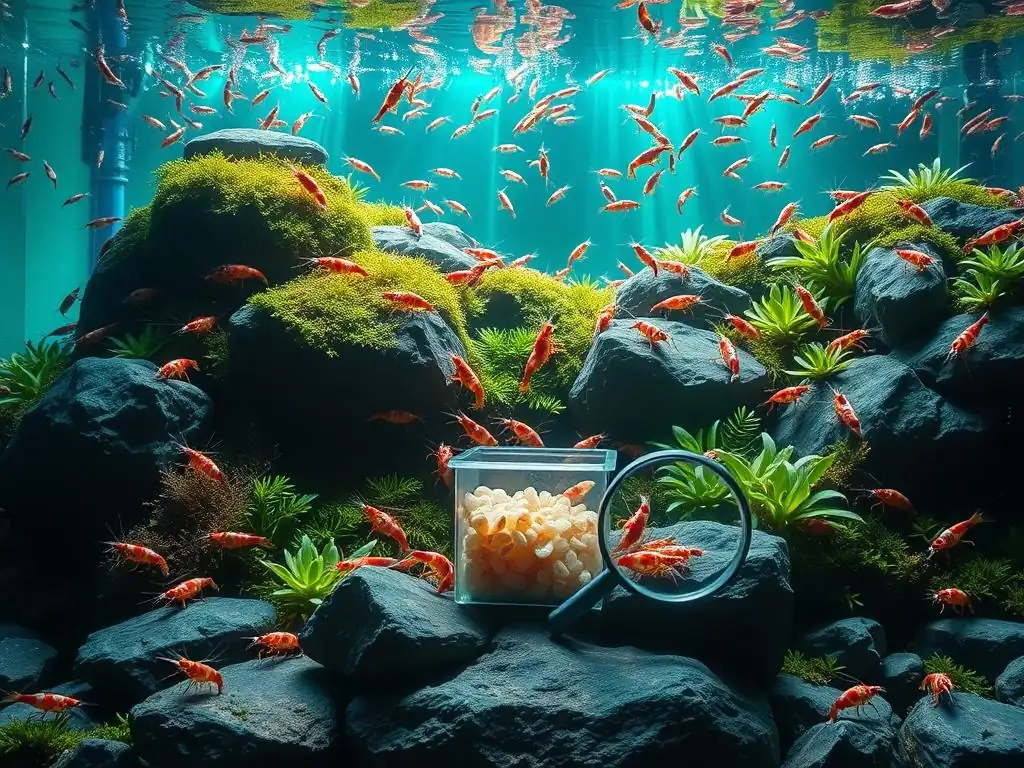
Ever wondered why your Caridina shrimp breeding program isn't quite taking off? Don't worry, you're not alone! Unlocking the secrets to successful breeding can be tricky, but with the right knowledge, you can transform your tank into a thriving shrimp paradise. Dive in to learn about the common pitfalls and proven solutions to troubleshooting breeding failures in Caridina shrimp, and get ready to witness the joy of a booming colony. Let's get started!
- Understanding Caridina Shrimp Breeding Challenges
- Investigating Water Parameter Issues Affecting Caridina Breeding
- Examining Environmental Stressors and Their Impact
- Analyzing Dietary Deficiencies and Nutritional Needs
- Identifying and Managing Diseases and Parasites
- Evaluating Genetic Factors and Selective Breeding
- Addressing Substrate and Tank Setup Considerations
- Specific Caridina Species Breeding Issues
- Implementing Preventative Measures for Successful Breeding
-
Frequently Asked Questions
- What are the most common reasons for Caridina shrimp breeding problems?
- How can I identify if my water parameters are causing breeding failures?
- What role does diet play in Caridina shrimp breeding?
- Are there specific tank mates that can inhibit Caridina shrimp breeding?
- How often should I perform water changes to support Caridina shrimp breeding?
- Final Reflection: Unlocking the Secrets of Caridina Reproduction
- Unleash the Breeding Potential of Your Caridina Shrimp!
Understanding Caridina Shrimp Breeding Challenges
Common Caridina Shrimp Breeding Problems Faced by Aquarists
Aquarists frequently encounter a range of Caridina shrimp breeding problems, from a complete lack of breeding activity to the failure of eggs to hatch or the premature death of fry. One of the most disheartening issues is when apparently healthy, mature female shrimp fail to become berried, indicating a fundamental reproductive block. Even if eggs are produced, they might be dropped prematurely, or the hatching rate could be exceptionally low, sometimes less than 10% of the total eggs, a stark contrast to the typically high success rates seen in optimal conditions.
Another significant challenge is the survival of newly hatched Caridina fry. Despite successful hatching, many aquarists report high mortality rates within the first few days or weeks, often losing 80-90% of the tiny shrimp. This can be attributed to a myriad of factors, including insufficient microscopic food sources, predatory tank mates, or subtle water parameter fluctuations that adult shrimp tolerate but fry cannot. These persistent issues highlight the delicate nature of Caridina reproduction and the need for meticulous care.
Factors Influencing Successful Caridina Shrimp Reproduction
Successful Caridina shrimp reproduction hinges upon a delicate balance of several critical factors. Foremost among these is stable and optimal water parameters, including specific ranges for pH, GH (General Hardness), KH (Carbonate Hardness), and temperature, along with the complete absence of ammonia and nitrite, and very low nitrates. For instance, many popular Caridina species like Crystal Red Shrimp thrive in GH levels between 4-6 dGH and a pH of 5.8-6.8, with deviations often leading to breeding cessation.
Beyond water chemistry, nutrition plays a pivotal role; a balanced diet rich in essential minerals and proteins is vital for egg development and overall shrimp health. Environmental stability, minimizing stressors such as aggressive tank mates, inconsistent feeding, or sudden changes in lighting, directly impacts breeding success. Finally, the genetic health of the shrimp colony is paramount. Inbreeding or a weak genetic line can lead to reduced fertility, smaller clutches, and higher fry mortality, contributing significantly to Caridina shrimp breeding problems.
Investigating Water Parameter Issues Affecting Caridina Breeding
Ammonia, Nitrite, and Nitrate Levels Impact on Shrimp Breeding
The presence of ammonia and nitrite, even at very low concentrations, is highly detrimental to Caridina shrimp breeding success. Ammonia, often a result of decaying organic matter or overfeeding, can cause severe stress, damage gills, and lead to immediate mortality. Even a level as low as 0.25 parts per million (ppm) of ammonia or nitrite can inhibit molting, cause berried females to drop their eggs, or result in the death of sensitive fry. For optimal breeding, both ammonia and nitrite levels must consistently remain at 0 ppm.
While less acutely toxic than ammonia and nitrite, high nitrate levels can still significantly contribute to Caridina shrimp breeding problems. Although adult shrimp can tolerate nitrate levels up to 20 ppm or sometimes even 40 ppm in general setups, breeding colonies, especially of sensitive species like Caridina cantonensis, typically require levels below 10 ppm, with many successful breeders aiming for 5 ppm or less. Elevated nitrates stress shrimp, reduce their lifespan, and can specifically inhibit egg development or lead to higher fry mortality rates. Regular, small water changes are crucial to keep these parameters in check.
The Importance of GH and KH for Caridina Shrimp Egg Development
General Hardness (GH), which measures the concentration of calcium and magnesium ions, is absolutely critical for the successful molting and egg development of Caridina shrimp. Calcium is a primary component of their exoskeleton, and insufficient levels (e.g., below 3 dGH for many species) can lead to failed molts, a common cause of death, thereby preventing breeding. For species like Crystal Red Shrimp, a GH range of 4-6 dGH is typically recommended, providing adequate minerals without being overly hard.
Carbonate Hardness (KH), which indicates the water's buffering capacity against pH swings, is often kept very low or even undetectable (0-1 dKH) for many popular Caridina species, especially those housed in active soil substrates. While a certain level of buffering can prevent drastic pH crashes, higher KH levels (e.g., above 2 dKH) can make it difficult to maintain the slightly acidic pH (5.5-6.8) that many Caridina prefer. An unsuitable KH can hinder egg development and reduce hatch rates, contributing to Caridina shrimp breeding problems.
Maintaining Optimal Water Temperature for Caridina Shrimp Reproduction
Maintaining a stable and optimal water temperature is paramount for encouraging Caridina shrimp reproduction. Most Caridina species, including popular varieties like Crystal Red and Taiwan Bee shrimp, thrive and breed best within a temperature range of 20-24°C (68-75°F). Temperatures consistently outside this range can significantly stress the shrimp; lower temperatures can slow down their metabolism and breeding cycle, while higher temperatures (e.g., above 26°C or 79°F) can reduce dissolved oxygen, increase metabolic rates to unhealthy levels, and shorten their lifespan, often leading to a complete cessation of breeding activity.
Beyond maintaining an ideal average temperature, consistency is key. Rapid or significant temperature fluctuations, such as changes of more than 2-3°C within a 24-hour period, are highly detrimental. These abrupt shifts can shock the shrimp, causing berried females to drop their eggs, leading to failed molts, or even mortality. Using a reliable heater with a thermostat, even in warmer climates, helps ensure temperature stability, mitigating a common source of Caridina shrimp breeding problems.
pH Levels and Their Effect on Caridina Shrimp Breeding Success
The pH level of the aquarium water profoundly affects Caridina shrimp breeding success, particularly for sensitive species originating from soft, acidic waters. Most popular Caridina varieties, such as Crystal Red, Black King Kong, and Pinto shrimp, prefer a slightly acidic to neutral pH range, typically between 5.8 and 6.8. A pH consistently outside this optimal range, for example, above 7.0 for Crystal Red Shrimp, can cause chronic stress, inhibit successful molting, and directly impact the viability of eggs and the survival of fry.
Furthermore, stability in pH is often more critical than hitting an exact number within the acceptable range. Wild pH fluctuations, even if they stay within a broader acceptable range, can severely stress shrimp and lead to Caridina shrimp breeding problems like egg drops or reduced fertility. Active substrates like aqua soil are frequently used in Caridina tanks precisely because they help buffer the pH down and maintain it stably within the desired acidic range, creating an environment conducive to successful reproduction.
Examining Environmental Stressors and Their Impact
The Role of Tank Mates in Caridina Shrimp Breeding Success
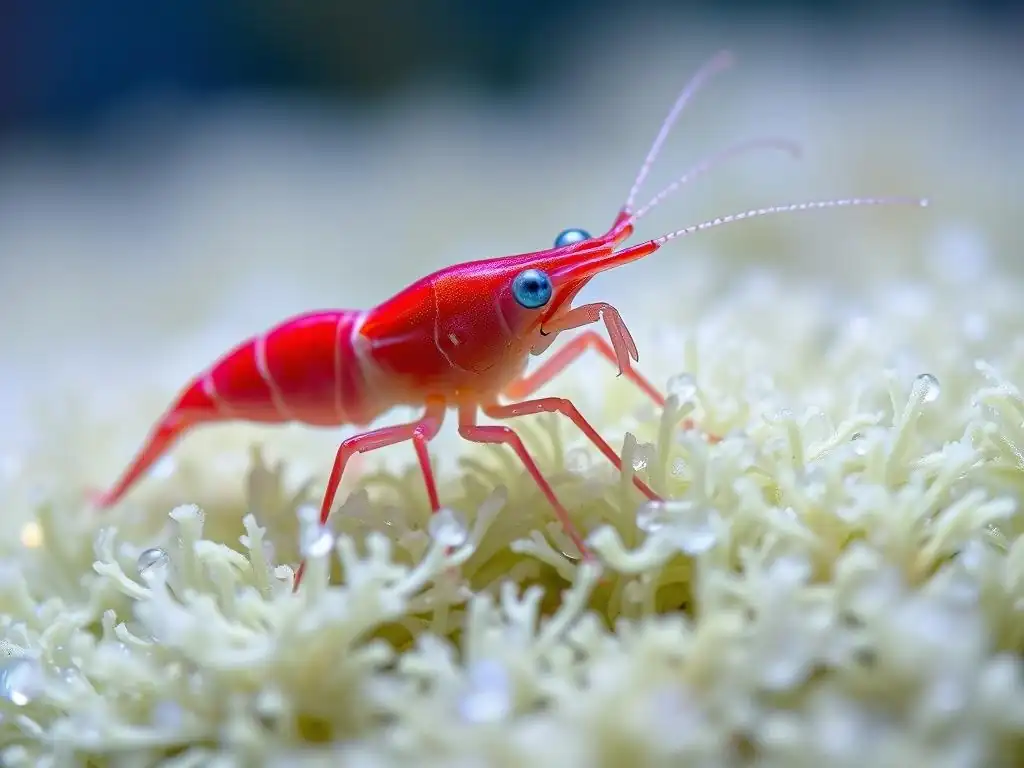
The presence of inappropriate tank mates is a significant, yet often overlooked, environmental stressor contributing to Caridina shrimp breeding problems. Aggressive or even moderately active fish can constantly harass and stress shrimp, leading to reduced feeding, increased hiding behavior, and ultimately, a cessation of breeding. More importantly, most fish, regardless of their perceived temperament, will readily predate on vulnerable newly hatched Caridina fry, which are only a millimeter or two in size.
For optimal Caridina shrimp reproduction, a shrimp-only tank is highly recommended. If tank mates are desired, they must be extremely small, peaceful, and slow-moving, such as Otocinclus catfish or very small species of Boraras (e.g., Boraras brigittae). Even then, their presence can cause some level of stress and competition for food, potentially reducing breeding output. The constant threat of predation on fry is a primary reason why mixed community tanks rarely see successful Caridina fry survival beyond the initial hatching.
Identifying and Mitigating Stress from Water Changes and Tank Maintenance
Water changes, while essential for maintaining pristine water quality, can become a major source of stress if not performed correctly, leading to Caridina shrimp breeding problems. Large, infrequent water changes (e.g., 50% weekly) or changes where the new water differs significantly in temperature, pH, GH, or KH from the tank water can shock the shrimp. This shock can cause berried females to drop their eggs, trigger failed molts, or even lead to mass fatalities within the colony.
To mitigate this stress, it is advisable to perform smaller, more frequent water changes, typically 10-15% of the tank volume once or twice a week. The new water should be carefully prepared, ideally using RO/DI water remineralized to precisely match the tank's parameters. Drip acclimation of the new water back into the tank, at a rate of approximately one drip per second, further minimizes parameter shock. Gentle gravel vacuuming and avoiding sudden movements or major tank rearrangements during maintenance also contribute to a stable, stress-free environment conducive to Caridina shrimp reproduction.
Light Intensity and Its Influence on Caridina Shrimp Breeding
While light intensity is not typically a direct cause of Caridina shrimp breeding problems, it can contribute to overall environmental stress if not managed appropriately. Excessively bright lighting, especially when combined with a lack of adequate hiding places, can make shrimp feel exposed and vulnerable. This constant feeling of insecurity can lead to reduced activity, increased hiding, and a general reluctance to breed. Furthermore, very intense lighting for prolonged periods (e.g., over 10-12 hours per day) can promote the rapid growth of undesirable algae that might outcompete the beneficial biofilm, a crucial food source for shrimp fry.
For optimal Caridina shrimp reproduction, moderate lighting for a duration of 8-10 hours per day is generally recommended. Providing ample shaded areas within the tank through dense plant cover, driftwood, or specialized shrimp tubes allows shrimp to retreat when they feel stressed or during sensitive periods like molting or carrying eggs. A sense of security and privacy is vital for encouraging natural breeding behaviors and ensuring a higher success rate in Caridina colonies.
Analyzing Dietary Deficiencies and Nutritional Needs
Essential Nutrients for Caridina Shrimp Breeding: Calcium, Protein
For successful Caridina shrimp breeding, a diet rich in essential nutrients, particularly calcium and protein, is indispensable. Calcium is fundamental for the development and hardening of the shrimp's exoskeleton. Inadequate calcium intake (e.g., if water GH is too low or diet is poor) can lead to molting failures, where shrimp get stuck in their old shell and die, thereby preventing reproduction. Furthermore, calcium is vital for the proper formation of egg shells, ensuring their integrity and viability during the incubation period.
Protein is equally crucial, especially for female shrimp developing eggs. Proteins are the building blocks for tissue growth and egg development. A deficiency in protein can result in smaller clutches, underdeveloped eggs, or even a complete lack of egg production. Specialized shrimp foods often contain balanced protein levels, but supplementing with high-quality protein sources like spirulina, bee pollen, or occasional blanched vegetables can significantly boost a colony's breeding potential and overcome common Caridina shrimp breeding problems related to nutrition.
Providing a Balanced Diet to Promote Caridina Shrimp Reproduction
A truly balanced diet is key to promoting consistent and successful Caridina shrimp reproduction. Relying on a single type of food, no matter how specialized, is rarely sufficient to meet all the nutritional demands of a breeding colony. A varied diet should include high-quality, specialized shrimp pellets formulated with a mix of plant and animal proteins, essential vitamins, and minerals. These often contain ingredients like spirulina, alfalfa, and various algae.
Beyond commercial foods, supplementing with blanched vegetables such as spinach, zucchini, or nettle leaves provides additional fiber and vitamins. Occasional protein boosts from sources like bee pollen or specific protein granules can be beneficial, especially for berried females. Crucially, a mature tank with established biofilm and algae growth provides a continuous, natural food source, particularly vital for newly hatched fry who graze on these microscopic organisms, significantly impacting their survival rates and addressing common Caridina shrimp breeding problems related to fry nutrition.
Avoiding Overfeeding and Its Negative Effects on Water Quality
While providing a balanced diet is essential, overfeeding is a common mistake that can severely undermine Caridina shrimp breeding success by rapidly degrading water quality. Uneaten food quickly decays, leading to dangerous spikes in ammonia and nitrites, and a gradual increase in nitrates. These elevated nitrogen compounds are highly toxic to shrimp, causing stress, illness, and inhibiting breeding activity. For instance, even a slight increase in ammonia from decaying food can cause berried females to drop their eggs.
Furthermore, excess food can foster the growth of harmful bacteria and planaria, which can outcompete shrimp for food or even prey on fragile fry. To avoid these Caridina shrimp breeding problems, feed sparingly—only what the shrimp can consume within 2-3 hours. It's often better to feed smaller amounts more frequently than a large amount once a day. Any uneaten food should be removed promptly after the feeding period to maintain pristine water conditions vital for a thriving breeding colony.
Identifying and Managing Diseases and Parasites
Common Diseases Affecting Caridina Shrimp Breeding: Vibriosis, Muscular Necrosis
Diseases can devastate a Caridina colony and halt all breeding activity. Vibriosis, a bacterial infection, often manifests as a reddish discoloration of the shrimp's underside or legs, lethargy, and erratic swimming. It can spread rapidly, causing mass mortalities and severely impacting breeding females, leading to egg loss or sterility. Another critical disease is Muscular Necrosis, where shrimp muscles turn opaque white, starting from the tail and progressing forward, eventually leading to paralysis and death. This condition is often triggered by severe stress, poor water quality, or bacterial infections.
Both Vibriosis and Muscular Necrosis are highly contagious and can wipe out an entire breeding population if not addressed promptly. Treatment options for shrimp diseases are limited and often stressful, making prevention through pristine water quality, stable parameters, and proper quarantine procedures paramount. A diseased colony will cease breeding, highlighting these as significant Caridina shrimp breeding problems.
Recognizing Signs of Parasitic Infections in Caridina Shrimp
Parasitic infections, while not always immediately fatal, can significantly stress Caridina shrimp, leading to reduced vitality and breeding failures. Common external parasites include Scutariella japonica, which appear as small, white, worm-like growths, typically around the shrimp's rostrum (nose) or gills. While often harmless in small numbers, heavy infestations can irritate the shrimp, interfere with feeding, and cause chronic stress, inhibiting breeding behavior.
Another prevalent parasite is Vorticella, which manifests as fuzzy, white, cotton-like growths on the shrimp's body, often resembling a fungal infection. Vorticella are sessile ciliates that filter feed from the water column, but their presence on the shrimp causes irritation and can lead to secondary bacterial infections if the shrimp's immune system is compromised. Both parasites indicate poor water quality or stress. Identifying these signs early allows for targeted treatment (e.g., salt dips, specific medications) to alleviate stress and restore conditions conducive to Caridina shrimp reproduction.
Quarantine Procedures for Sick or Stressed Shrimp
Establishing and adhering to strict quarantine procedures is a critical preventative measure against introducing diseases and parasites that can cause Caridina shrimp breeding problems. Any new shrimp, plants, or decor should first be placed in a separate quarantine tank for at least 2-4 weeks before being introduced to the main breeding colony. This isolation period allows for observation for signs of illness, parasites, or stress without risking the health of the established tank.
During quarantine, new shrimp can slowly acclimate to the breeder tank's water parameters, reducing the shock of transfer. If any signs of disease (e.g., lethargy, unusual spots, erratic swimming) or parasites (e.g., Scutariella on the rostrum) are observed, treatment can be administered in the quarantine tank without exposing the main colony to medications or the disease itself. This proactive approach significantly minimizes the risk of widespread outbreaks that could decimate a breeding program and ensures a healthier, more productive Caridina environment.
Evaluating Genetic Factors and Selective Breeding
Understanding the Role of Genetics in Caridina Shrimp Breeding
Genetic factors play a profound role in the success or failure of Caridina shrimp breeding. Just like any other animal, shrimp inherit traits from their parents, including fertility, disease resistance, growth rate, and even specific color patterns. A colony derived from a limited gene pool or from consistently inbred lines will often exhibit reduced vigor, lower fertility rates, and increased susceptibility to common diseases, leading to persistent Caridina shrimp breeding problems.
For example, shrimp from a weak genetic background might produce fewer eggs (e.g., 10-15 per clutch instead of 20-30), have a higher percentage of unfertilized eggs, or their fry might be weaker and more prone to early mortality. Recognizing that not all Caridina shrimp are created equal genetically is crucial. If all environmental and water parameters are optimal but breeding still falters, genetic predisposition for poor breeding performance should be considered as a potential cause.
The Benefits of Selective Breeding for Improved Caridina Reproduction
Selective breeding is a powerful tool to overcome Caridina shrimp breeding problems and enhance the overall health and productivity of a colony. This involves intentionally choosing the healthiest, most vigorous, and most prolific individuals to be the parents of the next generation. For instance, breeders might select females that consistently produce large clutches of viable eggs and males that are active and robust.
Through careful selection over several generations, it is possible to improve traits such as fertility rates, growth speed of fry, resilience to minor parameter fluctuations, and even resistance to certain common ailments. By removing individuals that exhibit poor breeding performance or signs of weakness from the breeding pool, the genetic predisposition for these undesirable traits is gradually reduced, leading to a more robust and consistently breeding Caridina line. This deliberate approach contrasts sharply with simply allowing any shrimp to reproduce, which often perpetuates existing breeding difficulties.
Avoiding Inbreeding and Its Potential Consequences
While selective breeding can improve desired traits, continuous inbreeding – the mating of closely related individuals over multiple generations – can lead to severe genetic consequences that manifest as significant Caridina shrimp breeding problems. Inbreeding reduces genetic diversity within a colony, concentrating undesirable recessive genes that might otherwise remain hidden. This can result in inbreeding depression, characterized by reduced fertility, smaller clutch sizes (e.g., declining from 30 to 15 eggs per female), slower growth rates, and increased susceptibility to diseases due to a weakened immune system.
To avoid the detrimental effects of inbreeding, it is advisable to introduce new, unrelated genetic lines into the colony periodically, perhaps every 1-2 years, depending on the colony's size and initial diversity. This outcrossing introduces fresh genes, restoring genetic vigor and diversity. While some degree of inbreeding is inevitable in a closed aquarium system, actively managing the gene pool helps prevent the severe reproductive decline and increased mortality rates associated with prolonged, uncontrolled inbreeding in Caridina shrimp.
Addressing Substrate and Tank Setup Considerations
Choosing the Right Substrate for Caridina Shrimp Breeding Tanks
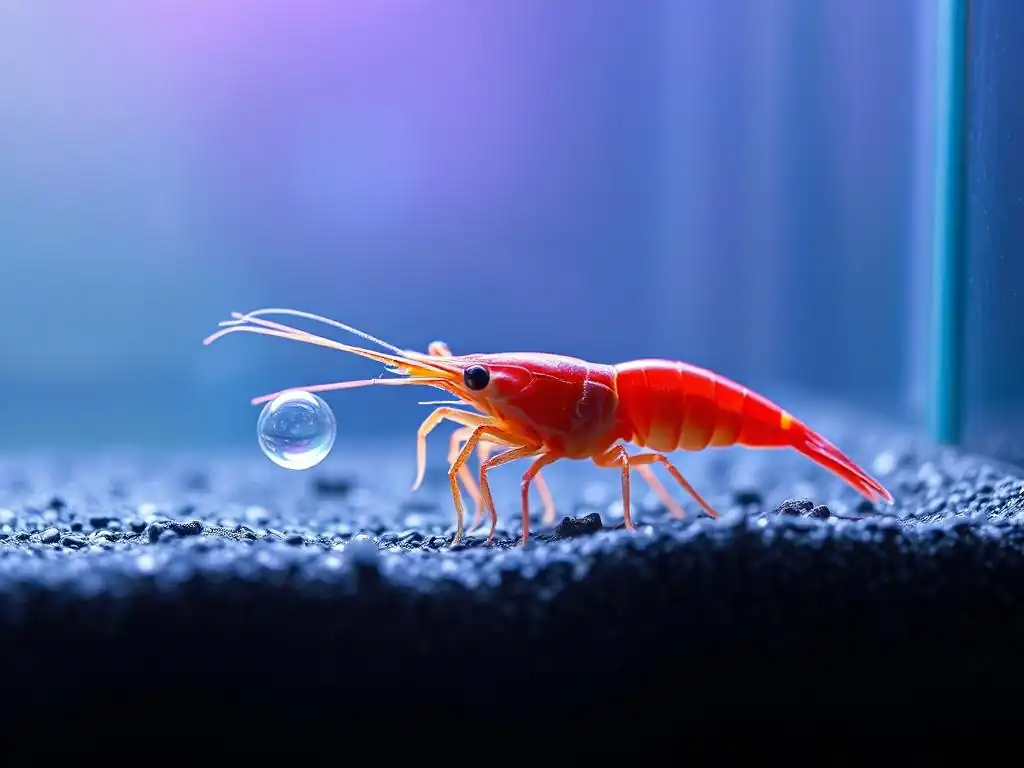
The choice of substrate is a fundamental consideration for successful Caridina shrimp breeding, particularly for sensitive species like Crystal Red or Taiwan Bee shrimp. Active substrates, often referred to as aqua soils (e.g., ADA Aqua Soil, Fluval Stratum, UNS Controsoil), are highly recommended. These specialized soils are designed to buffer pH down to the slightly acidic range (typically 5.5-6.5) and soften the water by absorbing calcium and magnesium ions, creating the ideal water chemistry that many Caridina species require for optimal health and reproduction.
Inert substrates like gravel or sand, while aesthetically pleasing, do not offer these buffering capabilities. This means aquarists using inert substrates must rely solely on water conditioners and frequent water changes to maintain specific parameters, which can be more challenging and lead to unstable conditions. Such instability is a common cause of Caridina shrimp breeding problems, as sensitive species struggle to adapt to fluctuating pH or hardness levels, often leading to stress and a cessation of breeding.
The Importance of Biofilm Development for Shrimp Fry Survival
Biofilm development is absolutely critical for the survival and initial growth of newly hatched Caridina fry, often overlooked as a factor in Caridina shrimp breeding problems. Biofilm is a complex, slimy matrix of microorganisms (bacteria, algae, fungi, protozoa) that naturally forms on all surfaces within a mature aquarium, including substrate, plants, and decor. For microscopic shrimp fry, this biofilm serves as their primary, continuous food source during their first vulnerable weeks of life.
A newly set up tank typically lacks sufficient biofilm, which can lead to starvation of the fry, even if adults are fed regularly. It often takes several months for a tank to mature and develop a robust biofilm layer. Therefore, allowing a tank to cycle and mature for at least 2-3 months before introducing breeding Caridina shrimp significantly increases the chances of fry survival. Providing plenty of surface area through mosses, driftwood, and leaf litter further encourages biofilm growth, ensuring a constant food supply for the tiny shrimp.
Providing Adequate Hiding Places and Surface Area
Providing ample hiding places and maximizing surface area within a Caridina breeding tank is crucial for reducing stress and promoting successful reproduction. Shrimp, especially during vulnerable periods like molting or when berried, seek security and privacy. A tank densely planted with mosses (e.g., Java moss, Christmas moss), and containing driftwood, cholla wood, or specialized shrimp tubes, offers numerous retreats where shrimp can feel safe from perceived threats, including other tank inhabitants or even the aquarist's presence.
Furthermore, these structures significantly increase the total surface area available for biofilm growth, which, as noted, is vital for fry survival. A sense of security directly correlates with breeding activity; shrimp that feel safe are more likely to exhibit natural behaviors, including mating and carrying eggs to term. A lack of adequate cover can lead to chronic stress, reduced feeding, and ultimately, a cessation of breeding, contributing to Caridina shrimp breeding problems.
Specific Caridina Species Breeding Issues
Troubleshooting Caridina cantonensis (Crystal Shrimp) Breeding Difficulties
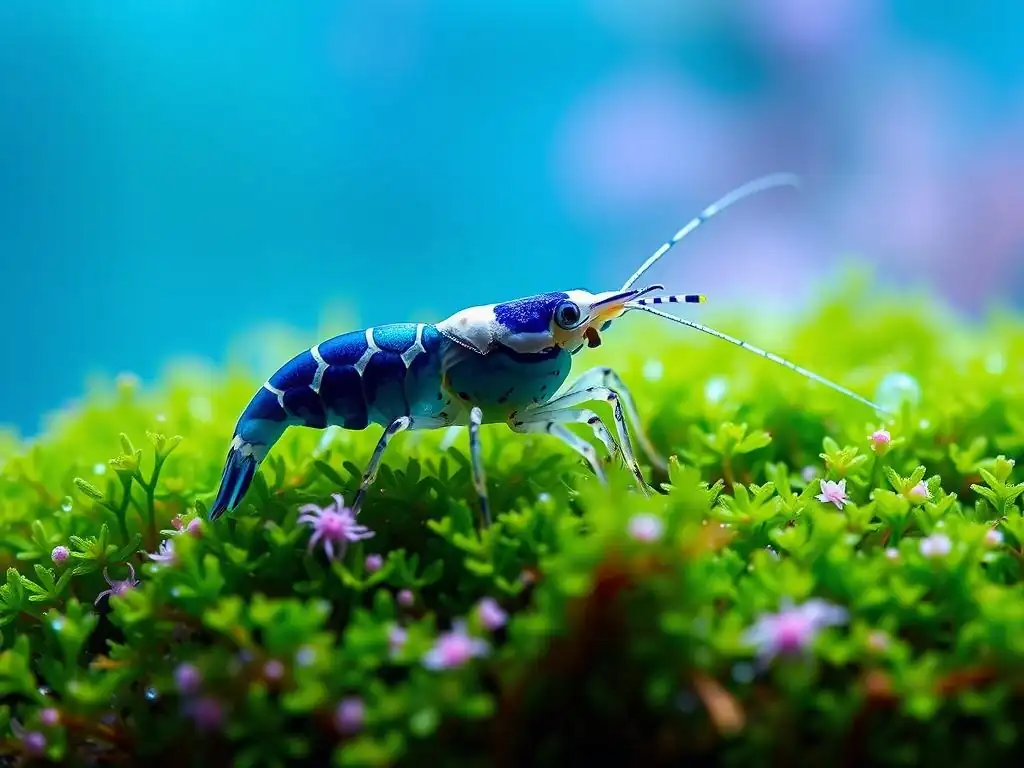
Caridina cantonensis varieties, such as Crystal Red Shrimp (CRS) and Crystal Black Shrimp (CBS), are renowned for their vibrant colors but also for their sensitivity, making their breeding particularly challenging. Their primary Caridina shrimp breeding problems often stem from extremely specific water parameter requirements. These shrimp demand very soft, slightly acidic water, typically with a GH of 4-6 dGH, a KH of 0-1 dKH, and a pH between 5.8-6.8.
A TDS (Total Dissolved Solids) reading of 100-180 ppm is often ideal. Deviations from these narrow ranges, even slight fluctuations, can cause stress, leading to egg drops, failed molts, or a complete stop in breeding activity.
Maintaining consistent water temperature between 20-23°C (68-73°F) is also crucial, as higher temperatures can stress them and shorten their lifespan, reducing breeding opportunities. Another common issue is high nitrate levels; while some shrimp tolerate up to 20 ppm, CRS/CBS often cease breeding if nitrates exceed 10 ppm, with many successful breeders aiming for below 5 ppm. Ensuring stable, pristine water conditions through RO/DI water remineralization and diligent maintenance is paramount to overcoming their breeding difficulties.
Addressing Caridina multidentata (Amano Shrimp) Larval Requirements
Breeding Caridina multidentata, commonly known as Amano shrimp, presents a unique and significantly more complex set of Caridina shrimp breeding problems compared to other freshwater shrimp. While adult Amano shrimp live and breed in freshwater, their larvae require brackish water to survive and metamorphose. After a female releases her eggs, they hatch into tiny, planktonic larvae that are highly vulnerable and cannot survive in a typical freshwater aquarium.
The primary challenge lies in carefully transferring these larvae to a separate rearing tank with precise salinity levels, typically ranging from 1.010 to 1.024 specific gravity, which needs to be gradually increased as the larvae develop. Furthermore, these microscopic larvae require specialized food sources, such as phytoplankton or green water, which are difficult to culture and maintain in sufficient quantities. The multi-stage larval development, requiring specific water parameters and microscopic food throughout, makes successful Amano shrimp breeding a rare and arduous feat for most hobbyists.
Caridina cf. babaulti (Rainbow Shrimp) Breeding Challenges and Solutions
Caridina cf. babaulti, also known as Rainbow Shrimp, are generally considered hardier than C. cantonensis but still present their own set of Caridina shrimp breeding problems. Unlike the soft, acidic water preference of Crystal shrimp, C. babaulti often prefer slightly harder and more alkaline water, thriving in pH ranges of 7.0-7.8 and GH levels between 6-10 dGH. Breeding difficulties typically arise when their specific water parameter needs are not met, or if conditions are unstable.
While they are less sensitive to minor fluctuations, consistent water parameters within their preferred range are still important. Their breeding rate is often slower compared to Neocaridina species, and they can be shyer, which means they might not breed if they feel insecure or stressed. Providing ample plant cover, especially dense mosses and leaf litter, helps them feel secure and encourages breeding. Ensuring a mature tank with established biofilm also provides a continuous food source for their fry, contributing to a higher success rate in Caridina cf. babaulti reproduction.
Implementing Preventative Measures for Successful Breeding
Establishing a Consistent Tank Maintenance Routine
Establishing and strictly adhering to a consistent tank maintenance routine is perhaps the most critical preventative measure against Caridina shrimp breeding problems. Regular, small water changes are fundamental; for most Caridina breeding tanks, a 10-15% water change weekly or bi-weekly is ideal. This frequency helps keep nitrate levels low and replenishes essential minerals without causing drastic parameter shifts that can stress shrimp or cause egg drops.
Beyond water changes, the routine should include gentle substrate cleaning to remove detritus and uneaten food, which can otherwise decompose and foul the water. Filter media should be rinsed periodically in old tank water (never tap water, to preserve beneficial bacteria) to prevent clogs and maintain efficient filtration. Consistency in all aspects of maintenance minimizes fluctuations in water parameters, creating a stable and pristine environment that is conducive to continuous Caridina shrimp reproduction.
Monitoring Water Parameters Regularly
Regular and accurate monitoring of water parameters is an indispensable preventative measure for avoiding Caridina shrimp breeding problems. It is recommended to test key parameters at least once a week, or bi-weekly, using reliable liquid test kits for precision. Critical parameters to monitor include pH, General Hardness (GH), Carbonate Hardness (KH), ammonia, nitrite, and nitrate. For sensitive Caridina species, Total Dissolved Solids (TDS) is also a crucial measurement.
Consistent monitoring allows aquarists to detect any deviations or trends in parameters before they become critical and impact shrimp health or breeding. For instance, a gradual rise in nitrates might indicate the need for more frequent water changes, while a drop in GH could signal a mineral deficiency. Maintaining a log of these readings helps identify patterns and proactively adjust maintenance or supplementation, ensuring the water environment remains optimal for Caridina shrimp reproduction.
Providing a Stable and Stress-Free Environment
Providing a consistently stable and stress-free environment is paramount for preventing Caridina shrimp breeding problems and encouraging prolific reproduction. Shrimp are highly sensitive to sudden changes, whether in temperature, lighting, or water parameters. Avoiding rapid fluctuations in tank conditions is crucial; for example, maintaining a steady temperature with a reliable heater and consistent lighting schedules (e.g., 8-10 hours daily) helps reduce stress.
Furthermore, minimizing external disturbances, such as loud noises, sudden movements near the tank, or the presence of aggressive tank mates, contributes significantly to a calm atmosphere. A mature tank with ample hiding places, dense plant cover, and established biofilm ensures that shrimp feel secure, have constant access to food, and are not subjected to unnecessary competition. A predictable and serene environment encourages shrimp to exhibit their natural behaviors, including consistent mating and successful Caridina shrimp reproduction.
Frequently Asked Questions
What are the most common reasons for Caridina shrimp breeding problems?
The most frequent issues involve poor water parameters, such as incorrect GH, KH, or pH levels, or the presence of harmful substances like ammonia or nitrites. These factors directly impact shrimp health and breeding success.
How can I identify if my water parameters are causing breeding failures?
Regular water testing is crucial. Use a reliable test kit to measure GH, KH, pH, ammonia, nitrite, and nitrate. Compare your results to the optimal range for Caridina shrimp species you are keeping.
What role does diet play in Caridina shrimp breeding?
A varied and nutritious diet is essential. Provide high-quality shrimp food supplemented with natural foods like blanched vegetables and biofilm. This ensures the shrimp have the necessary nutrients for egg production and healthy development.
Are there specific tank mates that can inhibit Caridina shrimp breeding?
Yes, certain fish or invertebrates can predate on shrimplets or stress adult shrimp, leading to breeding failure. It's important to choose compatible tank mates that won't pose a threat to the shrimp population.
How often should I perform water changes to support Caridina shrimp breeding?
Perform small, regular water changes (10-20%) weekly or bi-weekly. This helps maintain stable water parameters and prevent the buildup of harmful substances. Avoid large, sudden changes that can stress the shrimp.
Final Reflection: Unlocking the Secrets of Caridina Reproduction
The journey through the intricacies of Caridina shrimp breeding, as we've explored, is far from simple. Understanding the delicate balance of water parameters, diet, and environmental factors is not just about keeping shrimp alive; it's about fostering a thriving ecosystem within a miniature world. The persistent struggle with "Caridina shrimp breeding problems" highlights the need for continuous learning and adaptation in this fascinating hobby.
This pursuit of successful breeding extends beyond the aquarium walls. It mirrors our own efforts to nurture growth and overcome obstacles in any field, demanding patience, observation, and a willingness to learn from our mistakes. The only true wisdom is in knowing you know nothing.
- Socrates. This quote resonates deeply when facing the complexities of nature, reminding us that humility and a thirst for knowledge are essential for success.
Now, armed with a deeper understanding of the potential pitfalls and solutions for Caridina shrimp breeding, I encourage you to reflect on your own experiences. Consider how the principles of careful observation, meticulous record-keeping, and unwavering dedication can be applied not only to your aquarium, but to any challenge you face. Embrace the learning process, celebrate the small victories, and never give up on your quest to unlock the secrets of life, both big and small.
Unleash the Breeding Potential of Your Caridina Shrimp!
Thank you for diving into the world of Caridina shrimp breeding! We hope this article has provided you with valuable insights into troubleshooting those frustrating breeding failures. Now, let's turn that knowledge into action!
Here are a few steps you can take to reignite your Caridina breeding program:
- Re-evaluate your water parameters using a high-quality test kit and immediately adjust any imbalances. Focus on KH, GH, and TDS.
- Share your experience! What unique challenges have you faced with Caridina breeding, and how did you overcome them?
- Explore the Aquarium Mastery forum and engage with fellow shrimp keepers. Consider posting pictures of your setup and asking for specific advice.
What specific change will you make to your shrimp tank this week to improve your breeding success?