
The Impact of CO2 Injection on Freshwater Shrimp Tanks: Is it Safe?

Welcome to Aquarium Mastery!
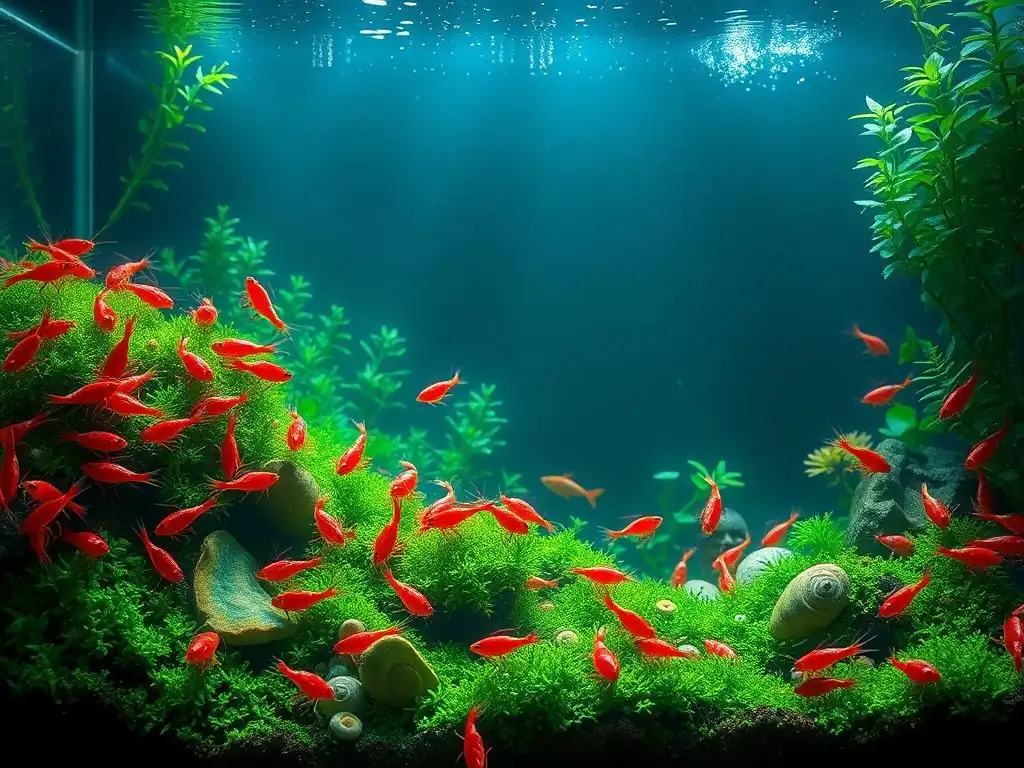
Ever wondered if CO2 injection is a friend or foe when it comes to your delicate freshwater shrimp? Dive into our latest article, "The Impact of CO2 Injection on Freshwater Shrimp Tanks: Is it Safe?" and uncover the secrets to a thriving shrimp ecosystem. Prepare to be surprised – the answer might not be as straightforward as you think! Let's explore the nuances and ensure your shrimp are living their best aquatic lives.
- Understanding CO2 Injection in Planted Aquariums
- CO2 Injection and Freshwater Shrimp: Potential Risks
- Benefits of CO2 for Planted Shrimp Tanks
- Safe CO2 Injection Practices for Shrimp Tanks
- Alternatives to CO2 Injection for Planted Shrimp Tanks
- Identifying Signs of CO2 Toxicity in Shrimp
- Case Studies: CO2 Injection and Shrimp Success Stories
- Conclusion: CO2 Injection and Shrimp - A Balanced Approach
-
Frequently Asked Questions
- How does CO2 injection affect freshwater shrimp in an aquarium?
- Is CO2 injection always harmful to freshwater shrimp?
- What are the key parameters to monitor when using CO2 injection in a shrimp tank?
- What are the signs that CO2 levels are too high in a shrimp tank?
- What alternative methods can be used to promote plant growth in a shrimp tank without CO2 injection?
- Final Reflection: Balancing Life and Chemistry
- Unveil a Thriving Shrimp Tank!
Understanding CO2 Injection in Planted Aquariums
Why Use CO2 Injection in Planted Tanks?
Carbon dioxide (CO2) is an essential nutrient for aquatic plants, playing a pivotal role in photosynthesis, the process by which plants convert light energy into chemical energy. In the natural environment, CO2 is readily available from the atmosphere and decaying organic matter. However, in a closed aquarium system, especially one with strong lighting and a high plant density, naturally occurring CO2 levels are often insufficient to support robust plant growth. This scarcity can become a limiting factor, hindering plants from reaching their full potential and leading to stunted growth or even deterioration.
Aquarists use CO2 injection to overcome this limitation, providing an optimal supply of carbon for their aquatic flora. By supplementing CO2, plants can photosynthesize more efficiently, leading to faster growth rates, more vibrant coloration, and a denser, healthier appearance. This not only creates a more aesthetically pleasing aquascape but also establishes a competitive advantage for plants over undesirable algae, which thrive when plants are struggling. For a thriving ecosystem, especially in a "CO2 injection freshwater shrimp" tank, lush plant growth is key.
The Role of CO2 in Aquatic Plant Growth
Photosynthesis in aquatic plants follows the basic formula: Carbon Dioxide + Water + Light Energy → Glucose (plant food) + Oxygen. CO2 is the primary carbon source, directly incorporated into the plant's structure. When CO2 is abundant, plants can utilize available light and nutrients more effectively, accelerating their metabolic processes. This increased efficiency translates into rapid cell division and biomass accumulation, allowing plants to grow larger and more intricate root systems, stems, and leaves.
Compared to atmospheric levels of CO2 (approximately 420 ppm), dissolved CO2 in unsupplemented aquarium water is typically very low, often below 5-10 ppm. This stark difference highlights why CO2 injection can dramatically boost plant health. Adequate CO2 levels enable plants to outcompete algae for nutrients, absorb more nitrates and phosphates, and release more oxygen into the water, contributing to a healthier overall aquatic environment.
CO2 Injection Systems: A Brief Overview
Modern CO2 injection systems for aquariums typically consist of several key components designed to deliver carbon dioxide gas into the tank in a controlled manner. At the core is a pressurized CO2 cylinder, which stores the gas. Connected to the cylinder is a regulator, a crucial device that reduces the high pressure from the tank to a safe, usable level for the aquarium. Most regulators include a solenoid valve, which can be connected to a timer or pH controller to automatically turn the CO2 supply on and off, usually coinciding with the lighting period.
From the regulator, CO2 gas travels through tubing to a diffuser placed inside the aquarium. Diffusers, such as ceramic discs or inline reactors, break down the CO2 into tiny bubbles, maximizing their surface area for efficient dissolution into the water. Other essential components include a bubble counter, which allows the user to visually monitor the CO2 flow rate (e.g., bubbles per second), and a check valve, which prevents water from siphoning back into the regulator. These systems allow for precise control, vital when considering "CO2 injection freshwater shrimp" setups.
CO2 Injection and Freshwater Shrimp: Potential Risks
CO2 and Water Chemistry: Impact on pH and KH
When carbon dioxide gas dissolves in water, it reacts with water molecules to form carbonic acid (H2CO3). This acid then dissociates, releasing hydrogen ions (H+), which directly lower the water's pH level, making it more acidic. The extent of this pH drop is largely buffered by the water's carbonate hardness (KH). KH acts as a natural buffer, neutralizing the carbonic acid and resisting rapid pH changes. Water with a higher KH has a greater buffering capacity, meaning it can absorb more CO2 before experiencing a significant pH drop.
Conversely, in water with very low KH, even small amounts of injected CO2 can lead to drastic and rapid pH swings. For example, injecting CO2 into water with a KH of 1-2 dKH might cause a pH drop from 7.0 to 6.0 within hours, whereas the same CO2 level in water with a KH of 5-6 dKH might only result in a pH drop from 7.5 to 7.0. Understanding this relationship is critical, as maintaining stable parameters is paramount for the well-being of freshwater shrimp.
The Sensitivity of Shrimp to pH Fluctuations
Freshwater shrimp, particularly the popular dwarf varieties like Neocaridina and Caridina, are highly sensitive to sudden or significant fluctuations in water parameters, with pH being a primary concern. While shrimp can often adapt to a consistently lower or higher pH within their tolerable range, rapid changes are extremely stressful and can be fatal. A sudden drop in pH due to uncontrolled CO2 injection can disrupt their osmoregulation, the process by which they maintain the balance of salts and water in their bodies.
One of the most vulnerable stages for shrimp is molting, when they shed their old exoskeleton to grow. pH instability can interfere with the calcification process of the new shell, leading to failed molts, often referred to as the "white ring of death" where the shrimp gets stuck in its old shell. Symptoms of pH stress due to high CO2 can include lethargy, frantic swimming, attempting to escape the water, and eventually death. Therefore, precise control over "CO2 injection freshwater shrimp" tanks is non-negotiable.
Oxygen Levels: CO2's Influence on Shrimp Respiration
While CO2 itself is not directly toxic to shrimp at moderate levels, excessively high concentrations can indirectly impact their ability to respire effectively. High levels of dissolved CO2 in the water can reduce the blood's affinity for oxygen, a phenomenon known as the Bohr effect in vertebrates, which has analogous impacts on invertebrates like shrimp. This means that even if there is sufficient dissolved oxygen in the water, the shrimp's gill tissues may struggle to efficiently absorb it.
Furthermore, during the night, plants cease photosynthesis and begin to respire, consuming oxygen and releasing CO2. If CO2 injection continues or if the tank is heavily planted with insufficient surface agitation, oxygen levels can plummet overnight. Shrimp suffering from oxygen deprivation will often climb to the highest points in the tank, including filter outputs or the water surface, attempting to access more oxygen. Ensuring adequate surface agitation and turning off CO2 at night are crucial steps to mitigate this risk in a "CO2 injection freshwater shrimp" setup.
Species-Specific Sensitivity to CO2: Neocaridina vs. Caridina
The tolerance of freshwater shrimp to CO2 injection varies significantly between species, largely correlating with their general hardiness and preferred water parameters. Neocaridina species, such as Red Cherry Shrimp, Blue Dream Shrimp, and Yellow Shrimp, are generally more robust and adaptable. They can tolerate a broader range of water parameters, including moderate CO2 levels, often up to 25-30 ppm, provided the pH remains stable and within their preferred range (typically pH 6.5-8.0, KH 3-8 dKH). They are more forgiving of minor fluctuations.
In contrast, Caridina species, which include Crystal Red Shrimp, Black Bee Shrimp, and Taiwan Bee Shrimp, are considerably more delicate and have much stricter requirements for water quality. These shrimp thrive in softer, more acidic water (typically pH 5.5-7.5, KH 0-2 dKH) and are highly sensitive to changes in parameters. For Caridina shrimp, CO2 levels should be kept on the lower side, ideally below 20 ppm, and often closer to 10-15 ppm, with extremely careful monitoring to prevent stress or mortality. Maintaining utmost stability is paramount for these sensitive varieties when considering "CO2 injection freshwater shrimp" systems.
Benefits of CO2 for Planted Shrimp Tanks
Lush Plant Growth and Habitat Enrichment for Shrimp
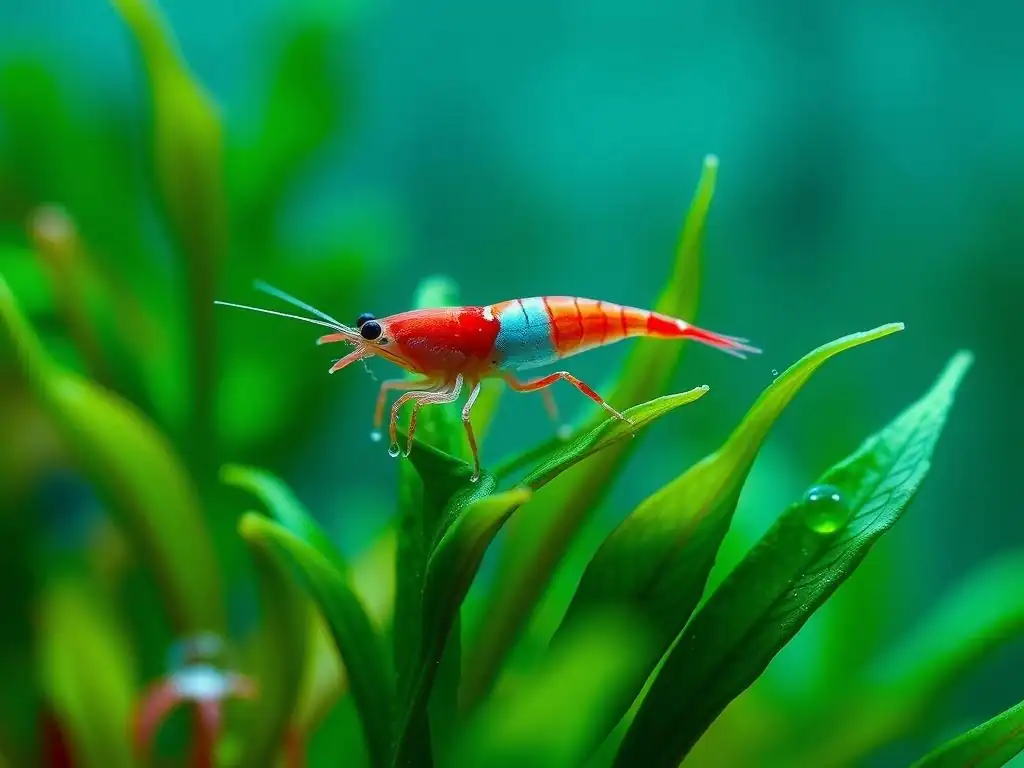
The primary benefit of CO2 injection is the dramatic improvement in aquatic plant growth. With an optimal supply of CO2, plants grow faster, denser, and display more vibrant colors, transforming the aquarium into a lush, naturalistic environment. This dense vegetation provides an ideal habitat for freshwater shrimp, offering numerous benefits. The intricate network of leaves and stems creates abundant hiding spots, which are crucial for shrimp, especially during vulnerable periods like molting or when housed with other tank inhabitants.
Furthermore, a healthy, thriving plant ecosystem provides a rich source of biofilm and detritus, which are primary food sources for many shrimp species, including Neocaridina and Caridina. Shrimp spend much of their time grazing on plant surfaces, consuming the microscopic organisms and organic matter that accumulate there. This constant foraging activity, supported by the ample surfaces provided by lush plants, contributes significantly to their overall health, activity, and breeding success within a "CO2 injection freshwater shrimp" tank.
Improved Water Quality Through Plant Uptake
Vigorously growing plants, fueled by CO2 injection, act as highly efficient natural filters within the aquarium. They actively absorb nitrates, phosphates, and other nitrogenous waste products that are harmful to aquatic life, particularly sensitive invertebrates like shrimp. By consuming these nutrients, plants help to keep water parameters stable and clean, reducing the overall bioload in the tank. This significantly lessens the accumulation of toxins that can stress shrimp, leading to better health and longevity.
For example, a heavily planted tank with CO2 can maintain nitrate levels consistently below 10 ppm, whereas an unplanted or sparsely planted tank might see levels rise to 20-40 ppm or higher within a week. This enhanced nutrient uptake by plants means fewer large water changes are required, which in turn reduces the stress on shrimp caused by parameter shifts inherent in frequent maintenance. This natural purification system is a significant advantage of a well-managed "CO2 injection freshwater shrimp" aquarium.
CO2 and Algae Control in Shrimp Tanks
One of the most frustrating challenges for aquarists is controlling algae, and this is particularly true in shrimp tanks where chemical algaecides are often avoided due to their potential harm to invertebrates. CO2 injection, by promoting robust plant growth, offers one of the most effective and natural methods of algae control. Healthy, fast-growing plants outcompete algae for essential nutrients and light. When plants are thriving, they consume available resources so efficiently that there's little left for algae to proliferate.
This competitive exclusion principle means that a well-planted tank with optimized CO2 levels typically experiences minimal algae outbreaks. Shrimp, such as Amano Shrimp and Neocaridina varieties, are excellent algae eaters, but they perform best when algae is kept to manageable levels rather than facing severe infestations. By minimizing algae, the tank remains cleaner, more aesthetically pleasing, and provides a healthier environment for the shrimp, allowing them to graze on beneficial biofilm rather than struggling through thick algal mats.
Safe CO2 Injection Practices for Shrimp Tanks
Monitoring CO2 Levels: Drop Checkers and Controllers
Accurate and consistent monitoring of CO2 levels is paramount for the safety of freshwater shrimp in a CO2-injected tank. The most common tool for continuous visual monitoring is a drop checker. This small glass or acrylic device is filled with a special indicator solution and a specific KH reference solution (typically 4 dKH). The color of the indicator solution changes based on the dissolved CO2 level in the tank water: blue indicates insufficient CO2, green is optimal (around 20-30 ppm), and yellow signifies dangerously high levels. Regular daily checks of the drop checker are essential.
For more precise control, particularly in high-value or sensitive shrimp setups, a pH controller is highly recommended. These electronic devices use a pH probe immersed in the tank water to continuously measure pH. The controller is programmed to a desired pH set point (which correlates to a specific CO2 level for a given KH), and it automatically turns the CO2 solenoid valve on or off to maintain that pH. This automation significantly reduces the risk of CO2 overdose and ensures stable parameters, making "CO2 injection freshwater shrimp" much safer.
Gradual CO2 Introduction and Acclimation
Introducing CO2 to a freshwater shrimp tank should always be a slow and gradual process to allow the shrimp and the entire ecosystem to acclimate. Starting with a very low CO2 injection rate, such as 1 bubble per second (BPS) for a 20-gallon tank, is advisable, even if target levels are higher. Over the course of several days to a week, the BPS can be incrementally increased while closely observing the shrimp's behavior and monitoring the drop checker.
Rapid changes in CO2 levels or pH can shock shrimp, leading to stress, erratic behavior, or even fatalities. By gradually increasing the CO2, the shrimp have time to adjust to the new water chemistry. It's also crucial to ensure that CO2 injection is linked to the lighting cycle, typically turning on an hour before lights-on and turning off an hour before lights-off. This prevents CO2 buildup during the night when plants aren't photosynthesizing and oxygen levels naturally dip, which is particularly vital for the safety of "CO2 injection freshwater shrimp."
Maintaining Stable Water Parameters: A Key to Shrimp Health
While the specific target parameters for shrimp vary by species (e.g., Neocaridina preferring pH 6.5-8.0, GH 6-10, KH 3-8; Caridina preferring pH 5.5-7.5, GH 4-6, KH 0-2), the overarching principle for their health is stability. Fluctuations in pH, GH, KH, or temperature are far more detrimental than maintaining parameters at the edge of their preferred range. When utilizing CO2 injection, maintaining a consistent KH is especially important, as it directly influences the buffering capacity against pH drops.
Regular testing of GH, KH, and pH, ideally weekly, helps ensure that the water parameters remain within a safe and stable range for the shrimp. Using a reliable water source, performing consistent water changes with perfectly matched parameters, and avoiding sudden environmental shifts are all critical for shrimp well-being. A stable environment minimizes stress, promotes healthy molting, and encourages breeding, ensuring a thriving "CO2 injection freshwater shrimp" population.
Recommended CO2 Levels for Different Shrimp Species
The optimal and safe CO2 levels vary based on the specific shrimp species kept, reflecting their differing sensitivities to water parameters. For hardier Neocaridina species (e.g., Red Cherry Shrimp, Blue Dream Shrimp), a CO2 concentration of 15-25 ppm is generally considered safe and effective for plant growth. Some experienced aquarists might push to 30 ppm with very close monitoring, especially if KH is stable at 4-6 dKH. At these levels, a drop checker typically displays a lime green color.
For the more sensitive Caridina species (e.g., Crystal Red Shrimp, Black Bee Shrimp, Amano Shrimp), lower CO2 levels are strongly recommended. A range of 10-20 ppm is safer, with many hobbyists aiming for the lower end, around 15 ppm. For these species, even slight over-dosing can be detrimental. In such setups, a drop checker might appear a lighter green, indicating a slightly lower CO2 concentration, but prioritizing shrimp safety over maximum plant growth is crucial. Always observe shrimp behavior as the ultimate indicator of CO2 levels.
Alternatives to CO2 Injection for Planted Shrimp Tanks
Liquid Carbon Supplements: Glutaraldehyde Alternatives
For aquarists seeking to boost plant growth without the complexity and potential risks associated with pressurized CO2 injection, liquid carbon supplements offer an alternative. Products like Seachem Flourish Excel or Easy Carbo contain glutaraldehyde or similar organic carbon compounds that plants can utilize for photosynthesis. These supplements provide a bioavailable carbon source that bypasses the need for gaseous CO2. They are also often marketed with algaecidal properties, helping to control certain types of algae.
While liquid carbon supplements are much simpler to dose and require no specialized equipment, they are generally less effective than pressurized CO2 for promoting rapid, lush plant growth. Furthermore, it is crucial to dose them carefully, as overdosing glutaraldehyde can be toxic to sensitive invertebrates, including freshwater shrimp. Users must strictly follow manufacturer instructions and observe shrimp closely for any signs of distress. For those wary of the complexities of "CO2 injection freshwater shrimp" setups, liquid carbon offers a simpler, albeit less potent, option.
Low-Tech Planted Tank Methods: Walstad Method
The Walstad method, popularized by Diana Walstad, offers a compelling low-tech approach to planted aquariums that inherently avoids CO2 injection. This method relies on a nutrient-rich soil substrate capped with sand or gravel, heavy planting, and often minimal or no external filtration. Plants draw CO2 from the decomposition of organic matter in the substrate and from the natural gas exchange at the water's surface. The emphasis is on creating a balanced, self-sustaining ecosystem where plants thrive on available nutrients and CO2 without external intervention.
For freshwater shrimp, the Walstad method can be an excellent choice. The stable, natural environment, rich in beneficial bacteria and biofilm, provides an ideal habitat. The absence of injected CO2 eliminates the risks of pH swings and oxygen deprivation associated with high-tech setups. While plant growth may be slower compared to CO2-injected tanks, the resulting ecosystem is often incredibly stable and requires less active management, making it a very shrimp-friendly option for those who prefer a less intensive approach than "CO2 injection freshwater shrimp" systems.
Selecting Plants that Thrive in Low-CO2 Environments
A successful planted shrimp tank without CO2 injection hinges on selecting the right plant species that can thrive in ambient CO2 conditions. Many popular and beautiful aquatic plants are well-suited to low-tech environments, growing slower but remaining healthy and robust. These plants typically have efficient carbon acquisition mechanisms or simply lower CO2 demands.
Excellent choices for low-CO2 shrimp tanks include:
- Anubias species ( Anubias barteri, Anubias nana): Extremely hardy, slow-growing, and can be attached to rocks or driftwood.
- Java Fern ( Microsorum pteropus): Another robust epiphyte that tolerates a wide range of conditions.
- Mosses (e.g., Java Moss, Christmas Moss, Fissidens Fontanus): Create dense, intricate structures that shrimp love to graze on and hide in.
- Cryptocoryne species ( Cryptocoryne wendtii, Cryptocoryne parva): Root feeders that do well in nutrient-rich substrates without high CO2.
- Buchephalandra species: Similar to Anubias, slow-growing and excellent for attaching to decor.
- Floating Plants (e.g., Frogbit, Dwarf Water Lettuce, Salvinia minima): Efficiently absorb CO2 from the air and nutrients from the water, providing shade and helping with water quality.
These plants provide ample foraging surfaces and hiding spots, contributing to a healthy and secure environment for shrimp without the need for "CO2 injection freshwater shrimp" equipment.
Identifying Signs of CO2 Toxicity in Shrimp
Behavior Changes: Lethargy, Hiding, and Erratic Swimming
Recognizing the early signs of CO2 toxicity in freshwater shrimp is crucial for immediate intervention and preventing fatalities. One of the first indicators is a change in their typical behavior. Healthy shrimp are usually active, constantly foraging on surfaces, and exhibiting a calm, purposeful movement. If CO2 levels become too high, shrimp may become noticeably lethargic, sitting motionless on the substrate or plants for extended periods. They might also begin to hide more than usual, retreating into crevices or dense plant thickets, indicating stress.
More severe signs include erratic or frantic swimming, darting around the tank as if in a panic, or attempting to climb out of the water onto filter outputs, heaters, or the tank rim. This "gasping" behavior at the surface is a clear indication of severe oxygen deprivation or CO2 poisoning. Observing these behavioral shifts requires immediate attention, as they suggest that the "CO2 injection freshwater shrimp" system is out of balance.
Physical Symptoms: Clouded Appearance and Loss of Color
In addition to behavioral changes, shrimp suffering from CO2 toxicity may exhibit observable physical symptoms. A common sign is a clouded or milky appearance, particularly in their internal organs or muscle tissue. This opacity can be a result of cellular damage or severe stress. Another alarming symptom is a noticeable loss of color; vibrant shrimp like Red Cherry or Blue Dream may appear significantly paler, indicating extreme distress and a compromised physiological state.
Furthermore, shrimp may experience difficulty during molting, leading to partial molts or the dreaded "white ring of death," where the old exoskeleton fails to separate properly from the new one, often resulting in the shrimp getting stuck and dying. While molting issues can stem from various causes, rapid pH shifts or high CO2 levels are significant contributors. Any of these physical symptoms, especially when combined with behavioral changes, demand immediate corrective action for the "CO2 injection freshwater shrimp" tank.
Immediate Actions to Take if CO2 Toxicity is Suspected
If you observe any signs of CO2 toxicity in your freshwater shrimp, immediate action is necessary to save them. The very first step is to turn off the CO2 injection system immediately. This halts the influx of carbon dioxide and allows the gas to off-gas from the water. Next, significantly increase surface agitation in the tank. Direct your filter outflow towards the water surface to create ripples, and if you have an air pump, add an air stone to vigorously aerate the water. This promotes rapid CO2 off-gassing and increases dissolved oxygen levels.
Following these steps, perform a small to moderate water change, typically 20-30%, using dechlorinated water that is temperature-matched and has similar parameters (GH/KH) to your tank water, if possible. Avoid large, sudden water changes that could cause further shock. After these interventions, continue to monitor your shrimp closely. Test your tank's pH, KH, and use your drop checker to assess the CO2 levels. Identifying the cause of the CO2 overdose (e.g., regulator malfunction, too high a bubble rate, insufficient aeration) is crucial to prevent future occurrences in your "CO2 injection freshwater shrimp" setup.
Case Studies: CO2 Injection and Shrimp Success Stories
Successful High-Tech Red Cherry Shrimp Tank Setup
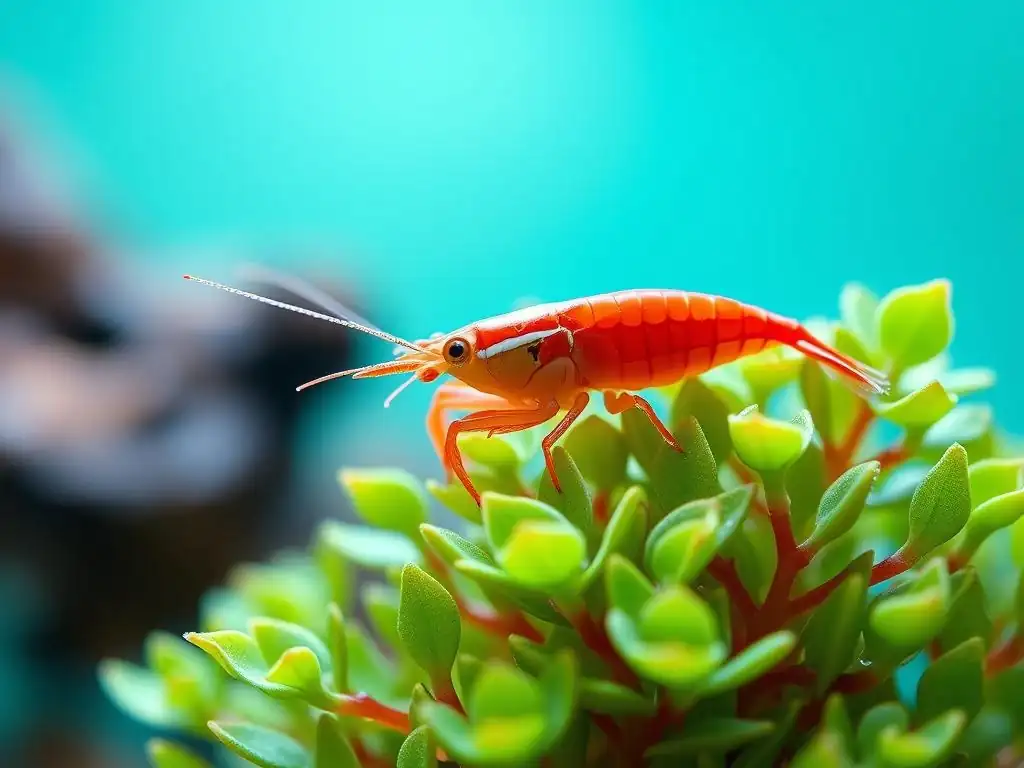
A thriving example of a "CO2 injection freshwater shrimp" tank involved a 15-gallon cube aquarium dedicated to Red Cherry Shrimp ( Neocaridina davidi). The owner utilized a pressurized CO2 system with a solenoid valve, set to turn on one hour before the LED lights and off one hour before lights out, for a total of an 8-hour injection period.
The CO2 flow rate was carefully tuned to approximately 2 bubbles per second, consistently maintaining the water's pH at 6.8-7.0 with a KH of 4 dKH. A drop checker confirmed optimal CO2 levels, showing a lime green color throughout the day.
The tank was heavily planted with high-demand species like Monte Carlo ( Micranthemum tweediei) carpeting the foreground, Rotala species in the midground, and stem plants in the background. The lush plant growth provided ample surface area for biofilm, a primary food source for the shrimp, as well as numerous hiding spots.
Starting with a group of 15 Red Cherry Shrimp, the population rapidly boomed within six months, exceeding 100 individuals, with frequent berried females observed. The stable CO2 and nutrient-rich environment led to vibrant shrimp coloration and consistent breeding, demonstrating that with careful management, a high-tech planted tank can be an ideal shrimp habitat.
Managing CO2 in a Community Amano Shrimp Tank
Another successful "CO2 injection freshwater shrimp" scenario involved a 29-gallon community tank housing a diverse collection of peaceful fish (e.g., Ember Tetras, Pygmy Corydoras) alongside a colony of Amano Shrimp ( Caridina multidentata). Given the slightly higher sensitivity of Amano Shrimp compared to Neocaridina, the aquarist opted for a more conservative CO2 target.
A DIY CO2 system, or a very low-pressure commercial system, was employed to achieve a modest CO2 concentration of 10-15 ppm, resulting in a pH range of 6.6-6.8 with a KH of 2 dKH. The CO2 was injected only during the 7-hour lighting period, ensuring no overnight buildup.
The tank was moderately planted with a mix of adaptable species like Java Fern, Anubias nana, and various Cryptocoryne species, which thrive at lower CO2 levels but still benefit from the additional carbon. Surface agitation was maintained by directing the filter outflow across the water surface, and a small air stone was run at night to ensure adequate oxygen.
The Amano Shrimp were highly active, diligently grazing on the healthy plant leaves and decor, effectively controlling minor algae growth. Their robust health and longevity, often exceeding two years, underscored that even sensitive shrimp can thrive in a CO2-supplemented environment when the levels are kept moderate and stable.
Conclusion: CO2 Injection and Shrimp - A Balanced Approach
Weighing the Risks and Benefits of CO2 for Your Shrimp Tank
The decision to implement CO2 injection in a freshwater shrimp tank involves a careful consideration of both the potential risks and significant benefits. On one hand, CO2 injection can lead to stunningly lush plant growth, creating a highly enriched and naturalistic environment that provides ample food sources (biofilm) and crucial hiding spots for shrimp. Healthy plants also contribute to superior water quality by efficiently absorbing nitrates and phosphates, and they are the most effective natural defense against algae outbreaks.
However, the risks are not negligible. Improper CO2 dosing can lead to rapid and dangerous pH drops, which are extremely stressful and potentially fatal for sensitive shrimp. Overdosing can also reduce oxygen availability, impairing shrimp respiration. The sensitivity varies by species, with delicate Caridina shrimp requiring far more cautious management than hardier Neocaridina. Ultimately, the success of a "CO2 injection freshwater shrimp" tank hinges on the aquarist's commitment to vigilant monitoring and precise control.
Best Practices for a Thriving Planted Shrimp Aquarium with CO2
Achieving a thriving planted shrimp aquarium with CO2 injection is entirely possible with adherence to best practices. First and foremost, invest in reliable CO2 equipment, including a high-quality regulator with a solenoid valve, and essential monitoring tools like a drop checker and, ideally, a pH controller. Secondly, start CO2 injection at very low levels and increase it gradually over days or weeks, allowing your shrimp to acclimate to the changing water chemistry.
Prioritize maintaining stable water parameters, especially KH, which buffers pH, and ensure consistent CO2 dosing aligned with your lighting schedule. Vigilantly observe your shrimp's behavior daily for any signs of stress or toxicity, such as lethargy or erratic swimming, and be prepared to take immediate corrective action. Ensure adequate surface agitation and aeration, particularly at night, to prevent oxygen depletion.
Finally, select shrimp species appropriate for your intended CO2 levels, opting for hardier Neocaridina if you plan for higher CO2 concentrations, or maintaining lower, more stable levels for sensitive Caridina. With diligence and knowledge, your "CO2 injection freshwater shrimp" tank can become a vibrant, healthy, and aesthetically stunning aquatic ecosystem.
Frequently Asked Questions
How does CO2 injection affect freshwater shrimp in an aquarium?
CO2 injection can significantly impact freshwater shrimp. While beneficial for plant growth, excessive CO2 can lead to low pH and oxygen depletion, which can be harmful or even fatal to shrimp. Careful monitoring is crucial.
Is CO2 injection always harmful to freshwater shrimp?
No, CO2 injection isn't inherently harmful. When implemented correctly with proper monitoring and control, it can promote healthy plant growth, benefiting the overall tank ecosystem for shrimp. The key is balance.
What are the key parameters to monitor when using CO2 injection in a shrimp tank?
The most important parameters are pH level, CO2 concentration, and oxygen levels. Regular testing ensures that these parameters remain within safe ranges for your specific shrimp species.
What are the signs that CO2 levels are too high in a shrimp tank?
Signs of CO2 overdose in shrimp include lethargy, erratic swimming, and gasping for air at the surface. Immediate action is needed to lower the CO2 levels if these signs are observed.
What alternative methods can be used to promote plant growth in a shrimp tank without CO2 injection?
Alternatives include using nutrient-rich substrates, liquid fertilizers designed for shrimp tanks, and selecting low-light aquatic plants that don't require high CO2 levels.
Okay, here's a final reflection tailored for your article "The Impact of CO2 Injection on Freshwater Shrimp Tanks: Is it Safe? ", optimized for the keyword "CO2 injection freshwater shrimp" and following the structure you provided:
Final Reflection: Balancing Life and Chemistry
The delicate balance within a freshwater shrimp tank is a testament to the interconnectedness of life, and as we've explored, CO2 injection, while beneficial for plant growth, demands a careful understanding of its potential impact on these sensitive creatures. The information presented underscores the importance of informed decision-making when introducing chemical alterations to a closed ecosystem.
This exploration has highlighted how deeply our choices as aquarists affect the lives within our tanks. The responsibility we bear in maintaining a thriving environment for our shrimp is significant, requiring constant learning and adaptation. The best aquarium is not just a display, but a miniature ecosystem where every element plays a crucial role.
This quote serves as a constant reminder that our actions have far-reaching consequences within the microcosm we create.
As you consider the information presented, I encourage you to reflect on your own approach to aquarium keeping. Are you prioritizing plant growth at the expense of shrimp health? Or are you striving for a harmonious balance? The answer lies not just in understanding the science of CO2 injection, but in cultivating a deep respect for the delicate lives entrusted to your care. Let's all strive to be responsible stewards of these miniature worlds, ensuring a vibrant and healthy future for our freshwater shrimp.
Unveil a Thriving Shrimp Tank!
Thank you for diving into the world of CO2 injection and its effects on your freshwater shrimp. Now that you're equipped with this knowledge, let's take your aquarium to the next level!
Here are some actionable steps you can take right now:
- Carefully analyze your current shrimp tank parameters (pH, KH, GH) before considering any CO2 adjustments. This will provide a crucial baseline.
- Explore alternative methods for enriching your plants, like liquid carbon supplements or a denser planting strategy, if you're hesitant about CO2 injection.
- Share this article with fellow shrimp keepers! Help them understand the importance of balance and safety in their own tanks.
What specific aspect of your shrimp tank are you most concerned about when considering CO2 injection?