
Pajama Cardinalfish: A Nocturnal Beauty for Peaceful Reef Setups

Welcome to Aquarium Mastery!
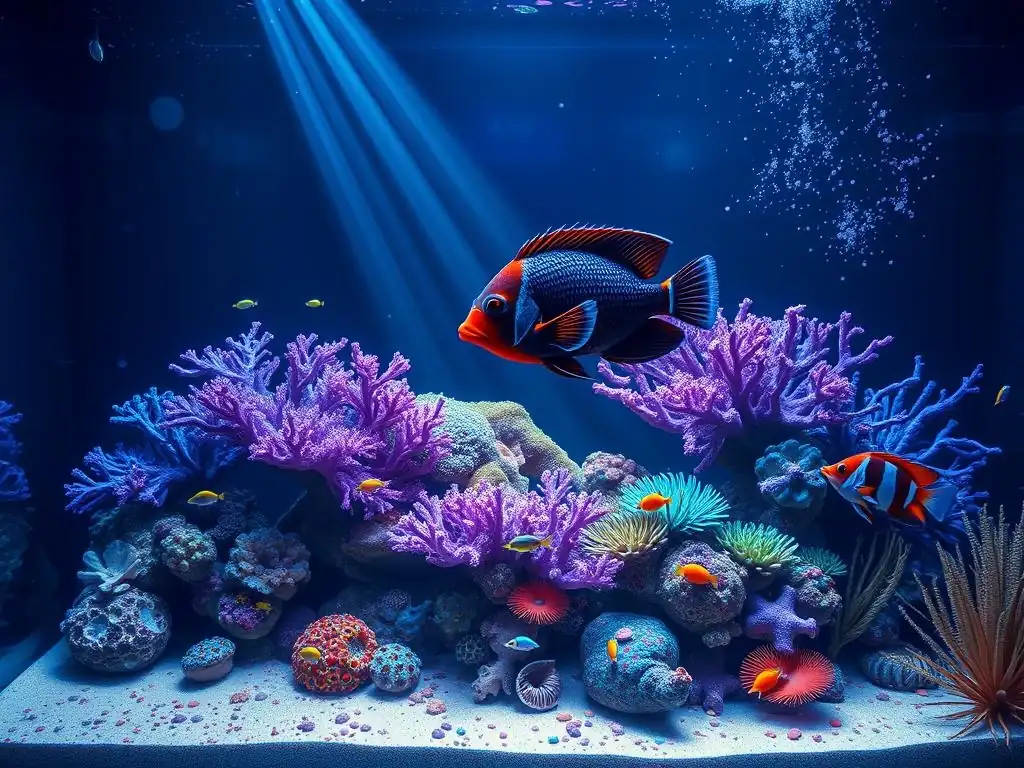
Ever wondered how to create a mesmerizing reef tank that truly comes alive after dark? Dive in and discover the secrets to a thriving Nocturnal cardinalfish reef setup. Learn how to showcase the captivating beauty of Pajama Cardinalfish and other nocturnal wonders, creating a peaceful and harmonious underwater world. Intrigued? Let's illuminate the night!
- Pajama Cardinalfish: A Peaceful Addition to Reef Aquariums
- Introduction to Pajama Cardinalfish
- Optimal Care Requirements
- Nutritional Needs and Feeding Strategies
- Tank Mate Compatibility
- Creating a Suitable Reef Environment
- Breeding Pajama Cardinalfish
- Recognizing and Preventing Health Issues
- Benefits of Keeping Pajama Cardinalfish
- Troubleshooting Common Problems
- Conclusion: Thriving with Pajama Cardinalfish
-
Frequently Asked Questions
- What are the key considerations when setting up a reef aquarium for Pajama Cardinalfish?
- Are Pajama Cardinalfish compatible with other fish in a reef aquarium?
- What is the ideal lighting for a Pajama Cardinalfish reef setup, considering their nocturnal nature?
- What do Pajama Cardinalfish eat, and how often should they be fed in a reef aquarium?
- What are some common health issues to watch out for in Pajama Cardinalfish in a reef aquarium?
- Final Reflection: Embracing the Night's Gentle Glow
- Unveil the Secrets to a Thriving, Peaceful Reef!
Pajama Cardinalfish: A Peaceful Addition to Reef Aquariums
Introduction to Pajama Cardinalfish
Understanding Sphaeramia nematoptera Characteristics
The Pajama Cardinalfish, scientifically known as Sphaeramia nematoptera, is a captivating and distinctive marine fish highly sought after by reef aquarists. This species is easily identifiable by its unique coloration: a striking yellow face, a broad black vertical band across its midsection, and a silvery-white body adorned with numerous red-orange spots from the band to its caudal fin. Reaching an average adult size of about 3 inches (approximately 7.5 cm), its large, expressive eyes are characteristic of its nocturnal nature, allowing it to navigate and forage effectively in dim light.
Native to the Western Pacific, ranging from Indonesia to the Great Barrier Reef, Sphaeramia nematoptera is typically found in shallow, protected coastal waters, often congregating among branching corals like Acropora or in the roots of mangrove trees. Their natural habitat provides ample cover, which they utilize during the day to rest, emerging at dusk to feed on small crustaceans and zooplankton. This inherent shyness and preference for sheltered environments are crucial considerations for their successful keeping in a home aquarium, particularly within a nocturnal cardinalfish reef setup.
Suitability for Reef Environments
The Pajama Cardinalfish is an exceptional choice for a reef aquarium due to its inherently peaceful temperament and reef-safe disposition. Unlike many other marine species that may nip at corals or invertebrates, Sphaeramia nematoptera poses no threat to soft corals, LPS (Large Polyp Stony) corals, or SPS (Small Polyp Stony) corals. Their diet consists primarily of small planktonic organisms, ensuring that your valuable coral specimens remain undisturbed and thrive in their presence.
Furthermore, their small size and relatively low bioload make them suitable for a wide range of reef tank sizes, from smaller nano reefs (though a minimum of 20-30 gallons is recommended for a single specimen or small group) to larger, established systems. Their calm and deliberate swimming style, combined with their preference for hiding during daylight hours, adds a unique and serene dynamic to the reef display, making them a cornerstone species for a harmonious and thriving nocturnal cardinalfish reef setup.
Optimal Care Requirements
Water Parameters: Temperature, Salinity, and Chemistry
Maintaining stable and appropriate water parameters is paramount for the health and longevity of Pajama Cardinalfish in a reef environment. The ideal temperature range for these fish is between 72-78°F (22-26°C), with minimal fluctuations. Salinity should be kept consistent at a specific gravity of 1.023-1.026, which is typical for most reef systems. A stable pH level between 8.1 and 8.4 is also crucial, reflecting the natural alkalinity of marine waters.
Beyond these fundamental parameters, a healthy reef system also requires stable levels of alkalinity (8-12 dKH), calcium (400-450 ppm), and magnesium (1250-1350 ppm). While these are primarily for coral health, stable water chemistry benefits all inhabitants, including the Pajama Cardinalfish, by reducing stress and supporting overall immune function. Regular testing of these parameters, at least weekly, allows for prompt adjustments and helps prevent the accumulation of harmful nitrates and phosphates, ensuring a pristine environment for your nocturnal cardinalfish reef setup.
While a single Pajama Cardinalfish can be housed in a 20-gallon (approximately 75 liters) aquarium, these fish are naturally social and exhibit more confident and interesting behaviors when kept in small groups. A minimum of 30 gallons (approximately 115 liters) is recommended for a small group of 3-5 individuals, allowing them ample space to establish territories and display their schooling tendencies. In larger tanks, groups of 5-10 or more can create a truly captivating display, mimicking their natural aggregations.
Their social structure typically involves a loose schooling formation, especially when they feel secure. However, individual fish may also choose to find their own hiding spots during the day. Providing adequate hiding places within the aquascape is more critical than tank size alone for their well-being. A well-established group in a sufficiently sized tank contributes significantly to the peaceful ambiance of a nocturnal cardinalfish reef setup, as they are less prone to stress when they have companions.
Essential Equipment: Filtration, Lighting, and Flow
Effective filtration is critical for maintaining the high water quality required by Pajama Cardinalfish and a thriving reef. A robust biological filtration system, typically provided by mature live rock and a protein skimmer, is essential for processing waste and removing organic compounds. Mechanical filtration, such as filter socks or sponges, should also be employed and regularly cleaned or replaced to remove particulate matter before it breaks down and contributes to nitrates.
Regarding lighting, Pajama Cardinalfish are nocturnal and prefer dimmer conditions. While a reef tank generally requires intense lighting for coral growth, it's important to provide shaded areas within the aquascape where these fish can retreat during the brighter daylight hours. Overhangs, caves, and densely arranged live rock are ideal for this purpose. Water flow should be moderate and non-turbulent. Strong, direct currents can stress these slow-moving fish, so careful placement of powerheads to create indirect, gentle flow is recommended for a comfortable nocturnal cardinalfish reef setup.
Nutritional Needs and Feeding Strategies
Importance of a Varied Diet
A diverse and high-quality diet is crucial for the long-term health, vibrant coloration, and disease resistance of Pajama Cardinalfish. In their natural habitat, these fish primarily feed on small zooplankton and crustaceans, which provides a wide array of essential nutrients. Replicating this variety in the aquarium prevents nutritional deficiencies that can lead to faded colors, stunted growth, and a compromised immune system, making them more susceptible to common marine ailments.
Relying on a single type of food, even if it's a high-quality one, will not provide a complete nutritional profile. A varied diet encourages natural foraging behaviors and ensures that the fish receive all necessary vitamins, minerals, and fatty acids. This proactive approach to nutrition is a cornerstone of successful husbandry for any marine fish, particularly for species like the Pajama Cardinalfish that can be somewhat particular about their food sources when first introduced to an aquarium.
Recommended Foods: Frozen, Live, and Prepared Options
For Pajama Cardinalfish, a staple diet should primarily consist of high-quality frozen foods. Frozen mysis shrimp are often eagerly accepted and are an excellent source of protein and fat. Frozen enriched brine shrimp and finely chopped krill or silversides are also highly recommended. These can be soaked in a vitamin supplement for added nutritional value, especially for new or recovering fish.
Live food options, such as copepods and amphipods, are exceptionally beneficial. They can be introduced into the tank to establish a natural food source, which the nocturnal cardinalfish will graze on throughout the day and night. While some Pajama Cardinalfish may eventually accept high-quality marine flakes or small pellets, many show a strong preference for meaty frozen or live foods. It is advisable to offer a mix of these options to ensure palatability and comprehensive nutrition within your nocturnal cardinalfish reef setup.
Feeding Schedule and Observation
Given their nocturnal tendencies, Pajama Cardinalfish often become more active and confident feeders as the aquarium lights dim or after they have completely turned off. Therefore, feeding them once or twice daily, with one feeding occurring around dusk or shortly after lights out, can be highly effective. Offer small amounts of food at a time, allowing them to consume it fully before adding more, to prevent overfeeding and maintain water quality.
Diligent observation during feeding times is essential to ensure that all individuals, especially shyer ones, are receiving adequate nutrition. Fast-moving or more aggressive tank mates can sometimes outcompete the slower Pajama Cardinalfish for food. If this is the case, target feeding with a pipette or offering food to their preferred hiding spots can be beneficial. Promptly remove any uneaten food to prevent its decomposition, which can lead to elevated nutrient levels and negatively impact the delicate balance of your nocturnal cardinalfish reef setup.
Tank Mate Compatibility
Ideal Reef Inhabitants: Peaceful Fish and Invertebrates
The peaceful and non-aggressive nature of the Pajama Cardinalfish makes them excellent candidates for a wide variety of mixed reef and community fish aquariums. Ideal tank mates include other docile species that will not outcompete them for food or territory. Good fish companions often include gobies (e.g., Yellow Watchman Goby, Diamond Watchman Goby), blennies (e.g., Two-Spot Blenny, Midas Blenny), clownfish (e.g., Ocellaris Clownfish, Percula Clownfish), royal grammas, and firefish. These species share similar temperament requirements and will generally coexist harmoniously.
In terms of invertebrates, Pajama Cardinalfish are entirely safe with a comprehensive clean-up crew. This includes various species of snails (e.g., Turbo Snails, Nassarius Snails), hermit crabs (e.g., Blue Leg Hermit Crabs, Scarlet Hermit Crabs), and shrimp (e.g., Peppermint Shrimp, Skunk Cleaner Shrimp). Their diet does not include the consumption of beneficial invertebrates, ensuring the integrity of your reef ecosystem. This broad compatibility makes them a versatile choice for a diverse and thriving nocturnal cardinalfish reef setup.
Species to Avoid: Aggressive or Predatory Tank Mates
Due to their shy and peaceful disposition, Pajama Cardinalfish are easily intimidated by aggressive or highly territorial species. It is crucial to avoid housing them with fish known for their belligerence or predatory instincts. This includes, but is not limited to, many species of triggerfish, larger angelfish (some species can be nippy or territorial), puffers, lionfish, and certain groupers. Even some wrasses, particularly larger or more active species, might stress them.
Introducing such aggressive tank mates can lead to chronic stress for the Pajama Cardinalfish, causing them to hide constantly, refuse food, and become highly susceptible to disease. In severe cases, they may even be harassed to death. The goal for a nocturnal cardinalfish reef setup is to create a calm and secure environment, which means carefully vetting potential tank mates to ensure they align with the peaceful nature of the cardinalfish.
Coral Compatibility Considerations
One of the most significant advantages of keeping Pajama Cardinalfish in a reef aquarium is their impeccable coral compatibility. These fish are considered 100% reef-safe, meaning they will not nip at or damage any type of coral, whether it be SPS (Small Polyp Stony), LPS (Large Polyp Stony), or various soft corals. Their diet consists exclusively of small, planktonic organisms, and they have no interest in coral polyps or tissue.
This makes them an ideal choice for aquarists who wish to maintain a vibrant and diverse coral collection without worrying about fish-related damage. Their nocturnal habits further ensure that they are less likely to disturb corals during the day when many polyps are extended. The peaceful presence of Pajama Cardinalfish enhances the natural beauty and ecological balance of a well-designed nocturnal cardinalfish reef setup, allowing both fish and corals to flourish in harmony.
Creating a Suitable Reef Environment
Lighting and Shading Requirements
While reef aquariums typically employ intense lighting systems to support photosynthetic corals, the Pajama Cardinalfish, being a nocturnal species, has different preferences. They thrive in environments that offer a balance between bright coral lighting and ample shaded areas where they can retreat during the day. Overhangs, caves, and dense rockwork formations are crucial for providing these necessary dark sanctuaries.
Consider incorporating a gradual dawn-to-dusk lighting cycle, if your lighting system allows, as this mimics natural light transitions and can reduce stress for these fish. During the peak hours of your reef lights, the cardinalfish will often be found nestled in their preferred hiding spots, emerging more confidently as the light intensity diminishes. Proper lighting management, ensuring both coral health and fish comfort, is key to a successful nocturnal cardinalfish reef setup.
Providing Ample Shelter
The provision of abundant shelter is perhaps the single most important environmental factor for the well-being of Pajama Cardinalfish. In their natural habitat, they constantly seek refuge within branching corals or mangrove roots. Replicating this in the aquarium with a generous amount of live rock aquascaped to create numerous caves, crevices, and overhangs is essential. These hiding spots serve as their daytime resting places and provide a sense of security, reducing stress.
When Pajama Cardinalfish feel secure in their environment, they are more likely to exhibit natural behaviors, including feeding more readily and occasionally venturing out into the open. Without sufficient hiding places, they can become perpetually stressed, leading to suppressed immune systems and increased susceptibility to disease. A thoughtfully designed aquascape that prioritizes shelter will ensure your cardinalfish thrive in their nocturnal cardinalfish reef setup.
Minimizing Stress Factors
Minimizing stress is fundamental to the long-term health and vitality of Pajama Cardinalfish. Several factors can contribute to stress in these sensitive fish. Firstly, avoid housing them with aggressive or overly boisterous tank mates, as constant harassment can lead to chronic stress, refusal to eat, and eventual decline. Secondly, ensure the water quality remains consistently high and stable; fluctuating parameters, high nitrates, or ammonia spikes are significant stressors.
Thirdly, provide adequate hiding places, as discussed, to allow them to feel secure. Finally, sudden changes in their environment, such as drastic temperature swings or abrupt lighting changes, should be avoided. A calm, stable, and well-provisioned nocturnal cardinalfish reef setup that anticipates their needs for security and pristine water conditions will result in healthier, more vibrant, and longer-lived Pajama Cardinalfish.
Breeding Pajama Cardinalfish
Understanding Reproductive Behavior
Pajama Cardinalfish exhibit a fascinating and relatively unique reproductive strategy among popular aquarium fish: they are paternal mouthbrooders. In a successful breeding pair, the female will lay a clutch of eggs, which are then immediately fertilized by the male. The male then carefully gathers all the eggs into his mouth, where he will hold and protect them for the entire incubation period. This behavior is a strong indicator of a pair bond and active breeding.
During the incubation period, which typically lasts between 8 to 10 days at average reef tank temperatures, the male will often cease eating or eat very little. His buccal cavity (mouth area) will appear noticeably distended. He will periodically "chew" or roll the eggs within his mouth to ensure proper oxygenation and to prevent fungal growth. Observing a male with a swollen mouth and reduced activity is the primary sign that breeding has occurred in your nocturnal cardinalfish reef setup.
Setting Up a Breeding System
While breeding Pajama Cardinalfish in a community reef tank is possible, raising the fry to maturity is exceedingly challenging due to predation and the difficulty of providing specific care. For a dedicated breeding effort, setting up a separate breeding tank is highly recommended. A 10-20 gallon (approximately 38-75 liters) bare-bottom tank with dim lighting and excellent water quality is ideal for a single pair. Provide a few small PVC pipes or ceramic caves for the pair to feel secure and potentially use as a spawning site.
The breeding tank should have gentle filtration, such as a sponge filter, to avoid sucking up the delicate fry once they are released. Conditioning the breeding pair with a varied and high-quality diet, rich in meaty foods like frozen mysis shrimp and live copepods, will significantly increase their chances of spawning. Maintaining stable and pristine water parameters in this dedicated system is paramount for successful egg development and fry survival.
Caring for Eggs and Fry
After the incubation period (8-10 days), the male Pajama Cardinalfish will release the free-swimming fry. These newly hatched fry are extremely small, typically around 3-4 mm in length, and are immediately capable of independent feeding. Their tiny size necessitates very small food sources, making their rearing a significant challenge. The initial diet should consist of rotifers (e.g., L-type rotifers), which are microscopic zooplankton that match the fry's mouth size.
As the fry grow, typically after about 1-2 weeks, they can be gradually transitioned to newly hatched brine shrimp nauplii. Frequent, small feedings (4-6 times per day) are necessary to ensure the fry receive adequate nutrition. Pristine water quality is also critical; daily small water changes (10-20%) are often required to prevent the buildup of waste. The high mortality rate of Pajama Cardinalfish fry in captivity underscores the difficulty, but successful rearing is a rewarding achievement for a dedicated aquarist in a nocturnal cardinalfish reef setup.
Recognizing and Preventing Health Issues
Common Diseases: Identification and Symptoms
Pajama Cardinalfish, like all marine fish, can be susceptible to common saltwater diseases if stressed or kept in suboptimal conditions. Marine Ich (Cryptocaryon irritans) is a common parasitic infection characterized by small white spots resembling grains of salt on the body and fins. Marine Velvet (Amyloodinium ocellatum) is another highly contagious parasite, appearing as a fine, dusty coating, often with rapid breathing and lethargy.
Bacterial infections can manifest as fin rot (eroded fins), cloudy eyes, or body lesions. Internal parasites might lead to wasting or bloating. A fish that is lethargic, refusing to eat, has clamped fins, or exhibits unusual swimming patterns should be immediately observed for these symptoms. Early identification is key to successful treatment and preventing the spread of disease within your nocturnal cardinalfish reef setup.
Treatment Options: Reef-Safe Medications and Methods
Treating diseases in a reef tank requires careful consideration, as many traditional fish medications are harmful to corals and invertebrates. For external parasites like Ich or Velvet, quarantine tank treatment is almost always necessary. Moving the affected fish to a separate hospital tank allows for the use of effective medications such as copper-based treatments (e.g., Copper Power, Cupramine) or Chloroquine Phosphate, which are highly effective but toxic to invertebrates.
In the main display tank, reef-safe methods include using a UV sterilizer to reduce free-swimming parasites, maintaining excellent water quality, and ensuring stable parameters to boost the fish's natural immunity. Some herbal remedies or garlic-infused foods may offer mild prophylactic benefits but are generally not curative for established infections. For bacterial infections, broad-spectrum antibiotics can be used in a hospital tank. Always research the reef-safe status of any medication before use in your nocturnal cardinalfish reef setup.
Quarantine Procedures for New Arrivals
The most effective way to prevent the introduction and spread of diseases in your nocturnal cardinalfish reef setup is to implement a strict quarantine protocol for all new fish. A dedicated quarantine tank (QT) of at least 10-20 gallons (38-75 liters) should be set up with basic filtration (sponge filter), a heater, and PVC pipes for hiding. New Pajama Cardinalfish should spend a minimum of 3-4 weeks in this QT.
During the quarantine period, observe the fish closely for any signs of disease. Many aquarists also opt for prophylactic treatments, such as a freshwater dip upon arrival, or a full treatment regimen like the Tank Transfer Method (TTM) for Ich, or a course of Prazipro for flukes and internal parasites. This crucial step isolates potential pathogens, allowing you to treat any issues before they can contaminate your established display tank and endanger your existing fish and corals.
Benefits of Keeping Pajama Cardinalfish
Aesthetic Appeal and Behavior
The Pajama Cardinalfish is undeniably one of the most aesthetically pleasing and uniquely patterned fish available to reef aquarists. Its distinctive yellow face, bold black band, and polka-dotted body create a striking visual contrast that stands out in any tank. Beyond their beauty, their calm and deliberate swimming style adds a serene elegance to the aquarium, a welcome change from the often frantic movements of other reef inhabitants.
Their nocturnal behavior also provides an interesting dimension to the hobby. While they may be shy during the day, observing them emerge at dusk or after the main lights are off to forage adds a layer of engagement. When kept in a small group, their loose schooling behavior creates a dynamic, yet peaceful, display, making them a captivating focal point in a well-curated nocturnal cardinalfish reef setup.
Contribution to Reef Ecosystem Dynamics
Despite their relatively small size, Pajama Cardinalfish play a subtle yet positive role in the overall dynamics of a reef ecosystem. As micro-predators, they actively consume small zooplankton and copepods that naturally occur in the water column and on live rock. This contributes to the natural food web within the aquarium and can help control populations of nuisance micro-organisms, albeit on a small scale.
Their presence adds biodiversity to the tank, mimicking the natural complexity of a healthy coral reef. By occupying a specific niche as a peaceful, nocturnal planktivore, they contribute to a more balanced and complete miniature ecosystem. Their non-aggressive nature ensures they do not disrupt the delicate balance of the reef, allowing corals and other invertebrates to flourish undisturbed alongside them in a thriving nocturnal cardinalfish reef setup.
Peaceful Community Fish
Perhaps the most significant benefit of keeping Pajama Cardinalfish is their unparalleled compatibility as a peaceful community fish. Their non-aggressive temperament means they can be safely housed with a vast array of other docile marine species without fear of aggression, bullying, or competition. This makes them an ideal choice for aquarists who desire a multi-species tank where all inhabitants can coexist harmoniously.
Their peaceful nature also extends to invertebrates and corals, as they are completely reef-safe. This eliminates concerns about them nipping at coral polyps, scavenging on clean-up crew members, or harassing shrimp. For anyone aiming to create a tranquil, stress-free environment where the beauty of a diverse marine community can be fully appreciated, the Pajama Cardinalfish is an invaluable addition to any nocturnal cardinalfish reef setup.
Troubleshooting Common Problems
Addressing Feeding Issues
One common challenge with Pajama Cardinalfish, especially new arrivals, can be their reluctance to feed in an unfamiliar environment or when outcompeted by more aggressive tank mates. If your cardinalfish isn't eating, try offering a variety of high-quality frozen foods, such as mysis shrimp or enriched brine shrimp, at dusk or after the main lights have turned off, as this aligns with their nocturnal nature and reduces competition.
Consider target feeding with a pipette or turkey baster, directing food directly to their hiding spots. Ensuring ample hiding places and a calm environment can also significantly reduce stress, which often inhibits feeding. If they are still not eating after a few days, check water parameters thoroughly, as poor water quality can suppress appetite. Patience and persistence with varied offerings are key to getting these fish to feed reliably in your nocturnal cardinalfish reef setup.
Dealing with Parasitic Infections
Despite best efforts, parasitic infections like Marine Ich or Velvet can occasionally appear. If you observe symptoms such as white spots, a dusty film, or rapid breathing, immediate action is crucial. The most effective course of action for a Pajama Cardinalfish in a reef tank is to remove the affected fish to a dedicated hospital tank (QT). This allows for the use of effective medications like copper-based treatments or Chloroquine Phosphate, which are highly toxic to corals and invertebrates in the main display.
While the fish is in QT for treatment, the main display tank can be left fallow (without fish) for 8-10 weeks. This starvation period effectively breaks the life cycle of most marine parasites, ensuring that when the treated fish is returned, the environment is parasite-free. Never attempt to treat the main reef tank with non-reef-safe medications, as this will devastate your corals and invertebrates in your nocturnal cardinalfish reef setup.
Maintaining Stability for Longevity
The key to the long-term health and longevity of Pajama Cardinalfish, and indeed any marine aquarium inhabitant, lies in maintaining consistent and stable water parameters. Frequent, small water changes (e.g., 10-15% weekly or bi-weekly) are preferable to large, infrequent ones, as they help dilute pollutants and replenish essential trace elements without causing drastic shifts in water chemistry.
Regular testing of salinity, temperature, pH, alkalinity, calcium, and magnesium allows for early detection of any deviations from ideal ranges. Proactive adjustments, rather than reactive crisis management, are vital. Consistent feeding, a stable lighting schedule, and a stress-free environment contribute significantly to their resilience. Diligent observation of your cardinalfish's behavior and appearance will enable you to identify and address potential issues before they become critical, promoting a thriving and long-lived nocturnal cardinalfish reef setup.
Conclusion: Thriving with Pajama Cardinalfish
Key Care Considerations Summary
The Pajama Cardinalfish stands out as an exceptional choice for the discerning reef aquarist, offering a unique blend of stunning aesthetics, peaceful temperament, and complete reef compatibility. To ensure their thriving health and longevity, several key care considerations must be consistently met. These include maintaining stable and pristine water parameters—specifically temperature between 72-78°F, salinity at 1.023-1.026, and a pH of 8.1-8.4—supported by robust filtration. Providing an aquascape rich in caves and overhangs is paramount for their security, complementing their natural nocturnal behavior.
Furthermore, a varied and high-quality diet of meaty frozen foods, often offered at dusk, is essential for their nutritional needs. Careful selection of peaceful tank mates is crucial to prevent stress and ensure harmonious coexistence within the aquarium community. Adhering to these guidelines will not only allow the Pajama Cardinalfish to flourish but will also enhance the overall stability and beauty of your nocturnal cardinalfish reef setup.
Promoting Responsible Reef Keeping
The journey of keeping Pajama Cardinalfish is a rewarding one, offering aquarists the chance to observe a truly unique and captivating species. Their ease of care, coupled with their striking appearance and peaceful disposition, makes them an ideal addition for both novice and experienced reef enthusiasts. However, the successful integration of any marine species into a home aquarium hinges on a commitment to responsible reef keeping practices.
This includes sourcing healthy specimens from reputable dealers, understanding and meeting their specific environmental and dietary needs, and diligently monitoring water quality and fish health. By prioritizing these aspects, aquarists contribute to the well-being of their fish and the sustainability of the hobby. A well-maintained nocturnal cardinalfish reef setup with thriving Pajama Cardinalfish serves as a testament to diligent care and the endless wonders of the marine world.
Frequently Asked Questions
What are the key considerations when setting up a reef aquarium for Pajama Cardinalfish?
When setting up for Pajama Cardinalfish, prioritize a peaceful environment with plenty of hiding places. Ensure stable water parameters suitable for a reef tank, as they are sensitive to fluctuations.
Are Pajama Cardinalfish compatible with other fish in a reef aquarium?
Pajama Cardinalfish are generally peaceful and get along well with other non-aggressive reef inhabitants. Avoid housing them with larger, predatory fish that may bully or eat them.
What is the ideal lighting for a Pajama Cardinalfish reef setup, considering their nocturnal nature?
While reef tanks require strong lighting for corals, Pajama Cardinalfish prefer dimmer conditions. Provide plenty of shaded areas and consider using lower intensity lighting or a reef tank with a moonlight feature.
What do Pajama Cardinalfish eat, and how often should they be fed in a reef aquarium?
Pajama Cardinalfish are carnivores and readily accept small meaty foods. Feed them a varied diet of frozen mysis shrimp, brine shrimp, and high-quality flake food at least once or twice daily.
What are some common health issues to watch out for in Pajama Cardinalfish in a reef aquarium?
Pajama Cardinalfish can be susceptible to ich (white spot disease) and other parasitic infections. Maintain excellent water quality and quarantine new arrivals to prevent the introduction of diseases into your reef tank.
Final Reflection: Embracing the Night's Gentle Glow
The allure of the Pajama Cardinalfish, as we've explored, lies not just in its striking appearance, but also in its unique contribution to the delicate balance of a reef aquarium. Understanding and appreciating the nocturnal nature of these fish is crucial for creating a thriving and harmonious reef environment. By catering to their specific needs, we ensure their well-being and unlock a deeper understanding of the intricate ecosystems we strive to replicate.
The subtle beauty of the Pajama Cardinalfish, active when the rest of the reef slumbers, serves as a reminder of the hidden wonders that often go unnoticed. This exploration into their nocturnal habits has deepened my appreciation for the unseen rhythms of the natural world and the responsibility we hold as aquarists to respect and emulate them. In the twilight of the reef, life takes on a different hue, a different rhythm, a different beauty.
This quote encapsulates the essence of what we've uncovered: a world of quiet activity and subtle interactions that are just as vital as the daytime spectacle.
As you consider adding these gentle creatures to your reef setup, remember that creating a suitable environment is more than just providing food and water. It's about understanding their needs, respecting their natural behaviors, and fostering an ecosystem where they can truly thrive. Let the lessons learned from the Pajama Cardinalfish inspire you to look beyond the surface, to appreciate the hidden beauty of the nocturnal world, and to cultivate a reef aquarium that is not just visually stunning, but also a testament to your dedication to responsible and informed aquascaping.
Unveil the Secrets to a Thriving, Peaceful Reef!
Thank you for diving into the fascinating world of Pajama Cardinalfish! We hope you've discovered how these gentle creatures can bring a unique charm to your reef aquarium. Now, let's put that knowledge into action and create the perfect environment for them.
Here's what you can do next:
- Prioritize a stress-free environment: Carefully examine your aquarium's current inhabitants. Are there any boisterous or aggressive fish that could intimidate Pajama Cardinalfish? Consider rehoming bullies to ensure your new additions can thrive.
- Expand your reef knowledge: Explore less common reef inhabitants! Research other docile species that complement the Cardinalfish’s peaceful nature – perhaps some striking invertebrates or shy shrimp.
- Share the beauty of Pajama Cardinalfish: Post a photo of your Cardinalfish, or a picture that inspires you on social media using #AquariumMasteryCardinal. Let's inspire others to appreciate these gentle giants!
What surprising detail about Pajama Cardinalfish will you share with another aquarist today?