
Lighting & Flow for Thriving Giant Clams in Your Reef Aquarium

Welcome to Aquarium Mastery!
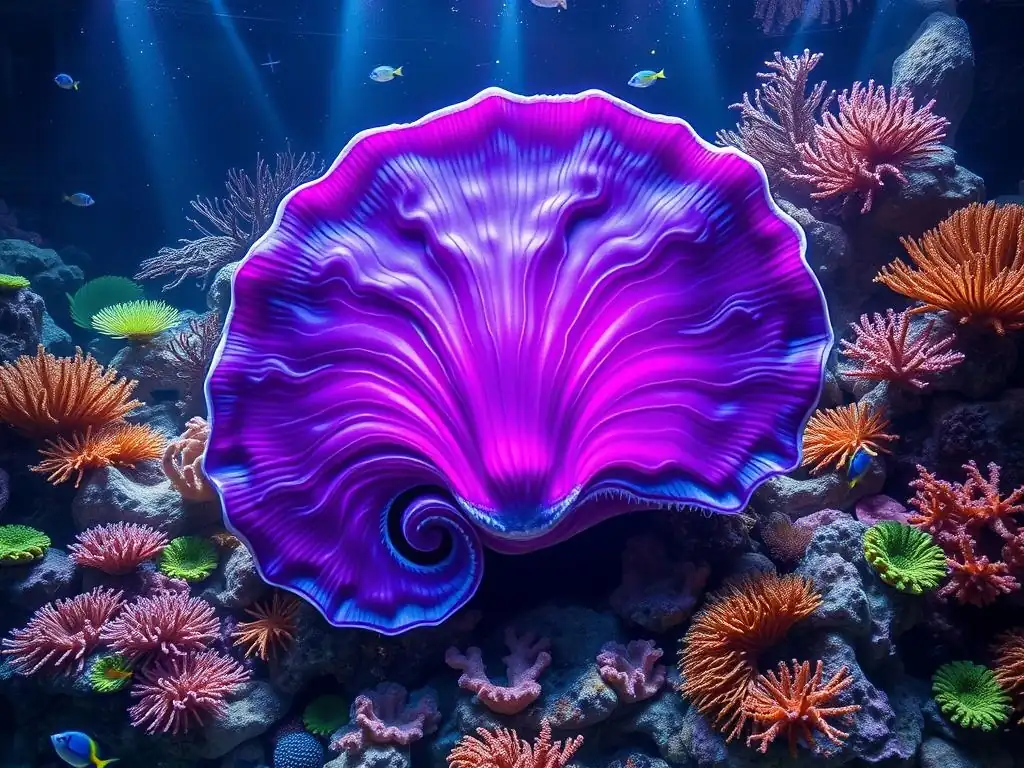
Ever wondered how to unlock the secret to vibrant, thriving Giant Clams in your reef aquarium? Understanding the delicate balance of giant clam lighting flow is crucial. Dive in and discover the essential techniques and tips you need to create the perfect environment for these magnificent creatures. Let's explore the art and science behind keeping these gems of the sea flourishing in your very own saltwater paradise!
- Understanding the Essentials: Giant Clam Lighting & Flow Requirements
- Optimizing Lighting for Your Giant Clam: A Comprehensive Guide
-
Mastering Water Flow for Giant Clams: Key Considerations
- The Importance of Adequate Water Movement for Giant Clam Health
- Types of Water Flow Suitable for Giant Clams: Laminar vs. Turbulent
- Powerheads and Wave Makers: Creating Optimal Flow Patterns
- Placement Matters: Optimizing Flow Around Your Giant Clam
- Avoiding Dead Spots: Ensuring Consistent Water Circulation
- Monitoring and Adjusting Lighting and Flow
- Troubleshooting Common Lighting and Flow Issues in Giant Clam Tanks
- Selecting Giant Clam Species Based on Lighting Needs
- Advanced Techniques for Giant Clam Care
- Ensuring Long-Term Success with Your Giant Clam
- Frequently Asked Questions
- Final Reflection: Illuminating the Path to Reef Harmony
- Ignite Your Reef: Watch Your Clams Thrive!
Understanding the Essentials: Giant Clam Lighting & Flow Requirements
Why Lighting and Flow are Crucial for Giant Clam Health
Giant clams, primarily species from the Tridacna genus, are magnificent additions to any reef aquarium, renowned for their vibrant colors and unique mantle patterns. Their survival and spectacular growth are intricately linked to two fundamental environmental factors: lighting and water flow. The vast majority of a giant clam's energy, estimated to be between 70% and 85%, is derived from the symbiotic relationship it shares with zooxanthellae, photosynthetic algae residing within its mantle tissue.
These algae convert light energy into sugars, providing the clam with vital nutrients. Without adequate and appropriate giant clam lighting, this photosynthetic process falters, leading to starvation and eventual demise.
Beyond photosynthesis, proper water flow plays an equally critical role in a giant clam's well-being. Consistent, gentle flow ensures the delivery of essential dissolved nutrients, such as calcium, alkalinity, and magnesium, which are crucial for shell growth and overall metabolic function. Simultaneously, effective water movement removes metabolic waste products and ensures proper gas exchange, preventing localized areas of oxygen depletion around the clam's tissues.
Insufficient flow can lead to detritus accumulation on the mantle, potentially causing tissue necrosis or bacterial infections, while excessively direct flow can stress the clam, causing it to retract and reduce its feeding efficiency. Thus, mastering giant clam lighting flow is paramount for these invertebrates.
The Relationship Between Light, Flow, and Giant Clam Algae
The zooxanthellae within a giant clam's mantle are specialized to capture light for photosynthesis, converting light energy into carbohydrates that the clam utilizes. The efficiency of this process is directly influenced by the intensity and spectrum of the light provided. The clam extends its mantle to maximize exposure to light, allowing its algal symbionts to thrive.
If the light is too dim, the zooxanthellae cannot produce enough food, and the clam will begin to "bleach" or fade in color as the algae diminish. Conversely, too much light without proper acclimation can cause light shock, damaging the zooxanthellae and leading to similar bleaching symptoms.
Water flow acts as a vital facilitator for this symbiotic relationship. It constantly brings fresh, nutrient-rich water over the clam's mantle, ensuring the zooxanthellae have access to dissolved carbon dioxide and other trace elements necessary for photosynthesis. It also helps to carry away oxygen produced by the algae, preventing saturation that could inhibit further photosynthetic activity.
A gentle, turbulent giant clam lighting flow pattern is ideal, mimicking natural reef conditions where water moves in varied directions. This prevents the clam from being constantly bombarded by a unidirectional current, which can tire it out or prevent it from fully extending its mantle, thereby reducing light absorption and nutrient uptake.
Optimizing Lighting for Your Giant Clam: A Comprehensive Guide
Identifying the Right Light Spectrum for Giant Clams
The specific wavelengths of light are just as important as intensity for giant clam health. Zooxanthellae primarily utilize light in the blue spectrum (ranging from approximately 440 nm to 470 nm) and, to a lesser extent, the red spectrum (around 620 nm to 680 nm) for photosynthesis.
A full-spectrum light source with a strong bias towards blue is generally recommended, as this mimics the deeper penetration of blue light in natural reef environments and also enhances the vibrant, iridescent colors often seen in Tridacna species. Many aquarists aim for a color temperature between 10,000K and 20,000K for optimal clam coloration and growth.
While blue and red light are crucial, excessive amounts of green or yellow light should be avoided, as these wavelengths are less efficiently used by zooxanthellae and can instead fuel the growth of nuisance algae on the clam's shell or within the tank. Balancing the spectrum ensures that the clam's photosynthetic engine is running efficiently, contributing significantly to its overall energy budget. Achieving the correct spectrum, alongside appropriate intensity and giant clam lighting flow, forms the cornerstone of successful Tridacna husbandry.
PAR Levels and Giant Clam Growth: What You Need to Know
PAR, or Photosynthetically Active Radiation, measures the amount of light available for photosynthesis. For giant clams, specific PAR levels are crucial for their survival and growth, varying significantly by species. For example, high-light demanding species like Tridacna maxima often thrive in PAR levels ranging from 200 to 450 µmol·m⁻²·s⁻¹, while Tridacna crocea may prefer lower levels, typically between 100 and 250 µmol·m⁻²·s⁻¹. These values decrease significantly with water depth, meaning a clam placed higher in the tank will receive more PAR than one on the sandbed.
Inadequate PAR levels lead to a pale or "bleached" mantle, as the clam's zooxanthellae population diminishes due to insufficient light. Conversely, excessively high PAR without proper acclimation can cause light shock, leading to mantle retraction, gaping, or even tissue necrosis. Using a PAR meter is the most accurate way to measure light intensity at different depths and positions in your tank, allowing for precise placement of your giant clam to ensure it receives optimal giant clam lighting for its species and individual needs.
Different Lighting Options for Giant Clams: LEDs, Metal Halides, and T5s
Pros and Cons of LED Lighting for Giant Clams
LED (Light Emitting Diode) lighting has become the most popular choice for reef aquariums due to its numerous advantages. LEDs offer exceptional energy efficiency, consuming significantly less power than traditional lighting, which can translate to notable savings on electricity bills. Their customizable spectrum and dimmability allow aquarists to fine-tune the light output to perfectly match the needs of specific giant clam species, adjusting intensity and color channels independently.
Many high-end LED fixtures also offer programmable sunrise/sunset cycles and weather effects, providing a natural lighting rhythm. Furthermore, LEDs have a very long lifespan, often exceeding 50,000 hours, significantly reducing the frequency and cost of bulb replacement. The concentrated light from LEDs can also create a beautiful "shimmer" effect, mimicking sunlight piercing through water.
Despite their advantages, LEDs do have some drawbacks. The initial upfront cost for quality LED fixtures can be substantially higher than other lighting options. While they offer excellent intensity, some cheaper or poorly designed LED units can create "hot spots" of concentrated light, potentially stressing or burning a clam if not properly diffused or positioned.
Additionally, while the spectrum is customizable, ensuring a truly balanced and complete spectrum for all photosynthetic organisms, including diverse giant clam species, requires careful selection and programming of the LED channels. Achieving optimal giant clam lighting flow with LEDs often involves careful placement and programming.
Metal Halides: Still a Viable Option?
Metal Halide (MH) lighting, once the gold standard for reef tanks, remains a viable and highly effective option for growing giant clams, particularly in larger or deeper aquariums. MH lamps are known for their exceptional intensity and deep light penetration, making them ideal for high-light demanding clams like Tridacna derasa positioned lower in the tank. They typically provide a broad, natural-looking spectrum that many aquarists find aesthetically pleasing, closely mimicking natural sunlight. The powerful light output can promote robust growth and vibrant coloration in a wide range of corals and clams.
However, Metal Halide lighting comes with significant considerations. They generate a substantial amount of heat, often necessitating the use of a chiller to maintain stable water temperatures, which adds to energy consumption and equipment cost. Their energy consumption is considerably higher than LEDs. MH bulbs also have a relatively short lifespan, typically requiring replacement every 6 to 12 months to maintain optimal spectrum and intensity, adding to long-term operational costs. Furthermore, MH fixtures offer less control over spectrum and dimmability compared to modern LED units, and their large footprint can be cumbersome in smaller setups.
T5 Lighting: A Balanced Approach
T5 (Fluorescent) lighting offers a balanced and effective approach for giant clam care, providing a middle ground between the high-tech features of LEDs and the raw power of Metal Halides. T5 bulbs allow for excellent spectrum control by mixing various bulb types (e.g., actinic, daylight, purple plus) to create a custom light blend tailored to the needs of giant clams and other photosynthetic invertebrates. They provide a very even light spread across the aquarium, minimizing hot spots and ensuring consistent illumination for all organisms.
T5s generate less heat than Metal Halides and are generally more energy-efficient, though not as much as LEDs. They are also relatively cost-effective for initial setup.
The primary disadvantage of T5 lighting is the need for regular bulb replacement, typically every 9 to 12 months, as their intensity and spectrum degrade over time. While they offer good intensity for many clam species, they may struggle to provide sufficient PAR for the highest light-demanding Tridacna maxima or derasa in very deep tanks unless multiple bulbs are used.
T5 fixtures also have a larger physical footprint compared to sleek LED units and do not offer the same level of dimmability or programmable features, nor do they create the pronounced "shimmer" effect seen with point-source lighting like LEDs or MH.
Acclimation: Introducing Your Giant Clam to High-Intensity Lighting
Introducing a giant clam to a new aquarium, especially one with high-intensity lighting, requires careful acclimation to prevent light shock, which can cause severe stress, mantle retraction, gaping, or even bleaching. Giant clams are highly sensitive to sudden changes in light intensity and spectrum. The most effective method is to start the clam on the sand bed or a lower, shaded area of the tank where light intensity is significantly reduced. This allows the zooxanthellae within the clam's mantle to gradually adjust to the new light environment.
Over a period of two to four weeks, the clam should be slowly moved higher up the rockwork, or if using dimmable LEDs, the light intensity can be gradually increased. For example, increase the intensity by 5-10% every few days, or raise the clam by an inch or two weekly. During this period, close observation of the clam's behavior is crucial.
A healthy clam will fully extend its mantle and show vibrant coloration. Signs of stress, such as constant closing, mantle retraction, or gapping, indicate that the light might be too intense, and the acclimation process needs to be slowed down or the clam moved to a lower-light area. Proper giant clam lighting flow during this period also helps ensure the clam's overall comfort and ability to adapt.
Mastering Water Flow for Giant Clams: Key Considerations
The Importance of Adequate Water Movement for Giant Clam Health
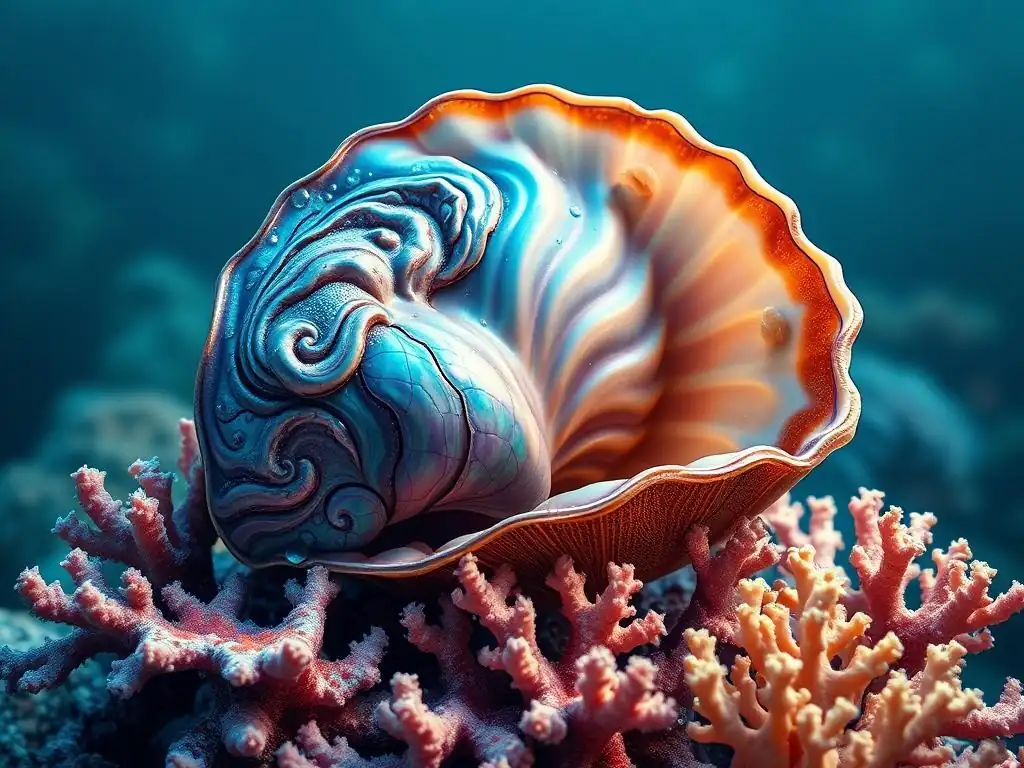
Beyond lighting, adequate water movement is a cornerstone of giant clam health and survival in a reef aquarium. Proper giant clam lighting flow ensures a continuous supply of vital dissolved gases, primarily oxygen for respiration and carbon dioxide for zooxanthellae photosynthesis, to the clam's mantle tissues. It also efficiently removes metabolic waste products, such as excess oxygen and other byproducts of cellular processes, preventing their accumulation which could create localized toxic environments.
Furthermore, water flow is essential for nutrient delivery. It brings calcium, alkalinity, and trace elements, critical for shell growth, directly to the clam's surface. For clams that supplement their diet through filter feeding, flow delivers suspended particulate matter and phytoplankton. Crucially, consistent water movement prevents detritus and sediment from settling on the clam's delicate mantle, which can lead to irritation, bacterial infections, or even tissue necrosis. Without proper giant clam lighting flow, the clam's ability to photosynthesize, respire, and grow is severely compromised, making it susceptible to disease and decline.
Types of Water Flow Suitable for Giant Clams: Laminar vs. Turbulent
When considering water flow for giant clams, understanding the distinction between laminar and turbulent flow is critical. Laminar flow is characterized by smooth, unidirectional currents, often produced by a single, direct powerhead pointed at an object. While some organisms might tolerate this, giant clams generally do not thrive under constant, direct laminar flow. Such persistent pressure can stress the clam, preventing it from fully extending its mantle or causing it to close frequently, thereby reducing its photosynthetic and feeding efficiency. It can also lead to uneven tissue development or damage over time.
In contrast, turbulent or chaotic flow patterns, which mimic the natural surge and ebb of a real reef environment, are far more beneficial for giant clams. This type of flow is characterized by varied, indirect, and oscillating currents that constantly change direction. Turbulent flow ensures that all parts of the clam's mantle receive fresh water and nutrients without constant direct pressure. It also helps to keep detritus suspended, preventing it from settling on the clam. Achieving this kind of varied giant clam lighting flow often requires multiple powerheads or wavemakers strategically placed throughout the aquarium.
Powerheads and Wave Makers: Creating Optimal Flow Patterns
To achieve the ideal turbulent flow for giant clams, aquarists typically employ a combination of powerheads and wave makers. Standard powerheads provide a consistent, directional flow, which can be useful for general circulation but should not be aimed directly at the clam. For creating the desired chaotic and indirect flow patterns, wave makers or gyre pumps are far more effective. Devices like propeller pumps (e.g., Ecotech Marine Vortechs, Maxspect Gyres, Jebao OW series) are designed to move large volumes of water broadly and gently, creating wide, dispersed flow rather than a narrow, intense jet.
Strategic placement of these devices is crucial. Instead of one large pump creating a strong, direct current, it is often better to use multiple smaller pumps to create opposing or oscillating flows. This setup generates the varied, turbulent water movement that giant clams thrive in, ensuring that nutrients are delivered and waste is removed from all angles of the clam's mantle without causing undue stress. The goal is a gentle "waving" or "rattling" of the clam's mantle, not forceful flapping. Optimizing giant clam lighting flow involves not just the right equipment, but also its intelligent arrangement.
Placement Matters: Optimizing Flow Around Your Giant Clam
The placement of your giant clam within the aquarium is just as critical as the type of flow equipment you use. To optimize water movement, avoid placing clams directly in the path of a strong, laminar flow from a powerhead, return pump, or wave maker. Instead, position the clam where it receives indirect, turbulent flow. This means the currents should be circulating around the clam, gently washing over its mantle from multiple directions, rather than blasting it from a single source.
Consider the overall water movement in your tank and identify areas with good, varied circulation. These are typically mid-level to upper-level rockwork locations, depending on the clam's specific light requirements. Observe how detritus settles around your clam; if particles accumulate on its shell or mantle, it's a clear sign of insufficient local flow, indicating a need to adjust powerhead angles or add another small pump nearby. Proper placement ensures that the clam benefits from the enhanced giant clam lighting flow without being subjected to damaging stress.
Avoiding Dead Spots: Ensuring Consistent Water Circulation
"Dead spots" in a reef aquarium are areas where water movement is minimal or stagnant. These zones are detrimental to giant clams and the overall health of the reef system. In dead spots, waste products can accumulate, leading to localized areas of low oxygen, elevated nitrates and phosphates, and the settling of detritus on the clam's mantle. This can foster the growth of nuisance algae on the clam's shell, block light, and create an environment ripe for bacterial infections or tissue degradation.
To avoid dead spots, it's essential to ensure consistent and varied water circulation throughout the entire aquarium, including around and behind rockwork structures where clams might be placed. This often requires multiple powerheads or a gyre pump strategically positioned to create overlapping flow patterns that reach every corner of the tank. Periodically observing the movement of detritus or small particles in the water column can help identify stagnant areas. Addressing dead spots is a critical component of providing optimal giant clam lighting flow, ensuring that these sensitive invertebrates receive the continuous exchange of water they need to thrive.
Monitoring and Adjusting Lighting and Flow
Observing Your Giant Clam's Behavior: Signs of Stress or Health
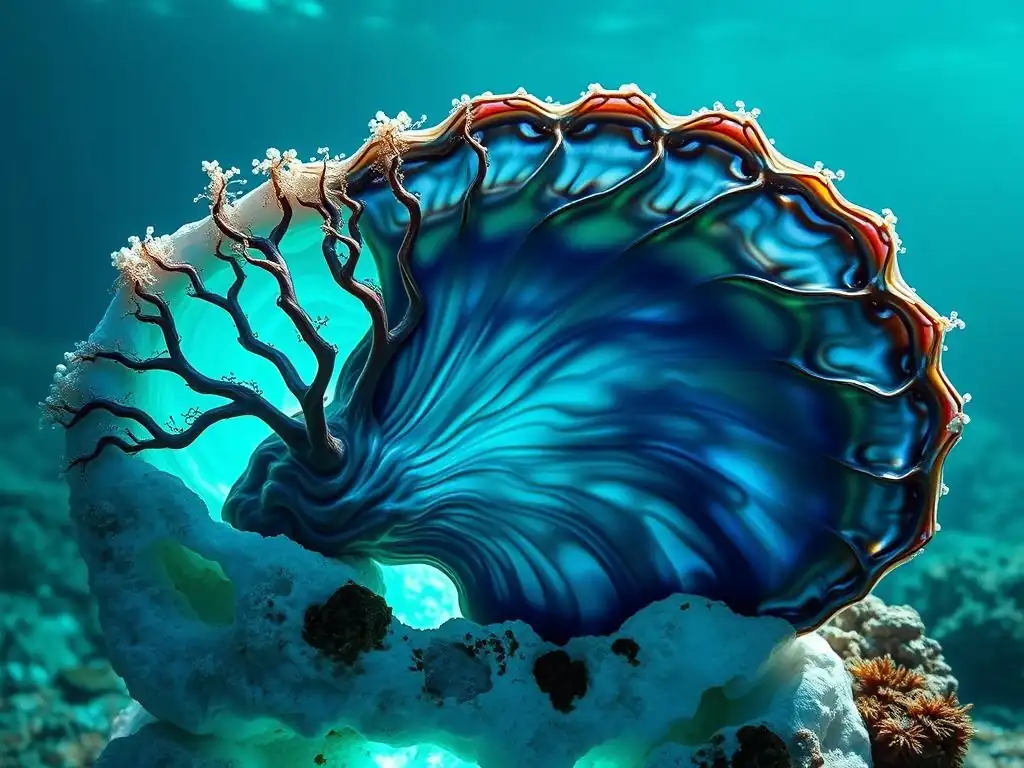
A giant clam's behavior and appearance are excellent indicators of its health and whether its lighting and flow conditions are optimal. A healthy, happy giant clam will typically have its mantle fully extended, often displaying vibrant coloration and intricate patterns. It should also react to shadows or sudden movements by slowly retracting its mantle, a natural defense mechanism. Consistent, full extension of the mantle signifies that the clam is comfortable with its light intensity and water flow.
Conversely, signs of stress include a mantle that is constantly retracted or not fully extended, frequent closing of the shell, or "gaping" where the shell does not fully close. A pale or bleached mantle often indicates insufficient light or light shock. If the mantle appears shriveled or is receding from the shell edges, it could point to issues with either flow (too strong or too weak), lighting (too intense or too dim), or underlying water quality problems. Regular daily observation allows for prompt identification of these signs, enabling timely adjustments to giant clam lighting flow or other parameters.
Testing Your Water Parameters: Maintaining Ideal Conditions
While giant clam lighting flow is paramount, it functions in conjunction with stable and optimal water chemistry. Giant clams require specific water parameters to calcify and grow their shells. Regular testing for alkalinity (aiming for 8-12 dKH), calcium (400-450 ppm), and magnesium (1300-1400 ppm) is crucial, as these are the primary building blocks for shell formation. Stable levels are more important than hitting exact numbers, as rapid fluctuations can be highly stressful.
Additionally, monitoring nitrate and phosphate levels is vital. While clams utilize some nutrients, high levels (nitrates over 10 ppm, phosphates over 0.03 ppm) can encourage nuisance algae growth on the clam's shell, blocking light absorption. Regular water changes and the use of phosphate removers or carbon dosing can help maintain low nutrient levels. Maintaining ideal water parameters creates a foundation upon which proper giant clam lighting flow can truly support a thriving clam.
Adjusting Light Intensity and Flow Based on Clam Response
Making adjustments to light intensity and water flow should always be done gradually and based on the clam's observed response. If a clam shows signs of light stress, such as bleaching or constant retraction, first confirm water parameters are stable. If they are, then reduce light intensity (e.g., dimming LEDs by 10-20% or moving the clam lower in the tank) and observe for several days. If the clam starts to extend more fully and regain color, you've likely found the cause.
Similarly, if the clam is not fully extending its mantle or if detritus is accumulating on its shell, it may indicate insufficient flow. Gradually increase the flow (e.g., adjusting powerhead direction or increasing pump strength by a small increment) or add another small pump to create more indirect turbulent flow. Avoid drastic changes, as these can shock the clam. Small, incremental adjustments over several days or even a week are far more effective and safer for maintaining the delicate balance required for optimal giant clam lighting flow.
Troubleshooting Common Lighting and Flow Issues in Giant Clam Tanks
Pale Mantle: Potential Causes and Solutions
A pale or bleached mantle in a giant clam is a common and concerning sign, primarily indicating stress related to lighting. The vibrant colors of the clam's mantle come from its symbiotic zooxanthellae, and a loss of color means these algae are diminishing or stressed. The most frequent cause is insufficient light (low PAR), where the clam isn't receiving enough energy for its zooxanthellae to thrive. It can also be caused by light shock if a clam accustomed to lower light is suddenly exposed to very high intensity without proper acclimation, leading to damage to the zooxanthellae.
To address a pale mantle, first verify your light intensity using a PAR meter if possible, ensuring it meets the specific needs of your clam species (e.g., Tridacna maxima typically needs 250-450 PAR). If PAR is low, consider increasing light intensity gradually or moving the clam to a higher position in the tank. If light shock is suspected, provide temporary shading or move the clam to a lower, less intense area for a period of acclimation.
Ensuring correct light spectrum, particularly sufficient blue light, is also crucial. Proper giant clam lighting flow helps maintain overall clam health, but light intensity is usually the direct culprit for a pale mantle.
Receding Mantle: Addressing Flow and Lighting Deficiencies
Mantle recession, where the delicate mantle tissue pulls back from the edge of the clam's shell, is a severe symptom of prolonged stress and can indicate a variety of underlying problems, often related to flow or lighting. Excessive, direct, and turbulent flow can physically damage the mantle tissue over time, causing it to retract in an attempt to protect itself.
Conversely, insufficient flow can lead to detritus accumulation on the mantle, irritating the tissue and potentially leading to bacterial infections, which also manifest as recession. Extreme lighting conditions, either too much or too little, can also contribute to mantle recession as the clam struggles to photosynthesize effectively.
To mitigate mantle recession, thoroughly evaluate your giant clam lighting flow. First, ensure water flow is turbulent and indirect, avoiding any strong, constant jets aimed directly at the clam. If detritus is accumulating, increase overall tank circulation to prevent settling.
Next, assess your lighting; if the clam is gapping or closing frequently, the light might be too intense, requiring a reduction in PAR or a period of acclimation. If the mantle is pale alongside recession, insufficient light might be the issue. Beyond flow and light, check for pests like pyramid snails (a common clam predator) and ensure all water parameters (calcium, alkalinity, magnesium, nitrates, phosphates) are stable and optimal.
Slow Growth: Optimizing Light and Nutrient Levels
Slow growth in a giant clam, particularly a lack of new shell material being added at the edges, can be a frustrating issue for aquarists. While shell growth is directly dependent on the availability of calcium, alkalinity, and magnesium in the water, the energy required for this calcification process largely comes from the clam's symbiotic zooxanthellae through photosynthesis. Therefore, insufficient light (low PAR) is a primary reason for stunted growth, as the clam simply doesn't have enough energy to build new shell.
To stimulate growth, first ensure that your giant clam lighting flow is providing optimal PAR levels for your specific clam species. Increase light intensity gradually if necessary. Second, meticulously test and maintain stable calcium (400-450 ppm), alkalinity (8-12 dKH), and magnesium (1300-1400 ppm) levels. These elements are consumed as the clam grows, so consistent supplementation is vital. In ultra-low nutrient systems, or for very large clams, target feeding with phytoplankton can provide additional energy. Ensuring proper nutrient levels, alongside adequate giant clam lighting, provides the building blocks and energy necessary for robust growth.
Algae Growth on the Shell: Improving Water Quality and Flow
The presence of nuisance algae (such as diatoms, hair algae, or cyanobacteria) growing on a giant clam's shell is unsightly and detrimental to its health. This algae layer can physically block light from reaching the clam's mantle, inhibiting photosynthesis and potentially leading to stress or paling. Algae growth on the shell is almost always an indicator of elevated nutrient levels (nitrates and phosphates) in the aquarium water, often compounded by insufficient water flow directly over the shell.
To combat algae on the shell, the primary focus should be on reducing nutrient levels in the water column through regular, consistent water changes (e.g., 10-20% weekly or bi-weekly), careful feeding practices to avoid overfeeding, and the use of nutrient export methods like GFO (granular ferric oxide) or carbon dosing. Simultaneously, improve water flow around the clam. Ensure that turbulent, indirect currents wash over the entire shell surface, preventing detritus from settling and providing enough movement to discourage algal attachment.
Gently brushing the clam's shell with a soft toothbrush during water changes can also help remove existing algae, but extreme care must be taken not to damage the delicate mantle or foot. Achieving optimal giant clam lighting flow helps prevent detritus accumulation that fuels algae.
Selecting Giant Clam Species Based on Lighting Needs
High-Light Clams: Tridacna derasa, Tridacna maxima
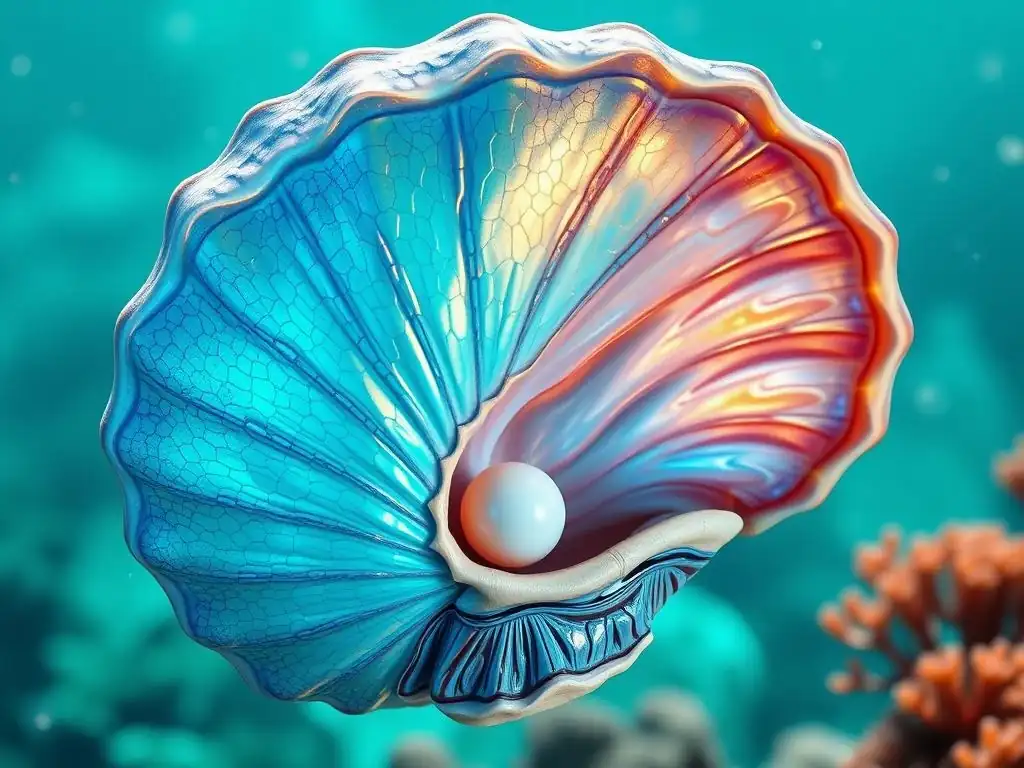
For aquarists with high-intensity lighting systems, Tridacna derasa (Derasa Clam) and Tridacna maxima (Maxi Clam) are excellent choices. Tridacna maxima is particularly renowned for its incredibly diverse and vibrant mantle patterns and colors, often displaying brilliant blues, greens, and golds. It is a smaller clam species but demands very high PAR levels, typically thriving in the range of 250 to 450+ µmol·m⁻²·s⁻¹.
Maxi clams are best placed in the upper to mid-sections of a well-lit reef tank to ensure they receive adequate light for their highly photosynthetic lifestyle. They also require strong, turbulent water flow to support their high metabolic rates.
Tridacna derasa is one of the largest giant clam species commonly kept in aquariums, capable of reaching impressive sizes (up to 2 feet in the wild). While large, it also requires significant light, generally preferring PAR levels between 200 and 400+ µmol·m⁻²·s⁻¹. Due to their size potential, derasa clams are often placed on the sand bed in very brightly lit tanks or on lower rockwork in moderately lit setups. Both maxima and derasa benefit immensely from robust and varied giant clam lighting flow to ensure optimal health and growth.
Moderate-Light Clams: Tridacna squamosa
Tridacna squamosa, commonly known as the Squamosa Clam, is characterized by its prominent, often decorative, scutes (large, leaf-like scales) on its shell, which can provide shelter for small invertebrates in the wild. This species is generally considered to have moderate light requirements compared to maxima or derasa, thriving in PAR levels typically ranging from 150 to 300 µmol·m⁻²·s⁻¹. This makes the Squamosa Clam a more adaptable choice for a wider range of reef tank setups, suitable for placement in the mid-to-lower sections of tanks with moderate to high lighting.
Despite their moderate light needs, Tridacna squamosa still benefits from strong, yet indirect, water flow. The flow is crucial for delivering nutrients, aiding in gas exchange, and preventing detritus from settling on their mantle and between their prominent scutes. While they may not demand the absolute highest PAR, providing sufficient giant clam lighting flow ensures their overall vitality and allows them to display their full mantle extension and unique shell characteristics.
Lower-Light Clams: Tridacna crocea
Tridacna crocea, known as the Crocea Clam, is the smallest of the Tridacna species commonly found in the aquarium trade, rarely exceeding 6 inches in length. It is unique among the group for being a "boring" clam, meaning it naturally burrows into live rock or coral skeletons using its foot, creating a depression to anchor itself and protect its vulnerable shell. This behavior, in part, contributes to its slightly lower light requirements compared to its larger cousins, typically thriving in PAR levels between 100 and 250 µmol·m⁻²·s⁻¹. They are often found in crevices or lower parts of the reef.
While crocea clams can tolerate somewhat lower light, they still require strong, turbulent water flow around their exposed mantle. This flow is essential for their filter-feeding activities and for ensuring proper gas exchange. Despite their preference for slightly less intense light, a healthy Tridacna crocea will still display vibrant colors when properly cared for. Ensuring adequate giant clam lighting flow, even at these lower PAR levels, is key to their long-term health and growth within a reef aquarium.
Advanced Techniques for Giant Clam Care
Supplementing with Trace Elements for Enhanced Growth
While calcium, alkalinity, and magnesium are the primary building blocks for a giant clam's shell, trace elements also play a subtle yet significant role in their overall health and growth. Elements such as iodine, strontium, and iron are utilized by clams in various metabolic processes, including calcification and the health of their symbiotic zooxanthellae. In heavily stocked reef tanks or those with aggressive nutrient export, these trace elements can become depleted over time, potentially impacting clam vitality and growth.
Regular, small-scale supplementation of a balanced trace element solution can be beneficial. However, caution is advised, as overdosing can be harmful to clams and other invertebrates. Many high-quality salt mixes provide sufficient initial levels of these elements. Aquarists considering trace element dosing should research specific clam supplements and follow manufacturer guidelines precisely, or ideally, test for specific trace elements if their testing kits allow. Ensuring stable primary parameters alongside optimal giant clam lighting flow should always take precedence over trace element dosing.
Target Feeding and Nutrient Management for Giant Clams
Although giant clams primarily derive their energy from photosynthesis, they are also effective filter feeders, capable of consuming phytoplankton, zooplankton, and other suspended particulate matter from the water column. In ultra-low nutrient systems (ULNS), where nitrates and phosphates are kept near undetectable levels, or for very large clams with high metabolic demands, their filter feeding capabilities may become a more significant source of supplemental nutrition. Target feeding with commercially available phytoplankton or marine snow can provide additional energy and nutrients that might be scarce in a pristine reef tank.
When target feeding, introduce food slowly and in small amounts to avoid fouling the water. Direct the food gently towards the clam's mantle or siphon opening during periods of full extension. This approach is particularly useful for clams that appear to be struggling, showing slow growth, or maintaining a pale mantle despite optimal giant clam lighting flow and stable primary water parameters. It's a way to provide a caloric boost, but it should not replace the foundational requirements of proper light and water chemistry.
Maintaining Proper Calcium and Alkalinity Levels
The continuous and stable supply of calcium and alkalinity is non-negotiable for the long-term success of giant clams. These two elements are the fundamental building blocks for their massive calcium carbonate shells. Giant clams are prolific calcifiers, constantly drawing these elements from the water to grow, especially in their active growth phase. Fluctuations in calcium and alkalinity levels can cause significant stress, inhibit shell growth, and even lead to tissue recession or death. Aquarists should aim for calcium levels of 400-450 ppm and alkalinity between 8-12 dKH, with minimal daily swings.
To maintain these critical parameters, various methods can be employed, including regular dosing of two-part calcium and alkalinity solutions, the use of kalkwasser (limewater), or the installation of a calcium reactor for larger, more demanding systems. The chosen method should be consistent and capable of keeping pace with the clam's consumption. Daily or weekly testing, depending on the tank's maturity and bioload, is essential to monitor consumption and adjust dosing accordingly. Stable giant clam lighting flow, coupled with stable calcium and alkalinity, creates the ideal environment for these magnificent invertebrates.
Ensuring Long-Term Success with Your Giant Clam
Regular Maintenance and Observation
Long-term success with giant clams hinges on consistent and meticulous aquarium maintenance combined with vigilant observation. This includes performing regular water changes (e.g., 10-20% bi-weekly) to replenish trace elements and reduce nutrient buildup, cleaning filtration systems, and routinely testing all essential water parameters. Beyond these technical tasks, daily visual checks of your giant clam's appearance and behavior are paramount. Look for signs of full mantle extension, vibrant coloration, and a reactive siphon.
Early detection of any changes – such as a pale mantle, constant closing, or signs of recession – allows for prompt investigation and adjustment, preventing minor issues from escalating into serious problems. A thriving giant clam is a clear indicator of a well-balanced and healthy reef ecosystem, demonstrating that all critical factors, from water quality to giant clam lighting flow, are being met. Consistent care and attentiveness are the most powerful tools for ensuring your clam's prosperity.
Avoiding Common Mistakes with Giant Clam Care
Several common mistakes can jeopardize the health of giant clams in a reef aquarium. One frequent error is introducing a clam to an immature or unstable tank; giant clams thrive in established systems with consistent water parameters. Another is rapid changes in light or flow; clams are highly sensitive to sudden environmental shifts, often reacting with severe stress or bleaching.
Placing a clam on unstable rockwork, where it might fall and injure its foot or shell, is also a common oversight. Furthermore, neglecting to research the specific light and flow requirements of a particular Tridacna species before purchase can lead to an unsuitable environment.
Perhaps one of the most insidious mistakes is overlooking specific clam predators, most notably pyramid snails ( Pyramidella species), which are tiny, parasitic snails that feed on clam tissue, causing slow decline. Regular night-time inspections of the clam's shell, particularly near the foot, can help identify and remove these pests. Patience, gradual adjustments, and continuous education are key to avoiding these pitfalls and ensuring the long-term success of your giant clam.
The Rewards of a Thriving Giant Clam in Your Reef Tank.
The effort and dedication invested in providing optimal giant clam lighting flow, stable water parameters, and diligent care are profoundly rewarded by the presence of a thriving giant clam in your reef aquarium. These magnificent invertebrates are living jewels, adding unparalleled beauty, dynamic color, and intricate patterns to the aquatic landscape. Their iridescent mantles, which shimmer and pulse with light, create a captivating focal point that draws the eye and transforms the entire tank into a vibrant, living art piece.
Witnessing a giant clam extend its full, colorful mantle, displaying robust growth, and reacting healthily to its environment is an incredibly satisfying experience for any aquarist. A thriving Tridacna clam is not just an aesthetic marvel; it serves as a powerful testament to a well-maintained and balanced reef ecosystem. It signifies that the delicate balance of light, water movement, water chemistry, and overall husbandry has been successfully achieved, culminating in a truly spectacular and rewarding display.
Frequently Asked Questions
How much light do Giant Clams really need?
Giant clams require intense lighting, typically provided by metal halides or high-output LEDs. They rely on symbiotic algae within their tissues for sustenance, making adequate light crucial for their survival and growth.
What kind of water flow is best for Giant Clams?
Giant clams benefit from moderate, turbulent water flow. This flow helps deliver nutrients and oxygen while also removing waste products. Avoid direct, blasting flow, which can stress the clam.
What are the signs of insufficient lighting or flow for a Giant Clam?
Signs include a pale mantle, slow growth, and failure to extend. In severe cases, the clam may retract its mantle entirely or even show signs of tissue recession.
Can I keep a Giant Clam in a beginner reef tank?
Generally, Giant Clams are not recommended for beginner reef tanks. They are sensitive to water parameters and require experienced aquarists to maintain their specific needs for lighting, flow, and water quality.
What other factors besides lighting and flow are important for Giant Clam health?
Besides lighting and flow, stable water parameters (calcium, alkalinity, magnesium), proper feeding, and absence of pests are essential. Regular water testing and maintenance are also crucial for their long-term health.
Final Reflection: Illuminating the Path to Reef Harmony
The intricate dance between lighting and flow, as we've explored in the context of giant clam husbandry, extends far beyond the confines of a reef aquarium. It serves as a potent reminder of the delicate balance inherent in all ecosystems, both natural and artificial. Understanding and replicating these conditions is not merely about keeping clams alive; it's about fostering a thriving microcosm that reflects the beauty and complexity of the ocean itself.
The pursuit of optimal conditions for these magnificent creatures has profoundly shaped my understanding of reef keeping, pushing me to observe, adapt, and appreciate the subtle nuances of this underwater world. This journey has underscored the interconnectedness of all elements within a reef system, highlighting the importance of holistic care and mindful intervention. In nature, nothing exists alone.
- Rachel Carson. This quote perfectly encapsulates the essence of reef keeping, reminding us that every action has a ripple effect, impacting the entire ecosystem.
Now, consider how the principles of balance and harmony, so crucial for the survival of giant clams, can be applied to other aspects of your life. Just as adequate lighting and flow are essential for their well-being, what are the vital elements that nourish your growth and allow you to flourish? Take a moment to reflect on the "lighting and flow" in your own life, and identify areas where you can cultivate a more balanced and thriving environment.
Ignite Your Reef: Watch Your Clams Thrive!
Thanks for diving into the world of giant clam care! We hope you've gained some insightful knowledge to ensure these magnificent creatures flourish in your reef aquarium. Now, let's put that knowledge into action!
- Start Today: Carefully reposition your clam to optimize its lighting and flow based on what you've learned, and meticulously record your observations.
- Join the Conversation: Share a picture of your giant clam in our forum, or on social media!
- Uncover Hidden Gems: Research uncommon clam species and see if any of them might be a good fit for a future project.
What unique lighting or flow strategy will you use to give your giant clams that extra edge?