
Harlequin Rasbora vs. Lambchop Rasbora: Subtle Differences, Big Impact

Welcome to Aquarium Mastery!
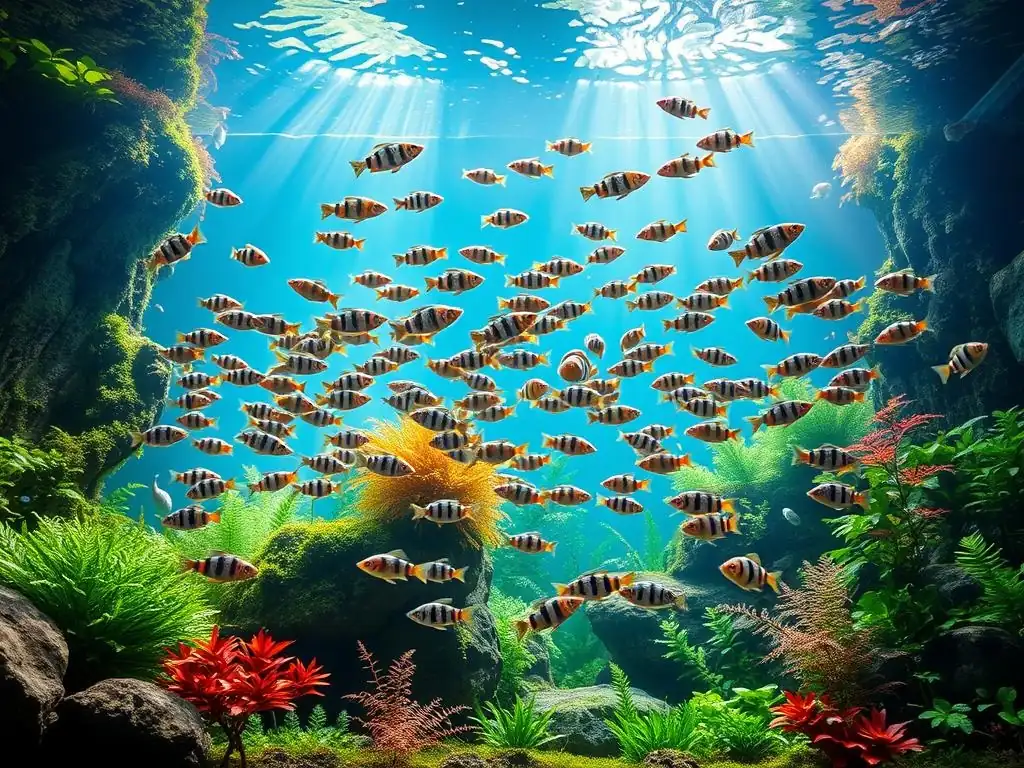
Ever wondered if you're really telling your Harlequin Rasbora apart from its Lambchop cousin? These strikingly similar fish can add a splash of color to any freshwater tank, but understanding their nuances is key to their health and happiness. Dive into our guide to discover essential Harlequin Rasbora care tips and unravel the subtle differences that make each species unique. Ready to become a true Aquarium Master? Let's get started!
- Understanding the Appeal of Small Schooling Cyprinids
- Harlequin Rasbora Care Tips: A Comprehensive Guide
- Lambchop Rasbora Care: Essential Information for Aquarists
- Harlequin Rasbora vs. Lambchop Rasbora: Key Differences
- Aquarium Setup: Replicating Their Natural Habitat
- Harlequin Rasbora Tank Mates: Choosing Compatible Species
- Lambchop Rasbora Tank Mates: Building a Harmonious Community
- Breeding Harlequin and Lambchop Rasboras: A Challenging but Rewarding Endeavor
- Common Health Issues and Prevention
- Advanced Harlequin Rasbora Care: Beyond the Basics
- Advanced Lambchop Rasbora Care: Maximizing Their Wellbeing
- Conclusion: Choosing the Right Rasbora for Your Aquarium
-
Frequently Asked Questions
- What are the key differences between Harlequin Rasboras and Lambchop Rasboras?
- What are the ideal water parameters for Harlequin Rasboras?
- What should I feed my Harlequin Rasboras to ensure they stay healthy?
- How many Harlequin Rasboras should I keep together in a tank?
- What are some common health problems that can affect Harlequin Rasboras, and how can I prevent them?
- Final Reflection: Appreciating the Nuances of Aquatic Life
- Dive Deeper: Start Your Rasbora Adventure Today!
Understanding the Appeal of Small Schooling Cyprinids
The Popularity of Rasboras in Freshwater Aquariums
Rasboras, a diverse group of small cyprinids, have long been a cornerstone of the freshwater aquarium hobby, cherished for their vibrant colors, peaceful demeanor, and schooling behavior. Species like the Harlequin Rasbora (scientific name: Trigonostigma heteromorpha) are particularly sought after, often being among the first fish recommended for new aquarists due to their hardiness and relatively straightforward care requirements. Their popularity is evident in their widespread availability in pet stores globally, with millions sold annually to populate community tanks.
The appeal of rasboras extends beyond their aesthetic qualities; they play a vital role in the aquarium ecosystem, often occupying the mid-water column and adding dynamic movement to the tank. Their small size, typically ranging from 1 to 2 inches, makes them ideal for nano tanks as well as larger community setups, allowing aquarists to maintain sizable schools of 8-10 individuals or more. This schooling instinct, a natural defense mechanism in the wild, translates into a captivating display of synchronized swimming within the confines of an aquarium.
Why Choose Harlequin or Lambchop Rasboras?
Harlequin Rasboras and Lambchop Rasboras ( Trigonostigma espei), while often confused due to their similar appearance and shared genus, offer distinct yet equally compelling reasons for their inclusion in a home aquarium. Both species are renowned for their peaceful nature, making them excellent candidates for community tanks alongside other non-aggressive fish like small tetras, corydoras, and dwarf gouramis. Their calm disposition ensures they won't harass tank mates, contributing to a harmonious aquatic environment.
Choosing between these two depends on subtle preferences in coloration, size, and the specific aesthetic desired for the aquarium. The Harlequin Rasbora, with its distinctive black triangular patch and striking reddish-orange body, provides a bold splash of color. In contrast, the Lambchop Rasbora, often exhibiting a more coppery-orange hue and a unique "lambchop" shaped marking, offers a slightly more subdued yet equally beautiful presence. Both are excellent choices for aquarists looking to add active, schooling fish that are relatively easy to care for, provided proper Harlequin rasbora care tips and general rasbora husbandry are followed.
Harlequin Rasbora Care Tips: A Comprehensive Guide
Optimizing Tank Conditions for Harlequin Rasboras
Providing optimal tank conditions is paramount for the health and vitality of Harlequin Rasboras. These fish thrive in stable environments that mimic their natural blackwater habitats found in Southeast Asia, particularly in slow-moving streams and peat swamps of Malaysia, Thailand, and Singapore. A minimum tank size of 10 gallons is recommended for a small school of 6-8 individuals, though a 20-gallon long tank is preferable to allow ample swimming space and accommodate a larger, more natural school, enhancing their schooling behavior and overall well-being.
Key water parameters for Harlequin Rasboras include a temperature range of 73-82°F (23-28°C), a slightly acidic to neutral pH of 6.0-7.5, and soft water with a general hardness (GH) between 5-12 dGH. Maintaining these parameters consistently is a crucial aspect of Harlequin rasbora care tips. Regular water changes of 20-25% weekly are essential to keep nitrate levels low (ideally below 20 ppm) and ensure water purity, preventing stress and disease. Strong filtration, such as a hang-on-back or canister filter, is necessary, but the outflow should be baffled to create gentle water movement, as these fish prefer calm waters.
Harlequin Rasbora Diet and Feeding Habits
A varied and balanced diet is fundamental to providing the best Harlequin rasbora care, promoting vibrant coloration and robust health. In their natural habitat, Harlequin Rasboras are omnivores, primarily feeding on small insects, insect larvae, zooplankton, and some plant matter. In the aquarium, their diet should reflect this diversity to ensure they receive all necessary nutrients.
High-quality flake food or micro-pellets formulated for small tropical fish should form the staple of their diet. Supplementing this with live or frozen foods such as brine shrimp, daphnia, bloodworms, and grindal worms 2-3 times a week will provide essential proteins, vitamins, and minerals. Feeding should occur 2-3 times daily, offering small amounts that can be consumed within 2-3 minutes to prevent overfeeding and water fouling. Observing their feeding behavior will help adjust portions; a slight rounding of their belly after eating indicates sufficient intake.
Maintaining Water Quality for Healthy Harlequin Rasboras
Consistent water quality is arguably the most critical component of effective Harlequin rasbora care tips. Poor water quality is a leading cause of stress and disease in aquarium fish. Beyond regular water changes and appropriate filtration, understanding the nitrogen cycle is vital. Ammonia and nitrite should always be at 0 ppm, while nitrates should be kept as low as possible through routine maintenance.
Testing water parameters weekly or bi-weekly with a reliable liquid test kit allows aquarists to monitor pH, ammonia, nitrite, and nitrate levels accurately. If parameters deviate significantly, immediate corrective actions, such as larger water changes or addressing overfeeding, are necessary. Additionally, the use of water conditioners that remove chlorine and chloramines from tap water, along with beneficial bacteria supplements, can help maintain a stable and healthy aquatic environment, crucial for the long-term well-being of Harlequin Rasboras.
Lambchop Rasbora Care: Essential Information for Aquarists
Creating the Ideal Habitat for Lambchop Rasboras
Lambchop Rasboras, also known as Espei Rasboras, thrive in an environment that closely mimics their wild habitat, which typically consists of slow-moving blackwater streams and swamps in parts of Southeast Asia, particularly Thailand and Cambodia. Similar to Harlequins, they prefer densely planted tanks with plenty of hiding spots and open swimming areas. A minimum tank size of 10 gallons is suitable for a small school of 6-8 individuals, but a 20-gallon or larger aquarium is highly recommended to allow for a more substantial school and to minimize stress, enhancing their schooling behavior.
The substrate should ideally be dark, such as fine gravel or sand, which helps to highlight their coppery coloration and reduces reflections that can stress them. Driftwood, root structures, and leaf litter (like Indian almond leaves) can be added to release tannins, creating a natural blackwater effect and providing beneficial humic substances, which are known to enhance their health and coloration. Densely planted areas with species like Java Fern, Anubias, and various stem plants offer crucial cover and a sense of security for these often-skittish fish.
Lambchop Rasbora Feeding Guide: Ensuring a Balanced Diet
A balanced and varied diet is key to the health and vibrant coloration of Lambchop Rasboras. As omnivores, their natural diet consists of small invertebrates, insect larvae, and some algae. In the aquarium, their feeding regimen should replicate this diversity to ensure they receive all necessary nutrients.
High-quality micro-pellets or flake foods specifically designed for small tropical fish should form the cornerstone of their daily intake. To supplement this, offering live or frozen foods such as daphnia, brine shrimp, and micro-worms 2-3 times per week is highly beneficial. These protein-rich foods not only provide essential nutrients but also stimulate their natural hunting instincts. Feed small amounts 2-3 times a day, only what they can consume within a few minutes, to prevent overfeeding and maintain pristine water quality.
Water Parameters for Thriving Lambchop Rasboras
Maintaining precise and stable water parameters is crucial for the long-term health of Lambchop Rasboras. They prefer soft, acidic water, mirroring their natural blackwater environments. The ideal temperature range is between 72-80°F (22-27°C), with a pH level of 5.5-7.0. General hardness (GH) should be kept low, ideally between 2-8 dGH.
Regular water testing using a reliable liquid test kit is essential to monitor ammonia, nitrite, and nitrate levels. Ammonia and nitrite should always be at 0 ppm, while nitrates should be kept below 20 ppm through consistent weekly water changes of 20-25%. A gentle filtration system, such as a sponge filter or a baffled hang-on-back filter, is recommended to provide adequate filtration without creating strong currents, which these fish dislike. The addition of peat or Indian almond leaves can help maintain the desired soft, acidic water conditions and provide beneficial tannins.
Harlequin Rasbora vs. Lambchop Rasbora: Key Differences
Appearance and Identification: Spotting the Subtle Variations
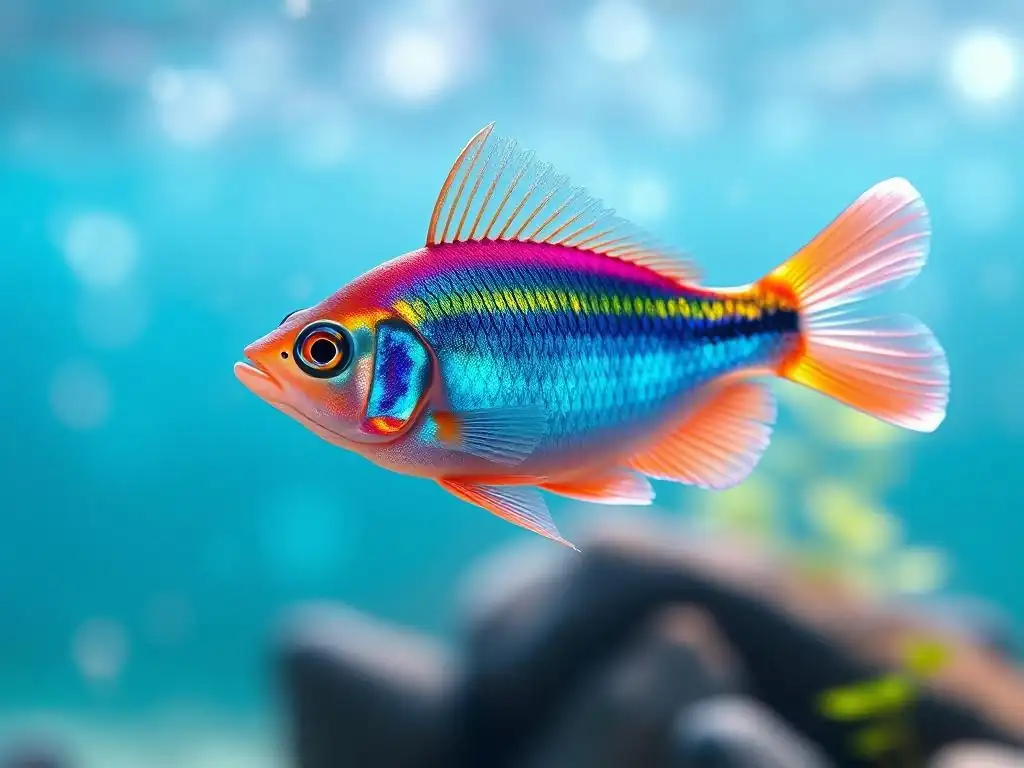
While Harlequin and Lambchop Rasboras share a similar body shape and schooling behavior, their distinctive markings and coloration provide clear identification cues for the observant aquarist. Both belong to the Trigonostigma genus, characterized by a triangular or wedge-shaped body patch, but the specifics of this patch are key.
Harlequin Rasbora Distinctive Markings
The Harlequin Rasbora ( Trigonostigma heteromorpha) is famously recognized by its prominent, jet-black, wedge-shaped marking that begins roughly mid-body and extends towards the tail, tapering to a point. This patch is often described as resembling a "hatchet" or "pork chop" and sits against a striking reddish-orange or coppery-pink body color, which can deepen or lighten depending on the fish's health, diet, and environment. The fins are typically translucent, sometimes with a subtle reddish tint. Their overall body is slightly more robust and deeper-bodied compared to the Lambchop.
Lambchop Rasbora's Defining Features
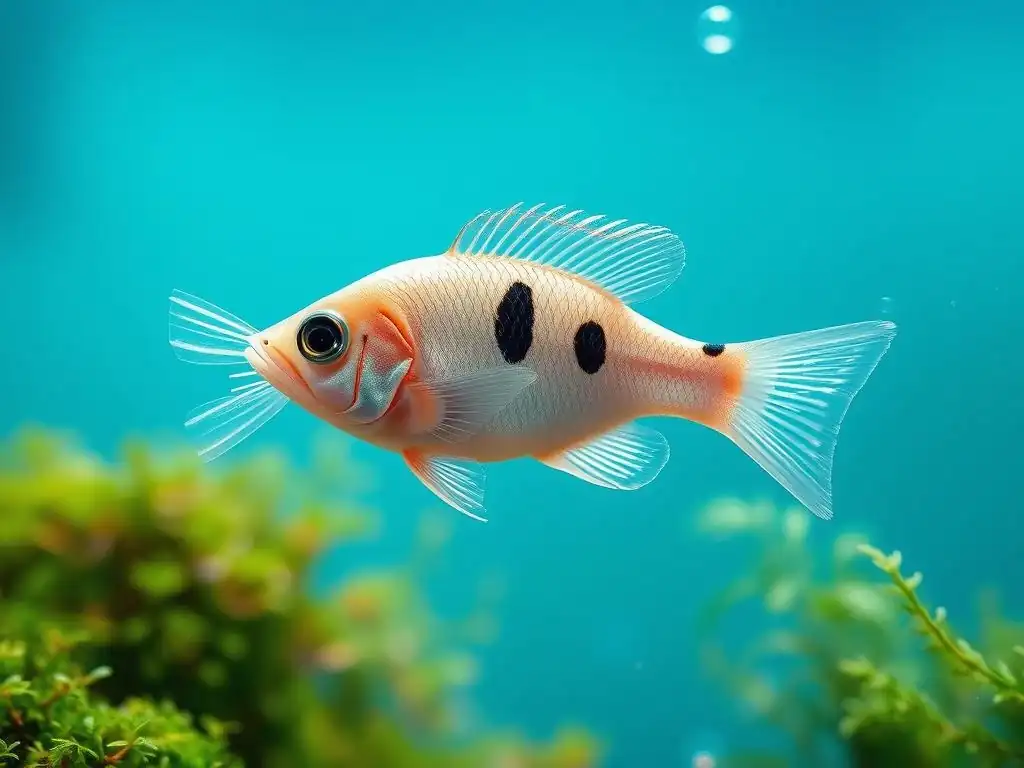
The Lambchop Rasbora ( Trigonostigma espei), on the other hand, exhibits a more elongated, slender body and a distinctive black marking that is often described as resembling a "lamb chop" or "cutlet," hence its common name. This patch is generally less defined and more rounded than the Harlequin's, often appearing as a dark, irregular oval or comma shape that extends from the mid-body towards the caudal peduncle.
The body coloration of the Lambchop Rasbora tends to be a more vibrant coppery-orange or golden-orange, often with a metallic sheen, especially when well-conditioned. The fins may also show a slightly more pronounced orange or reddish tint.
Size and Lifespan Comparison
There are subtle but noticeable differences in the typical adult size and lifespan between Harlequin and Lambchop Rasboras, which can influence tank size selection and long-term planning for the aquarist. These variations, while not extreme, are important considerations for optimal Harlequin rasbora care tips and general husbandry.
Harlequin Rasboras generally reach a slightly larger adult size, typically growing to about 1.5 to 2 inches (3.8 to 5 cm) in length. Their lifespan in a well-maintained aquarium can range from 5 to 6 years, with some individuals living even longer under ideal conditions. Lambchop Rasboras are typically smaller, usually reaching an adult size of about 1 to 1.2 inches (2.5 to 3 cm).
Their lifespan is generally a bit shorter than Harlequins, averaging 3 to 5 years in a stable and healthy environment. These figures are approximations, as individual fish health and specific aquarium conditions can significantly impact growth and longevity.
Both Harlequin and Lambchop Rasboras are celebrated for their peaceful and social temperaments, making them ideal inhabitants for community aquariums. They are quintessential schooling fish, meaning they exhibit a strong natural instinct to group together, especially when feeling threatened or simply for comfort. This behavior is more pronounced when kept in larger schools.
A minimum school size of 6-8 individuals is recommended for both species to ensure they feel secure and display their natural behaviors. Keeping fewer can lead to shyness, stress, and a lack of the vibrant schooling dynamic they are known for. While generally peaceful, in very small groups, they might become withdrawn or, in rare cases, show mild nipping towards each other if space is extremely limited. However, in appropriately sized and well-structured tanks, they coexist harmoniously with each other and with other non-aggressive, similarly sized fish.
Aquarium Setup: Replicating Their Natural Habitat
Tank Size Recommendations
The appropriate tank size is a foundational element for the well-being of both Harlequin and Lambchop Rasboras, directly impacting their schooling behavior and overall health. While a 10-gallon aquarium can house a small school of 6-8 individuals of either species, it is generally considered the absolute minimum. For optimal Harlequin rasbora care tips and Lambchop well-being, a 20-gallon long tank or larger is highly recommended.
A larger tank, such as a 20-gallon long (approximately 30 inches in length), provides ample horizontal swimming space, which is crucial for schooling fish. This extra room allows them to form more cohesive schools, reducing stress and encouraging natural behaviors. For larger schools of 10-15 individuals, a 30-gallon or 40-gallon breeder tank would be even more ideal, offering greater stability in water parameters and more diverse aquascaping opportunities.
Suitable Substrates and Decorations
Replicating the natural habitat of Harlequin and Lambchop Rasboras through appropriate substrate and decorations is key to their comfort and health. In their native Southeast Asian blackwater streams, the substrate often consists of fine sand, silt, and abundant leaf litter. A dark substrate, such as fine-grained sand or smooth, dark gravel, is highly recommended as it helps to reduce reflections, which can stress these fish, and also enhances their natural coloration.
Decorations should include plenty of hiding spots and visual barriers. Driftwood and roots are excellent choices, not only providing shelter but also releasing beneficial tannins that can lower pH and create a natural blackwater effect. Smooth river stones or small rocks can also be incorporated. The goal is to create a complex environment that offers both open swimming areas and sheltered zones, allowing the fish to feel secure and exhibit natural behaviors.
Plant Selection for a Natural Environment
Live plants are an indispensable component of an ideal aquarium setup for Harlequin and Lambchop Rasboras, contributing significantly to water quality, providing shelter, and mimicking their natural densely vegetated habitats. Plants help absorb nitrates, produce oxygen, and offer crucial cover, making the fish feel more secure and less stressed.
Good plant choices include species that thrive in low to moderate light and can tolerate soft, acidic water. Examples include:
- Java Fern (Microsorum pteropus): Hardy, attaches to driftwood or rocks, providing excellent mid-ground cover.
- Anubias species (Anubias barteri, Anubias nana): Slow-growing, attaches to decor, offering broad leaves for resting or hiding.
- Cryptocoryne species (Cryptocoryne wendtii, Cryptocoryne undulata): Rooted plants that create dense foreground or mid-ground foliage.
- Stem plants (e.g., Rotala rotundifolia, Ludwigia repens): Can be planted densely in the background to create a lush, forest-like environment.
- Floating plants (e.g., Dwarf Water Lettuce, Frogbit): Help diffuse light, which these fish appreciate, and provide additional cover from above.
Densely planted areas, particularly at the back and sides of the tank, coupled with open swimming lanes in the front or middle, create a balanced and stimulating environment for these small schooling fish.
Harlequin Rasbora Tank Mates: Choosing Compatible Species
Ideal Companions for Harlequin Rasboras
Choosing appropriate tank mates is a critical aspect of Harlequin rasbora care tips, ensuring a peaceful and thriving community aquarium. Harlequin Rasboras are exceptionally peaceful and generally do well with other non-aggressive, similarly sized fish that prefer similar water parameters. The key is to avoid species that are overly boisterous, aggressive, or large enough to view the rasboras as prey.
Excellent tank mate options include:
- Other small schooling fish: Neon Tetras, Cardinal Tetras, Ember Tetras, Rummy Nose Tetras, or other small rasbora species (like Lambchop Rasboras, though care should be taken to avoid cross-breeding if that is a concern).
- Bottom dwellers: Corydoras catfish (e.g., Panda Cory, Pygmy Cory), Otocinclus catfish, and Kuhli Loaches are peaceful scavengers that occupy a different tank level.
- Dwarf Cichlids: Certain peaceful dwarf cichlids like German Blue Rams or Bolivian Rams can coexist, provided the tank is large enough and offers plenty of hiding spots.
- Snails and Shrimp: Various peaceful snails (e.g., Nerite Snails, Mystery Snails) and certain shrimp species (e.g., Amano Shrimp, Cherry Shrimp) can be good tank mates, though very small shrimp fry might be seen as food.
Fish to Avoid: Preventing Aggression and Competition
While Harlequin Rasboras are robust for their size, certain fish species are entirely unsuitable as tank mates due to their aggressive nature, predatory instincts, or vastly different care requirements. Placing Harlequins with incompatible species can lead to chronic stress, fin nipping, injury, or even death.
Species to avoid include:
- Large or aggressive cichlids: Most cichlid species, even some medium-sized ones, can be too aggressive or territorial for the small, peaceful Harlequins. This includes Oscars, Convict Cichlids, and even some larger African cichlids.
- Fin nippers: Barbs (e.g., Tiger Barbs, unless kept in a very large school of their own) and certain larger tetras can be notorious fin nippers, causing stress and injury to Harlequins.
- Predatory fish: Any fish large enough to swallow a Harlequin Rasbora should be avoided. This includes many larger gouramis, angelfish (especially as adults), and most predatory catfish.
- Very active or boisterous fish: While not aggressive, some extremely active fish can stress out the more timid rasboras, preventing them from feeding properly or schooling naturally.
Always research potential tank mates thoroughly to ensure compatibility in terms of size, temperament, and water parameter requirements before introducing them to your Harlequin Rasbora aquarium.
Lambchop Rasbora Tank Mates: Building a Harmonious Community
Best Tank Mates for Lambchop Rasboras
Lambchop Rasboras, like their Harlequin cousins, are peaceful schooling fish that thrive in a community setting with other docile species. Their slightly smaller size means that care should be taken to ensure tank mates are not overly large or boisterous. Creating a harmonious community relies on selecting fish with similar temperament and water parameter preferences.
Ideal tank mates for Lambchop Rasboras include:
- Other small schooling fish: Neon Tetras, Ember Tetras, Chili Rasboras, Celestial Pearl Danios, and even Harlequin Rasboras (if space allows and the goal isn't pure species breeding).
- Peaceful bottom dwellers: Pygmy Corydoras, Salt and Pepper Corydoras, Otocinclus catfish, and Kuhli Loaches are excellent choices, as they occupy the lower water column and pose no threat.
- Dwarf Gouramis: Certain peaceful dwarf gourami species, such as the Honey Gourami, can be suitable, provided the tank is spacious and offers plenty of hiding spots.
- Snails and Shrimp: Most peaceful snail species (e.g., Nerite snails, Malaysian Trumpet Snails) and larger, non-predatory shrimp (e.g., Amano Shrimp) are great additions for tank cleaning and interest.
Ensuring Peaceful Coexistence in the Aquarium
To ensure peaceful coexistence for Lambchop Rasboras, several factors beyond just species selection are crucial. The size of the school is paramount; keeping a minimum of 8-10 Lambchop Rasboras helps them feel secure and display their natural schooling behavior, which reduces stress and shyness. A larger school further enhances this effect.
The aquarium itself should be adequately sized, with a minimum of 10 gallons for a small group, but preferably 20 gallons or more for a thriving community. Plenty of dense planting, driftwood, and other decorations should be provided to create hiding spots and break up lines of sight. This allows shyer individuals to retreat and reduces potential stress from more active tank mates. Maintaining stable water parameters and a consistent feeding schedule also contributes significantly to a low-stress environment, promoting overall health and peaceful interactions among all inhabitants.
Breeding Harlequin and Lambchop Rasboras: A Challenging but Rewarding Endeavor
Creating Breeding Conditions
Breeding Harlequin and Lambchop Rasboras in a home aquarium can be a rewarding challenge, as they are egg scatterers with specific environmental needs for successful spawning. To encourage breeding, a dedicated breeding tank is highly recommended. A 5-10 gallon tank with very soft, acidic water (pH 5.0-6.5, GH 1-5 dGH) and a temperature of 78-82°F (26-28°C) is ideal. The tank should have minimal filtration, such as a gentle sponge filter, to prevent fry from being sucked up.
Crucially, the tank needs suitable spawning surfaces. These rasboras are known for laying their eggs on the underside of broad-leaved plants. Java Fern, Cryptocoryne species, or even artificial spawning mops made from yarn can be used. The water should be pristine, with frequent small water changes (10-20% daily) using RO or distilled water remineralized to the desired parameters. Conditioning the breeding pair or trio (one female to two males) with high-protein live or frozen foods like blackworms, brine shrimp, and daphnia for several days prior to introduction will significantly increase their readiness to spawn.
Identifying Breeding Behavior
Once introduced to the breeding tank with optimal conditions, Harlequin and Lambchop Rasboras will exhibit specific courtship and spawning behaviors. The male will typically become more vibrant in color and begin to chase the female around the tank. This chasing is usually gentle and a precursor to spawning.
The actual spawning process involves the male and female swimming side-by-side, often with the male wrapping around the female. The female will then turn upside down, pressing her belly against the underside of a broad leaf or spawning mop, and deposit a small clutch of eggs (typically 5-20), which the male simultaneously fertilizes. This process is repeated multiple times over several hours, with a single female potentially laying 100-300 eggs.
The eggs are adhesive and clear to light amber in color. After spawning is complete, the adult fish should be removed immediately, as they will readily consume their own eggs.
Raising Fry: Providing Optimal Care
Raising Harlequin and Lambchop Rasbora fry requires diligent care and specific feeding. The eggs typically hatch within 24-48 hours, depending on temperature. The newly hatched fry are tiny and almost transparent, initially feeding on their yolk sacs for the first 2-3 days. During this period, it's crucial to maintain stable water parameters and ensure minimal disturbance.
Once the yolk sac is absorbed and the fry become free-swimming, they require extremely small food sources. Infusoria is the ideal first food, followed by newly hatched brine shrimp nauplii or micro-worms after about a week. Feeding should be frequent, 3-4 times daily, in very small amounts to prevent water fouling.
Daily small water changes (5-10%) using a small airline tubing to siphon out debris will help maintain pristine water quality, which is vital for fry survival. As they grow, they can gradually transition to finely crushed flake food. The survival rate of fry can be low without meticulous attention to water quality and feeding.
Common Health Issues and Prevention
Recognizing Signs of Illness
Early recognition of illness is crucial for effective treatment and preventing the spread of disease in your Harlequin and Lambchop Rasboras. Healthy fish are active, have vibrant coloration, and exhibit natural schooling behavior. Any deviation from these norms can signal a problem.
Common signs of illness include:
- Behavioral changes: Lethargy, hiding more than usual, rapid gill movement (indicating respiratory distress), flashing (rubbing against tank objects), clamped fins, or swimming erratically.
- Physical changes:
- White spots (Ich/Ichthyophthirius multifiliis): Small, salt-like white spots on the body and fins.
- Fin Rot: Frayed, ragged, or disintegrating fins, often with a white or reddish edge.
- Fungal Infections: Cotton-like growths on the body or fins.
- Dropsy: Swollen body with scales protruding, resembling a pinecone. This is often a symptom of organ failure.
- Popeye: One or both eyes bulging.
- Loss of color: Dull or faded coloration, especially if normally vibrant.
- Bloating: Swollen abdomen, often due to constipation or internal parasites.
- Open sores or lesions: Red or inflamed areas on the body.
Preventing Disease Outbreaks
Prevention is always better than cure when it comes to fish health. Implementing robust preventative measures significantly reduces the risk of disease outbreaks in your Harlequin and Lambchop Rasboras, making Harlequin rasbora care tips much simpler.
Key preventative strategies include:
- Quarantine new fish: Always quarantine new fish in a separate tank for at least 2-4 weeks before introducing them to the main aquarium. This allows observation for signs of illness and treatment if necessary, preventing the introduction of pathogens.
- Maintain stable water parameters: Fluctuations in temperature, pH, ammonia, nitrite, or nitrate levels cause stress, weakening the fish's immune system. Regular testing and consistent water changes are vital.
- Provide a balanced diet: A varied and nutritious diet strengthens the immune system, making fish more resilient to disease. Avoid overfeeding, which can degrade water quality.
- Avoid overcrowding: Overcrowding leads to increased waste production, higher stress levels, and makes disease transmission more likely.
- Reduce stress: Provide ample hiding spots, appropriate tank mates, and a stable environment. Stress weakens immunity.
- Cleanliness: Regularly clean the substrate, filter media, and tank decorations to remove accumulated waste and detritus.
- Proper acclimation: Acclimate new fish slowly to the tank's water parameters to minimize shock.
Harlequin Rasbora Specific Health Concerns
While generally hardy, Harlequin Rasboras can be susceptible to common freshwater ailments if their care requirements are not met. One particular concern for Harlequin Rasboras, often linked to poor water quality or stress from unsuitable tank mates, is a susceptibility to bacterial infections that manifest as fin rot or body ulcers. These can be particularly problematic if the fish are kept in tanks with high nitrate levels or inconsistent temperatures.
Another issue that can affect Harlequin Rasboras, especially when stressed or in overcrowded conditions, is a tendency towards susceptibility to Ich (white spot disease). This parasitic infection is often triggered by sudden temperature changes or the introduction of new, unquarantined fish. Maintaining stable water parameters, adhering to excellent Harlequin rasbora care tips, and providing a varied diet are crucial in bolstering their immune response against these common challenges.
Lambchop Rasbora Specific Health Concerns
Lambchop Rasboras, being slightly more delicate than Harlequins due to their smaller size, can also be prone to certain health issues if not provided with optimal conditions. They are particularly sensitive to fluctuations in water parameters, especially pH and hardness. Sudden shifts can lead to osmotic shock, making them vulnerable to secondary bacterial or fungal infections.
Like many small schooling fish, Lambchop Rasboras can suffer from internal parasites if fed contaminated live foods or if their environment is not pristine. Signs of internal parasites might include emaciation despite eating, or stringy white feces. Ensuring a clean tank environment, proper quarantine procedures for new fish, and a high-quality, varied diet are essential for robust Lambchop Rasbora health and preventing these specific concerns.
Advanced Harlequin Rasbora Care: Beyond the Basics
Maintaining Optimal Water Chemistry
For aquarists aiming for advanced Harlequin rasbora care, precise control over water chemistry goes beyond just basic parameter ranges. Harlequin Rasboras originate from blackwater environments rich in humic substances, which contribute to their unique health and coloration. Replicating this involves not just soft, acidic water (pH 6.0-7.0, GH 3-8 dGH) but also the consistent presence of tannins and other beneficial organic compounds.
This can be achieved by regularly adding Indian almond leaves, alder cones, or using peat filtration. These natural materials slowly release tannins, which provide mild antiseptic properties, enhance fish coloration, and stabilize pH. Monitoring the Redox potential (ORP) can also offer insights into water purity and organic load, with higher readings generally indicating cleaner water. While not strictly necessary for survival, optimizing these subtle chemical nuances contributes significantly to the long-term vitality, breeding success, and vibrant appearance of Harlequin Rasboras.
Aquascaping for Harlequin Rasboras: Creating a Natural Biotope
Advanced Harlequin rasbora care tips often include crafting a biotope-specific aquascape that closely mimics their native Southeast Asian peat swamp and slow-moving stream environments. This involves selecting specific plants, substrates, and decor that reflect their natural habitat, not just for aesthetics but also for the fish's psychological well-being and natural behavior.
A true Harlequin Rasbora biotope would feature a dark, fine sand or silt substrate, heavily planted with species like Cryptocoryne (especially C. wendtii, C. beckettii), Java Fern, and Anubias on driftwood. Abundant leaf litter (e.g., dried Indian almond leaves, oak leaves) should cover the substrate, providing foraging opportunities and contributing tannins.
The lighting should be subdued, perhaps with floating plants like Limnobium laevigatum or Phyllanthus fluitans to diffuse light and create dappled shadows. This detailed approach to aquascaping not only creates a stunning visual display but also significantly reduces stress and encourages the most natural behaviors, including schooling and even spontaneous spawning, in Harlequin Rasboras.
Advanced Lambchop Rasbora Care: Maximizing Their Wellbeing
Optimizing Tank Flow and Filtration for Lambchop Rasboras
Advanced Lambchop Rasbora care extends to fine-tuning the tank's water flow and filtration to perfectly suit their preferences. While these fish appreciate clean water, they originate from slow-moving streams and do not thrive in strong currents. Overly powerful filters can stress them, making them expend unnecessary energy fighting the flow and potentially inhibiting their natural schooling patterns.
To optimize, consider using a gentle filtration system such as a well-sized sponge filter, which provides excellent biological filtration with minimal water movement. If using a hang-on-back or canister filter, ensure the outflow is baffled with a spray bar or a piece of decor to diffuse the current. A flow rate that allows the fish to swim comfortably without being pushed around, yet still circulates water effectively, is ideal. Regular cleaning of filter media is also paramount to maintain biological filtration efficiency and prevent the buildup of nitrates, which are detrimental to their long-term health.
Enhancing Coloration in Lambchop Rasboras: Diet and Lighting Strategies
To truly maximize the wellbeing and vibrant coloration of Lambchop Rasboras, advanced care involves specific dietary and lighting strategies. Their natural coppery-orange hue can be significantly intensified through a diet rich in carotenoids and astaxanthin. This means regularly incorporating foods like:
- High-quality color-enhancing flake or pellet foods that list spirulina, krill, or shrimp meal as primary ingredients.
- Live or frozen foods such as bloodworms, brine shrimp, and daphnia, which are naturally rich in pigments.
- Occasionally, specialized color-enhancing foods containing high levels of astaxanthin.
Beyond diet, lighting plays a subtle but important role. While Lambchop Rasboras prefer subdued lighting, a full-spectrum LED light with adjustable intensity can be beneficial. Using a light with a color temperature around 6500K will accurately render their natural colors. Additionally, allowing natural tannins from Indian almond leaves or driftwood to tint the water slightly can further enhance their warm, coppery tones by mimicking their native blackwater environment and reducing harsh reflections.
Conclusion: Choosing the Right Rasbora for Your Aquarium
The choice between a Harlequin Rasbora and a Lambchop Rasbora ultimately comes down to subtle aesthetic preferences and the specific vision you have for your freshwater aquarium. Both species offer immense appeal as peaceful, schooling cyprinids, making them excellent additions to a well-maintained community tank. The Harlequin Rasbora, with its bolder reddish-orange body and distinct "hatchet" marking, provides a more pronounced visual impact and tends to be slightly larger and longer-lived. Conversely, the Lambchop Rasbora, with its more slender profile, coppery-orange hue, and unique "lambchop" shaped patch, offers a delicate elegance and often a more subdued presence.
Regardless of your choice, providing diligent Harlequin rasbora care tips or equivalent Lambchop care is paramount. This includes maintaining stable and appropriate water parameters (soft, acidic water at 72-82°F), offering a varied and high-quality diet, ensuring ample swimming space in a properly sized tank (20 gallons or more for a good school), and creating a densely planted environment with plenty of hiding spots.
Both species thrive in schools of 8-10 or more, displaying their captivating natural behaviors. By understanding their subtle differences and committing to their specific care requirements, aquarists can enjoy a vibrant, harmonious, and long-lasting display of these beautiful and rewarding fish.
Frequently Asked Questions
What are the key differences between Harlequin Rasboras and Lambchop Rasboras?
The main difference lies in their body markings. Harlequin Rasboras have a distinct, triangular black patch, while Lambchop Rasboras possess a thinner, more elongated mark resembling a lamb chop. Size can also be a minor factor, with Lambchops often being slightly smaller.
What are the ideal water parameters for Harlequin Rasboras?
Harlequin Rasboras thrive in slightly acidic water, typically with a pH between 6.0 and 7.0. Aim for a water temperature between 73°F and 82°F. Maintaining stable water parameters is crucial for their health.
What should I feed my Harlequin Rasboras to ensure they stay healthy?
Offer a varied diet of high-quality flake food, supplemented with small live or frozen foods like daphnia and brine shrimp. This provides essential nutrients and promotes vibrant coloration.
How many Harlequin Rasboras should I keep together in a tank?
Harlequin Rasboras are shoaling fish and should be kept in groups of at least six individuals. Larger groups of 8-10 or more are even better as it allows them to exhibit their natural social behaviors.
What are some common health problems that can affect Harlequin Rasboras, and how can I prevent them?
Common issues include Ich and other parasitic infections, often caused by poor water quality or stress. Preventative measures include regular water changes, proper filtration, and quarantining new fish before introducing them to the main tank.
Final Reflection: Appreciating the Nuances of Aquatic Life
The subtle distinctions between Harlequin and Lambchop Rasboras, as explored throughout this article, highlight a broader truth: attention to detail unlocks a deeper understanding and appreciation of the natural world. While seemingly minor differences in appearance and behavior might escape casual observation, they significantly impact the well-being of these delicate creatures in our aquariums. Understanding these nuances is not just about successful fishkeeping; it's about responsible stewardship.
This journey into the world of Rasboras has, hopefully, ignited a spark of curiosity and a desire for more informed care. The dedication to understanding the specific needs of each species, even within the same genus, reflects a growing trend towards more ethical and sustainable practices in the aquarium hobby. This shift is crucial, moving us away from generic advice and towards tailored solutions that prioritize the health and happiness of our aquatic companions. In the end, we will conserve only what we love; we will love only what we understand; and we will understand only what we are taught.
- Baba Dioum's words resonate deeply, reminding us that education and understanding are the cornerstones of conservation, even within the confines of our own homes.
Now, armed with this knowledge, I encourage you to look beyond the surface. Reflect on how these lessons in observation and nuanced care can be applied to other areas of your life. Whether it's nurturing a plant, caring for a pet, or simply appreciating the diversity of the world around you, remember the importance of detail and the profound impact of informed action. Embrace the challenge of understanding, and you'll find a richer, more rewarding connection with the life that surrounds you.
Dive Deeper: Start Your Rasbora Adventure Today!
Thanks for exploring the fascinating world of Harlequin and Lambchop Rasboras with us. We hope this article illuminated the subtle differences and helped you appreciate these captivating fish even more. Now, let's turn that knowledge into action!
Here are a few ways you can further immerse yourself in the rasbora realm:
- Consider adding a school of Lambchop Rasboras to your peaceful community aquarium and observe their unique shoaling behavior!
- Share this article with fellow aquarium enthusiasts and start a conversation about the best tank mates for rasboras.
- Explore Aquarium Mastery's other articles to discover uncommon and captivating fish species that might just be your next aquatic obsession!
What's one small change you can make this week to better appreciate the beauty and nuances of your own aquarium inhabitants?