
The Social Dynamics of Triggerfish: Can They Be Kept Safely in Groups?

Welcome to Aquarium Mastery!
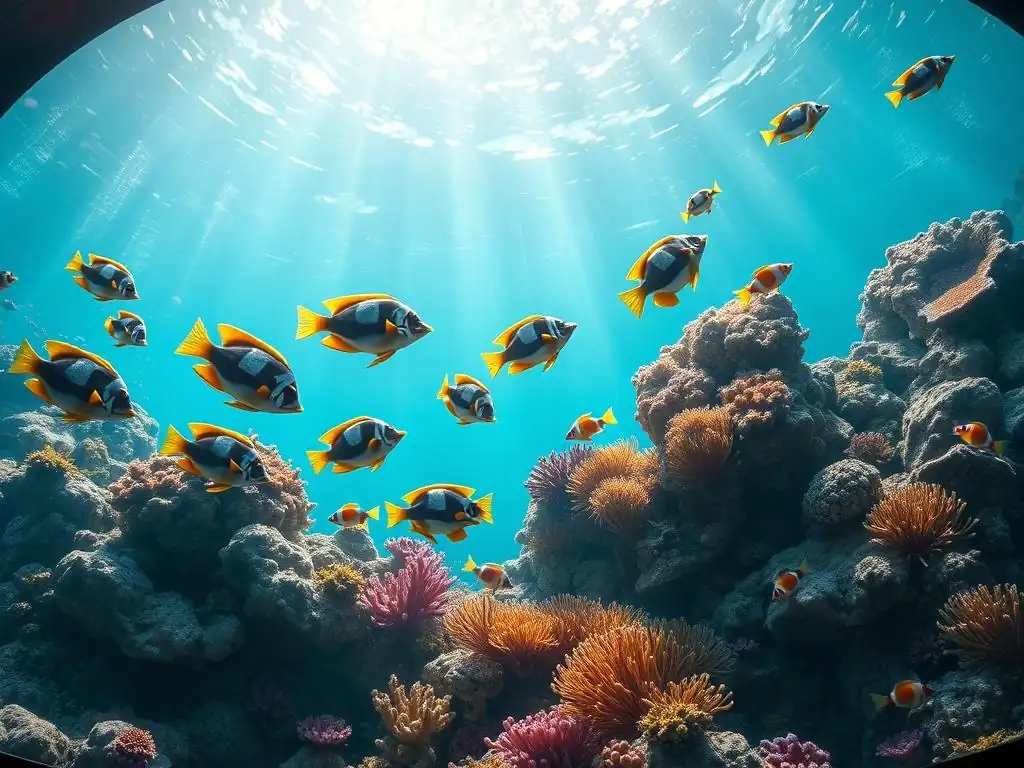
Ever wondered if those vibrant and fascinating Triggerfish can truly thrive in a community setting? Dive into our latest article to uncover the secrets behind Triggerfish group compatibility issues. We'll explore the social dynamics of these captivating creatures and reveal whether keeping them together is a recipe for harmony... or disaster. Curious to learn more? Let's unravel the complexities!
- Understanding Triggerfish Temperament and Social Behavior in Aquariums
- Triggerfish Group Compatibility Issues: A Deep Dive
- Factors Influencing Triggerfish Social Dynamics
- Species of Triggerfish with Potentially Lower Aggression
- Setting Up a Triggerfish Community Tank: Maximizing Success
- Managing Aggression in Triggerfish Groups: Problem-Solving Strategies
- The Ethical Considerations of Keeping Triggerfish in Groups
- Alternatives to Group Housing: Single Triggerfish in a Species-Specific Tank
- Conclusion: Is Group Housing Triggerfish Worth the Risk?
-
Frequently Asked Questions
- What are the primary reasons for Triggerfish group compatibility issues?
- What size aquarium is generally recommended when attempting to keep Triggerfish in groups?
- Are there specific Triggerfish species that are more likely to be compatible in groups?
- What are some key signs of aggression to watch for when keeping Triggerfish together?
- What steps can be taken to minimize aggression and improve the chances of successful group housing for Triggerfish?
- Final Reflection: Navigating the Complexities of Triggerfish Society
- Unlock the Secrets: Dive Deeper into Triggerfish Harmony!
Exploring the Aggressive Nature of Triggerfish
Triggerfish are renowned for their striking colors, unique swimming patterns, and, notably, their aggressive and territorial nature. In their natural coral reef habitats, species like the Clown Triggerfish (Balistoides conspicillum) establish and fiercely defend large territories, often against conspecifics and other perceived threats. Their powerful jaws, equipped with strong, crushing teeth, are perfectly adapted for a diet of crustaceans, mollusks, and echinoderms, but also serve as formidable weapons in territorial disputes. This inherent aggression is a primary consideration when evaluating triggerfish group compatibility issues.
In captivity, this aggressive predisposition is often amplified by the confined space of an aquarium. A triggerfish's natural instinct to dominate its territory can lead to relentless harassment, fin nipping, and even fatal attacks on tank mates, particularly if they are smaller, slower, or share similar body shapes. Many species are solitary hunters in the wild, reinforcing their individualistic and dominant behavior within an enclosed system, making the prospect of successful triggerfish group compatibility exceedingly challenging.
Individual Personality Differences in Triggerfish
While general species-specific traits provide a baseline understanding of triggerfish behavior, it's crucial to acknowledge that individual triggerfish can exhibit unique personalities. One specimen of a typically aggressive species might display slightly less overt hostility, while another from a "milder" species could be exceptionally dominant. These individual variations can significantly impact the success or failure of attempting triggerfish group compatibility, making precise predictions difficult for hobbyists.
These personality nuances are often influenced by factors such as the fish's age, its size upon introduction to the aquarium, and its prior experiences, including capture and transport stress. A juvenile triggerfish might appear docile for months, only to develop intense aggression as it matures, particularly once it reaches 6 to 8 inches in length. This unpredictable element means that even with careful planning, triggerfish group compatibility issues can emerge unexpectedly, requiring immediate intervention.
Triggerfish Group Compatibility Issues: A Deep Dive
Defining Triggerfish Group Compatibility in a Saltwater Aquarium
In the context of a saltwater aquarium, true "group compatibility" for triggerfish means that multiple specimens can coexist without chronic stress, physical injury, or the need for constant intervention. This ideal state implies that each fish has adequate space, access to resources, and can exhibit natural behaviors without fear of aggression from tank mates. For most triggerfish species, achieving this level of compatibility is exceptionally rare and often unsustainable in a typical home aquarium setting.
The reality of attempting to house multiple triggerfish together almost invariably leads to significant triggerfish group compatibility issues. These can range from subtle forms of bullying, where one fish is constantly chased or prevented from feeding, to overt aggression resulting in torn fins, body wounds, and ultimately, the death of weaker individuals. The concept of a "safe" triggerfish group often proves to be an aspirational goal rather than a practical outcome for the vast majority of aquarists.
Why Triggerfish Grouping Can Be Problematic: Aggression and Territoriality
The primary reason triggerfish grouping can be problematic stems from their innate territoriality. Each triggerfish attempts to establish and defend its own defined space within the aquarium. In the confined environment of a tank, these territories inevitably overlap, leading to constant clashes. These confrontations are not merely displays; they often escalate into direct physical assaults, particularly when resources like food, prime hiding spots, or perceived mates are involved.
This territorial aggression is a fundamental aspect of triggerfish group compatibility issues. Initial warning signs, such as flared fins, rapid color changes, or side-by-side displays, quickly give way to biting and chasing. Unlike some schooling fish that establish a pecking order and then coexist, triggerfish often engage in persistent aggression until one individual is severely injured or eliminated. This relentless pursuit of dominance makes long-term, peaceful coexistence between multiple triggerfish in a home aquarium highly improbable.
Tank Size and Aquascaping for Multiple Triggerfish
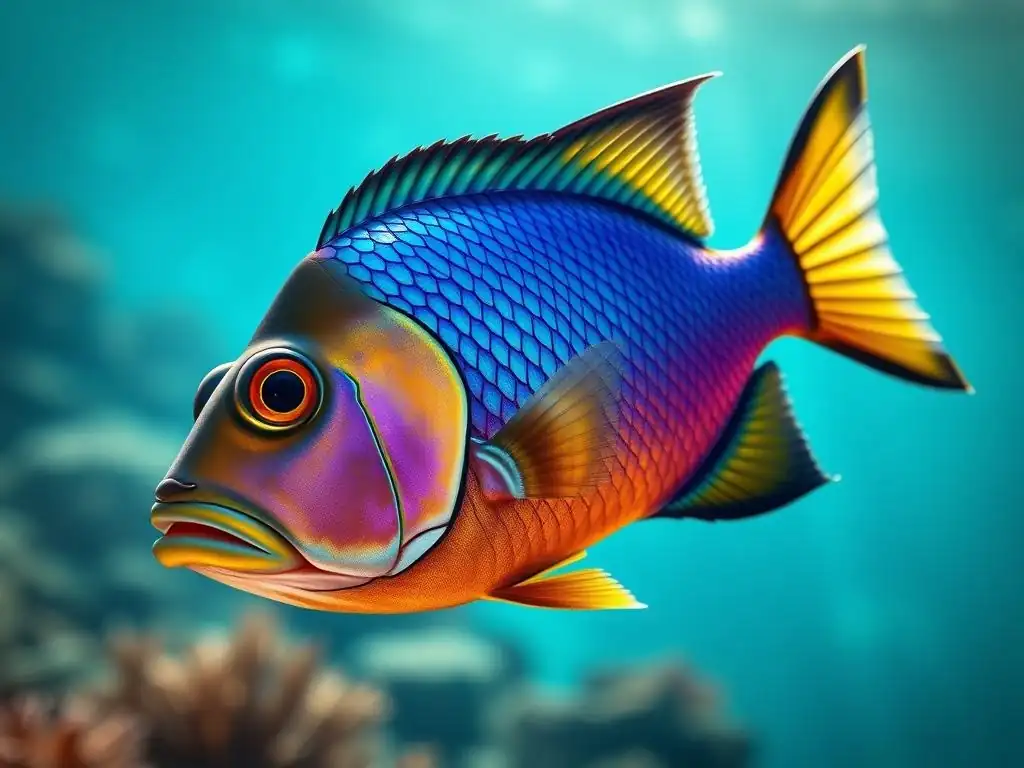
Tank size is perhaps the most critical factor influencing triggerfish group compatibility issues. For a single large, aggressive triggerfish like a Clown Trigger, a minimum of 200-300 gallons is often recommended to provide adequate swimming space and reduce stress. When attempting to house multiple triggerfish, the required volume escalates dramatically, often necessitating tanks upwards of 500-1000 gallons to even remotely dilute aggression and provide sufficient individual territories. Few home aquarists possess the resources for such colossal systems.
Beyond sheer volume, strategic aquascaping is vital. A complex arrangement of live rock, creating numerous caves, overhangs, and visual barriers, can help mitigate triggerfish group compatibility issues. This allows individual fish to establish separate "safe zones" and retreat from confrontations, breaking lines of sight that might otherwise provoke aggression. Without ample hiding spots and a varied landscape, triggers will constantly see and confront each other, exacerbating territorial disputes.
Species-Specific Aggression Levels in Triggerfish
Aggression levels vary significantly across triggerfish species, directly impacting triggerfish group compatibility issues. Species such as the Clown Triggerfish (Balistoides conspicillum), Undulated Triggerfish (Balistapus undulatus), and Queen Triggerfish (Balistes vetula) are notoriously aggressive, making them almost impossible to keep with other triggers or even many robust tank mates in a typical home aquarium. Their powerful bites and relentless pursuit of dominance are well-documented.
In contrast, certain species are sometimes considered "less aggressive," though this term is relative and does not imply docility. The Niger Triggerfish (Odonus niger) and Blue Jaw Triggerfish (Xanthichthys auromarginatus) are occasionally attempted in multi-specimen setups, primarily due to their planktivorous diets and slightly less robust dentition. However, even these species will display significant aggression towards conspecifics or similar-looking fish if space is inadequate, or as they mature, proving that triggerfish group compatibility issues are still a substantial risk.
The Role of Diet and Feeding Habits in Triggerfish Behavior
Competition for food can be a major catalyst for aggression and exacerbate triggerfish group compatibility issues. Triggerfish are highly intelligent and voracious eaters with a strong feeding response. In a group setting, dominant individuals will often monopolize food sources, leading to a hierarchy where weaker fish may be underfed or constantly stressed during meal times. This can quickly escalate into physical altercations.
To mitigate this, providing a varied and abundant diet is crucial. Offering meaty foods such as krill, squid, silversides, and high-quality pellets multiple times a day can help reduce hunger-driven aggression. Distributing food widely across the tank, or using multiple feeding stations, can also prevent a single fish from dominating. While a well-fed trigger is generally less prone to aggression, adequate nutrition alone does not eliminate inherent territoriality or completely resolve triggerfish group compatibility issues.
Species of Triggerfish with Potentially Lower Aggression
Niger Triggerfish (Odonus niger) and its Group Housing Potential
The Niger Triggerfish, also known as the Redtooth Triggerfish, is one of the few triggerfish species sometimes considered for multi-specimen tanks, albeit with extreme caution. Reaching up to 12 inches in length, they are planktivores in the wild, which generally translates to a less predatory nature towards other fish compared to their crustacean-eating cousins. Their characteristic red teeth are less suited for crushing, making them somewhat less destructive in confrontations.
Despite their reputation as "milder" triggers, Niger Triggerfish still possess the inherent territoriality of their family. Successful group housing, even for a small trio, demands an immensely large aquarium, typically 300 gallons or more, to provide ample swimming space and individual territories. Even then, triggerfish group compatibility issues can arise, especially as they mature or if a clear pecking order isn't established. Anecdotal successes are rare and require continuous, diligent observation.
Blue Jaw Triggerfish (Xanthichthys auromarginatus) and its Group Housing Potential
The Blue Jaw Triggerfish, or Gilded Triggerfish, is another species occasionally considered for group housing, often due to its smaller adult size (around 8-9 inches) and its planktivorous diet. They are also unique in that they are often considered "reef-safe with caution," a rarity among triggerfish. In the wild, they are known to form harems, with one male overseeing several females, which has led some hobbyists to attempt similar setups in very large aquariums.
However, replicating natural harem dynamics in a closed system is fraught with challenges. While potentially less aggressive than a Clown Trigger, Blue Jaw Triggers are still capable of significant aggression towards conspecifics, particularly males towards other males, or if the male-to-female ratio is imbalanced. A successful trio or quartet would require at least 250-300 gallons, meticulously planned aquascaping, and constant vigilance to prevent triggerfish group compatibility issues from escalating into serious injury or fatality.
Important Considerations for These Triggerfish Species
It is paramount to understand that "lower aggression" in these triggerfish species does not equate to "non-aggressive" or "community-friendly" in the typical sense. Both the Niger and Blue Jaw Triggerfish retain the powerful bite and territorial instincts characteristic of the family. They can still inflict serious damage on tank mates, especially if stressed, crowded, or if a new fish is introduced into an established territory.
Any attempt at group housing, even with these "milder" species, requires an exceptional commitment to providing vast amounts of space, pristine water quality, and an understanding that intervention may be necessary at any moment. The risks associated with triggerfish group compatibility issues remain significant, and failures, resulting in injured or deceased fish, are far more common than long-term, peaceful successes, particularly in average-sized home aquariums.
Setting Up a Triggerfish Community Tank: Maximizing Success
Choosing the Right Tank Mates: Minimizing Aggression
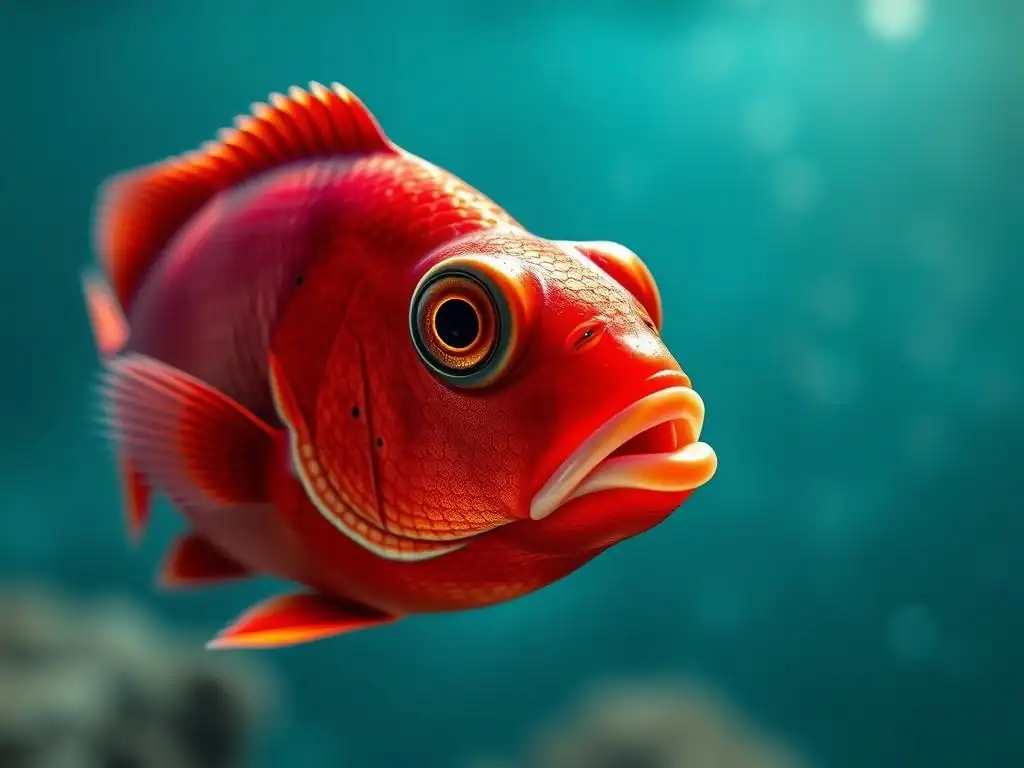
When attempting to house a triggerfish in a community setting (though rarely with other triggers), selecting appropriate tank mates is paramount to minimizing triggerfish group compatibility issues. Ideal companions are large, robust, fast-swimming, and similarly aggressive species that can defend themselves and withstand a trigger's potentially powerful bite. Examples include large tangs (e.g., Sohal, Achilles, Naso), robust angelfish (e.g., Emperor, Queen), large groupers, or even other triggers of similar size and temperament (with extreme caution and only in truly colossal systems).
Conversely, avoid any small, docile, slow-moving, or long-finned fish, as they will almost certainly become targets. Introducing tank mates before the triggerfish, or at the same time, can sometimes help prevent the trigger from establishing sole dominance over the entire tank. The goal is to create a dynamic where no single fish feels entirely unchallenged, but this strategy carries inherent risks and requires constant monitoring to prevent triggerfish group compatibility issues from spiraling out of control.
Introducing Triggerfish to the Aquarium: Acclimation Strategies
Proper acclimation is crucial for reducing stress upon introduction, which can indirectly influence triggerfish group compatibility issues. Drip acclimation, slowly introducing tank water to the transport bag over an hour or more, is highly recommended to minimize osmotic shock. Dimming the aquarium lights during and immediately after introduction can also help the new triggerfish settle in without being immediately overwhelmed or feeling threatened.
For multi-trigger setups, or when adding a trigger to an existing aggressive community, some hobbyists employ a "mirror trick" – placing a mirror against the tank for a few days so the trigger believes it sees another fish, potentially exhausting some aggression before real tank mates are introduced. Alternatively, using an acclimation box or a temporary divider for the first few days can allow triggers to gradually get used to each other's presence without direct confrontation. However, these are temporary measures and do not guarantee long-term success against triggerfish group compatibility issues.
Maintaining Water Quality: Crucial for Triggerfish Health and Behavior
Pristine water quality is absolutely critical for the health and temperament of triggerfish, and plays a significant role in mitigating stress-induced triggerfish group compatibility issues. Triggerfish are messy eaters and produce a substantial bioload, meaning they quickly pollute the water with waste. Poor water conditions (e.g., elevated nitrates, fluctuating pH, detectable ammonia/nitrite) stress fish, weakening their immune systems and making them more prone to aggression and disease.
To maintain optimal conditions, a robust filtration system is essential, including a large sump, an oversized protein skimmer, and potentially a refugium. Regular, substantial water changes (e.g., 20-30% bi-weekly for a large system) are non-negotiable. Consistent monitoring of water parameters such as ammonia, nitrite, nitrate, pH, and salinity ensures a stable and healthy environment. A healthy, unstressed triggerfish is generally less prone to aggression, though excellent water quality alone cannot overcome inherent triggerfish group compatibility issues stemming from territoriality.
Managing Aggression in Triggerfish Groups: Problem-Solving Strategies
Identifying Signs of Bullying and Dominance
Early identification of bullying is crucial to prevent severe triggerfish group compatibility issues. Signs can range from subtle to overt. Look for:
- Physical damage: Torn fins, missing scales, body wounds, cloudy eyes.
- Behavioral changes: One fish constantly chasing another, guarding specific areas (food, caves), faded coloration (stress marks), rapid breathing, hiding excessively, refusing to eat, or showing signs of chronic stress like lethargy or clamped fins.
- Exclusion: One fish being consistently excluded from feeding or prime swimming areas.
Even seemingly minor nips or constant low-level harassment can lead to chronic stress, weakened immune systems, and ultimately, death for the bullied fish. Prompt intervention is necessary once these signs of triggerfish group compatibility issues become apparent.
Implementing Re-Arrangement and Time-Out Strategies
If aggression arises, one common strategy is to completely re-arrange the tank's aquascaping. Moving all the live rock and decorations can disrupt established territories, forcing all fish to find new "homes" and potentially "resetting" the social dynamics. This can sometimes provide a temporary reprieve from triggerfish group compatibility issues, but often the dominant fish will quickly re-establish its superiority.
For more persistent aggression, a "time-out" strategy can be employed. This involves temporarily placing either the aggressor or the bullied fish in a clear, perforated acclimation box or a separate quarantine tank within the main display. This allows the bullied fish to recover without fear, or the aggressor to "cool down" and lose some of its territorial advantage. This is a short-term solution and rarely resolves long-term triggerfish group compatibility issues if the underlying cause is inherent territoriality in a confined space.
When to Separate Triggerfish: Knowing Your Limits
Despite all efforts, there comes a point where separation is the only ethical and responsible course of action. If aggression persists, escalates to physical injury, or if one fish is clearly being starved or subjected to chronic stress, continuing to force triggerfish group compatibility is detrimental to the animals' welfare. This often means moving one of the triggerfish to a completely separate, adequately sized aquarium.
Recognizing your limits as an aquarist and prioritizing the health and well-being of the fish is paramount. Attempting to maintain a group dynamic that causes constant stress, injury, or death is irresponsible. If you cannot provide a second suitable habitat, rehoming one of the triggerfish to a facility or another hobbyist with the capacity to house it safely becomes necessary. This decision, though difficult, is a hallmark of responsible fishkeeping, especially when dealing with severe triggerfish group compatibility issues.
The Ethical Considerations of Keeping Triggerfish in Groups
The Importance of Providing Adequate Space and Resources
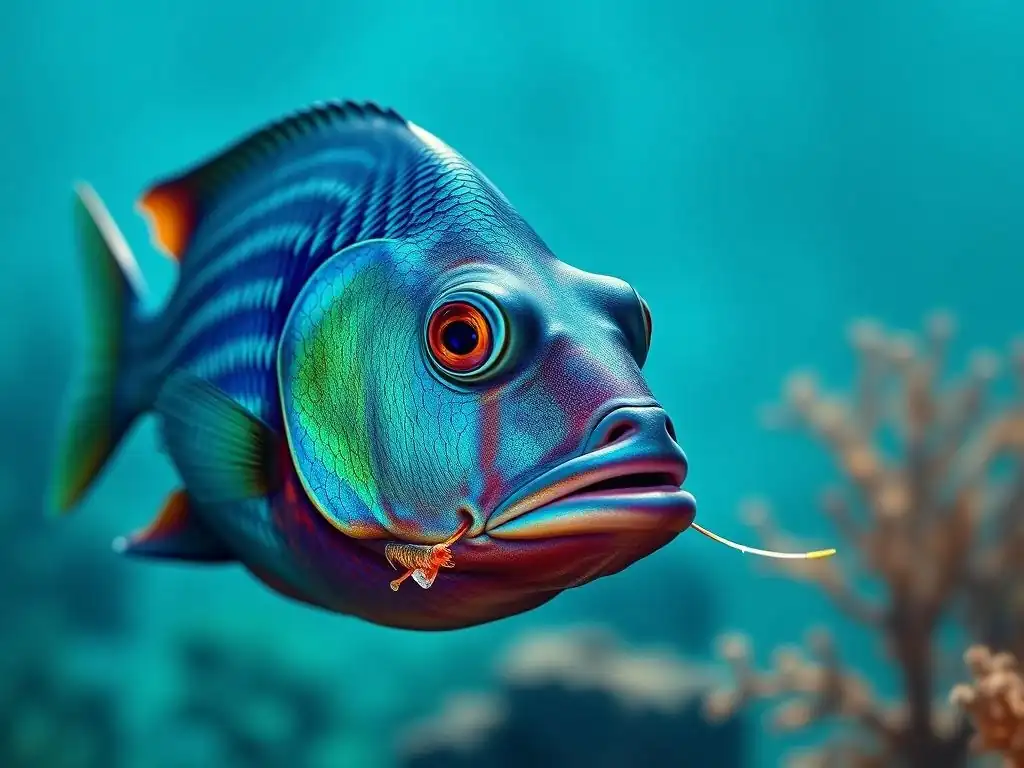
The ethical imperative in keeping triggerfish, especially in groups, revolves around providing truly adequate space and resources. Confining highly territorial and aggressive species like triggerfish in tanks that are too small inevitably leads to chronic stress, constant fighting, and often, premature death for one or more inhabitants. This practice is widely considered unethical by experienced aquarists, as it prioritizes the hobbyist's desire over the animal's welfare.
A truly suitable environment for multiple triggerfish would entail a tank of several hundred to over a thousand gallons, meticulously aquascaped with numerous hiding spots and visual barriers. Such setups are typically found only in public aquariums, which possess the vast resources and expertise to manage such complex social dynamics. For the average home hobbyist, the financial, spatial, and time commitments required for such an endeavor are often underestimated, leading to predictable and unfortunate triggerfish group compatibility issues.
Understanding the Needs of These Unique Saltwater Fish
Triggerfish are intelligent, curious, and powerful predators with complex behavioral needs. In their natural environment, they occupy large territories, hunt actively, and display intricate social interactions that are difficult, if not impossible, to replicate in a home aquarium. Attempting to force these inherently solitary or harem-forming species into tight quarters with conspecifics goes directly against their innate requirements, leading to significant welfare concerns.
A responsible aquarist understands that not all fish are suitable for all setups, especially when it comes to group housing. Acknowledging that the challenges of triggerfish group compatibility issues are often insurmountable in a home environment is a sign of maturity in the hobby. Prioritizing the fish's natural behaviors and welfare over the desire for a visually impressive, yet stressful, multi-trigger display is the ethical path forward.
Alternatives to Group Housing: Single Triggerfish in a Species-Specific Tank
Benefits of a Dedicated Triggerfish Aquarium
For most hobbyists, the most successful and ethical approach to keeping triggerfish is to house a single specimen in a species-specific tank. This eliminates all triggerfish group compatibility issues and allows the aquarist to truly appreciate the unique personality, intelligence, and vibrant colors of the individual fish without the constant stress of managing inter-fish aggression. A suitably sized tank (e.g., 125-180 gallons for a medium to large triggerfish) provides ample swimming room for a solitary inhabitant.
A dedicated triggerfish aquarium also significantly reduces the risk of injury, stress-related diseases, and premature death that are common in attempts at group housing. The focus shifts from conflict management to providing an enriched environment that caters specifically to the needs of that one powerful fish, leading to a much healthier and more stable aquatic ecosystem.
Creating a Thriving Environment for a Solitary Triggerfish
Even a solitary triggerfish requires a well-planned and enriched environment to thrive. This includes robust filtration, excellent water quality, and an aquascape that offers plenty of rockwork with caves and crevices for exploration and security. Regular feeding of a varied, high-quality meaty diet (e.g., krill, squid, silversides, clams) is essential to keep them well-nourished and engaged.
Furthermore, triggerfish are intelligent and can become bored in barren tanks. Incorporating elements that stimulate their natural curiosity, such as occasional puzzle feeders or rearranging decor, can contribute to their mental well-being. A 180-gallon tank for a single Clown Triggerfish, for instance, provides ample space for it to patrol its territory without conflict, showcasing its natural behaviors in a peaceful and captivating manner, completely free from triggerfish group compatibility issues.
Conclusion: Is Group Housing Triggerfish Worth the Risk?
Weighing the Pros and Cons of Triggerfish Group Dynamics
The allure of a tank filled with multiple, vibrant triggerfish is undeniable for many aquarists. However, when weighing the pros against the cons of triggerfish group dynamics, the risks almost overwhelmingly outweigh the potential benefits for the vast majority of home hobbyists. The "pros" are largely aesthetic, while the "cons" involve significant financial investment, immense tank requirements, constant vigilance, potential for severe injury or death among the fish, and considerable ethical concerns regarding animal welfare.
While isolated, anecdotal successes might exist, they are typically short-lived or occur in environments far exceeding the capabilities of average home aquariums. For every success story, there are countless instances of failed attempts that result in stressed, injured, or deceased fish. The inherent territoriality and aggression of most triggerfish species are simply too powerful to be consistently managed in a confined, shared space, leading to persistent triggerfish group compatibility issues.
Making an Informed Decision for Your Saltwater Aquarium
Ultimately, the decision to attempt group housing for triggerfish rests with the individual aquarist. However, making an informed decision requires a thorough understanding of the species-specific needs, an honest assessment of one's resources (tank size, time, budget), and a firm commitment to prioritizing the well-being of the fish above all else. Researching the precise aggression levels of the specific triggerfish species in question is crucial.
Given the substantial challenges and high risks involved, the most responsible and often most successful approach for the home aquarist is to opt for a single triggerfish in a dedicated, appropriately sized tank. This allows the hobbyist to enjoy these magnificent creatures without the constant stress and heartbreak associated with trying to overcome the formidable triggerfish group compatibility issues. Responsible fishkeeping dictates that the welfare of the animal should always guide our choices.
Frequently Asked Questions
What are the primary reasons for Triggerfish group compatibility issues?
The main reason is aggressive behavior. Triggerfish are naturally territorial and prone to fighting, especially in confined spaces. Limited resources can also exacerbate conflicts.
What size aquarium is generally recommended when attempting to keep Triggerfish in groups?
A very large aquarium is crucial. A general rule of thumb is to provide at least 300 gallons for a small group of juvenile Triggerfish, increasing with maturity.
Are there specific Triggerfish species that are more likely to be compatible in groups?
Some species, like the Niger Triggerfish, are considered slightly less aggressive than others. However, success is not guaranteed, and constant monitoring is essential.
What are some key signs of aggression to watch for when keeping Triggerfish together?
Look for signs like chasing, nipping fins, and cornering. Any sustained aggression indicates that the fish are incompatible and need to be separated.
What steps can be taken to minimize aggression and improve the chances of successful group housing for Triggerfish?
Introduce all Triggerfish simultaneously as juveniles. Provide ample hiding places and maintain excellent water quality. Careful observation is key to prevent fatalities.
The exploration of triggerfish group compatibility issues, as we've seen, is not just an academic exercise for aquarists; it's a crucial understanding that directly impacts the well-being and survival of these magnificent creatures in captivity. Ignoring the intricate social dynamics we've discussed can lead to stress, aggression, and ultimately, the failure of a carefully curated aquarium ecosystem.
This journey into the world of triggerfish has underscored the importance of responsible fishkeeping and the profound influence we, as caretakers, wield over their lives. Understanding their natural behaviors and social structures is paramount to creating environments where they can thrive, not just survive. The greatness of a nation and its moral progress can be judged by the way its animals are treated.
- Mahatma Gandhi. This quote resonates deeply when considering the ethical responsibility we bear towards these intelligent and complex fish.
As we conclude, I urge you to reflect on the insights shared and consider how you can apply them in your own aquariums, or even in your broader approach to understanding and respecting the natural world. Let's strive to be informed and compassionate stewards, ensuring that the beauty and wonder of triggerfish continue to captivate and inspire for generations to come.
Unlock the Secrets: Dive Deeper into Triggerfish Harmony!
Thanks for exploring the fascinating social world of triggerfish! We hope this article has given you valuable insights into whether keeping these captivating creatures in groups is right for your aquarium. Now, let's put that knowledge into action!
Here's what you can do next:
- Carefully observe your existing triggerfish. Pay close attention to their behavior and interactions to assess their individual personalities and potential compatibility with tankmates.
- Share this article with fellow aquarium enthusiasts to spark discussions and learn from their experiences with triggerfish!
- Explore lesser-known, peaceful tank mates that have succeeded in other Triggerfish setups.
What specific behaviors have you observed in your triggerfish that might indicate their suitability for group living?