
The Aquarium Nitrogen Cycle Explained: Your Key to a Healthy, Stable Ecosystem

Welcome to Aquarium Mastery!
Ever wondered about the invisible engine driving a thriving aquarium? Dive in with us as we unravel the mysteries of the aquarium nitrogen cycle. This essential process is the key to a healthy and stable aquatic ecosystem. Ready to understand how to create a vibrant and balanced underwater world? Let's explore!
- Why Understanding the Aquarium Nitrogen Cycle is Crucial for Success
- What is the Aquarium Nitrogen Cycle? A Step-by-Step Breakdown
- The Key Players: Beneficial Bacteria in the Aquarium Nitrogen Cycle
- Cycling Your Aquarium: Establishing a Healthy Nitrogen Cycle
- Maintaining a Stable Aquarium Nitrogen Cycle
- Troubleshooting Common Nitrogen Cycle Problems
- The Impact of Plants on the Nitrogen Cycle
- Understanding the Nitrogen Cycle in Different Aquarium Types
- Advanced Topics: The Anaerobic Nitrogen Cycle (Denitrification)
- Mastering the Aquarium Nitrogen Cycle: A Summary of Key Takeaways
- Frequently Asked Questions
- Final Reflection: Cultivating Aquatic Harmony
- Transform Your Tank: Master the Nitrogen Cycle Today!
Why Understanding the Aquarium Nitrogen Cycle is Crucial for Success
The Foundation of a Thriving Aquatic Environment
The aquarium nitrogen cycle serves as the absolute bedrock for establishing and maintaining a stable and thriving aquatic environment. Without a properly functioning cycle, harmful waste products, primarily from fish and decaying organic matter, would rapidly accumulate to toxic levels. This natural biological process converts these dangerous compounds into progressively less harmful forms, effectively creating a self-sustaining ecosystem that mimics the intricate balance found in natural waterways. It is the fundamental mechanism that allows aquatic life to flourish in a confined space.
Conversely, a tank that has not undergone this crucial cycling process, often referred to as an "uncycled" tank, becomes a perilous environment for its inhabitants. The immediate consequence is the rapid build-up of ammonia and nitrite, two highly poisonous compounds. These toxins severely stress fish, compromising their immune systems, leading to disease susceptibility, and ultimately resulting in fatalities. Symptoms like gasping at the surface, lethargy, clamped fins, and even fin rot are common indicators of a compromised nitrogen cycle.
Preventing Fish Loss: The Nitrogen Cycle's Vital Role
The direct link between a robust nitrogen cycle and the survival of your aquarium inhabitants cannot be overstated. Fish, like all living organisms, continuously produce waste through respiration and excretion. This waste primarily manifests as ammonia, a compound that is lethally toxic to fish and invertebrates even at very low concentrations. For instance, ammonia levels as low as 0.05 mg/L (parts per million) can induce significant stress in sensitive fish species, while concentrations exceeding 0.5 mg/L (ppm) are often fatal over prolonged exposure.
Following the initial ammonia surge, the intermediate compound, nitrite, emerges. While slightly less toxic than ammonia, nitrite poses its own severe threat. It interferes with a fish's ability to absorb oxygen from the water, leading to a condition known as "brown blood disease" (methemoglobinemia), where the blood loses its oxygen-carrying capacity. Nitrite levels above 0.25 mg/L (ppm) are considered dangerous for most fish. Therefore, a comprehensive understanding aquarium nitrogen cycle is paramount to preventing these chemical poisonings, ensuring the well-being, and ultimately, the long-term survival of your aquatic pets.
What is the Aquarium Nitrogen Cycle? A Step-by-Step Breakdown
Step 1: Ammonia Introduction - The Starting Point of the Cycle
Ammonia (NH3/NH4+) is the initial and most potent waste product in the aquarium nitrogen cycle, acting as the starting point for the entire process. Its primary sources include fish waste (feces and urine), uneaten fish food decaying on the substrate, decomposing plant matter, and any deceased organisms within the tank. This compound is exceptionally toxic to fish and invertebrates, capable of causing severe gill damage and internal organ failure. Even minute concentrations, such as 0.1 mg/L (ppm), can lead to chronic stress and reduced lifespan for aquarium inhabitants.
Ammonia exists in two forms in water: the highly toxic un-ionized ammonia (NH3) and the less toxic ionized ammonium (NH4+). The proportion of these two forms is heavily influenced by the water's pH and temperature. Higher pH levels (more alkaline water) and elevated temperatures significantly increase the concentration of the more dangerous un-ionized ammonia.
For example, at a pH of 8.0 and 80°F (26.7°C), a total ammonia reading of 1.0 ppm would mean approximately 0.14 ppm of the highly toxic NH3, whereas at pH 7.0 and the same temperature, it would be only 0.014 ppm. This critical detail underscores why a thorough understanding aquarium nitrogen cycle must also encompass basic water chemistry.
Step 2: The Role of Beneficial Bacteria: Converting Ammonia to Nitrite
Once ammonia is introduced into the aquarium, a crucial group of beneficial bacteria, primarily from the Nitrosomonas genus (or other ammonia-oxidizing bacteria, AOB), begins to colonize surfaces within the tank. These microscopic organisms are the unsung heroes of the nitrogen cycle. They consume ammonia as their primary food source and, through a biological process called nitrification, convert it into nitrite (NO2-). This conversion is the first vital step in transforming highly toxic waste into a slightly less, but still dangerous, intermediate compound.
These ammonia-oxidizing bacteria are aerobic, meaning they require ample oxygen to thrive. They prefer stable water temperatures, with optimal activity generally occurring between 70-80°F (21-27°C), and a suitable surface area to attach and form colonies. Without a healthy population of these bacteria, ammonia would rapidly accumulate, leading to fish death. Therefore, fostering their growth is central to successful aquarium cycling and a deeper understanding aquarium nitrogen cycle dynamics.
Step 3: Nitrite Conversion to Nitrate: A Less Toxic Compound
Following the conversion of ammonia to nitrite, a second distinct group of beneficial bacteria, primarily from the Nitrobacter genus (or other nitrite-oxidizing bacteria, NOB), takes over. These bacteria consume the nitrite produced by the Nitrosomonas bacteria and, through a further nitrification step, convert it into nitrate (NO3-). This completes the main aerobic phase of the aquarium nitrogen cycle, transforming two highly toxic compounds into a significantly less harmful end product.
Nitrate is the final product of this aerobic nitrification process. While much less toxic than ammonia or nitrite, it is not entirely benign. High concentrations of nitrate can still be detrimental to aquatic life, leading to chronic stress, suppressed immune systems, and susceptibility to disease. For most freshwater fish, nitrate levels should ideally be kept below 40-50 mg/L (ppm), although sensitive species, fry, and many invertebrates thrive at much lower concentrations, preferably below 20 mg/L (ppm). Elevated nitrates also fuel excessive algae growth, which can become a persistent nuisance in the aquarium.
Step 4: Nitrate Removal: Maintaining Water Quality
Unlike ammonia and nitrite, which are actively processed by beneficial bacteria within the aerobic biological filter, nitrate is not effectively removed by these common filtration methods. Consequently, nitrate tends to accumulate in the aquarium water over time. The primary and most accessible method for managing and reducing nitrate levels in most home aquariums is through regular partial water changes. By replacing a portion of the old, nitrate-rich water with fresh, dechlorinated water, the concentration of accumulated nitrates is effectively diluted, helping to maintain safe water quality for the inhabitants.
Beyond water changes, other methods can contribute to nitrate reduction. Live aquatic plants are highly efficient natural filters; they actively absorb nitrates from the water column as a vital nutrient for their growth, effectively competing with algae and reducing the overall nitrogen load. In more advanced setups, anaerobic denitrification systems can convert nitrates into harmless nitrogen gas, which then escapes the aquarium. However, for the average hobbyist, consistent partial water changes are the cornerstone of effective nitrate management and a key component of understanding aquarium nitrogen cycle maintenance.
The Key Players: Beneficial Bacteria in the Aquarium Nitrogen Cycle
Ammonia-Oxidizing Bacteria: The First Line of Defense
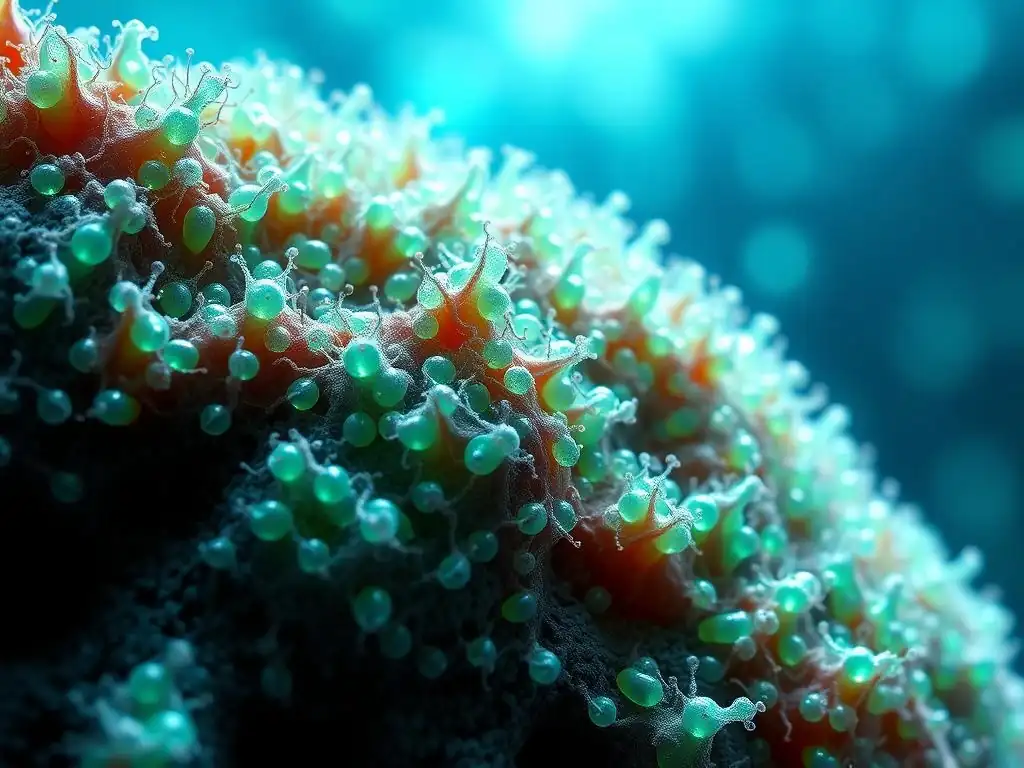
Ammonia-oxidizing bacteria (AOB), primarily members of the Nitrosomonas genus, are the initial and critical line of defense in the aquarium nitrogen cycle. These fascinating microorganisms are chemosynthetic autotrophs, meaning they derive their energy by oxidizing inorganic compounds (ammonia) rather than through photosynthesis, and they fix carbon dioxide to build their organic matter. Their slow growth rate is a significant reason why establishing a new aquarium's nitrogen cycle typically takes several weeks; their populations need time to multiply sufficiently to handle the tank's bioload. They thrive in oxygen-rich environments, making good aeration and water flow essential.
These AOB populations are surprisingly sensitive to sudden environmental shifts. They are highly susceptible to drastic changes in water parameters, particularly pH crashes, as they prefer a neutral to slightly alkaline pH range (typically 7.0-8.5). Furthermore, many common aquarium medications, especially broad-spectrum antibiotics, can decimate these bacterial colonies, leading to an immediate and dangerous ammonia spike. Therefore, maintaining stable water conditions and exercising caution with treatments are crucial for preserving this vital bacterial population.
Nitrite-Oxidizing Bacteria: Completing the Initial Conversion
Nitrite-oxidizing bacteria (NOB), predominantly from the Nitrobacter genus, work in tandem with AOB to complete the initial stages of the nitrogen cycle. Like their ammonia-oxidizing counterparts, they are also chemosynthetic autotrophs, deriving energy from the oxidation of nitrite into nitrate. Their population growth is intrinsically linked to the presence of nitrite, as it is their sole food source. This sequential dependency explains why nitrite levels often spike after ammonia levels begin to fall during the cycling process; the NOB population needs time to catch up.
Similar to AOB, NOB require an oxygenated environment and stable conditions to flourish. While Nitrobacter is historically cited as the primary NOB, recent research indicates that other genera, such as Nitrospira, are often more prevalent and efficient in aquarium biological filters. Regardless of the specific genus, the presence of a robust population of these nitrite-oxidizing bacteria is indispensable for converting the toxic nitrite into the much less harmful nitrate, thereby ensuring a complete and healthy understanding aquarium nitrogen cycle in action.
Where Beneficial Bacteria Thrive: Biological Filtration
Beneficial bacteria, both ammonia-oxidizing and nitrite-oxidizing, are sessile organisms, meaning they primarily grow by attaching to surfaces rather than free-floating in the water column. They form a thin, slimy layer known as a biofilm on virtually every submerged surface within the aquarium. This includes the inner surfaces of the glass, decorations, heating elements, and most importantly, the substrate (gravel or sand) and, particularly, the specialized media within the aquarium filter. The greater the surface area available, the larger the population of beneficial bacteria that can colonize, leading to a more efficient and robust nitrogen cycle.
Aquarium filters are specifically designed to maximize this surface area for bacterial colonization, acting as the primary biological filtration component. Common biological filter media include porous ceramic rings, bio-balls, sponges, and specialized synthetic materials engineered with intricate pore structures. For example, a single liter of high-quality porous bio-media can offer a staggering surface area ranging from hundreds to even thousands of square meters, significantly surpassing the capacity of simple sponges or gravel. This deliberate design ensures a dedicated habitat for the bacterial colonies, which is vital for a strong understanding aquarium nitrogen cycle and effective waste processing.
Cycling Your Aquarium: Establishing a Healthy Nitrogen Cycle
The Fish-In Cycling Method: Proceeding with Caution
The fish-in cycling method involves adding a small number of very hardy fish to a newly set up aquarium to initiate the production of ammonia through their waste. While this was historically a common practice, it is generally discouraged by experienced aquarists due to the significant stress and potential harm it inflicts upon the fish. During this period, the fish are exposed to fluctuating and often dangerously high levels of ammonia and nitrite for several weeks, which can lead to permanent organ damage, suppressed immune systems, or even death.
If, for unavoidable reasons, this method must be pursued, extreme caution and diligent monitoring are absolutely essential. It is crucial to select only the hardiest species, such as Zebra Danios or White Cloud Mountain Minnows, and to limit their number significantly (e.g., 2-3 fish for a 20-gallon tank).
Daily water tests for ammonia and nitrite are mandatory, and frequent small water changes (e.g., 10-20% daily or every other day) must be performed immediately if ammonia or nitrite levels exceed 0.25 mg/L (ppm) to dilute the toxins. This approach demands constant vigilance and is less than ideal for fish welfare, making a deliberate understanding aquarium nitrogen cycle crucial for minimizing harm.
The Fishless Cycling Method: A Safer Approach
The fishless cycling method is widely regarded as the most humane, efficient, and safest way to establish the aquarium nitrogen cycle before introducing any fish. This technique involves adding an external source of ammonia to the tank to feed the beneficial bacteria, thereby allowing the bacterial colonies to establish themselves without exposing any living creatures to toxic compounds. This method significantly reduces stress for both the aquarist and future inhabitants, leading to a more stable and robust biological filter from day one.
The process typically involves dosing pure ammonia solution (without surfactants or perfumes) to achieve a concentration of 2-4 mg/L (ppm) in the tank. Alternatively, a small pinch of fish food can be added daily, or commercial bacterial starter cultures can be used to accelerate the process. Daily testing of ammonia, nitrite, and nitrate is critical.
The cycle is considered complete when ammonia consistently drops to zero within 24 hours, nitrite spikes and then consistently drops to zero, and nitrates become measurable. This methodical approach ensures a fully functional biological filter, providing a foundational understanding aquarium nitrogen cycle for a thriving tank.
Monitoring Water Parameters During Cycling: Testing is Essential
Accurate and consistent monitoring of water parameters is absolutely essential during the aquarium cycling process. Reliable liquid-based test kits (e.g., an API Freshwater Master Test Kit) are indispensable, as test strips are often less precise and can provide misleading results. The key parameters to test daily during the cycling phase are Ammonia (NH3/NH4+), Nitrite (NO2-), and Nitrate (NO3-). It is also advisable to monitor pH and temperature regularly, as these factors directly influence the activity and survival of beneficial bacteria.
During a successful fishless cycle, you will observe a predictable progression of readings. Initially, ammonia levels will rise, while nitrite and nitrate remain at zero. Next, as ammonia-oxidizing bacteria establish, ammonia levels will begin to fall, and nitrite levels will spike. Finally, as nitrite-oxidizing bacteria mature, nitrite levels will drop to zero, and nitrate levels will become measurable and will continue to rise. A fully cycled tank is characterized by consistent readings of zero ammonia, zero nitrite, and some measurable nitrate (e.g., 5-20 ppm). This precise monitoring provides concrete evidence of a successful understanding aquarium nitrogen cycle establishment.
How Long Does Aquarium Cycling Take? Factors Affecting Cycle Time
The duration of the aquarium cycling process can vary significantly, typically ranging from a few weeks to several months. A fishless cycle, when properly initiated with an ammonia source and ideal conditions, generally takes between 4 to 8 weeks to fully establish. Some advanced methods utilizing high-quality bacterial starter cultures or seeded filter media can shorten this to 2-3 weeks, while less ideal conditions might extend it beyond 10 weeks. Fish-in cycling often takes longer due to the slower ammonia production from limited fish and the need for frequent water changes to mitigate toxicity.
Several factors directly influence how quickly the beneficial bacteria can colonize and proliferate, thereby affecting the cycle time. These include:
- Temperature: Warmer water (e.g., 75-80°F / 24-27°C) accelerates bacterial growth rates.
- pH: Bacteria prefer a stable pH, ideally between 7.0 and 8.5, for optimal activity.
- Oxygenation: High levels of dissolved oxygen, achieved through good surface agitation or air stones, are crucial as the bacteria are aerobic.
- Surface Area: Tanks with ample biological filter media or porous substrate provide more colonization sites, speeding up the process.
- Bacterial Starters: Commercial products containing live, active beneficial bacteria can significantly reduce cycling time.
- Ammonia Source Consistency: A consistent and appropriate ammonia dose is vital for continuous bacterial feeding.
A realistic understanding aquarium nitrogen cycle timeframes helps aquarists manage expectations and avoid premature stocking.
Maintaining a Stable Aquarium Nitrogen Cycle
Regular Water Changes: Diluting Nitrates
Regular partial water changes are the single most important maintenance practice for long-term aquarium health and the sustained stability of the nitrogen cycle. While the bacterial cycle efficiently converts ammonia and nitrite into nitrate, it does not remove the nitrate itself from the system (in most common setups). Therefore, nitrates accumulate over time, and if left unchecked, can reach harmful concentrations.
Water changes physically remove these accumulated nitrates and replenish essential trace elements that are depleted by fish and plants. For most community tanks, a weekly or bi-weekly change of 25-30% of the tank's volume is a good starting point.
It is crucial to use dechlorinated water that is as close as possible to the aquarium's temperature and pH during water changes. Sudden drastic shifts in water parameters can shock fish and stress the beneficial bacterial colonies, potentially leading to a mini-cycle. For example, replacing 50% of the water with significantly colder or hotter water can cause fish to go into shock. Small, consistent water changes are far more beneficial than large, infrequent ones, as they maintain greater stability in water chemistry and support a robust understanding aquarium nitrogen cycle over time.
Avoiding Overfeeding: Reducing Ammonia Production
One of the most common causes of ammonia spikes and overall instability in an established aquarium's nitrogen cycle is overfeeding. Uneaten fish food rapidly decomposes in the water, releasing a significant amount of ammonia. Additionally, overfeeding leads to more fish waste, further increasing the biological load on the filter system. This excess organic matter can quickly overwhelm the beneficial bacteria, leading to dangerous levels of ammonia and nitrite even in a well-cycled tank.
To prevent this, adopt a mindful feeding regimen. Feed only small amounts of food that your fish can consume entirely within 2-3 minutes. Observe your fish during feeding to ensure all food is eaten.
If any food settles on the bottom, it's a clear sign you're feeding too much, and the next feeding should be reduced. For example, a 20-gallon tank with five small community fish might only require a pinch of high-quality flakes once or twice a day. This simple, yet critical, habit significantly reduces the initial ammonia production, easing the burden on the aquarium nitrogen cycle and contributing to clearer water.
Maintaining Proper Biological Filtration: Filter Cleaning Schedule
The biological filter media within your aquarium filter is the primary habitat for the vast majority of beneficial bacteria that drive the nitrogen cycle. Improper cleaning or maintenance of this essential component can decimate bacterial colonies, leading to a partial or complete cycle crash and subsequent ammonia or nitrite spikes. It is crucial to understand that mechanical filter media (like sponges or floss) should be rinsed regularly to prevent clogging, while biological media requires a more delicate approach.
When cleaning mechanical filter media, always rinse it thoroughly in old aquarium water that has been removed during a water change, never under chlorinated tap water. Chlorine and chloramines present in tap water are lethal to beneficial bacteria. Biological media rarely needs cleaning, but if it becomes visibly clogged with detritus, gently swish it in a bucket of old tank water to remove debris without dislodging the bacterial biofilm.
Never replace all filter media at once, as this removes too many beneficial bacteria and can trigger a "new tank syndrome" scenario. Replace mechanical media gradually, and biological media only if absolutely necessary and with extreme caution. This careful maintenance is paramount for a robust understanding aquarium nitrogen cycle and a stable environment.
Monitoring Water Parameters: Regular Testing for Stability
Even after your aquarium has successfully completed its initial cycle and is fully stocked, consistent and regular monitoring of water parameters remains a critical aspect of maintaining a stable nitrogen cycle. Weekly or bi-weekly testing for ammonia, nitrite, and nitrate is highly recommended. Additionally, regular checks of pH and temperature are important, as these factors can influence bacterial activity and overall water chemistry.
Stable readings are the goal: consistently zero ammonia, zero nitrite, and stable nitrate levels (e.g., typically below 40 ppm for freshwater tanks, though lower is always better). Any deviation from these stable readings, particularly an unexpected rise in ammonia or nitrite, serves as an early warning sign that something is amiss with the aquarium nitrogen cycle. This could indicate overfeeding, filter malfunction, overstocking, or even the presence of a deceased fish. Regular testing acts as your aquarium's diagnostic tool, allowing for prompt intervention before minor issues escalate into major problems, thereby ensuring the long-term health of your aquatic ecosystem.
Troubleshooting Common Nitrogen Cycle Problems
Ammonia Spikes: Identifying and Addressing the Cause
An ammonia spike refers to a sudden and undesirable increase in ammonia levels (e.g., from 0 mg/L to 0.5 mg/L or higher) in an otherwise established aquarium. Common culprits include overfeeding, which introduces excessive organic waste; adding too many fish at once (overstocking), overwhelming the existing bacterial population; a filter malfunction or crash due to power outages or improper cleaning (e.g., rinsing media in tap water); or the decomposition of a dead fish or snail that went unnoticed. These events rapidly increase the biological load beyond the filter's capacity.
Addressing an ammonia spike requires immediate action to protect your fish. The most effective first step is to perform a large partial water change, typically 50% or more, to dilute the toxic ammonia. Reduce or stop feeding for a day or two to minimize further ammonia production. Consider adding an ammonia-detoxifying product (e.g., Seachem Prime), which temporarily neutralizes ammonia and nitrite, providing a crucial buffer.
Increase aeration with an air stone to ensure high dissolved oxygen levels, supporting bacterial activity. Finally, thoroughly check your filter for proper function and cleanliness, rinsing media only in old tank water. Continue daily testing and partial water changes until ammonia returns to zero, demonstrating a proactive understanding aquarium nitrogen cycle crisis management.
Nitrite Spikes: Corrective Actions to Restore Balance
Nitrite spikes often follow ammonia spikes, indicating that the ammonia-oxidizing bacteria are functioning, but the nitrite-oxidizing bacteria are either not yet fully established, have been decimated, or are struggling to keep up with the conversion. The underlying causes are generally similar to ammonia spikes, such as new tank syndrome, overstocking, overfeeding, or a compromised biological filter. Sometimes, a sudden drop in pH can particularly inhibit nitrite-oxidizing bacteria more than their ammonia-oxidizing counterparts, leading to a nitrite build-up.
Corrective actions for a nitrite spike closely mirror those for ammonia, with a few key additions. Perform immediate, large partial water changes (50% or more) to dilute the nitrite. For freshwater tanks, adding aquarium salt (non-iodized, 1-2 teaspoons per 10 gallons) can be highly beneficial; the chloride ions in the salt help to block the uptake of nitrite by the fish's gills, providing a protective effect. Increase aeration to maximize dissolved oxygen.
Temporarily reduce or cease feeding. Consider using a commercial bacterial booster product to help re-establish the nitrite-oxidizing population. Continue daily water testing and partial water changes until nitrite levels return to zero. A quick and decisive response based on understanding aquarium nitrogen cycle is vital to prevent fish fatalities.
High Nitrate Levels: Strategies for Reduction
High nitrate levels (e.g., consistently above 40-50 mg/L for most freshwater fish, or even lower for sensitive species and invertebrates) are a common issue in established aquariums. Unlike ammonia and nitrite, which are acutely toxic, high nitrates lead to chronic stress, suppressed immune systems, stunted growth in fish, and prolific algae growth. The primary cause is typically insufficient frequency or volume of water changes, or an overstocked tank where the bioload continuously produces more nitrate than is being removed.
Strategies for nitrate reduction focus on both removal and prevention. The most effective method is to increase the frequency and/or volume of your partial water changes (e.g., performing a 50% water change twice a week instead of 25% once a week). If overstocking is the issue, reducing the fish population is necessary. Introducing live aquatic plants, especially fast-growing species like Hornwort or Water Wisteria, is highly effective as they actively absorb nitrates as a nutrient.
Reducing feeding will also curb nitrate production. For advanced setups, specialized nitrate-reducing filter media or anaerobic denitrification systems can be considered. Proactive understanding aquarium nitrogen cycle management includes diligent nitrate control for long-term health.
The Importance of a Healthy Biological Filter: Biological Filter Health Checklist
The biological filter is the indispensable engine of the aquarium nitrogen cycle; its health directly dictates the stability and safety of your entire aquatic ecosystem. Any compromise to the beneficial bacterial colonies residing within this filter can lead to a rapid and dangerous cycle crash, resulting in toxic ammonia and nitrite spikes. Therefore, ensuring the biological filter remains robust and functional is paramount for preventing the most common and dangerous water quality issues.
To maintain a healthy biological filter, consider this essential checklist:
- Optimal Flow: Ensure consistent and adequate water flow through all filter media, preventing stagnant zones where anaerobic conditions might develop.
- Gentle Cleaning: Only rinse mechanical filter media (sponges, floss) in old tank water during water changes; avoid cleaning biological media unless absolutely necessary, and if so, do it very gently in old tank water.
- Quality Media: Utilize high-surface-area biological media (e.g., ceramic rings, bio-balls, sintered glass) to provide ample colonization space.
- Medication Caution: Be extremely cautious with aquarium medications, especially antibiotics, as they can decimate beneficial bacteria. Remove activated carbon during medication periods.
- Power Outage Preparedness: In case of a power outage, provide battery-operated air pumps if prolonged, as bacteria quickly die without oxygen.
- Avoid Overloading: Do not add too many fish at once (overstocking) or overfeed, as this overburdens the biological filter.
Adhering to this checklist ensures a continuous and strong understanding aquarium nitrogen cycle for a thriving tank.
The Impact of Plants on the Nitrogen Cycle
Plant Uptake of Nitrates: A Natural Filtration System
Aquatic plants play a significant and often underestimated role in the aquarium nitrogen cycle, acting as powerful natural filters. Unlike beneficial bacteria, which convert nitrogenous waste, plants directly absorb nitrates, phosphates, and other nitrogenous compounds (including some ammonia if present) from the water column. These compounds are essential macronutrients for plant growth. By actively consuming nitrates, plants directly compete with undesirable algae for these nutrients, thereby helping to control algae blooms and reducing the overall nitrate load in the aquarium.
This natural uptake can significantly reduce the frequency and volume of water changes required for nitrate control, especially in heavily planted aquariums. For example, a densely planted 20-gallon tank with fast-growing stem plants can absorb nitrates so efficiently that nitrate levels remain consistently low, sometimes even near zero, without frequent large water changes. This symbiotic relationship between plants and the bacterial nitrogen cycle creates a more balanced and resilient ecosystem, lessening the burden on the bacterial filtration system and providing a natural form of water purification.
Choosing the Right Plants for Nitrate Reduction: Plant Selection Guide
To maximize the nitrate-reducing benefits of live plants, it is advisable to select fast-growing species, particularly stem plants and floating plants, as these are typically the most efficient at nutrient uptake from the water column. Their rapid growth translates to higher demand for nitrates. Excellent choices include:
- Hornwort (Ceratophyllum demersum): A very fast-growing, undemanding floating or submerged plant.
- Water Wisteria (Hygrophila difformis): A versatile stem plant that grows quickly in good conditions.
- Anacharis (Egeria densa): Another popular, fast-growing stem plant.
- Frogbit (Limnobium laevigatum): A floating plant with roots that absorb nutrients directly from the water.
- Water Lettuce (Pistia stratiotes): Similar to Frogbit, excellent for nitrate removal from the surface.
While virtually all aquatic plants absorb nitrates, their effectiveness varies. To ensure optimal nitrate reduction, provide adequate lighting, essential plant nutrients (if needed, especially for high-light plants), and CO2 supplementation if aiming for very dense plant growth. A thriving planted tank not only enhances the aesthetics of the aquarium but also actively contributes to a stable and healthy understanding aquarium nitrogen cycle, making it a win-win for both the aquarist and the aquatic inhabitants.
Understanding the Nitrogen Cycle in Different Aquarium Types
The Nitrogen Cycle in Freshwater Aquariums
The fundamental principles of the aerobic nitrogen cycle – the sequential conversion of ammonia to nitrite and then to nitrate by beneficial bacteria – apply universally across all aquarium types, including freshwater setups. In typical freshwater aquariums, the primary focus for maintaining the nitrogen cycle involves establishing a robust biological filter to process ammonia and nitrite, coupled with regular partial water changes to manage accumulating nitrates. Most freshwater fish thrive in environments with zero ammonia and nitrite, and nitrate levels below 40 ppm.
Freshwater setups are generally considered the most straightforward for managing the nitrogen cycle. Beneficial bacteria in freshwater environments are quite adaptable to a range of pH levels, typically from slightly acidic to slightly alkaline (6.5-8.0), and stable temperatures commonly found in home aquariums. The common hardiness of freshwater bacterial strains, combined with readily available filtration methods, makes freshwater aquariums an excellent starting point for newcomers looking to gain a foundational understanding aquarium nitrogen cycle principles before exploring more complex setups.
The Nitrogen Cycle in Saltwater Aquariums: Specific Considerations
While the core aerobic nitrogen cycle mechanism remains identical, saltwater aquariums present unique challenges and considerations for its management. Ammonia and nitrite are even more acutely toxic in saltwater environments compared to freshwater, primarily due to the higher pH of marine water (typically 8.0-8.4). This elevated pH favors the highly dangerous un-ionized ammonia (NH3) form. Consequently, even trace amounts of ammonia or nitrite (e.g., above 0.05 mg/L) can be severely detrimental to marine fish and corals.
Saltwater aquarists often employ additional equipment and techniques to bolster the nitrogen cycle and maintain pristine water quality. Live rock and live sand are crucial, providing immense surface area for beneficial bacteria and often hosting anaerobic bacteria for denitrification. Protein skimmers are almost universally used to physically remove organic waste before it breaks down into ammonia, significantly reducing the bioload.
Refugiums, separate compartments often containing macroalgae like Chaetomorpha, actively absorb nitrates and phosphates. Furthermore, the beneficial bacteria strains in saltwater tanks are adapted to higher salinity, requiring careful acclimation and stability. A thorough understanding aquarium nitrogen cycle in saltwater demands a more sophisticated approach and greater vigilance.
The Nitrogen Cycle in Planted Aquariums: A Symbiotic Relationship
Planted aquariums exhibit a particularly symbiotic and efficient relationship with the nitrogen cycle, where live plants actively participate in nutrient processing. As previously discussed, aquatic plants absorb nitrates directly from the water column as a primary nutrient for their growth. This uptake significantly reduces the accumulation of nitrates, lessening the reliance on frequent large water changes for nitrate control and actively competing with nuisance algae for nutrients. This creates a more balanced, self-regulating, and often more stable ecosystem than unplanted tanks.
In heavily planted aquariums with a moderate fish bioload, nitrate levels can sometimes drop to near zero due to efficient plant uptake. In such cases, aquarists might even need to dose nitrates (and other macronutrients) as part of a plant fertilization regimen to ensure optimal plant growth and prevent nutrient deficiencies for the plants themselves. This unique dynamic highlights how plants are not merely decorative but are integral, active participants in the understanding aquarium nitrogen cycle, sometimes even shifting the focus from nitrate removal to nitrate replenishment for plant health.
Advanced Topics: The Anaerobic Nitrogen Cycle (Denitrification)
Denitrification Explained: Removing Nitrates Completely
Denitrification represents an advanced stage of the nitrogen cycle, distinct from the aerobic nitrification process. It is an anaerobic process, meaning it occurs in the complete absence of dissolved oxygen. Specialized bacteria, primarily facultative anaerobes such as various Pseudomonas species, perform this crucial conversion.
In this process, these denitrifying bacteria utilize nitrate (NO3-) as an oxygen source for their metabolic activities, converting it into harmless nitrogen gas (N2), which then escapes the water column by bubbling out of the tank. This is the only natural biological mechanism that can completely remove nitrogen compounds from the aquarium system, rather than simply converting them into another form.
This anaerobic conversion typically occurs in oxygen-depleted zones within the aquarium. Common locations include the deep layers of a sand bed (e.g., typically 4 inches or deeper), the intricate, anoxic pores within live rock in marine setups, or within specialized, low-flow denitrification reactors. The process is significantly slower than aerobic nitrification and requires precise conditions to prevent the production of undesirable and potentially harmful byproducts, such as nitrite (if conditions are not fully anoxic) or hydrogen sulfide (which smells like rotten eggs and is highly toxic). Achieving successful denitrification represents a highly advanced understanding aquarium nitrogen cycle.
Setting Up a Denitrification System: Denitrification System Setup
Setting up a denitrification system typically involves creating specific zones within the aquarium where anaerobic conditions can be maintained. The most common methods include:
- Deep Sand Beds (DSB): In marine aquariums, a thick layer of fine sand (usually 4-6 inches deep) creates an anoxic zone at the bottom, where denitrifying bacteria can flourish.
- Live Rock: Highly porous live rock, particularly in marine setups, provides countless internal nooks and crannies where oxygen levels are depleted, fostering anaerobic bacterial growth.
- Denitrators/Reactors: These are specialized, often closed-loop, pieces of equipment designed to create and maintain anoxic conditions. They typically feature a very slow water flow and often require a carbon source (e.g., ethanol, vinegar, or specialized bio-pellets) to fuel the denitrifying bacteria.
It is crucial to note that denitrification systems are complex and require careful monitoring. If the conditions are not perfectly anaerobic, or if the carbon source is improperly dosed, these systems can inadvertently produce toxic nitrite or even highly dangerous hydrogen sulfide gas. They are generally employed in advanced marine aquariums or very large freshwater systems where traditional nitrate control methods (like water changes and plant uptake) are insufficient to manage the bioload. Implementing such a system requires a deep and nuanced understanding aquarium nitrogen cycle and its intricate biological processes.
Mastering the Aquarium Nitrogen Cycle: A Summary of Key Takeaways
Building a Healthy and Sustainable Aquarium Ecosystem
Mastering the understanding aquarium nitrogen cycle is not merely about preventing fish fatalities; it is the fundamental key to building and maintaining a healthy, stable, and sustainable aquatic ecosystem. This intricate biological process, driven by beneficial bacteria, transforms highly toxic fish waste into progressively less harmful compounds, creating a self-regulating environment where aquatic life can truly thrive. It is the single most critical concept for any aspiring or experienced aquarist to grasp, as it underpins every aspect of successful aquarium husbandry.
To achieve this mastery and ensure a long-lasting, enjoyable aquarium hobby, focus on these key pillars:
- Proper Cycling: Always cycle your aquarium fully before adding fish, preferably using the fishless method, to establish a robust biological filter.
- Consistent Monitoring: Regularly test your water parameters (ammonia, nitrite, nitrate, pH) using reliable liquid test kits to detect issues early.
- Regular Water Changes: Perform consistent partial water changes to dilute accumulating nitrates and replenish essential elements.
- Responsible Feeding: Avoid overfeeding, as uneaten food is a major source of ammonia and organic waste.
- Biological Filter Health: Maintain your filter properly, cleaning media gently and only in old tank water to preserve beneficial bacteria.
By diligently applying these principles, you empower your aquarium to flourish, ensuring the well-being of its inhabitants and a truly rewarding experience.
Frequently Asked Questions
How does the aquarium nitrogen cycle work?
The aquarium nitrogen cycle is a biological process where harmful waste like ammonia is converted into less toxic substances. It relies on beneficial bacteria to transform ammonia into nitrite, and then nitrite into nitrate. Nitrate is then removed through water changes.
Why is the nitrogen cycle so important for my aquarium?
Without a functioning nitrogen cycle, ammonia levels will rise, poisoning your fish. The cycle creates a balanced ecosystem that keeps the water safe and healthy for your aquatic inhabitants. It's essential for long-term success.
What are the main stages of the aquarium nitrogen cycle?
The nitrogen cycle consists of three primary stages: the conversion of ammonia to nitrite, the conversion of nitrite to nitrate, and the removal of nitrate through water changes or plant uptake. Each stage is crucial for maintaining water quality.
How long does it take for the nitrogen cycle to establish in a new aquarium?
Typically, it takes 4 to 8 weeks for the nitrogen cycle to fully establish in a new aquarium. This timeframe allows for the beneficial bacteria to colonize and reach sufficient levels. Proper monitoring and testing are critical.
How can I ensure my aquarium's nitrogen cycle remains stable?
Regular water testing is crucial to monitor ammonia, nitrite, and nitrate levels. Avoid overfeeding your fish and perform regular water changes. A healthy biological filter is also essential for maintaining a stable cycle.
Final Reflection: Cultivating Aquatic Harmony
The intricate dance of the nitrogen cycle, as we've explored, is not merely a scientific concept confined to the glass walls of an aquarium; it's a powerful microcosm reflecting the delicate balance of life itself. Understanding its principles is crucial, not just for hobbyists, but for anyone seeking to appreciate the interconnectedness of ecosystems, both large and small. The health of our aquatic environments, whether in a tank or the vast ocean, hinges on this fundamental process.
This journey into the nitrogen cycle has highlighted the importance of mindful stewardship and the profound impact even seemingly small actions can have. Witnessing the transformation of waste into life-sustaining nutrients is a humbling experience, reminding us of nature's inherent efficiency and resilience. The best way to predict the future is to create it.
- Peter Drucker. This quote resonates deeply, urging us to actively participate in creating a healthier future for our aquatic friends and, by extension, our planet.
Now, armed with this knowledge, I invite you to reflect on your own role in this cycle of life. Consider how you can apply these principles of balance and responsibility not only to your aquarium, but to your everyday interactions with the environment. Let's strive to be conscious contributors to a healthier, more balanced world, one mindful action at a time.
Transform Your Tank: Master the Nitrogen Cycle Today!
Thanks for diving deep into the aquarium nitrogen cycle! Understanding this essential process is the first step toward a thriving aquatic ecosystem. Now, let's put that knowledge into action.
- Immediately test your aquarium water for ammonia, nitrite, and nitrate to establish a baseline and monitor your cycle's progress. This is your primary action for a healthier aquarium.
- Share this article with fellow aquarium enthusiasts to spread awareness and foster a community of knowledgeable aquarists.
- Consider documenting your tank's nitrogen cycle journey with photos or videos and sharing your experiences online – help others learn from your successes (and occasional setbacks! ).
Ready to take control and create the perfect environment for your aquatic friends?