
The Butterflyfish Infirmary: Setting Up and Using a Hospital Tank

Welcome to Aquarium Mastery!
Ever wondered how to give your delicate Butterflyfish the best chance at recovery? The secret lies in a well-prepared hospital tank. Dive into our guide, "The Butterflyfish Infirmary: Setting Up and Using a Hospital Tank," and unlock the secrets to creating a safe and effective haven for your finned friends. Discover the essential steps and crucial considerations to ensure their speedy return to health – are you ready to master the art of Butterflyfish care?
- The Reef Fish Infirmary: Setting Up and Using a Hospital Tank
- Why a Reef Fish Hospital Tank is Essential
- Reef Fish Hospital Tank Setup: A Step-by-Step Guide
- Acclimating Your Reef Fish to the Hospital Tank
- Diagnosing and Treating Common Reef Fish Diseases in the Hospital Tank
- Monitoring and Maintaining the Reef Fish Hospital Tank
- Returning Your Reef Fish to the Main Aquarium
- Advanced Reef Fish Hospital Tank Techniques
- Troubleshooting Common Reef Fish Hospital Tank Issues
-
Frequently Asked Questions
- What is the primary purpose of a hospital tank for butterflyfish?
- What size hospital tank is generally recommended for a butterflyfish?
- What essential equipment is needed for a butterflyfish hospital tank setup?
- How often should I perform water changes in a butterflyfish hospital tank?
- What are some signs that a butterflyfish needs to be moved to a hospital tank?
- Final Reflection: The Delicate Dance of Healing
- Transform Your Tank: Rescue & Restore!
The Reef Fish Infirmary: Setting Up and Using a Hospital Tank
Why a Reef Fish Hospital Tank is Essential
Understanding the Need for Isolation in Reef Fish Care
Setting up a dedicated hospital tank is a cornerstone of responsible reef fish husbandry, particularly for delicate species like Butterflyfish. When a fish exhibits signs of illness or stress, isolating it immediately serves multiple critical purposes. Firstly, it removes the affected individual from the main display tank's competitive environment, allowing it to recover in a low-stress setting without harassment from tank mates. This isolation also enables targeted treatment, as medications can be administered at precise dosages without risking harm to corals, invertebrates, or other fish that might be sensitive to specific chemicals.
Furthermore, isolating a sick fish, such as a struggling Copperband Butterflyfish, prevents potential pathogens from spreading rapidly throughout the entire established ecosystem. Many marine diseases, like Marine Ich, are highly contagious and can quickly decimate an entire fish population if not contained. A separate Butterflyfish hospital tank setup provides a controlled environment where the disease can be managed effectively without contaminating the complex biological balance of the main reef system.
Preventing Disease Spread in Your Reef Aquarium
The economic and emotional cost of a disease outbreak in a mature reef aquarium can be devastating. Treating an entire display tank for a parasitic or bacterial infection is not only challenging but often impractical, as many common medications are toxic to corals, anemones, and other invertebrates. By promptly moving an infected fish to a Butterflyfish hospital tank, you create a barrier against widespread contamination.
Consider a scenario where a single fish, perhaps a new Pyramid Butterflyfish, introduces a virulent pathogen like Marine Velvet. If not isolated, this single fish could infect every other fish in the main tank within a matter of days, leading to significant losses. A well-maintained hospital tank setup allows you to treat the infected individual while the main tank remains fallow, effectively breaking the disease's life cycle and protecting your entire investment. This proactive measure significantly reduces the risk of a full-scale epidemic.
The Importance of Early Intervention for Reef Fish Health
Early detection and swift intervention are paramount to the successful treatment of sick reef fish, especially for species known for their sensitivity, such as many Butterflyfish. Subtle changes in behavior, appetite, or appearance can be the first indicators of an underlying health issue. For instance, a Teardrop Butterflyfish that stops eating for a day or two, or exhibits slight fin clamping, might be showing early signs of stress or illness.
A dedicated hospital tank allows aquarists to observe ailing fish closely without the distractions of a large display tank. This focused observation facilitates a more accurate and timely diagnosis, enabling the immediate initiation of appropriate treatment. The sooner a sick fish, particularly a Butterflyfish, is moved to a therapeutic environment, the higher its chances of recovery, preventing the condition from worsening and becoming untreatable.
Reef Fish Hospital Tank Setup: A Step-by-Step Guide
Choosing the Right Size and Type of Hospital Tank for Reef Fish
Selecting the appropriate size for your Butterflyfish hospital tank setup is crucial for the comfort and recovery of the fish. For most common Butterflyfish species, a 10 to 20-gallon aquarium is typically sufficient. A 20-gallon long tank, for example, provides ample swimming space and water volume, contributing to greater water stability, which is vital for a recovering fish. The tank should be bare-bottom, meaning no substrate, to facilitate easy cleaning, prevent medication absorption, and allow for visual inspection of the fish's waste or any parasites that may fall off.
The tank type should ideally be glass or acrylic, ensuring it can withstand various medications without adverse reactions. Avoid using tanks that have previously housed copper-based medications in the substrate, as copper can leach out and become toxic. A simple, rectangular shape is best, as it allows for easy observation and maintenance. The overall simplicity of the Butterflyfish hospital tank setup ensures that the focus remains solely on the fish's health and treatment.
Essential Equipment for a Reef Fish Quarantine Tank
Equipping your Butterflyfish hospital tank setup with the right components is key to its effectiveness. Beyond the tank itself, several pieces of equipment are non-negotiable for maintaining a stable and therapeutic environment. These include a reliable filter, an accurate heater and thermostat, and appropriate lighting. Each component plays a vital role in supporting the fish's recovery and ensuring the success of any treatment protocols.
Having these essential items on hand and ready for immediate deployment can make a significant difference in the outcome for a sick Butterflyfish. Proactive preparation of your Butterflyfish hospital tank setup means you won't be scrambling for equipment when an emergency arises, allowing for quick isolation and treatment of the affected fish.
Selecting a Filter for Your Reef Fish Hospital Tank
For a Butterflyfish hospital tank setup, filtration needs differ from a display tank. The primary goal is biological filtration to process ammonia and nitrite, without chemical media that could remove medications. A small sponge filter, driven by an air pump, is an excellent choice. It provides gentle flow, ample surface area for beneficial bacteria, and is easy to clean without disrupting the entire system. Alternatively, a small hang-on-back (HOB) filter can be used, but ensure it allows for the removal of carbon or other chemical filtration media during treatment.
It is critical that any filter chosen for a Butterflyfish hospital tank can be easily maintained and cleaned. Sponge filters are particularly advantageous as they can be "seeded" with beneficial bacteria from an established tank's filter media, significantly speeding up the cycling process. This ensures that toxic ammonia and nitrite levels are kept at zero, which is paramount for the recovery of a stressed or medicated Butterflyfish.
Heater and Thermostat Considerations for Reef Fish Health
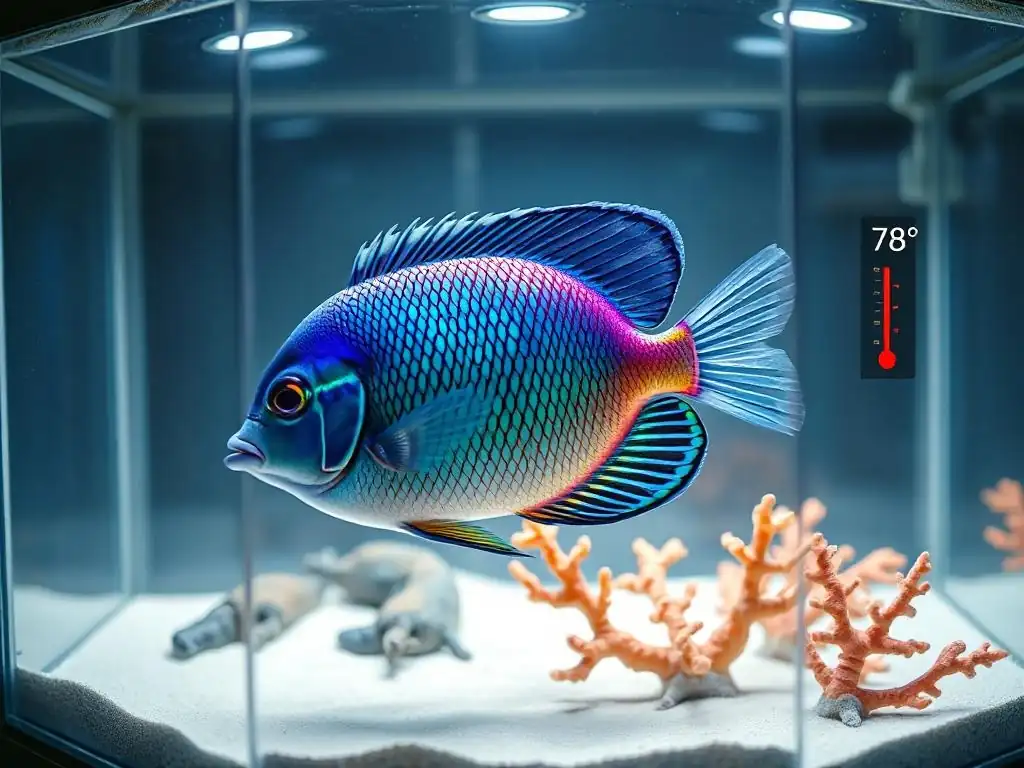
Maintaining a stable and appropriate temperature is paramount in any reef fish hospital tank setup, especially for delicate species like Butterflyfish. Fluctuations can cause additional stress, hindering recovery. A reliable submersible heater, sized appropriately for the tank volume, is essential. For a typical 20-gallon hospital tank, a 50-watt to 100-watt heater is usually sufficient to maintain a consistent temperature between 76-80°F (24-27°C).
It is highly recommended to use a separate, accurate thermostat or a heater with an integrated, dependable thermostat to prevent overheating or chilling. For critical situations, some aquarists opt for two smaller heaters to provide redundancy, ensuring that if one fails, the other can maintain the temperature. Always use a separate thermometer to verify the heater's accuracy and monitor the temperature of your Butterflyfish hospital tank setup continuously.
Lighting Requirements for a Reef Fish Hospital Tank
Lighting in a Butterflyfish hospital tank setup should be minimal and functional rather than aesthetic. The primary purpose of lighting is to allow for observation of the fish and facilitate feeding, not to support coral growth or provide a vibrant display. Intense lighting can add unnecessary stress to an already ailing fish, potentially impeding its recovery.
A simple, low-wattage LED or fluorescent fixture (e.g., a basic 10-watt LED strip) is more than adequate. Often, just ambient room light is sufficient, with the tank lights only turned on for short periods during observation or feeding. Providing a dimmer environment can help reduce stress levels for species like the Longnose Butterflyfish, encouraging them to feel more secure and potentially resume feeding sooner.
Setting Up the Hospital Tank: Step-by-Step Instructions
Once all equipment is gathered, the physical setup of your Butterflyfish hospital tank can begin. This process involves careful consideration of water chemistry and establishing a basic biological filter, even for a temporary setup. Attention to detail at this stage lays the foundation for a successful treatment environment.
Water Chemistry Considerations for Reef Fish Hospital Tanks
The water chemistry in your Butterflyfish hospital tank setup should closely match that of your main display tank, especially concerning salinity, pH, and temperature, to minimize transfer shock. Ideal parameters for most marine fish include a salinity of 1.020-1.025 specific gravity (SG), a pH of 8.0-8.4, and a temperature of 76-80°F (24-27°C). While some treatments, like hyposalinity for Ich, involve reducing salinity, this should only be done as a specific, controlled treatment protocol.
Regular testing of ammonia, nitrite, and nitrate is critical, as these parameters can fluctuate rapidly in a smaller, bare-bottom tank, especially with medication. For a Butterflyfish, which can be sensitive to water quality shifts, maintaining pristine conditions with zero ammonia and nitrite is non-negotiable. Daily water changes of 10-25% are often necessary to manage waste and maintain stable parameters during treatment.
Cycling a Hospital Tank: A Quick Guide
While a full nitrogen cycle can take weeks, a Butterflyfish hospital tank often needs to be operational immediately. To mitigate ammonia and nitrite spikes, a "quick cycle" method is frequently employed. The most effective approach is to transfer a mature sponge filter or bio-media from a healthy, established tank into the hospital tank. This introduces a robust population of beneficial bacteria, allowing the tank to process waste almost instantly.
If seeded media is unavailable, bottled live nitrifying bacteria products can be used to kickstart the cycle, though their effectiveness varies. In situations requiring immediate fish-in cycling, daily 25-50% water changes are essential, coupled with rigorous monitoring of ammonia and nitrite levels (aiming for 0 ppm). Ammonia-neutralizing products can also be used as a temporary measure, but they do not eliminate the need for biological filtration or water changes.
Acclimating Your Reef Fish to the Hospital Tank
Gradual Acclimation Techniques to Minimize Stress
Acclimating a sick or stressed Butterflyfish to its hospital tank is a delicate process that requires patience to minimize further stress. The drip acclimation method is highly recommended. This involves placing the fish in a small container with its original tank water and slowly dripping water from the hospital tank into the container using airline tubing and a knot or valve to control the flow. This gradual mixing allows the fish to slowly adjust to the new water parameters (temperature, salinity, pH).
For a sensitive fish like a Butterflyfish, this process should ideally take 45-60 minutes, or even longer if there's a significant difference in parameters. Dimming the lights in the room and around the hospital tank during acclimation can also help reduce stress. Once acclimated, gently net the fish and transfer it to the hospital tank, discarding the old water.
Monitoring Your Reef Fish During Acclimation
During the acclimation period, close observation of your Butterflyfish is crucial. Look for signs of severe stress, such as rapid or labored breathing, erratic swimming, sudden color loss, or attempts to jump out of the container. While some initial stress is normal, excessive symptoms indicate that the acclimation might be too fast or the water parameters are too divergent.
Once the fish is in the hospital tank, continue to monitor it closely for the first few hours. Observe its swimming patterns, respiration rate, and any changes in appearance. Providing a small PVC pipe elbow or a non-porous ceramic cave can offer a crucial hiding spot, helping the Butterflyfish feel more secure in its new, bare environment. Avoid sudden movements or loud noises around the tank to maintain a calm atmosphere.
Diagnosing and Treating Common Reef Fish Diseases in the Hospital Tank
Identifying Common Reef Fish Ailments
Accurate diagnosis is the first step towards successful treatment in your Butterflyfish hospital tank. Many marine fish diseases present with similar symptoms, making careful observation essential. Understanding the distinct characteristics of common ailments will guide your treatment strategy.
Recognizing Ich (White Spot Disease) in Reef Fish
Marine Ich, caused by the parasite Cryptocaryon irritans, is one of the most common and feared diseases in reef aquariums. It manifests as small, white spots resembling grains of salt on the fish's body and fins. These spots are visible trophonts, the feeding stage of the parasite. Infected fish, including Butterflyfish, often exhibit flashing (rubbing against tank decor), rapid respiration (due to gill infestations), and lethargy.
In severe cases, a Butterflyfish might be covered in hundreds of these white spots, making its skin appear rough or fuzzy. The lifecycle of Ich involves free-swimming stages, making it highly contagious. Effective treatment in a Butterflyfish hospital tank setup is crucial to break this cycle and prevent re-infection.
Identifying Marine Velvet Disease in Reef Fish
Marine Velvet, caused by the dinoflagellate Amyloodinium ocellatum, is another highly virulent and rapidly progressing parasitic infection. Unlike the distinct white spots of Ich, Marine Velvet typically appears as a fine, dusty, yellowish-gold or grayish film coating the fish's body, often described as a "gold dust" appearance. This film can be subtle and sometimes only noticeable under specific lighting conditions.
Infected Butterflyfish often show signs of severe respiratory distress, such as rapid, labored breathing, gasping at the surface, and extreme lethargy. Due to its rapid progression, immediate transfer to a Butterflyfish hospital tank and prompt treatment are critical for survival, as Marine Velvet can lead to death within 24-48 hours in severe cases.
Diagnosing Bacterial Infections in Reef Fish
Bacterial infections in reef fish are often secondary to parasitic infestations, poor water quality, or physical injuries. Symptoms vary but commonly include fin rot (frayed or eroding fins), cloudy eyes, open sores or ulcers on the body, red streaks on the fins or body, and general lethargy or loss of appetite. Swelling of the abdomen (dropsy) or protruding scales can also indicate internal bacterial issues.
For a Butterflyfish, which can be prone to stress-induced conditions, ragged fins or a milky film over the eyes are common indicators of a bacterial problem. Identifying the root cause is important, as treating the primary stressor or parasite will often help the fish's immune system fight off secondary bacterial infections. However, in many cases, broad-spectrum antibiotics administered in the Butterflyfish hospital tank are necessary.
Treatment Options for Sick Reef Fish
Once a diagnosis is made, the Butterflyfish hospital tank becomes the stage for targeted treatment. Administering medications effectively and safely is paramount to the fish's recovery.
Using Medications Safely and Effectively
When treating fish in a Butterflyfish hospital tank, always read and follow medication instructions precisely. Overdosing, even by a small margin (e.g., 10-15% above recommended dosage), can be fatal for sensitive species like Butterflyfish. Remove any chemical filtration media, such as activated carbon, from the filter, as it will absorb the medication, rendering it ineffective.
Administer medications at the appropriate time of day, often after lights out, and ensure thorough dispersal throughout the tank. Monitor the fish closely for any adverse reactions to the medication, such as increased stress, erratic swimming, or loss of appetite, which might indicate a need to adjust dosage or discontinue treatment.
Water Changes and Their Role in Treatment
Water changes are an indispensable part of treatment in a Butterflyfish hospital tank setup. They serve multiple purposes: diluting medications that might accumulate to toxic levels, removing waste products (ammonia, nitrite, nitrate) that can build up quickly in a small, bare-bottom tank, and replenishing essential elements. Daily 10-25% water changes are common during many treatment protocols, especially when using medications that break down quickly or produce byproducts.
Always prepare replacement saltwater with parameters (salinity, pH, temperature) matching the hospital tank to avoid shocking the fish. For a Butterflyfish undergoing copper treatment, regular water changes help maintain stable water quality, which is crucial for the fish's immune response and overall recovery.
Copper Treatment Protocol for Marine Ich
Copper-based medications are highly effective against Marine Ich and Velvet in a Butterflyfish hospital tank. The choice between copper sulfate and chelated copper depends on preference and the fish's sensitivity; chelated forms (like Cupramine) are generally considered safer and more stable. The key is to maintain a consistent therapeutic copper concentration throughout the treatment period, which typically lasts 14-21 days to ensure all stages of the parasite's life cycle are eradicated.
For chelated copper, a concentration of 0.2-0.25 ppm is often recommended, while for copper sulfate, it might be 0.5-0.8 ppm. Daily testing of copper levels with a reliable test kit is absolutely critical, as copper can fluctuate and become toxic if levels rise too high, or ineffective if they drop too low. For sensitive species like Butterflyfish, maintaining the lower end of the therapeutic range (e.g., 0.2 ppm for chelated copper) is often preferred to minimize stress while still being effective.
Monitoring and Maintaining the Reef Fish Hospital Tank
Regular Water Testing and Maintenance
Consistent water quality monitoring is paramount in a Butterflyfish hospital tank setup. Due to the smaller water volume and the potential for increased waste from a sick or medicated fish, parameters can shift rapidly. Daily testing for ammonia, nitrite, nitrate, salinity, and pH is crucial. Ammonia and nitrite should always be at 0 ppm. Any detectable levels require immediate action, typically a 25-50% water change, to prevent further stress to the already compromised fish.
Beyond daily testing, consistent maintenance includes siphoning out any uneaten food or waste from the bare bottom of the tank. This prevents organic decay, which can contribute to ammonia spikes and cloudy water. Maintaining pristine conditions in the Butterflyfish hospital tank is as important as the medication itself for successful recovery.
Observing Reef Fish Behavior for Signs of Improvement
Observing your Butterflyfish's behavior is the most direct way to gauge its response to treatment and overall improvement. Look for positive signs such as increased activity, normal swimming patterns, clear eyes, healed fins, and a return to normal coloration. A healthy Butterflyfish will typically exhibit alert behavior and actively seek out food.
Documenting observations daily, including feeding response, breathing rate, and any changes in appearance, can help track progress. A Butterflyfish showing signs of recovery will often resume normal swimming patterns, pick at the substrate, and show interest in food within 3-5 days of effective treatment, though full recovery may take longer.
Feeding Your Reef Fish in the Hospital Tank
Encouraging a sick Butterflyfish to eat is vital for its recovery, as proper nutrition boosts its immune system. Offer small, frequent meals of high-quality, palatable foods. Many Butterflyfish species, like the Longnose Butterflyfish, prefer meaty foods such as Mysis shrimp, enriched brine shrimp, or finely chopped seafood. If the fish is reluctant to eat, try soaking food in appetite stimulants or vitamin supplements.
Avoid overfeeding, as uneaten food will quickly foul the water in a small hospital tank, leading to ammonia spikes. Remove any uneaten food within 5-10 minutes of feeding. For very stressed or shy Butterflyfish, offering food after dimming the lights can sometimes encourage them to eat.
Returning Your Reef Fish to the Main Aquarium
Gradual Reintroduction Process
Returning a recovered Butterflyfish to the main display tank requires careful planning to prevent re-stressing the fish or reintroducing disease. First, ensure the fish is completely healthy, eating well, and has shown no signs of illness for at least 30 days post-treatment. Before transfer, match the hospital tank's water parameters (temperature, salinity, pH) to the main display tank as closely as possible.
The reintroduction should be gradual. One common method is to float the fish in a clear, breathable container within the main tank for an hour or so, allowing it to acclimate to the display tank's environment and for existing inhabitants to get used to its presence. Avoid mixing hospital tank water with display tank water to prevent any residual medication or pathogens from entering the main system. Gently release the fish into the main tank once fully acclimated.
Quarantine Period After Treatment
Even after a fish appears fully recovered from a disease like Ich, a critical 30-day observation period is often recommended. This "fallow period" ensures that any lingering parasites or pathogens have completed their life cycle and died off without a host, or that the fish is truly free of any dormant stages of disease. For a Butterflyfish that has undergone copper treatment for Marine Ich, a full 30-day period in the hospital tank after the last visible symptom, or a 30-day fallow period in the main tank (if all fish were removed for treatment), is crucial.
This extended quarantine period is a safeguard against relapses and the reintroduction of disease into the main aquarium. It allows the fish's immune system to fully recover and ensures that it is robust enough to handle the potential stressors of the display tank.
Preventing Future Outbreaks: Best Practices
The most effective strategy for preventing future disease outbreaks in your reef aquarium is a strict quarantine protocol for all new fish acquisitions. A dedicated quarantine tank, similar to your Butterflyfish hospital tank setup, should be used for all new arrivals for a period of 4-6 weeks. During this time, observe new fish for any signs of illness and consider prophylactic treatments for common parasites like Ich and flukes.
Beyond quarantine, maintaining excellent water quality in the display tank through regular water changes and proper filtration is essential. Provide a balanced, nutritious diet and minimize stressors such as overcrowding, aggression, or rapid parameter fluctuations. Regularly inspecting your fish for early signs of disease can allow for quick isolation and treatment, preventing a minor issue from escalating into a major problem.
Advanced Reef Fish Hospital Tank Techniques
Specialized Treatments for Specific Reef Fish Diseases
Beyond general copper treatments for common parasites, a Butterflyfish hospital tank can be utilized for more specialized treatments targeting specific pathogens. For instance, internal parasitic infections (like intestinal worms or flagellates) might require medications such as Metronidazole or Praziquantel, often administered by soaking food. External flukes can also be treated with Praziquantel.
Accurate diagnosis, potentially involving microscopic examination of skin or gill scrapes, becomes even more critical for these specialized treatments. Always ensure the chosen medication is safe for the specific Butterflyfish species and that the treatment protocol is followed precisely to avoid adverse effects. For a Butterflyfish with internal parasites, Metronidazole-soaked food administered in the hospital tank can be a highly targeted and effective approach.
Utilizing Quarantine for New Reef Fish Acquisitions
The most advanced and effective use of a Butterflyfish hospital tank setup is for mandatory quarantine of all new fish acquisitions, regardless of whether they show signs of illness. This proactive approach prevents the introduction of diseases into your established display tank. During a typical 4-6 week quarantine period, new fish can be observed for latent diseases that might not be immediately apparent.
Many experienced aquarists also opt for prophylactic treatment during quarantine, such as a full course of copper (for Marine Ich/Velvet) and a broad-spectrum anti-parasitic like Praziquantel (for flukes and internal worms). This comprehensive approach in the Butterflyfish hospital tank significantly reduces the risk of introducing pathogens, saving countless headaches and potential fish losses in the long run.
UV Sterilization and Ozone Use in Hospital Tanks
For advanced Butterflyfish hospital tank setups, UV sterilizers and ozone generators can be supplementary tools to further reduce the pathogen load in the water column. A UV sterilizer works by exposing water to ultraviolet light, which damages the DNA of free-floating bacteria, viruses, and parasites, rendering them unable to reproduce. For a 20-gallon hospital tank, a 9-watt UV sterilizer can significantly reduce the number of free-swimming Ich tomonts.
Ozone, a powerful oxidizer, can also be used to improve water clarity and reduce organic pollutants and pathogens. However, ozone requires careful monitoring and often a carbon reactor to remove residual ozone before water returns to the tank, as it can be toxic to fish. Both UV and ozone are excellent preventative measures but should not replace direct medication for an active infection in a Butterflyfish hospital tank.
Troubleshooting Common Reef Fish Hospital Tank Issues
Addressing Ammonia Spikes
Ammonia spikes are a common problem in new or under-cycled hospital tanks, especially with the added stress of a sick fish. If ammonia levels rise above 0 ppm, immediate action is required. The most effective solution is a large water change, typically 25-50%, using properly mixed and acclimated saltwater. Simultaneously, ensure that the biological filter (e.g., sponge filter) is functioning optimally and not clogged.
Ammonia-neutralizing products can provide temporary relief by detoxifying ammonia, but they do not remove it and should not be relied upon as a long-term solution. Increasing aeration with an air stone can also help, as high ammonia levels reduce oxygen availability. For a delicate Butterflyfish, maintaining absolute zero ammonia is critical for recovery.
Dealing with Cloudy Water
Cloudy water in a Butterflyfish hospital tank can indicate several issues: a bacterial bloom, overfeeding, or insufficient mechanical filtration. A bacterial bloom often occurs during the cycling process or when there's an excess of organic waste. Reduce feeding significantly, or even stop feeding for a day or two if the fish's condition allows.
Perform a 25% water change and ensure the filter media is clean but not sterilized (if it's a biological filter). If using a sponge filter, gently squeeze it out in old tank water to remove detritus. Cloudy water often resolves with improved maintenance practices and reduced organic load.
Encouraging Feeding in a Stressed Fish
A stressed or sick Butterflyfish may refuse to eat, which can significantly hinder its recovery. To encourage feeding, offer a variety of highly palatable and nutritious foods, such as live or frozen Mysis shrimp, enriched brine shrimp, or finely chopped clam. Offer very small amounts at a time to prevent fouling the water.
Dimming the lights and providing a small, non-porous hiding spot (like a PVC elbow) can help the fish feel more secure, making it more likely to venture out and eat. Avoid sudden movements or loud noises around the tank during feeding times. Patience is key; it may take several days for a stressed Butterflyfish to resume eating consistently.
Frequently Asked Questions
What is the primary purpose of a hospital tank for butterflyfish?
The primary purpose is to isolate sick or injured butterflyfish from the main aquarium. This allows for targeted treatment and prevents the spread of disease. It also reduces stress on the fish.
What size hospital tank is generally recommended for a butterflyfish?
A tank of at least 20 gallons is recommended for most butterflyfish. This provides adequate space for recovery and minimizes stress during treatment. Consider a larger tank for larger species.
What essential equipment is needed for a butterflyfish hospital tank setup?
Essential equipment includes a heater, filter, and air pump. A thermometer is also crucial for monitoring temperature. Avoid substrate to facilitate easy cleaning.
How often should I perform water changes in a butterflyfish hospital tank?
Water changes should be performed frequently, typically every 1-2 days. This helps maintain water quality and remove medications after treatment. Aim for 25-50% water changes.
What are some signs that a butterflyfish needs to be moved to a hospital tank?
Signs include loss of appetite, lethargy, visible injuries, or abnormal behavior. Also, look for signs of disease, such as white spots or fin rot. Early intervention is crucial.
Final Reflection: The Delicate Dance of Healing
The intricacies of butterflyfish care, especially in times of illness, are more crucial than ever as our understanding of marine ecosystems deepens and the responsibility of aquarium keeping grows. Setting up a dedicated hospital tank is not merely a procedural step; it's an act of compassion, a commitment to providing these delicate creatures with the best possible chance at recovery and a testament to our evolving relationship with the natural world.
This journey into the world of butterflyfish infirmaries has profoundly impacted how I view responsible aquarium ownership. It's a constant reminder that our actions have direct consequences on the lives we choose to bring into our care. The dedication required to maintain a hospital tank, to meticulously monitor water parameters and administer treatments, reflects a deeper commitment to ethical and sustainable practices. The greatness of a nation and its moral progress can be judged by the way its animals are treated.
- Mahatma Gandhi. This quote resonates deeply, highlighting the ethical imperative to provide compassionate care to all living beings, including the often-overlooked inhabitants of our aquariums.
Now, as you close this article, I invite you to reflect on your own role in the delicate dance of healing. Consider how you can apply the principles of responsible aquarium keeping, not just to butterflyfish, but to all aspects of your life. Embrace the challenge of creating a nurturing environment, both within your aquarium and within yourself. By doing so, you contribute to a world where compassion and understanding flourish, ensuring a brighter future for all living creatures.
Transform Your Tank: Rescue & Restore!
Thank you for diving into the world of hospital tanks! We hope you've gleaned valuable insights into setting up and utilizing this essential tool for any dedicated aquarist. Now, let's put that knowledge into action and ensure a vibrant, healthy aquatic environment for your finned friends.
- Act now: Equip yourself!: Begin by assembling your hospital tank setup this week. Even a basic setup can make a world of difference in treating sick or injured fish.
- Share the knowledge: Forward this article to two fellow aquarium enthusiasts who might benefit from understanding the importance of hospital tanks.
- Explore beyond treatment: Research compatible medications and treatments tailored to common ailments affecting your specific fish species.
What's the first step you'll take to create a safer, healthier environment for your aquatic companions? Share your plan in the comments below!