
Boosting LPS Coral Growth & Color: Advanced Techniques for Stunning Results

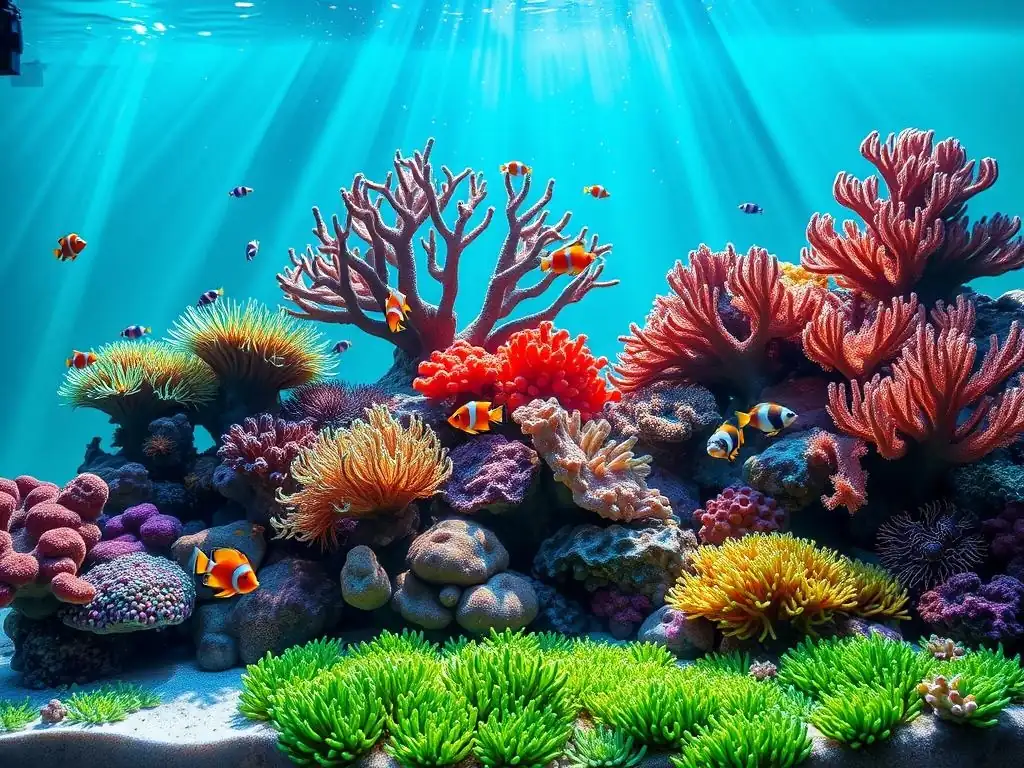
Welcome to Aquarium Mastery!
Ready to unlock the secrets to vibrant, thriving LPS corals? Ever wondered how the pros achieve those breathtaking colors and rapid growth? Dive in! This article unveils advanced LPS coral growth techniques that will transform your reef tank into a stunning underwater masterpiece. Discover the insider tips and tricks that will have your LPS corals flourishing like never before. Let's get started!
- Understanding LPS Coral Growth Factors for Optimal Reef Tank Health
- Advanced LPS Coral Feeding Strategies for Accelerated Growth
- Mastering Water Parameter Stability for Consistent LPS Coral Growth
- Advanced Lighting Techniques for Enhancing LPS Coral Color
- Fragging and Propagation Techniques for Expanding Your LPS Coral Collection
- Troubleshooting Common LPS Coral Growth Problems
- Advanced Tips for Achieving Stunning LPS Coral Colors
-
Frequently Asked Questions
- What are the key factors influencing LPS coral growth?
- How important is water chemistry for LPS coral growth?
- What type of lighting is best for promoting vibrant LPS coral colors and growth?
- Are there any specific feeding strategies that can enhance LPS coral growth?
- What are some common mistakes that can inhibit LPS coral growth, and how can I avoid them?
- Final Reflection: Unlocking the Potential of LPS Coral
- Unleash Your LPS Coral's Hidden Potential!
Understanding LPS Coral Growth Factors for Optimal Reef Tank Health
The Importance of Water Chemistry for LPS Coral Development
The stability of key water parameters is paramount for robust LPS (Large Polyp Stony) coral growth. Corals, being calcifying organisms, require a consistent supply of calcium, alkalinity (carbonate hardness), and magnesium to build their aragonite skeletons. Fluctuations in these parameters can severely stress corals, leading to slower growth, tissue recession, or even death. For instance, maintaining alkalinity within a tight range of 7-9 dKH is crucial, as swings of more than 0.5 dKH in a 24-hour period can inhibit calcification and overall LPS coral growth.
Calcium levels should ideally be maintained between 400-450 ppm, and magnesium between 1300-1400 ppm. Magnesium plays a vital role in the calcification process by preventing calcium carbonate from precipitating out of solution prematurely, ensuring that calcium remains available for the coral to absorb. Regular testing, at least 2-3 times per week for alkalinity and weekly for calcium and magnesium in a growing LPS tank, is essential to identify and correct any imbalances quickly. Consistent parameters are the bedrock of successful LPS coral growth techniques.
Lighting Considerations for Enhancing LPS Coral Coloration and Growth
Lighting is a primary energy source for LPS corals through their symbiotic zooxanthellae algae. The intensity and spectrum of light significantly influence both the growth rate and the vibrancy of coral coloration. Photosynthetically Active Radiation (PAR) is the key metric for intensity, with most LPS corals thriving in moderate PAR levels, typically ranging from 50 to 150 PAR, though some species like Euphyllia can tolerate slightly higher. Too low PAR will result in stunted LPS coral growth and pale colors, while excessive PAR can lead to bleaching and tissue damage.
The spectral quality of light also plays a critical role. Blue light (specifically wavelengths around 450-470 nm) is highly effective at stimulating the fluorescent proteins within coral tissue, enhancing their natural blues, greens, and purples. While full-spectrum white light is necessary for overall photosynthetic efficiency and healthy LPS coral growth, a higher proportion of blue light in the overall spectrum can dramatically improve coloration. Many aquarists find success running their lights with a higher blue intensity during peak viewing hours, complementing the white light used for daily growth.
Optimizing Flow and Placement for Maximum LPS Coral Expansion
Proper water flow is indispensable for healthy LPS coral growth and expansion. It serves multiple functions: delivering essential nutrients and food particles to the coral polyps, removing metabolic waste products, and preventing detritus from settling on the coral tissue, which can lead to infection or necrosis. Most LPS corals prefer moderate, indirect flow. Strong, direct laminar flow can cause tissue damage, leading to polyp retraction, stress, and inhibited growth, particularly for species with delicate polyps like Euphyllia (Hammer, Torch, Frogspawn corals).
Ideal placement in the aquarium considers both light and flow. Corals should be positioned where they receive adequate light without being blasted by direct flow from powerheads or return pumps. For instance, a Favia or Acanthastrea colony might tolerate slightly higher flow than a Blastomussa or Euphyllia. Observe polyp extension and overall coral behavior; if polyps are consistently retracted or if tissue appears agitated, the flow might be too strong. Adjusting powerhead direction or using wavemakers with randomized flow patterns can create the ideal environment for optimal LPS coral growth techniques.
Advanced LPS Coral Feeding Strategies for Accelerated Growth
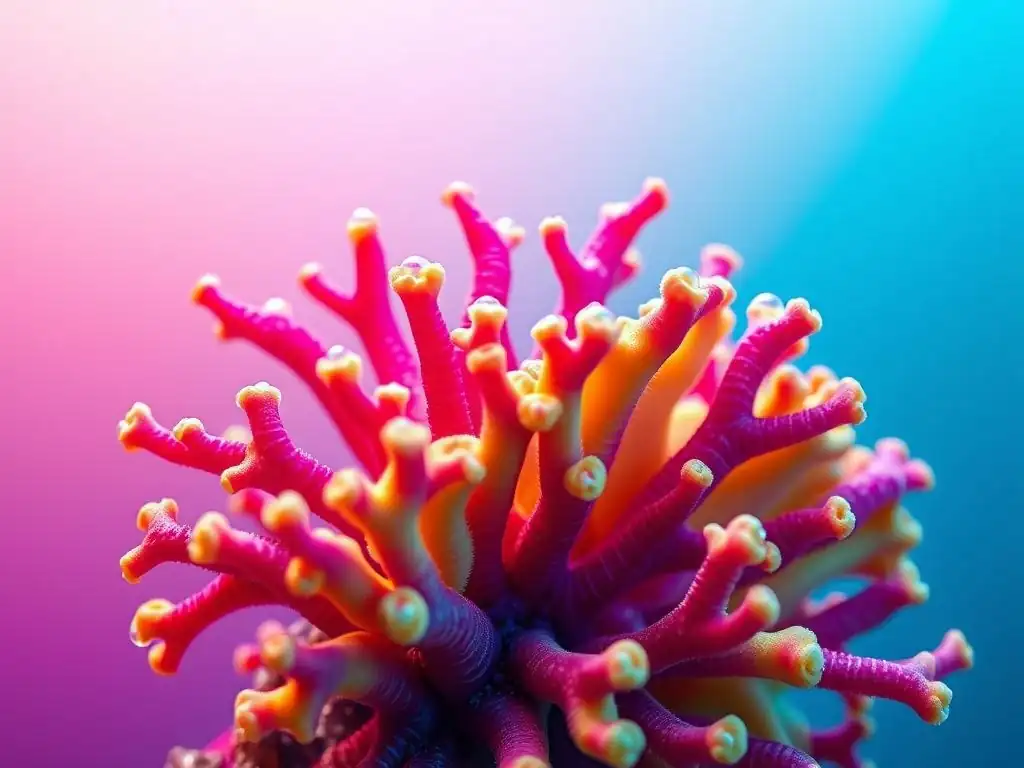
Target Feeding Techniques to Promote LPS Coral Tissue Development
While zooxanthellae provide a significant portion of an LPS coral's energy needs, direct feeding is a powerful advanced LPS coral growth technique for accelerating tissue development and overall size. Many LPS corals, especially those with larger polyps and visible mouths such as Acanthastrea, Blastomussa, and various Euphyllia species, are highly capable of capturing and consuming meaty foods. Target feeding ensures that the food reaches the intended coral directly, minimizing nutrient pollution in the water column.
To perform target feeding, use a pipette or turkey baster to deliver small amounts of food directly onto the coral's polyps, typically after the main lights have dimmed or turned off, as corals often extend their feeding tentacles more readily at night. Feeding 2-3 times per week can significantly boost growth rates and polyp extension. For example, Acanthastrea lordhowensis corals have been observed to increase their individual polyp size by up to 20% over a few months with consistent target feeding of appropriate foods, compared to those relying solely on photosynthesis.
Selecting the Right Coral Foods for Vibrant Colors and Robust Growth
The choice of coral food is crucial for promoting both robust LPS coral growth and vibrant coloration. A varied diet is generally best, mimicking the diverse planktonic food sources corals encounter in the wild. Common choices include frozen mysis shrimp, brine shrimp (enriched), copepods, and rotifers. For smaller-mouthed LPS or those that filter feed more, finely ground pellets, coral powders, or liquid phytoplankton/zooplankton solutions can be effective.
For larger polyp LPS like Scolymia or Lobophyllia, larger particle foods such as chopped silversides or pieces of krill can be offered. It's important to match the food particle size to the coral's mouth size to ensure efficient consumption. For instance, a Dendrophyllia (a non-photosynthetic LPS) will require daily feeding of larger, meaty foods, whereas a photosynthetic Favia might thrive on a mix of smaller frozen foods and broadcast feeding. Experiment with different food types and observe your corals' feeding response to determine the most effective regimen for your specific LPS coral growth techniques.
Supplementing with Amino Acids and Trace Elements for Enhanced LPS Health
Beyond direct feeding, supplementing with amino acids and trace elements can significantly enhance LPS coral health, coloration, and growth. Amino acids are the building blocks of proteins and are vital for coral tissue repair, growth, and the production of various pigments. Many commercial amino acid solutions are available, and dosing them regularly (e.g., 2-3 times per week, following manufacturer guidelines) can lead to noticeably fuller polyps and more intense colors. Some reefers report a 10-15% increase in Euphyllia growth rates when consistent amino acid dosing is incorporated into their LPS coral growth techniques.
Trace elements, such as iodine, strontium, potassium, and boron, are consumed by corals and other invertebrates and are essential for various metabolic processes and skeletal integrity. While some are replenished through regular water changes, supplementation can ensure consistent availability, especially in heavily stocked tanks. For example, strontium is directly involved in calcium carbonate deposition. Using an ICP-OES test (Inductively Coupled Plasma - Optical Emission Spectrometry) can provide precise measurements of trace elements in your water, allowing for targeted supplementation and preventing deficiencies that could hinder LPS coral growth.
Mastering Water Parameter Stability for Consistent LPS Coral Growth
Maintaining Alkalinity, Calcium, and Magnesium Balance in Reef Aquariums
Consistent levels of alkalinity, calcium, and magnesium are non-negotiable for sustained LPS coral growth. These three parameters are intrinsically linked in the calcification process, where corals absorb calcium and carbonate ions from the water to build their skeletons. As corals grow, they deplete these elements, necessitating regular replenishment. In a tank with actively growing LPS corals, alkalinity can drop by 0.5 to 1.0 dKH per day, while calcium might decline by 5-10 ppm daily, depending on the bioload.
To counteract this consumption, advanced LPS coral growth techniques often employ automated dosing systems for two-part solutions (calcium and alkalinity) or calcium reactors. Kalkwasser (limewater) is another effective method, particularly for smaller tanks or those with moderate demand. The goal is to maintain parameters within their optimal ranges (Alk: 7-9 dKH, Ca: 400-450 ppm, Mg: 1300-1400 ppm) with minimal daily fluctuation. Daily monitoring of alkalinity and bi-weekly checks for calcium and magnesium are crucial to fine-tune dosing regimens and ensure stable conditions for continuous LPS coral growth.
The Role of Nitrate and Phosphate Levels in LPS Coral Growth
Unlike some SPS corals that prefer ultra-low nutrient environments, many LPS corals actually thrive with detectable, but low, levels of nitrates and phosphates. These nutrients, often considered pollutants, are in fact essential macronutrients for zooxanthellae photosynthesis and coral metabolic processes. Ideal nitrate levels for most LPS are typically in the range of 2-10 ppm, and phosphates between 0.02-0.08 ppm. Maintaining these levels prevents both nutrient starvation (leading to pale coloration and slow growth) and excessive nutrient accumulation (leading to nuisance algae and potential coral stress).
When nitrates and phosphates drop too close to zero, LPS corals can become pale, lose their vibrant coloration, and exhibit significantly reduced LPS coral growth rates. This is because their symbiotic algae, which provide much of their energy, require these nutrients. Conversely, excessively high levels can lead to rapid nuisance algae growth, which can smother corals, and may also directly inhibit calcification. Striking this delicate balance is a crucial aspect of advanced LPS coral growth techniques, often achieved through careful feeding, appropriate nutrient export methods (like GFO, carbon, or refugiums), and regular monitoring.
Implementing Regular Water Changes for a Thriving LPS Coral Environment
Regular water changes are a foundational and highly effective LPS coral growth technique for maintaining overall water quality and parameter stability. While dosing systems manage major elements, water changes replenish essential trace elements (e.g., iodine, strontium, potassium, boron) that are consumed by corals and other inhabitants but may not be individually dosed. They also dilute accumulated organic pollutants that filtration systems might not entirely remove, such as dissolved organic carbons (DOCs) and other metabolic byproducts.
A typical regimen involves changing 10-20% of the tank water every one to two weeks, depending on bioload and nutrient levels. For a 100-gallon system, this means replacing 10-20 gallons of water with freshly mixed, high-quality saltwater. Using RO/DI (Reverse Osmosis/Deionization) water is imperative to avoid introducing unwanted contaminants like phosphates or silicates. Consistent water changes contribute significantly to a clean, stable environment, which in turn fosters robust LPS coral growth and health, preventing the slow decline that can result from gradual parameter shifts or pollutant buildup.
Advanced Lighting Techniques for Enhancing LPS Coral Color
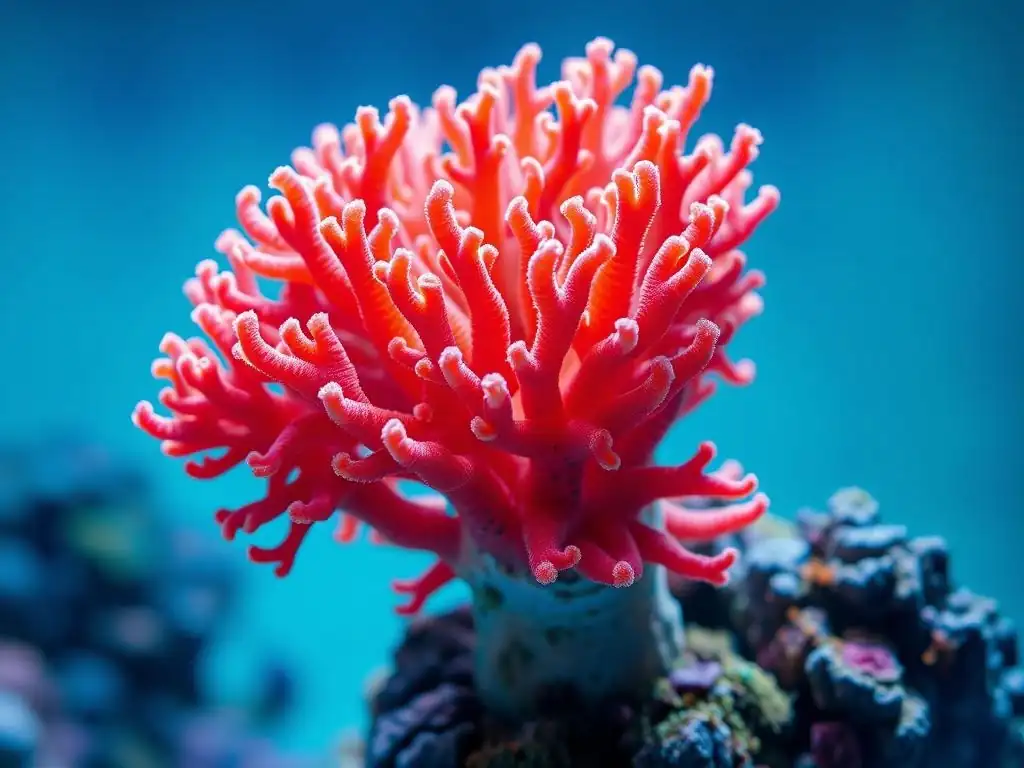
Understanding the Spectrum of Light and its Impact on LPS Coral Pigmentation
The visible colors of LPS corals are a complex interplay between the pigments produced by their symbiotic zooxanthellae and the fluorescent and non-fluorescent proteins within the coral tissue itself. Different wavelengths of light stimulate specific pigments. Blue light, particularly in the 450-470 nm range, is highly effective at exciting fluorescent proteins (FPs), making blues, greens, and purples "pop." On the other hand, a broader spectrum of white light (including reds and greens) is crucial for overall photosynthetic efficiency and healthy LPS coral growth.
To enhance coloration, advanced LPS coral growth techniques often involve manipulating the light spectrum. For example, reducing the intensity of yellow and red wavelengths can make blues and greens more prominent, as these colors can sometimes "wash out" the more vibrant fluorescent hues. Many aquarists find success by running their lights with a higher blue-to-white ratio, especially during peak viewing times. This strategic use of spectrum allows hobbyists to highlight the coral's natural beauty, leading to stunning visual results beyond mere survival or basic LPS coral growth.
Utilizing LED Lighting to Achieve Desired LPS Coral Coloration
Modern LED lighting systems offer unparalleled control over light intensity and spectrum, making them ideal tools for enhancing LPS coral coloration. Unlike traditional lighting, LEDs allow for individual channel control (e.g., Royal Blue, Blue, Cool White, Red, Green, UV), enabling aquarists to fine-tune the light recipe. To achieve vibrant colors, many successful reefers program their LEDs to have a dominant blue spectrum, particularly during the middle of the photoperiod. For instance, a common setting might involve Royal Blue and Blue channels at 80-100% intensity, while White channels are kept at 20-40%.
This "bluer" spectrum emphasizes the coral's natural fluorescence, making colors appear more vivid. However, it's crucial to ensure that sufficient white light is provided for photosynthetic needs to support healthy LPS coral growth. A gradual ramp-up and ramp-down of all channels during the day mimics natural sunrise and sunset, reducing stress on corals. Experimentation with settings, coupled with careful observation of the corals' response over several weeks, allows hobbyists to discover the optimal lighting schedule for their specific LPS coral collection.
Acclimation Strategies for LPS Corals Introduced to New Lighting
Introducing new LPS corals to an established tank, or upgrading an aquarium's lighting system, requires a careful acclimation strategy to prevent light shock and bleaching. Corals that are suddenly exposed to significantly higher PAR levels or a different spectrum than they are accustomed to can lose their zooxanthellae (bleaching), leading to a loss of color and potentially death. Acclimation is a vital, yet often overlooked, LPS coral growth technique.
One effective method is to start by placing newly introduced corals in a lower light area of the tank, or by dimming the lights significantly (e.g., 30-50% of peak intensity) for the first few days to a week. For new lighting systems, raising the light fixture higher above the water surface initially, or programming a shorter photoperiod (e.g., 4-6 hours) and gradually increasing duration by 30-60 minutes per week, can help.
Over a period of 2-4 weeks, corals can be slowly moved to their final desired location, or light intensity can be incrementally increased (e.g., 5-10% intensity increase per week), allowing the coral's zooxanthellae to adapt to the new conditions without stress.
Fragging and Propagation Techniques for Expanding Your LPS Coral Collection
Selecting Healthy LPS Coral Colonies for Fragging
Successful fragging and propagation begin with the careful selection of a healthy, mature, and actively growing LPS coral colony. Attempting to frag a stressed, diseased, or newly introduced coral can lead to failure and potentially harm the mother colony. Look for corals that exhibit excellent polyp extension, vibrant coloration, and no signs of tissue recession, brown jelly disease, or pest infestations. The colony should have been stable in your aquarium for at least several months, demonstrating consistent LPS coral growth.
Ideal candidates for fragging include branching LPS like Euphyllia (Torch, Hammer, Frogspawn) where individual heads can be cleanly separated, or encrusting/massive LPS such as Favia, Acanthastrea, and Blastomussa that have distinct corallites or clear septa lines allowing for precise cuts. Avoid fragging species that are known to be particularly sensitive or those that do not recover well from fragmentation. For example, a colony with multiple healthy heads of Euphyllia glabrescens that has grown significantly is a perfect candidate for expanding your LPS coral growth through propagation.
Step-by-Step Guide to Fragging LPS Corals
Fragging LPS corals, while seemingly daunting, can be a straightforward process with the right tools and precautions. Always wear eye protection and gloves. Prepare a clean, separate container with tank water for the coral. For branching Euphyllia species, use sharp bone cutters to cleanly snip off individual heads at their base, ensuring each frag has a piece of the skeletal stalk. For encrusting or massive LPS like Favia or Acanthastrea, a Dremel tool with a diamond blade is often used to make precise cuts along the septa, separating individual polyps or small groups of polyps.
Minimize the coral's out-of-water time to just a few minutes. After cutting, gently rinse the frag and the mother colony in the tank water to remove any loose tissue or debris. Some aquarists choose to dip the fresh frags in an iodine-based coral dip (following product instructions) to help prevent infection during the healing process. Finally, securely attach the frag to a frag plug or a small piece of live rock using coral glue or epoxy, ensuring it is stable and won't tumble. This precise application of LPS coral growth techniques ensures minimal stress and maximal success.
Caring for Fragged LPS Corals to Ensure Successful Growth
After fragging, proper care is crucial to ensure the successful healing and growth of the new LPS coral frags. Place the newly fragged corals in an area of the aquarium with stable, moderate water flow and slightly reduced light intensity compared to the mother colony's usual spot. This helps to minimize stress during the initial healing phase, which can take anywhere from a few days to several weeks depending on the coral species and the size of the frag.
Monitor water parameters closely, as stressed corals are more susceptible to disease or further recession. Maintain optimal levels of alkalinity, calcium, and magnesium to support skeletal regrowth. Avoid target feeding for the first few days, allowing the cuts to heal, but resume regular feeding once signs of recovery, such as polyp extension and new tissue growth, are observed. A healthy frag will typically show signs of new tissue growth around the cut edges within 1-2 weeks, indicating successful adaptation and the beginning of new LPS coral growth.
Troubleshooting Common LPS Coral Growth Problems
Identifying and Addressing Common LPS Coral Diseases
LPS corals, despite their hardiness, can fall victim to various diseases that inhibit LPS coral growth. One of the most aggressive is Brown Jelly Disease (BJD), characterized by a rapidly spreading brown, slimy substance that consumes coral tissue, often starting from a site of injury or stress. Another common issue is White Pox or White Band Disease, which appears as areas of rapid tissue recession, leaving behind bare skeleton. These diseases are often bacterial in nature and can quickly devastate a colony.
Immediate action is crucial. If BJD is suspected, gently siphon off the brown jelly, isolate the affected coral, and consider fragging off any healthy, unaffected parts of the colony to save them. Coral dips (e.g., Revive, Coral Rx) can be effective in treating early stages of some bacterial or parasitic infections; always follow product instructions carefully. Ensuring optimal water parameters, stable temperatures, and good water flow can also help prevent the onset of these diseases by reducing coral stress, thereby supporting healthy LPS coral growth.
Dealing with Algae Overgrowth that Inhibits LPS Coral Growth
Nuisance algae overgrowth is a common problem in reef tanks that can significantly inhibit LPS coral growth. Hair algae, dinoflagellates, and cyanobacteria can smother coral tissue, block light, and compete for essential nutrients. The primary causes of algae blooms are often elevated nitrate and phosphate levels, insufficient water flow leading to detritus accumulation, or old/incorrect lighting spectrums.
To combat algae and promote healthy LPS coral growth, address the root causes. Implement rigorous nutrient export methods such as increased water changes (e.g., 20% weekly), running GFO (Granular Ferric Oxide) for phosphate removal, using a protein skimmer efficiently, or establishing a refugium with macroalgae. Manually remove as much algae as possible, especially from around coral bases. Improve water flow to areas where detritus settles, and ensure your lighting is within the appropriate PAR and spectrum for your LPS corals. Introducing a diverse cleanup crew (snails, hermit crabs) can also help manage minor outbreaks.
Addressing Nutrient Imbalances that Affect LPS Coral Health
Nutrient imbalances, whether too high or too low, directly impact LPS coral health and growth. Excessively high nitrates (above 20 ppm) and phosphates (above 0.1 ppm) can lead to rapid nuisance algae growth, as mentioned, but can also cause coral tissue to recede or turn brown due to an overabundance of zooxanthellae. Conversely, ultra-low nutrient environments (nitrates undetectable, phosphates close to zero) can starve LPS corals, leading to pale coloration, slow growth, and reduced polyp extension, as their symbiotic algae require these nutrients to thrive.
Finding the "sweet spot" for nutrients (nitrates 2-10 ppm, phosphates 0.02-0.08 ppm) is a critical LPS coral growth technique. If nutrients are too high, reduce feeding, increase water changes, or consider carbon dosing or biopellets. If nutrients are too low, increase target feeding, reduce aggressive nutrient export (e.g., temporarily remove GFO), or even increase fish bioload slightly. Consistent testing and observation of coral color and polyp extension are key to maintaining the ideal nutrient balance for thriving LPS corals.
Advanced Tips for Achieving Stunning LPS Coral Colors
Understanding Zooxanthellae and Their Role in Coral Coloration
The vibrant colors of LPS corals are largely attributed to the symbiotic zooxanthellae algae residing within their tissues. These microscopic algae contain various photosynthetic pigments (like chlorophyll a and c, and peridinin) that give the coral a baseline brown or greenish hue. The coral can regulate the density of these zooxanthellae based on light availability and nutrient levels. Higher light and lower nutrients often lead to a reduction in zooxanthellae density, allowing the coral's own intrinsic fluorescent proteins (FPs) to become more visible, resulting in brighter, more "popping" colors.
These FPs are produced by the coral itself and are responsible for many of the stunning blues, greens, yellows, and reds seen in LPS corals. Manipulating the environment to encourage the coral to express these proteins more strongly is an advanced LPS coral growth technique for color enhancement. This involves carefully balancing light intensity and spectrum with nutrient levels. For example, a Dendrogyra cylindrus might show more vibrant green tips when exposed to slightly higher blue light and lower nutrients, compared to a muted appearance in a very nutrient-rich, white-light-dominated tank.
Using Carbon Dosing to Enhance LPS Coral Colors
Carbon dosing, which involves adding a carbon source (like vinegar, vodka, or biopellets) to the aquarium water, is an advanced technique primarily used to reduce nitrate and phosphate levels. It works by promoting the growth of beneficial bacteria, which consume these nutrients and are then removed by protein skimming or consumed by other tank inhabitants. While its main purpose is nutrient reduction, carbon dosing can also be a powerful tool for enhancing LPS coral colors.
By driving nitrates and phosphates to very low, but not undetectable, levels (e.g., nitrates 0.5-2 ppm, phosphates 0.01-0.03 ppm), carbon dosing can encourage corals to reduce their zooxanthellae density. This "lightening" of the brown photosynthetic pigments allows the coral's underlying fluorescent proteins to become more prominent, resulting in more vivid and intense coloration. However, this is a delicate balance for LPS corals; too low nutrients can lead to starvation and tissue loss. Start with very low doses and increase gradually, closely monitoring your corals for signs of stress or improved LPS coral growth and color.
Implementing a Consistent Maintenance Routine for Long-Term LPS Coral Health and Color
Achieving and maintaining stunning LPS coral colors and robust LPS coral growth is not a one-time effort but the result of a consistent and diligent maintenance routine. Stability in all parameters is the ultimate goal. This includes regular water changes, precise daily or weekly dosing of alkalinity, calcium, and magnesium, and consistent monitoring of nitrate and phosphate levels. Regular cleaning of equipment, such as protein skimmers and powerheads, prevents detritus buildup and ensures optimal water quality.
A weekly routine might involve testing alkalinity and nitrates, cleaning the protein skimmer cup, and changing filter socks. Monthly tasks could include testing calcium and magnesium, or performing an ICP-OES test to check trace element levels. This proactive approach prevents the gradual decline in water quality or parameter shifts that can stress corals, leading to dull colors and stunted growth. By implementing a consistent, comprehensive maintenance schedule, aquarists can ensure the long-term health, vibrant coloration, and continued LPS coral growth of their prized coral collection.
Frequently Asked Questions
What are the key factors influencing LPS coral growth?
The key factors influencing LPS coral growth are water quality, lighting, and proper feeding. Stable parameters and optimized conditions are crucial.
How important is water chemistry for LPS coral growth?
Water chemistry is extremely important. Maintaining stable levels of alkalinity, calcium, and magnesium is essential for healthy skeletal growth.
What type of lighting is best for promoting vibrant LPS coral colors and growth?
While specific needs vary, moderate lighting with appropriate spectrum is best. Consider using LEDs or T5s designed for coral growth.
Are there any specific feeding strategies that can enhance LPS coral growth?
Yes, target feeding LPS corals with small pieces of meaty foods several times a week can significantly boost growth and color.
What are some common mistakes that can inhibit LPS coral growth, and how can I avoid them?
Common mistakes include unstable water parameters, insufficient lighting, and lack of feeding. Regularly test your water and adjust conditions as needed.
Final Reflection: Unlocking the Potential of LPS Coral
The journey to vibrant and thriving LPS corals, as explored throughout this article, is not merely about mastering LPS coral growth techniques; it's about understanding and respecting the delicate balance of the reef ecosystem we strive to recreate in our aquariums. The pursuit of stunning results is intrinsically linked to responsible practices and a commitment to continuous learning, ensuring the longevity and beauty of these captivating creatures for generations to come.
This exploration into advanced techniques has underscored the profound impact that informed choices and dedicated care have on the health and vibrancy of LPS corals. Witnessing the transformation of a dull, struggling coral into a radiant masterpiece is a deeply rewarding experience, fostering a connection to the natural world that transcends the confines of our tanks. In the end, we will conserve only what we love; we will love only what we understand; and we will understand only what we are taught.
- Baba Dioum's words resonate deeply, reminding us that education and understanding are the cornerstones of conservation, even within the microcosm of our reef aquariums.
As you embark on your own journey to enhance the growth and color of your LPS corals, remember that patience, observation, and a willingness to adapt are your greatest allies. Let the knowledge shared here serve as a foundation, but never cease to explore, experiment, and refine your approach. The ocean's secrets are vast and ever-unfolding; embrace the challenge, and you will undoubtedly unlock the full potential of your LPS corals, creating a breathtaking underwater world within your own home.
Thanks for diving deep into the world of LPS coral care! We hope you've found some valuable insights to elevate your reef keeping game. Ready to witness vibrant colors and explosive growth? Let's put that knowledge into action!
Here's what you can do right now:
- Immediately assess your coral's current placement. Is it receiving the optimal light and flow described? This is the single most important step.
- Experiment with feeding! Try target-feeding your LPS coral a specialized coral food at night, and observe its response over the next few weeks.
- Share your before-and-after photos on a reefing forum and inspire others with your success!
What specific adjustments will you make this week to unlock your LPS coral's full potential?