
Ich (White Spot Disease) in Danios: An Aquarist's Guide to Eradication

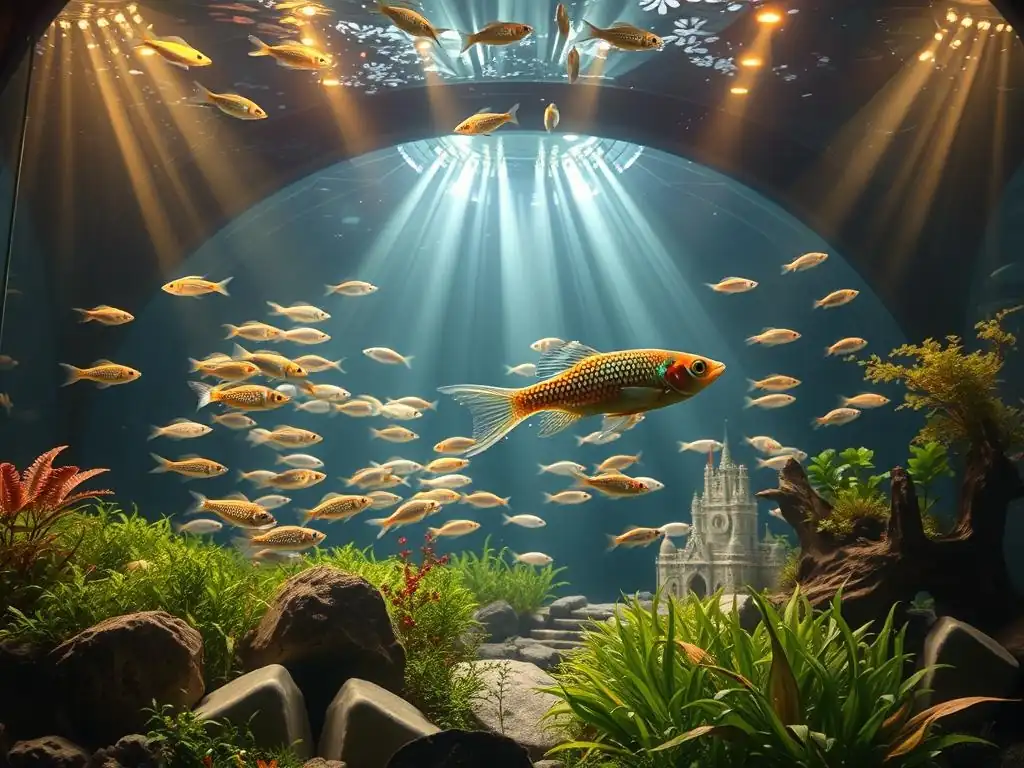
Welcome to Aquarium Mastery!
Ever noticed tiny white spots resembling salt sprinkled on your Danios? It's likely Ich, a common but treatable aquarium ailment. This guide dives deep into effective Ich treatment for Danios, offering proven strategies to eradicate this pesky parasite and restore your fish to their vibrant best. Curious to learn how? Let's get started!
- Understanding Ich in Danios: A Comprehensive Guide
- Effective Ich Treatment for Danios: A Step-by-Step Approach
- Preventing Ich in Danios: Maintaining a Healthy Aquarium Environment
- Ich Life Cycle and Treatment Timing: Understanding the Parasite
- Common Mistakes in Ich Treatment for Danios (and How to Avoid Them)
- Post-Treatment Care for Danios: Ensuring Full Recovery
- Advanced Ich Cases in Danios: When to Seek Expert Advice
- Natural Ich Treatment Options for Danios: Exploring Alternatives
- Ich vs. Other Diseases in Danios: Differential Diagnosis
- Successfully Eradicating Ich in Danios: A Summary of Best Practices
- Frequently Asked Questions
- Final Reflection: The Enduring Battle Against Ich
- Ignite Your Tank's Health: Stop Ich Now!
Understanding Ich in Danios: A Comprehensive Guide
What is Ich and How Does it Affect Danios?
Ich, scientifically known as Ichthyophthirius multifiliis, is a highly contagious protozoan parasite commonly referred to as "white spot disease" due to its distinctive appearance. This obligate parasite attaches itself to the skin, fins, and gills of freshwater fish, including popular danios like the Zebra Danio or Celestial Pearl Danio. Once attached, it burrows under the fish's mucous layer, feeding on cells and body fluids, which manifests as the characteristic small, white, salt-like spots.
The impact of Ich on danios can range from mild irritation to severe physiological distress. As the parasite matures and feeds, it creates lesions on the fish's body, making it susceptible to secondary bacterial or fungal infections. Infestations on the gills are particularly dangerous, impairing the fish's ability to absorb oxygen and leading to rapid breathing, lethargy, and even suffocation. Due to their active nature, early signs in danios might be subtle, but a quick spread throughout a school is common if not addressed promptly, often resulting in significant losses within days.
Identifying Ich: Recognizing White Spot Disease Symptoms in Danios
The most prominent symptom of Ich in danios is the appearance of tiny, distinct white spots resembling grains of salt or sugar, scattered across the fish's body, fins, and sometimes even their eyes. These spots are the visible trophont stage of the parasite, encased within the fish's epidermal layer. While these spots are a definitive indicator, other behavioral changes often precede or accompany their emergence.
Infected danios may exhibit "flashing," where they rub or scratch their bodies against tank decorations, substrate, or plants in an attempt to dislodge the irritating parasites. Other signs include clamped fins, increased respiration (rapid gill movement), loss of appetite, lethargy, and a general dulling of their vibrant coloration. As the infection progresses, the spots may coalesce, and the fish can develop secondary issues such as fin rot or a fuzzy appearance from fungal growth, further complicating effective Ich treatment for danios.
Why Danios are Susceptible to Ich: Contributing Factors
While danios are generally robust and hardy fish, several factors can compromise their immune system and make them highly susceptible to Ich outbreaks. Stress is the primary culprit, often induced by poor water quality. Fluctuations in water parameters, such as sudden temperature changes, ammonia or nitrite spikes, or inconsistent pH levels, can significantly weaken a danio's natural defenses, paving the way for Ichthyophthirius multifiliis to take hold.
Overcrowding within the aquarium is another major stressor, leading to increased waste production, competition for resources, and heightened aggression, all of which contribute to a stressed environment. The introduction of new, unquarantined fish, plants, or even decorations can also introduce the Ich parasite into an otherwise healthy tank. Even a seemingly minor stressor, like a prolonged power outage or a significant tank disturbance, can be enough to trigger an Ich outbreak in a susceptible danio population.
Effective Ich Treatment for Danios: A Step-by-Step Approach
Quarantine and Observation: Isolating Infected Danios
When Ich is suspected, the initial step in effective Ich treatment for danios should involve isolating the affected fish if possible. While the entire tank usually requires treatment due to the parasite's life cycle, moving visibly infected danios to a dedicated quarantine tank (QT) can reduce the immediate parasitic load in the main display tank and allow for more focused observation and treatment of the most severe cases. A quarantine tank, typically a 10-20 gallon bare-bottom tank with a heater and air stone, should be set up immediately.
Even if only one or two danios show symptoms, it's crucial to assume the entire main tank is infected, as the free-swimming stage of Ich (tomites) can infect all fish. However, isolating the most severely affected danios can prevent them from further stressing other tank inhabitants and allow for potentially stronger, targeted treatments in the QT without impacting sensitive plants or invertebrates in the display tank. Observe all fish closely for 24-48 hours after initial detection to confirm the extent of the outbreak before initiating full-scale Ich treatment for danios.
Ich Treatment Options for Danios: A Comparison
Successfully eradicating Ich from a danio aquarium often involves a combination of methods, tailored to the specific tank inhabitants and the severity of the infection. The primary strategies for Ich treatment for danios include salt treatment, commercial medications, and temperature elevation. Each approach has its benefits and considerations regarding effectiveness, safety for tank inhabitants, and application.
Salt Treatment for Ich in Danios: Dosage and Application
Salt treatment is a widely used and often effective method for Ich treatment for danios, particularly in tanks without sensitive plants or invertebrates. Non-iodized aquarium salt or pure rock salt (sodium chloride) is generally recommended. The typical dosage involves gradually increasing the salinity to 1-3 tablespoons per 5 gallons of water (equivalent to approximately 0.1-0.3% salinity). It is crucial to dissolve the salt completely in a small amount of tank water before slowly adding it to the aquarium over a period of 24-48 hours to avoid shocking the fish.
The salt works by disrupting the osmotic balance of the Ich parasite, causing it to dehydrate and die, especially during its free-swimming stage. Maintain the salt concentration for at least 7-10 days after the last visible spot disappears, as the parasite's life cycle needs to be completed to ensure all new generations are targeted. Perform daily or every-other-day partial water changes (25-50%) and replenish the salt based on the volume of water removed to maintain the desired concentration.
Medication for Ich in Danios: Choosing the Right Product
For more severe Ich infestations or in tanks where salt treatment is not feasible (e.g., with specific plant species or sensitive invertebrates), commercial Ich medications are a powerful option for Ich treatment for danios. These products typically contain active ingredients such as malachite green, formalin, or methylene blue, often in combination. When selecting a medication, always read the label carefully to ensure it is safe for all tank inhabitants and follow the manufacturer's dosage instructions precisely.
Before administering medication, it is essential to remove activated carbon from the filter, as it will absorb the medication and render it ineffective. Increase aeration in the tank, as some medications can reduce oxygen levels. Common treatment regimens involve daily doses for 3-5 days, often with partial water changes between doses, but this can vary by product. While generally effective, some danio species, such as the Celestial Pearl Danio, might be more sensitive to certain chemicals, so careful observation during treatment is paramount.
Temperature Increase for Ich Control: A Careful Approach for Danios
Elevating the aquarium temperature is a widely adopted technique for Ich treatment for danios, often used in conjunction with salt or medication. The principle behind this method is that higher temperatures accelerate the Ich life cycle, causing the parasite to mature and detach from the fish more quickly. This forces more of the parasites into their vulnerable free-swimming stage (tomites and theronts), where they can be more easily eliminated by salt or medication, or simply die off if they cannot find a host within a shorter timeframe.
Gradually increase the water temperature by 1-2°F (approximately 0.5-1°C) per hour, aiming for a range of 82-86°F (28-30°C). It is crucial to monitor the fish for signs of stress and to significantly increase aeration during this period, as warmer water holds less dissolved oxygen. Maintain the elevated temperature for at least 7-10 days after the last visible spot has disappeared from all danios to ensure all stages of the parasite's life cycle have been targeted. This method may not be suitable for tanks with coldwater fish or certain temperature-sensitive plants.
The Importance of Water Changes During Ich Treatment
Water changes are a critical component of any successful Ich treatment for danios, regardless of whether salt, medication, or temperature adjustments are being used. Performing regular partial water changes, typically 25-50% daily or every other day, serves multiple vital purposes. Firstly, it physically removes free-swimming Ich parasites (tomites) from the water column before they can reinfect the fish, thereby reducing the overall parasitic load in the aquarium.
Secondly, water changes help to maintain pristine water quality, which is essential for reducing stress on the already compromised danios and supporting their immune systems during recovery. They also dilute any accumulated toxins such as ammonia or nitrite, which can spike during an outbreak due to increased fish stress and potentially reduced filter efficiency. When using medications, water changes necessitate replenishing the treatment according to the volume of water removed, ensuring the therapeutic concentration is maintained throughout the required duration for effective Ich treatment for danios. Always use dechlorinated, temperature-matched water to avoid further stress.
Preventing Ich in Danios: Maintaining a Healthy Aquarium Environment
Maintaining Optimal Water Parameters for Danios: Preventing Ich Outbreaks
The cornerstone of preventing Ich outbreaks in danios lies in consistently maintaining optimal water parameters. Danios, such as the popular Zebra Danio ( Danio rerio), thrive in temperatures between 64-74°F (18-24°C), a pH range of 6.0-8.0, and moderately hard water (5-19 dGH). Regular testing of ammonia, nitrite, and nitrate levels is crucial; ideally, ammonia and nitrite should always be at 0 ppm, and nitrates below 20 ppm.
Sudden fluctuations in these parameters are significant stressors that weaken a danio's immune system, making them highly susceptible to parasitic infections like Ich. Consistent weekly partial water changes (e.g., 25-30% of the tank volume) help dilute nitrates and replenish essential minerals, contributing to a stable and healthy aquatic environment. Investing in a reliable water test kit and performing routine checks can provide early warnings of potential issues, allowing for corrective actions before stress-induced diseases manifest.
Proper Tank Cycling and Filtration for Danios
A fully cycled aquarium is paramount for the long-term health of danios and is a primary defense against Ich outbreaks. Tank cycling establishes a robust colony of beneficial bacteria in the filter media and substrate, which convert toxic ammonia (from fish waste and uneaten food) into less harmful nitrite, and then into even less harmful nitrate. Without a proper nitrogen cycle, ammonia and nitrite will accumulate, poisoning fish and severely compromising their immune systems, making them highly vulnerable to Ichthyophthirius multifiliis.
Effective filtration, combining mechanical, biological, and chemical media, is also vital. Mechanical filtration removes particulate matter, biological filtration houses the beneficial bacteria, and chemical filtration (like activated carbon, used intermittently) can remove dissolved impurities. Regular, but not excessive, filter maintenance ensures optimal performance without disrupting the beneficial bacterial colonies. A clean, well-filtered environment significantly reduces stress on danios, bolstering their natural resistance to diseases requiring effective Ich treatment for danios.
Introducing New Danios to the Aquarium: Acclimation and Quarantine
One of the most common ways Ich enters a home aquarium is through the introduction of new fish, plants, or even live food that carries the parasite. Therefore, a strict quarantine protocol is an indispensable preventative measure for any aquarist. All new danios, regardless of their apparent health, should be placed in a separate quarantine tank for a minimum of 2 to 4 weeks before being introduced to the main display tank.
During this quarantine period, observe the new danios closely for any signs of illness, including Ich spots, flashing, clamped fins, or lethargy. It's also an opportune time to deworm or treat them preventatively for common parasites if desired. Proper acclimation, such as drip acclimation, is also crucial when initially introducing new danios to any tank (quarantine or main) to minimize stress from sudden changes in water temperature and chemistry. This careful approach drastically reduces the risk of introducing Ich and requiring extensive Ich treatment for danios later on.
Avoiding Stress Factors in Danios: Minimizing Ich Risk
Beyond water quality and proper cycling, minimizing other environmental and social stressors is key to preventing Ich in danios. Danios are schooling fish and thrive in groups of at least six to eight individuals. Keeping them in insufficient numbers can lead to stress, shyness, and susceptibility to disease. Ensure the aquarium size is appropriate for the school; for example, a group of 6-8 Zebra Danios typically requires a minimum of a 20-gallon long tank to provide adequate swimming space and reduce territorial disputes.
Compatible tank mates are also vital; aggressive or overly large fish can intimidate danios, leading to chronic stress. Providing adequate hiding spots and areas for open swimming allows danios to feel secure. Consistent lighting cycles, avoiding sudden loud noises or vibrations near the tank, and ensuring a stable food supply also contribute to a low-stress environment. A well-fed, comfortable, and socially fulfilled danio is far more likely to resist Ich and avoid the need for intensive Ich treatment for danios.
Ich Life Cycle and Treatment Timing: Understanding the Parasite
The Ich Life Cycle: A Detailed Explanation
Understanding the complex life cycle of Ichthyophthirius multifiliis is fundamental to successful Ich treatment for danios. The cycle begins with the tomite (or theront), a free-swimming, infective stage that seeks out a fish host. Once it finds a host, it burrows into the fish's skin or gill tissue, becoming a trophont. This is the feeding stage, visible as the characteristic white spot, where the parasite grows by consuming fish cells and fluids. The trophont is protected by the fish's mucus layer and is resistant to most medications.
After maturing, the trophont detaches from the fish, falls to the substrate, and forms a protective cyst called a tomont. Inside this tomont, the parasite undergoes rapid asexual reproduction, dividing into hundreds or even thousands of new tomites. The tomont eventually ruptures, releasing these new infective tomites into the water column, ready to find new hosts and restart the cycle. The duration of this entire cycle is highly temperature-dependent; at warmer temperatures (e.g., 77°F or 25°C), it can complete in as little as 3-6 days, while at cooler temperatures (e.g., 50°F or 10°C), it can take several weeks.
Targeting the Free-Swimming Stage: Effective Treatment Strategies
The key to effective Ich treatment for danios lies in targeting the parasite during its most vulnerable stage: the free-swimming tomite (or theront). Once the trophont has burrowed into the fish's skin, it is largely protected from medications and salt. Medications containing malachite green, formalin, or methylene blue, as well as aquarium salt, are primarily effective against these free-swimming stages. They either kill the parasites directly or interfere with their ability to infect a new host.
Because the tomont stage releases new tomites in a continuous fashion over several days, and new trophonts are constantly maturing and dropping off the fish, Ich treatment for danios must be sustained for a minimum of 7-10 days, or even longer at cooler temperatures. This extended treatment period ensures that all emerging generations of tomites are exposed to the medication or salt before they can re-infect the fish.
Increasing the water temperature (within safe limits for danios, typically 82-86°F or 28-30°C) accelerates the entire life cycle, causing the tomonts to release their tomites more quickly, thereby shortening the overall treatment duration needed to eradicate the parasite.
Common Mistakes in Ich Treatment for Danios (and How to Avoid Them)
Incorrect Dosage of Ich Medication: Potential Risks
One of the most frequent and detrimental mistakes in Ich treatment for danios is administering an incorrect dosage of medication. Underdosing is a common error, often occurring when aquarists estimate tank volume or fail to account for displaced water by substrate and decorations. An insufficient concentration of medication will not effectively kill the Ich parasites, potentially leading to resistant strains and a prolonged, ineffective treatment. This only stresses the fish further and allows the infection to worsen.
Conversely, overdosing medication can be toxic and lethal to danios and other sensitive tank inhabitants. Medications designed to kill parasites can also harm fish if concentrations are too high, leading to organ damage, respiratory distress, and death. Always use a precise measurement for your aquarium volume (e.g., length x width x height in inches / 231 for gallons) and follow the manufacturer's instructions to the letter. When in doubt, it's safer to slightly underdose and monitor, rather than risk poisoning your fish with an overdose.
Abrupt Water Parameter Changes During Treatment
During an Ich outbreak, danios are already under immense stress due to the parasitic infection. Introducing abrupt changes to their environment, particularly sudden shifts in water temperature or pH, can exacerbate this stress and severely compromise their immune system, hindering their ability to recover. For instance, if increasing temperature for Ich treatment for danios, it must be done gradually, typically no more than 1-2°F (0.5-1°C) per hour, to allow the fish to acclimate.
Similarly, large, sudden pH swings from using unbuffered water or rapid chemical additions can cause pH shock, which can be fatal to fish already weakened by disease. All water added to the tank during treatment, whether for water changes or top-offs, should be carefully temperature-matched and dechlorinated. Maintaining stable water parameters throughout the Ich treatment period is as crucial as the treatment itself, as it provides a less stressful environment for the danios to recover.
Neglecting Water Changes: Worsening the Ich Infestation
A critical mistake often made during Ich treatment for danios is neglecting the importance of regular water changes. Some aquarists mistakenly believe that water changes will remove the medication and render the treatment ineffective. However, precisely the opposite is true. During an Ich outbreak, the parasite's life cycle involves a free-swimming stage (tomites) that is highly vulnerable. These tomites are released into the water column from tomonts that detach from the fish and mature on the substrate.
Performing daily or every-other-day partial water changes (e.g., 25-50%) physically removes a significant portion of these free-swimming tomites before they can find a new host and reinfect the fish. This directly reduces the parasitic load in the tank. Additionally, water changes dilute accumulated nitrates and other toxins, which helps maintain good water quality and reduce stress on the fish. When performing water changes, it's crucial to re-dose any medication or salt based on the volume of water removed to maintain the effective concentration for continuous Ich treatment for danios.
Post-Treatment Care for Danios: Ensuring Full Recovery
Monitoring Danios After Ich Treatment: Signs of Relapse
Even after the visible white spots have disappeared and the Ich treatment for danios has concluded, continuous and diligent monitoring of your fish is absolutely essential. The Ich parasite can be sneaky, and a few lingering tomonts or resistant parasites might trigger a relapse if conditions are favorable. Continue to observe all danios closely for at least 7-10 days after the last visible spot has vanished.
Look for any reappearance of white spots, even tiny ones, or a return of behavioral symptoms like flashing, clamped fins, or lethargy. Pay particular attention to the gills, as these are often the last place Ich clears from. If any signs of relapse are observed, be prepared to immediately restart the Ich treatment protocol. Early detection of a relapse can prevent a full-blown re-infestation and ensure the long-term health of your danio school.
Gradual Water Parameter Adjustments After Medication
Once the full course of Ich treatment for danios is complete and no signs of the parasite remain, it's important to gradually return the aquarium parameters to their normal, optimal range for danios. If the temperature was elevated, slowly decrease it by 1-2°F (0.5-1°C) per day until it reaches the danios' preferred range of 64-74°F (18-24°C). Rapid temperature drops can be just as stressful as sudden increases.
If medications were used, it's advisable to reintroduce activated carbon into the filter. Activated carbon will effectively remove any residual medication from the water column, preventing long-term exposure for your fish and preparing the tank for any future chemical additions. Continue regular partial water changes to further dilute any remaining chemicals and to maintain excellent water quality, which supports the danios' recovery and long-term health.
Strengthening the Immune System of Danios: Diet and Supplements
Post-treatment care for danios extends beyond just water parameters; strengthening their immune system is crucial for preventing future Ich outbreaks and ensuring their full recovery. A high-quality, varied diet is paramount. Offer a mix of premium flake food, small pellets, and frozen or live foods such as bloodworms, brine shrimp, or daphnia. A diverse diet provides a wider range of essential nutrients and vitamins that contribute to a robust immune response.
Consider supplementing their diet with vitamin-enriched foods or liquid vitamin supplements, particularly those containing Vitamin C, which is known to boost fish immunity. Ensuring the danios are well-fed and receiving balanced nutrition helps them rebuild their strength and resistance after the stress of an Ich infection. Continuing to maintain pristine water quality through regular maintenance and avoiding overcrowding will also contribute significantly to their overall health and resilience against future disease challenges, minimizing the need for further Ich treatment for danios.
Advanced Ich Cases in Danios: When to Seek Expert Advice
Recognizing Signs of Severe Ich Infection
While most Ich cases can be resolved with standard Ich treatment for danios, there are instances where the infection becomes severe, warranting a more urgent and potentially professional approach. Signs of a severe Ich infection in danios go beyond scattered white spots. You might observe extensive coverage of white spots across most of the fish's body, fins, and even eyes, making them appear "dusted" or "crusted." The fish may exhibit extreme lethargy, lying at the bottom of the tank, or gasping for air at the surface due to severe gill damage.
Secondary bacterial or fungal infections are also common in advanced cases, manifesting as fin rot, fuzzy growths, or open sores. Despite initial treatment attempts, multiple danios may be dying rapidly, indicating a highly virulent strain or an overwhelming parasitic load. In such situations, the fish's immune system is severely compromised, and standard treatments might not be sufficient to turn the tide.
Consulting with a Veterinarian or Experienced Aquarist
When faced with severe Ich cases in danios, especially if standard Ich treatment for danios has failed or if fish are dying rapidly, it is prudent to seek expert advice. Consulting an aquatic veterinarian, if available in your area, is the best course of action. An aquatic vet can accurately diagnose the specific pathogen, rule out other diseases that mimic Ich, and prescribe stronger or more targeted medications that might not be available over-the-counter. They can also offer guidance on appropriate dosages and treatment protocols for highly stressed fish.
If an aquatic veterinarian is not accessible, reaching out to highly experienced aquarists, local fish store owners with extensive knowledge, or reputable online aquarium forums can provide valuable insights. These individuals may have encountered similar advanced cases and can offer practical advice, alternative strategies, or recommend specific products that have proven effective in challenging situations. Their experience can be invaluable in saving your danios and preventing future outbreaks.
Natural Ich Treatment Options for Danios: Exploring Alternatives
Benefits and Risks of Natural Ich Remedies
For aquarists seeking alternatives to conventional chemical medications, several natural Ich treatment options for danios exist, though their efficacy can vary significantly, especially in severe cases. The primary benefit of natural remedies is their generally lower impact on sensitive tank inhabitants like invertebrates (shrimp, snails) and live plants, which can be adversely affected by strong chemical treatments. They also appeal to those who prefer a more holistic approach to fish health.
However, the risks associated with relying solely on natural remedies, particularly for established Ich infections, are considerable. Many natural methods are slower acting or less potent than chemical medications, potentially allowing the infection to worsen before it is eradicated. For instance, increasing temperature accelerates the Ich life cycle, making it more vulnerable to other treatments, but it doesn't directly kill the parasite on its own.
While garlic is sometimes touted for its immune-boosting properties, it is not a direct parasiticide against Ich. Relying on unproven or insufficient natural methods can lead to prolonged suffering for the fish and greater losses.
Combining Natural Remedies with Conventional Treatments
While natural Ich treatment options for danios may not always be effective on their own, they can play a valuable supportive role when combined with conventional treatments. For example, the elevated temperature method (82-86°F or 28-30°C) is often used in conjunction with aquarium salt or commercial medications. The increased temperature speeds up the Ich life cycle, pushing the parasites into their vulnerable free-swimming stage more quickly, thus making the salt or medication more efficient and potentially shortening the overall treatment duration.
Another example involves using garlic. While not a direct cure, garlic-infused foods are believed by some aquarists to boost a fish's immune system, which can help danios fight off the infection and recover more effectively from the stress of the disease. Indian almond leaves, known for their antibacterial and antifungal properties, can also be added to the tank to support healing and prevent secondary infections, though they do not directly kill Ich. When combining methods, always ensure compatibility and monitor your danios closely for any signs of adverse reactions.
Ich vs. Other Diseases in Danios: Differential Diagnosis
Distinguishing Ich from Other Common Danio Diseases
Accurate diagnosis is crucial for effective Ich treatment for danios, as several other common fish diseases can present with similar symptoms. Misidentifying Ich can lead to ineffective treatment and prolonged suffering for your danios. For instance, fungal infections often appear as white, cottony growths on the fish's body or fins, distinct from the discrete, salt-like spots of Ich. These growths are typically fuzzy and irregular in shape, unlike the uniform roundness of Ich trophonts.
Another common misdiagnosis is Velvet disease ( Oodinium), which is caused by a different parasite. Velvet appears as much finer, dust-like gold, brown, or rust-colored specks, giving the fish a "velvety" or "powdery" sheen, rather than distinct white spots. Fish with Velvet may also flash or scratch. Columnaris, a bacterial infection, can produce white patches around the mouth (often called "cottonmouth"), on fins, or on the body, which might be mistaken for Ich, but these patches are usually more diffuse and can have a fuzzy or slimy texture.
Identifying Symptoms: A Visual Guide
To accurately distinguish Ich from other danio diseases, a careful visual assessment of the symptoms is paramount. The defining characteristic of Ich is the presence of small, symmetrical, raised white spots that look precisely like grains of salt or sugar sprinkled on the fish's body and fins. These spots are typically uniform in size and distribution, even if numerous. In contrast, fungal infections are usually more amorphous and cotton-like, often appearing at sites of injury or stress.
Velvet disease presents as a very fine, almost shimmering golden or brownish dust, visible under specific lighting conditions. Columnaris lesions are often more opaque white, sometimes with a yellowish tint, and can be fuzzy or ulcerative, particularly around the mouth or gill area. Observing the fish's behavior is also key: while flashing is common to both Ich and Velvet, the specific appearance of the white spots remains the most reliable visual indicator for determining the appropriate Ich treatment for danios.
Successfully Eradicating Ich in Danios: A Summary of Best Practices
Successfully eradicating Ich from a danio aquarium requires a multi-faceted approach centered on early detection, consistent treatment, and robust preventative measures. The hallmark of effective Ich treatment for danios begins with vigilant observation for the characteristic salt-like white spots and behavioral changes like flashing. Once identified, immediate action is crucial, often involving raising the water temperature (to 82-86°F/28-30°C with increased aeration) to accelerate the parasite's life cycle.
This temperature increase should be combined with either non-iodized aquarium salt (1-3 tablespoons per 5 gallons) or a suitable commercial Ich medication, targeting the parasite's vulnerable free-swimming stage. Throughout the treatment, daily or every-other-day partial water changes (25-50%) are indispensable for physically removing free-swimming parasites and maintaining pristine water quality.
Post-treatment, continued monitoring for relapse, gradual parameter adjustments, and strengthening the danios' immune system through a high-quality diet are vital for their full recovery. Ultimately, prevention through strict quarantine for new fish, consistent optimal water parameters, proper tank cycling, and minimizing stress factors remains the most effective long-term strategy against Ich outbreaks.
Frequently Asked Questions
What is Ich and how does it affect Danios?
Ich, also known as white spot disease, is a common parasitic infection. It affects Danios by causing small white spots on their bodies and fins, leading to lethargy and potential death if untreated.
How can I identify Ich on my Danios?
Look for tiny white spots resembling salt grains scattered across your Danios' bodies. Other symptoms include flashing (rubbing against objects), clamped fins, and rapid breathing.
What are the most effective Ich treatments for Danios?
Several treatments exist, including medications containing malachite green or copper sulfate. Alternatively, raising the water temperature combined with aquarium salt can be effective, but monitor your Danios closely.
How can I prevent Ich outbreaks in my Danio aquarium?
Maintain stable water parameters through regular water changes. Quarantine new fish before introducing them to your main tank. Avoid overcrowding to reduce stress on your Danios.
What are the potential risks of Ich treatments for Danios?
Some medications can be harmful to sensitive fish or invertebrates. Always follow dosage instructions carefully. Overuse of certain treatments can also disrupt the biological filter in your aquarium.
Final Reflection: The Enduring Battle Against Ich
The information presented throughout this guide underscores the persistent challenge of maintaining a healthy aquarium environment and the ever-present threat of Ich, particularly for sensitive species like Danios. While advancements in Ich treatment for Danios offer aquarists effective tools, the ultimate success hinges on preventative measures and a deep understanding of the disease's lifecycle and the specific needs of our aquatic companions.
This ongoing struggle with Ich highlights the delicate balance within our aquariums and mirrors the broader challenges of maintaining health and harmony in any ecosystem. My own experiences battling Ich have instilled in me a profound respect for the resilience of fish and the importance of responsible aquarium keeping. The best cure is prevention.
This adage rings especially true in the world of aquariums, where proactive care can save countless lives and prevent unnecessary suffering.
As you close this guide, remember that the fight against Ich is not just about treating a disease; it's about cultivating a thriving aquatic environment. Take the knowledge you've gained and apply it diligently, observing your Danios closely and acting proactively to prevent future outbreaks. By embracing responsible aquarium practices, you can ensure the health and happiness of your fish and contribute to the well-being of the entire aquatic ecosystem.
Ignite Your Tank's Health: Stop Ich Now!
Thank you for diving into the world of Danio ich treatment! We hope you've gained valuable insights to keep your finned friends healthy and thriving. Now, let's translate that knowledge into immediate action.
Here are a few things you can do right now:
- Immediately start a quarantine tank for affected Danios and begin treatment based on the methods discussed. Don't delay!
- Share this article with fellow aquarists who might be battling ich in their tanks, especially if they keep Danios.
- Experiment with adding aquarium salt gradually to your main tank (if suitable for your other fish) as a preventative measure, closely monitoring its effects.
What proactive step will you take first to safeguard your Danios from future ich outbreaks?