
Aponogeton Ulvaceus: The Ruffled Beauty & Its Dormancy Cycle

Welcome to Aquarium Mastery!
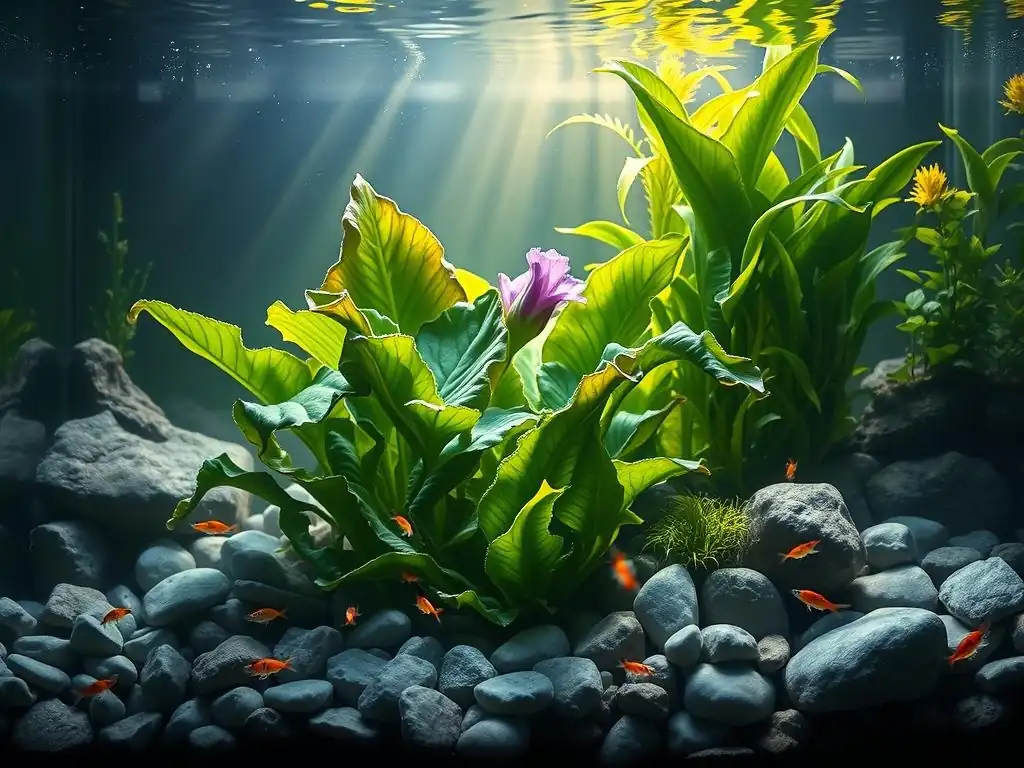
Ever wondered about the secrets behind the Aponogeton ulvaceus, that stunning, ruffled beauty gracing aquariums worldwide? They're captivating, but understanding their unique dormancy cycle is key to truly thriving. Dive in as we unravel the mysteries of Aponogeton Ulvaceus Dormancy Care and unlock the secrets to keeping this aquatic gem flourishing in your tank. Ready to master the art of Aponogeton care? Let's explore!
- Understanding Aponogeton Ulvaceus: An Introduction to the Ruffled Aquarium Plant
- Aponogeton Ulvaceus Care: Essential Guidelines for a Thriving Plant
-
The Aponogeton Ulvaceus Dormancy Cycle: What to Expect
- Recognizing the Signs of Dormancy in Aponogeton Ulvaceus
- Why Does Aponogeton Ulvaceus Enter Dormancy? Understanding the Reasons
- Managing Aponogeton Ulvaceus During Dormancy: A Step-by-Step Guide
- How Long Does Aponogeton Ulvaceus Dormancy Last?
- Encouraging Aponogeton Ulvaceus to Break Dormancy and Resume Growth
- Propagating Aponogeton Ulvaceus: Creating More Ruffled Beauties
- Common Issues and Troubleshooting Aponogeton Ulvaceus Problems
- Aponogeton Ulvaceus vs. Other Aponogeton Species: Key Differences
- Aponogeton Ulvaceus: A Stunning Addition to Your Freshwater Aquarium
-
Frequently Asked Questions
- How do I know if my Aponogeton ulvaceus is entering dormancy?
- How long does Aponogeton ulvaceus dormancy last?
- Should I remove the Aponogeton ulvaceus bulb from the aquarium during dormancy?
- What conditions trigger Aponogeton ulvaceus dormancy?
- How do I encourage Aponogeton ulvaceus to break dormancy?
- Final Reflection: Embracing the Rhythms of Growth and Rest
- Cultivate Your Aponogeton Oasis!
Understanding Aponogeton Ulvaceus: An Introduction to the Ruffled Aquarium Plant
What is Aponogeton Ulvaceus? A Profile of This Popular Rosette Plant
Aponogeton ulvaceus, often simply called the "Ruffled Aponogeton" or "Wavy Aponogeton," is a highly sought-after freshwater aquatic plant known for its striking, undulating, and often translucent green leaves. Growing from a bulb, it develops a rosette of broad, ribbon-like foliage that can reach impressive lengths, commonly extending up to 20 to 24 inches (50-60 cm) or even more under optimal conditions. This unique leaf structure provides a dynamic visual contrast in the aquarium, making it a popular choice for aquascapers aiming for texture and movement.
As a bulb plant, Aponogeton ulvaceus is distinct from stem plants, focusing its energy on developing a robust root system and a central growth point. Its leaves typically range from a light green to a rich, almost emerald hue, depending on lighting and nutrient availability. The plant's ability to grow quite large means it can serve as a stunning background or even a focal point in medium to large aquariums, adding significant vertical interest and a natural, wild aesthetic.
Origins and Natural Habitat of Aponogeton Ulvaceus
The Aponogeton ulvaceus hails primarily from Southeast Asia, with its natural distribution spanning regions such as Sri Lanka, Madagascar, and parts of India. These tropical and subtropical areas are characterized by warm climates and abundant rainfall, which contribute to the lush aquatic environments where this plant thrives. It is typically found submerged or partially submerged in slow-moving bodies of water, including ponds, quiet streams, and flood plains.
In its native habitat, Aponogeton ulvaceus establishes itself in soft, nutrient-rich substrates, allowing its extensive root system to anchor firmly and absorb essential minerals. The seasonal changes in these regions, such as periods of heavy rain followed by drier spells, play a crucial role in the plant's natural life cycle, including its tendency to enter a dormant phase. Understanding these origins helps aquarists replicate suitable conditions for successful Aponogeton ulvaceus dormancy care and overall health in a home aquarium.
Aponogeton Ulvaceus Care: Essential Guidelines for a Thriving Plant
Ideal Water Parameters for Aponogeton Ulvaceus Growth
Maintaining stable and appropriate water parameters is paramount for the healthy growth of Aponogeton ulvaceus. This plant generally thrives in warm, slightly acidic to neutral water. An ideal temperature range falls between 72-82°F (22-28°C), which mimics its tropical origins and supports robust metabolic activity. Temperatures outside this range, particularly prolonged exposure to cooler water below 68°F (20°C), can stress the plant and potentially trigger an early dormancy period or lead to stunted growth.
Regarding pH, Aponogeton ulvaceus prefers a range of 6.0 to 7.5, indicating a slightly acidic to neutral environment. Water hardness should ideally be soft to moderately hard, typically between 3-8 dGH (degrees of General Hardness). Consistent water quality is more important than hitting exact numbers; sudden fluctuations in pH or hardness can cause stress, leading to leaf melt or general decline. Regular water changes, approximately 25-30% weekly, help maintain these stable conditions and replenish essential micronutrients.
Lighting Requirements for Optimal Aponogeton Ulvaceus Health
Aponogeton ulvaceus is a plant that appreciates moderate to high lighting conditions for optimal growth and to exhibit its vibrant green coloration. While it can survive in lower light, its growth may be slower, and its signature ruffled leaves might not develop as prominently. For vigorous growth and the best aesthetic appeal, a light intensity of approximately 20-40 PAR (Photosynthetically Active Radiation) at the substrate level is often recommended, achievable with various LED or fluorescent fixtures.
A consistent photoperiod of 8 to 10 hours daily is generally ideal. Providing too little light can lead to leggy growth and pale leaves, while excessive light (e.g., over 10-12 hours per day or very high intensity) can trigger algae growth on the leaves, which can smother the plant and inhibit photosynthesis. Balancing light intensity with the photoperiod is crucial for promoting healthy Aponogeton ulvaceus growth and managing the plant's energy cycles, which are intrinsically linked to its dormancy patterns.
Substrate and Fertilization Needs for Aponogeton Ulvaceus
As a bulb plant with a robust root system, Aponogeton ulvaceus is primarily a root feeder, meaning it absorbs a significant portion of its nutrients directly from the substrate. Therefore, a nutrient-rich substrate is highly beneficial for its long-term health and impressive growth. Specialized aquarium plant substrates, often referred to as aqua soils, are excellent choices as they are designed to slowly release essential macro and micronutrients directly to the roots. If using inert substrates like sand or fine gravel, it is crucial to supplement with root tabs.
In addition to root fertilization, Aponogeton ulvaceus also benefits from liquid column fertilization, especially for micronutrients like iron, manganese, and zinc, which are absorbed through the leaves. A comprehensive liquid fertilizer containing a full spectrum of trace elements should be dosed regularly, typically once or twice a week, following the manufacturer's recommendations. Signs of nutrient deficiency, such as yellowing leaves (iron deficiency) or holes (potassium deficiency), indicate a need to adjust the fertilization regimen to support robust Aponogeton ulvaceus growth and prevent premature dormancy.
CO2 Injection: Is it Necessary for Aponogeton Ulvaceus?
While Aponogeton ulvaceus can certainly grow without supplemental CO2 injection, providing a consistent supply of carbon dioxide can significantly enhance its growth rate, lead to larger and more vibrant leaves, and improve overall plant health. CO2 is a fundamental component of photosynthesis, and its availability directly impacts the plant's ability to convert light energy into growth. In tanks with moderate to high lighting, CO2 becomes a limiting factor without injection, potentially leading to slower growth and less impressive foliage.
For aquarists aiming for the most robust and rapid Aponogeton ulvaceus growth, a pressurized CO2 system delivering 20-30 ppm (parts per million) during the photoperiod is highly recommended. This elevated CO2 level allows the plant to photosynthesize more efficiently, resulting in thicker, healthier leaves and a more expansive root system. While not strictly "necessary" for survival, CO2 injection is a game-changer for unlocking the full potential of this beautiful plant and can help prevent stress-induced melting, which might otherwise be mistaken for the onset of Aponogeton ulvaceus dormancy.
The Aponogeton Ulvaceus Dormancy Cycle: What to Expect
Recognizing the Signs of Dormancy in Aponogeton Ulvaceus
The Aponogeton ulvaceus dormancy cycle is a natural and often anticipated phase in the life of this captivating plant. Recognizing the signs of dormancy is crucial for proper Aponogeton ulvaceus dormancy care. The most common indicators include a noticeable slowdown or complete halt in new leaf production, followed by the yellowing, browning, and eventual melting away of existing leaves. This process can be gradual, with a few leaves dying off at a time, or relatively rapid, where the entire plant appears to "melt" back to the bulb within days.
It's important to distinguish between dormancy and general plant decline due to poor conditions. If water parameters are stable, lighting is adequate, and nutrients are supplied, yet the plant begins to wither, it's highly likely entering dormancy. The bulb itself will remain firm and healthy, even as the foliage disappears. Observing the bulb's condition is key; a soft, mushy bulb indicates rot, not dormancy, and requires immediate attention.
Why Does Aponogeton Ulvaceus Enter Dormancy? Understanding the Reasons
The primary reason Aponogeton ulvaceus enters dormancy is as a survival mechanism, reflecting its natural habitat's seasonal changes. In its native regions, periods of drought or cooler temperatures might occur, prompting the plant to conserve energy by shedding its leaves and relying on the stored reserves within its bulb. This allows the plant to survive adverse conditions and regrow vigorously when favorable conditions return.
In an aquarium environment, the triggers for Aponogeton ulvaceus dormancy can be less obvious. While sometimes it's simply a natural part of its life cycle, even in stable conditions, other factors can induce it. These include prolonged periods of unchanging, optimal conditions that don't mimic seasonal shifts, nutrient depletion, or even sudden, drastic changes in water parameters like temperature or light intensity.
For instance, if a tank has been running very consistently for a long time, the plant might "decide" it's time for a rest, or if a critical nutrient like potassium becomes scarce, it might trigger a shutdown. Understanding these potential triggers is vital for proactive Aponogeton ulvaceus dormancy care.
Managing Aponogeton Ulvaceus During Dormancy: A Step-by-Step Guide
Proper Aponogeton ulvaceus dormancy care is essential to ensure the plant recovers successfully. When your plant shows signs of entering dormancy, the key is to allow it to rest without discarding the bulb. There are two primary approaches to managing the bulb during this period.
Option 1: Leaving the Bulb in the Tank During Dormancy
- Pros: This is the least disruptive method for the plant. The bulb remains in its established environment, minimizing stress from removal and reintroduction. Many Aponogeton ulvaceus bulbs will naturally break dormancy and regrow within the tank without intervention.
- Cons: The dormant bulb can be susceptible to rot if the tank has poor circulation around it or if detritus accumulates. A decaying bulb can also release ammonia or other undesirable substances into the water column, potentially impacting water quality.
- Care: If leaving the bulb in the tank, gently remove all decaying leaves as they melt to prevent them from fouling the water or introducing unwanted organic load. Ensure good water flow around the bulb to keep it clean. You can slightly reduce lighting intensity or duration during this period, but it's not strictly necessary if other tank inhabitants require consistent lighting. Do not attempt to pull the bulb out if it feels firmly rooted, as this can damage it.
Option 2: Removing the Bulb for Dormancy Management
- Pros: This method offers more control over the dormancy period and can be beneficial if you want to free up tank space or if you're concerned about the bulb rotting in the main display tank. It also allows for a more distinct "resting" period.
- Cons: Removing and reintroducing the bulb can cause some stress. Improper storage can lead to the bulb drying out or rotting.
- Care:
- Removal: Gently unearth the bulb from the substrate once all leaves have melted away. Be careful not to damage the bulb or any remaining root structures.
- Cleaning: Rinse the bulb gently under cool, clean water to remove any substrate particles or debris. Inspect it for any soft spots, which could indicate rot; healthy bulbs should be firm.
- Storage Medium: Place the bulb in a slightly damp medium. Options include:
- Damp Sand or Peat: A small container filled with slightly moist (not wet) sand, peat moss, or coco fiber.
- Damp Paper Towel: Wrap the bulb in a damp (not dripping) paper towel and place it inside a sealed plastic bag or container.
- Temperature: Store the bulb in a cool, dark place. A refrigerator crisper drawer is often ideal, maintaining temperatures around 40-50°F (4-10°C). This cooler temperature helps simulate a "winter" period and ensures the bulb remains dormant and doesn't sprout prematurely.
- Monitoring: Check the bulb periodically (e.g., every 2-4 weeks) for any signs of mold, rot, or premature sprouting. If the paper towel or medium dries out, re-moisten it slightly.
- [ ] Ensure bulb is firm.
- [ ] Remove all decaying leaf matter.
- [ ] Choose storage method: in-tank or removed.
- [ ] If removed, store in cool, dark, slightly damp conditions.
- [ ] Monitor bulb for rot or new growth.
How Long Does Aponogeton Ulvaceus Dormancy Last?
The duration of Aponogeton ulvaceus dormancy is highly variable and can range significantly from one bulb to another, even within the same species. Typically, a dormant period can last anywhere from 2 to 6 months. Some bulbs might only rest for a few weeks before new shoots emerge, while others may remain dormant for half a year or even longer. It's not uncommon for some Aponogeton ulvaceus bulbs to seemingly defy dormancy altogether, growing continuously for several years without a significant rest period, especially in very stable and nutrient-rich aquarium environments.
Factors influencing dormancy duration include the plant's overall health before dormancy, the conditions it's stored in (if removed), and the specific genetic strain of the bulb. Patience is a key aspect of Aponogeton ulvaceus dormancy care; as long as the bulb remains firm and shows no signs of rot, there is a strong possibility it will eventually sprout new growth.
Encouraging Aponogeton Ulvaceus to Break Dormancy and Resume Growth
Once the Aponogeton ulvaceus bulb has completed its dormancy, whether in the tank or in storage, you can take steps to encourage it to resume active growth. If the bulb was left in the tank, simply maintaining optimal water parameters, consistent fertilization, and a regular photoperiod is usually sufficient. You might observe tiny green shoots emerging from the top of the bulb, signaling its readiness to grow again.
For bulbs that were removed and stored, the process involves reintroducing them to the aquarium. Plant the bulb gently into a nutrient-rich substrate, ensuring the top third to half of the bulb remains exposed to the water column; burying it completely can lead to rot. Provide optimal lighting (8-10 hours daily) and ensure the water temperature is within its preferred range of 72-82°F (22-28°C).
A slight increase in temperature within this range can sometimes stimulate faster sprouting. Consistent dosing of liquid fertilizers and root tabs will provide the necessary nutrients for the new growth. Within a few weeks, if conditions are favorable, you should see new leaves unfurl from the bulb, marking the successful end of the Aponogeton ulvaceus dormancy cycle.
Propagating Aponogeton Ulvaceus: Creating More Ruffled Beauties
Propagation Methods for Aponogeton Ulvaceus: Seed and Bulb Division
Aponogeton ulvaceus can be propagated through two primary methods: growing from seeds, which are produced after successful flowering, and through bulb division, which involves separating new plantlets that emerge from the mother bulb. Both methods allow aquarists to increase their stock of this beautiful plant, though they differ significantly in complexity and speed. Growing from seed can be a rewarding but often lengthy process requiring specific conditions for germination and initial growth, while bulb division is generally a more straightforward and faster way to obtain new, larger plants.
Growing Aponogeton Ulvaceus from Seed: A Detailed Guide
Propagating Aponogeton ulvaceus from seed begins with successful flowering and pollination. In an aquarium, Aponogeton ulvaceus will often send up a long stalk that produces an emergent flower that floats on the water surface. These flowers are usually self-fertile but benefit greatly from hand-pollination to ensure viable seed production. Using a small, soft brush, gently transfer pollen from one part of the flower to another or between multiple flowers if present. Once pollinated, the flower will eventually sink, and seeds will develop within the flower structure over several weeks.
When the seeds are mature, they will typically detach and float to the surface or sink. Collect these seeds promptly. To germinate, place the seeds in a shallow container with a thin layer of nutrient-rich substrate (like aqua soil) and cover them with about an inch of water.
Maintain warm temperatures (around 75-80°F or 24-27°C) and provide moderate lighting. The seeds will usually sprout within a few days to a couple of weeks. Initial growth is slow, and the plantlets will be delicate, requiring stable conditions and gentle water flow until they develop a small bulb and a few true leaves, at which point they can be carefully transferred to the main aquarium.
Dividing Aponogeton Ulvaceus Bulbs: When and How
Bulb division is the most common and easiest method for propagating Aponogeton ulvaceus. This occurs naturally when the mature mother bulb produces offsets or "daughter" bulbs. These smaller bulbs typically emerge from the sides of the main bulb or from its root system, developing their own small set of leaves and roots.
The ideal time to divide is when these daughter bulbs have grown to a reasonable size, usually at least 1-2 inches (2.5-5 cm) in diameter, and have established a few leaves and a visible root system of their own. Attempting to separate them too early can significantly reduce their chances of survival.
To divide, carefully unearth the main Aponogeton ulvaceus bulb from the substrate. Gently inspect the connection between the mother bulb and the daughter bulb. In most cases, the daughter bulb will be attached by a small rhizomatous connection.
Use a clean, sharp blade or your fingers to carefully snap or cut this connection, ensuring that each separated bulb retains some roots and a portion of the original growing point. Once separated, the new daughter bulbs can be planted individually in the substrate, with the top portion of the bulb exposed, just like the mature plant. They will then continue to grow as independent plants, contributing to the lushness of your aquascape.
Common Issues and Troubleshooting Aponogeton Ulvaceus Problems
Identifying and Treating Common Aponogeton Ulvaceus Diseases
While Aponogeton ulvaceus is generally hardy, it can exhibit signs of distress that might be mistaken for disease but are often related to environmental factors or nutrient deficiencies. The most common "issue" is melting, where leaves become transparent, mushy, and disintegrate. This is frequently a sign of the plant entering its natural Aponogeton ulvaceus dormancy cycle, especially if the bulb remains firm.
However, rapid, widespread melting coupled with a soft bulb can indicate root rot, often caused by burying the bulb too deeply or poor water circulation around it. If rot is suspected, remove the plant, trim affected parts, and replant with the bulb partially exposed.
Other common visual cues include holes in leaves, which are typically indicative of a potassium deficiency, a crucial macronutrient for plant cell wall integrity. This can be addressed by increasing potassium supplementation through liquid fertilizers or root tabs. Yellowing leaves, particularly older ones, often point to an iron deficiency, hindering chlorophyll production. Ensuring a complete liquid fertilizer with chelated iron is regularly dosed can correct this. Consistent monitoring of water parameters and nutrient levels is key to preventing these issues and maintaining robust Aponogeton ulvaceus health.
Addressing Algae Growth on Aponogeton Ulvaceus Leaves
Algae growth on the leaves of Aponogeton ulvaceus is a common problem in planted aquariums and is almost always a symptom of an imbalance in the tank's ecosystem rather than a plant disease itself. Common culprits include excessive light intensity or duration (e.g., more than 10 hours of light per day), an imbalance in macro-nutrients (such as too high nitrates or phosphates relative to other nutrients), or insufficient CO2 levels in a high-light setup.
The large, wavy surface area of Aponogeton ulvaceus leaves can make them particularly susceptible to collecting various types of algae, from green spot algae to unsightly black beard algae.
To address algae on Aponogeton ulvaceus, first assess your lighting schedule and intensity; reducing the photoperiod to 8 hours or slightly dimming the lights can often help. Second, review your fertilization regimen; ensure a balanced supply of macro and micronutrients, as a deficiency in one nutrient can lead to an excess of another, fueling algae. Third, consider increasing CO2 injection if you have high light, as robust plant growth outcompetes algae for nutrients.
Manual removal of algae from leaves can be done gently, and introducing algae-eating livestock like Amano shrimp or Otocinclus catfish can provide biological control. Consistent water changes also help dilute excess nutrients that feed algae.
Preventing Nutrient Deficiencies in Aponogeton Ulvaceus
Preventing nutrient deficiencies is crucial for maintaining the lush growth and vibrant coloration of Aponogeton ulvaceus and minimizing the chances of premature Aponogeton ulvaceus dormancy due to stress. As a heavy root feeder, a nutrient-rich substrate is foundational. Using an aqua soil or regularly embedding root tabs near the bulb (every 2-3 months) will ensure a steady supply of essential macronutrients like nitrogen, phosphorus, and potassium, as well as crucial micronutrients.
Beyond the substrate, a comprehensive liquid fertilizer regimen is vital. Dose a quality all-in-one liquid fertilizer containing a full spectrum of trace elements, particularly iron, which is essential for the rich green color of Aponogeton ulvaceus leaves. Aim for consistent dosing, typically weekly after a water change, rather than sporadic large doses.
Regular water changes (e.g., 25-30% weekly) help replenish trace elements and prevent the buildup of undesirable compounds. Monitoring your plant's appearance for subtle changes, such as slight yellowing or stunted growth, allows for early intervention, ensuring your Aponogeton ulvaceus remains healthy and vibrant, reducing the likelihood of issues that might trigger its dormancy cycle.
Aponogeton Ulvaceus vs. Other Aponogeton Species: Key Differences
Comparing Aponogeton Ulvaceus to Aponogeton Madagascariensis
When comparing Aponogeton ulvaceus to Aponogeton madagascariensis, also famously known as the "Madagascar Lace Plant," the most striking difference lies in their leaf morphology. Aponogeton ulvaceus is characterized by its broad, solid, and dramatically ruffled or wavy leaves, which are typically a uniform green and can grow quite large, creating a dense, flowing appearance in the aquarium. Its beauty comes from its unique texture and impressive size, forming a lush, leafy mass.
In stark contrast, Aponogeton madagascariensis is renowned for its highly fenestrated leaves, meaning they have a distinctive "lace-like" pattern of holes or open spaces. This gives the plant an ethereal and delicate appearance, making it one of the most unique and sought-after aquatic plants. Beyond aesthetics, A. madagascariensis is considerably more challenging to cultivate than A. ulvaceus.
It typically requires cooler water temperatures (often below 75°F or 24°C), very clean, oxygen-rich water, and highly stable conditions, making it unsuitable for many general community tanks. A. ulvaceus, while still requiring good care, is much more forgiving and adaptable to a wider range of typical aquarium conditions.
Aponogeton Ulvaceus and Aponogeton Crispus: A Side-by-Side Comparison
Aponogeton ulvaceus and Aponogeton crispus are both popular Aponogeton species in the aquarium hobby, known for their relatively easy care and attractive foliage, but they have distinct differences. Aponogeton ulvaceus stands out with its exceptionally broad, highly ruffled, and often translucent wavy leaves that can reach lengths of 20-24 inches (50-60 cm) or more. Its leaves have a very pronounced undulating margin, giving it a voluminous, almost chaotic beauty that makes it a natural focal point in larger tanks.
On the other hand, Aponogeton crispus typically features more linear, narrower leaves that are also wavy or "crisped" along the edges, but to a lesser extent than A. ulvaceus. Its leaves are generally less broad and do not achieve the same impressive length, usually maxing out around 12-18 inches (30-45 cm).
While both plants exhibit a similar growth habit from a bulb and share similar care requirements, A. crispus generally remains a more manageable size for smaller to medium aquariums, and its "crisp" texture is more subtle. A. ulvaceus offers a grander, more dramatic visual impact due to its sheer size and pronounced ruffling, making it the preferred choice for those seeking a truly dominant background or centerpiece plant.
Aponogeton Ulvaceus: A Stunning Addition to Your Freshwater Aquarium
Choosing the Right Tank Size for Aponogeton Ulvaceus
When considering Aponogeton ulvaceus for your freshwater aquarium, tank size is a crucial factor due to its potential for significant growth. With leaves capable of extending up to 20-24 inches (50-60 cm) in length and forming a wide rosette, this plant requires ample space to flourish and display its full beauty. For optimal growth and to allow the leaves to unfurl without being constricted, a minimum tank size of 20-30 gallons (approximately 75-115 liters) is recommended, but a 40-gallon (150-liter) or larger aquarium is truly ideal.
In smaller tanks, while the plant might survive, its growth can become inhibited, leading to stunted leaves or a constant need for trimming, which can stress the plant and potentially trigger its Aponogeton ulvaceus dormancy cycle prematurely. Providing sufficient vertical and horizontal space ensures the plant can reach its majestic proportions, contribute significantly to the aquascape's depth, and truly become a stunning focal point without overshadowing or crowding out other plants.
Compatible Tank Mates for Aponogeton Ulvaceus: Fish and Invertebrates
Selecting compatible tank mates is essential to ensure the longevity and health of your Aponogeton ulvaceus. Generally, peaceful community fish are excellent companions as they pose no threat to the plant's delicate leaves. This includes popular species like various types of tetras (e.g., Neon Tetras, Cardinal Tetras, Black Skirt Tetras), rasboras (e.g., Harlequin Rasboras), gouramis (e.g., Dwarf Gouramis, Honey Gouramis), and most livebearers (e.g., Guppies, Mollies, Platies). Small schooling fish will appreciate the dense foliage of the Aponogeton ulvaceus for shelter and exploring.
It is crucial to avoid fish species known for consuming or uprooting plants. Large cichlids, such as Oscars or certain Mbuna species, are generally unsuitable. While some goldfish varieties might nibble on plants, Aponogeton ulvaceus is often less appealing to them due to its texture, but caution is still advised. Most freshwater invertebrates, including various shrimp species (e.g., Amano shrimp, Cherry shrimp) and snails (e.g., Nerite snails, Mystery snails), are excellent tank mates. They are beneficial for algae control and detritus consumption and will not harm the plant's leaves, making them ideal partners in an Aponogeton ulvaceus dominated setup.
Designing Your Aquarium with Aponogeton Ulvaceus: Placement and Aesthetics
The unique ruffled texture and impressive size of Aponogeton ulvaceus make it an exceptional plant for aquascaping, capable of transforming the visual appeal of a freshwater aquarium. Due to its potential height and spread, it is most effectively used as a background plant in larger tanks, providing a lush green backdrop that adds depth and dimension. In medium-sized aquariums, it can serve as a stunning midground focal point, drawing the eye with its dynamic, wavy foliage.
When placing Aponogeton ulvaceus, ensure it has adequate space to grow without overshadowing or suffocating smaller plants. Its broad leaves can cast significant shade, so consider its placement relative to other light-demanding species. Planting it slightly off-center can create a more natural and artistic composition.
The ruffled leaves offer a fantastic textural contrast to smoother-leaved plants like Anubias or Java Fern, creating visual interest. Its vigorous growth means it can quickly fill empty spaces, providing excellent cover for fish and contributing significantly to the overall health and aesthetics of your planted aquarium, making it a true centerpiece of your Aquarium Mastery design.
Frequently Asked Questions
How do I know if my Aponogeton ulvaceus is entering dormancy?
You'll typically notice a significant decrease in leaf production. The leaves may also start to yellow and decay, even with proper care.
How long does Aponogeton ulvaceus dormancy last?
Dormancy periods can vary, but they usually last between one to three months. It's a natural part of the plant's life cycle.
Should I remove the Aponogeton ulvaceus bulb from the aquarium during dormancy?
It's generally recommended to leave the bulb in place. Simply reduce or stop fertilization and allow the plant to rest in the substrate.
What conditions trigger Aponogeton ulvaceus dormancy?
The exact triggers are not fully understood, but factors like changes in water parameters or nutrient depletion may contribute.
How do I encourage Aponogeton ulvaceus to break dormancy?
Gradually resume your regular fertilization schedule and maintain stable water parameters. Providing optimal lighting can also help.
Final Reflection: Embracing the Rhythms of Growth and Rest
The journey of understanding the Aponogeton ulvaceus and its dormancy cycle is more than just aquarium keeping; it's a reflection of the natural rhythms that govern all life. This intricate dance between vibrant growth and necessary rest mirrors the ebb and flow of our own lives, reminding us that periods of apparent inactivity are often crucial for future flourishing. Just as the Aponogeton needs its dormancy, we too require moments of stillness and reflection to recharge and prepare for new growth.
This delicate balance has profoundly influenced my perspective on patience and acceptance within the natural world. Observing the Aponogeton's dormancy has taught me to appreciate the beauty in waiting and to trust the inherent wisdom of nature's cycles. There is a time for everything, and a season for every activity under the heavens.
This ancient wisdom resonates deeply when witnessing the Aponogeton's journey, reminding us that even in apparent stillness, life is preparing for its next vibrant expression.
Now, consider the lessons of the Aponogeton ulvaceus and its dormancy. How can you apply this understanding of cycles to your own life? Are there areas where you can embrace periods of rest and reflection, trusting that they will ultimately lead to renewed growth and vitality? Let the Aponogeton's journey inspire you to find harmony within the rhythms of your own existence, nurturing both your periods of activity and your moments of quiet contemplation.
Cultivate Your Aponogeton Oasis!
Thank you for diving into the world of Aponogeton ulvaceus with us. We hope you've gained valuable insights into nurturing this stunning aquatic plant. Now, let's bring that knowledge to life!
Here are a few ways to keep your Aponogeton thriving and share its beauty:
- Initiate a Dormancy Period: If your Aponogeton shows signs of decline, don't panic! Carefully remove the bulb from the substrate and store it in a cool, dark place for a few weeks, mimicking its natural rest cycle.
- Document your Aponogeton's journey: Take photos of its growth stages and dormancy periods. Share them on social media with #AquariumMastery and inspire others with your success.
- Explore Aponogeton Variations: Delve into other Aponogeton species. Experiment with different lighting and fertilization to witness their unique growth patterns and contribute to the understanding of their needs.
Ready to embrace the fascinating cycle of the Aponogeton ulvaceus and share your journey with fellow aquascapers?