
Acclimating New SPS Corals to Intense Lighting: A BurnFree Transition Guide

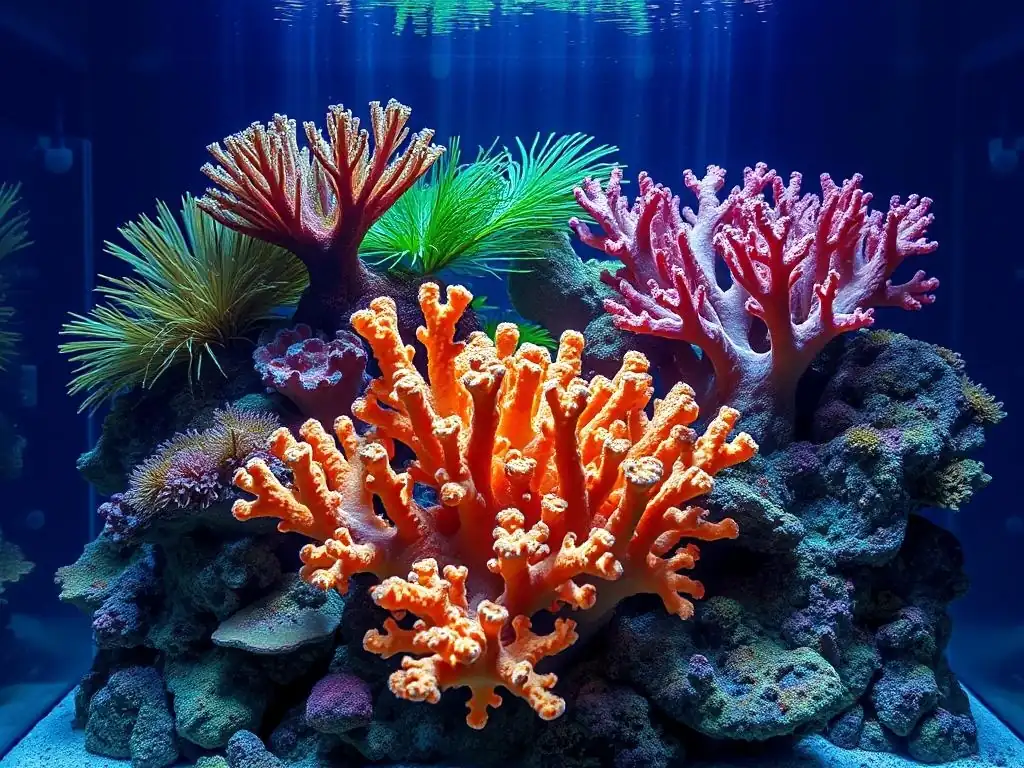
Welcome to Aquarium Mastery!
Ever wondered how to introduce vibrant, yet delicate, SPS corals to the dazzling world of intense aquarium lighting without them suffering a burn? Unlock the secrets to a seamless transition! This guide, " Acclimating New SPS Corals to Intense Lighting: A BurnFree Transition Guide," will equip you with the knowledge to keep your corals thriving. Dive in and discover how to illuminate your reef tank with confidence!
- Introduction: The SPS Lighting Challenge and Acclimation Importance
- Step-by-Step Guide to Acclimating SPS Corals to High-Intensity Lighting
- Tools and Equipment for SPS Coral Lighting Acclimation
- Troubleshooting Common SPS Coral Lighting Acclimation Issues
- Advanced Techniques for SPS Coral Lighting Acclimation
- Maintaining Optimal Lighting for Healthy SPS Corals Post-Acclimation
- Conclusion: Mastering SPS Coral Lighting for a Thriving Reef
-
Frequently Asked Questions
- What are SPS corals and why do they need intense lighting?
- Why is acclimation so important when introducing SPS corals to intense lighting?
- How long should the acclimation period typically last when introducing SPS corals to intense lighting?
- What are some signs that my SPS coral is not acclimating well to the intense lighting?
- What methods can I use to gradually increase the lighting intensity for my new SPS corals?
- Final Reflection: Embracing the Light: A Future for SPS Coral
- Ignite Your Reef: Unleash the True Colors of Your SPS!
Introduction: The SPS Lighting Challenge and Acclimation Importance
Understanding the Sensitivity of SPS Corals to Light Shock
Small Polyp Stony (SPS) corals, such as Acropora, Montipora, and Seriatopora species, are highly sensitive to abrupt changes in light intensity. Their survival and vibrant coloration depend heavily on a symbiotic relationship with zooxanthellae, microscopic algae living within their tissues. These algae perform photosynthesis, converting light energy into sugars that fuel the coral. When SPS corals are suddenly exposed to SPS corals intense lighting that is significantly higher than their previous environment, the zooxanthellae can become overwhelmed, leading to a phenomenon known as photoinhibition and oxidative stress.
This physiological distress manifests rapidly, as the zooxanthellae begin to produce reactive oxygen species (ROS) at an accelerated rate, which can damage the coral's cells. For instance, a newly acquired Acropora tortuosa frag, previously housed under 150 PAR (Photosynthetically Active Radiation), if immediately placed into a display tank with 450 PAR, can show signs of severe stress, such as tissue paling or even recession, within a few hours. This sensitivity is a critical factor distinguishing SPS coral care from that of more forgiving coral types.
Why Gradual Acclimation is Crucial for SPS Coral Survival
Gradual acclimation is not merely a recommendation; it is an essential process for the long-term survival and thriving of SPS corals. This slow introduction to increasing light levels allows the coral's zooxanthellae to adapt their photosynthetic machinery, adjust their pigment concentrations, and, crucially, for the coral host to produce protective compounds like mycosporine-like amino acids (MAAs). These adaptations help mitigate the damaging effects of excessive light, preventing the expulsion of zooxanthellae (bleaching) or tissue necrosis.
Without proper acclimation, even resilient SPS corals like Montipora digitata can suffer significant tissue loss, sometimes receding by 20-30% within the first week in a new, unacclimated environment. Conversely, a well-acclimated Acropora millepora will not only survive but also flourish, exhibiting robust polyp extension, vibrant coloration, and noticeable growth tips within 2-3 weeks. This careful, controlled transition is the cornerstone of successful SPS corals intense lighting management, ensuring energy is directed towards growth and health rather than stress recovery.
Step-by-Step Guide to Acclimating SPS Corals to High-Intensity Lighting
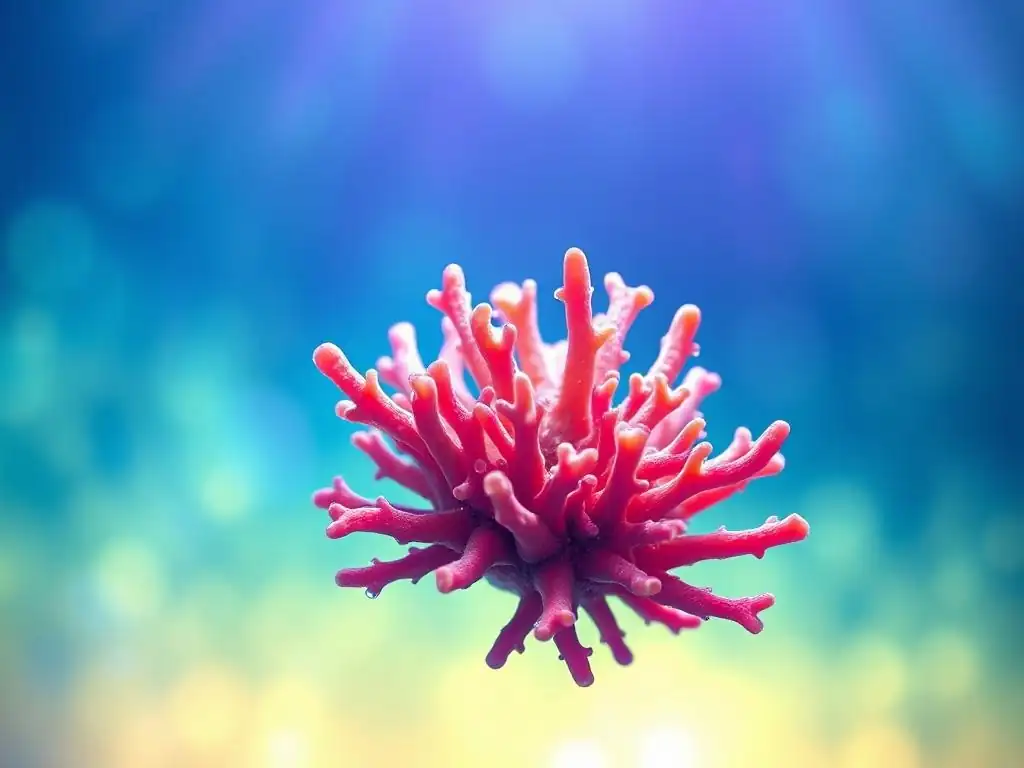
Step 1: Initial Placement in Low-Light Conditions
Selecting a Low-Light Area in Your SPS Reef Tank
The first critical step in acclimating new SPS corals is to place them in an area of your tank with significantly lower light intensity than your target SPS corals intense lighting zone. These low-light zones are typically found on the sandbed, in shaded spots under rock overhangs, or on lower rock ledges. The objective is to provide a gentle introduction to the new aquarium's lighting spectrum and intensity, minimizing immediate stress. For example, if your display tank's optimal SPS zone measures 350-450 PAR, your initial placement should ideally be in an area receiving 80-150 PAR.
To identify these precise low-light areas, using a PAR meter is highly recommended. Without one, you can approximate by placing the coral at the very bottom of the tank, farthest from the light source. For a standard 24-inch deep reef tank equipped with high-output LED fixtures, the sandbed often provides an initial PAR of 100-150, which is suitable for most newly introduced SPS corals. More sensitive species, such as some deep-water Acropora or newly fragged colonies, may benefit from even lower initial PAR, potentially as low as 50-70.
Monitoring Coral Health During Initial Acclimation
Once placed in a low-light area, diligent observation of the coral's health over the first few days is paramount. A healthy SPS coral should maintain its original coloration, exhibit good polyp extension, and show no signs of tissue recession or bleaching. Polyps should be extended by at least 1-2 millimeters during the peak light cycle, appearing plump and active. Any deviation from this, such as retracted polyps, a pale appearance, or translucent tissue, indicates stress.
Pay particular attention to the tips and base of the coral, as these are often the first areas to show signs of distress. Rapid Tissue Necrosis (RTN), characterized by sudden tissue sloughing, or Slow Tissue Necrosis (STN), a gradual recession of tissue from the base upwards, are critical indicators of severe stress. If any of these symptoms appear, the coral is likely receiving too much light or is stressed by other parameters, and immediate action, such as moving it to an even shadier spot, is required to prevent further damage from the SPS corals intense lighting.
Step 2: Gradual Increase in Light Exposure
The Importance of Light Intensity Ramp-Up
The core of successful SPS coral acclimation lies in the gradual increase of light intensity. This phased approach allows the zooxanthellae within the coral tissue to slowly adapt to higher light levels by adjusting their photosynthetic pigments and enzymes. This physiological adaptation process prevents photo-oxidative damage and ensures the coral can efficiently utilize light for energy without becoming stressed. A commonly recommended rate of increase is no more than 5-10 PAR per day, or 10-15 PAR per week, depending on the coral's initial health and the target PAR.
The duration of this ramp-up phase can vary significantly, ranging from 2 to 8 weeks. For instance, a small Acropora frag transitioning from 100 PAR to a target of 400 PAR might require 4-6 weeks of consistent, incremental increases. More robust Montipora species might acclimate faster, while highly sensitive or wild-collected Acropora might need longer, more conservative adjustments. Patience during this phase is crucial to prevent burning or bleaching, ensuring the coral can fully adapt to its new SPS corals intense lighting environment.
Methods for Increasing Light Intensity (e.g., Dimming, Raising Coral)
There are primary methods for gradually increasing the light exposure for your SPS corals. The most precise approach involves using a dimmable LED light fixture with a programmable controller. Many modern LED units, such as those from EcoTech Marine Radion or Kessil, allow users to set custom acclimation schedules, gradually increasing the light intensity by a small percentage (e.g., 1-2%) each day or week until the desired PAR is reached. This method offers unparalleled control over the light spectrum and intensity.
Alternatively, if your lighting system lacks fine-tuned dimming capabilities, you can physically move the coral closer to the light source. This involves gradually raising the coral higher on the rockwork or placing it on a frag rack that can be incrementally elevated. For example, moving a coral up by 1-2 inches every few days can increase its PAR exposure.
Another effective technique is to use light diffusers, such as layers of window screen material, placed directly over the coral. You can start with multiple layers (e.g., 2-3 layers, reducing PAR by 20-40%) and progressively remove one layer every few days as the coral acclimates to the SPS corals intense lighting.
Step 3: Observing Coral Response and Adjusting Lighting
Signs of Light Stress in SPS Corals (Bleaching, Tissue Necrosis)
Continuous observation of your SPS corals is paramount during the acclimation process. The most common and immediate sign of excessive light stress is bleaching, where the coral appears pale, white, or translucent. This occurs because the coral expels its zooxanthellae due to overwhelming light intensity. For example, a vibrant green Montipora foliosa might turn a ghostly white within days if overexposed, losing its characteristic color.
More severe signs include tissue necrosis, which can be either rapid (RTN) or slow (STN). RTN manifests as sudden patches of bare skeleton, often occurring overnight, while STN is a more gradual recession of tissue, typically starting from the base or tips. If you observe any of these symptoms—bleaching, polyp retraction, or tissue loss—it is a clear indication that the SPS corals intense lighting is too strong. A small 1cm Acropora frag can be completely consumed by RTN in less than 24 hours if the light stress is severe and unchecked.
Fine-Tuning Light Intensity Based on Coral Feedback
Acclimation is an iterative process that requires constant adjustment based on the coral's feedback. If any signs of light stress appear, immediate action is necessary: reduce the light intensity by 10-20% or move the coral to a significantly shadier spot. Hold the coral at this reduced intensity for several days, or even a week, allowing it to recover. Look for signs of improvement, such as the return of color, increased polyp extension, and cessation of tissue loss.
Once the coral shows clear signs of recovery, you can very slowly resume the acclimation process, but at an even more conservative rate than before the stress occurred. Healthy SPS corals will exhibit consistent polyp extension, vibrant coloration, and new growth tips. For instance, a Seriatopora hystrix might show brighter pink tips and extended polyps, indicating it is comfortable. Only when these positive signs are consistent for at least a week should you consider another minor increase in the SPS corals intense lighting.
Step 4: Achieving Optimal Lighting for SPS Coral Growth and Coloration
Reaching Target PAR Values for SPS Corals
The ultimate goal of acclimation is to position your SPS corals in an area where they receive optimal PAR values for their specific species, promoting both robust growth and vibrant coloration. Generally, most SPS corals thrive in PAR ranges between 250 and 450 µmol·m⁻²·s⁻¹, though this can vary. For example, some deep-water Montipora species might be perfectly content at 250-300 PAR, while shallow-water Acropora species, known for their demanding light requirements, may need 400-450 PAR to achieve their best colors and fastest growth rates.
It is crucial to research the specific PAR requirements of each SPS coral species you intend to keep. For instance, a blue Acropora valida might be strategically placed near the top of the aquascape to receive 400-450 PAR, while a green Montipora capricornis might be happier mid-tank at 300-350 PAR. A PAR meter is indispensable for accurately mapping your tank's light intensity at various depths and locations, allowing you to fine-tune the placement of your SPS corals intense lighting setup for individual needs.
Maintaining Stable Lighting Conditions for Long-Term Success
Once your SPS corals have successfully acclimated and are thriving at their optimal PAR levels, maintaining stable lighting conditions is paramount for their long-term health and continued success. Avoid sudden, drastic changes in light intensity, spectrum, or photoperiod. Consistency allows the coral and its symbiotic zooxanthellae to establish a stable metabolic rhythm, directing energy towards growth and calcification rather than adaptation to fluctuating conditions. A typical photoperiod for SPS corals ranges from 10 to 12 hours, often incorporating gradual ramp-up and ramp-down cycles to mimic natural sunrise and sunset.
Utilizing a reliable timer or an advanced LED controller with a programmed schedule ensures daily consistency, preventing stress from irregular light exposure. Beyond daily consistency, it's advisable to periodically monitor your PAR levels (e.g., quarterly) to account for any degradation in light fixture output over time, which is common with LEDs. This proactive monitoring allows for minor adjustments to maintain the ideal SPS corals intense lighting environment, ensuring your corals continue to flourish without unexpected stress.
Tools and Equipment for SPS Coral Lighting Acclimation
PAR Meters: Measuring Light Intensity Accurately
A PAR (Photosynthetically Active Radiation) meter is an indispensable tool for any serious reef aquarist, especially when dealing with SPS corals intense lighting. This device measures the amount of light within the photosynthetic spectrum (400-700 nanometers) that is available for coral photosynthesis, expressed in micromoles per square meter per second (µmol·m⁻²·s⁻¹). Relying on visual estimation or manufacturer claims for light intensity is often inaccurate and can lead to over or under-lighting, making a PAR meter the only reliable way to quantify light exposure.
Popular and reputable PAR meters include the Apogee MQ-510 and the Seneye Reef (which also offers additional water parameter monitoring). To use a PAR meter effectively, submerge its sensor at various depths and locations within your aquarium, mimicking where your corals are or will be placed. Take readings directly above the coral, at its base, and even from different angles to understand the light distribution. This data allows you to make precise, data-driven decisions during the acclimation process, ensuring gradual and safe increases in SPS corals intense lighting.
LED Controllers: Precise Light Spectrum and Intensity Management
Modern LED lighting systems designed for reef aquariums often come equipped with sophisticated controllers or are compatible with external aquarium controllers (e.g., Neptune Apex, GHL Profilux). These controllers offer unparalleled precision in managing light intensity, photoperiod, and even specific color spectrums. This level of control is invaluable for the gradual acclimation of SPS corals, as it allows for the programming of slow, incremental increases in light output over weeks or months.
For instance, an LED controller can be programmed to increase the overall light intensity by a mere 1-2% daily, or specific channels (e.g., blue, white) can be ramped up independently. Many controllers also feature pre-set acclimation modes or allow for custom schedules that mimic natural sunrise and sunset, providing a gentle ramp-up and ramp-down of light intensity. This eliminates the need for manual adjustments or physical coral relocation, offering a seamless and stress-free transition for corals into SPS corals intense lighting environments.
Light Diffusers: Softening Intense Lighting for Sensitive Corals
Light diffusers are simple yet effective tools for temporarily reducing the intensity of light reaching sensitive SPS corals, especially during the initial stages of acclimation. These can include layers of standard window screen material, specialized mesh, or acrylic diffusers. They work by scattering and partially blocking light, thereby lowering the PAR value without requiring adjustments to the light fixture's settings. This is particularly useful for corals that show immediate signs of stress even in seemingly low-light areas or when moving corals from extremely dim conditions.
To utilize diffusers, you can place one or more layers directly over the coral or even under the light fixture (if safely possible and appropriate for the fixture's design). For example, a single layer of black window screen can reduce PAR by approximately 10-20%, while multiple layers can provide a more significant reduction. As the coral acclimates to the SPS corals intense lighting, layers can be gradually removed over several days or weeks. This provides a crucial physical buffer, protecting the coral from immediate photo-shock.
Troubleshooting Common SPS Coral Lighting Acclimation Issues
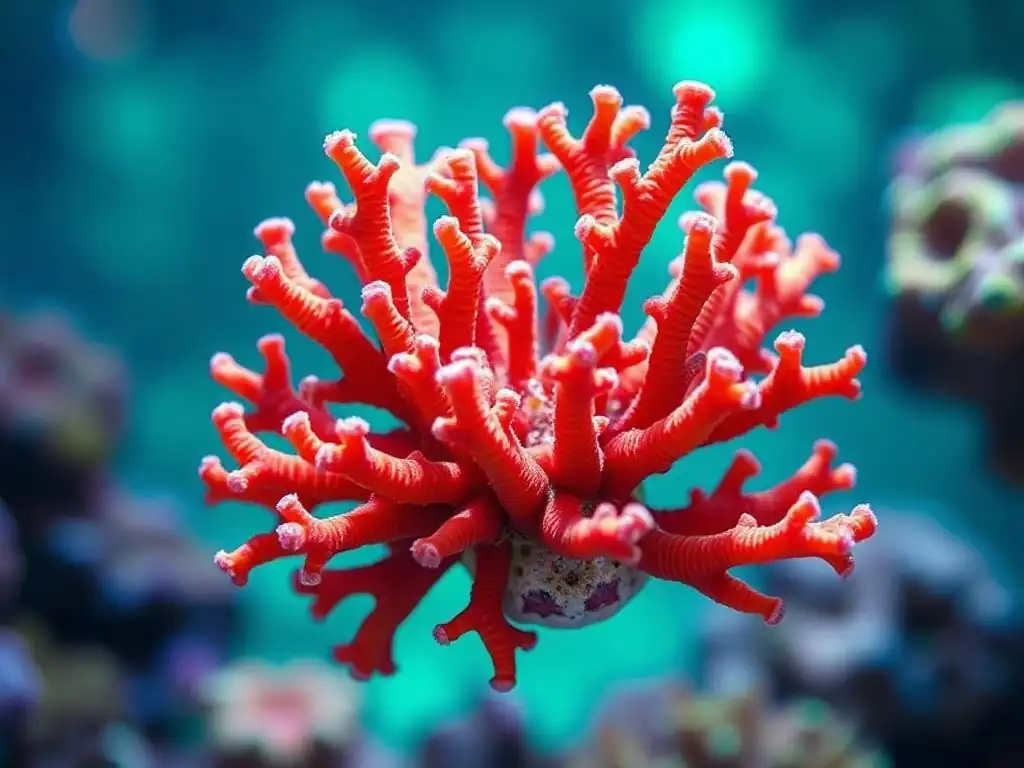
Addressing Coral Bleaching During Acclimation
Coral bleaching is one of the most alarming signs of light stress and indicates that the SPS corals intense lighting is overwhelming its symbiotic zooxanthellae. If you observe your coral turning pale, white, or translucent, immediate action is required. The first step is to drastically reduce the light intensity by 20-30% or move the coral to a significantly shadier location within the tank, such as the sandbed or under a large rock overhang. The goal is to give the zooxanthellae a chance to recover and repopulate the coral tissue.
While light is often the primary culprit, it's also crucial to check other water parameters, including alkalinity, calcium, magnesium, and temperature, as imbalances can exacerbate light stress. Maintain the reduced lighting for several days to a week, closely observing for signs of color return. Once the coral begins to regain its pigmentation and show polyp extension, you can very slowly resume the acclimation process, starting at an even lower intensity than where the bleaching occurred, perhaps increasing PAR by only 5-10 per week.
Managing Algae Growth Due to Lighting Changes
During the acclimation process, particularly as light intensity increases, you might notice an undesirable surge in nuisance algae growth. This often occurs because increased light, even when gradually introduced, can provide optimal conditions for algae if nutrient levels (nitrates and phosphates) in the water are elevated. For example, if your tank's phosphates are at 0.1 ppm and you increase PAR from 150 to 300, you might see a rapid proliferation of green hair algae or diatoms on rocks and sand.
To mitigate this, ensure your nutrient export mechanisms are robust and efficient. This includes consistent protein skimming, regular water changes, maintaining a healthy refugium, and potentially utilizing phosphate-removing media like GFO (Granular Ferric Oxide). Manual removal of algae is also important. If algae growth becomes rampant, consider temporarily shortening your photoperiod by an hour or two for a few days, but be mindful not to stress the corals. Ultimately, addressing the underlying nutrient imbalance is key to preventing persistent algae issues under SPS corals intense lighting.
Recognizing and Treating Coral Burn Symptoms
Coral burn, distinct from general bleaching, is a more severe and often localized form of photo-damage. It typically appears as crisp white or necrotic patches on the coral's surface, particularly on tips or edges that are directly exposed to intense light. Unlike general bleaching which can sometimes be reversed, burned tissue is often permanently damaged and may not recover, leading to tissue necrosis and potential colony loss. For instance, a sharp white tip on an otherwise healthy Acropora that was recently moved is a strong indicator of a localized burn from SPS corals intense lighting.
If you identify coral burn symptoms, immediately move the affected coral to a significantly lower light area. While the damaged tissue may not regenerate, preventing further spread is crucial. For severe burns, fragging (cutting) off the healthy parts of the coral might be necessary to save the remaining colony. Prevention is paramount: always err on the side of caution during initial placement and increase light intensity very slowly, monitoring your corals daily for any subtle signs of stress before they escalate to burning.
Advanced Techniques for SPS Coral Lighting Acclimation
Using Light Acclimation Boxes for Sensitive Species
For highly sensitive SPS species, such as certain deep-water Acropora or newly imported wild colonies, a specialized light acclimation box can be an invaluable tool. These are typically small, clear plastic containers, often with a lid, that can be placed directly inside the main display tank. Their primary advantage is allowing for very precise, localized control over the coral's light exposure, independent of the rest of the tank's lighting. They can be fitted with multiple layers of mesh or screen on top, creating a highly customized, reduced PAR environment.
You can start with several layers of mesh (e.g., 3-5 layers, which can reduce PAR by 30-50% or more) and gradually remove one layer every few days to a week as the coral acclimates. This method allows you to place even the most delicate coral in a high-flow, high-light area of the tank, while meticulously controlling its specific SPS corals intense lighting exposure. The box also offers the added benefit of protecting the vulnerable coral from aggressive fish or excessive flow during its critical acclimation period.
Implementing Spectral Adjustments for Enhanced Coloration
Beyond overall light intensity (PAR), the specific spectrum of light plays a significant role in SPS coral health, growth, and, critically, coloration. While blue light (typically 450-470nm) is the primary driver of zooxanthellae photosynthesis, certain wavelengths can also stimulate the production of chromoproteins and fluorescent pigments within the coral tissue, leading to more vibrant and diverse colors. During the initial acclimation phase, intensity is the priority, but once corals are stable, fine-tuning the spectrum can dramatically enhance their aesthetics.
Many advanced LED fixtures allow for independent control of various color channels (e.g., royal blue, blue, violet, white, red, green). For instance, gradually increasing the intensity of violet (around 400-420nm) and royal blue (450-460nm) channels over several weeks can promote the expression of stunning blue, purple, and pink pigments in Acropora and Montipora species. This nuanced approach, applied once corals are fully acclimated to the target SPS corals intense lighting PAR, helps unlock their full chromatic potential.
Considering Water Chemistry and Nutrient Levels During Acclimation
While lighting is a primary focus, it's crucial to remember that it operates synergistically with water chemistry and nutrient levels. Stable water parameters are not just important; they are foundational for SPS coral health and their ability to acclimate effectively to new lighting. Consistent levels of alkalinity (8-9 dKH), calcium (400-450 ppm), and magnesium (1300-1400 ppm) are essential for calcification and cellular function. Fluctuations in these parameters will significantly hinder a coral's ability to cope with light stress and recover.
Furthermore, while ultra-low nutrient (ULN) systems (nitrates <5 ppm, phosphates <0.05 ppm) are often favored for promoting vibrant coloration in SPS corals, excessively low nutrients can sometimes starve the zooxanthellae, making corals more susceptible to light stress or even leading to bleaching. A balanced approach, with consistently low but detectable nutrient levels (e.g., nitrates 2-5 ppm, phosphates 0.02-0.05 ppm), is often ideal during acclimation. This ensures the coral has sufficient energy reserves to adapt to SPS corals intense lighting while preventing nuisance algae.
Maintaining Optimal Lighting for Healthy SPS Corals Post-Acclimation
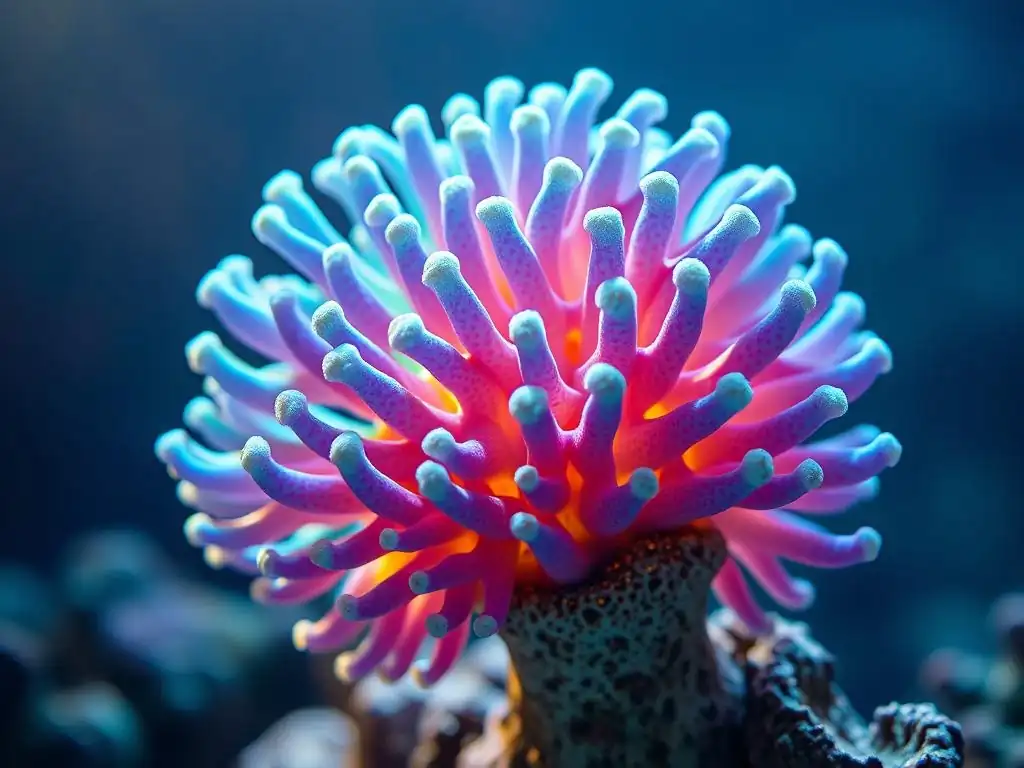
Regular PAR Monitoring and Adjustments
Acclimation is not a one-time event; maintaining optimal lighting for SPS corals requires ongoing vigilance. Light fixture output can degrade over time—for example, LED diodes can lose a portion of their intensity over several years of use, potentially dropping by 10-15%. Additionally, as corals grow larger, they can shade lower colonies or change their own light exposure. Regularly (e.g., quarterly or bi-annually) using a PAR meter to re-map your tank's light intensity at various coral locations is crucial.
This proactive monitoring allows you to identify any significant changes in PAR levels and make necessary adjustments. If PAR readings have dropped, you might need to increase your fixture's intensity slightly. Conversely, if a coral has grown into a higher light zone, or if a new, more powerful light fixture has been installed, re-evaluation and potential re-acclimation might be necessary. Consistent monitoring ensures your SPS corals intense lighting strategy remains effective for long-term health and growth.
Ensuring Proper Water Chemistry for Coral Health
The stability of water chemistry is a non-negotiable requirement for the sustained health of SPS corals under any lighting condition, including SPS corals intense lighting. Even perfectly acclimated corals will decline if fundamental parameters like alkalinity, calcium, and magnesium are unstable or outside optimal ranges. Daily fluctuations in alkalinity, for instance, should ideally be less than 0.5 dKH to prevent stress and ensure consistent calcification.
Regular and accurate testing of these parameters, along with nitrates and phosphates, is paramount. A healthy water chemistry profile allows corals to efficiently utilize light for photosynthesis and calcification, directing energy towards robust growth and vibrant coloration. For example, if alkalinity drops too low (e.g., below 7 dKH), SPS corals will struggle to build their skeletons, regardless of how optimal the light is. Conversely, excessively high alkalinity (e.g., above 10 dKH) can lead to precipitation issues and stress, especially under strong light.
Preventing Light Shock During Water Changes or Maintenance
Even routine aquarium maintenance can inadvertently cause temporary light shock to sensitive SPS corals if not managed carefully. Large water changes, for example, can significantly alter the water clarity, potentially increasing light penetration to corals that were previously accustomed to slightly murkier conditions. Similarly, thorough cleaning of algae from the aquarium glass can suddenly expose corals to more direct, unfiltered light.
To prevent such temporary light shock, consider dimming your lights by 10-20% during large water changes or intensive tank cleaning sessions, especially if you have highly sensitive SPS corals. This temporary reduction can buffer the corals from sudden shifts in light transmission. For instance, if performing a 50% water change, reducing the SPS corals intense lighting by 15% for the duration of the change and for an hour afterward can significantly reduce stress, allowing the corals to adapt to the clearer water more gently.
Conclusion: Mastering SPS Coral Lighting for a Thriving Reef
The Long-Term Benefits of Proper Acclimation
Mastering the art of acclimating SPS corals to intense lighting is a cornerstone of successful reef keeping, yielding profound long-term benefits for your aquarium. Proper acclimation ensures robust coral health, vibrant coloration, and accelerated growth rates, transforming new, potentially fragile additions into thriving, integral components of your reef ecosystem. For example, an Acropora valida that is correctly acclimated will not only survive but will quickly establish a strong encrusting base and begin rapid branching, significantly enhancing the aesthetic value of your tank.
By diligently preventing light shock and fostering a strong, healthy symbiotic relationship between the coral and its zooxanthellae, aquarists can dramatically reduce coral loss, saving both significant time and financial investment. This meticulous, patient approach to SPS corals intense lighting management ultimately leads to a more stable, resilient, and visually stunning reef aquarium, providing years of enjoyment and a testament to dedicated husbandry.
Resources for Further Learning about SPS Coral Lighting
To truly master the nuances of SPS coral lighting, aquarists should commit to continuous learning and exploration. Delving deeper into topics such as advanced PAR mapping techniques, the specific spectral requirements of various SPS species, and the physiological responses of corals to different light wavelengths can provide invaluable insights. Understanding the unique characteristics of different LED fixtures and their spectral outputs will empower you to optimize your SPS corals intense lighting setup for peak coral health and coloration.
Engage with reputable online reef keeping forums, participate in local reef club meetings, and consult scientific literature on coral biology and light. These resources often provide real-world case studies, updated research findings, and peer-to-peer insights into maximizing lighting efficiency and coral response. Continuous education and a willingness to experiment thoughtfully are key to evolving as a successful and knowledgeable reef aquarist, ensuring your SPS corals thrive under intense lighting.
Frequently Asked Questions
What are SPS corals and why do they need intense lighting?
SPS corals, or Small Polyp Stony corals, are a type of coral that requires high-intensity lighting for photosynthesis and to maintain their vibrant colors. They derive a significant portion of their nutrients from symbiotic algae within their tissues, which need light to survive.
Why is acclimation so important when introducing SPS corals to intense lighting?
Sudden exposure to intense lighting can cause coral bleaching, where the coral expels its symbiotic algae. This happens because the algae are unable to adjust to the intense light quickly enough, leading to a severe stress response in the coral.
How long should the acclimation period typically last when introducing SPS corals to intense lighting?
The acclimation period can vary, but generally, it should last 1-2 weeks. This allows the coral to gradually adjust to the higher light levels without experiencing shock. Careful observation of the coral's color and behavior is key during this time.
What are some signs that my SPS coral is not acclimating well to the intense lighting?
Signs of stress include coral bleaching (loss of color), tissue recession, and excessive mucus production. If you see any of these, you should reduce the light intensity or move the coral to a shadier area.
What methods can I use to gradually increase the lighting intensity for my new SPS corals?
You can use dimmable LED fixtures and slowly increase the intensity over time. Alternatively, you can place the coral lower in the tank initially and gradually move it higher as it acclimates. Another method is using shade cloth to reduce light intensity in the beginning.
Final Reflection: Embracing the Light: A Future for SPS Coral
The journey of acclimating SPS corals to intense lighting, as we've explored, is not merely a technical process, but a delicate dance between science and stewardship. Understanding the nuanced needs of these vibrant organisms is now more critical than ever, as our reefs face unprecedented environmental pressures. This guide, we hope, provides a foundation for ensuring the survival and thriving of these vital components of our marine ecosystems within the controlled environments we create.
This delicate balance between providing the necessary light and preventing photo-shock has profoundly influenced how we approach coral husbandry. It's a constant reminder of the interconnectedness of life and the responsibility we bear as custodians of these fragile ecosystems. In the end, we will conserve only what we love; we will love only what we understand; and we will understand only what we are taught.
- Baba Dioum. This quote perfectly encapsulates the spirit of this guide: to foster understanding, love, and ultimately, conservation.
Now, we invite you to reflect on your own role in this ongoing story. Consider how you can apply these principles, not only to your own reef tanks, but also to your broader understanding of environmental stewardship. Let the lessons learned in acclimating SPS corals to intense lighting inspire you to become a champion for the health of our oceans, one polyp at a time.
Ignite Your Reef: Unleash the True Colors of Your SPS!
Thanks for diving deep into the world of SPS lighting and acclimation! Hopefully, you now feel empowered to safely introduce your new corals to their vibrant future. It's time to put that knowledge into action and watch your reef flourish!
Here’s how you can get started:
- Implement a gradual acclimation schedule. Start by reducing light intensity to 30-40% and slowly increasing it over several weeks, closely observing your corals' reactions.
- Explore unconventional shading techniques like using layers of plastic window screen to diffuse light, removing layers gradually.
- Share your SPS acclimation journey on social media using #AquariumMastery and inspire others to join the reefing community!
What’s the first step you’ll take to ensure your new SPS corals thrive under your lighting system?