
The Risks of Keeping Asterina Starfish: Pest or Benign?

Welcome to Aquarium Mastery! Ever wondered if that tiny starfish hitchhiking in your tank is a helpful friend or a potential foe? Dive into our comprehensive guide on Asterina starfish care problems and discover the truth behind these often misunderstood creatures. Are they a valuable part of your reef ecosystem, or a silent threat waiting to explode in population? Find out now and keep your aquarium thriving!
- The Risks of Keeping Asterina Starfish: Pest or Benign? - AquariumMastery.com
- Understanding Asterina Starfish in Saltwater Aquariums
- Asterina Starfish: Benign Clean-Up Crew or Aquarium Pest?
- The Asterina Starfish Care Problems Every Aquarist Should Know
- Addressing Common Asterina Starfish Issues in Reef Tanks
- Preventing Asterina Starfish Problems: Proactive Strategies
- Are Asterina Starfish Right for Your Reef Tank? A Balanced Perspective
- Conclusion: Managing Asterina Starfish for a Healthy Aquarium
-
Frequently Asked Questions
- ### Are Asterina starfish always considered pests in reef tanks?
- ### What are the potential problems Asterina starfish can cause?
- ### How can I control an Asterina starfish population if it becomes too large?
- ### What are the benefits of having Asterina starfish in a reef aquarium?
- ### How can I differentiate between a harmful and a harmless Asterina starfish in my tank?
- Final Reflection: Navigating the Asterina Starfish Dilemma
- Embrace Reef Harmony: Start Your Asterina Action Plan!
The Risks of Keeping Asterina Starfish: Pest or Benign? - AquariumMastery.com
Understanding Asterina Starfish in Saltwater Aquariums
Identifying Asterina Starfish Species and Their Variations
Asterina starfish, commonly found as hitchhikers in marine aquariums, are a diverse group of small, five-armed (though sometimes more or fewer) starfish belonging to the Asterina genus. They typically range in size from a few millimeters to about 2 centimeters in diameter, with the average being around 0.5 to 1 cm.
Their coloration can vary, but they are most frequently observed as off-white, grey, or light brown, sometimes with subtle patterns or spots. Identifying the exact species is often challenging for hobbyists, as many species look similar, and there are potentially hundreds of species globally, with only a few commonly entering the aquarium trade.
The key characteristic that often raises concern among aquarists is their prolific reproduction, primarily through fission (splitting themselves into two or more new individuals). This asexual reproduction allows a single starfish to rapidly multiply into a significant population within weeks or months under favorable conditions. While most Asterina species are considered benign detritivores, some specific variations, often identifiable by their color (e.g., blue or green tints) or specific arm shapes, have been anecdotally linked to coral predation, particularly on zoanthids and soft corals. This distinction is crucial for understanding potential Asterina starfish care problems.
The Role of Asterina Starfish in a Reef Tank Ecosystem
In their natural habitats, Asterina starfish play a role as scavengers and detritivores, consuming decaying organic matter, microalgae, and biofilm from various surfaces. In a captive reef tank environment, they similarly contribute to the clean-up crew, grazing on nuisance algae films that coat live rock and tank glass, and consuming leftover food particles or other detritus. Their small size allows them to access crevices and areas that larger clean-up crew members might miss, making them efficient at maintaining micro-level cleanliness.
When present in low numbers, Asterina starfish can be considered beneficial, contributing to the overall health and stability of the aquarium ecosystem by processing waste. They help to prevent the build-up of organic material, which in turn can help stabilize water parameters by reducing the load on filtration systems. However, their rapid reproductive rate means that their populations can quickly explode, transforming them from helpful scavengers into a potential nuisance, thus presenting significant Asterina starfish care problems if left unchecked.
Asterina Starfish: Benign Clean-Up Crew or Aquarium Pest?
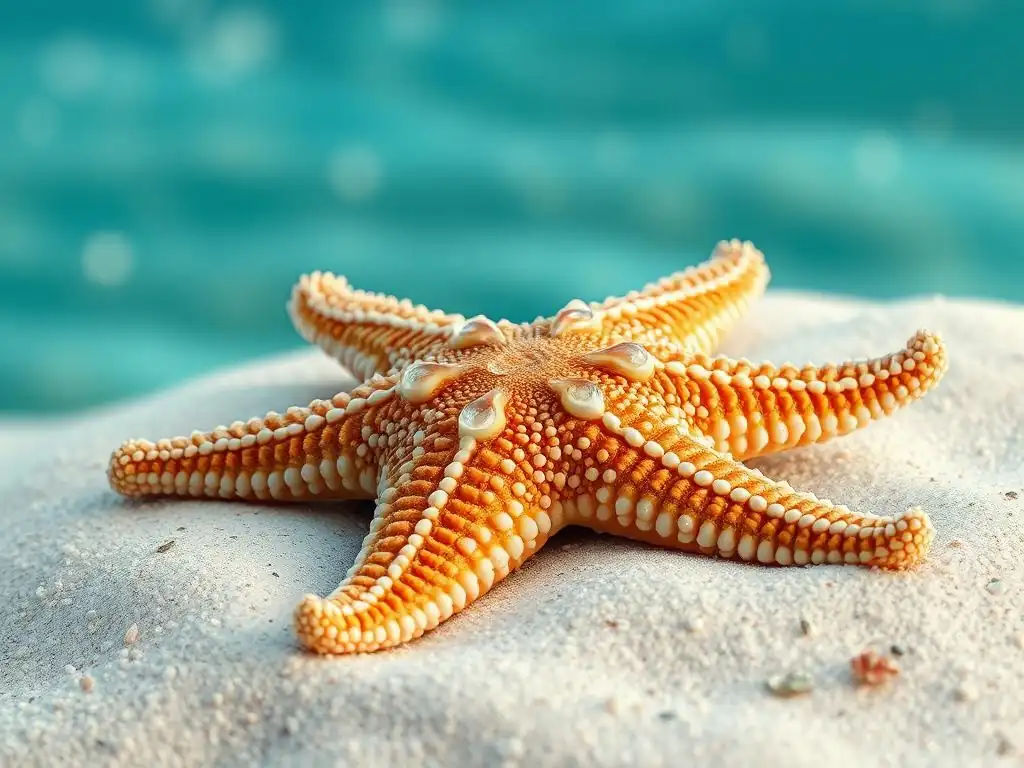
Asterina Starfish Benefits: Algae Control and Detritus Removal
Asterina starfish, in moderate numbers, can be a valuable asset to a reef tank's clean-up crew. Their primary benefit lies in their voracious appetite for various forms of nuisance algae, including diatom films, cyanobacteria, and green hair algae in its early stages. They tirelessly graze across live rock, sand beds, and the aquarium glass, effectively keeping these surfaces clean. For instance, a healthy population of a few dozen Asterina starfish in a 50-gallon reef tank can significantly reduce the need for manual scrubbing of algae off the glass, consuming several square inches of film algae daily.
Beyond algae, these tiny starfish are also efficient detritivores. They consume leftover food particles, fish waste, and other decaying organic matter that settles on the substrate and within rock crevices. This continuous consumption of detritus helps to prevent the accumulation of nutrients, which can otherwise fuel unwanted algae blooms or contribute to elevated nitrate and phosphate levels. Their contribution to nutrient cycling can be quite substantial, effectively recycling organic waste back into the ecosystem rather than letting it decompose and pollute the water column.
Potential Problems with Asterina Starfish Overpopulation
While beneficial in small quantities, the rapid proliferation of Asterina starfish can quickly turn them into a significant Asterina starfish care problem. Their ability to reproduce asexually through fission means that a few hitchhikers can become hundreds or even thousands within a few months if conditions are favorable. An overpopulated tank can see dozens, if not hundreds, of these starfish covering every surface, which can be an aesthetic concern for many aquarists. More importantly, high densities can lead to competition for resources with other beneficial microfauna and even corals.
In severe infestations, the sheer biomass of Asterina starfish can contribute to an increased bioload, potentially impacting water quality, although this is less common than other issues. The primary concern with overpopulation, however, shifts from their general presence to their potential for direct harm. While most are benign, an overwhelming population increases the chances of having a predatory species among them, or even benign species causing issues due to sheer numbers.
For example, they might start to crawl over and irritate delicate coral polyps, potentially leading to tissue recession simply due to physical presence or by outcompeting corals for available surface area on the rockwork. This makes understanding and managing Asterina starfish care problems critical for reef tank health.
The Asterina Starfish Care Problems Every Aquarist Should Know
Controlling Asterina Starfish Populations: Natural Predators
Managing an Asterina starfish population effectively often involves understanding the natural mechanisms that can keep their numbers in check. For aquarists facing Asterina starfish care problems due to overpopulation, introducing natural predators can be an effective biological control method. This approach leverages the food chain to reduce their numbers without resorting to chemical treatments that might harm other invertebrates or corals.
Harlequin Shrimp: A Natural Asterina Starfish Predator
One of the most effective and well-known natural predators for Asterina starfish is the Harlequin Shrimp ( Hymenocera picta). These beautiful and fascinating shrimp are obligate starfish eaters, meaning their diet consists almost exclusively of starfish. A single Harlequin Shrimp can consume multiple Asterina starfish per day, and within a few weeks, a moderate to severe infestation in a typical home aquarium (e.g., 50-100 gallons) can be significantly reduced, often to the point where very few Asterina are visible. Their efficiency makes them a top choice when serious Asterina starfish care problems arise.
However, aquarists must be prepared for the Harlequin Shrimp's specialized diet. Once the Asterina population is depleted, the shrimp will require other starfish as a food source, which typically means purchasing chocolate chip starfish or similar non-reef-safe species for them to feed on. This can be a commitment, as a Harlequin Shrimp will need a small starfish approximately every 1-2 weeks to sustain itself, making long-term care a consideration after the initial Asterina starfish problem is resolved.
Other Potential Predators for Asterina Starfish Control
While Harlequin Shrimp are the most reliable option, some other aquarium inhabitants may also prey on Asterina starfish, though often with less consistency or with potential caveats. Certain wrasse species, such as the Six-Line Wrasse ( Pseudocheilinops hexataenia) or the Melanurus Wrasse ( Halichoeres melanurus), have been observed to occasionally nip at or consume Asterina starfish. These wrasses are generally good choices for pest control in a reef tank, also targeting flatworms and other small invertebrates. However, their primary diet is not exclusively starfish, and their effectiveness against a large Asterina infestation can vary greatly from individual to individual.
Another less common, but sometimes effective, predator is certain species of nudibranchs, specifically some Pteraeolidia ianthina. These nudibranchs are known to consume various types of starfish and could potentially target Asterina. However, like many nudibranchs, their care can be challenging, and their diet might not be solely focused on Asterina, making them a less predictable solution for widespread Asterina starfish care problems. When considering these alternatives, it's crucial to research their compatibility with your existing tank inhabitants and their specific dietary needs to avoid introducing new issues.
Managing Asterina Starfish: Manual Removal Techniques
For aquarists dealing with Asterina starfish care problems or simply preferring a non-predatory approach, manual removal is a viable and often necessary strategy, especially for smaller infestations or as a supplementary method to biological control. This method allows for direct control over the population without introducing additional livestock.
Safe Methods for Removing Asterina Starfish from Live Rock
The most effective manual removal technique involves physically extracting the starfish from the aquarium. It is crucial to avoid crushing them inside the tank, as Asterina starfish can reproduce from fragments, and crushing them might inadvertently release gametes, potentially exacerbating the problem. Instead, use a turkey baster, a small net, or even tweezers to gently pick them off the live rock, glass, or substrate. Many aquarists find it easiest to remove them during the evening or night, as Asterina starfish are often more active and visible when the tank lights are off.
Once removed, the starfish should be placed in a separate container of saltwater before disposal, or they can be offered as food to other tank inhabitants if appropriate (e.g., a Harlequin Shrimp in a quarantine tank). For a persistent Asterina starfish care problem, daily or every-other-day removal sessions can significantly reduce their numbers over time. This consistent effort is key to getting ahead of their rapid reproduction rate and maintaining control.
Preventing Asterina Starfish Regrowth After Removal
Manual removal is a reactive measure, and to truly address Asterina starfish care problems and prevent regrowth, proactive steps are essential. After removing starfish, focus on identifying and mitigating the underlying conditions that allowed for their proliferation. This primarily involves managing nutrient levels in the aquarium. High levels of nitrates and phosphates, often resulting from overfeeding or insufficient filtration, fuel the growth of algae and detritus – the primary food sources for Asterina starfish.
Regular water changes, thorough gravel vacuuming (if applicable), and ensuring proper protein skimming can help keep nutrient levels low. Additionally, avoid overfeeding fish and corals, as excess food quickly breaks down into detritus. By limiting their food supply, you naturally inhibit their reproductive rate and significantly reduce the chances of a rapid rebound in their population. Consistent nutrient control is paramount in preventing future Asterina starfish care problems.
Addressing Common Asterina Starfish Issues in Reef Tanks
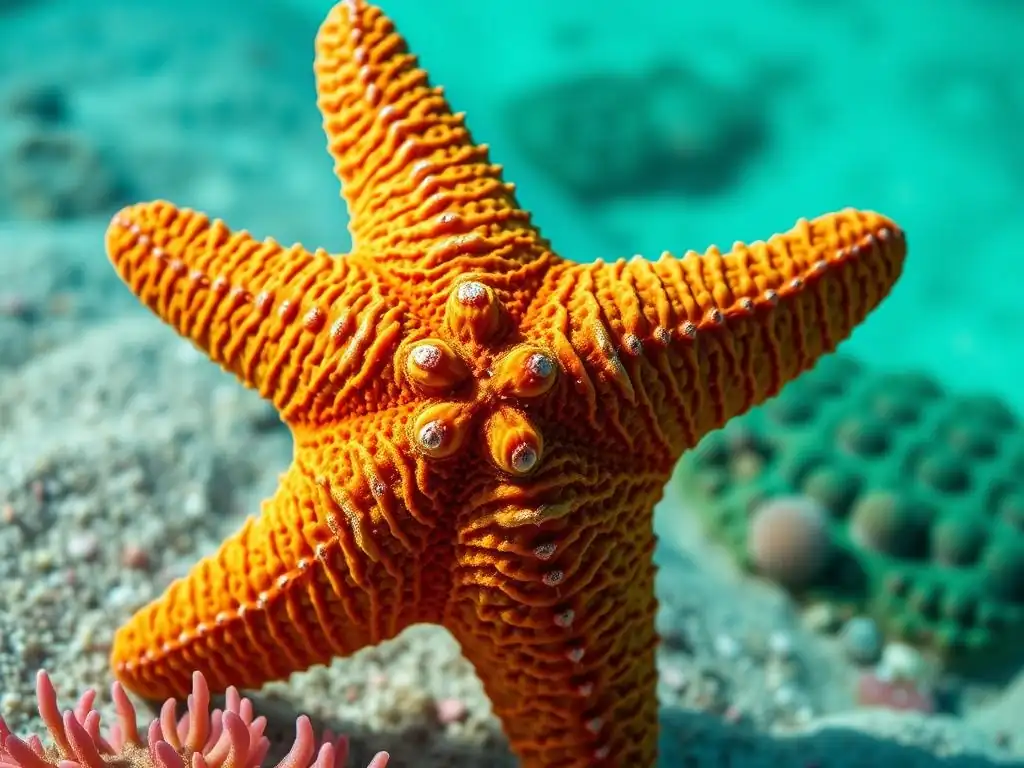
Asterina Starfish Predation on Corals: Myth or Reality?
One of the most contentious Asterina starfish care problems is the debate surrounding their predation on corals. While the vast majority of Asterina starfish species are considered benign detritivores and scavengers, anecdotal evidence and some scientific observations confirm that certain species do prey on corals. This is not a myth, but rather a reality for a subset of the Asterina population. The most commonly targeted corals include zoanthids, palythoa, soft corals like pulsing xenia, and occasionally even small polyp stony (SPS) corals such as Montipora.
Identifying a predatory Asterina involves close observation. A benign Asterina will typically move across coral tissue without causing damage, merely grazing on algae or detritus on the coral's base or surrounding rock. A predatory Asterina, however, will often settle on a coral polyp for an extended period (hours to days), and you may observe tissue recession, bleaching, or even complete consumption of polyps directly where the starfish was situated.
These predatory types are often difficult to distinguish visually from their benign counterparts, emphasizing the need for vigilance when dealing with Asterina starfish care problems. If you notice consistent damage to a coral coinciding with an Asterina's presence, immediate removal of that specific starfish is warranted.
Signs of an Asterina Starfish Infestation and How to React
Recognizing the signs of an Asterina starfish infestation early is key to preventing major Asterina starfish care problems. The most obvious sign is a sudden and dramatic increase in their numbers. While seeing a few small starfish is normal, finding dozens or even hundreds covering the rockwork, glass, and sand during the day or night indicates an overpopulation. For example, if you typically see 5-10 starfish, and suddenly you observe 50-100 or more, it's a clear indicator of a burgeoning problem.
Beyond sheer numbers, pay close attention to the behavior of the starfish, especially if you suspect coral predation. Look for Asterina starfish consistently resting on coral polyps, particularly zoanthids or other soft corals. If you observe white spots, tissue recession, or polyps that refuse to open where a starfish has been, this strongly suggests predatory behavior.
Upon identifying an infestation or predatory activity, immediate action is advised. This typically involves a combination of manual removal (as described earlier), potentially introducing a Harlequin Shrimp for aggressive control, and reviewing your tank's nutrient management to reduce their food source and curb reproduction. Proactive management of Asterina starfish care problems is always more effective than reactive crisis management.
Preventing Asterina Starfish Problems: Proactive Strategies
Quarantine Procedures for New Live Rock and Corals
Preventing Asterina starfish from entering your display tank in the first place is the most effective way to avoid future Asterina starfish care problems. Asterina starfish are notorious hitchhikers, often arriving on new live rock, frag plugs, or within the crevices of new coral colonies. Implementing strict quarantine procedures for all new additions is a critical proactive strategy. For new live rock, inspect it thoroughly before adding it to the display tank. You can place it in a separate container of saltwater for a few days to observe if any pests emerge.
For corals, a quarantine tank is highly recommended. During the quarantine period (typically 2-4 weeks), carefully inspect the coral frags and their plugs daily for any signs of pests, including tiny Asterina starfish. Many aquarists also perform coral dips using commercially available products designed to dislodge or kill common pests. While a dip may not eliminate every Asterina, it can significantly reduce the number of hitchhikers introduced. Physically removing any visible Asterina starfish from frag plugs or coral bases before introduction is also a good practice, helping to prevent Asterina starfish care problems from the outset.
Maintaining Optimal Water Parameters to Control Asterina Starfish Growth
One of the most effective long-term strategies for preventing and managing Asterina starfish care problems is maintaining pristine water quality and optimal nutrient levels. Asterina starfish, like many other nuisance organisms in a reef tank, thrive when there is an abundance of food sources, primarily in the form of detritus and nuisance algae. These food sources proliferate in tanks with elevated nutrient levels, specifically nitrates and phosphates.
Targeting very low levels of nitrates (e.g., below 10 ppm) and phosphates (e.g., below 0.05 ppm) through regular water changes, efficient protein skimming, appropriate feeding practices, and potentially the use of GFO (granular ferric oxide) or other phosphate-removing media, will naturally limit the food available to Asterina starfish. When their food source is scarce, their reproductive rate slows down significantly, and existing populations will struggle to grow.
This approach not only helps to control Asterina starfish care problems but also contributes to the overall health and stability of the entire reef ecosystem, promoting coral health and reducing the likelihood of other nuisance algae outbreaks.
Are Asterina Starfish Right for Your Reef Tank? A Balanced Perspective
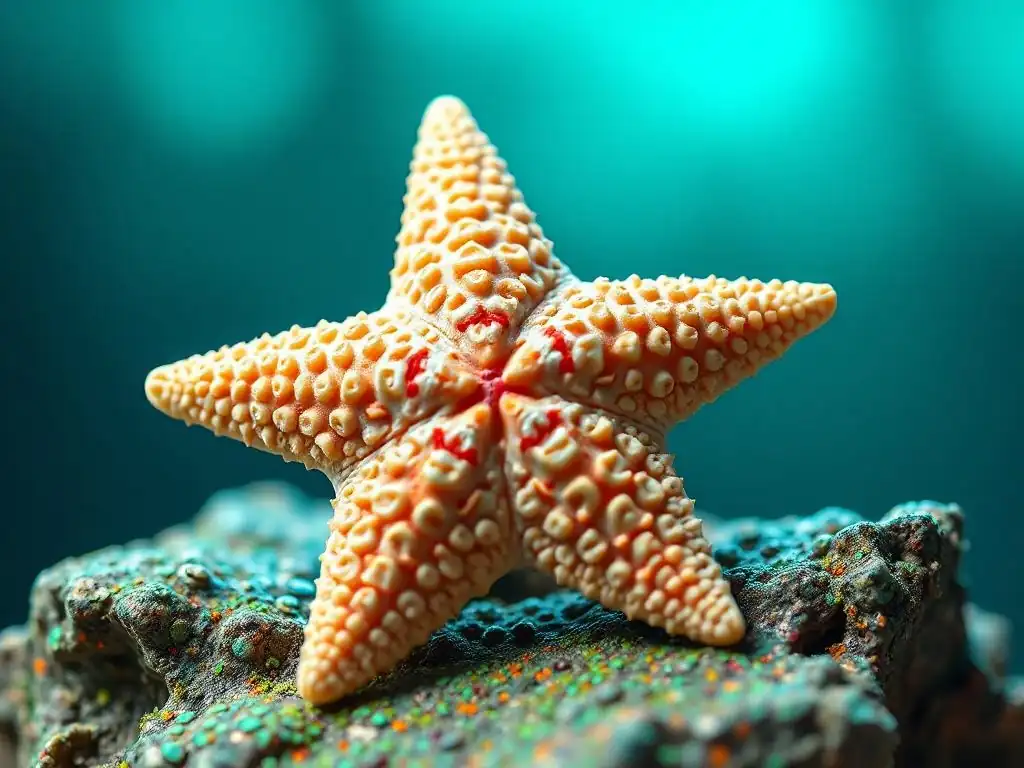
Assessing the Risks and Rewards of Keeping Asterina Starfish
The decision of whether Asterina starfish are "right" for your reef tank is complex, requiring a balanced assessment of their potential benefits against the inherent risks and Asterina starfish care problems they can present. On the reward side, benign Asterina species contribute positively as part of the clean-up crew, consuming nuisance algae films and detritus, thereby aiding in nutrient export and maintaining tank cleanliness.
Their small size allows them to access tight crevices, making them efficient micro-scavengers that complement larger clean-up crew members. In low, controlled numbers, they are largely beneficial and can be an interesting part of the tank's biodiversity.
However, the risks are significant and cannot be overlooked. The primary risk is their prolific asexual reproduction, which can lead to rapid overpopulation, transforming them from a helpful addition into an aesthetic nuisance and a potential threat. More critically, the existence of predatory Asterina species, which are often indistinguishable from benign ones to the untrained eye, poses a direct threat to corals, especially zoanthids, palythoa, and some soft corals.
The potential for these Asterina starfish care problems means that aquarists must be vigilant, prepared to intervene with manual removal or introduce natural predators if an issue arises. For tanks with valuable or sensitive corals, the risk might outweigh the marginal benefits of their clean-up services.
Alternatives to Asterina Starfish for Algae Control and Detritus Removal
Given the potential Asterina starfish care problems, many aquarists prefer to rely on other, more predictable members of the clean-up crew for algae control and detritus removal. A diverse clean-up crew is essential for a healthy reef tank, and there are numerous reliable alternatives to Asterina starfish. For algae control, various types of snails are highly effective:
- Turbo Snails (Turbo fluctuosa, Turbania spp.): Excellent grazers of film algae and some hair algae on rock and glass.
- Nassarius Snails (Nassarius vibex): Primarily scavengers that burrow in the sand, consuming detritus and leftover food, preventing anaerobic spots.
- Trochus Snails (Trochus histrio): Robust grazers that consume film algae on all surfaces, including glass and rock.
- Nerite Snails (Neritina natalensis): Great for glass cleaning and consuming diatoms.
Hermit crabs, such as Blue Leg Hermit Crabs ( Clibanarius tricolor) and Scarlet Reef Hermit Crabs ( Paguristes cadenati), also contribute by scavenging detritus and some algae, though they can sometimes be opportunistic and bother snails or corals. Furthermore, maintaining a healthy population of copepods and amphipods provides a continuous source of beneficial microfauna that graze on microalgae and detritus, contributing to the overall cleanliness of the system without the associated Asterina starfish care problems. By diversifying your clean-up crew, you can achieve comprehensive tank maintenance without relying on potentially problematic organisms like Asterina starfish.
Conclusion: Managing Asterina Starfish for a Healthy Aquarium
Frequently Asked Questions
### Are Asterina starfish always considered pests in reef tanks?
No, while they can become a problem, Asterina starfish are not always pests. Whether they're considered a pest depends on their population size and what they're consuming in your reef tank.
### What are the potential problems Asterina starfish can cause?
Asterina starfish can become problematic when their population explodes, leading to them potentially consuming beneficial organisms, like corals and coralline algae. This can damage your reef's ecosystem.
### How can I control an Asterina starfish population if it becomes too large?
Manual removal during water changes is the simplest method. Introducing natural predators such as Harlequin shrimp can also help, but be aware they will eventually deplete the starfish population.
### What are the benefits of having Asterina starfish in a reef aquarium?
In controlled numbers, Asterina starfish can be beneficial. They help clean up detritus and algae, contributing to a healthier tank environment. They are also an important food source for some aquarium inhabitants.
### How can I differentiate between a harmful and a harmless Asterina starfish in my tank?
It's difficult to definitively say without observation, but rapidly increasing populations are often a red flag. Also, observe what they are eating. If they are seen attacking corals, they are likely problematic.
The complexities surrounding Asterina starfish, as we've explored, highlight a crucial aspect of responsible reef keeping: informed decision-making and continuous learning. While seemingly insignificant, these tiny creatures can present significant challenges, underscoring the need for aquarists to thoroughly research and understand the potential impact of every addition to their delicate ecosystems. The debate over whether they are pests or benign inhabitants remains a testament to the dynamic and often unpredictable nature of reef aquariums.
This ongoing discussion about Asterina starfish reflects a broader trend in the hobby: a growing awareness of the interconnectedness of marine life and the ethical considerations involved in maintaining captive environments. My own experience with reef keeping has taught me that even the smallest organism can have a profound impact, and that diligent observation is paramount. The sea, once it casts its spell, holds one in its net of wonder forever.
- Jacques Cousteau. This quote encapsulates the allure of reef keeping, but also reminds us of the responsibility that comes with recreating a piece of the ocean in our homes.
Ultimately, the "Asterina starfish care problems" we've discussed are not merely about managing a potential pest; they are about fostering a deeper understanding of marine ecosystems and our role within them. Let us all strive to be more informed, more observant, and more responsible reef keepers. Consider the lessons learned here and apply them to every aspect of your aquarium care. By doing so, you contribute not only to the health and beauty of your own reef, but also to the broader understanding and appreciation of the ocean's wonders.
Embrace Reef Harmony: Start Your Asterina Action Plan!
Thank you for diving into the world of Asterina starfish with us! Now that you're armed with the knowledge to assess your reef's situation, it's time to take control and maintain a balanced ecosystem.
Here are some immediate actions you can take:
- Prioritize a reef health assessment - Carefully evaluate your coral and overall aquarium conditions for signs of damage or overpopulation. This is your first line of defense!
- Explore unique removal strategies:Consider introducing Harlequin shrimp, if appropriate for your tank size and other inhabitants, for a natural Asterina control method.
- Share your observations! Post photos of your Asterina starfish and discuss your experiences in our community forum.
Ready to embark on your personalized reef management journey and keep your aquarium thriving?