
Anemone Crabs (Neopetrolisthes): Delicate Filter Feeders Explained

Welcome to Aquarium Mastery!
Ever been captivated by the delicate dance of a tiny crab nestled amongst the swaying tentacles of an anemone? Dive into the fascinating world of Neopetrolisthes anemone crabs with us. Uncover the secrets to successful Neopetrolisthes anemone crab care and discover how to create the perfect habitat for these captivating filter feeders. Curious to learn more? Let's get started!
- Understanding Anemone Crabs: A Guide to Neopetrolisthes
- Neopetrolisthes Anemone Crab Care: Essential Guidelines
- Identifying Different Types of Anemone Crabs
- Common Issues and Troubleshooting for Anemone Crab Keepers
- Breeding Anemone Crabs: Challenges and Possibilities
- The Benefits of Anemone Crabs in a Reef Tank Ecosystem
- Purchasing Healthy Anemone Crabs: What to Look For
- Advanced Neopetrolisthes Anemone Crab Care Techniques
-
Frequently Asked Questions
- What exactly are Neopetrolisthes anemone crabs and why are they popular?
- What are the key considerations for setting up an aquarium specifically for Neopetrolisthes anemone crabs?
- What do Neopetrolisthes anemone crabs eat and how should I feed them in my aquarium?
- What are some common health problems or issues encountered with Neopetrolisthes anemone crabs, and how can I prevent them?
- Are Neopetrolisthes anemone crabs compatible with other inhabitants in a reef aquarium?
- Final Reflection: Embracing the Delicate Balance
- Unleash the Anemone Crab Keeper Within!
Understanding Anemone Crabs: A Guide to Neopetrolisthes
What are Anemone Crabs? Introducing Neopetrolisthes Species
Anemone crabs, scientifically classified under the genus Neopetrolisthes, are fascinating marine invertebrates often sought after by aquarists for their unique behaviors and symbiotic relationships. Despite their common name, these creatures are not true crabs but rather a type of porcelain crab, belonging to the family Porcellanidae. They are distinguished by their flattened bodies, long antennae, and most notably, their specialized filter-feeding mouthparts, which are modified third maxillipeds equipped with long, feathery setae. These "fans" are used to capture microscopic food particles from the water column.
There are several species within the Neopetrolisthes genus, with Neopetrolisthes maculatus (Spotted Porcelain Crab) and Neopetrolisthes ohshimai being among the most commonly encountered in the aquarium hobby. These small crustaceans typically reach a carapace width of about 1 to 2 inches (2.5 to 5 cm), making them suitable inhabitants for appropriately sized saltwater aquariums. Their captivating interaction with host anemones, from which they rarely stray, is a primary reason for their popularity, offering a glimpse into the intricate web of marine life.
Why Choose Anemone Crabs for Your Saltwater Aquarium?
Choosing Neopetrolisthes anemone crabs for your saltwater aquarium brings a distinct charm and educational value to your setup. These peaceful invertebrates are known for their non-aggressive nature, making them excellent candidates for most reef tanks where aggressive tank mates are absent. Their constant filter-feeding activity, where they rhythmically fan their specialized appendages, provides a mesmerizing display that adds dynamic interest to the aquarium.
Beyond their aesthetic appeal, Neopetrolisthes anemone crabs contribute subtly to the tank's ecosystem. While not a primary clean-up crew, they do consume suspended organic matter and detritus, helping to maintain water clarity and reduce the bioload. Their obligate symbiotic relationship with host anemones, such as the Bubble Tip Anemone ( Entacmaea quadricolor), is a highlight, demonstrating natural commensalism where the crab gains protection and a feeding platform, and in return, may help keep the anemone clean. This unique interaction alone makes them a compelling addition for aquarists interested in observing complex marine behaviors.
Neopetrolisthes Anemone Crab Care: Essential Guidelines
Setting Up the Ideal Habitat for Anemone Crabs
Tank Size Requirements for Neopetrolisthes
When considering Neopetrolisthes anemone crab care, the foundational step is establishing an appropriate habitat. Given their relatively small size, a single anemone crab or a pair can thrive in tanks as modest as 10 to 20 gallons.
However, it's crucial to remember that the tank size will often be dictated more by the requirements of their host anemone, which can range from 30 gallons for smaller species like the Bubble Tip Anemone to over 100 gallons for larger, more demanding hosts. The primary concern is providing a stable environment with mature live rock for biological filtration and plenty of hiding spots beyond the anemone itself.
While Neopetrolisthes themselves do not require vast swimming spaces, tank stability is paramount for their long-term health. A larger water volume, typically 30 gallons or more, helps buffer against sudden fluctuations in water parameters, which are detrimental to delicate invertebrates. This stability is particularly important for successful Neopetrolisthes anemone crab care, as they are sensitive to environmental shifts and require consistent conditions to thrive and molt properly.
Water Parameters: Maintaining Optimal Conditions for Anemone Crabs
Maintaining precise and stable water parameters is critical for successful Neopetrolisthes anemone crab care. These invertebrates, like most marine organisms, require pristine water quality to prevent stress and disease. Ideal salinity levels should be maintained between 1.023 and 1.026 specific gravity, mimicking natural ocean conditions. The water temperature should consistently range from 72-78°F (22-26°C), with minimal daily fluctuations.
Furthermore, attention to chemical parameters is essential. The pH should be stable between 8.1 and 8.4, alkalinity (dKH) between 8-12, calcium (Ca) at 400-450 ppm, and magnesium (Mg) at 1200-1350 ppm. Low levels of nitrates (ideally <10 ppm) and phosphates (ideally <0.03 ppm) are also crucial, as high nutrient levels can be detrimental to invertebrates and encourage undesirable algae growth. Regular water changes of 10-20% bi-weekly, along with consistent monitoring using reliable test kits, are indispensable practices for optimal Neopetrolisthes anemone crab care.
The Importance of Anemones for Anemone Crabs
The symbiotic relationship between Neopetrolisthes anemone crabs and their host anemones is not merely an interesting observation; it is a fundamental aspect of their survival and well-being in a captive environment. These crabs are obligate commensals, meaning they require a host anemone to thrive. The anemone provides essential protection from predators through its stinging tentacles, which the crab is immune to, and also serves as a stable platform from which the crab can filter feed on suspended particles.
Without a suitable host anemone, Neopetrolisthes anemone crabs become highly stressed, vulnerable to predation, and often struggle to feed efficiently, significantly shortening their lifespan. Common host anemones include the Bubble Tip Anemone ( Entacmaea quadricolor), Magnificent Anemone ( Heteractis magnifica), and Sebae Anemone ( Heteractis crispa). When planning your Neopetrolisthes anemone crab care strategy, acquiring a healthy, established host anemone before introducing the crab is a non-negotiable step to ensure the crab's comfort and longevity.
Feeding Neopetrolisthes: A Guide to Filter Feeding
What Do Anemone Crabs Eat? Natural Diet and Supplemental Feeding
Neopetrolisthes anemone crabs are specialized filter feeders, primarily relying on microscopic food particles suspended in the water column for their nutrition. In their natural habitat, their diet consists mainly of phytoplankton, zooplankton, detritus, and other small organic matter that they meticulously capture with their fan-like mouthparts. Their continuous fanning motion is a clear indicator of their feeding strategy, making observation of this behavior a key part of effective Neopetrolisthes anemone crab care.
In a closed aquarium system, the natural supply of plankton may not always be sufficient, necessitating supplemental feeding. Suitable foods include liquid invertebrate foods, finely crushed flake food, cyclop-eeze, rotifers, and newly hatched brine shrimp nauplii. For optimal Neopetrolisthes anemone crab care, it's often beneficial to target feed these crabs, especially in tanks with high flow or significant competition from other filter feeders, by gently squirting a small amount of food near their host anemone.
Ensuring Adequate Food Supply for Healthy Anemone Crabs
Ensuring a consistent and adequate food supply is paramount for the long-term health and vitality of Neopetrolisthes anemone crabs. While they are efficient filter feeders, the typical aquarium environment may not naturally provide the continuous abundance of micro-organisms found in the ocean. Therefore, regular, small feedings of appropriate liquid or finely particulate foods are crucial. Dosing liquid phytoplankton and zooplankton a few times a week can significantly contribute to their dietary needs and overall robustness.
Observing your crabs' feeding behavior is key to determining if they are receiving enough nutrition. Healthy crabs will consistently fan their mouthparts, indicating active feeding. If you notice reduced fanning or signs of lethargy, it may signal insufficient food or poor water quality, both of which require immediate attention as part of comprehensive Neopetrolisthes anemone crab care. Establishing a refugium can also help by naturally culturing copepods and other micro-organisms, providing a more continuous and natural food source for these delicate filter feeders.
Compatibility and Tank Mates for Anemone Crabs
Choosing Suitable Tank Mates for Neopetrolisthes
When planning tank mates for your Neopetrolisthes anemone crabs, the primary consideration should be their peaceful and delicate nature. Ideal companions are small, non-aggressive fish species that will not view the crabs as a food source or compete excessively for food. Good choices include various species of gobies, blennies (like the Tailspot Blenny), and peaceful clownfish, especially if they host the same type of anemone. Other suitable invertebrates include snails, small hermit crabs (ensure they don't harass the anemone), and certain peaceful shrimp like Peppermint Shrimp or Skunk Cleaner Shrimp.
The goal for successful Neopetrolisthes anemone crab care regarding tank mates is to create a harmonious environment where the crabs can filter feed without harassment or fear. Avoid any fish or invertebrate that exhibits predatory tendencies or aggressive territorial behavior. A calm and stable community will allow your anemone crabs to thrive and display their natural behaviors, enhancing the overall appeal of your reef aquarium.
Avoiding Aggressive Species that Threaten Anemone Crabs
A critical aspect of Neopetrolisthes anemone crab care is the careful selection of tank mates to avoid any species that pose a threat. Their small size and relatively slow movement make them vulnerable to predation by larger, more aggressive fish. Species to absolutely avoid include triggerfish, puffers, large wrasses (especially those known to eat crustaceans), lionfish, and any other fish with a known appetite for invertebrates. Even seemingly docile fish can sometimes nip at exposed crab legs or antennae.
Furthermore, while other crabs might seem compatible, larger or more aggressive crab species, such as certain emerald crabs or predatory crabs, can pose a risk. They might compete for food, harass the anemone crab, or even attempt to prey on them, particularly during vulnerable molting periods. Prioritizing the safety of your Neopetrolisthes anemone crab means thoroughly researching potential tank mates and erring on the side of caution to ensure a peaceful and secure environment for these unique crustaceans.
Identifying Different Types of Anemone Crabs
Neopetrolisthes maculatus: The Spotted Porcelain Crab
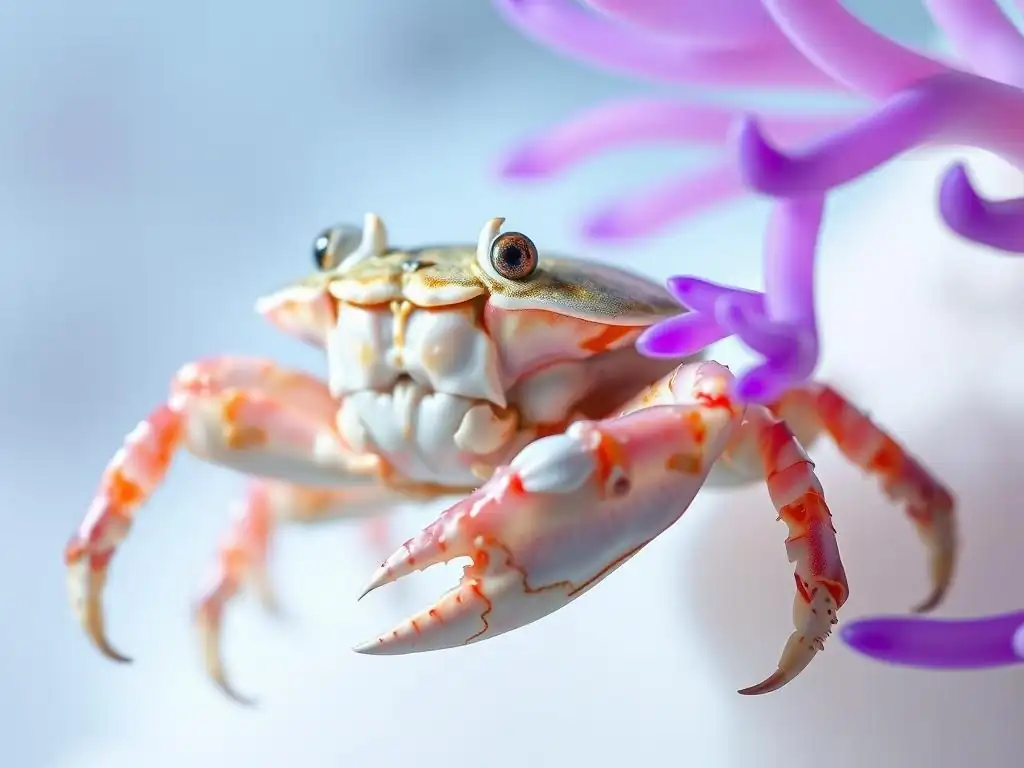
Neopetrolisthes maculatus, commonly known as the Spotted Porcelain Crab, is perhaps the most recognized and frequently encountered species of anemone crab in the aquarium trade. This species is highly sought after for its distinctive appearance and fascinating symbiotic relationship with host anemones. Its body typically ranges from a creamy white to a pale orange base color, adorned with numerous striking red-orange or reddish-brown spots that cover its carapace, legs, and chelipeds (claws). These spots vary in size and intensity, contributing to the crab's unique camouflage within its host.
Measuring up to 1.5 to 2 inches (3.8 to 5 cm) in carapace width, N. maculatus is most frequently found in association with Bubble Tip Anemones ( Entacmaea quadricolor), though they can adapt to other large, stinging anemones. Their active filter-feeding behavior, where they rhythmically fan their mouthparts, is a constant source of fascination for aquarists. Identifying Neopetrolisthes maculatus is relatively straightforward due to its prominent spotted pattern, making it a popular and identifiable choice for those interested in Neopetrolisthes anemone crab care.
Neopetrolisthes ohshimai: Understanding Variations
While Neopetrolisthes maculatus is common, Neopetrolisthes ohshimai represents another notable species within the genus, though it is encountered less frequently in the hobby. N. ohshimai shares many characteristics with its spotted counterpart, including its small size and obligate association with host anemones. However, its coloration tends to be more uniform, often displaying shades of reddish-brown, orange, or even a plain cream color, with fewer or less distinct spots compared to the prominent markings of N. maculatus. Some variations may exhibit faint banding or a mottled pattern rather than distinct spots.
Understanding these variations is important for accurate identification and appreciation of the diversity within Neopetrolisthes. Like N. maculatus, N. ohshimai also relies on filter feeding and requires similar Neopetrolisthes anemone crab care, including a suitable host anemone and pristine water conditions. Despite their subtle differences in appearance, both species offer the same engaging behaviors and contribute uniquely to a reef tank ecosystem, making them equally rewarding subjects for observation.
Recognizing Healthy Anemone Crab Behavior
Recognizing healthy Neopetrolisthes anemone crab behavior is a fundamental aspect of proactive Neopetrolisthes anemone crab care, allowing aquarists to identify potential issues early. A healthy anemone crab will consistently exhibit active filter-feeding, characterized by the rhythmic and continuous fanning of its specialized mouthparts to capture food particles from the water. They should appear alert and responsive to movement outside the tank, often retracting slightly or adjusting their position on their host anemone.
Furthermore, a healthy crab will typically cling securely to its host anemone or nearby rockwork, rarely straying far. Their exoskeleton should appear intact and free from significant damage, and all their appendages (legs, antennae, and feeding fans) should be present and fully functional. Regular molting is also a sign of growth and health, though the molted exoskeleton is often consumed by the crab or other tank inhabitants. Any prolonged lethargy, absence of filter feeding, or detached limbs can be indicators of stress or illness, necessitating immediate investigation of water parameters and overall tank conditions.
Common Issues and Troubleshooting for Anemone Crab Keepers
Addressing Molting Problems in Neopetrolisthes
Molting is a crucial physiological process for all crustaceans, including Neopetrolisthes anemone crabs, allowing them to grow and repair damaged exoskeletons. Problems during molting can be a significant concern in Neopetrolisthes anemone crab care. Issues often manifest as difficulty shedding the old exoskeleton, resulting in a crab getting stuck, losing limbs, or even dying. This can be caused by a variety of factors, including poor water quality, insufficient calcium and alkalinity levels necessary for forming a new, strong shell, or even inadequate nutrition.
To address molting problems, ensure that all water parameters, especially calcium (400-450 ppm) and alkalinity (8-12 dKH), are stable and within optimal ranges. Regular testing and supplementation, if necessary, are vital. Stress, often induced by aggressive tank mates or sudden environmental changes, can also hinder molting success. Providing a consistent and nutrient-rich diet, including foods that support invertebrate health, can also help ensure the crab has the energy and building blocks needed for a successful molt.
Recognizing and Treating Diseases in Anemone Crabs
While Neopetrolisthes anemone crabs are generally hardy and less susceptible to parasitic diseases common in fish, they can still suffer from environmental stress-related ailments or secondary infections. True "diseases" in the conventional sense are rare for these invertebrates; most issues stem from suboptimal water quality, inadequate nutrition, or physical injury. Signs of distress might include prolonged lethargy, a lack of filter feeding, discoloration, or the development of white or fuzzy patches, which could indicate bacterial or fungal infections, often secondary to an injury or weakened immune system.
Specific treatments for invertebrate diseases are limited and often involve isolating the affected animal and focusing on improving its environment. The cornerstone of preventing and managing health issues in Neopetrolisthes anemone crab care is maintaining pristine and stable water parameters, ensuring a consistent and varied diet, and providing a stress-free environment free from aggressive tank mates. If an infection is suspected, sometimes a brief dip in a separate container with very clean, oxygenated, and perfectly matched tank water can help, but chemical treatments are generally discouraged due to their sensitivity.
Dealing with Aggression and Territoriality
Neopetrolisthes anemone crabs are renowned for their peaceful disposition, making aggression and territoriality relatively uncommon issues in Neopetrolisthes anemone crab care. However, isolated instances can occur, typically stemming from competition rather than inherent aggression. If aggression is observed, it's almost always between two anemone crabs vying for the same host anemone or for limited food resources. This can manifest as pushing, shooing, or attempts to dislodge the other crab from the anemone.
To mitigate such conflicts, ensure that there is sufficient space and, ideally, more than one host anemone if keeping multiple crabs. Providing multiple feeding points or target feeding to ensure all individuals receive adequate nutrition can also reduce competition. If a pair of crabs is consistently aggressive towards each other, it might be necessary to separate them into different tanks or provide them with distinct host anemones far apart to establish individual territories. Rarely do Neopetrolisthes show aggression towards other peaceful tank inhabitants, making inter-species conflict less of a concern.
Breeding Anemone Crabs: Challenges and Possibilities
Understanding the Anemone Crab Life Cycle
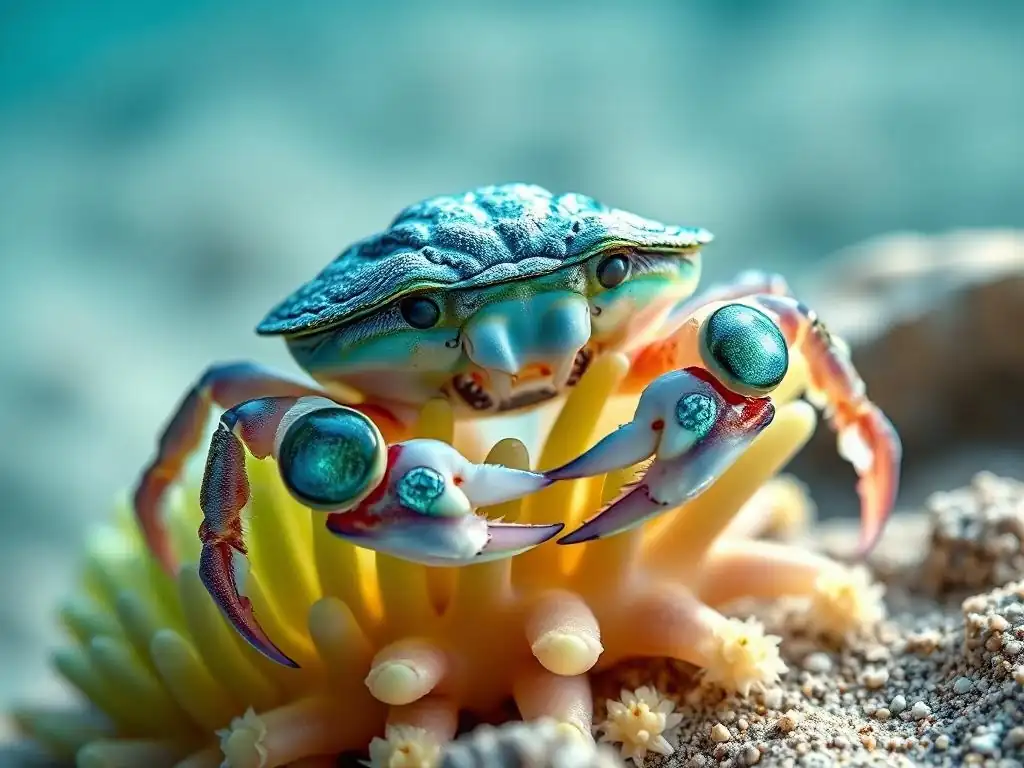
Understanding the life cycle of Neopetrolisthes anemone crabs is essential for anyone aspiring to breed them, though it presents significant challenges for hobbyists. Like most crustaceans, their life cycle involves several distinct stages. Adult male and female crabs reproduce sexually, with the female carrying a cluster of eggs under her abdomen, often for several weeks, until they hatch. Upon hatching, the eggs release into the water column as microscopic, free-swimming larvae known as zoea.
These zoea larvae are planktonic, undergoing multiple molts as they grow and develop through several larval stages. They are highly susceptible to predation and require specific, microscopic food sources such as phytoplankton and rotifers. After several weeks, the zoea metamorphose into a megalopa stage, a transitional form that somewhat resembles a miniature crab but is still pelagic.
Finally, the megalopa settles and transforms into a miniature juvenile crab, which then seeks out a host anemone to begin its adult life. The complexity of the larval feeding requirements and high mortality rates in the planktonic stages make captive breeding a formidable task.
Creating Breeding Conditions for Neopetrolisthes
Creating conditions conducive to breeding Neopetrolisthes anemone crabs in a home aquarium is an advanced endeavor, primarily due to the demanding larval stages. The first step involves maintaining a healthy, mature aquarium with stable water parameters and optimal nutrition for the adult crabs, encouraging them to spawn. A well-fed pair in a peaceful environment is more likely to reproduce. Once eggs are observed on the female, careful monitoring is required.
The most significant challenge in Neopetrolisthes anemone crab care for breeding purposes lies in rearing the zoea larvae. This typically requires a separate larval rearing tank, free of predators and equipped with gentle aeration. The larvae need a continuous supply of live, microscopic food, such as specific strains of phytoplankton and rotifers, which must be cultured separately.
Maintaining pristine water quality in the larval tank, often through daily small water changes, is also critical. While success stories are rare in the home aquarium, dedicated hobbyists with specialized setups and a deep understanding of marine larval husbandry have achieved limited success.
The Benefits of Anemone Crabs in a Reef Tank Ecosystem
Anemone Crabs as Part of Your Reef Tank Clean-Up Crew
While Neopetrolisthes anemone crabs are primarily known for their filter-feeding capabilities and symbiotic relationships, they also contribute to the overall cleanliness and health of a reef tank ecosystem, albeit in a specialized role within the clean-up crew. Through their continuous fanning, they consume suspended organic particles, detritus, and uneaten food that might otherwise accumulate and degrade water quality. This constant removal of micro-particulates helps maintain water clarity and reduces the bioload, contributing to a healthier environment for all inhabitants.
It's important to note that Neopetrolisthes anemone crabs are not a substitute for traditional clean-up crew members like snails or hermit crabs, which specialize in consuming algae and larger detritus from surfaces. Instead, they complement these roles by targeting the microscopic realm of the water column. Their unique feeding mechanism means they are constantly processing what's in the water, making them a valuable, albeit niche, part of a diverse and efficient reef tank clean-up crew, enhancing overall Neopetrolisthes anemone crab care.
The Unique Symbiotic Relationship with Anemones
The most captivating and significant benefit of Neopetrolisthes anemone crabs in a reef tank ecosystem is their unique and obligate symbiotic relationship with host anemones. This is a classic example of commensalism, where the crab gains immense benefits without harming the anemone, and potentially offering a slight benefit in return. The anemone provides a safe haven for the crab, protecting it from predators with its stinging tentacles, which the crab is immune to. It also serves as an elevated feeding platform, allowing the crab to efficiently filter food from the water column.
In return, while not fully understood, some theories suggest the crab may help keep the anemone clean by removing detritus or parasites from its surface. The dynamic interaction between the crab and its host anemone adds a mesmerizing element to the aquarium, offering aquarists a window into the complex interdependencies found in natural reef environments. Observing this partnership is a highlight of Neopetrolisthes anemone crab care, providing both aesthetic pleasure and educational insight into marine biology.
Purchasing Healthy Anemone Crabs: What to Look For
Selecting Reputable Suppliers of Neopetrolisthes
Selecting a reputable supplier is a crucial first step in ensuring the long-term success of your Neopetrolisthes anemone crab care. Whether purchasing from a local fish store or an online vendor, prioritize those with a strong reputation for ethical sourcing, proper husbandry practices, and positive customer reviews regarding marine invertebrates. Inquire about their quarantine procedures, if any, and how long the crabs have been in their care. A good supplier will typically house anemone crabs with a host anemone, reflecting proper care.
Avoid suppliers whose tanks appear unkempt, overcrowded, or show signs of diseased or stressed livestock. While most Neopetrolisthes are wild-caught, a reputable dealer will ensure proper collection and shipping methods to minimize stress. Don't hesitate to ask questions about the crab's origin and feeding habits. A transparent and knowledgeable supplier is an invaluable resource for acquiring healthy specimens ready for your Neopetrolisthes anemone crab care journey.
Ensuring the Health and Acclimation of New Anemone Crabs
Upon selecting a Neopetrolisthes anemone crab, carefully observe the individual before purchase to ensure it is healthy and active. Look for crabs that are actively fanning their mouthparts, indicating they are feeding, and are securely clinging to an anemone or rockwork. The exoskeleton should be intact, with no visible damage, missing limbs, or signs of disease like discoloration or fuzzy growths. A healthy crab will appear alert and responsive.
Once acquired, proper acclimation is paramount for successful Neopetrolisthes anemone crab care. Due to their sensitivity to changes in water parameters, a slow drip acclimation method is highly recommended over a period of 1 to 2 hours. This process gradually equalizes the temperature, pH, and salinity between the transport water and your aquarium water, minimizing shock. After acclimation, gently release the crab near a suitable host anemone in your tank, allowing it to find its new home naturally. Avoid direct handling or placing it roughly, as this can cause undue stress.
Advanced Neopetrolisthes Anemone Crab Care Techniques
For aquarists seeking to provide the absolute best for their Neopetrolisthes anemone crabs, several advanced techniques can significantly enhance their well-being and longevity. One such technique is targeted feeding using a pipette or turkey baster, especially in larger tanks or those with high flow, where general broadcast feeding might not deliver sufficient food directly to the crabs. Delivering small amounts of liquid invertebrate food or finely crushed frozen foods directly into the water column near their host anemone ensures they receive adequate nutrition, particularly for shy or newly introduced specimens.
Another advanced aspect of Neopetrolisthes anemone crab care involves the consistent dosing of live phytoplankton and zooplankton. While dry or frozen foods are beneficial, live cultures provide a more natural and complete nutritional profile, mimicking their wild diet more closely.
Establishing a mature refugium with a deep sand bed and macroalgae can also naturally produce a continuous supply of copepods and other micro-organisms, offering a constant, self-sustaining food source. Finally, meticulous observation of molting patterns and adjusting water parameters or nutrition in response to any difficulties during this critical process can further optimize their care, demonstrating a truly dedicated approach to Neopetrolisthes anemone crab care.
Frequently Asked Questions
What exactly are Neopetrolisthes anemone crabs and why are they popular?
Neopetrolisthes anemone crabs are small, filter-feeding crabs known for their symbiotic relationship with anemones. They're popular due to their unique appearance and relatively peaceful nature in reef aquariums. They are also considered relatively easy to care for.
What are the key considerations for setting up an aquarium specifically for Neopetrolisthes anemone crabs?
The most important consideration is providing a suitable host anemone, such as a Heteractis magnifica or Entacmaea quadricolor. Maintaining stable water parameters and ensuring a reef-safe environment are also crucial.
What do Neopetrolisthes anemone crabs eat and how should I feed them in my aquarium?
They are primarily filter feeders, consuming plankton and other microscopic organisms. Supplement their diet with reef-safe plankton supplements or finely crushed flake food targeted towards the anemone.
What are some common health problems or issues encountered with Neopetrolisthes anemone crabs, and how can I prevent them?
Stress from poor water quality or lack of a suitable host anemone can lead to health issues. Prevent problems by maintaining pristine water conditions, providing a proper anemone host, and quarantining new arrivals to prevent the spread of disease.
Are Neopetrolisthes anemone crabs compatible with other inhabitants in a reef aquarium?
Generally, they are peaceful and compatible with most reef inhabitants. Avoid keeping them with aggressive fish or invertebrates that may harass or prey on them. Ensure adequate space and resources to minimize competition.
Final Reflection: Embracing the Delicate Balance
The intricacies of Neopetrolisthes anemone crab care extend far beyond the confines of a saltwater aquarium. Understanding their delicate needs, as we've explored, highlights the broader responsibility we have towards preserving the fragile ecosystems they inhabit in the wild. This knowledge empowers us to not only provide optimal conditions for these fascinating creatures in captivity but also to advocate for the conservation of their natural habitats.
The journey into the world of Neopetrolisthes has been a reminder of the profound interconnectedness of life and the importance of mindful stewardship. Their existence, seemingly small and insignificant, underscores the vital role every species plays in the grand tapestry of our planet. In the end, we will conserve only what we love; we will love only what we understand; and we will understand only what we are taught.
- Baba Dioum. This quote resonates deeply, urging us to continue learning and sharing our knowledge to foster a greater appreciation for the natural world.
Now, consider the lessons learned about the delicate balance required for Neopetrolisthes to thrive. How can you apply this understanding of interconnectedness and mindful care to other aspects of your life? Perhaps it's in your approach to environmental sustainability, your interactions with other living beings, or even in nurturing your own personal well-being. Let the knowledge gained here inspire you to cultivate a deeper sense of responsibility and contribute to a world where even the most delicate creatures can flourish.
Unleash the Anemone Crab Keeper Within!
Thank you for exploring the fascinating world of Anemone Crabs with us! We hope this article has shed light on the unique beauty and care requirements of these captivating creatures. Now, it's time to take the next step in your aquarium journey!
Here's how you can make a real difference:
- Dive Deep: Seriously consider if your aquarium is the right environment and if you are ready for the commitment that these beautiful animals require.
- Share Your Discoveries: Help other aquarists discover these amazing crabs by sharing this article with your friends and aquarium communities.
- Start a Discussion: Begin a thread in your favorite online forum, and share you Anemone Crabs stories or ask additional question.
Ready to take the plunge and create a thriving environment for these incredible creatures? What is the single most important factor you're considering before welcoming an Anemone Crab into your aquarium?